The Scallop Shell

A two-floor fish restaurant on Monmouth Place that sits at the sharper end of Bath’s casual dining scene. The ground floor runs an open kitchen with chip-shop classics and market-driven specials; the upper deck adds an indoor/outdoor Mediterranean feel. The day’s catch is displayed in a vintage bathtub filled with ice, setting the tone for a meal built around British waters.
Pearl is the En Primeur Club membership app — saves, bookings, and concierge access live there. Same editors, same standards.
- Address
- 22 Monmouth Pl, Bath BA1 2AY, United Kingdom
- Phone
- +44 1225 420928
- Website
- thescallopshell.co.uk
- Directions
- Get directions
 Saves & bookings on Pearl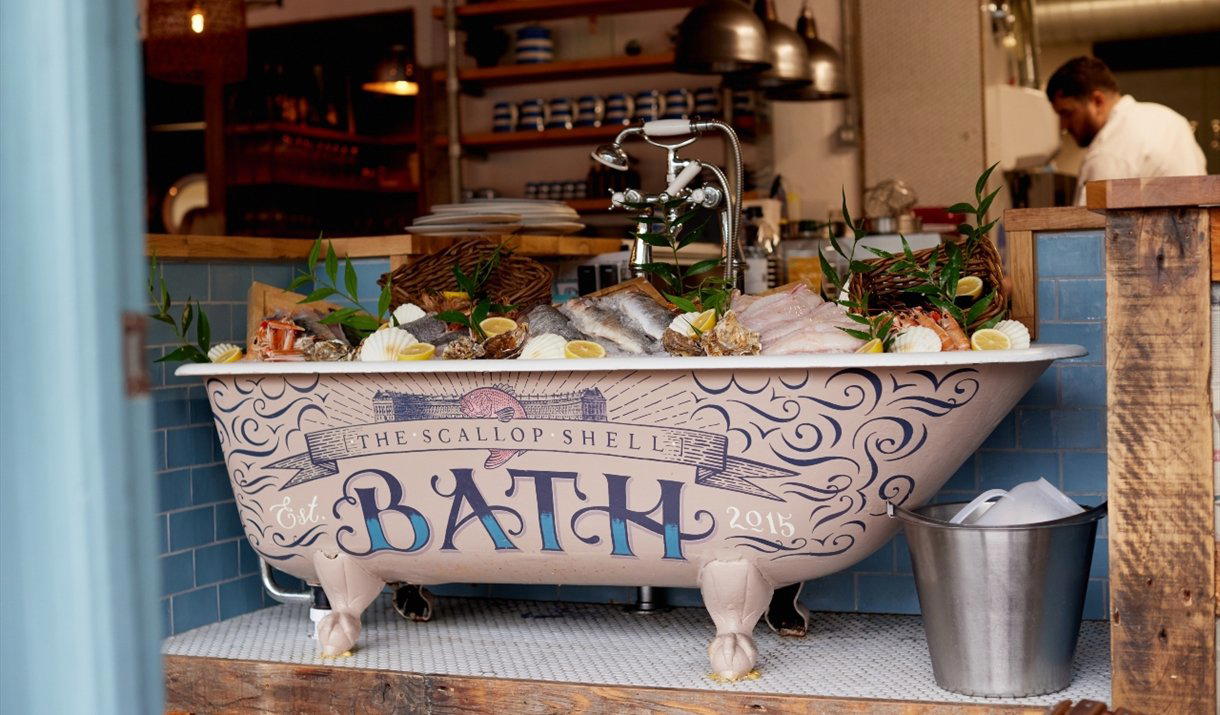
A Chippy with an Agenda
Bath’s dining scene has long been weighted toward formal Georgian dining rooms and hotel restaurants with starched tablecloths. The casual end of the market is thinner, and genuinely good fish cookery outside the fine-dining tier has historically meant a drive to the coast. The Scallop Shell, at 22 Monmouth Pl in Bath, is a casual British seafood restaurant with a recommended reservation policy and an average spend of about $45 per person. It occupies a specific gap: it is positioned as a fish restaurant rather than a chippy, but it retains the chippy’s democratic informality. That combination is rarer in mid-sized British cities than it should be, and it places The Scallop Shell in a different competitive conversation from, say, Olive Tree or Beckford Canteen, which both operate at a different price register and with different expectations around pacing and ceremony.
The Architecture of the Meal
Walking into the ground-floor space, one immediate reference point is not a restaurant but a working kitchen made visible. Shiny tiling, an open kitchen, lobster pots suspended overhead, ropes strung across the ceiling: the room communicates its subject before a menu arrives. The theatrical centrepiece is a vintage bathtub filled with ice, in which some of the day’s catch is displayed in plain view. It is a practical and effective device, the kind of transparency that builds confidence before a single plate has been ordered.
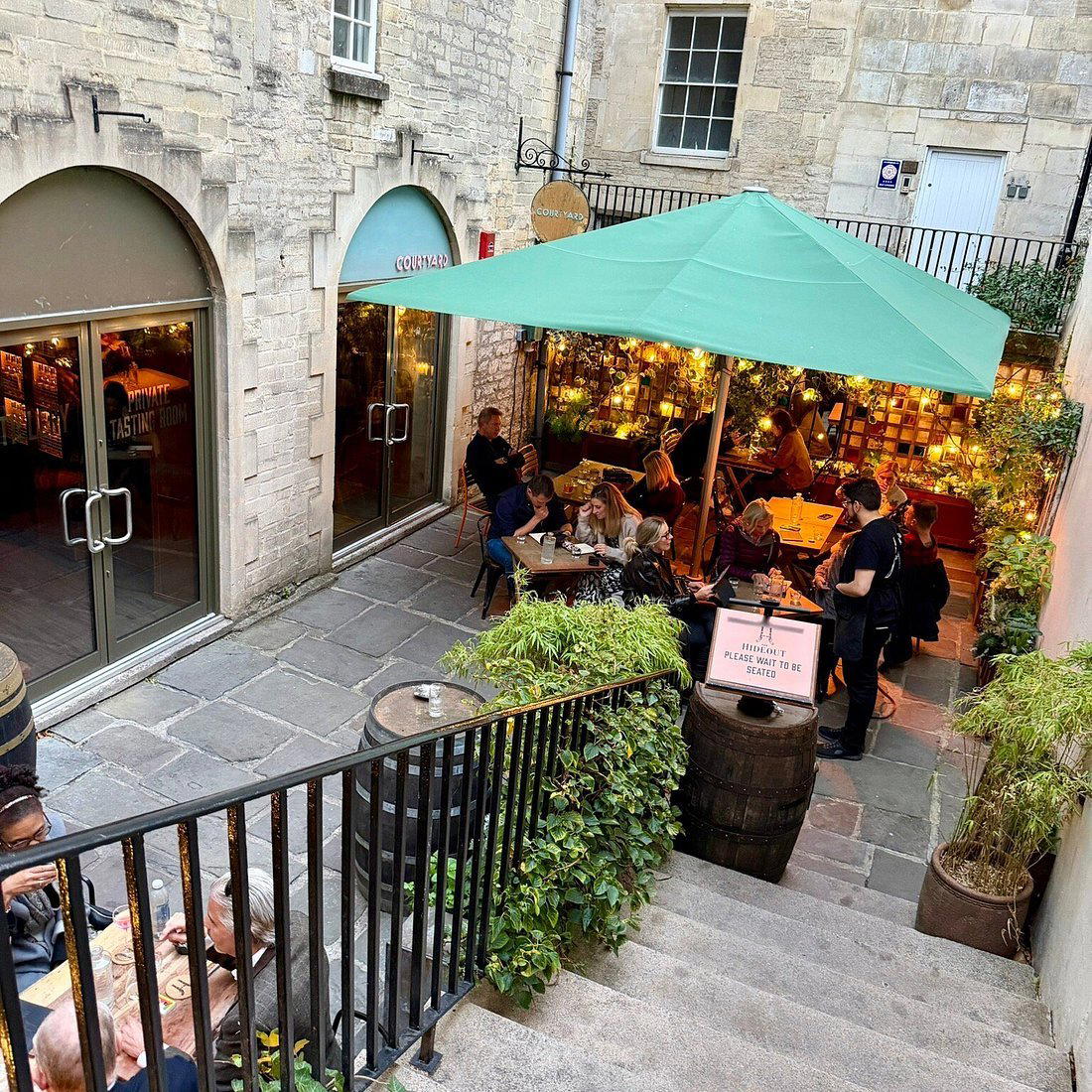
Upstairs, the Little Scallop operates as a separate space with an indoor/outdoor configuration and what the venue describes as a Mediterranean atmosphere, a distinct contrast to the ground-floor nautical register. The two floors allow the venue to serve different moods simultaneously, which matters operationally during busy periods and gives returning visitors a genuine reason to vary their experience.
The ritual of eating here follows a particular sequence. You sit, you read the printed menu, and then you look at the blackboard. The blackboard is where the daily specials appear, all sourced from British waters and adjusted to what has arrived that morning. In any serious fish restaurant, the blackboard is the real menu, and the printed card is the structural support. The discipline of committing to what is fresh rather than what is convenient is the clearest signal of where a fish restaurant places its priorities.
Reading the Menu as Evidence
The printed menu balances chip-shop classics with what might be called restaurant-register dishes. That pairing is deliberate and worth taking seriously, because it signals an intent to serve both a local customer who wants cod and chips done properly and a visitor who might be looking for something more considered.
On the classical side, prawn cocktail and moules marinière are described as textbook versions, precise enough to satisfy customers who notice when a classic has been treated carelessly. The cod loin arrives in a crisp, light batter with chunky fresh-cut chips, mushy peas, and homemade tartare sauce. These are the dishes that define the category, and the instruction is to execute them without compromise rather than to reinvent them.
The more inventive end of the menu demonstrates range: half a Start Bay ray wing with salsa verde, monkfish with lemon aïoli. Ray wing is a relatively unusual choice for a fish restaurant at this price tier in the UK; it requires careful cooking and confident sourcing, and its presence here is a credibility marker. The Orkney scallops, served caramelised and finished with garlic and herb butter in the shell on a sheet of mock newspaper, sit at the intersection of the two registers, a recognisable chip-shop presentation refined by the quality of the ingredient and the precision of the cooking.
Non-fish options are available, anchored by spiced chickpea fritters with curry sauce and fennel salad. These exist to cover dietary requirements without displacing the core offer. The dessert list closes the meal in the British tradition: sticky toffee pudding with caramel sauce, and a chocolate mousse described as bittersweet. The drinks list covers European wines, beers, ciders, and digestifs, a functional range rather than a specialist programme.
For visitors to Bath with a particular interest in the broader dining scene, the city offers contrasting reference points: Acorn for plant-based cooking, Chez Dominique for French technique, and Beckford Bottle Shop for a wine-led approach to casual dining. The Scallop Shell sits apart from all of these by virtue of its category focus.
The Family-Run Dimension
Planning a Visit
The restaurant is at 22 Monmouth Place, Bath BA1 2AY, within walking distance of the city centre. Given the venue’s combination of a ground-floor dining room and a separate upper-deck space, choice of floor is worth considering in advance: the ground floor offers the open-kitchen dynamic and the full nautical setting; the Little Scallop upstairs suits those who prefer an outdoor or semi-outdoor atmosphere.
Cuisine Lens
Comparable venues nearby, for context on price, style, and recognition.
| Venue | Cuisine | Price | Awards | Notes |
|---|---|---|---|---|
| The Scallop ShellThis venue — the venue you are viewing | British Seafood & Upmarket Fish & Chips | $$$ | Not listed | Not listed |
| Walcot House | Modern British Grill | $$$ | Not listed | Walcot Street |
| Corkage | Mediterranean Small Plates | $$$ | Not listed | Chapel Row |
| Emberwood | Modern British Brasserie | $$$ | Michelin Plate | Queen Square |
| Acorn | Modern Vegan Fine Dining | $$$ | Not listed | near Bath Abbey |
| Robun | Modern Japanese Robata Grill | $$$ | Michelin Plate | Bath city centre |
Recognition history
Dated appearances from independent guides and award organizations, with the underlying list record or original source where available.
The Good Food Guide GFG Good
The Good Food Guide
At a Glance
- Lively
- Modern
- Industrial
- Elegant
- Casual Hangout
- Family
- Date Night
- Group Dining
- Open Kitchen
- Terrace
- Beer Program
- Local Sourcing
- Sustainable Seafood
- Farm To Table
Current opening hours
- Monday
- 12–2:30 PM, 4:30–9:30 PM
- Tuesday
- 12–2:30 PM, 4:30–9:30 PM
- Wednesday
- 12–2:30 PM, 4:30–9:30 PM
- Thursday
- 12–2:30 PM, 4:30–9:30 PM
- Friday
- 12–2:30 PM, 4:30–9:30 PM
- Saturday
- 12–2:30 PM, 4:30–9:30 PM
- Sunday
- 12–3 PM
Hours can change for holidays and private events. Last verified .
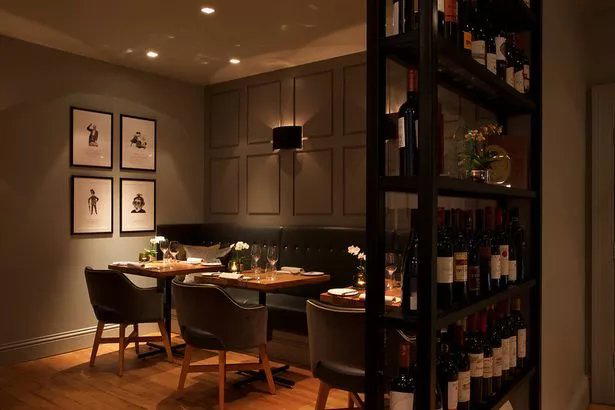
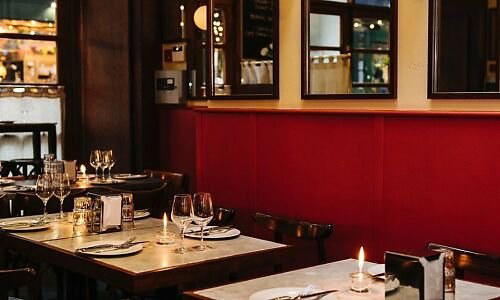
Bright, modern industrial space with nautical references including dangling lobster pots and rope details; shiny tiling and open kitchen create a lively, welcoming atmosphere with a contemporary twist on seaside charm.