Robun

Bath's dining scene runs heavily toward Georgian grandeur and Modern British cooking, which makes Robun's Michelin Plate–recognised Japanese kitchen on George Street a genuine counterpoint. The robata grill anchors a menu that spans grilled dishes, precise sushi, and an afternoon tea format adapted through a Japanese lens. At the ££ price tier, it occupies a distinct position in a city where comparable awards recognition typically costs considerably more.
Pearl is the En Primeur Club membership app — saves, bookings, and concierge access live there. Same editors, same standards.
- Address
- Princes Buildings, 4 George St, Bath BA1 2ED, United Kingdom
- Phone
- +44 1225 433200
- Website
- robun.co.uk
- Directions
- Get directions
 Saves & bookings on Pearl
A Japanese Kitchen in a Georgian Street
George Street sits in the middling altitude of Bath's restaurant geography: not the basement formality of a hotel dining room, not the neighbourhood looseness of a pub kitchen. Princes Buildings, where Robun operates, holds the kind of Georgian frontage that the city deploys everywhere, which means arriving here carries none of the visual cues you'd associate with serious Japanese cooking. That architectural neutrality, it turns out, is part of the point. What happens inside belongs to a different register entirely.
Bath's restaurant scene is weighted heavily toward Modern British and European formats. The rooms with critical recognition — places like Olive Tree at the ££££ tier — follow a grammar of seasonal British produce, classical technique, and long wine lists. Robun operates outside that grammar almost entirely, which makes it an outlier in the local competitive set rather than a direct comparison to peers like Beckford Bottle Shop or Beckford Canteen. At the ££ price range, it also sits at a different economic level than most of the city's award-recognised kitchens.
The Tokyo–Kyoto Divide, Mapped onto a Bath Menu
Japanese restaurant culture has long operated along an axis that observers tend to shorthand as Tokyo versus Kyoto: one pole favours speed, volume, technical novelty, and the theatrical energy of a metropolis; the other favours refinement, seasonal restraint, and a kind of deliberate pacing rooted in older culinary tradition. London's Japanese kitchens, places like Myojaku and Azabu Kadowaki in Tokyo, tend to occupy one pole or the other fairly clearly. A specialist robata counter reads as Tokyo: fire, immediacy, the direct theatre of live grilling. A kaiseki sequence reads as Kyoto: composed, coursed, restrained in its visual language.
Robun doesn't sit cleanly at either pole, and that ambiguity is actually editorially interesting. The robata grill sits at the menu's centre, which is a metropolitan instinct, grill stations occupy the Tokyo izakaya tradition, where proximity to fire is the point and the pace is set by the kitchen's throughput. But the restaurant takes its name and conceptual framing from Kanagaki Robun, the 19th-century author credited with introducing barbecued food to Japan. That's a deliberate act of cultural grounding, the kind of move that points toward the Kyoto register of wanting to know where something comes from before you put it on the plate.
The sushi program adds another layer. Sushi in a non-specialist setting is usually a signal of compromise, an item on a list rather than a kitchen's primary focus. Michelin's assessors, who awarded the restaurant a Plate recognition in 2024, specifically call out the sushi alongside the robata work, which suggests both programs carry genuine technical weight rather than existing as menu padding. A Michelin Plate at this price tier, in a city where equivalent recognition in other genres costs significantly more per cover, is worth noting: it positions Robun closer to the London Japanese mid-market than to the high-end omakase model, which is a more appropriate peer comparison than anything local.
The Afternoon Tea Angle
The afternoon tea format at Robun sits at an intersection that is genuinely unusual on the UK Japanese dining circuit. Bath is, of course, one of the cities most associated with afternoon tea as a civic ritual, the format has deep institutional roots here, with the Georgian spa town setting lending it a kind of theatrical legitimacy. Adapting that format through a Japanese lens, as Robun does with what Michelin describes as a strikingly presented version, is a more interesting cultural maneuver than it might first appear.
In Japan, the encounter between Western confectionery traditions and Japanese craft sensibility produced wagashi and yoshoku, two culinary registers that absorbed European influences and transformed them. A Japanese afternoon tea in a Georgian English city reverses that dynamic: it takes particularly English of meal formats and applies Japanese presentational instincts to it. Whether the result coheres depends on execution, and execution here is flagged as strong by the same assessors who noted the kitchen's fresh produce and authentic approach. The scope of the menu overall, robata, sushi, afternoon tea within a single format, is ambitious, and the Michelin recognition implies it holds together rather than sprawling.
Where Robun Sits in Bath's Wider Picture
Bath's restaurant scene beyond the headline addresses is worth understanding before visiting. Emberwood and the Marlborough Tavern represent the mid-market alongside Robun, and the city has genuine depth at the ££££ level in Modern British formats. For readers mapping the broader UK fine dining picture, bath sits in a regional cluster that includes Gidleigh Park in Chagford to the southwest, while nationally the reference points for serious award-recognised cooking include The Fat Duck in Bray, The Ledbury in London, L'Enclume in Cartmel, Moor Hall in Aughton, and Hand and Flowers in Marlow. Robun operates in an entirely different register from all of them, but the reference is useful: Michelin Plate recognition means assessors found the cooking worth documenting even while not yet awarding a star, a meaningful distinction in a field where most kitchens go unregistered entirely.
High-ambition menus with wide scope tend to produce this kind of review spread: the robata and sushi attract strong responses while other format choices suit some visitors less. That's a characteristic pattern for a kitchen trying to hold multiple Japanese dining traditions simultaneously rather than narrowing to a single format.
For a broader picture of what Bath offers across categories, our full Bath restaurants guide maps the scene in detail. Visitors planning a longer stay can also consult our Bath hotels guide, bars guide, wineries guide, and experiences guide for a complete picture.
Planning Your Visit
Robun is at Princes Buildings, 4 George St, Bath BA1 2ED, a central address that puts it within easy walking distance of the main Bath Spa rail station and the core Georgian visitor circuit. At the ££ price range, it is among the more accessible award-recognised options in the city. Given the breadth of the menu, robata, sushi, and afternoon tea all on offer, arriving with a specific focus tends to produce a more coherent meal than ordering across all three formats at once. The 2024 Michelin Plate recognition and the depth of the robata and sushi programs make this the natural first choice for anyone seeking Japanese cooking in Bath rather than adding a Japanese stop to a broader Modern British itinerary.
Category Peers
| Venue | Cuisine | Price | Awards |
|---|---|---|---|
| RobunThis venue — the venue you are viewing | Japanese | ££ | Not listed |
| The Bath Priory | Modern British | Not listed | Modern British, ££££ |
| Olive Tree | Modern Cuisine | ££££ | Michelin 1 Star |
| The Chequers | Traditional Cuisine | Not listed | Traditional Cuisine, ££ |
| Montagu's Mews | Modern Cuisine | Not listed | Modern Cuisine, £££ |
| Oak | Vegetarian | Not listed | Vegetarian, ££ |
Recognition history
Dated appearances from independent guides and award organizations, with the underlying list record or original source where available.
Michelin Plate
Michelin
Michelin Plate
Michelin
Michelin Plate
Michelin
At a Glance
- Modern
- Elegant
- Sophisticated
- Date Night
- Special Occasion
- Open Kitchen
- Sake Program
Current opening hours
- Monday
- 12–11 PM
- Tuesday
- 12–11 PM
- Wednesday
- 12–11 PM
- Thursday
- 12–11 PM
- Friday
- 12–11 PM
- Saturday
- 12–11 PM
- Sunday
- 12–11 PM
Hours can change for holidays and private events. Last verified .
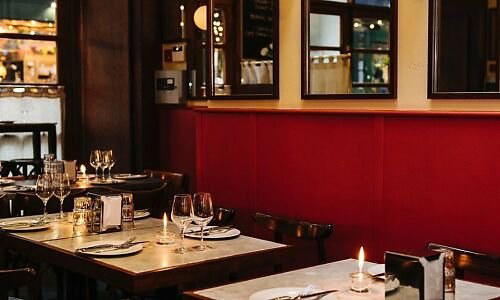
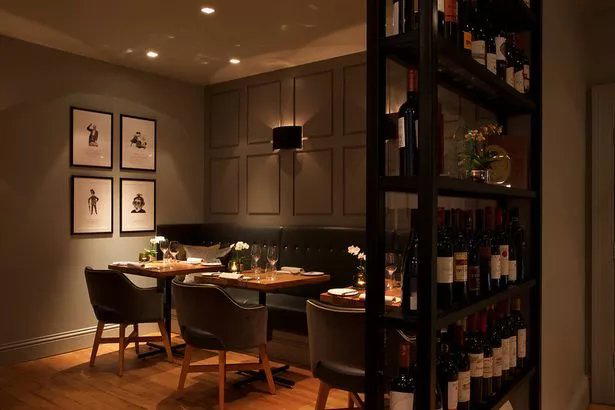
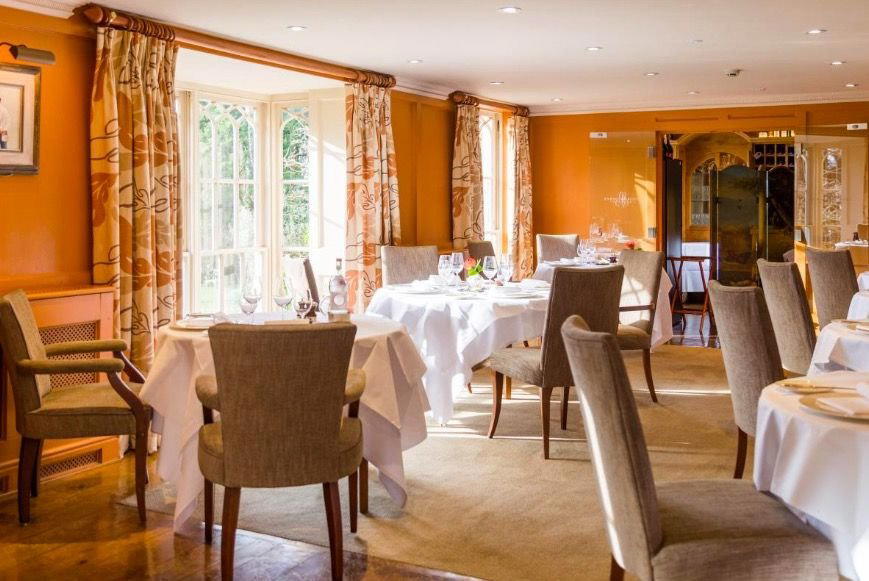
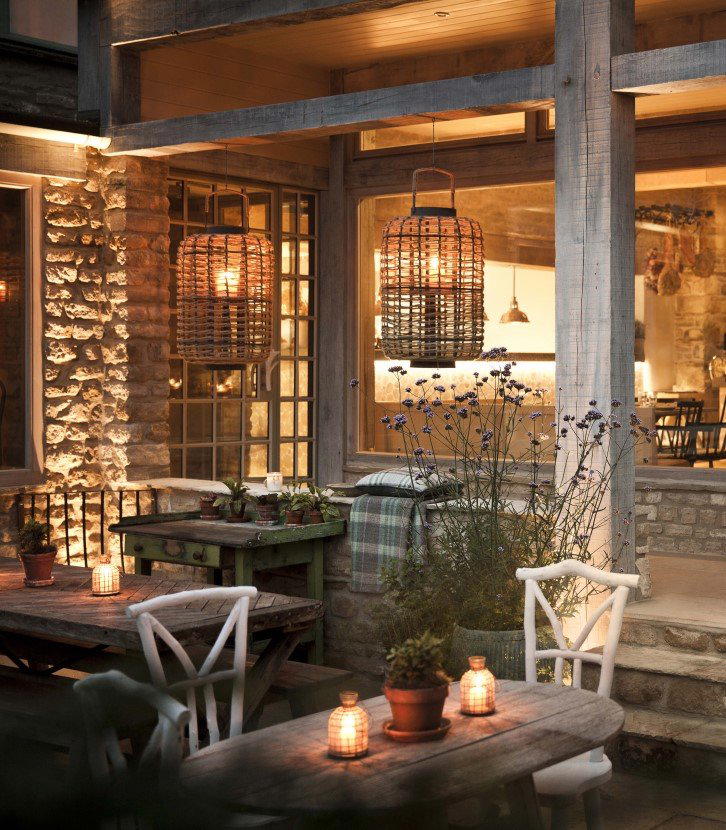
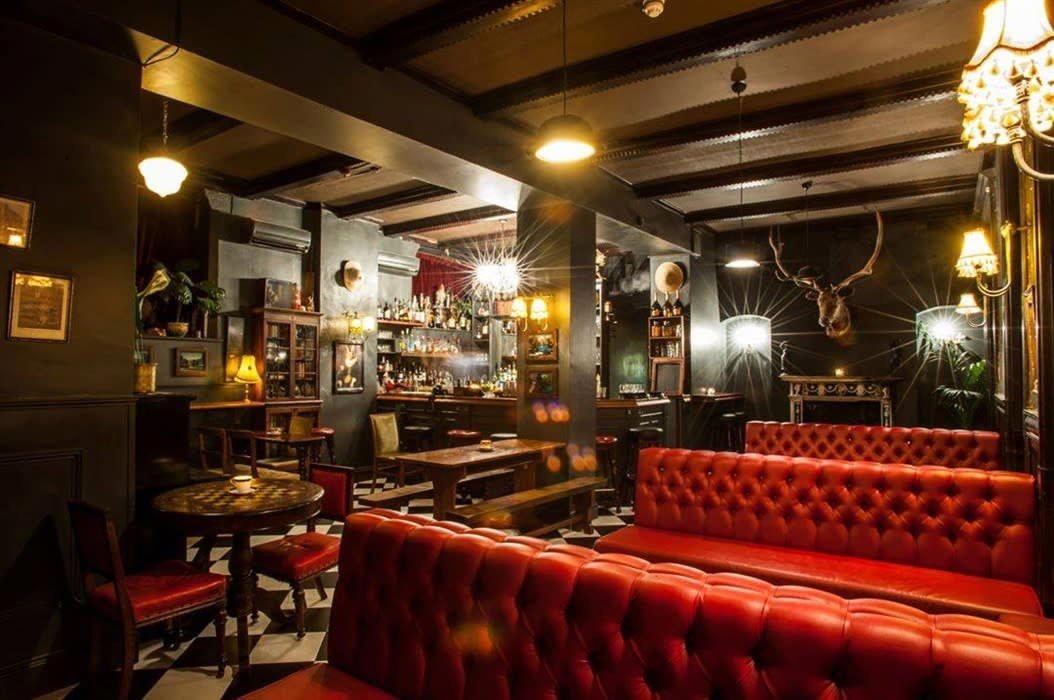
Casual yet refined with fancy decor, beautiful presentation, and a relaxing atmosphere.