Upstairs at Landrace



Above one of Bath's most respected artisan bakeries on Walcot Street, this Michelin Plate-recognised small-plates bistro turns locally sourced British produce into seasonal sharing dishes with real confidence. The setting is unpretentious — stone walls, scruffy wood floors, natural wine on the list — and the cooking matches that register: direct, produce-led, and carefully executed. A ££ price point makes it one of the stronger-value dining propositions in the city.
Pearl is the En Primeur Club membership app — saves, bookings, and concierge access live there. Same editors, same standards.
- Address
- FIRST FLOOR, 59 Walcot St, Bath BA1 5BN, United Kingdom
- Phone
- +44 1225 424722
- Website
- landrace.co.uk
- Directions
- Get directions
 Saves & bookings on Pearl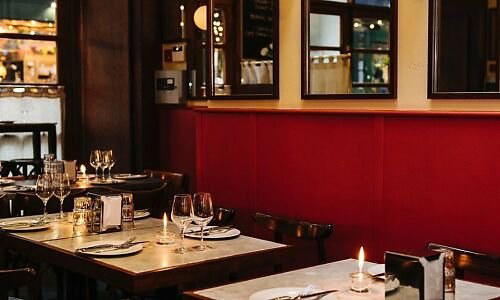
Where the Bakery Ends and the Restaurant Begins
Walcot Street has long occupied a particular position in Bath's commercial geography: independent, slightly rough-edged, and resistant to the Georgian-postcard version of the city that dominates the centre. Landrace, the artisan bakery at street level, fits that character precisely — a community-minded operation built around stoneground British grains and long-ferment sourdough. The smell of the baking reaches you before you reach the door. What sits above it, at the summit of a staircase, is something that has quietly developed into one of the more considered dining rooms in the city.
Upstairs at Landrace earned a Michelin Plate in 2025, placing it within a recognisable tier of British restaurants where the cooking is technically reliable and produce sourcing is taken seriously, without the formality or price architecture of Michelin-starred rooms. In Bath specifically, the ££££ end of the market is well-served by the likes of The Bath Priory and Olive Tree. Upstairs at Landrace operates in a different register entirely: a ££ price point, a small-plates format, and a bistro sensibility that owes more to neighbourhood dining in Bristol or Edinburgh than to the spa-city hotel dining that Bath is better known for.
The Room Itself
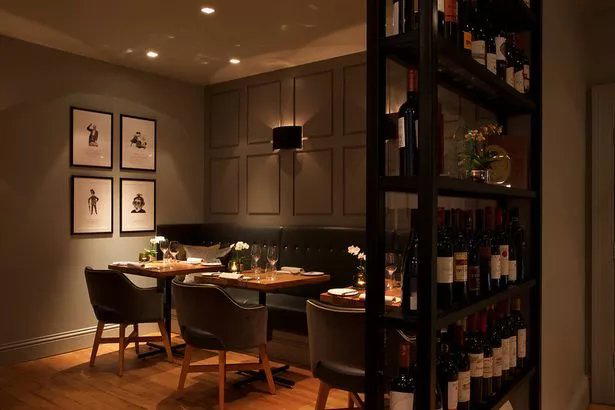
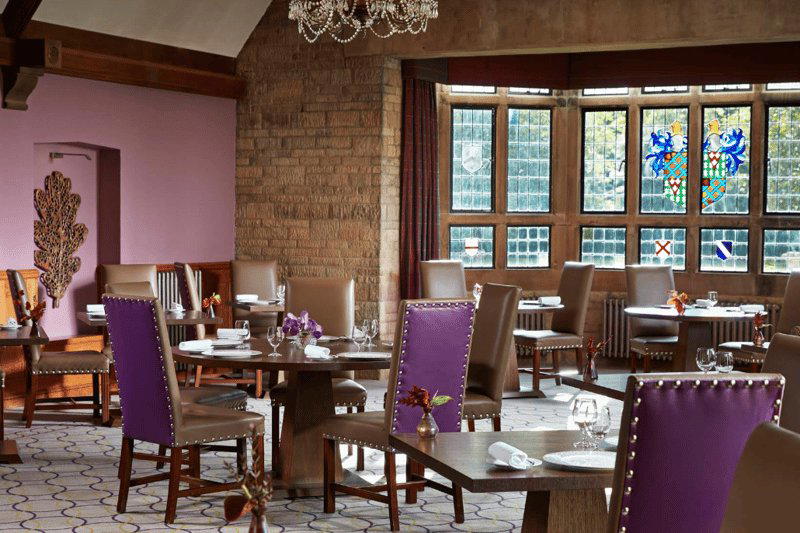
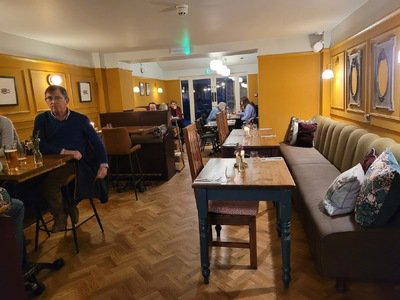
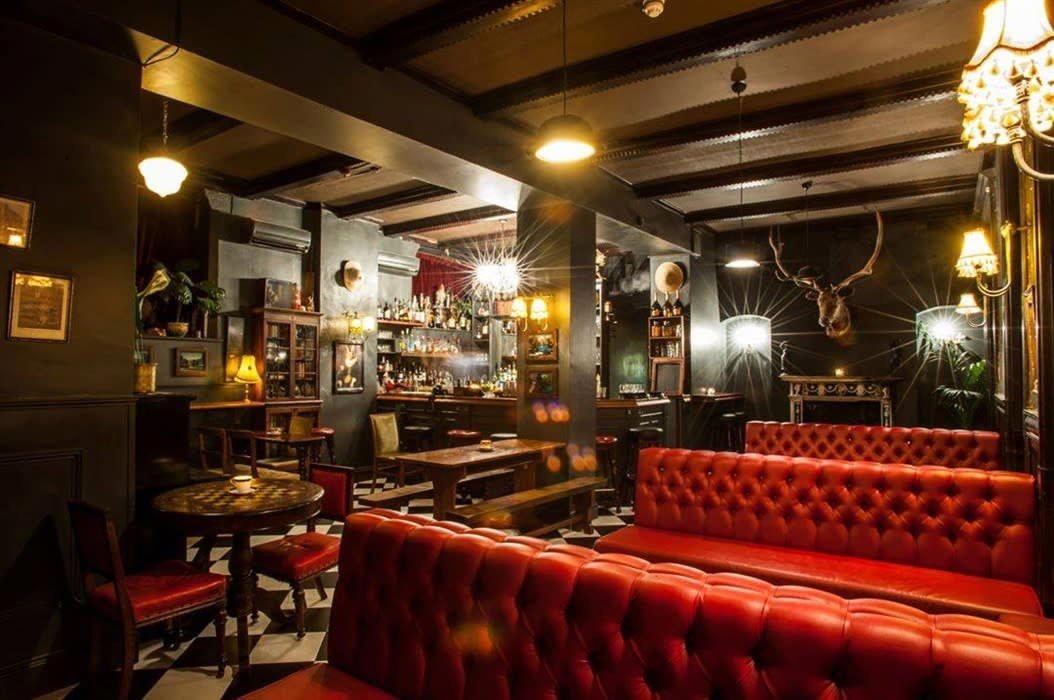
The physical space has expanded since the restaurant's early days as a small garret above the bakery. A second room was added as demand grew, and the two together now give the place a proportionality that the original space couldn't offer. But the aesthetic has been preserved deliberately: stone walls hung with framed posters, high shelves lined with empty wine bottles, black-topped tables set on wood floors that have the comfortable wear of a room that has been used. A corner bar with counter seats reinforces the bistro rather than restaurant framing. This is not a room that is trying to impress you with its design; it is a room that has been put together with enough care that the setting doesn't compete with what is on the plate.
The atmosphere is relaxed without being indifferent. The size of the room, the informal decoration, and the sharing-plate format all push towards a particular kind of evening: unhurried, social, and focused on the food without ceremony. For Bath, where dining rooms can sometimes mirror the grandeur of the architecture outside them, this register is less common than it should be.
The Cultural Logic of British Small-Plates Cooking
Modern British cooking at this price tier has settled into a fairly consistent philosophy over the past decade: a framework of small sharing plates, seasonal produce sourced from named British suppliers, and a menu that rotates with the agricultural calendar rather than a fixed seasonal schedule. The format borrows structurally from Spanish and Italian traditions of communal eating, but the ingredients are almost defiantly local. Upstairs at Landrace fits that pattern closely, with a daily menu built around produce that reaches from Brixham turbot to Scottish porcini — a sourcing geography that spans the British Isles while keeping the focus on specificity over decoration.
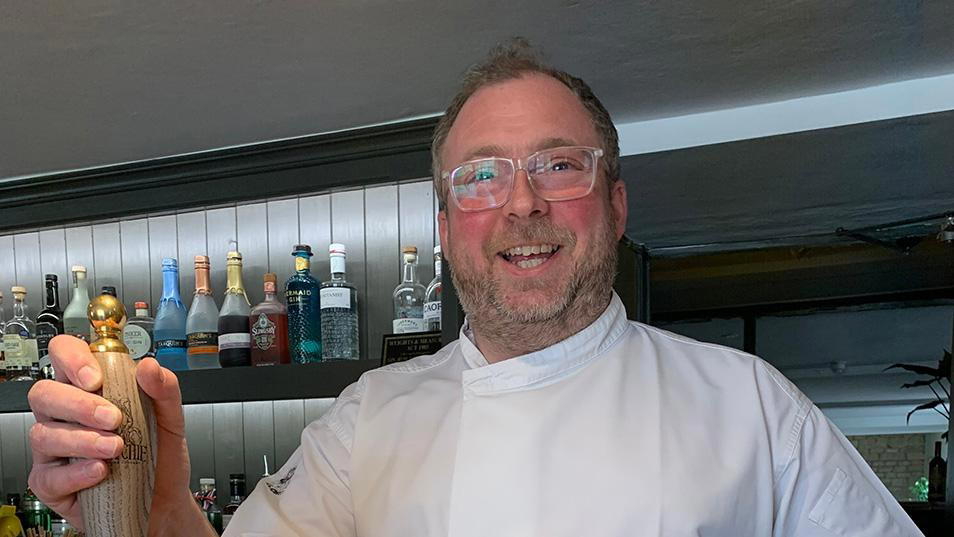
Chef Rob Sachdev's sourcing commitment is the kitchen's defining characteristic, and it manifests in the menu's directness. Dishes are described plainly, ewe's curd with pea and broad-bean tops; nettle tagliatelle with Wye Valley asparagus; beef rump with chickpeas, rainbow chard, and salsa verde, and that plainness is intentional. The cooking doesn't overlay flavours or complicate sourcing with technique for its own sake. This is a tradition with clear British precedents, running from Fergus Henderson's approach to nose-to-tail cookery through to the produce-focused bistros that have defined so much of what is interesting about regional British dining in the past fifteen years. At the higher end of the national register, restaurants like CORE by Clare Smyth, L'Enclume in Cartmel, and Moor Hall in Aughton define what British produce-led cooking looks like with full technical elaboration and multi-course formality. Upstairs at Landrace operates several tiers below that in price and scope, but the underlying philosophy, that British ingredients, sourced carefully and cooked without obscuring them, connects it to the same tradition.
The bread, which arrives at the start of a meal and is made in the bakery below, is one literal expression of that connection. Sourdough baked from stoneground British grains is not incidental context here; it is the kitchen's foundation and its clearest statement of purpose. Ordering a second portion is reportedly a common impulse among repeat visitors, and that response tells you something about the quality of the base ingredient.
What the Menu Tells You About the Season
The menu changes daily, and the range of dishes moves from generous snacks through to plates substantial enough to anchor a meal. Cheddar curd fritters appear as a starting point across multiple accounts of the restaurant. Seasonal pasta sits reliably among the larger dishes: nettle tagliatelle with Wye Valley asparagus in spring, pappardelle with Westcombe veal ragù in cooler months. Larger plates like beef rump with chickpeas and salsa verde demonstrate the kitchen's comfort with combining British primary ingredients with broadly Mediterranean structural thinking, a combination that has become characteristic of the Modern British idiom.
Desserts draw directly on the bakery's patisserie output: a warm cherry and almond tart, pain perdu with lemon curd and candied zest. These are not afterthoughts. The integration between the bakery below and the kitchen above gives the sweet course a foundation that most bistro-tier restaurants at this price point don't have access to.
The Wine List as Editorial Position
The wine list at Upstairs at Landrace takes an explicit position: natural and biodynamic producers, with an appetite for things that might surprise. The house white, an organic Catarratto from Sicily, signals immediately that the list is not going to default to safe European classics. This is consistent with a broader shift in British bistro and small-plates dining, where the wine programme has become as much an expression of the kitchen's values as the menu. Natural wine pairings with produce-focused British cooking have become a recognisable aesthetic combination across London and the larger regional cities; Bath, at this price tier and in this format, doesn't have many rooms that have adopted that approach with the same confidence. For those who want to explore Bath's wine offer more broadly, Beckford Bottle Shop operates at a different scale and format but similarly prioritises considered selection over volume.
Where It Sits in Bath's Dining Scene
Bath's dining offer is more stratified than its size might suggest. At the formal end, The Bath Priory and Olive Tree occupy the hotel-dining category at ££££. The mid-tier is covered by rooms like Emberwood and Beckford Canteen. Upstairs at Landrace sits at the ££ end with a combination of Michelin recognition and genuine daily-menu discipline that makes it the kind of room that rewards knowing about it. Its Walcot Street location places it outside the tourist circuit that concentrates around the Roman Baths and the Pump Room, which affects both the atmosphere and the clientele. This is a neighbourhood restaurant in a city that doesn't have as many of them as it should.
For reference against the broader national Modern British conversation, rooms like Hand and Flowers in Marlow, Gidleigh Park in Chagford, and The Fat Duck in Bray define what the more formal and technically elaborate end of the same tradition looks like. The Ritz Restaurant and The Ledbury in London represent the metropolitan premium tier. The restaurant is not competing in those categories.
Planning Your Visit
The restaurant is on the first floor at 59 Walcot Street, Bath BA1 5BN, a ten-minute walk from Bath Spa station, in a stretch of the street that also carries independent shops and studios. Given the room's size and the daily-menu format, booking ahead is advisable, particularly at weekends. The ££ price range makes it accessible for most occasions, and the sharing format suits groups of two to four comfortably. The corner bar with counter seats provides an alternative for solo diners or walk-ins when availability allows. For a fuller picture of what Bath offers across dining, drinking, and accommodation, see our full Bath restaurants guide, our full Bath hotels guide, our full Bath bars guide, our full Bath wineries guide, and our full Bath experiences guide.
Comparable Spots
| Venue | Cuisine | Price |
|---|---|---|
| Upstairs at LandraceThis venue — the venue you are viewing | Modern British | ££ |
| The Bath Priory | Modern British | ££££ |
| Olive Tree | Modern Cuisine | ££££ |
| The Chequers | Traditional Cuisine | ££ |
| Montagu's Mews | Modern Cuisine | £££ |
| Oak | Vegetarian | ££ |
Recognition history
Dated appearances from independent guides and award organizations, with the underlying list record or original source where available.
Michelin Plate
Michelin
SquareMeal UK Top 100 Restaurants #15
SquareMeal
The Good Food Guide Good Food Guide Best Local Restaurant
The Good Food Guide
Michelin Plate
Michelin
The Good Food Guide GFG Very Good
The Good Food Guide
At a Glance
- Cozy
- Intimate
- Modern
- Date Night
- Casual Hangout
- Special Occasion
- Open Kitchen
- Natural Wine
- Local Sourcing
- Farm To Table
Current opening hours
- Monday
- 6–9:30 PM
- Tuesday
- 12–2:30 PM, 6–9:45 PM
- Wednesday
- 12–2:30 PM, 6–9:45 PM
- Thursday
- 12–2:30 PM, 6–9:45 PM
- Friday
- 12–2:30 PM, 6–9:45 PM
- Saturday
- 12–2:30 PM, 6–9:45 PM
- Sunday
- Closed
Hours can change for holidays and private events. Last verified .
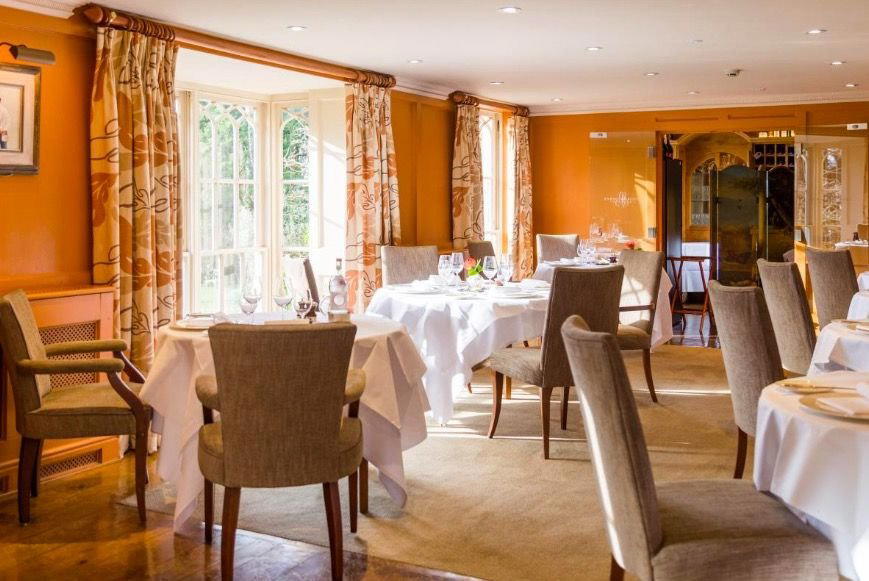
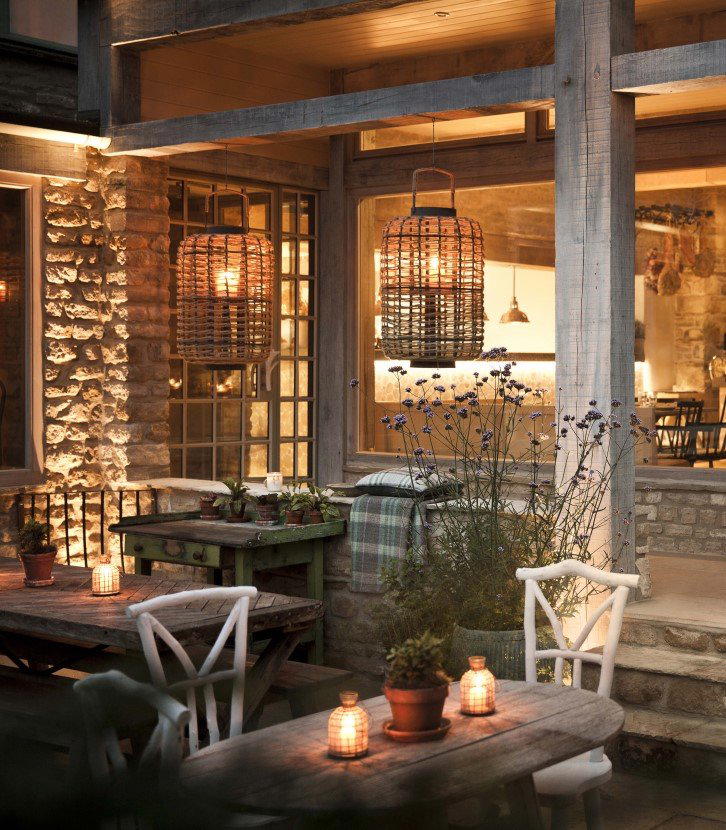
Cozy and bright with sloping ceilings, open kitchen, stone walls, and a warm, relaxed neighbourhood feel.