Acorn

Acorn has spent years making the case that plant-based cooking belongs in the same conversation as any serious restaurant in Bath. Working from a narrow address off North Parade Passage, the kitchen produces vegetable-driven dishes of real technical ambition: coffee-infused cauliflower with hazelnut polenta, black truffle gnocchi, and an organic squash terrine that has become a house reference point.
Pearl is the En Primeur Club membership app — saves, bookings, and concierge access live there. Same editors, same standards.
- Address
- 2 North Parade Passage,, BA1 1NX Bath, United Kingdom
- Website
- acornrestaurant.co.uk
- Directions
- Get directions
 Saves & bookings on Pearl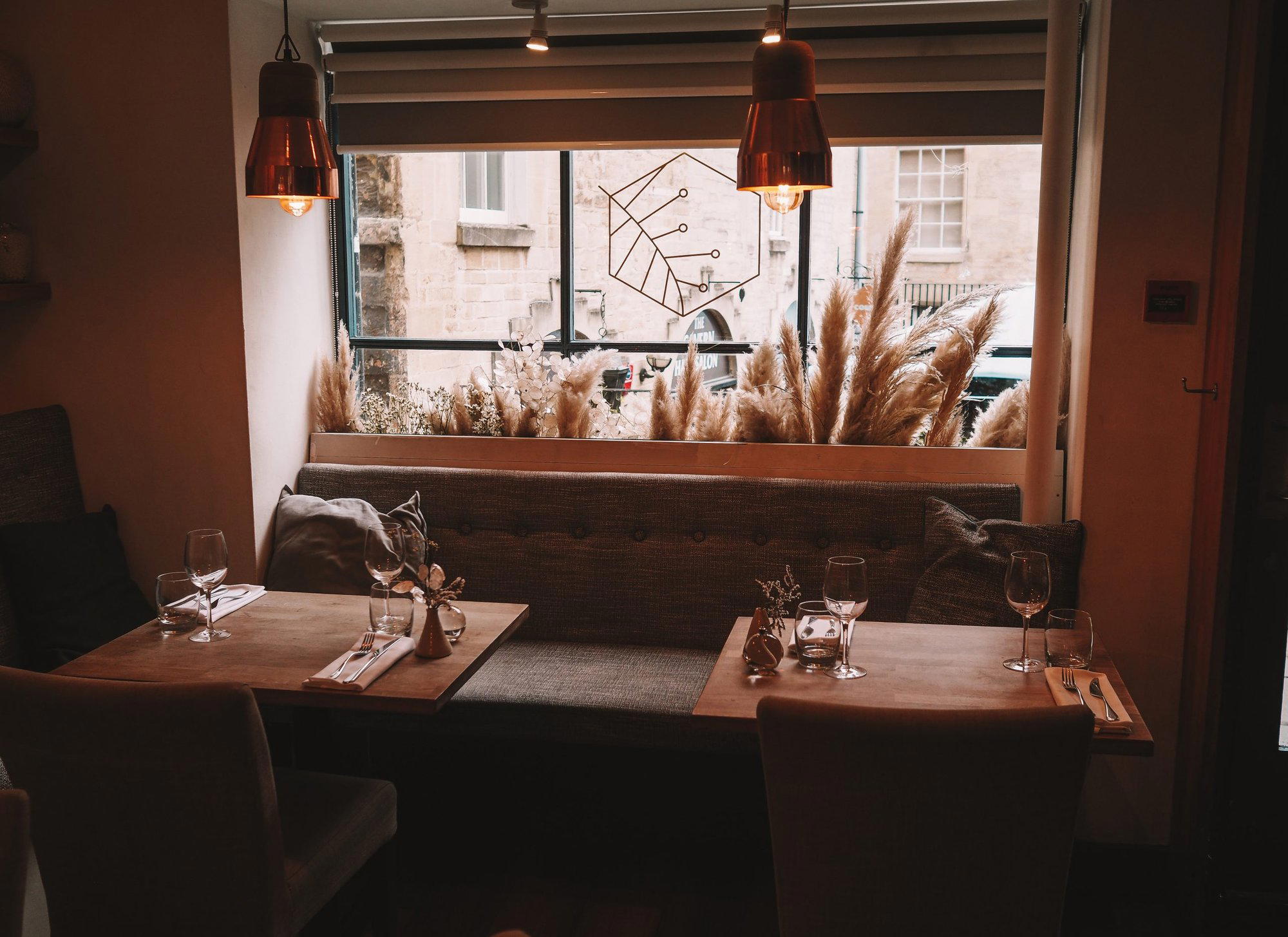
Where Plant-Based Cooking Gets Serious
There is a particular kind of restaurant that earns its reputation not through spectacle but through accumulation: return visits, word of mouth, and the quiet confidence of a menu that never needs to borrow prestige from meat or fish. In Bath, that role belongs to Acorn. Situated at 2 North Parade Passage, a short walk from the Roman Baths and the city's Georgian core, it operates within a dining scene that tilts heavily toward Modern British formality. Restaurants like Olive Tree and Emberwood set the dominant tone at the upper end of the market. Acorn occupies a different register entirely: vegetarian in conviction, technically serious in execution, and priced at a level that puts it alongside Bath's mid-tier rather than its fine-dining ceiling.
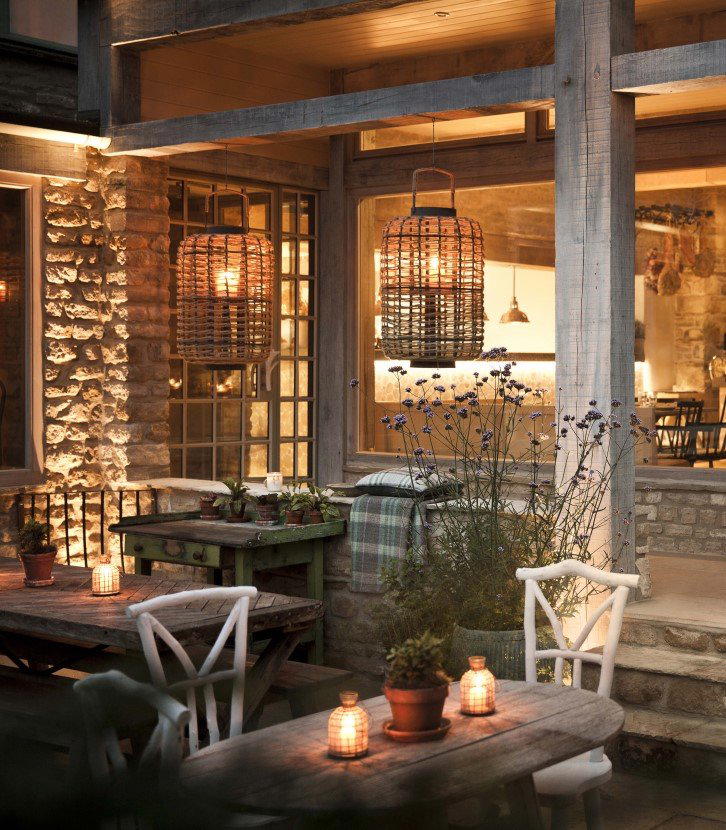
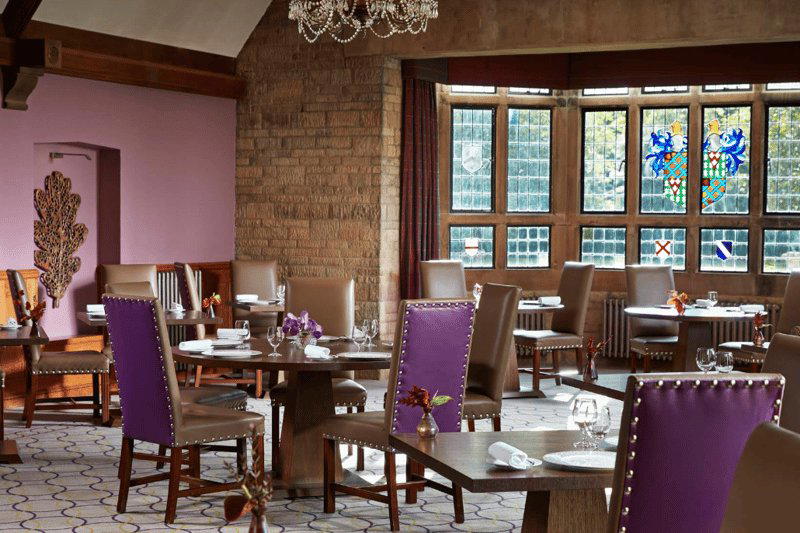
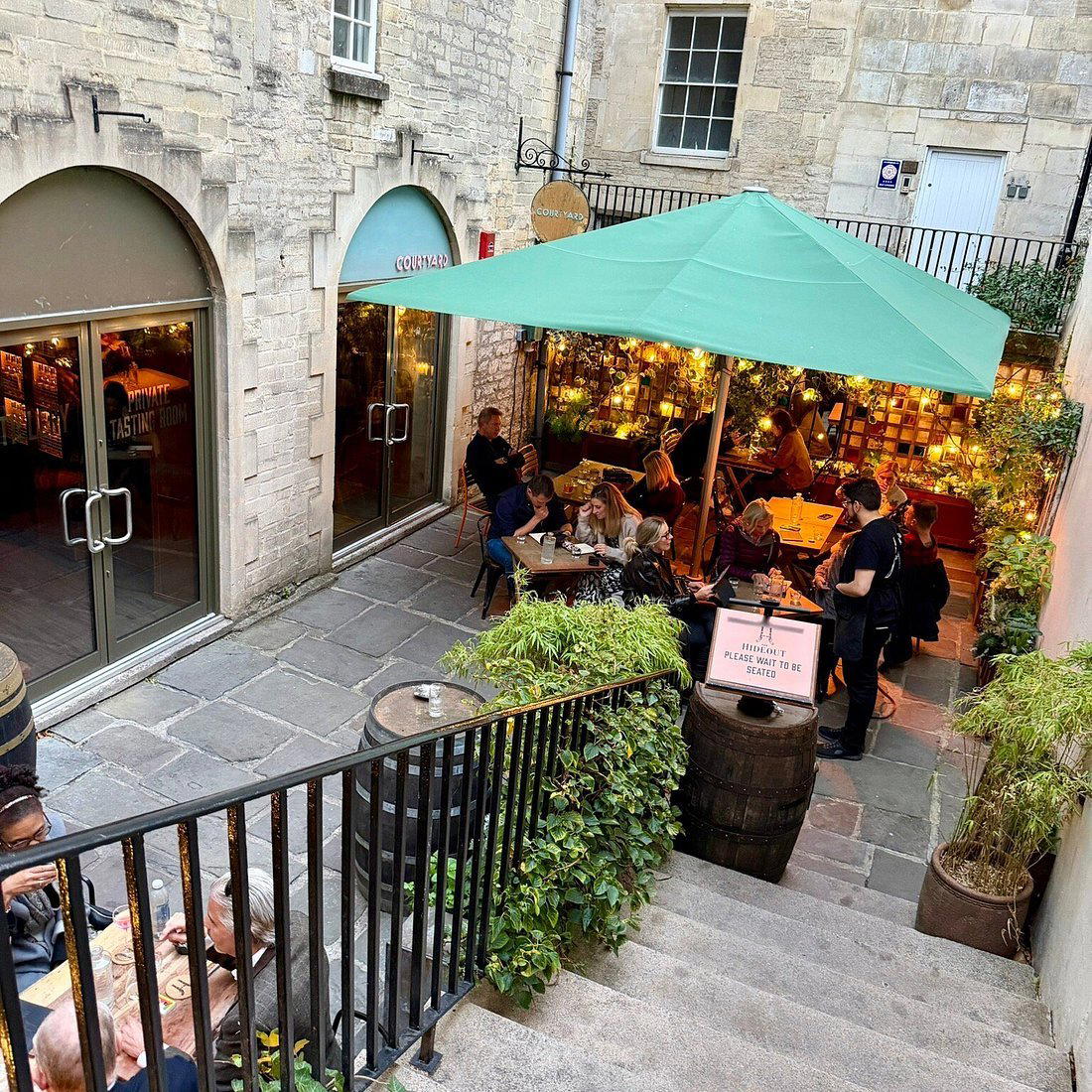
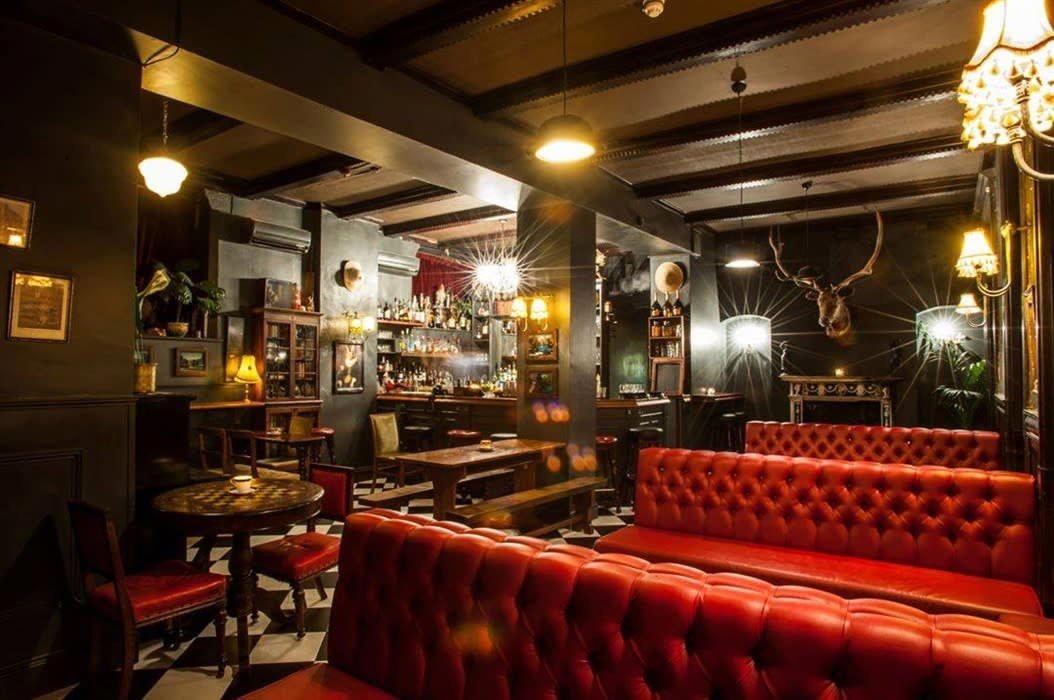
The room itself is compact and unhurried. North Parade Passage is one of Bath's quieter pedestrian corridors, which means the approach already filters out some of the noise from the city's busier tourist arteries. Inside, the scale stays intimate, with the kind of seating arrangement that makes conversations feel self-contained rather than overheard. It reads neither as a health-food canteen nor as an attempt to imitate the formality of a white-tablecloth room. The atmosphere sits deliberately between those poles, which is part of what has given Acorn its particular standing in the city.
The Sourcing Argument, Plated
What makes Acorn editorially interesting is how clearly its dishes argue for ingredient quality as the load-bearing structure of the menu. In kitchens that rely on protein as the centrepiece, sourcing decisions are often communicated through breed names, farm provenance, or ageing periods. At Acorn, the same logic applies to vegetables, and the menu reads accordingly. The organic squash terrine, served with whipped almond curds and cavolo nero alongside a bowl of barley in umami broth, is a dish that only works if the squash carries enough natural depth to anchor the plate. The combination of textures and the deliberate use of fermented and aged components — almond curds, umami broth — signals a kitchen comfortable with the slower, more careful processes that lift vegetable cookery beyond simple preparation.
The cauliflower infused with coffee and paired with hazelnut polenta is a more aggressive statement. Coffee bitterness applied to brassica is a combination that requires conviction: it either works as a study in contrasting intensities or it overwhelms. That Acorn has made it a recognised dish suggests the balance has been found and held. Similarly, the potato gnocchi with asparagus, aged pine nut, and black truffle places expensive ingredients, truffle, aged nuts, in service of vegetables rather than the reverse, which is still an unusual inversion in British restaurant culture. For context, high-end plant-based cooking of this technical seriousness is more commonly associated with restaurants in larger cities: think of the vegetable-focused tasting menus that have emerged at places like Moor Hall in Aughton or L'Enclume in Cartmel, where vegetarian dishes have moved from afterthought to equal partner. Acorn has been making that argument in Bath for considerably longer than the trend caught broader attention.
Bath's Plant-Based Tier
Bath's restaurant market has a clear clustering effect at the upper end, where Modern British tasting menus with classical French foundations dominate. The Beckford Bottle Shop and Beckford Canteen have carved out a wine-led niche in that mid-tier, while places like the Marlborough Tavern anchor the more casual, neighbourhood end of the market. Acorn sits outside all of those categories by virtue of its vegetarian commitment, which gives it a competitive position with essentially no direct local rival. The comparison set nationally is also thin: dedicated vegetarian restaurants with Acorn's level of technical ambition are still rare enough that the category itself operates as a differentiator.
That scarcity matters for understanding how to assess the restaurant. Acorn does not compete against Gidleigh Park in Chagford or The Ledbury in London on their own terms. Its peer group is smaller and more specialist, and within that group its reputation for combining genuine ingredient sourcing with cooking that produces surprising results has been consistent. The awards language applied to the restaurant, describing it as demonstrating that vegan cuisine can be innovative, with colour and flavour combinations that reward attention, reflects a critical consensus rather than marketing positioning.
Thinking About When to Go
Bath draws visitors year-round, with peak pressure falling in summer and around the Christmas market season in late November and December. Acorn, given its size and the specificity of its offer, rewards booking ahead during those periods. The restaurant sits in the central city, making it direct to combine with a day in the Roman Baths or the Assembly Rooms before an evening table. For those building a longer itinerary around Bath's food and drink offer, EP Club's full Bath restaurants guide covers the wider field, with separate guides for bars, hotels, wineries, and experiences across the city.
The restaurant's vegetarian and vegan commitment also means it is one of the few places in Bath where a table of mixed dietary requirements can be accommodated without one diner feeling that the kitchen has simply removed something rather than constructed a plate from the ground up. That alone gives it a practical utility that more carnivore-focused rooms, however accomplished, cannot replicate.
How Acorn Bath compares with similar nearby venues.
| Venue | Cuisine | Price | Awards |
|---|---|---|---|
| Acorn | Not listed | Not listed | We're Smart World 2025, 5 Radishes |
| Oak | Vegetarian | ££ | Not listed |
Recognition history
Dated appearances from independent guides and award organizations, with the underlying list record or original source where available.
We're Smart World 5 Radishes
We're Smart World




At a Glance
- Cozy
- Intimate
- Modern
- Romantic
- Date Night
- Special Occasion
- Open Kitchen
- Extensive Wine List
- Local Sourcing
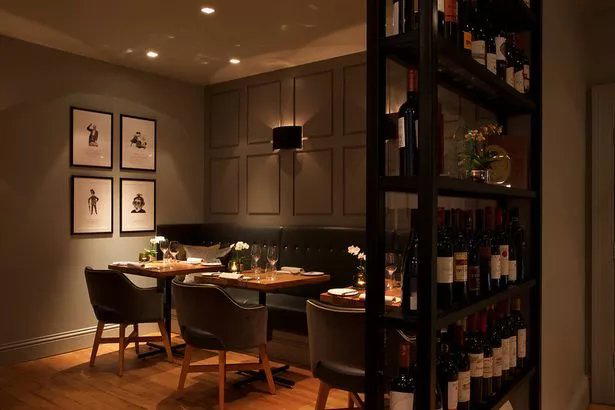
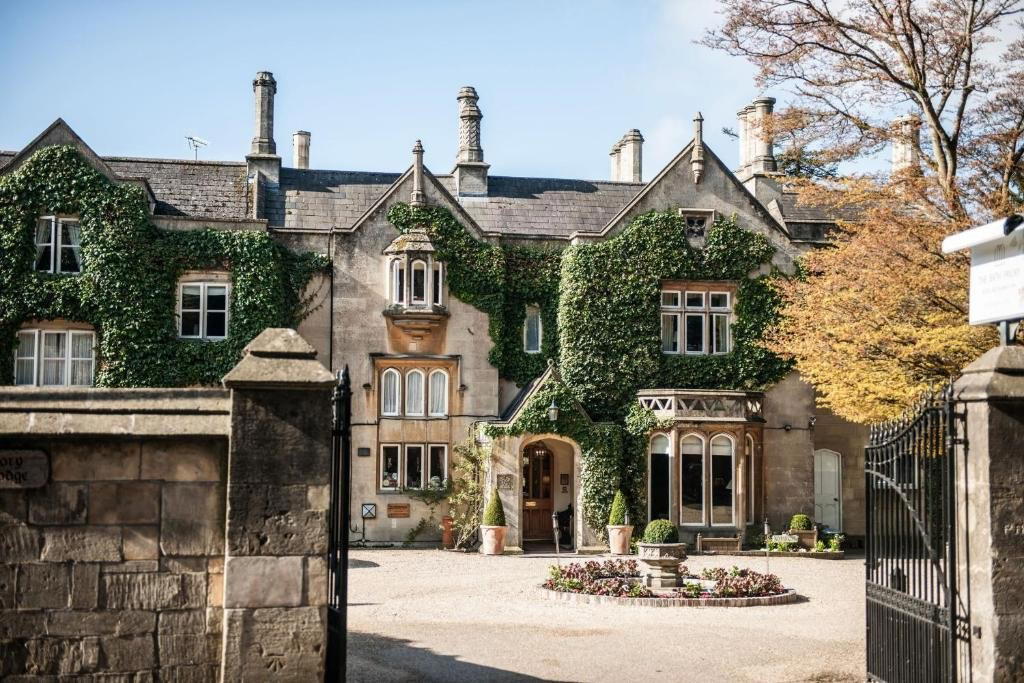
Cozy and romantic old Georgian house with contemporary relaxed feel, intimate characterful small dining rooms, quirky decor and local artwork.