Emberwood

Inside the Francis Hotel on Queen Square, Emberwood is a brasserie that pairs Georgian architecture with a modern open kitchen and seasonal cooking. The menu draws on British produce and Mediterranean technique, with seafood from St. Mawes market appearing as the kitchen's clearest signal of where its priorities lie. A dessert trolley adds an old-school flourish that sits comfortably alongside the contemporary format.
Pearl is the En Primeur Club membership app — saves, bookings, and concierge access live there. Same editors, same standards.
- Address
- 5 Queen Square, Bath BA1 2HH, United Kingdom
- Phone
- +44 1225 473351
- Website
- emberwoodbath.com
- Directions
- Get directions
 Saves & bookings on Pearl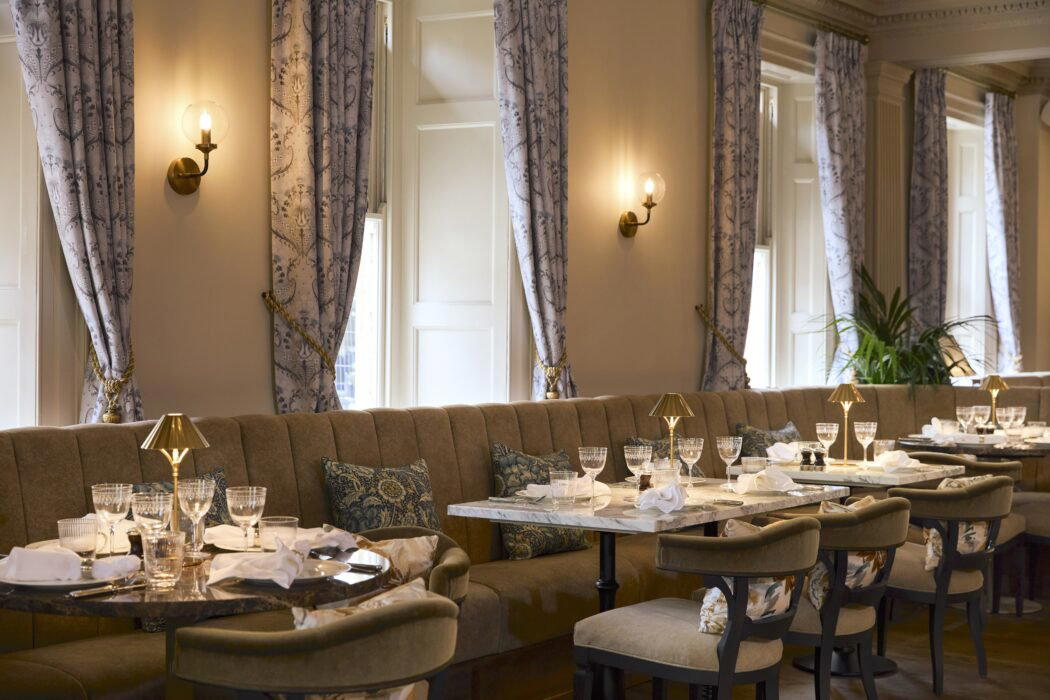
A Georgian Room, a Modern Counter
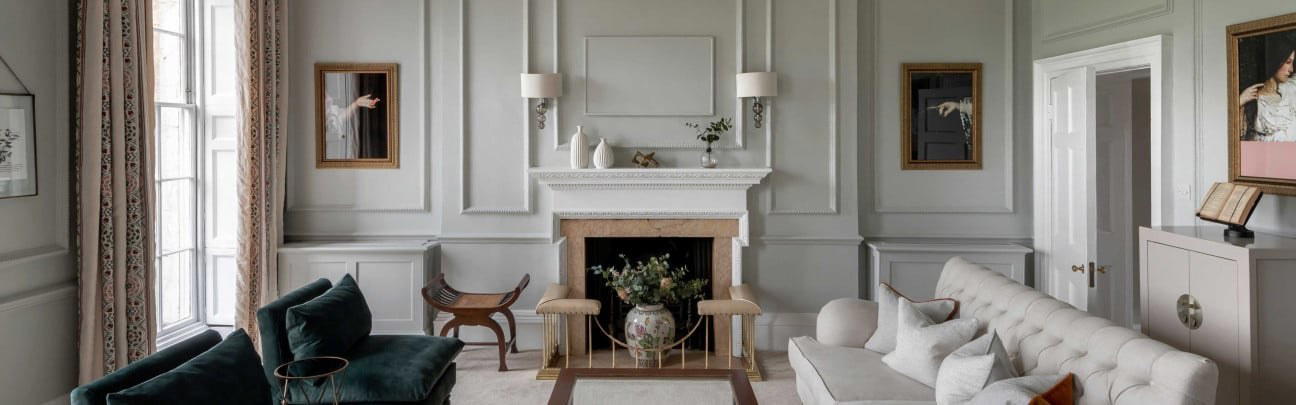
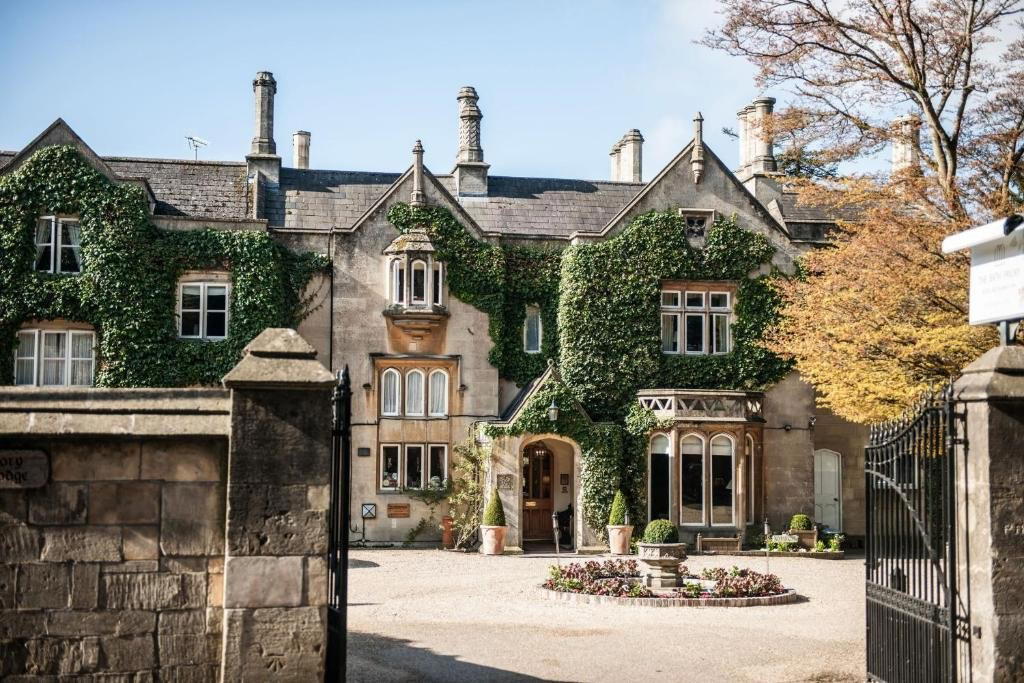
Queen Square is one of Bath's most composed addresses, a piece of John Wood the Elder's Georgian planning that has changed its function many times without losing its architectural authority. The Francis Hotel occupies a run of townhouses on the square's western side, and its dining room, Emberwood, occupies the kind of space that requires a considered decision: do you restore or reinterpret? The answer here leans toward both. Elegant mouldings and traditional plasterwork remain intact, but the room now centres on an open kitchen and counter seating that shifts the dynamic from formal dining room to engaged brasserie. The result is a space where the architecture sets the tone and the kitchen provides the motion.
That combination of Georgian envelope and modern operational format places Emberwood in a recognisable tier of British hotel dining: rooms where the setting carries heritage weight but the cooking is expected to move at contemporary pace. The open kitchen is not decorative. Counter seating at a working pass signals something about how the meal is meant to feel — closer to a conversation than a transaction, attentive to what is actually being cooked rather than what was written on a menu three months ago.
How the Meal Is Structured to Read
The editorial angle of Emberwood's cooking is seasonal and market-driven, which in practical terms means the menu's texture changes regularly and particularly interesting dishes tend to reflect what arrived most recently. That approach is more demanding to execute consistently in a hotel brasserie than in a destination restaurant, where a smaller, more controlled operation can hold to the same standards night after night. The reward for getting it right is a menu that reads honestly rather than aspirationally.
The kitchen's clearest statement of intent comes from its sourcing. Seafood from St. Mawes market in Cornwall appears as a catch of the day, which is a deliberate signal: the kitchen is working with what is actually available rather than what looks good on a printed card. St. Mawes sits at the end of the Roseland Peninsula, where small-boat day boats land species that vary by season and conditions. Menus that reference it are telling you something about supply chain discipline.
Mediterranean influence runs through the cooking alongside that British sourcing, and the combination is coherent rather than awkward. Red mullet with crab risotto — the kind of dish cited as evidence of what this kitchen does well, works because the Mediterranean treatment suits the species: the fish holds up to intensity, and the risotto carries enough depth to balance it without obscuring the crab's freshness. This is not a kitchen reaching for an identity; it is a kitchen applying technique to good material.
Dessert at Emberwood operates on a different register than the savoury courses, and deliberately so. The trolley format, choose from what is present rather than what is listed, is a piece of dining theatre that has largely disappeared from British restaurants, surviving mainly in a handful of classic French houses and a small number of country hotel dining rooms. Seeing it here in a brasserie setting says something about the kitchen's confidence: it takes a certain operational commitment to maintain a trolley properly, and it signals that the room values the ritual of the meal, not just the food on the plate.
Where Emberwood Sits in Bath's Dining Range
Bath's restaurant range covers more ground than its size might suggest. At the upper end, the Olive Tree holds a Michelin star and operates as the city's reference point for serious tasting-menu cooking. Menu Gordon Jones takes a more theatrical, no-choice approach to the same price bracket. Both sit in a different category from Emberwood, which asks less of the diner in terms of commitment and offers more flexibility in return.
The Beckford Canteen and Beckford Bottle Shop represent a different strand of Bath dining: wine-led, casual, relatively informal. The Marlborough Tavern anchors the traditional pub-dining end of the spectrum. Emberwood sits in the middle of this spread: more structured than the wine bar format, less demanding than the destination tasting menu, and distinctly positioned as a hotel brasserie that takes its sourcing seriously.
For readers building a longer stay, EP Club's full Bath restaurants guide maps the city's dining more comprehensively, and the Bath hotels guide provides context for accommodation decisions. The city's bar scene, wine offering, and experiences are also covered separately.
The broader context for hotel dining in Britain is worth noting. At the reference level, operations like Gidleigh Park in Chagford and Moor Hall in Aughton show what the hotel-dining format can achieve when cooking is the primary offering. At the level of pub dining refined through craft, Hand and Flowers in Marlow has established a distinct benchmark. Emberwood does not compete in those categories; it operates at a different pitch, where the room and the occasion matter as much as the technical ambition of the plate. That is not a criticism. It is a description of what the format is actually for.
Timing, Access, and the Practical Shape of a Visit
Emberwood sits inside the Francis Hotel at 5 Queen Square, Bath BA1 2HH, which means it benefits from the hotel's central position within walking distance of the Assembly Rooms, the Roman Baths, and most of the city's Georgian core. For visitors staying elsewhere in Bath, the location is direct to reach on foot from most central addresses.
Because the restaurant occupies a hotel dining room, it serves both hotel guests and outside visitors. For a seasonal brasserie with an open kitchen and counter seating, one engaged experience tends to come from sitting at or near the counter, where the rhythm of service is most visible. The dessert trolley format means the end of the meal carries its own pacing, this is not a room where you are expected to eat quickly and leave.
Booking ahead is advisable, particularly on weekends and during Bath's peak visitor periods, which run from spring through autumn and intensify around the Christmas market in late November and December. The Francis Hotel's position on Queen Square makes it a natural choice for visitors combining dining with a wider stay, and the dining room tends to fill accordingly.
Recognition history
Dated appearances from independent guides and award organizations, with the underlying list record or original source where available.
Michelin Plate
Michelin
At a Glance
- Elegant
- Cozy
- Sophisticated
- Modern
- Date Night
- Special Occasion
- Group Dining
- Celebration
- Open Kitchen
- Hotel Restaurant
- Craft Cocktails
- Local Sourcing
- Street Scene
Current opening hours
- Monday
- 12–11 PM
- Tuesday
- 12–11 PM
- Wednesday
- 12–11 PM
- Thursday
- 12–11 PM
- Friday
- 12–11 PM
- Saturday
- 12–11 PM
- Sunday
- 12–11 PM
Hours can change for holidays and private events. Last verified .
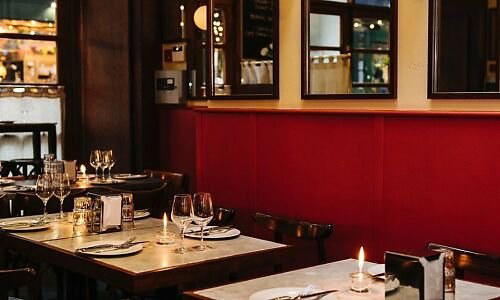
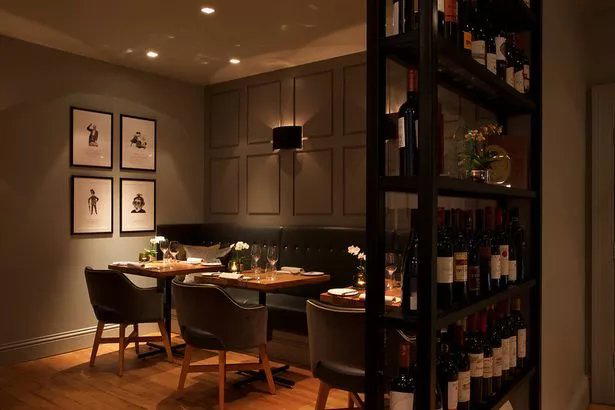
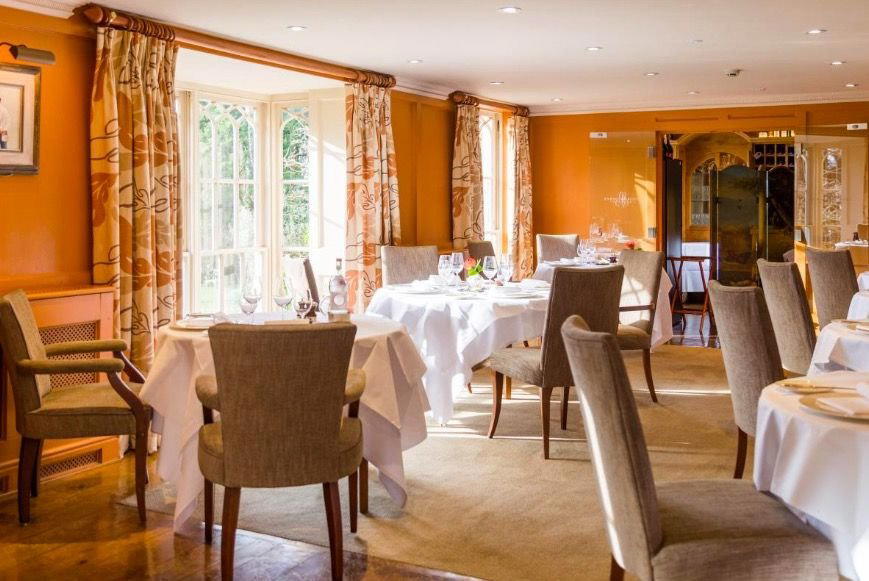
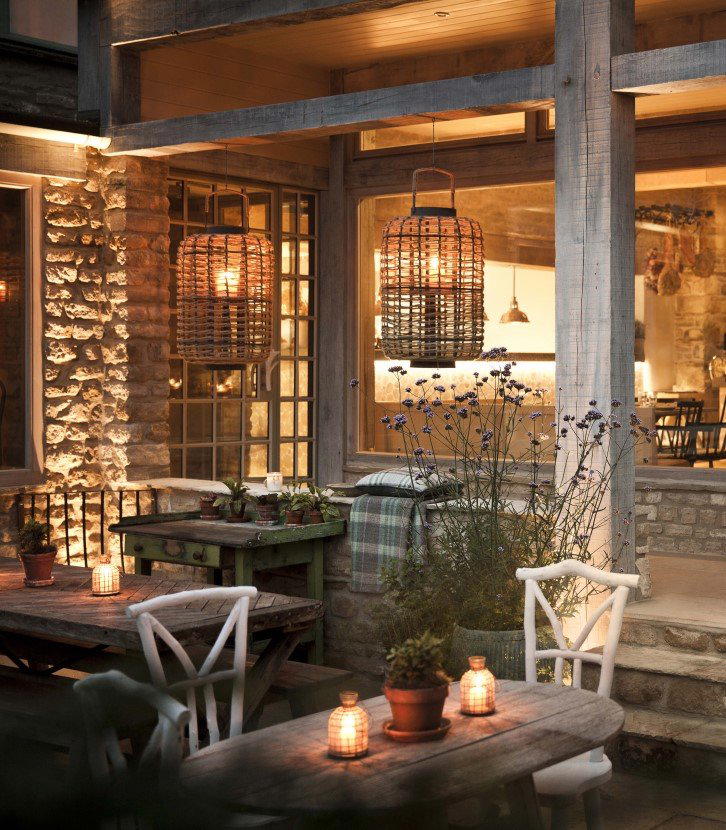
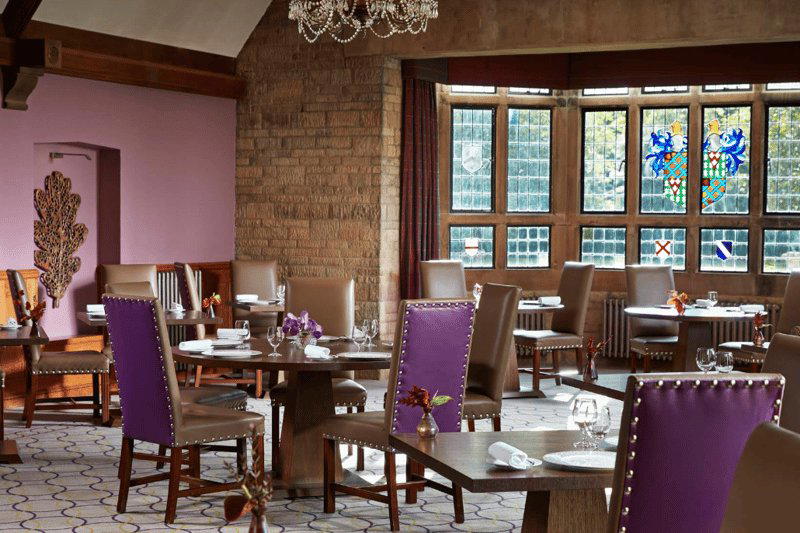
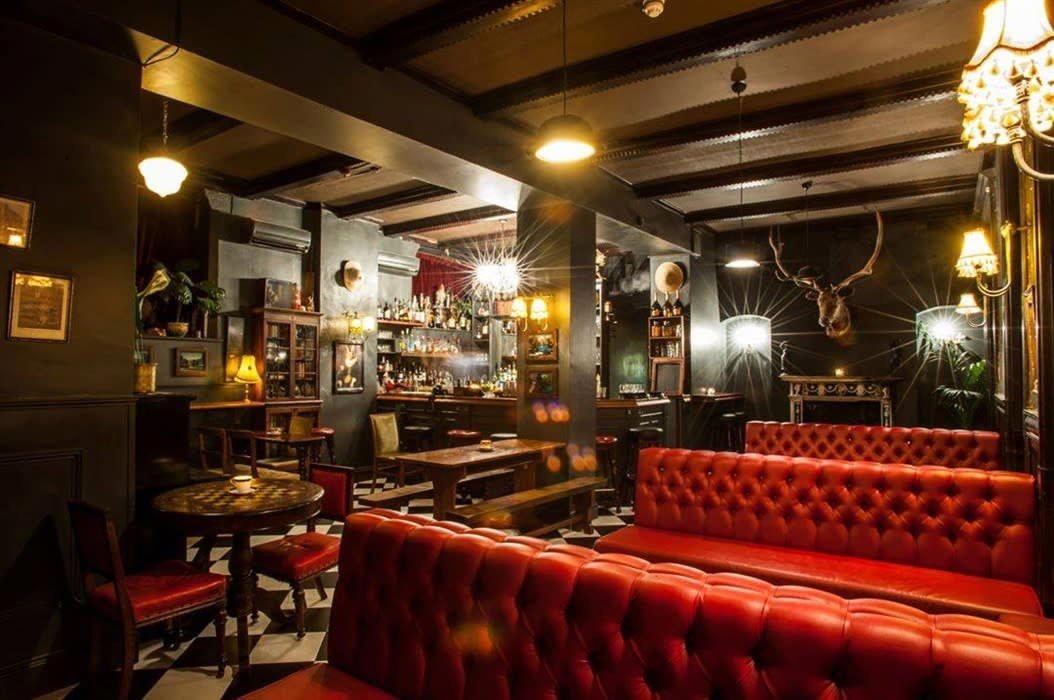
Light and airy interior with elegant crystal chandeliers, wood accents, open kitchen, and intimate seating zones creating a sophisticated yet relaxed atmosphere.