The Longs Arms



Michelin Plate · The Good Food Guide GFG Good
Our verdict
A Michelin Plate-recognised pub in the Bath stone village of South Wraxall, The Longs Arms sits opposite a medieval church and delivers the kind of honest, generously flavoured British cooking that reminds you what pub food is supposed to feel like.

Pearl is the En Primeur Club membership app, where members save venues, book tables and use the concierge.
The menu
What to order
- Fish and chips
- Roast dinner
- Pie
- Homemade ice creams
Stone Walls, Church Views, and the Pub Meal Done Right
Approach South Wraxall on a still afternoon and the village registers as a particular kind of English quiet: Bath stone cottages, a medieval church, and the low profile of a pub that has absorbed several centuries of use without being prettified into irrelevance. The Longs Arms occupies that setting opposite the church, and the physical environment does a considerable amount of framing before you even reach the bar. This is a place where the building earns its authority the old-fashioned way, through age and proportion rather than renovation theatre.
That context matters for understanding what The Longs Arms is, and what kind of dining it represents. The Wiltshire-Bath corridor has no shortage of ambitious country restaurants, Le Manoir aux Quat' Saisons to the north, Gidleigh Park to the southwest, but the Longs Arms operates in a different register entirely. Its Michelin Plate recognition in both 2024 and 2025 signals cooking worth seeking out, without positioning it in the tasting-menu tier occupied by venues like L'Enclume or Moor Hall. The Michelin Plate is a category reserved for kitchens where the food is genuinely good but the format remains accessible: no elaborate progression of courses, no dress code theatre, no price tag that requires advance budgeting. For the reader trying to calibrate expectations, think of it as the Michelin organisation endorsing a pub that cooks seriously.
The Gastropub Tradition and Where The Longs Arms Sits Within It
Britain's gastropub story is now three decades old, and the category has stratified considerably since the Eagle in Clerkenwell first demonstrated that pub interiors could house real cooking. At the top of that stratification sits a small group of pubs with full Michelin star recognition, The Hand and Flowers in Marlow and The Pipe and Glass in South Dalton are the most frequently cited examples of pubs that retained their pub identity while acquiring the formal weight of starred kitchens. Below that tier, and far more numerous, are Michelin Plate pubs: operations where the kitchen is taking the food seriously without redesigning the experience around gastronomy as performance.
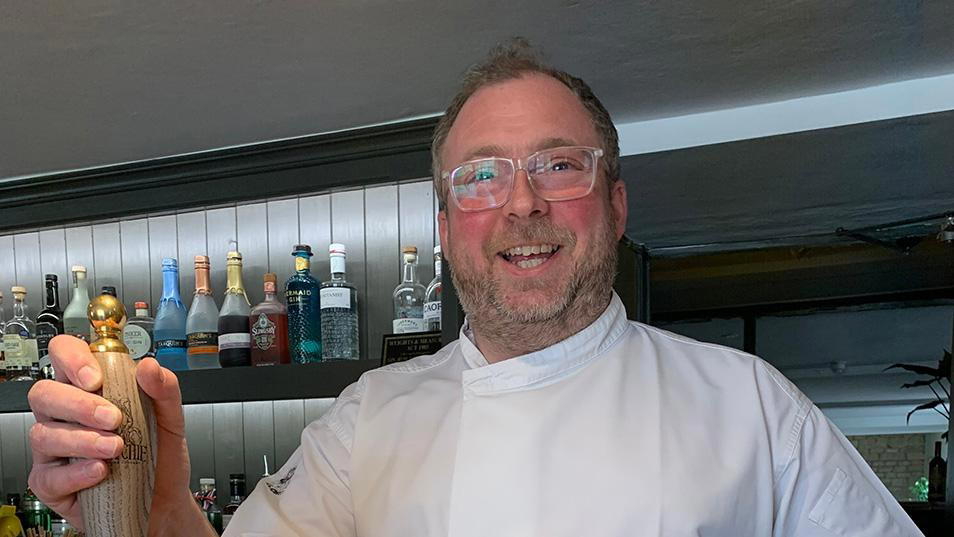
The Longs Arms fits that second tier, and does so with the family-run character that tends to define it. Chef-Owner Robert Allcock runs both the kitchen and the front-of-house identity in a way that larger, more institutionalised operations cannot replicate. The menu, described as extensive and wide-ranging, flirts with creative touches while remaining anchored to pub favourites. Fishcakes, sausage and mash, steak and kidney pie: these are not compromise dishes or concessions to a risk-averse crowd, but the actual point. The cooking tradition that produces a well-made steak and kidney pie requires as much technical discipline as any modern plate, and the Michelin Plate recognition over consecutive years suggests Allcock is meeting that standard consistently.
Consistency across two Michelin cycles is more meaningful than a single-year award. It implies the kitchen is not dependent on a particular season or a particular moment of ambition, but is reliably delivering on a defined proposition. For a pub in a village of this size, that is a genuine operational achievement.
What the Menu Signals
The menu at The Longs Arms is deliberately broad, which in pub dining can signal one of two things: ambition outrunning execution, or a kitchen confident enough in its fundamentals to offer range. A 4.6 average at that volume is not a statistical accident; it reflects consistent delivery across a wide range of visits and expectations.
The dishes named in Michelin's own description, fishcakes, sausage and mash, steak and kidney pie, are the load-bearing items of British pub cooking. They are also the dishes that most easily expose a kitchen cutting corners. A fishcake made with yesterday's mash and tinned fish reads immediately; a steak and kidney pie with a sodden base or institutional gravy is similarly apparent. That these dishes anchor a Michelin-recognised menu indicates the kitchen is treating them as finished products rather than background noise.
Equally telling is the mention of homemade ice creams as the recommended finish. Dessert at this price point in British pubs frequently involves purchased product or minimal kitchen effort. A house ice cream programme requires time, equipment, and recipe discipline. Its appearance as the recommended closing course is a specific detail that reinforces the kitchen's commitment to doing things in-house. The price range, at ££, positions The Longs Arms squarely in the accessible bracket of the Michelin Plate tier: this is not a special-occasion destination in the way that The Ledbury or The Fat Duck might be, but a local that rewards regular visits without requiring them to be budgeted occasions.
For a broader view of what serious British cooking looks like across formats and price points, the contrast with venues like Dinner by Heston Blumenthal, Midsummer House, or Opheem is instructive. Those are kitchens operating with different resources, different price assumptions, and different format conventions. The Longs Arms is not competing with that tier. It is doing something categorically different: making the case that honest, well-executed British cooking in a genuine pub setting is worth recognising on its own terms. Michelin has agreed, twice.
Planning Your Visit
South Wraxall sits a short drive from Bradford-on-Avon, which has a mainline rail connection to Bath and London Paddington. The village itself is small enough that The Longs Arms is effectively the destination rather than one among several options nearby. The ££ price range means a full meal with drinks is unlikely to produce the kind of bill that requires advance financial planning, making it a viable mid-week option as well as a weekend excursion from Bath or Bristol.
For those building a wider trip around the area, the full range of local options is covered in our South Wraxall restaurants guide, alongside hotels, bars, wineries, and experiences in and around South Wraxall. For those tracking the wider British pub-with-serious-kitchen category, hide and fox in Saltwood and Restaurant Andrew Fairlie in Auchterarder represent different points on the spectrum of formally recognised British cooking worth understanding in context.
Frequently asked questions
How much does it cost to eat at The Longs Arms?
Pricing at The Longs Arms is listed as ££.
Where exactly is The Longs Arms?
The Longs Arms is located at Upper South Wraxall, Bradford-on-Avon BA15 2SB, United Kingdom, South Wraxall.
Quick Comparison
| Venue | Cuisine | Price | Awards | Notes |
|---|---|---|---|---|
| The Longs ArmsThis venue (the venue you are viewing) | Traditional British | $50–100 | Michelin Plate · The Good Food Guide GFG Good | Not listed |
| The Ledbury | Modern British Fine Dining | $300–500 | 3 Michelin Stars · World's 50 Best #42 | Modern European, Modern Cuisine |
| Sketch, The Lecture Room and Library | Modern French Fine Dining | $200–300 | 3 Michelin Stars · World's 50 Best #18 | Modern French |
| CORE by Clare Smyth | Modern British Fine Dining | $150–200 | 3 Michelin Stars · World's 50 Best #97 | Modern British |
| Restaurant Gordon Ramsay | French Fine Dining | $200–300 | 3 Michelin Stars · World's 50 Best #13 | Contemporary European, French |
| Dinner by Heston Blumenthal | Modern British, Traditional British | Not listed | Michelin 2 Star | Not listed |
Recognition history
Dated appearances from independent guides and award organizations, with the underlying list record or original source where available.
Michelin Plate
Michelin
Top 50 Gastropubs 2026 Estrella Damm Top 100 Gastropubs #63
Top 50 Gastropubs
The Good Food Guide GFG Good
The Good Food Guide
Full recognition history (5 entries)
Michelin Plate
Michelin
Michelin Plate
Michelin
Continue exploring
More in South Wraxall
Restaurants in South Wraxall
All restaurants in South Wraxall →
Bars in South Wraxall
Browse all →
Details
- Rustic
- Cozy
- Scenic
- Classic
- Special Occasion
- Date Night
- Family
- Celebration
- Garden
- Historic Building
- Standalone
- A La Carte
- Real Ale
- Wine
- Vegetarian Friendly
- Allergy Accommodating
Current opening hours
- Monday
- Closed
- Tuesday
- Closed
- Wednesday
- Closed
- Thursday
- 12–11:30 PM
- Friday
- 12–11:30 PM
- Saturday
- 12–11:30 PM
- Sunday
- 12–11:30 PM
Hours can change for holidays and private events. Hours as of .