Bybrook


1 Michelin Star · SquareMeal UK Top 100 Restaurants #70 · AA Rosettes 4 Rosettes
Our verdict
Bybrook holds a Michelin star inside the Manor House Hotel, a 14th-century country house in Castle Combe's Cotswold fringe. Chef Robert Potter's menu draws on premium British sourcing — Anjou pigeon, Cornish brill — and delivers refined, classically grounded cooking in a setting of oak panelling, open fires, and 365 acres of Wiltshire parkland. Dinner runs Wednesday through Sunday from 6pm.

Pearl is the En Primeur Club membership app — saves, bookings, and concierge access live there. Same editors, same standards.
- Address
- West St, Castle Combe, Chippenham SN14 7HX, United Kingdom
- Phone
- +44 1249 782206
- Hours
- Mon–Tue ClosedWed–Sun 6–8:30 PM
- Website
- exclusive.co.uk
- Directions
- Get directions
- Booking
- Book on the venue's website
A Country House Dining Room That Earns Its Star on the Plate
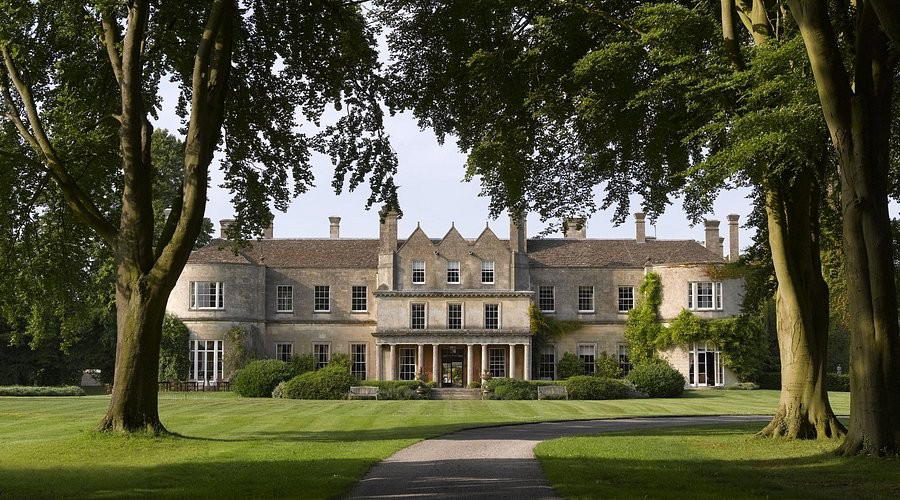
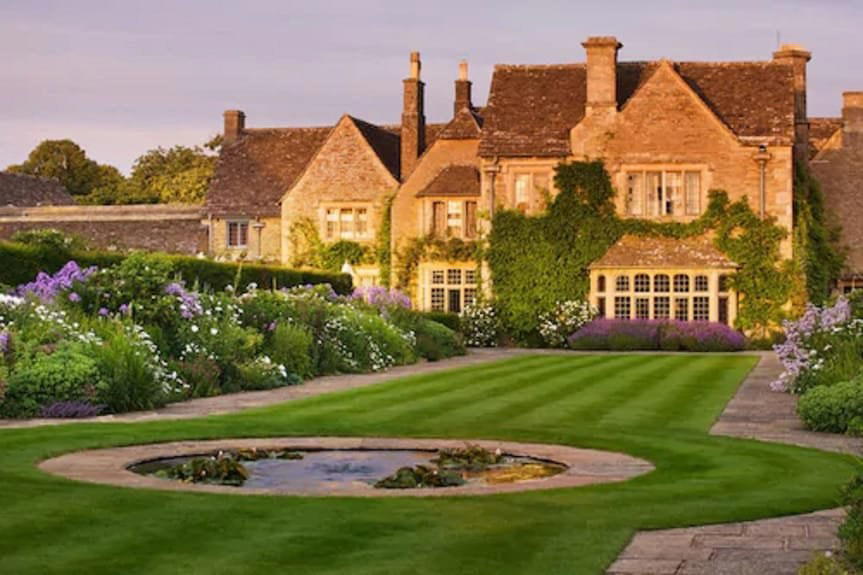
The approach to Castle Combe prepares you for something out of the ordinary. The village itself has a quality that feels almost performatively English — honeyed stone cottages, a medieval market cross, a stream running through the bottom of the valley. By the time you reach the Manor House Hotel, set within 365 acres of formal gardens and parkland at the village edge, the scene has done considerable atmospheric work before you've crossed the threshold. What you find inside — oak panelling, open-fired lounges, the kind of interior that has absorbed several centuries of use without becoming a museum, is a reminder that the country house hotel dining room occupies a specific and surprisingly difficult niche in British hospitality. Getting it right means resisting both the temptation to coast on heritage and the opposite error of cooking self-consciously against it.
Bybrook, the Michelin-starred restaurant at the Manor House, sits at the serious end of that tradition.
Where This Fits in British Country House Cooking
The country house restaurant has a complicated relationship with the broader revolution in British dining. When chefs like Marco Pierre White and then Heston Blumenthal rewired expectations in the 1990s and 2000s, the energy concentrated in gastropubs, urban restaurants, and destination kitchens built around a single chef's ambition. The country house room was sometimes left looking decorative. What the last decade has clarified, though, is that the format has its own logic: access to estate-adjacent produce, a clientele with time and appetite for a full evening's experience, and a physical setting that frames the meal in a way no city room can replicate.
Chef Robert Potter's approach at Bybrook reflects that logic without leaning on it as an excuse. The kitchen's sourcing priorities, Anjou pigeon and Cornish brill are documented on the awards record, indicate a menu structured around premium British and European produce, with the kind of geographic specificity that tells you sourcing decisions are deliberate rather than incidental. The cooking is described as precisely prepared, delivering refined, classic combinations with modern overtones: a positioning that places it closer to the restrained end of the Modern British spectrum, in contrast to the more conceptual register you find at The Fat Duck in Bray or the produce-obsessive minimalism of L'Enclume in Cartmel.
That positioning is a genuine editorial choice, not a default. Cooking that blends simple and premium ingredients in classically grounded combinations requires confidence in the produce and precision in execution. The Michelin star signals that the execution is there. For diners used to the more theatrical end of fine dining, Bybrook will read as quieter, more settled in its identity, which is either exactly what you want in a Wiltshire valley, or a reason to look elsewhere depending on what you're after.
The Dining Room and What Sets the Scene
The restaurant operates across a narrow window: dinner only, Wednesday through Sunday, from 6pm with last orders at 8:30pm. That schedule is worth noting before you plan around it, Monday and Tuesday closures are absolute, and the 8:30pm cut-off sets a natural rhythm for the evening that aligns with the country house format rather than a metropolitan late-dining culture. The limited hours also mean that competition for tables is real, and booking ahead is advisable, particularly on weekends when hotel guests and drive-in diners overlap.
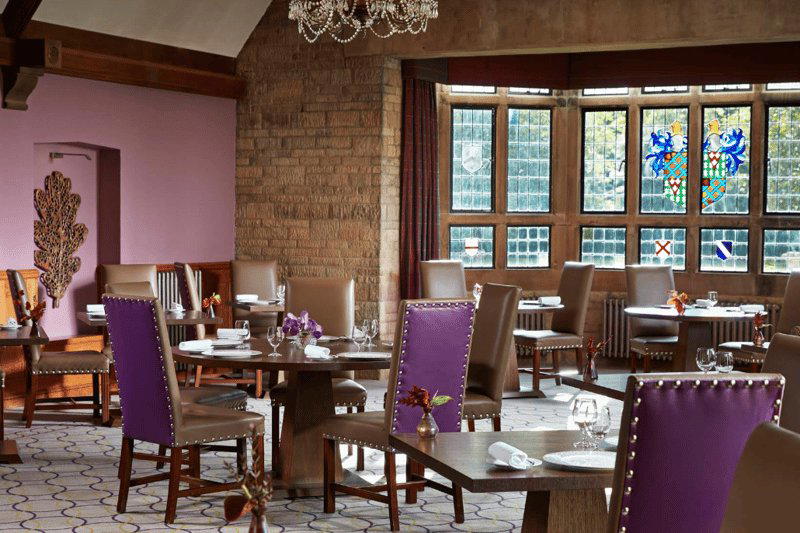
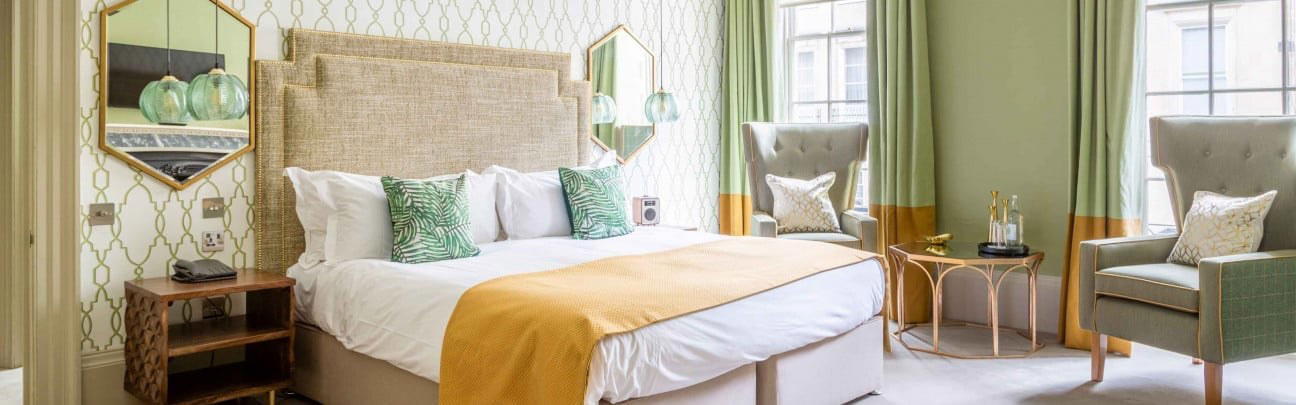
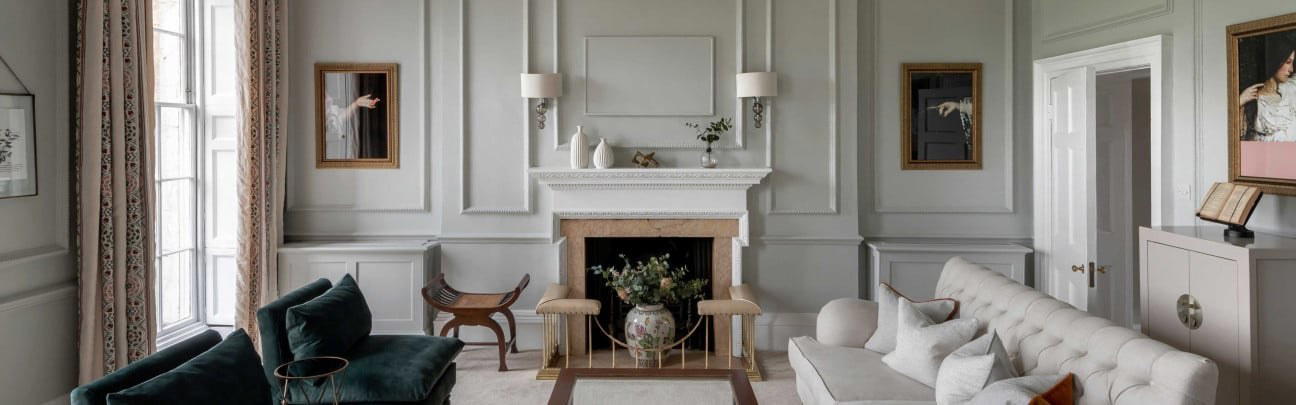
The dining room itself functions as the culmination of the Manor House's interior: oak panelling, characterful period detail, and the atmospheric carry-on from the open-fired lounges where most guests will have had a drink before sitting down. This is a room where the journey from carpark to table is engineered to decelerate you, which is part of what the experience is selling. Accommodation is available split between the main house and mews cottages, and for those travelling from London or Bristol the overnight option removes the pressure of last orders on the drive home.
How Bybrook Compares in the Modern British Tier
At the ££££ price point, Bybrook occupies the same tier as some of the most ambitious rooms in the country, CORE by Clare Smyth in London, Moor Hall in Aughton, Midsummer House in Cambridge. The star count distinguishes it from rooms operating at two or three stars, but the price and format logic put it in conversation with a broader cohort of serious, single-star destination dining. Within the Wiltshire and Cotswold fringe specifically, there are very few rooms operating at this level, which means Bybrook draws on a wide catchment: guests from Bath, Bristol, and Swindon form the regional base, with London day-trippers and weekenders filling the rest.
Compared to the gastropub tradition, where rooms like Hand and Flowers in Marlow have demonstrated that pub-format dining can sustain multiple Michelin stars, Bybrook operates in a different register. The Manor House's country estate setting removes it from the gastropub conversation, but the underlying editorial shift they represent is the same: the idea that fine dining credibility is no longer the exclusive property of urban hotel dining rooms or city-centre restaurants. hide and fox in Saltwood and 33 The Homend in Ledbury operate that logic in village and market-town formats. Bybrook operates it inside the country house tradition.
For a sense of how Modern British cooking is being interpreted across urban and regional contexts at the same price tier, Opheem in Birmingham and The Ritz Restaurant in London each represent distinct points on the spectrum, useful reference points for calibrating expectations before you book.
Planning a Visit
Castle Combe sits roughly 20 minutes north of Bath and 25 minutes east of Bristol by car, making Bybrook accessible as a destination dinner from either city without requiring an overnight stay. That said, the experience is calibrated for an unhurried evening, and the Manor House's accommodation is part of what makes a mid-week booking particularly well-suited to the format. Dinner runs from 6pm Wednesday through Sunday; the kitchen closes at 8:30pm. Bookings are advisable well in advance on Friday and Saturday evenings. For anyone extending their visit, the village itself repays exploration, and the broader Castle Combe area has a range of options covered in our full Castle Combe restaurants guide. The nearby Castle Inn represents the more informal end of village dining, useful context for what the local food scene offers beyond Bybrook's dining room. For accommodation alternatives and the broader stay picture, see our full Castle Combe hotels guide, and for an evening that extends beyond dinner, the bars, wineries, and experiences guides round out what the area offers.
Frequently asked questions
Is Bybrook expensive?
Pricing at Bybrook is listed as ££££.
Where do I go for Bybrook?
Bybrook is located at West St, Castle Combe, Chippenham SN14 7HX, United Kingdom, Castle Combe.
At-a-Glance Comparison
| Venue | Cuisine | Price | Awards |
|---|---|---|---|
| BybrookThis venue — the venue you are viewing | Modern British Fine Dining | $150–200 | 1 Michelin Star · SquareMeal UK Top 100 Restaurants #70 |
| The Ledbury | Modern European, Modern Cuisine | Not listed | Michelin 3 Star |
| Sketch, The Lecture Room and Library | Modern French | Not listed | Michelin 3 Star |
| CORE by Clare Smyth | Modern British | Not listed | Michelin 3 Star |
| Restaurant Gordon Ramsay | Contemporary European, French | Not listed | Michelin 3 Star |
| Dinner by Heston Blumenthal | Modern British, Traditional British | Not listed | Michelin 2 Star |
Recognition history
Dated appearances from independent guides and award organizations, with the underlying list record or original source where available.
Michelin 1 Star
Michelin
AA Rosettes 4 Rosettes
AA Rosettes
SquareMeal UK Top 100 Restaurants #70
SquareMeal
Full recognition history (5 entries)
Michelin 1 Star
Michelin
Michelin 1 Star
Michelin
Continue exploring
More in Castle Combe
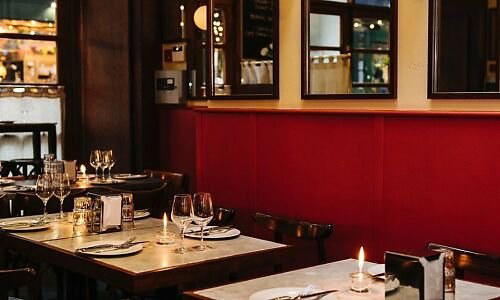
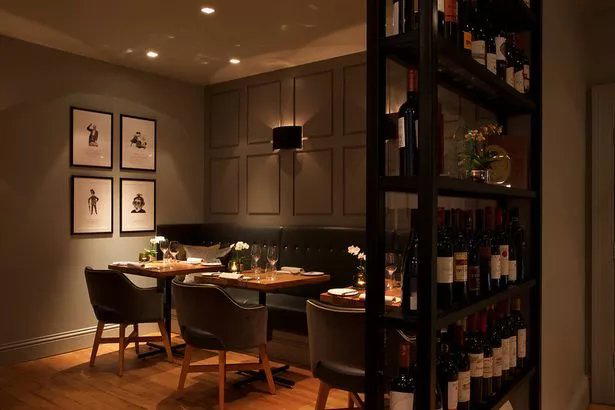
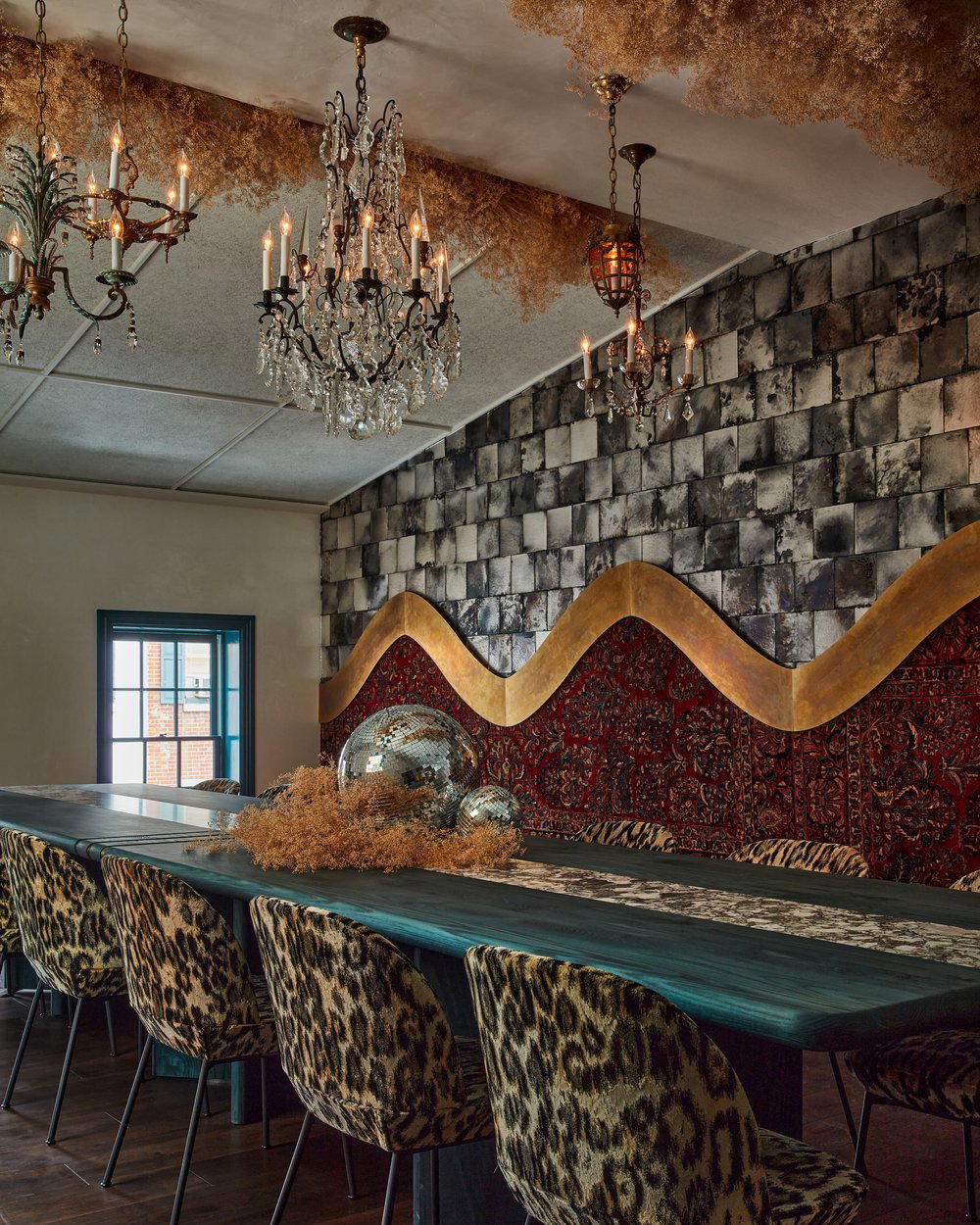
Restaurants in Castle Combe
Browse all →
Bars in Castle Combe
Browse all →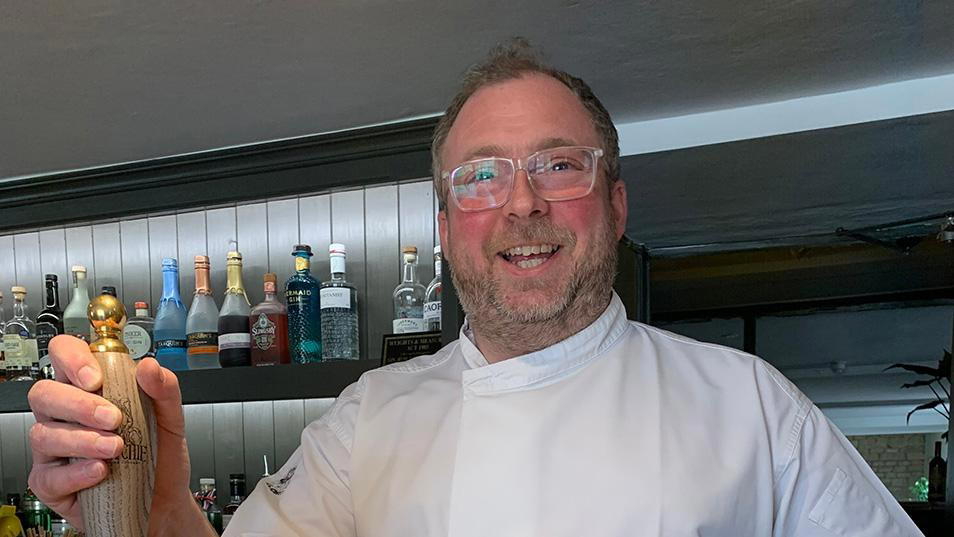
Details
- Elegant
- Intimate
- Sophisticated
- Romantic
- Classic
- Date Night
- Special Occasion
- Celebration
- Hotel Restaurant
- Historic Building
- Extensive Wine List
- Sommelier Led
- Local Sourcing
- Garden
- Tasting Menu
- A La Carte
- Vegetarian Friendly
Current opening hours
- Monday
- Closed
- Tuesday
- Closed
- Wednesday
- 6–8:30 PM
- Thursday
- 6–8:30 PM
- Friday
- 6–8:30 PM
- Saturday
- 6–8:30 PM
- Sunday
- 6–8:30 PM
Hours can change for holidays and private events. Last verified .
Charming interior with oak panelling, fresh modern look with lighter atmosphere, elegant ease, confident and convivial hub.