The Point

Set on the shores of Upper Saranac Lake within a restored Adirondack Great Camp, The Point operates as an adults-only woodland retreat where American fine dining under Chef Zach Sato meets year-round outdoor programming. The property holds a 4.9/5 EP Club member rating and a 4.5 Google score across 39 reviews, placing it at the upper end of Saranac Lake's hospitality tier.
Pearl is the En Primeur Club membership app — saves, bookings, and concierge access live there. Same editors, same standards.
- Address
- 250 Lake Flower Ave, Saranac Lake, NY 12983
- Phone
- (518) 619-4050
- Website
- thepointrestaurant.com
 Saves & bookings on Pearl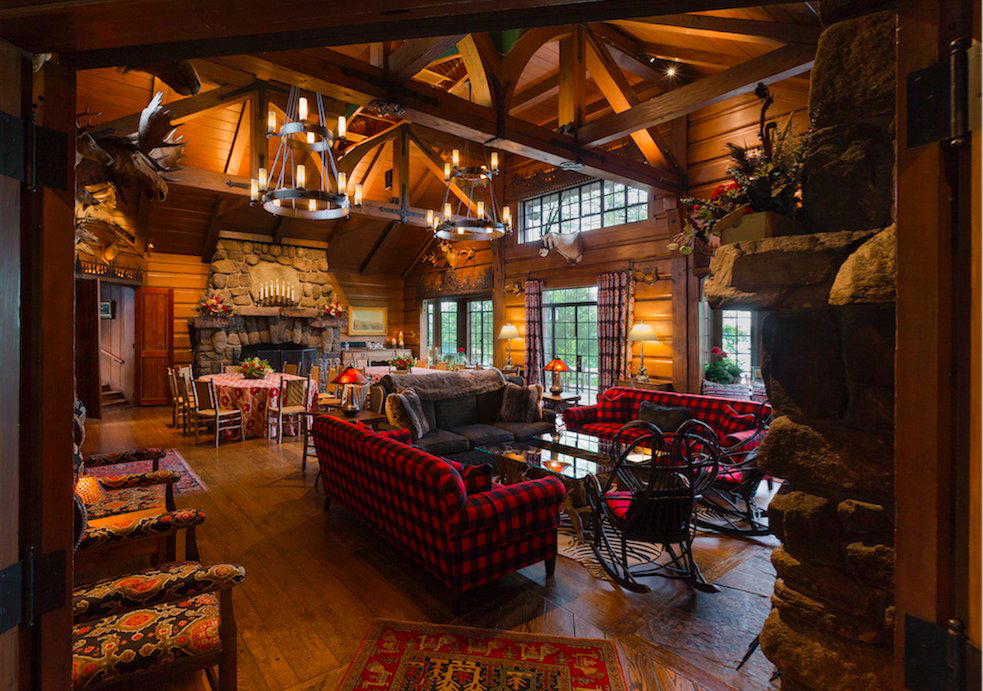
Where the Adirondack Wilderness Meets the Dining Room
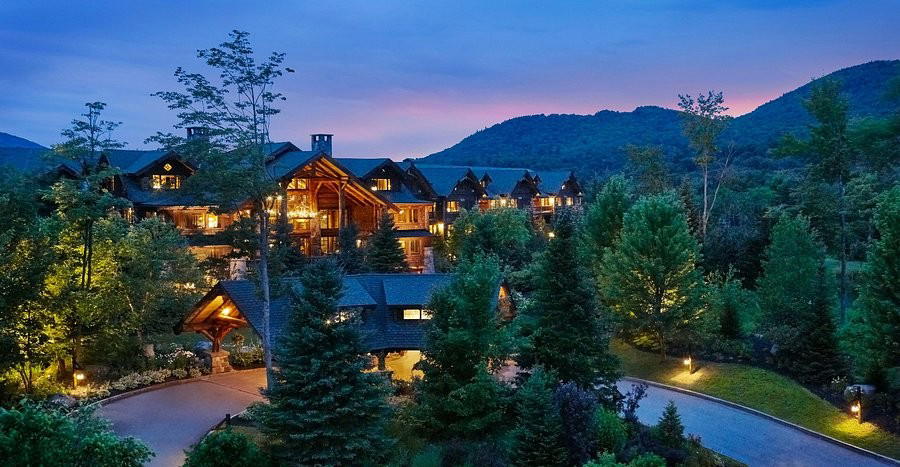
Approaching The Point along the forested shoreline of Upper Saranac Lake, the architecture announces itself before the water does. The property is a restored Adirondack Great Camp, a building typology that reached its peak in the late nineteenth and early twentieth centuries, when industrialists commissioned log-and-stone compounds on private lakefront land as seasonal retreats. The camps were not rustic in the popular sense; they were deliberate constructions, expensive in material and labor, designed to evoke wilderness while delivering comfort. The Point inherits that tension and, according to its record, pairs seasonal fine dining with a 4.4 Google rating across 63 reviews.
That combination of scores, for a property operating in a remote corner of the Adirondacks rather than a major dining city, positions The Point in an unusual competitive tier. Le Bernardin in New York City, Alinea in Chicago, and Lazy Bear in San Francisco. The Point operates against a different set of pressures: proximity to local producers rather than global supply chains, a captive guest audience rather than a walk-in dining public, and a physical setting that becomes part of the service proposition itself.
American Fine Dining in Farm and Forest Country
The farm-to-table lineage that underpins much of American fine dining has a credible expression in places like the Adirondacks, where the distance between producer and plate is genuinely short rather than aspirationally marketed. The North Country of New York State has a long agricultural history: dairy farming, orchard cultivation, and wild harvesting that predate the farm-to-table movement as a named category by generations. When Chef Zach Sato works within this context, the sourcing relationships available are real rather than performative.
That distinction matters because farm-to-table has bifurcated. At one end, urban restaurants use the language of local sourcing as marketing infrastructure while their supply chains remain largely conventional. At the other end, properties embedded in agricultural regions, such as Blue Hill at Stone Barns in Tarrytown or Single Thread Farm in Healdsburg, have built their culinary programs around genuine producer relationships and seasonal constraint. The Point's Adirondack position places it closer to the latter category by geography alone, even before the kitchen's specific sourcing decisions are factored in.
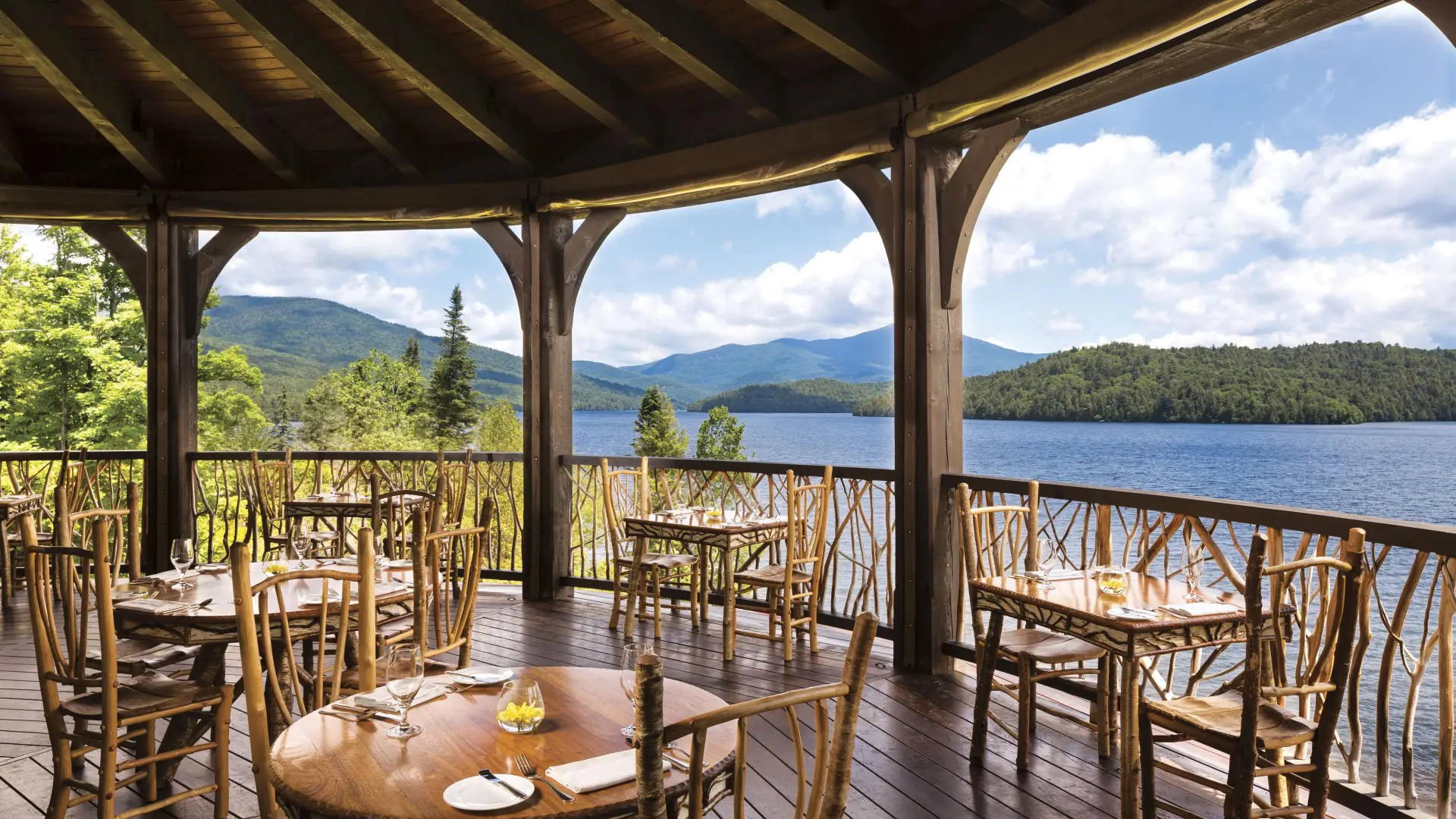
American fine dining has also spent the past decade wrestling with what the cuisine actually is, a question that properties like The French Laundry in Napa, The Inn at Little Washington, and Addison in San Diego have each answered differently. At The Point, the answer is shaped partly by context: Great Camp architecture, lake and forest surroundings, and a year-round activity program that includes everything from ice fishing in January to kayaking in August. The dining room is not an isolated proposition but part of a fuller residential experience, and the kitchen's output is calibrated accordingly.
The Retreat Format and What It Demands
The Point operates as an adults-only property, a designation that filters the guest profile toward couples and groups traveling without children, typically seeking a higher-attention, lower-noise environment. This format has become more deliberate in the premium retreat sector over the past decade, as properties have found that the adults-only structure allows for a more consistent service register across the full stay, from early morning lake access to late-evening dining. The year-round activity programming reinforces the proposition: guests are not arriving solely to eat, but to inhabit a place across multiple days, and the kitchen is one component of a larger designed experience.
That residential format places The Point in a different competitive conversation from destination restaurants that guests drive to for a single meal. The relevant comparable set here includes lodge-format properties in the American Northeast and Mid-Atlantic where dining, accommodation, and landscape are bundled, rather than the purely urban fine dining comparisons that benchmarks like Providence in Los Angeles or Albi in Washington, D.C. represent. For a broader view of how American fine dining traditions have developed from Chicago outward, the lineage running through Charlie Trotter's and into contemporary kitchens is worth understanding as context for where Sato's American fine approach sits historically.
Seasonal Access and Practical Planning
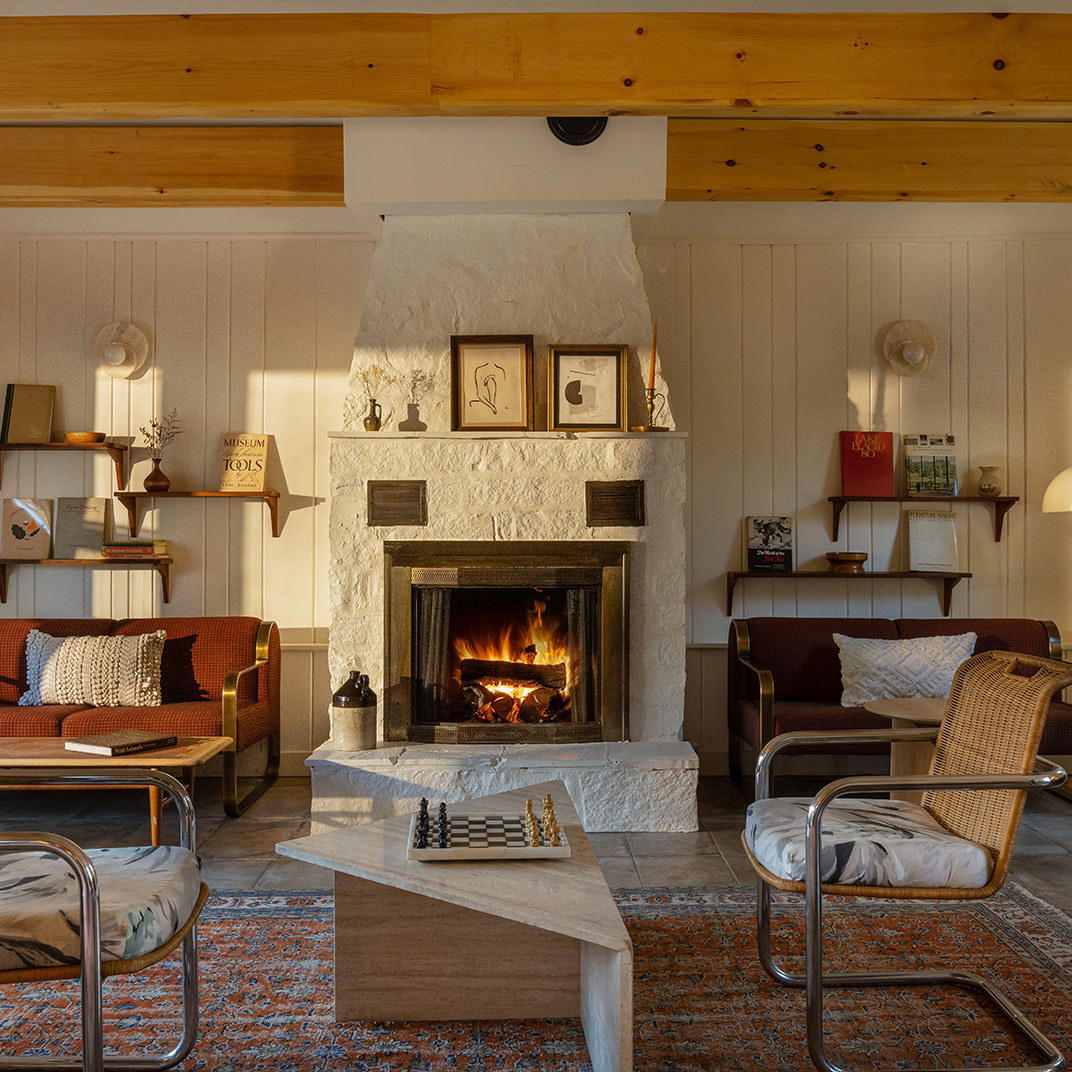
Getting to The Point requires deliberate planning regardless of the season, which is part of its appeal to a specific traveler rather than a liability. Saranac Lake Regional Airport (SLK) is the closest air option, approximately 14 kilometers from the property via Routes 186 and 30 through Lake Clear. Adirondack Regional is a small facility served by limited regional connections, so most travelers flying in should budget for connection time through a larger hub. Albany-Rensselaer by train sits 264 kilometers to the south, making it a viable option for those coming from New York City who prefer not to fly into a regional airport. The GPS coordinates for the property are 44.3300, -74.1815. Year-round programming means there is no true off-season here, though the character of a winter visit, with ice on Upper Saranac Lake and the Great Camp's stone fireplaces as the primary social setting, differs substantially from a summer stay oriented around water and forest.
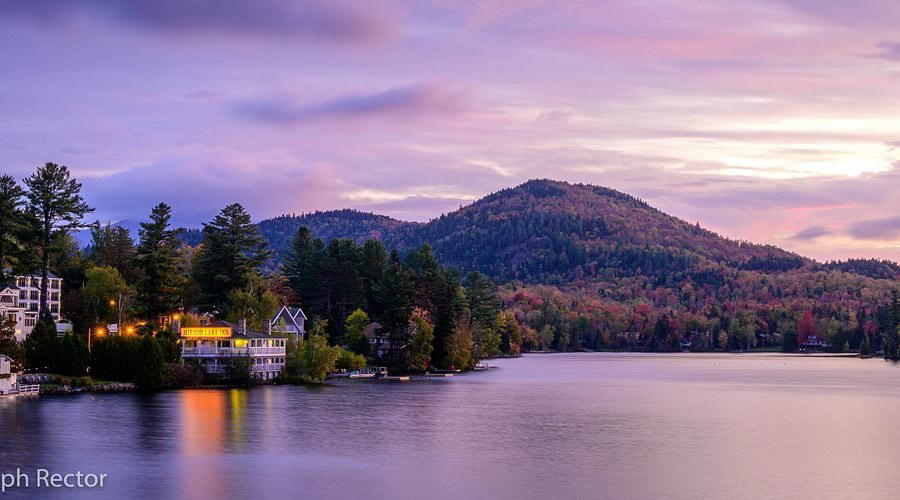
For guests using The Point as a base to explore the wider region, EP Club maintains guides to Saranac Lake restaurants, Saranac Lake hotels, Saranac Lake bars, Saranac Lake wineries, and Saranac Lake experiences that map the broader options in the area. The regional dining scene outside the property reflects the North Country's agricultural character: dairy-forward, seasonal, and shaped by the same producer geography that informs what arrives on the table at The Point. Understanding that wider context makes a stay here more legible, particularly for guests whose American fine dining reference points are primarily urban. The Adirondack setting gives The Point a different set of raw materials to work with entirely.
Quick Comparison
Comparable venues nearby, for context on price, style, and recognition.
| Venue | Cuisine | Price | Awards | Notes |
|---|---|---|---|---|
| The PointThis venue — the venue you are viewing | Seasonal Fine Dining | $$$$ | ||
| River Café | Classic American Fine Dining | $$$$ | , | DUMBO |
| Jean’s | Seasonal Farm-to-Table American | $$$$ | , | Bridgehampton |
| Oh-yacht | Northeast American Seafood | $$$$ | , | Carnegie Hill |
| The Park | Plant-Based Fine Dining | $$$$ | , | Flatiron District |
| Blue Hill at Stone Barns | Farm-to-table American tasting menu | $$$$ | , | Pocantico Hills |
Continue exploring
More in Saranac Lake
Restaurants in Saranac Lake
Browse all →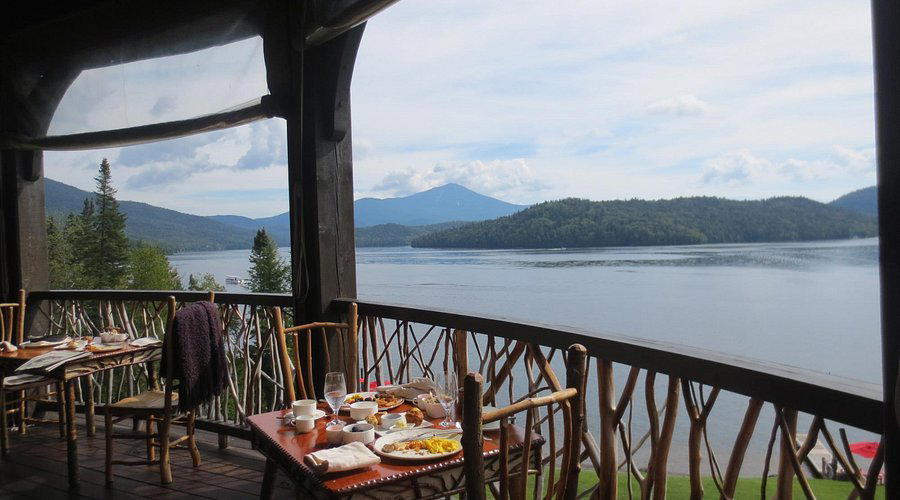
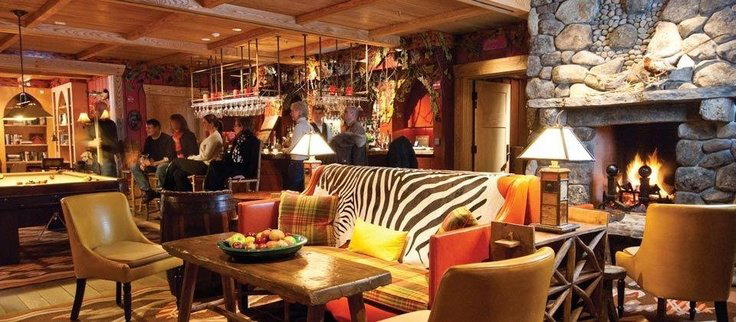

Hotels in Saranac Lake
Browse all →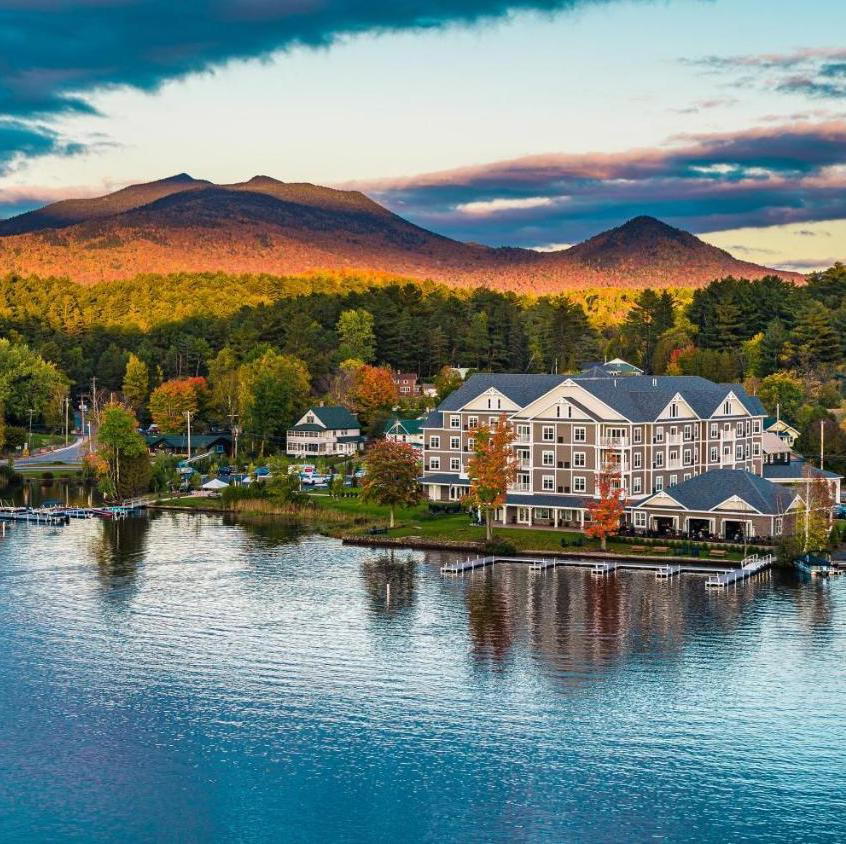
Wineries in Saranac Lake
Browse all →
At a Glance
- Romantic
- Elegant
- Rustic
- Intimate
- Scenic
- Cozy
- Date Night
- Celebration
- Special Occasion
- Historic Building
- Waterfront
- Private Dining
- Extensive Wine List
- Craft Cocktails
- Local Sourcing
- Waterfront
- Mountain
Elegant and atmospheric with fireplaces, candlelit dining, and a warm, luxurious lodge feel amid Adirondack nature.