Charlie Trotter's


Charlie Trotter's operated at 816 W Armitage Ave in Chicago's Lincoln Park from 1987 to 2012, earning a place in the World's 50 Best Restaurants every year from 2002 to 2008, peaking at #11. The restaurant helped establish the tasting menu as a serious American dining format and shaped the generation of chefs who now run Chicago's fine-dining scene. The Armitage Avenue address occasionally hosts pop-up events honoring its legacy.
Pearl is the En Primeur Club membership app — saves, bookings, and concierge access live there. Same editors, same standards.
- Address
- 816 W Armitage Ave, Chicago, IL 60614
- Website
- charlie-trotters.com
- Directions
- Get directions
 Saves & bookings on Pearl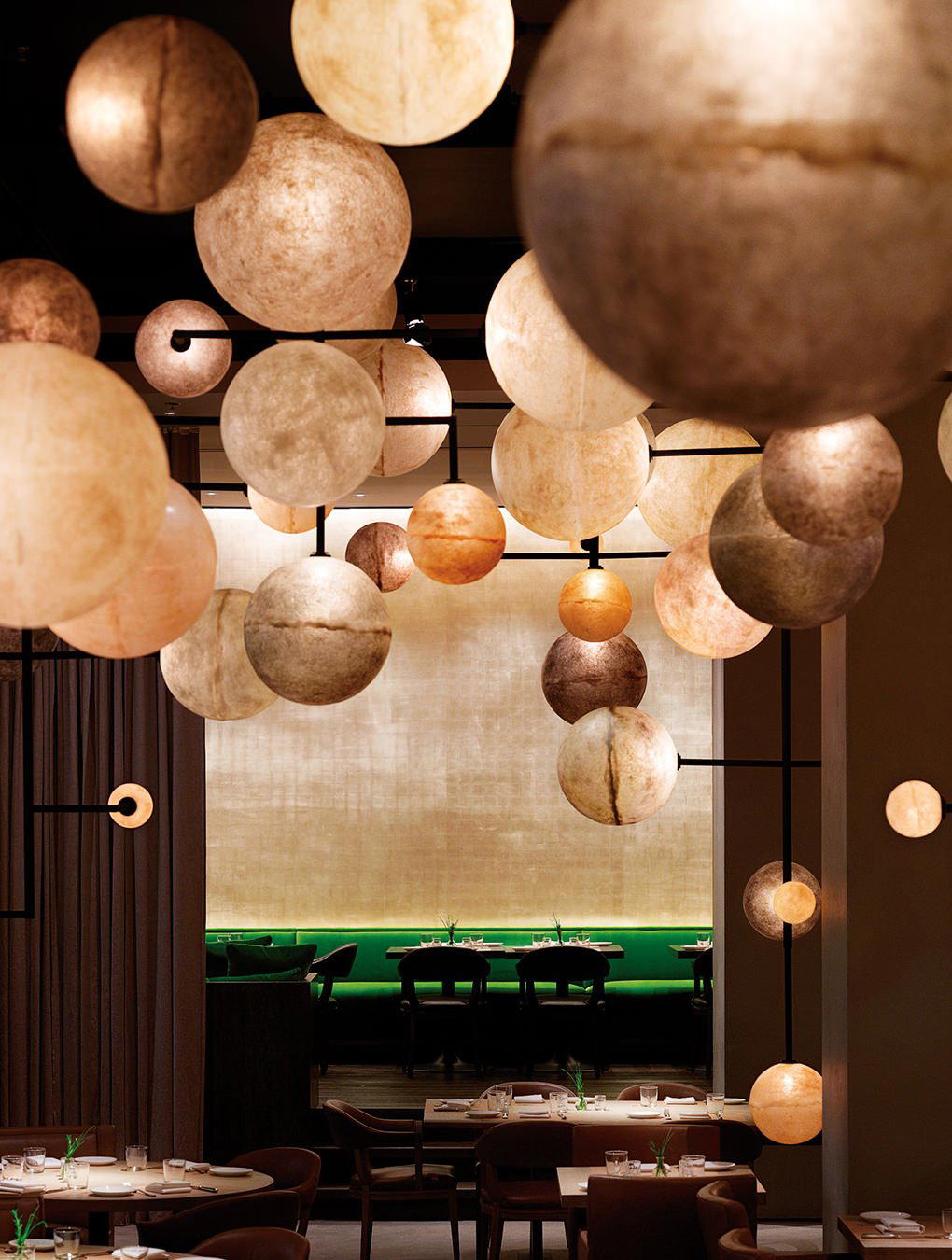
The Address That Changed American Fine Dining
A brownstone on West Armitage Avenue in Lincoln Park does not announce itself the way a grand hotel dining room does. There is no marquee, no valet queue stretching around the block, no architect-designed façade signaling ambition. For twenty-five years, that restraint was part of the point. The building at 816 W Armitage Ave housed a restaurant that proved American fine dining did not need a European address or a French-language menu to earn a place among the world's most discussed tables. Charlie Trotter's ran from 1987 to 2012, and the conversation it started has not stopped.
Where the Tasting Menu Format Took Root in America
The tasting menu is now so embedded in American fine dining that it is easy to forget how provisional it once felt on this side of the Atlantic. In the 1980s and early 1990s, multi-course progressive formats were largely associated with French kitchens or their American imitators in formal hotel settings. Charlie Trotter's on Armitage Avenue operated differently: a neighborhood address, an American seasonal focus, and a conviction that vegetables and grains could anchor a serious tasting progression rather than serve merely as accompaniment to protein. That position was genuinely unusual at the time, and the restaurant's influence spread outward through the chefs who trained there and the format decisions made by peers who took notice.
The World's 50 Best Restaurants rankings, though imperfect as any single metric, provide a useful proxy for the restaurant's sustained international standing. Charlie Trotter's appeared in the list every year from 2002 through 2008, with placements of #11 (2002), #14 (2005), and #26 (2006) positioning it consistently inside the top tier of American entries alongside The French Laundry in Napa and Le Bernardin in New York City. Both of those restaurants were working within more clearly defined European-derived traditions — Californian produce-led French in one case, classical French seafood in the other. Charlie Trotter's occupied a less categorizable space, which made its consistent ranking the more telling signal.
The Cultural Argument Behind Seasonal American Cuisine
What the restaurant was making an argument for, across twenty-five years of service, was the legitimacy of American cuisine as a culinary tradition with its own internal logic. That argument has since been won — Alinea holds three Michelin stars in the same city, Smyth and Oriole hold three and two respectively, and a Filipino tasting menu at Kasama earned a Michelin star in part because the critical infrastructure to evaluate serious American restaurants now exists. That infrastructure was not inevitable. It was built incrementally by restaurants like this one, which insisted that a multi-course progressive menu rooted in the American Midwest deserved the same evaluative seriousness as anything happening in Lyon or Tokyo.
The vegetable-forward approach deserves particular attention in that cultural context. American fine dining in the late twentieth century was heavily protein-centric, and the fine-dining table was where the most expensive cuts and the most elaborate preparations converged. A kitchen that treated vegetables as central rather than peripheral was making an implicit claim about what American land and agriculture could offer at a tasting-menu level. That claim resonated differently in Chicago than it might have in coastal cities, given the Midwest's agricultural identity, and the restaurant's Lincoln Park address placed it in a neighborhood rather than a downtown power-dining corridor, another signal about what kind of restaurant this intended to be.
Legacy in the Current Chicago Scene
Chicago's current fine-dining generation is in direct conversation with what happened at 816 W Armitage, whether or not individual chefs trained there. The city now maintains one of the densest concentrations of serious tasting-menu restaurants in the United States. Ever operates a modernist fine-dining format on the city's near-north side. Smyth works a contemporary progressive American approach from the West Loop. Alinea, now the city's most internationally visible table, operates at a level of conceptual experimentation that would have been harder to imagine without the earlier proof-of-concept that ambitious American tasting menus could hold a room and hold a reputation simultaneously.
The influence also extended beyond Chicago. Chefs who cooked on Armitage Avenue before 2012 have appeared in kitchens from New York to San Francisco, and the restaurant's emphasis on seasonal sourcing and vegetable-led courses became a standard point of reference in American culinary training programs. Restaurants like Lazy Bear in San Francisco, Single Thread Farm in Healdsburg, and Providence in Los Angeles each operate in distinct registers, but all work within an American fine-dining tradition whose critical legitimacy was partially established in Lincoln Park between 1987 and 2012. Comparable American fine-dining programs on the East Coast, including Little Washington in Washington D.C. and Emeril's in New Orleans, were developing simultaneously, but the concentration of critical attention on Chicago through the 2002-to-2008 50 Best run gave the city's approach unusual visibility during a formative period for American restaurant culture.
The Address Now, and What It Represents
The Armitage Avenue brownstone is not operating as a full-service restaurant. The address occasionally hosts pop-up events organized around the restaurant's legacy, which means the physical space carries a different kind of weight than an active dining room. For readers of Chicago's dining scene, the address functions more as a reference point than a booking destination: the place where a particular set of arguments about American food got made at a high enough level to travel. Current chef Marcos Carbajal is associated with the address, though the format of any ongoing programming there is not fixed.
Visitors to Lincoln Park who want to understand the neighborhood's place in American fine-dining history will find more context at the address than a standard restaurant visit provides. Those seeking active tasting-menu experiences in Chicago are better directed to the city's current Michelin-recognized rooms. Our [full Chicago restaurants guide]() maps the current scene in detail, and our guides to [Chicago hotels](), [bars](), [wineries](), and experiences cover the broader city for those planning a visit. The Dining Room at Inn on Biltmore Estate in Asheville offers a point of comparison for readers interested in how American fine dining operates in regional settings outside major metropolitan markets.
Frequently Asked Questions
- Is Charlie Trotter's good for families? No, the restaurant operated as a formal fine-dining tasting-menu room at the upper price tier of Chicago dining, and that format does not suit young children.
- Is Charlie Trotter's better for a quiet night or a lively one? If the venue is hosting a legacy pop-up, the atmosphere is likely to be reverential rather than celebratory: the address draws people who already know what happened there. An active fine-dining tasting-menu experience in Chicago today, at the level this restaurant once occupied, is found at Alinea or Smyth, where the format is live and the room is set for it.
- What's the leading thing to order at Charlie Trotter's? The restaurant closed in 2012, so there is no current menu to reference. Its reputation rested on vegetable-forward multi-course tasting progressions, and that approach, seasonal American produce treated with the same seriousness as protein, became one of the defining contributions of the American fine-dining tradition. For a sense of what that lineage looks like in an active kitchen, Alinea and Ever in Chicago both work within frameworks the Armitage Avenue restaurant helped make possible.
Price and Recognition
A small set of peers for context, based on recorded venue fields.
| Venue | Cuisine | Price | Awards |
|---|---|---|---|
| Charlie Trotter'sThis venue — the venue you are viewing | American Fine | Not listed | World's 50 Best Best Restaurants #38 (2008), World's 50 Best Best Restaurants #30 (2007), World's 50 Best Best Restaurants #26 (2006), World's 50 Best Best Restaurants #14 (2005), World's 50 Best Best Restaurants #32 (2004), World's 50 Best Best Restaurants #39 (2003), World's 50 Best Best Restaurants #11 (2002) |
| Alinea | Progressive American, Creative | $$$$ | Michelin 3 Star |
| Smyth | Progressive American, Contemporary | $$$$ | Michelin 3 Star |
| Kasama | Filipino | $$$$ | Michelin 1 Star |
| Next Restaurant | American Cuisine | $$$$ | Michelin 1 Star |
| Boka | New American, Contemporary | $$$$ | Michelin 1 Star |
Recognition history
Dated appearances from independent guides and award organizations, with the underlying list record or original source where available.
OpenTable Top 100 Restaurants
OpenTable
World's 50 Best Best Restaurants #38
World's 50 Best
World's 50 Best Best Restaurants #30
World's 50 Best
World's 50 Best Best Restaurants #26
World's 50 Best
World's 50 Best Best Restaurants #14
World's 50 Best
World's 50 Best Best Restaurants #32
World's 50 Best
World's 50 Best Best Restaurants #39
World's 50 Best
James Beard Award Outstanding Service
James Beard Award
World's 50 Best Best Restaurants #11
World's 50 Best
James Beard Award Outstanding Restaurant
James Beard Award
James Beard Award Outstanding Chef
James Beard Award
James Beard Award Outstanding Wine Service
James Beard Award
James Beard Award Best Chefs
James Beard Award
Robb Report 100 Greatest American Restaurants of the 21st Century #39
Robb Report
Continue exploring
More in Chicago
Restaurants in Chicago
Browse all →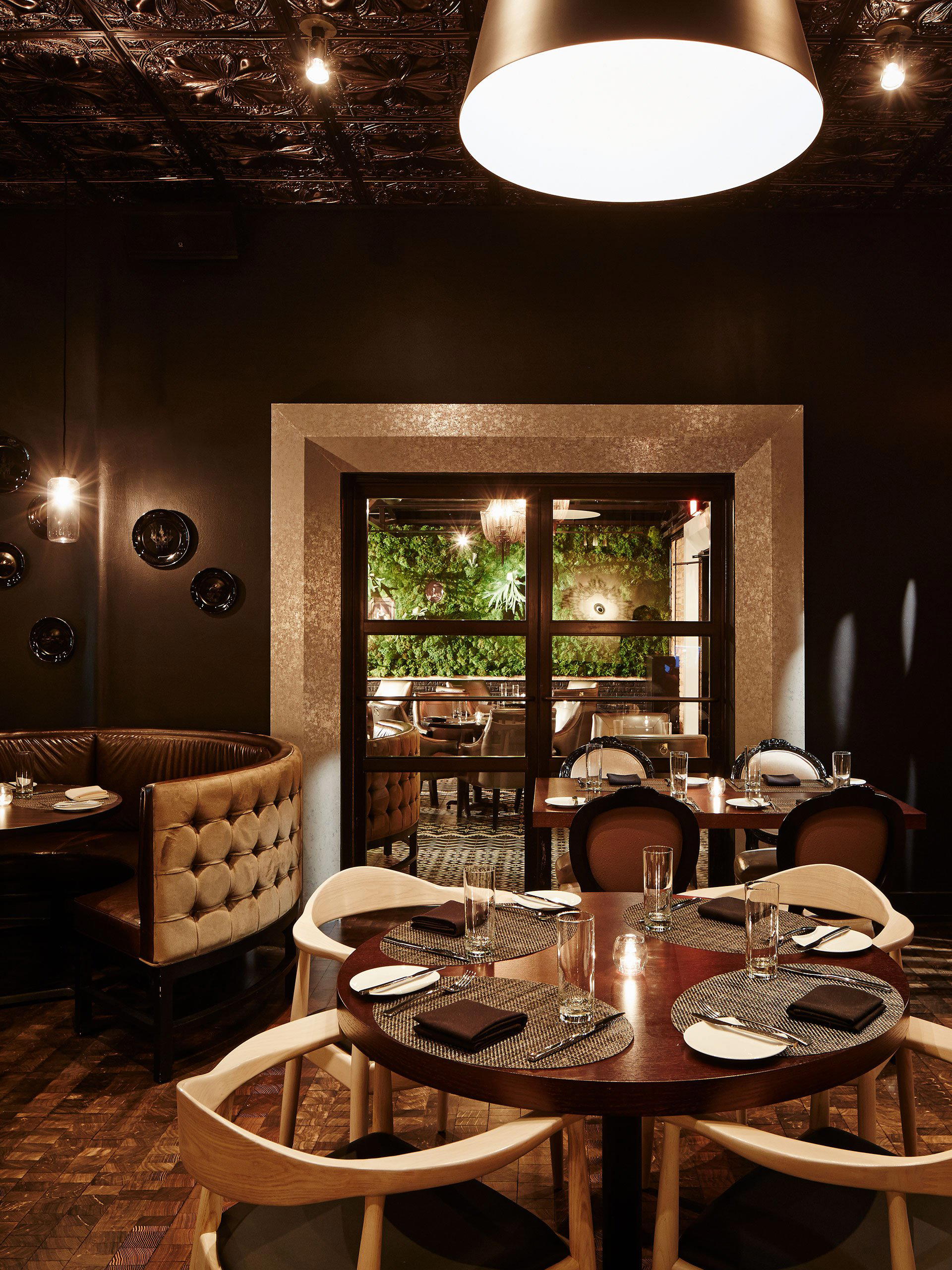
At a Glance
- Elegant
- Sophisticated
- Intimate
- Well Known
- Special Occasion
- Date Night
- Business Dinner
- Open Kitchen
- Historic Building
- Extensive Wine List
- Sommelier Led
- Organic
- Local Sourcing
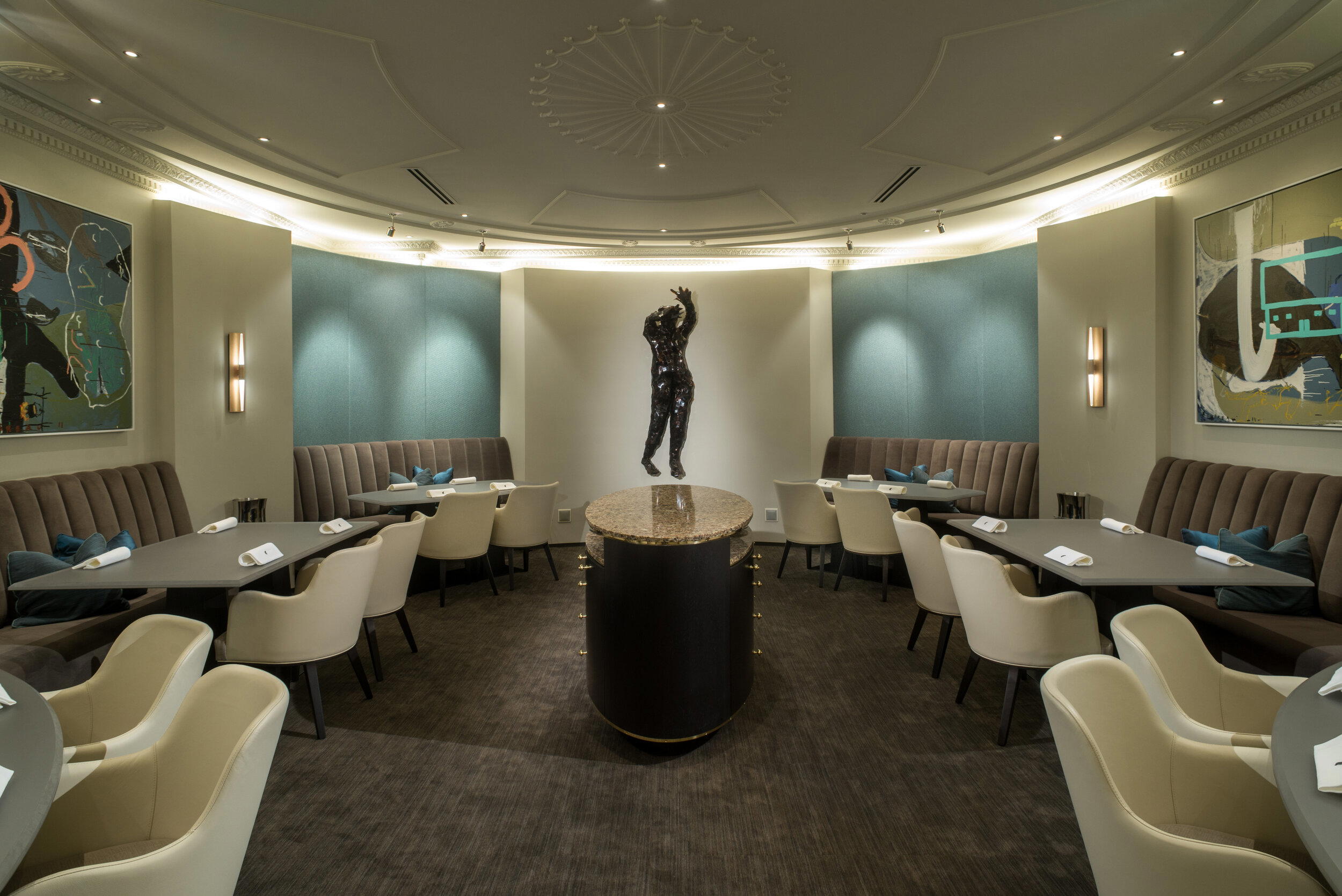
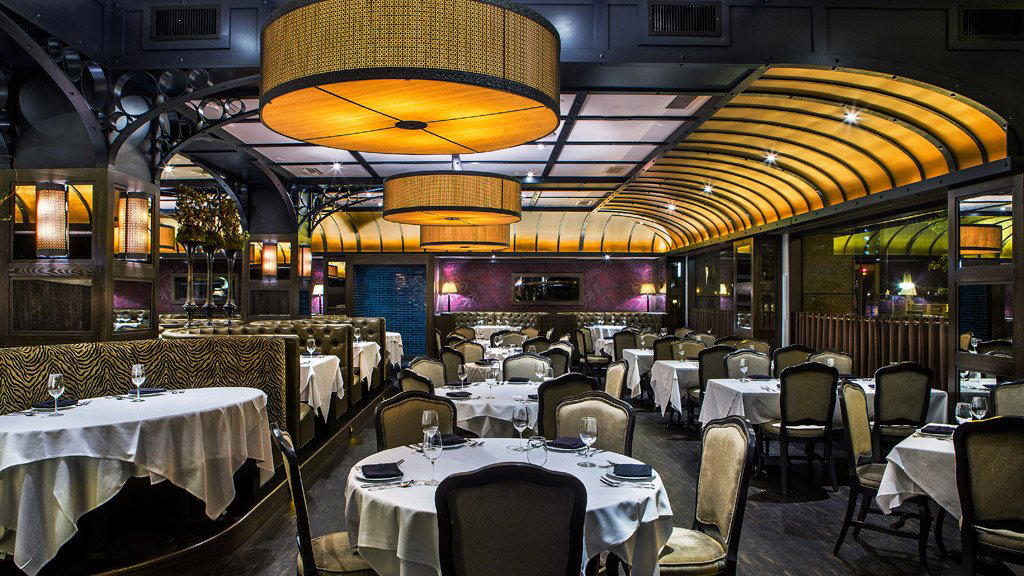
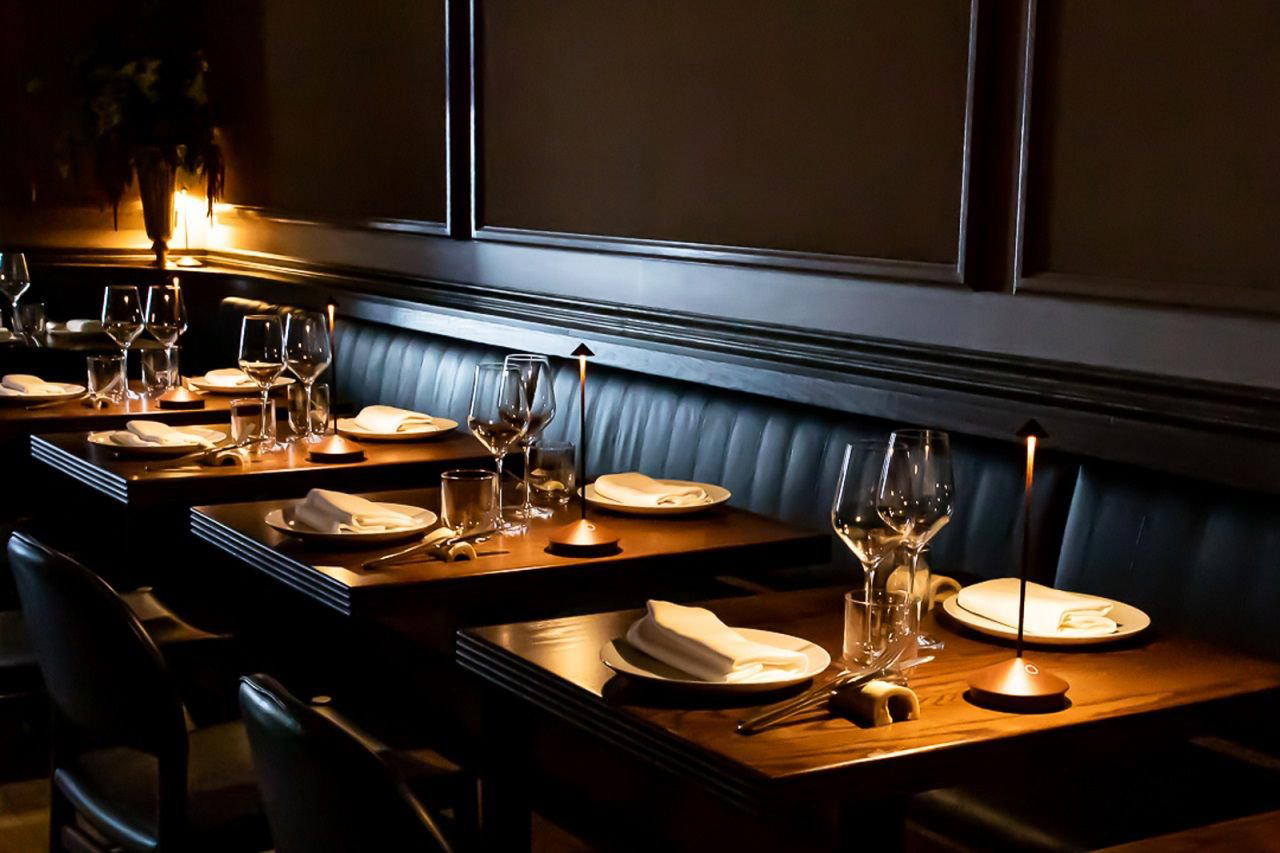
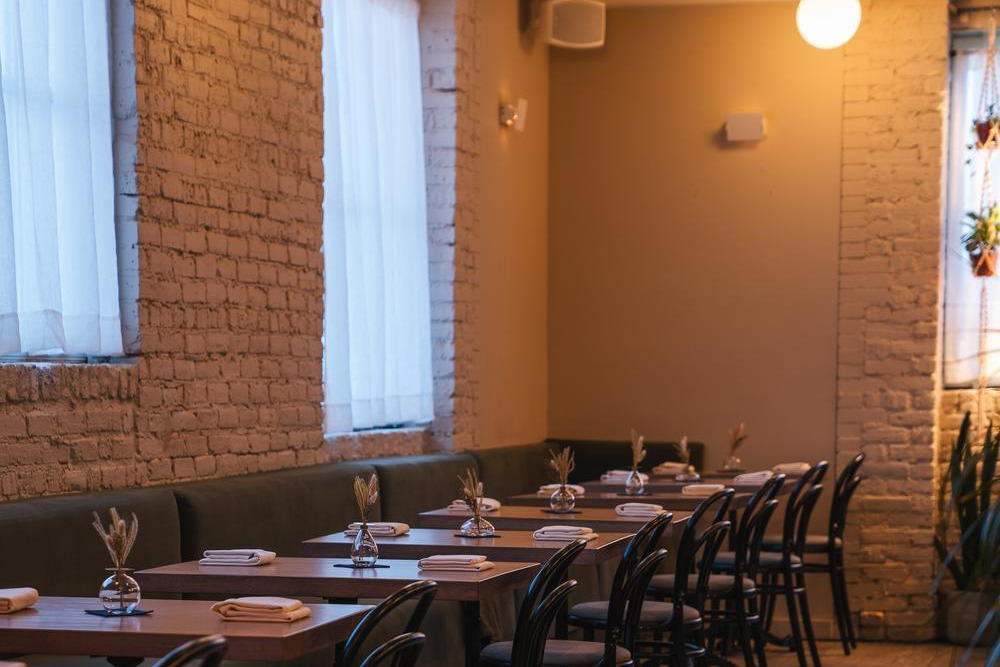
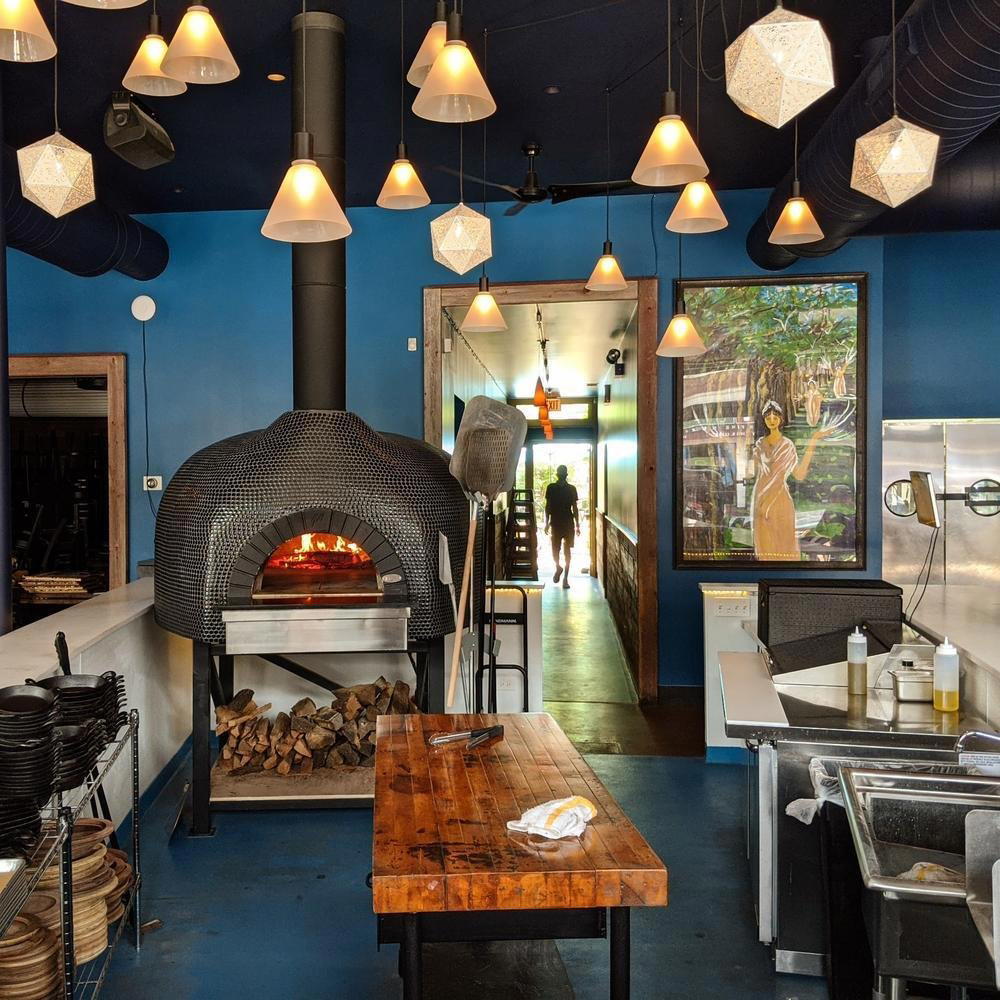
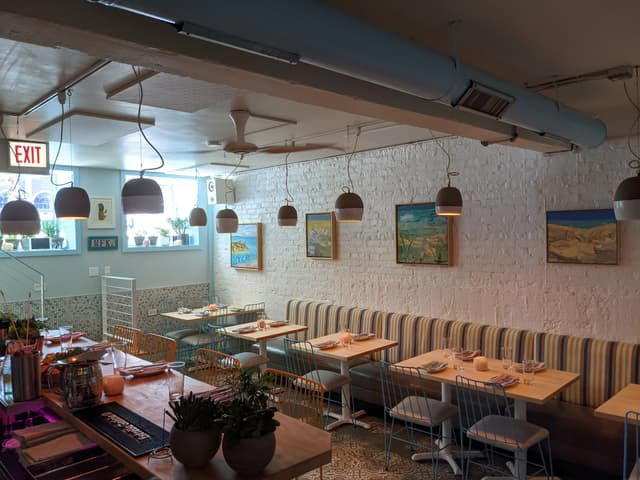
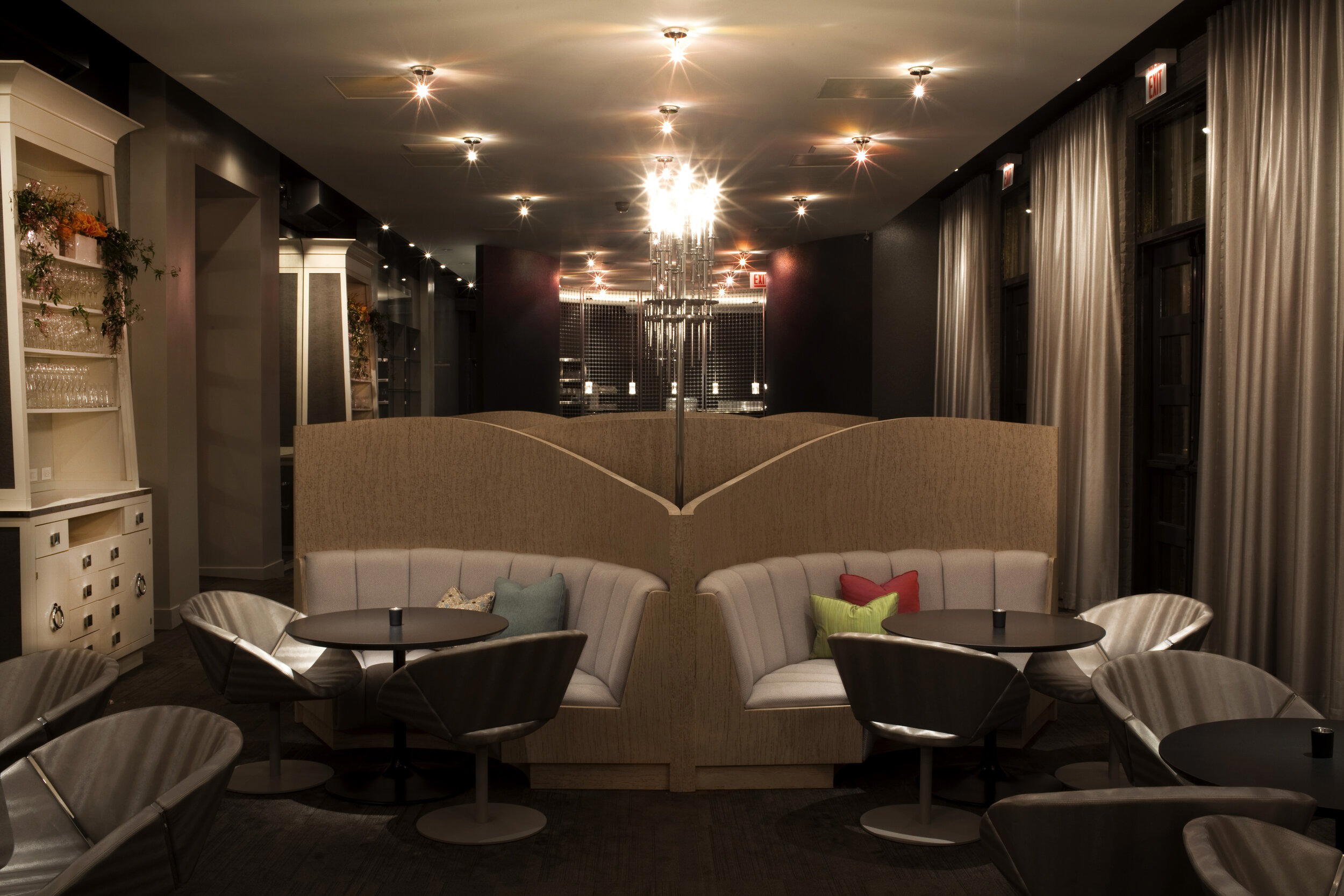
Elegant and refined atmosphere in a sleepy townhouse with glistening china presentations, light ethereal floral dishes, and formal service.
Know Before You Go
- Getting there
- 816 W Armitage Ave, Chicago, IL 60614