The Point




An Adirondack Great Camp originally built for the Rockefellers, The Point sits on a private peninsula on Upper Saranac Lake and operates as an adults-only, all-inclusive retreat at rates from $3,705 per night. Rated 94 points on La Liste's 2026 Top Hotels list, it occupies a small tier of American wilderness properties where architectural heritage, round-the-clock dining, and near-total digital disconnection are the product.
Pearl is the En Primeur Club membership app — saves, bookings, and concierge access live there. Same editors, same standards.
- Address
- 222 Beaverwood Rd, Saranac Lake, NY 12983
- Phone
- +1 800-255-3530
- Website
- thepointresort.com
- Directions
- Get directions
 Saves & bookings on Pearl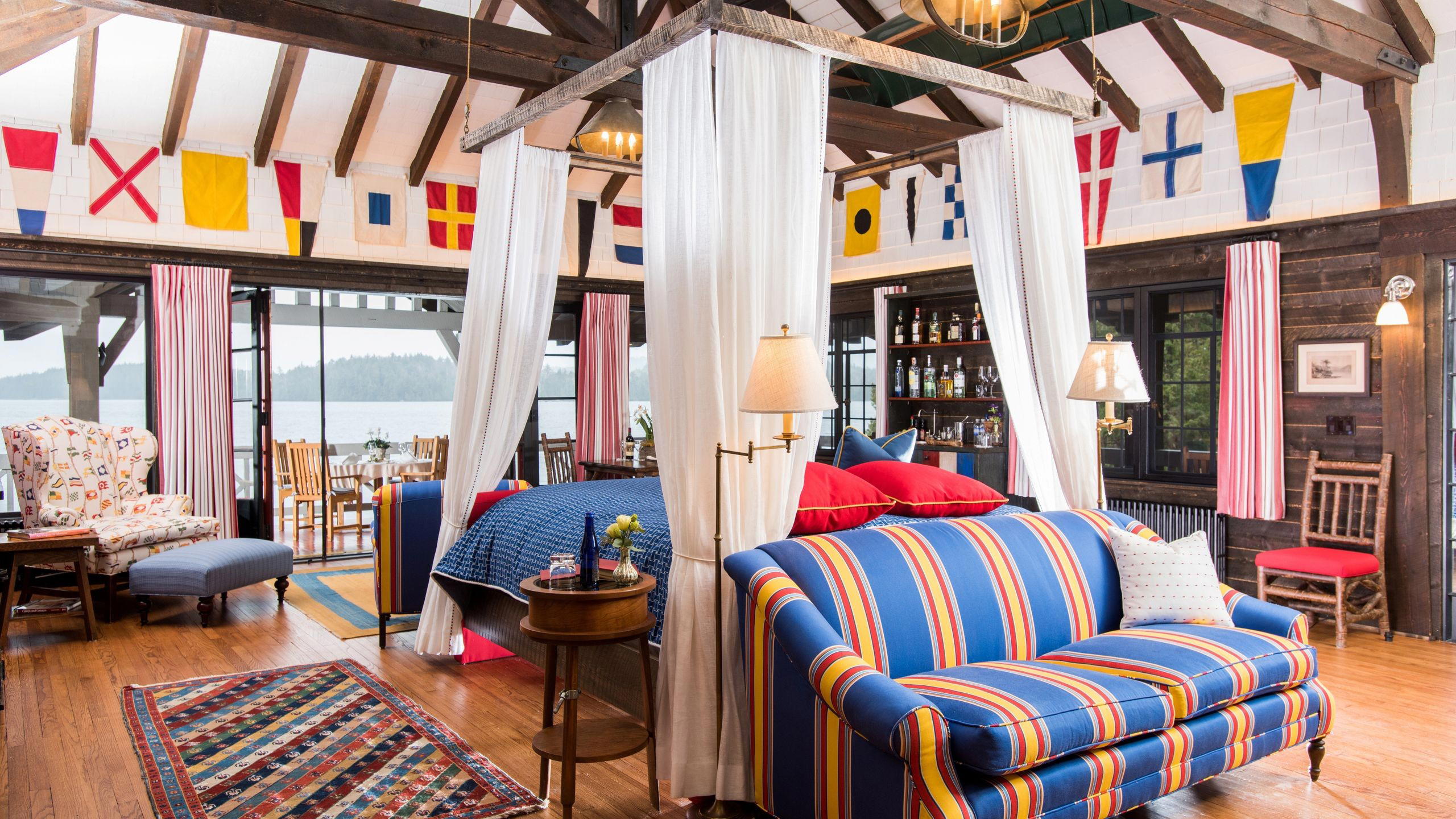
A Great Camp in Its Original Form
The Adirondack Great Camp tradition emerged in the late nineteenth century as a distinctly American way for industrialists to inhabit wilderness without abandoning comfort. The camps were elaborate: multiple log structures, hand-crafted furniture, stone fireplaces, and boathouses positioned to command the lake. Most have since been subdivided, converted, or demolished. The Point, built on a private peninsula on Upper Saranac Lake for William Avery Rockefeller, survives in operating form as one of the few remaining examples where the original architectural logic still governs how guests move through the property and experience the land around it.
That context matters when assessing what The Point actually is. It is not a lodge designed to look rustic, nor a contemporary property referencing wilderness as an aesthetic theme. The bones are period-correct: heavy log construction, a scale calibrated to the peninsula rather than to maximizing keys, and a relationship to the lake that was built into the site plan rather than retrofitted. La Liste placed it at 94 points in its 2026 Leading Hotels ranking.
The Architecture as Organizational Logic
What sets Great Camp design apart from other forms of wilderness lodging is its campus structure. Rather than a central hotel building with attached rooms, the model distributes accommodation across multiple named structures, each with its own character. At The Point, rooms carry names, Mohawk, Boathouse, rather than numbers, and the design within each reflects deliberate differentiation. The Boathouse, the largest of the accommodations, uses bold primary colors drawn from the nautical flags that ring the room's perimeter. Mohawk takes a different direction entirely: jewel tones, deep reds, golds, and animal print create a denser, more interior atmosphere. Both sit within the same Adirondack structural envelope but deliver a different spatial register.
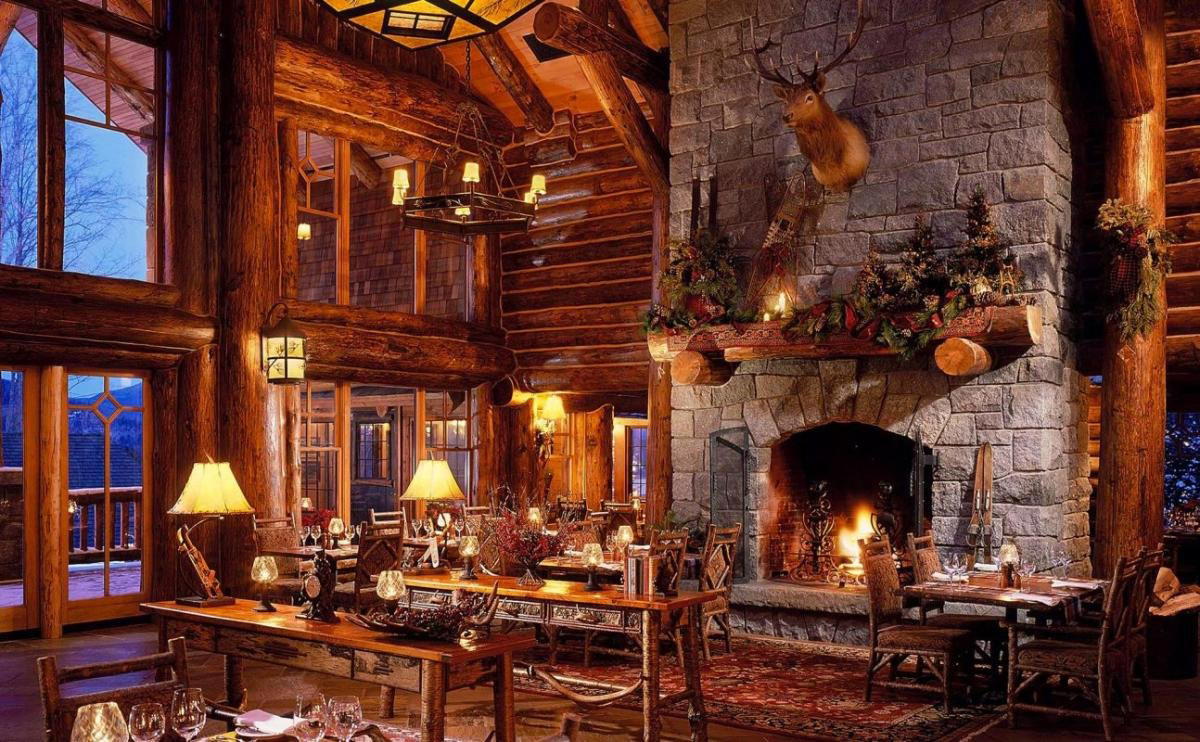
Every room has its own fireplace, and most connect to a terrace or outdoor sitting area, meaning the transition between interior and exterior is built into each accommodation rather than handled by shared common spaces. High-quality linens and Kiehl's amenities occupy the practical end of the room offer; artwork throughout depicts the Adirondacks specifically, reinforcing a sense of place that generic luxury properties rarely attempt. The approach aligns The Point more closely with the all-inclusive camp properties of the American wilderness tier, Blackberry Farm in Walland, Sage Lodge in Pray, than with conventional hotel luxury.
Year-Round Occupation of the Land
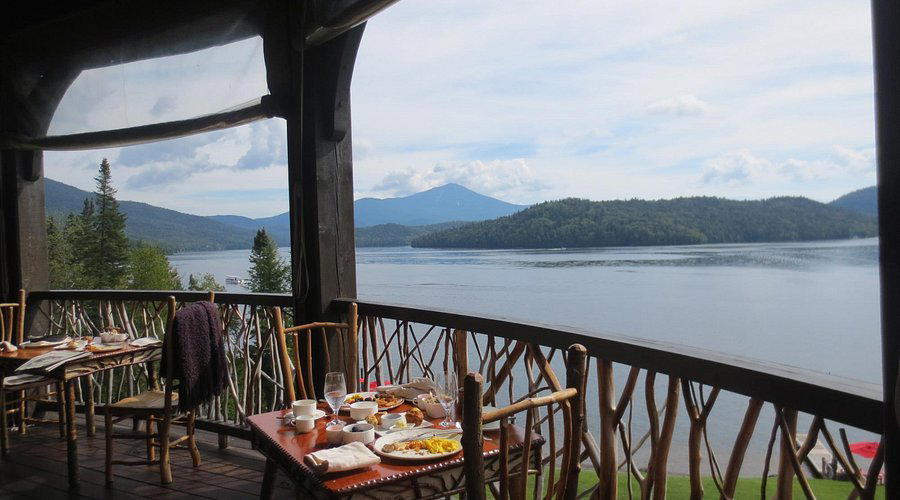
Great Camp architecture was designed for seasonal use, but the hotel operates year-round, and the property's program shifts meaningfully by season. In summer, Upper Saranac Lake itself becomes the primary amenity: swimming, boating, and fishing from a working boathouse. Winter shifts the logic entirely. When the lake freezes, the property offers snowshoeing, skiing, curling, ice skating, hiking, and sledding. These are not curated excursions in the contemporary resort sense; they reflect the original purpose of the camp, which was to use the land in whatever condition the season presented it.
The winter program in particular positions the hotel within a category of American wilderness properties that justify year-round rates rather than seasonal discounting. Properties in this tier, compare Amangani in Jackson Hole or Alpine Falls Ranch in Superior, are valued partly on the coherence of their off-peak offer. A frozen lake with a structured activity program is a more defensible off-peak proposition than a property simply waiting for warm weather.
The Dining Program and Its Place in the All-Inclusive Structure
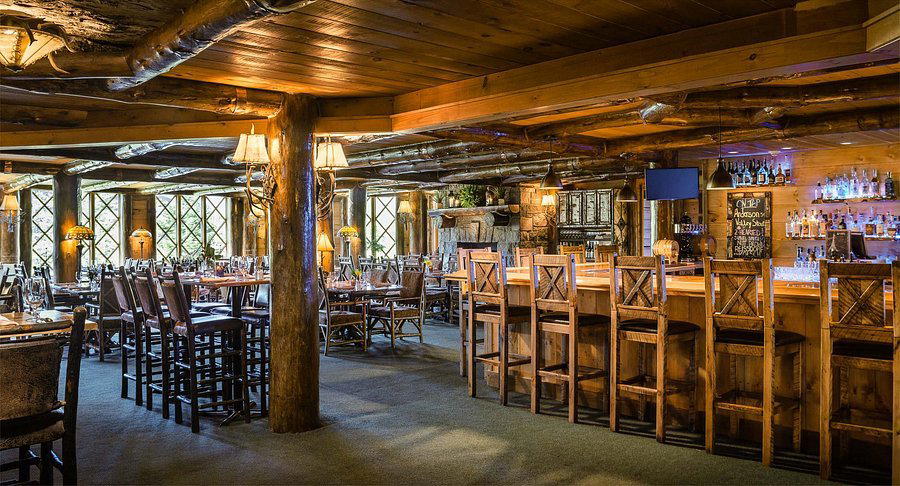
American wilderness properties at this price tier have generally moved toward serious culinary programs as a differentiator, recognizing that the all-inclusive format lives or dies on the quality of what is included. The hotel's culinary program operates with the kitchen open to guests around the clock, a format that removes the structured-dining pressure common to tasting-menu properties and aligns with the camp's broader ethos of unscheduled hospitality. Compare this with the more formal approach at SingleThread Farm Inn in Healdsburg or Auberge du Soleil in Napa, where the dining program operates on a distinct schedule and contributes to the property's restaurant-led identity. The hotel's format is less about a named dining experience and more about continuous access, which suits the camp format.
Meals are served in a communal great-room setting consistent with the original social logic of the camp, where guests of a private house would gather rather than retreat to separate restaurant tables. For guests arriving from urban hotel formats, Aman New York, The Fifth Avenue Hotel in New York City, Raffles Boston, this communal structure represents a deliberate departure from privatized dining that either appeals immediately or requires adjustment.
Connectivity, Privacy, and the Digital Detox Positioning
The hotel sits in a category of luxury properties that actively market their inaccessibility. Cell service is limited by the surrounding mountains rather than by policy, but the property leans into the resulting disconnection as part of its offer. There are no televisions in guestrooms. The nearest cell tower cannot reliably penetrate the terrain. This is not managed as a liability; it is framed as a feature, and the guest profile this attracts skews toward those who have access to connectivity everywhere else and are choosing to be without it.
This positioning connects the hotel to a broader pattern in premium wilderness hospitality, where remoteness is a competitive advantage rather than an inconvenience to explain away. Amangiri in Canyon Point, Post Ranch Inn in Big Sur, and Little Palm Island Resort in Little Torch Key all operate within this logic. The hotel's version is sharpened by the historical depth of the property: the sense that this corner of the Adirondacks has changed little since the Rockefeller era is something that can be experienced rather than simply stated.
Getting There and Planning
The property sits at 222 Beaverwood Road, Saranac Lake, NY 12983, accessible by car from the Adirondack Regional Airport (SLK) roughly 16 kilometers away. Albany-Rensselaer station is approximately 264 kilometers by road for those arriving by train. GPS coordinates 44.3300, -74.1815 are especially reliable navigation reference given the rural setting. Rates start from $3,705 per night on an all-inclusive basis. The adults-only policy applies year-round for standard bookings; the under-18 restriction is lifted for full private buyouts. Given the small number of accommodations and the all-inclusive format, advance planning is advisable, particularly for summer and winter peak periods. Comparable American wilderness retreats include Canyon Ranch Tucson, Kona Village in Kailua Kona, Troutbeck in Amenia, Bernardus Lodge in Carmel Valley, Bowie House in Fort Worth, Ambiente in Sedona, Four Seasons at The Surf Club in Surfside, Hotel Bel-Air in Los Angeles, Chicago Athletic Association, 1 Hotel San Francisco, Aman Venice, and Badrutt's Palace Hotel in St. Moritz.
A Quick Peer Check
Comparable venues nearby, for context on price, style, and recognition.
| Venue | Cuisine | Price | Awards | Notes |
|---|---|---|---|---|
| The PointThis venue — the venue you are viewing | Historic Adirondack Great Camp with rustic elegance and Gilded Age charm | $$$$ | 5-Star | Not listed |
| Lake Placid Lodge | rustic luxury Arts and Crafts lodge | $$$$ | 5-Star | Lake Placid |
| Topping Rose House | Renovated 19th-century estate blending historic charm with modern luxury | $$$$ | 5-Star | Bridgehampton |
| The Whiteface Lodge | Rustic luxury lodge evoking historic Adirondack Great Camps with modern amenities and comprehensive resort facilities. | $$$$ | 4-Star | Lake Placid |
| Four Seasons Hotel New York | Well-known Art Deco residential luxury tower | $$$$ | 5-Star | Midtown-Times Square |
| Soho House New York | Members-only creative club with luxury hotel accommodations in a historic industrial warehouse | $$$$ | 5-Star | Meatpacking District |
Recognition history
Dated appearances from independent guides and award organizations, with the underlying list record or original source where available.
Conde Nast Gold List
Conde Nast
Forbes 5-Star
Forbes
La Liste Top Hotels
La Liste
Relais Chateaux Award
Relais Chateaux
Forbes 5-Star
Forbes
Relais Chateaux Award
Relais Chateaux
Continue exploring
More in Saranac Lake
Hotels in Saranac Lake
Browse all →
Bars in Saranac Lake
Browse all →
Restaurants in Saranac Lake
Browse all →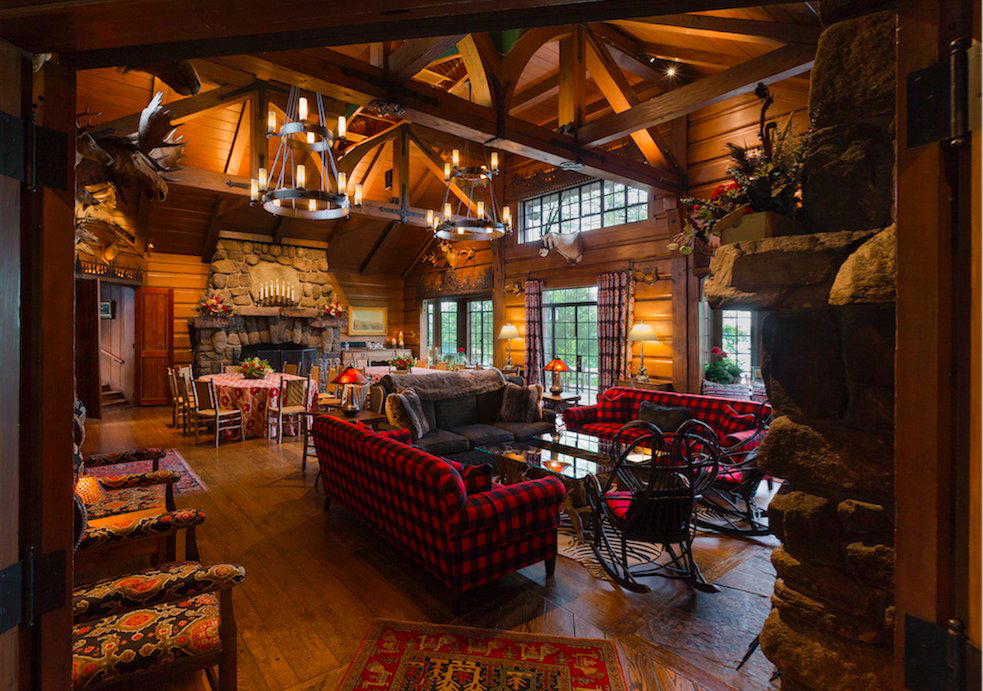
Wineries in Saranac Lake
Browse all →
At a Glance
- Rustic
- Romantic
- Intimate
- Elegant
- Scenic
- Cozy
- Romantic Getaway
- Anniversary
- Honeymoon
- Weekend Escape
- Celebration
- Waterfront
- Historic Building
- Panoramic View
- Room Service
- Concierge
- Wi Fi
- Tennis
- Waterfront
- Mountain
- Room Service
- Concierge
- Wi Fi
- Tennis
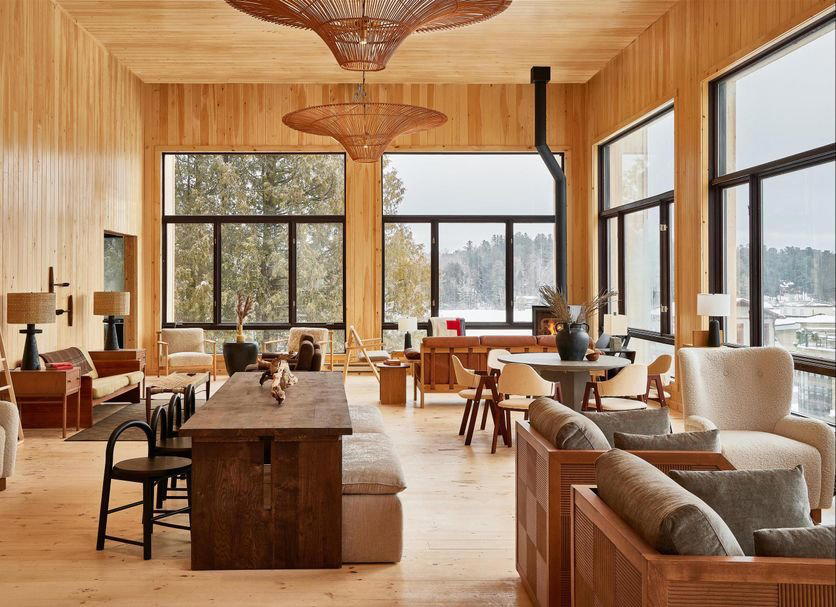
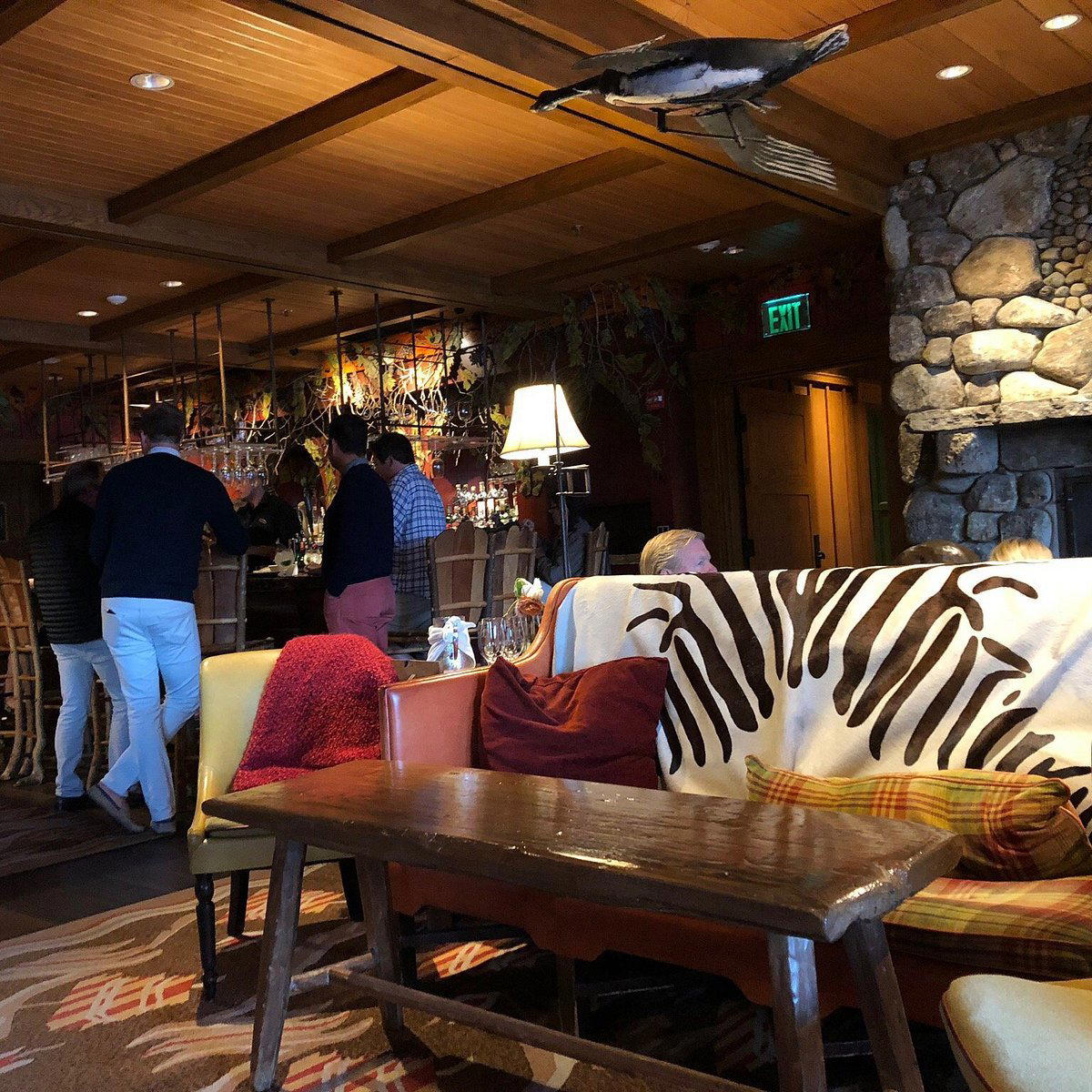
Rustic elegance with crackling stone fireplaces, warm wood-paneled interiors, panoramic lake views through floor-to-ceiling windows, and a residential, magical atmosphere.