Lake Placid Lodge



Forbes Recommended · Relais Chateaux Award · Virtuoso Luxury Hotel Partner
The only hotel situated directly on the shores of Lake Placid, Lake Placid Lodge occupies a 30-room Arts and Crafts property rebuilt after a 2005 fire, with hand-hewn timber construction, lakeside cabins, and farm-to-table dining at Artisans restaurant. Rates from $807 per night place it at the top of the Adirondack lodging tier, attracting guests who want wilderness access without sacrificing architectural substance or service depth.

Pearl is the En Primeur Club membership app — saves, bookings, and concierge access live there. Same editors, same standards.
- Address
- 144 Lodge Way, Lake Placid, NY 12946
- Phone
- (518) 523-2700
- Website
- opalcollection.com
- Directions
- Get directions
Where the Adirondacks Begin at the Water's Edge
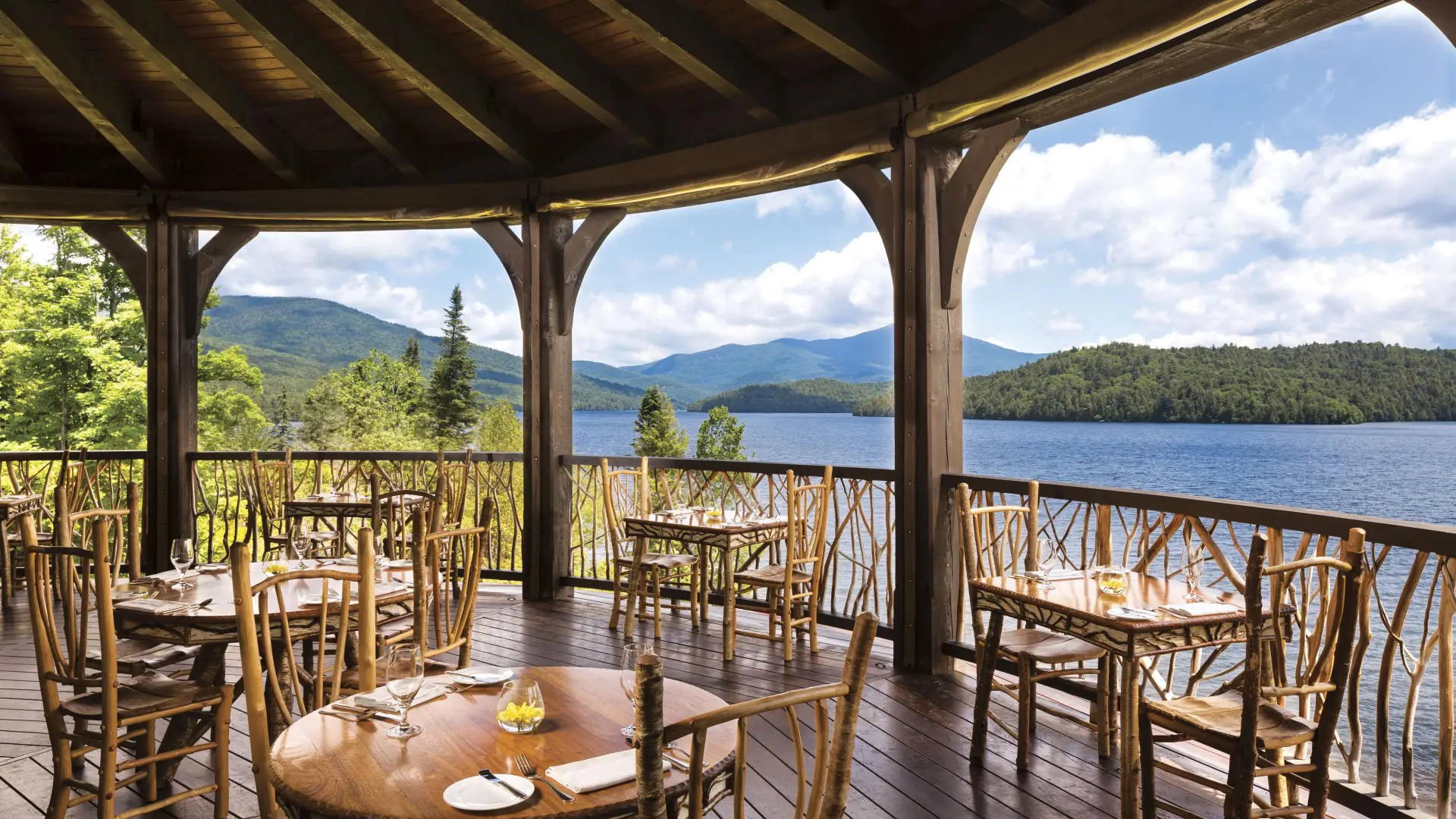
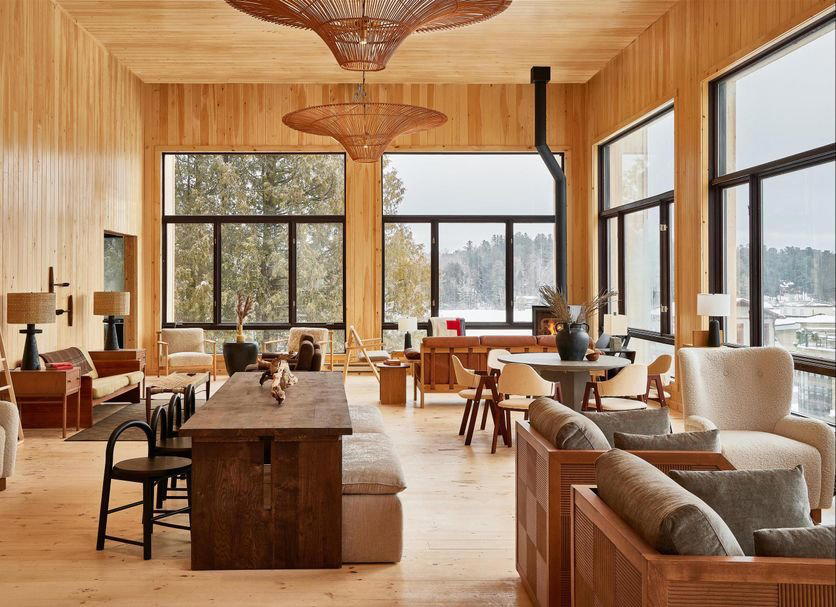
Approaching Lake Placid Lodge along Whiteface Inn Road, the tree line opens onto a lakefront compound that reads less like a hotel arrival than the entrance to a private great camp. That association is deliberate. The Arts and Crafts movement that shaped the Adirondack lodging tradition in the late nineteenth and early twentieth centuries produced a specific architectural vocabulary: hand-hewn log construction, rough-cut stone fireplaces, exposed timber joinery, and interior color drawn from the surrounding forest. Lake Placid Lodge was rebuilt in that tradition after a 2005 fire destroyed the original structure, and the reconstruction gave the property an opportunity to sharpen what the original had established. The result is a Main Lodge whose hand-hewn wood beams and large-scale stonework sit in deliberate dialogue with the gilded-age great camps that once defined private wealth in the Adirondack high peaks region.
At 30 accommodations across the entire property — five rooms in the Main Lodge, 17 lakeside cabins, six suites in the Lakeside Building, and two cottages — Lake Placid Lodge operates at a scale that functions more like a private estate than a conventional hotel. That limited footprint is significant in context: it is the only hotel positioned directly on the shores of Lake Placid itself, which gives it a locational advantage no competitor in the immediate area can replicate. Properties like The Mirror Lake Inn Resort and Spa and The Whiteface Lodge occupy strong positions in the Lake Placid lodging market, but neither sits at the water's edge of the lake itself. That distinction shapes the entire character of a stay here, from the cabin porches that open directly onto the shoreline to the lakeside bonfires that anchor the property's evening ritual.
The Architecture of the Adirondack Great Camp Tradition
The Arts and Crafts identity at Lake Placid Lodge is not applied as surface decoration. It runs through the structural logic of the buildings themselves. The great camp aesthetic that emerged in the Adirondacks in the 1880s and 1890s was a conscious rejection of Victorian ornament in favor of materials drawn directly from the site: bark, branch, stone, and timber. The wealthy families who commissioned camps on these lakes wanted buildings that felt continuous with the forest rather than imposed upon it. Lake Placid Lodge's post-2005 construction carries that principle forward in the hand-hewn beam work of the Main Lodge, in the stonework that anchors the fireplaces across the property, and in the cabin interiors where wood accents and saturated textural furnishings continue the palette outdoors.
Properties like Amangani in Jackson Hole and Post Ranch Inn in Big Sur share the commitment to siting architecture within a landscape rather than against it, though both work in different regional vocabularies. Closer in spirit is Sage Lodge in Pray, Montana, which applies a comparable handcrafted-materials approach to a river-adjacent setting. What distinguishes Lake Placid Lodge within this cohort is the historical depth of the tradition it draws from: the Adirondack great camp is one of the few genuinely American architectural languages in luxury hospitality, and the Lodge sits at its geographic origin point.
Dining at Artisans and Maggie's Pub
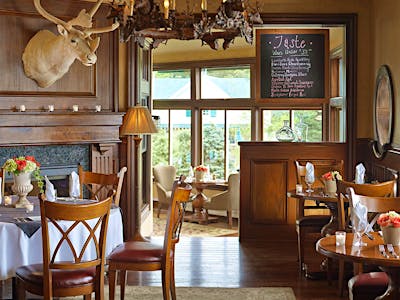
Farm-to-table dining at this level of the Adirondack market means something specific: sourcing constrained by geography and season, with a menu that shifts as the growing calendar moves through the region's short but distinct harvest windows. Artisans, the Lodge's main dining room, operates on this logic with a tasting menu alongside à la carte options, in a room where high windows and porch access keep the lake and tree line present throughout the meal. The menu at Artisans is seasonal by design rather than by marketing language, which in practice means substantial differences between a summer visit and a late-autumn one. For those wanting to understand the full range of what the Lodge's dining program offers across the year, checking in during the shoulder seasons, late spring and early fall, tends to reveal the kitchen's range most clearly.
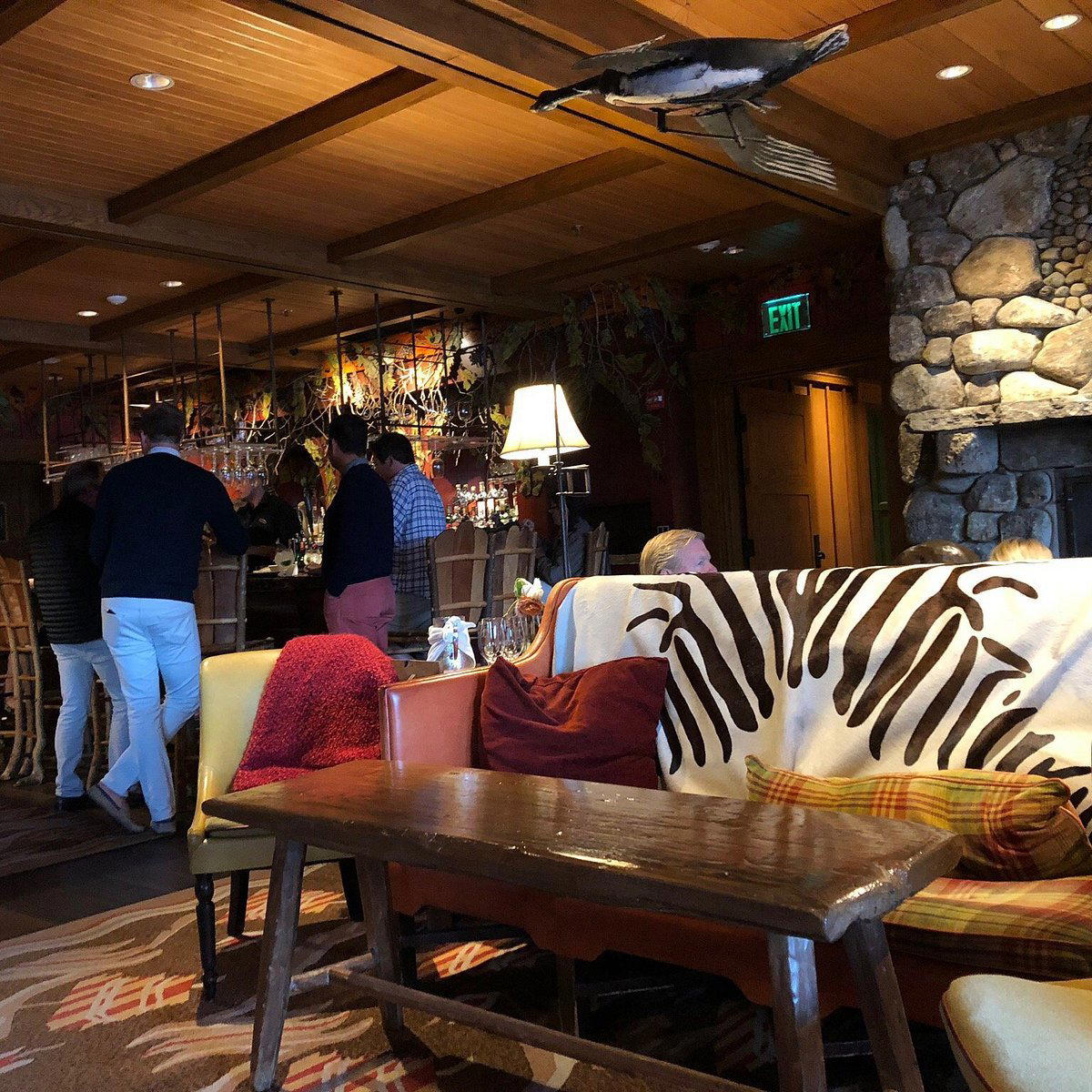
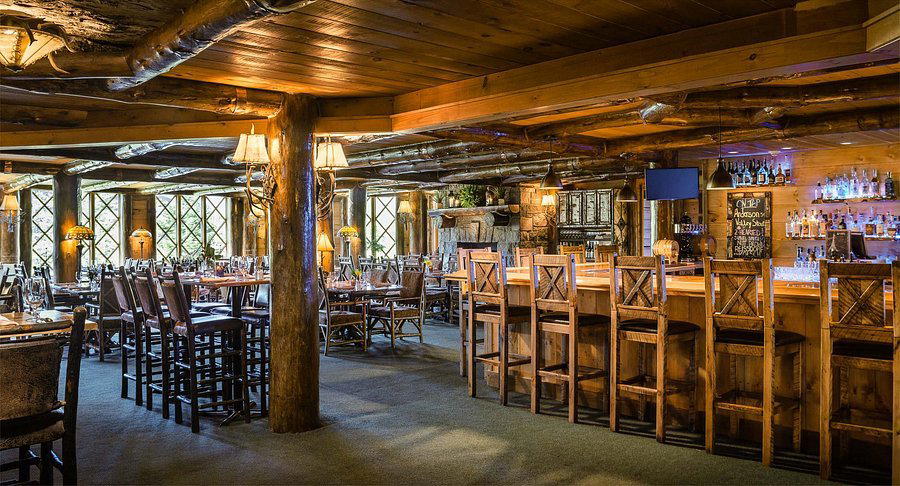
Maggie's Pub operates as the Lodge's secondary dining venue, with the only television on the property. The pub menu runs to refined versions of familiar formats: mushroom risotto fritters and mac and cheese with homemade bacon lardon, truffle oil, and English peas among the documented options. In a region with strong local sporting loyalties, Lake Placid's identity is deeply tied to hockey through its Olympic history and lacrosse through the Adirondack competitive calendar, Maggie's functions as a genuine community gathering point as much as a hotel amenity. The pub's drinks program draws from a creative cocktail menu called Maggie's Drink Bowl, with the harvest moon and Indian summer among the named options, served alongside the billiards table and fireplace.
The Lodge's dining identity places it in a meaningful conversation with farm-driven properties across the American luxury lodge category. SingleThread Farm Inn in Healdsburg represents the most rigorous version of this integration, with its farm-to-table commitment operating at a Michelin three-star level. Auberge du Soleil in Napa sits at the wine-country end of the same category. Lake Placid Lodge's version is less formal in ambition but more rooted in a specific regional landscape, which gives it a character those wine-country properties cannot replicate.
Four Seasons of Activity, One Address
The activity program at Lake Placid Lodge spans the full seasonal calendar. Summer brings fishing, horseback riding, and whitewater rafting; winter shifts to cross-country skiing and dog-sled rides. The Lodge's location within the Adirondack high peaks region means that the outdoor programming extends beyond the property itself, with access to one of the most varied wilderness areas in the northeast United States. The nightly bonfire ritual, with s'mores and hot cocoa in winter or a lakeside fire in warmer months, functions as a low-key but consistent social anchor across all seasons.
Arrival options extend beyond the standard drive from New York City, which runs via I-87 North, exit 30, then Route 73 northwest to Lake Placid and Route 86 west to Whiteface Inn Road. A partnership with Wings Air Helicopters offers private air transfers from New York, Boston, and Philadelphia. The nearest commercial airport is Saranac Lake, approximately 20 kilometers away; Albany International sits at around 200 kilometers. By rail, Westport New York provides the closest Amtrak access at roughly 100 kilometers from the property.
Children became permitted guests as of January 2017, though those under 12 are not accommodated in the Main Lodge rooms. The property now accepts guests of all ages across the cabin and suite accommodations, which broadens the feasible booking group considerably.
Rates, Scale, and Planning
Rates at Lake Placid Lodge begin at $807 per night, which positions the property at the upper tier of Adirondack lodging and in line with small-footprint luxury lodge pricing nationally. The 30-unit scale means availability is genuinely constrained, particularly in peak summer and during ski and winter sports season in the high peaks. Guests planning around specific events in Lake Placid, the town's Olympic training facilities generate a year-round competition calendar, should account for reduced availability during major athletic weekends.
For guests comparing this against the broader small-luxury lodge category, the reference set includes properties like Troutbeck in Amenia in the Hudson Valley, Bernardus Lodge and Spa in Carmel Valley, and Ambiente in Sedona, all of which operate in the space where architectural identity, natural setting, and limited scale define the offer. Further afield, properties like Amangiri in Canyon Point, Little Palm Island Resort and Spa in Little Torch Key, and Kona Village, A Rosewood Resort in Kailua Kona occupy the same philosophical bracket: places where the setting is the primary argument. For more urban-oriented comparisons, Aman New York, The Fifth Avenue Hotel in New York City, and Raffles Boston represent the metropolitan tier guests typically transit through on the way to a Lake Placid stay. See our full Lake Placid restaurants guide for dining options beyond the Lodge itself.
How It Stacks Up
Comparable venues nearby, for context on price, style, and recognition.
| Venue | Cuisine | Price | Awards | Notes |
|---|---|---|---|---|
| Lake Placid LodgeThis venue — the venue you are viewing | rustic luxury Arts and Crafts lodge | $750–1,000 | Forbes Recommended · Relais Chateaux Award | Not listed |
| The Whiteface Lodge | Adirondack lodge resort | Not listed | 1 Michelin Key | Lake Placid |
| The Mirror Lake Inn Resort and Spa | Classic Adirondack resort with elegant Arts & Crafts decor and expansive lakeside grounds. | Not listed | 1 Michelin Key · Small Luxury Hotels of the World Member | Lake Placid |
| The Rockaway Hotel | Boutique beachside resort with community vibe | $200–300 | Michelin Selected · Mr & Mrs Smith Seal of Approval | Rockaway Park |
| Soho House New York | Members-only creative club with luxury hotel accommodations in a historic industrial warehouse | $750–1,000 | Michelin Selected · Mr & Mrs Smith Seal of Approval | Meatpacking District |
| The James New York - SoHo | Bauhaus-inspired art hotel blending modernist design with curated contemporary art collection; formerly The James, now ModernHaus SoHo. | Not listed | Michelin Selected · Preferred Hotels Member | SoHo |
Recognition history
Dated appearances from independent guides and award organizations, with the underlying list record or original source where available.
Forbes Recommended
Forbes
Relais Chateaux Award
Relais Chateaux
Virtuoso Luxury Hotel Partner
Virtuoso
Full recognition history (5 entries)
Forbes Recommended
Forbes
Relais Chateaux Award
Relais Chateaux
Continue exploring
More in Lake Placid
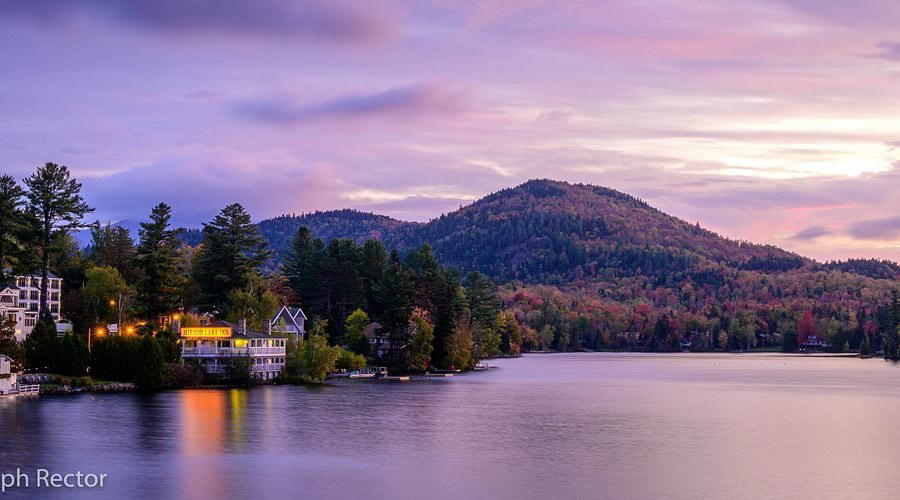
Hotels in Lake Placid
Browse all →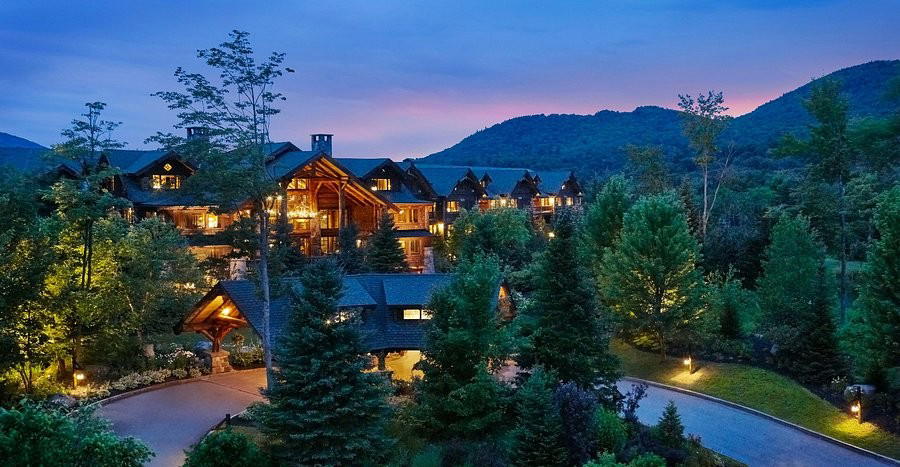
Bars in Lake Placid
Browse all →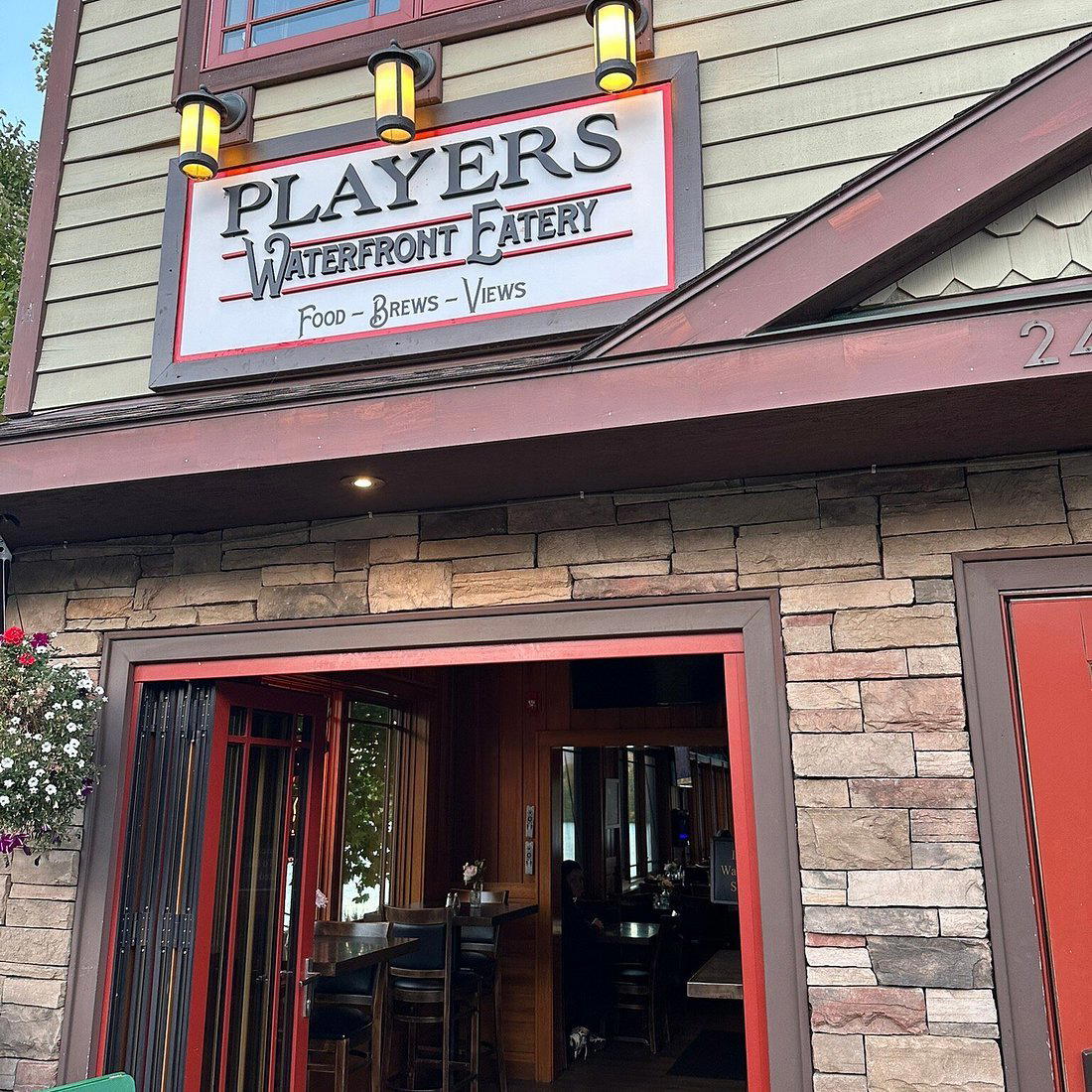
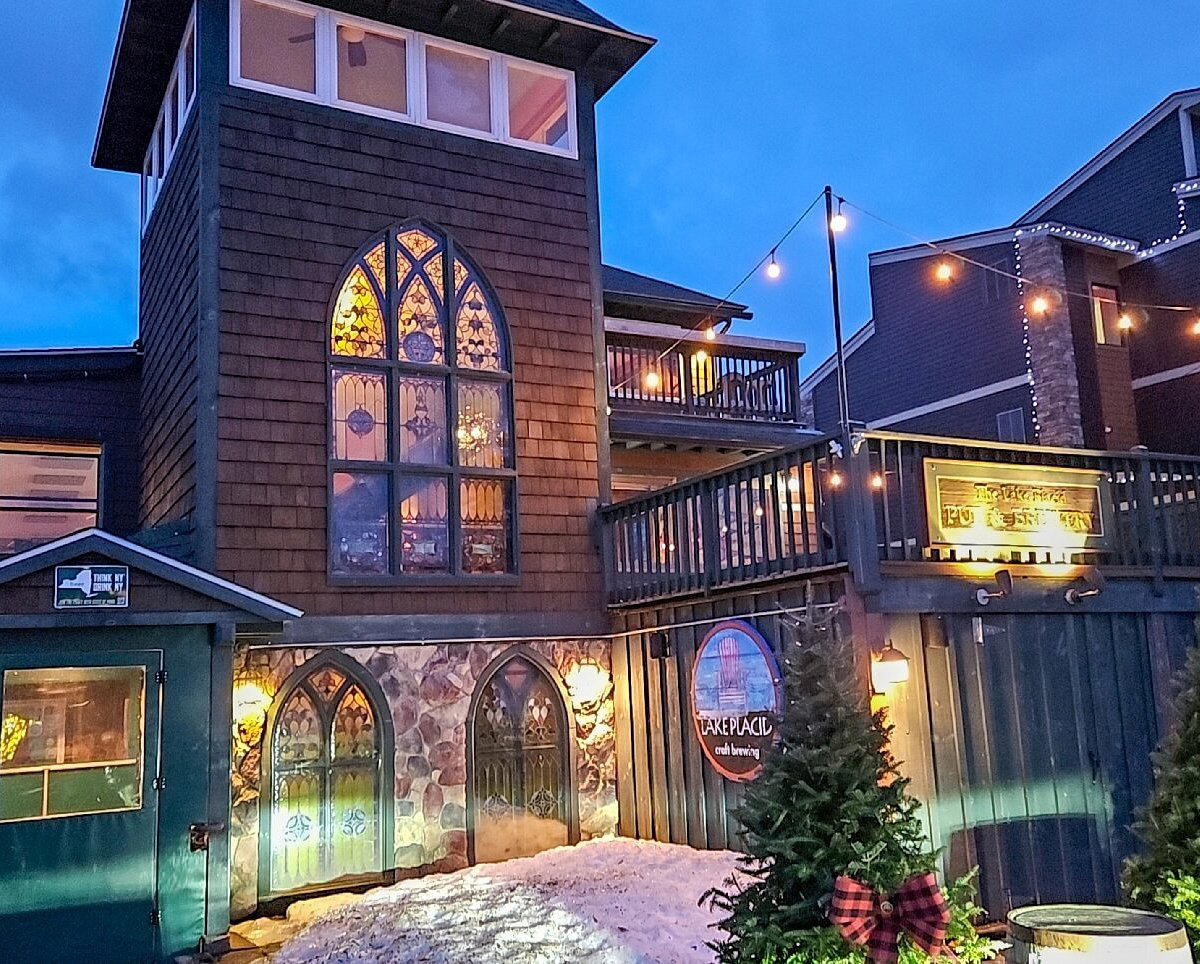
Restaurants in Lake Placid
Browse all →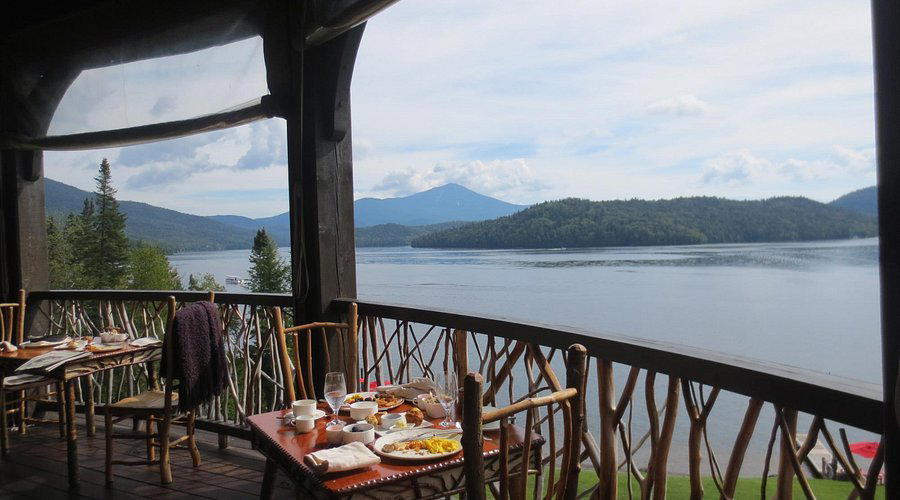
Wineries in Lake Placid
Browse all →
Details
- Rustic
- Scenic
- Cozy
- Romantic
- Elegant
- Romantic Getaway
- Family Vacation
- Honeymoon
- Weekend Escape
- Waterfront
- Panoramic View
- Wi Fi
- Room Service
- Concierge
- Spa
- Fitness Center
- Waterfront
- Mountain
- Wheelchair Accessible
- Step Free Entrance
- Accessible Parking
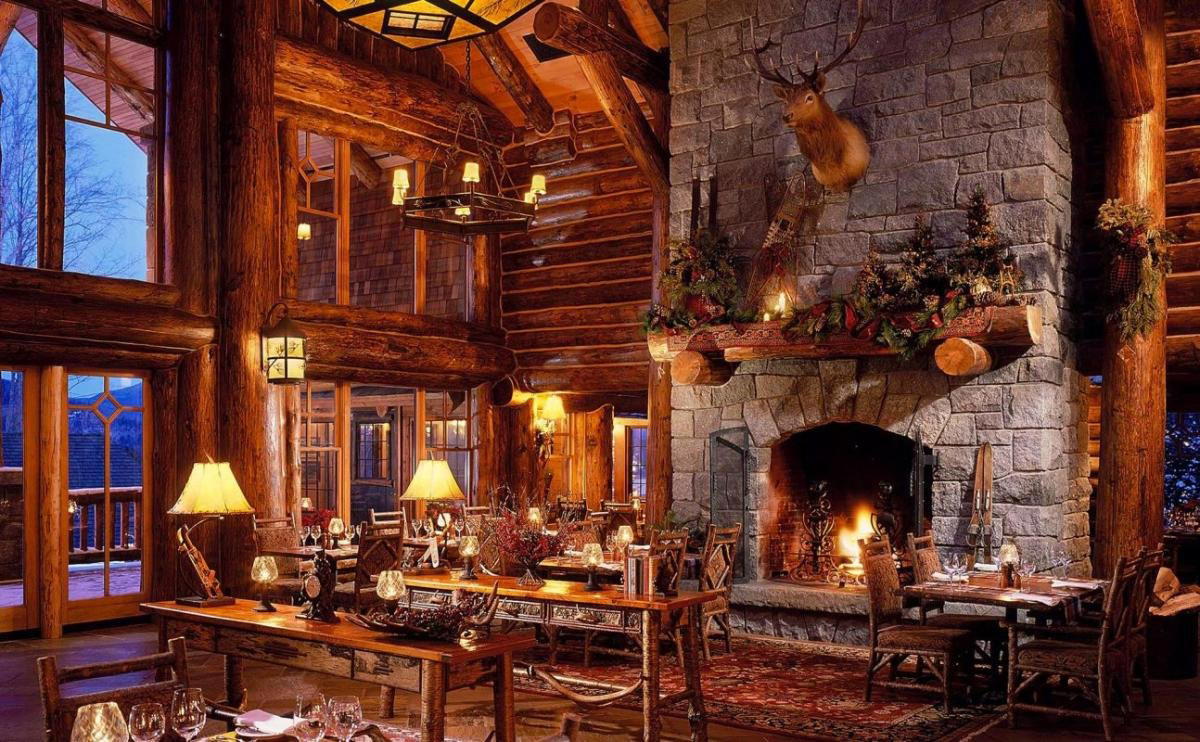
Firelit great room with stone fireplaces, wood-burning hearths, and a warm rustic luxury atmosphere.