The Oyster Shack
Our verdict
On Magdalena Avenue in the Condado corridor, The Oyster Shack brings a stripped-back approach to Puerto Rico's seafood tradition. The format prioritises the ingredient over ceremony, placing it in a local dining scene that increasingly rewards focused, single-subject restaurants. For visitors working through San Juan's waterfront dining options, this address offers a different register from the hotel dining rooms that dominate the neighbourhood.

Pearl is the En Primeur Club membership app — saves, bookings, and concierge access live there. Same editors, same standards.
- Address
- 1104 Magdalena Ave, San Juan, 00907, Puerto Rico
- Phone
- (787) 665-1966
- Hours
- Mon–Thu 12–10:30 PMFri–Sat 12–11:30 PMSun 12–10:30 PM
- Website
- theoystershackpr.com
- Directions
- Get directions
- Booking
- Book on OpenTable
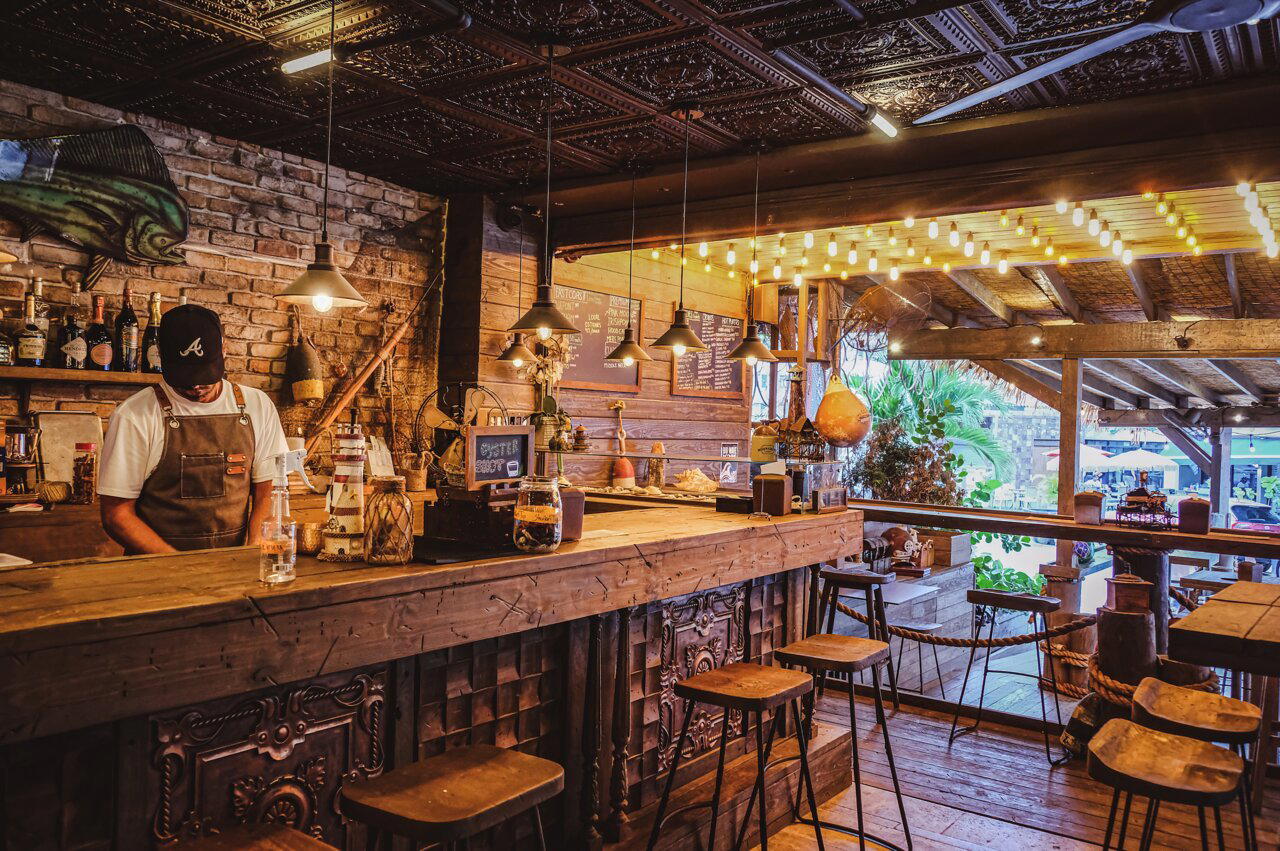
Magdalena Avenue and the Case for Casual Precision
Condado's dining character has always been pulled in two directions. On one side, the hotel dining rooms along Ashford Avenue run formal service and international menus priced for resort guests. On the other, a quieter current of neighbourhood spots on side streets like Magdalena Avenue operates on shorter menus, lower ceremony, and ingredients that don't require much intervention. The Oyster Shack at 1104 Magdalena Ave sits firmly in that second current, one block removed from the main corridor and several registers removed from white-tablecloth convention.
That address matters. Magdalena Avenue functions as a pressure-release valve from Condado's more performative dining strip. The street attracts places that depend on repeat local custom rather than tourist foot traffic, which tends to produce a different kind of kitchen discipline: tighter menus, fewer distractions, and a stronger argument for the ingredient at the centre of the plate. For a seafood-forward format like an oyster bar, that context is the right one.
Puerto Rico's Seafood Tradition and Where Raw Bars Fit
Puerto Rican coastal cooking has always kept seafood close to its centre, from the fishermen's stalls along the western coast to the ceviche and chapin preparations that appear at roadside spots on the way to Rincon. But the raw bar as a dedicated format is a more recent arrival to the island's restaurant culture, borrowed partly from the United States mainland and partly from the international oyster-bar model that has spread through port cities across the Caribbean and Latin America.
The oyster itself is an interesting case in the Puerto Rican context. The island does not have a strong native oyster-farming tradition comparable to, say, the mangrove oysters found in parts of coastal Venezuela or the cultivated beds of the Pacific Northwest. Most oysters served in San Juan arrive from the US East Coast, the Gulf, or occasionally from Canada or the Pacific. That supply chain means the quality argument at any San Juan oyster bar rests substantially on sourcing consistency and cold-chain discipline rather than local terroir, and it places venues like The Oyster Shack in direct comparison with how similar spots handle that challenge on the mainland.
For a point of reference on what the raw bar format can achieve at its highest register, Le Bernardin in New York City has long defined the ceiling for seafood precision in North American fine dining. The Oyster Shack operates at a very different scale and price point, but the underlying logic of letting the ingredient speak with minimal interference is a shared one.
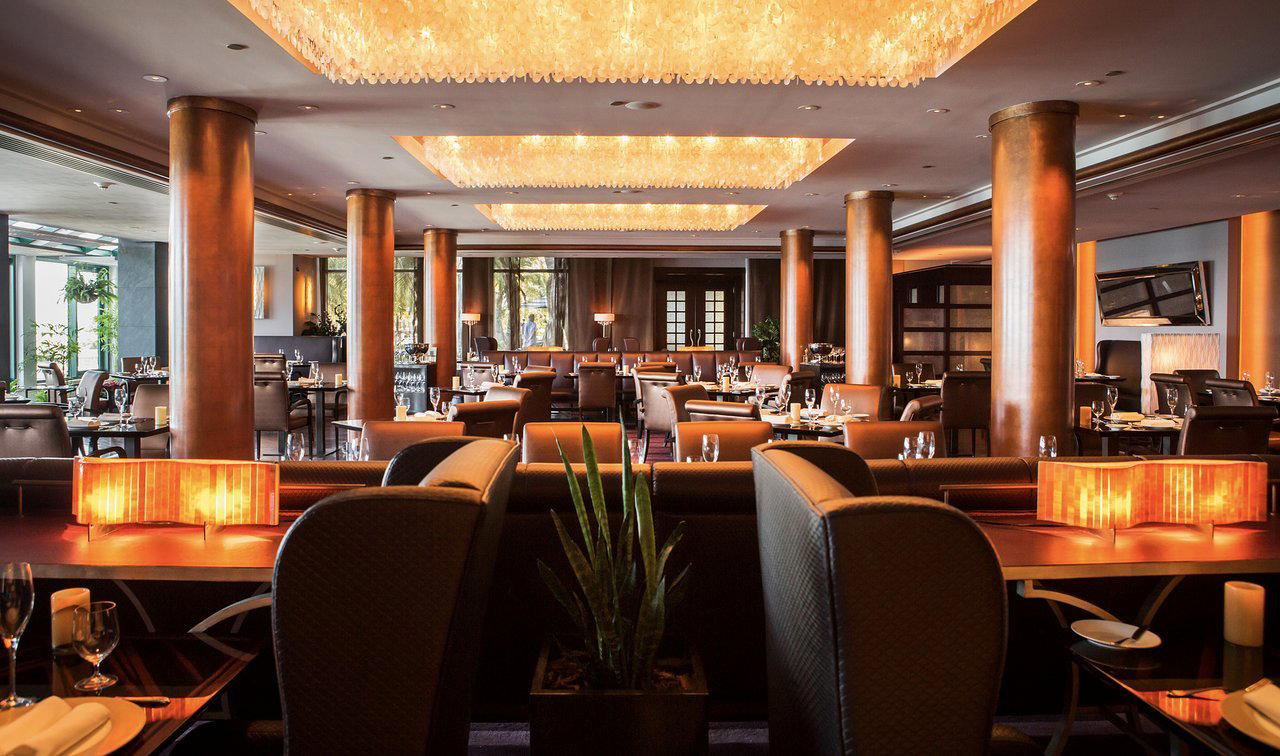
Within San Juan itself, The Oyster Shack sits in a competitive set that has grown more interesting over the past several years. The neighbourhood now holds a wider range of formats than it did a decade ago, from the modern American ambition of 1919 Restaurant to the coastal-focused cooking at AQA Oceanfront and the contemporary direction taken by Amor y Sal. Further afield in the San Juan dining ecosystem, places like Areyto Modern Cuisine by Chef Jason González and ARYA represent the more technique-driven end of the spectrum.
Against that backdrop, a venue anchored around shellfish and direct seafood preparation occupies a deliberately smaller lane. That narrowness is a feature, not a limitation. The leading single-subject restaurants in any city tend to outperform broader competitors on the specific thing they do, precisely because the kitchen's attention is never divided.
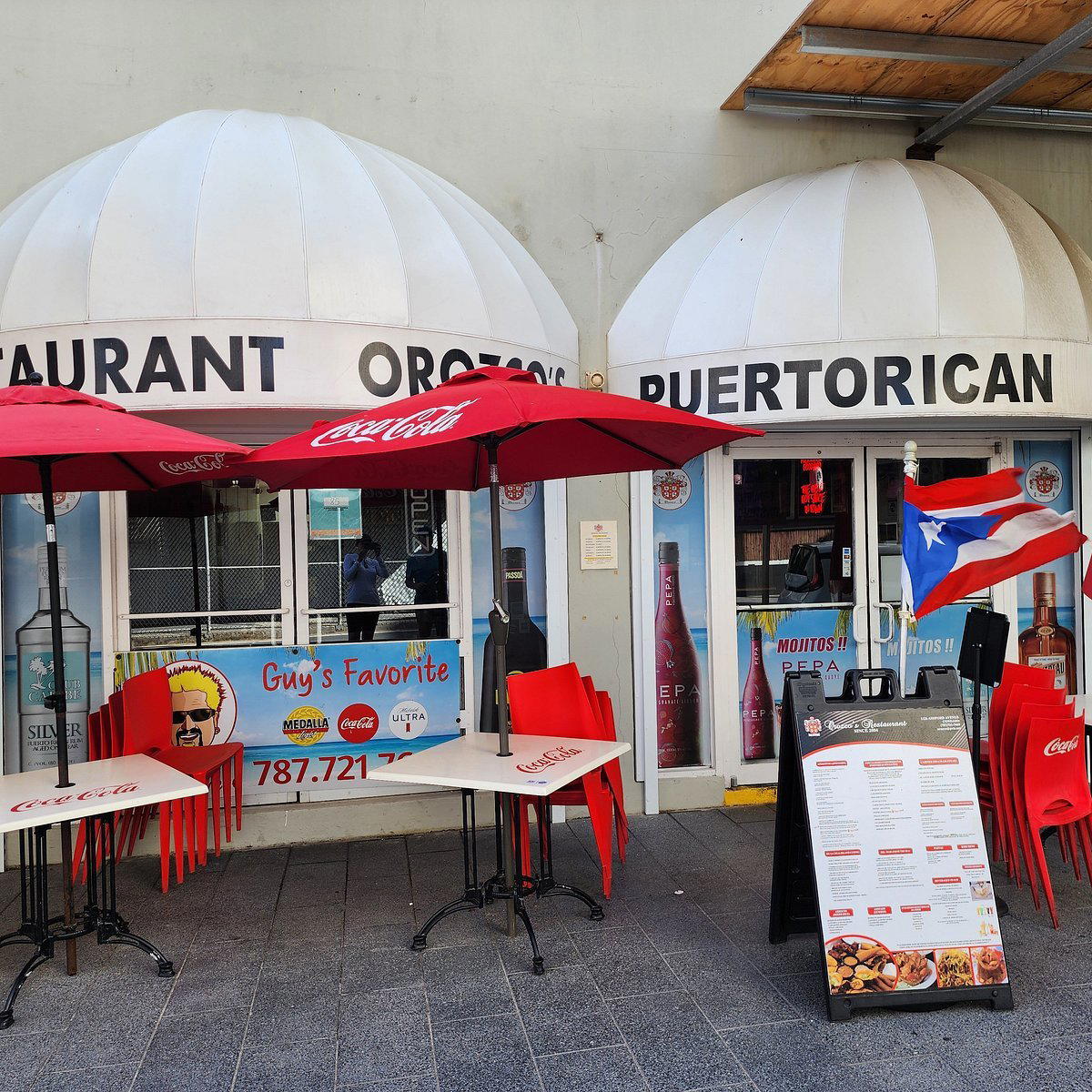
Puerto Rico's restaurant culture extends well beyond San Juan, and the island's coastal eating spans a range of registers. CAÑA in Carolina and Charco Azul in Vega Baja represent how seafood-adjacent cooking plays in municipalities outside the capital, while the more meat-focused traditions at spots like Lechonera Los Pinos in Cayey and Carne Mía Restaurant in Aguada illustrate how varied the island's culinary geography really is. For visitors who want to eat across that range, our full San Juan restaurants guide maps the broader territory.
What the Format Signals
An oyster shack format, properly executed, is a study in what restaurants don't do. There is no complex sauce work, no lengthy tasting arc, no theatrics of presentation. The format's discipline lies in selection, temperature, and timing. Oysters served too warm, or held too long after shucking, are an immediate diagnostic of a kitchen that isn't paying attention. The stripped-back name is itself an editorial statement: this is not a restaurant hedging its identity with a broad menu. It is committing to a specific thing and asking to be judged on that.
That kind of commitment is increasingly legible to San Juan diners who have grown more attuned to format and focus over the past decade. The same shift visible in cities like Seoul, where tightly formatted omakase counters have displaced more generalist Japanese restaurants at the premium end, has a quieter parallel in Caribbean dining: guests are more willing to trust a short, confident menu than a long, diffuse one. Atomix in New York City exemplifies that commitment to format discipline at the fine-dining tier; The Oyster Shack pursues a version of the same logic at a more accessible register.
For those planning a broader day out from Condado, the surrounding Puerto Rico dining map offers useful combinations. Bottles Dorado in Dorado, La Faena in Guaynabo, BODEGA in Caguas, Escobar in Canovanas, El Dorado in Playita, and Brazo Gitano Franco in Mayaguez each represent a different slice of the island's eating culture.
Know Before You Go
- Address: 1104 Magdalena Ave, San Juan, 00907, Puerto Rico
- Neighbourhood: Condado, one block from Ashford Avenue
- Format: Seafood-focused, oyster bar style
- Booking: Contact information not currently listed; walk-in or local inquiry recommended
- Price range: Not published; consistent with Condado neighbourhood casual-dining tier
- Hours: Not confirmed; verify directly before visiting
Frequently asked questions
What part of town is The Oyster Shack in?
The Oyster Shack is located at 1104 Magdalena Ave, San Juan, 00907, Puerto Rico, San Juan.
Is The Oyster Shack in San Juan good for groups visiting Condado?
The raw bar format at 1104 Magdalena Ave suits groups who want to eat at pace rather than sit through a structured multicourse arc. Condado's walkable dining corridor means The Oyster Shack works well as part of a longer evening across the neighbourhood. Confirm current capacity and hours directly before arriving with a larger party.
What's the must-try dish at The Oyster Shack?
The format at The Oyster Shack is built around raw bar precision, which means oysters are the anchor order. The Condado location on Magdalena Avenue positions the venue squarely in Puerto Rico's coastal seafood tradition, where freshness and sourcing do the heavy lifting. Order whatever is freshest that day rather than committing to a fixed choice.
What's the best way to book The Oyster Shack?
The Oyster Shack is located at 1104 Magdalena Ave, San Juan, 00907, Puerto Rico. No booking phone number or website is currently listed in public records, so arriving in person or asking your hotel concierge to make contact directly is the most reliable approach for Condado visitors.
What's the standout thing about The Oyster Shack?
The format itself is the statement. In a Condado dining scene anchored by hotel restaurants along Ashford Avenue and a growing set of more ambitious neighbourhood spots, The Oyster Shack holds its position by doing less with more focus. A raw bar anchored around oysters, at 1104 Magdalena Ave, reads as a deliberate counterpoint to the theatrics elsewhere in San Juan.
At-a-Glance Comparison
Comparable venues nearby, for context on price, style, and recognition.
| Venue | Cuisine | Price | Notes |
|---|---|---|---|
| The Oyster ShackThis venue — the venue you are viewing | Seafood Tapas & Raw Bar | Not listed | Not listed |
| SOCIAL | Modern Puerto Rican International | $30–50 | Condado |
| Sur Barra Nikkei | Nikkei Fusion (Peruvian-Japanese) | $50–100 | Minillas |
| Solera Restaurant | Caribbean Tapas Fusion | Not listed | Condado |
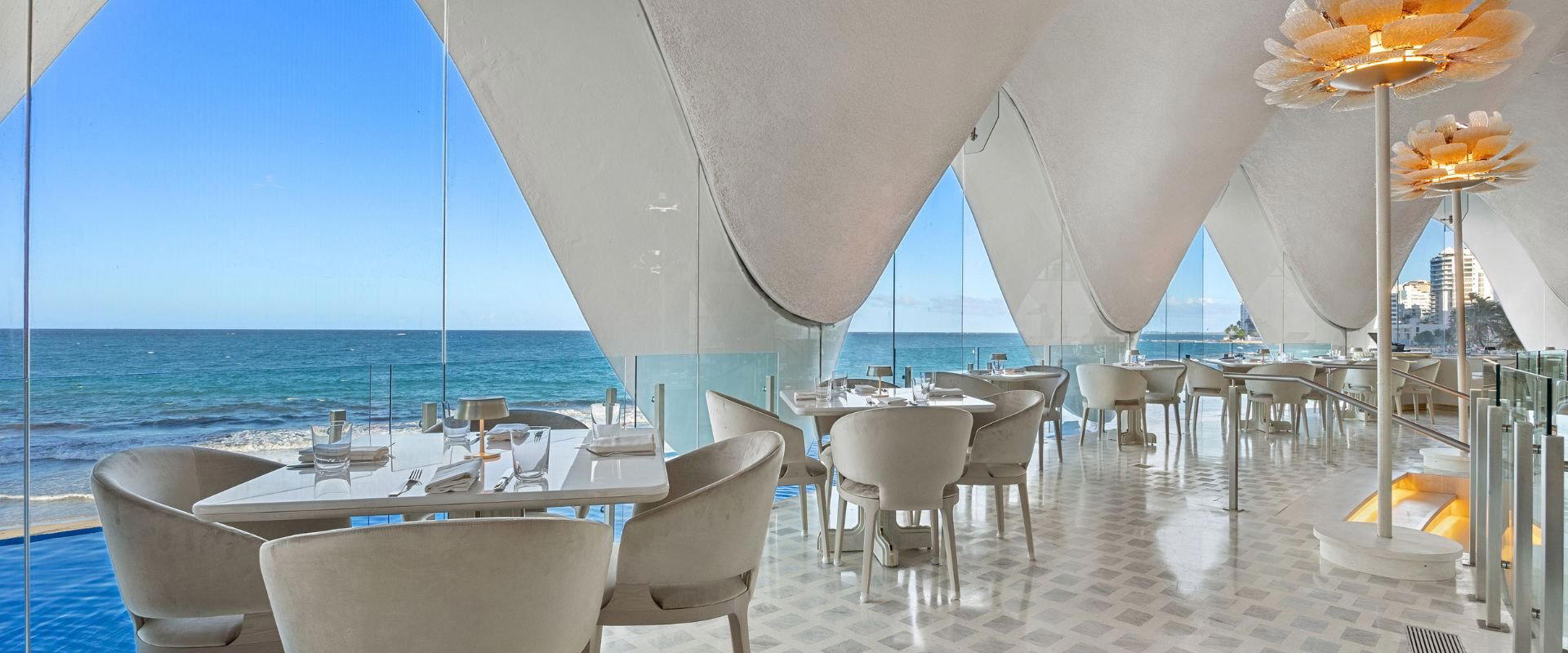
| AQA Oceanfront | Contemporary Latin Rotisserie | $30–50 | Condado |
| Bardot | Exquisite French Cuisine | Not listed | Condado |



Details
- Lively
- Cozy
- Date Night
- Casual Hangout
- Open Kitchen
- Craft Cocktails
- Local Sourcing
- Sustainable Seafood
- Small Plates
- A La Carte
- Gluten Free Options
Current opening hours
- Monday
- 12–10:30 PM
- Tuesday
- 12–10:30 PM
- Wednesday
- 12–10:30 PM
- Thursday
- 12–10:30 PM
- Friday
- 12–11:30 PM
- Saturday
- 12–11:30 PM
- Sunday
- 12–10:30 PM
Hours can change for holidays and private events. Last verified .
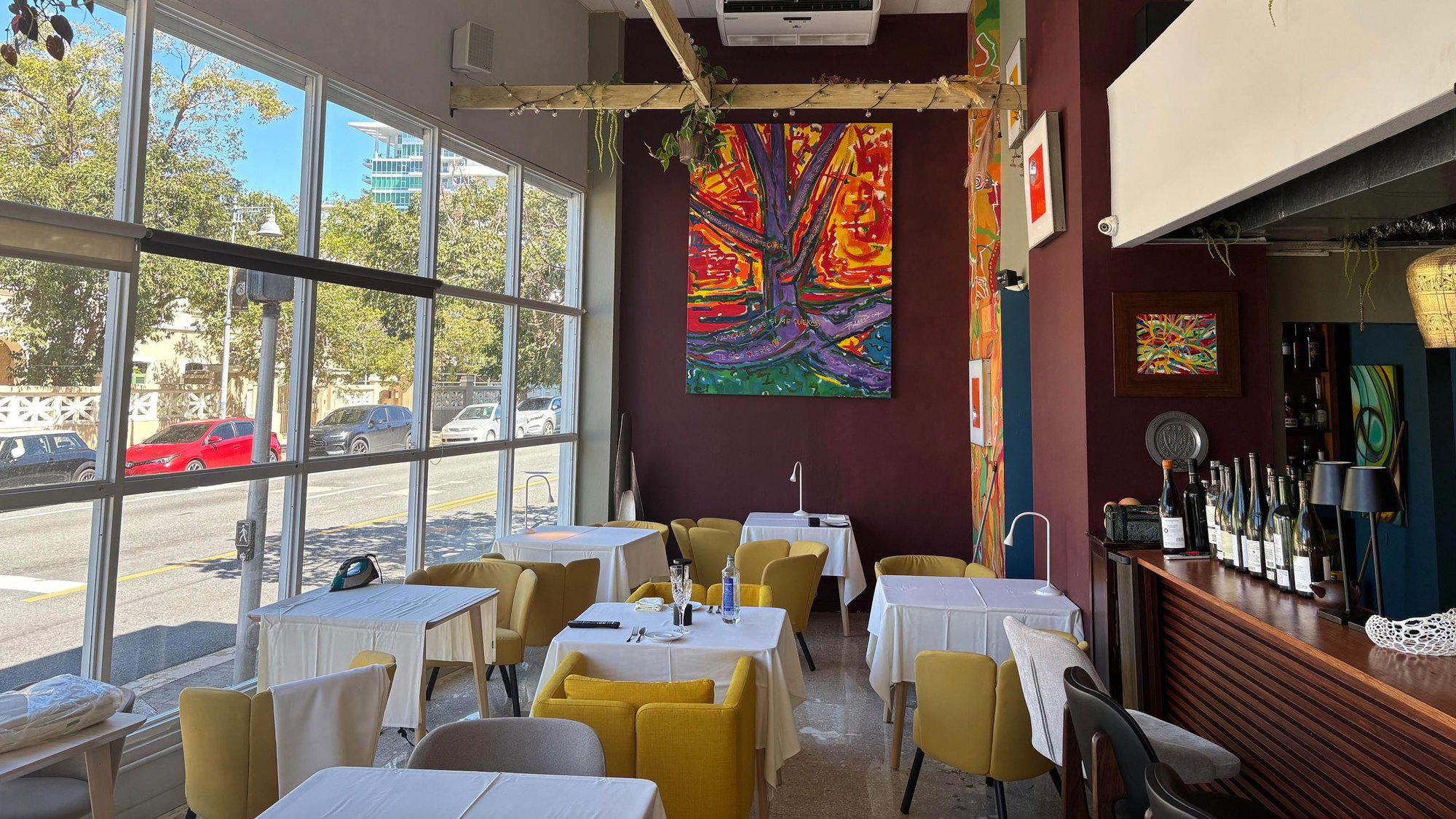
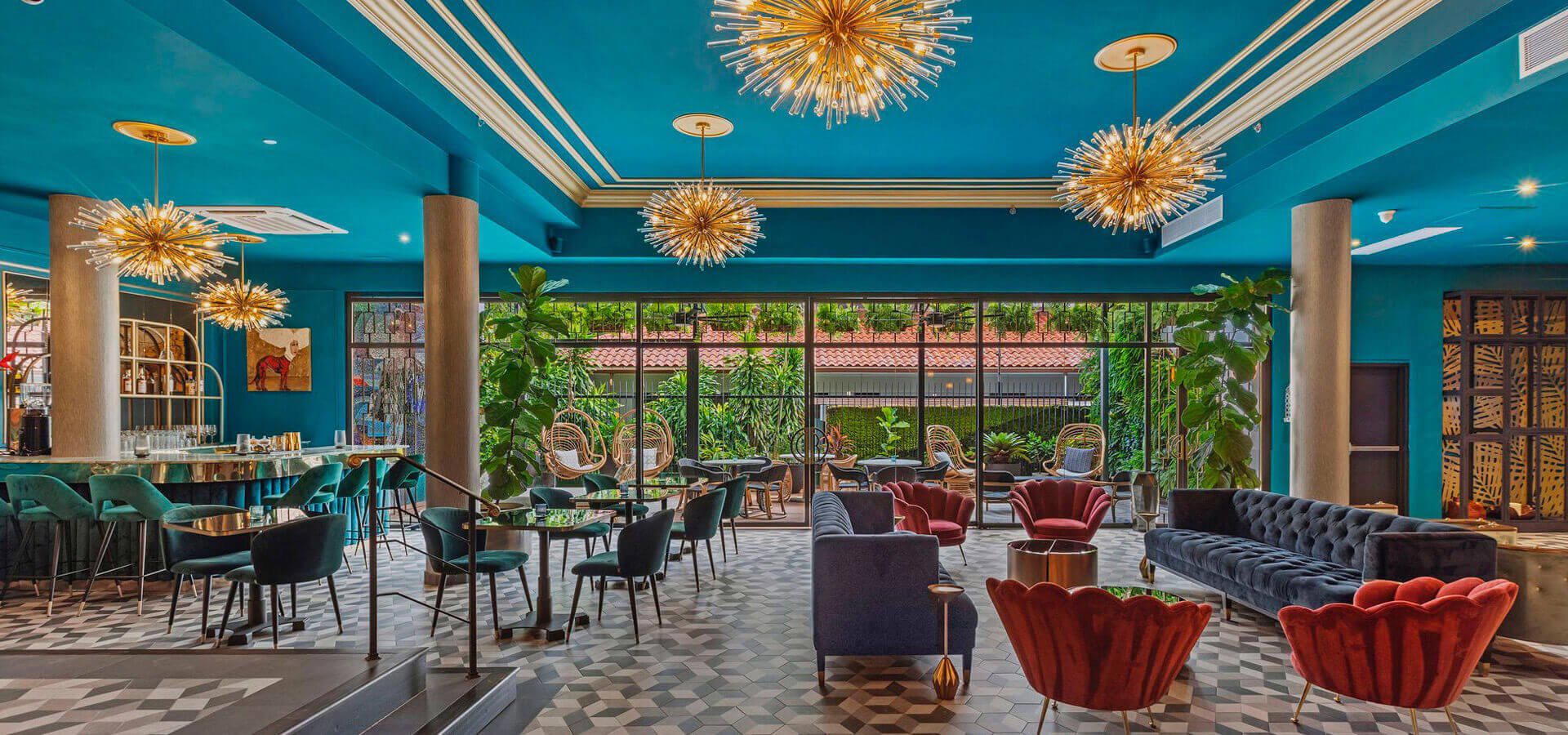
Lively coastal atmosphere with a focus on fresh seafood in a bustling Condado location.