Sur Barra Nikkei
Sur Barra Nikkei brings the Japanese-Peruvian fusion tradition to Santurce, San Juan's most active dining corridor. Positioned on Calle del Parque, the restaurant operates within a broader Caribbean wave of Nikkei cooking that draws on ceviche technique, soy-citrus balance, and the ritual pacing of a counter-driven meal. It occupies a specific niche in San Juan's increasingly confident international dining scene.
Pearl is the En Primeur Club membership app — saves, bookings, and concierge access live there. Same editors, same standards.
- Address
- 411 C. del Parque, Santurce, San Juan 00909, Puerto Rico
- Phone
- +19397750365
- Website
- surbarranikkeipr.com
- Directions
- Get directions
 Saves & bookings on Pearl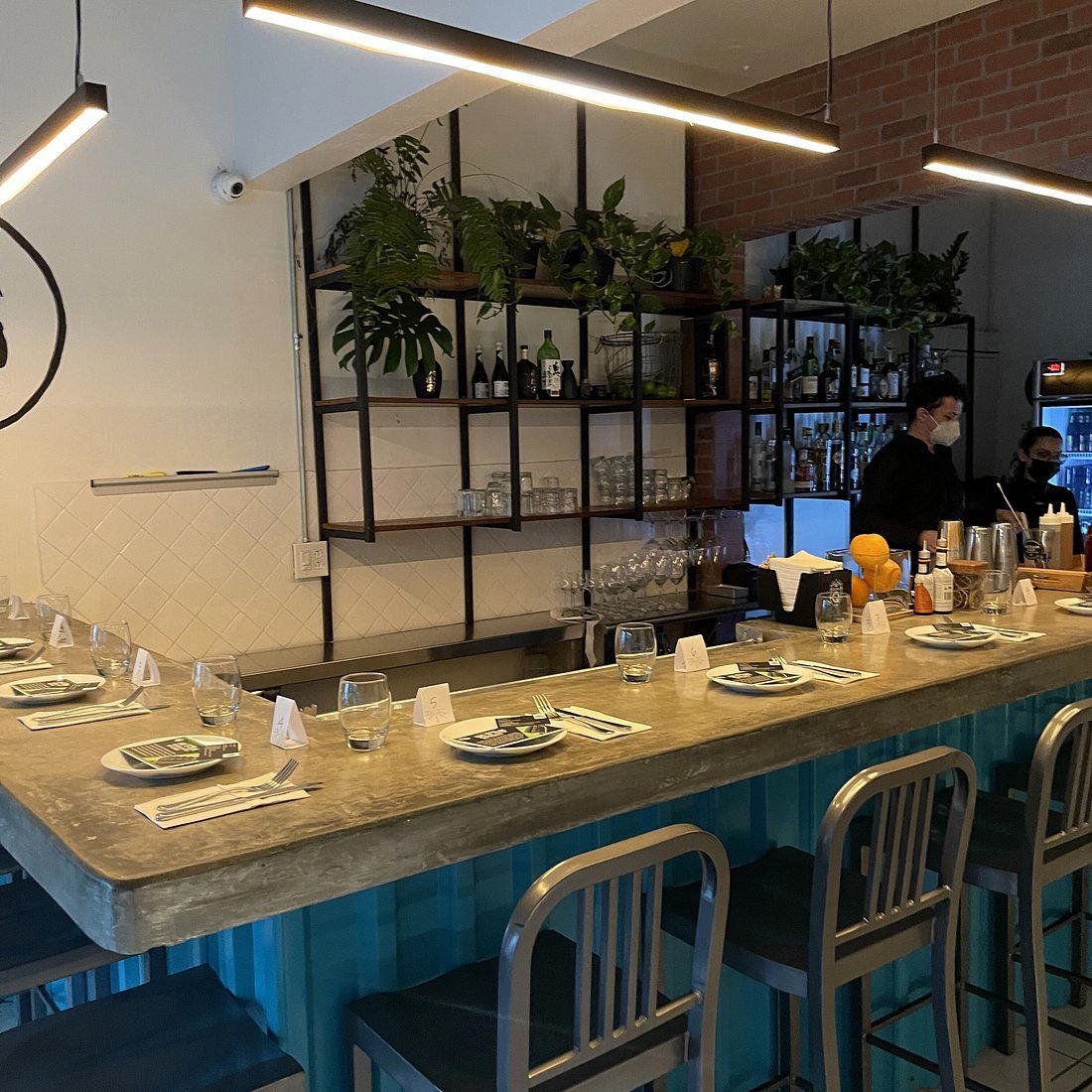
Where Santurce's Energy Meets the Nikkei Counter
Sur Barra Nikkei is a counter-format restaurant in Santurce, San Juan, serving Nikkei Fusion (Peruvian-Japanese) cuisine at about $75 per person. Calle del Parque in Santurce is not a quiet street. The corridor that runs through one of San Juan's most densely creative neighbourhoods carries gallery foot traffic, bar spillover, and the particular electricity of a district that knows it is being watched. Sur Barra Nikkei sits at 411, in the middle of that current, and the format it works within, the barra, the counter, turns the surrounding noise into something structural. Eating here is not a retreat from Santurce; it is a concentrated version of it.
The counter format matters in Nikkei dining specifically because the cuisine is built around rhythm and sequence. Nikkei, the culinary tradition born from Japanese immigration to Peru beginning in the late nineteenth century, operates through layering: the acidity of leche de tigre against the restraint of Japanese knife work, citrus-soy balances that shift across a progression of dishes, the way tiradito pulls apart from ceviche in texture and temperature rather than ingredient. At a barra, that progression is visible. You watch it being assembled. The meal becomes a kind of timing exercise rather than a series of arrivals.
The Nikkei Tradition and What It Demands of a Kitchen
Nikkei has moved well beyond its Lima origins. In the past decade, the format has spread across Bogotá, Miami, Mexico City, and New York, in some cases thinning into a style shorthand, in others deepening into serious kitchen programs. The diaspora of chefs trained under figures like Mitsuharu Tsumura at Maido or through the broader Nobu lineage has seeded a second generation of practitioners across the Americas who understand the cuisine not as a gimmick of fusion but as a distinct culinary logic with its own rules around acidity, temperature, and restraint.
San Juan is an interesting location for that logic to land. Puerto Rican cooking shares some structural DNA with Peruvian in its relationship to citrus and seafood, but the island's fine dining scene has historically leaned toward Spanish-inflected modern cuisine or American import models rather than South American fusion lines. The arrival of Nikkei as a serious format in Santurce is part of a wider shift: the neighbourhood, which hosts venues across several registers from Amor y Sal to Areyto Modern Cuisine by Chef Jason González, has become the part of San Juan most willing to test formats that sit outside the island's established dining grammar.
The Ritual of the Barra Meal
Counter dining carries specific expectations around pacing that table service rarely imposes. At a barra, the kitchen sets the tempo. Dishes arrive when they are ready rather than when the diner flags a server, and the sequence is typically prescribed rather than chosen. This is closer to the Japanese omakase model than to the Spanish tapas rhythm, even though Nikkei borrows visually from both traditions. The distinction matters for how a diner should approach the experience: arrive having eaten lightly, resist the instinct to rush the early courses, and pay attention to the citrus register shifting across the progression.
Nikkei counter meals typically front-load acidity. The early courses, tiradito, a ceviche variant, a causa reworked with Japanese textural influence, calibrate the palate for richer treatments later. Soy appears not as a dominant flavour but as a background structure, underpinning sauces and dressings without announcing itself. The discipline required to maintain that balance across a full progression is what separates serious Nikkei kitchens from casual interpretations, and the barra format creates immediate accountability: the diner watches the work, and the work must hold.
For comparison points elsewhere in the Americas, the tier of Nikkei execution that earns attention from serious food media sits alongside programs at venues like Atomix in New York City, where Korean-Japanese fusion discipline has set a benchmark for what careful cross-cultural kitchen logic looks like at the counter level. The audience that follows that tier of dining has increasingly extended its radar to Latin American and Caribbean cities where the format is less established and the sourcing stories are different.
Santurce's Position in the Puerto Rico Dining Conversation
Santurce concentrates the dining ambition that the rest of San Juan distributes more thinly. The neighbourhood's Calle del Parque axis specifically hosts a cluster of restaurants operating at a register above casual, though not always at price points that signal fine dining in the conventional sense. The model here tends toward accessible craft: serious technique, relaxed format, relatively compact menus that express a clear point of view without the overhead of a full brigade kitchen.
That positions Santurce's better tables in an interesting competitive set relative to the broader island. Venues like 1919 Restaurant and ARYA operate within a more formal register in the wider San Juan area, while AQA Oceanfront orients toward a hotel-integrated dining model. Sur Barra Nikkei occupies a different position: neighbourhood-rooted, counter-focused, cuisine-specific. It is the kind of restaurant that functions as a credibility signal for a dining scene, a venue whose existence suggests that the area has sufficient depth of audience to sustain a specialised format without requiring mass appeal.
Across the island, the Puerto Rico dining conversation has broadened considerably in recent years, with serious kitchens operating from Aguada (Carne Mía Restaurant) to Caguas (BODEGA) and Guaynabo (La Faena). Our full San Juan restaurants guide maps the wider scene, including Dorado (Bottles Dorado), Carolina (CAÑA), Cayey (Lechonera Los Pinos), Vega Baja (Charco Azul), Canovanas (Escobar), Playita (El Dorado), and Mayaguez (Brazo Gitano Franco). Santurce's Nikkei counter sits within that expanding map as evidence of a scene diversifying its reference points beyond the island's own culinary history.
For seafood-focused fine dining with a different orientation, Le Bernardin in New York City remains the reference point in the Atlantic region, a useful benchmark for understanding how restraint in fish cookery reads at the highest level, and for calibrating expectations around what serious seafood-forward menus do with acid, fat, and heat.
Know Before You Go
Address: 411 C. del Parque, Santurce, San Juan 00909, Puerto Rico
Neighbourhood: Santurce, on the Calle del Parque corridor
Format: Counter (barra) dining; Nikkei cuisine tradition
Booking: Reservations recommended
Leading approach: Reservations are recommended, and the counter format rewards a measured pace.
Nearby context: The Calle del Parque corridor supports an evening out, with galleries and bars within walking distance.
Same-City Peers
Comparable venues nearby, for context on price, style, and recognition.
| Venue | Cuisine | Price | Notes |
|---|---|---|---|
| Sur Barra NikkeiThis venue — the venue you are viewing | Nikkei Fusion (Peruvian-Japanese) | $$$ | Not listed |
| Canvas Restaurant | Latin Fusion with Global Techniques | $$$$ | Miramar |
| Denko Asian Eatery | Asian Fusion | $$ | Isla Grande |
| Cocina Abierta | Modern Puerto Rican Fusion | $$$$ | Condado |
| lala Puerto Rico | New Puerto Rican Fusion | $$$$ | San José |
| Vianda | Modern Puerto Rican | $$$ | Pozo del Hato |
At a Glance
- Trendy
- Modern
- Lively
- Date Night
- Business Dinner
- Special Occasion
- Open Kitchen
- Craft Cocktails
- Sake Program
- Local Sourcing
- Sustainable Seafood
Current opening hours
- Monday
- Closed
- Tuesday
- Closed
- Wednesday
- 3–10 PM
- Thursday
- 12–10 PM
- Friday
- 12–10 PM
- Saturday
- 1–10 PM
- Sunday
- Closed
Hours can change for holidays and private events. Last verified .
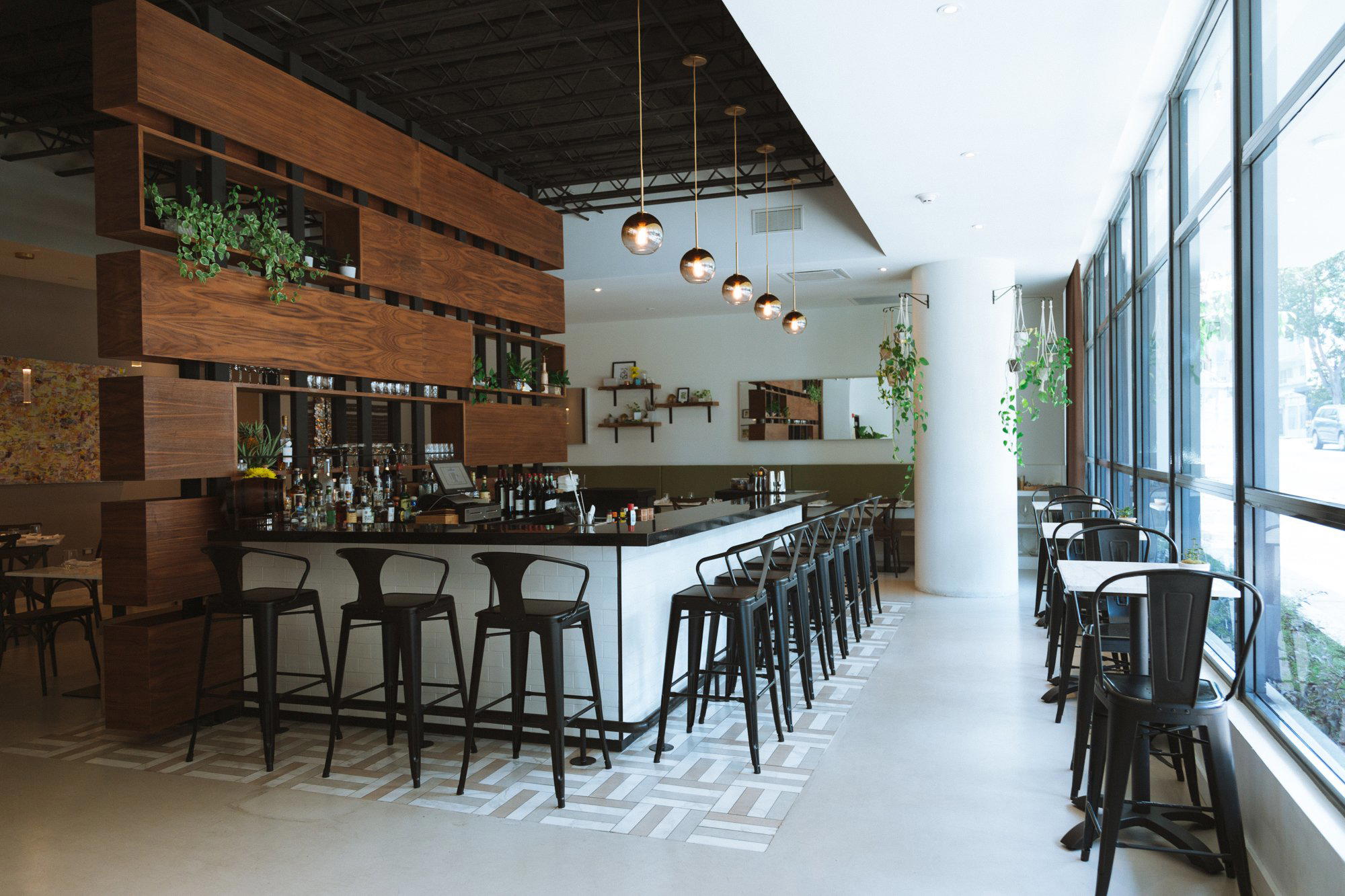
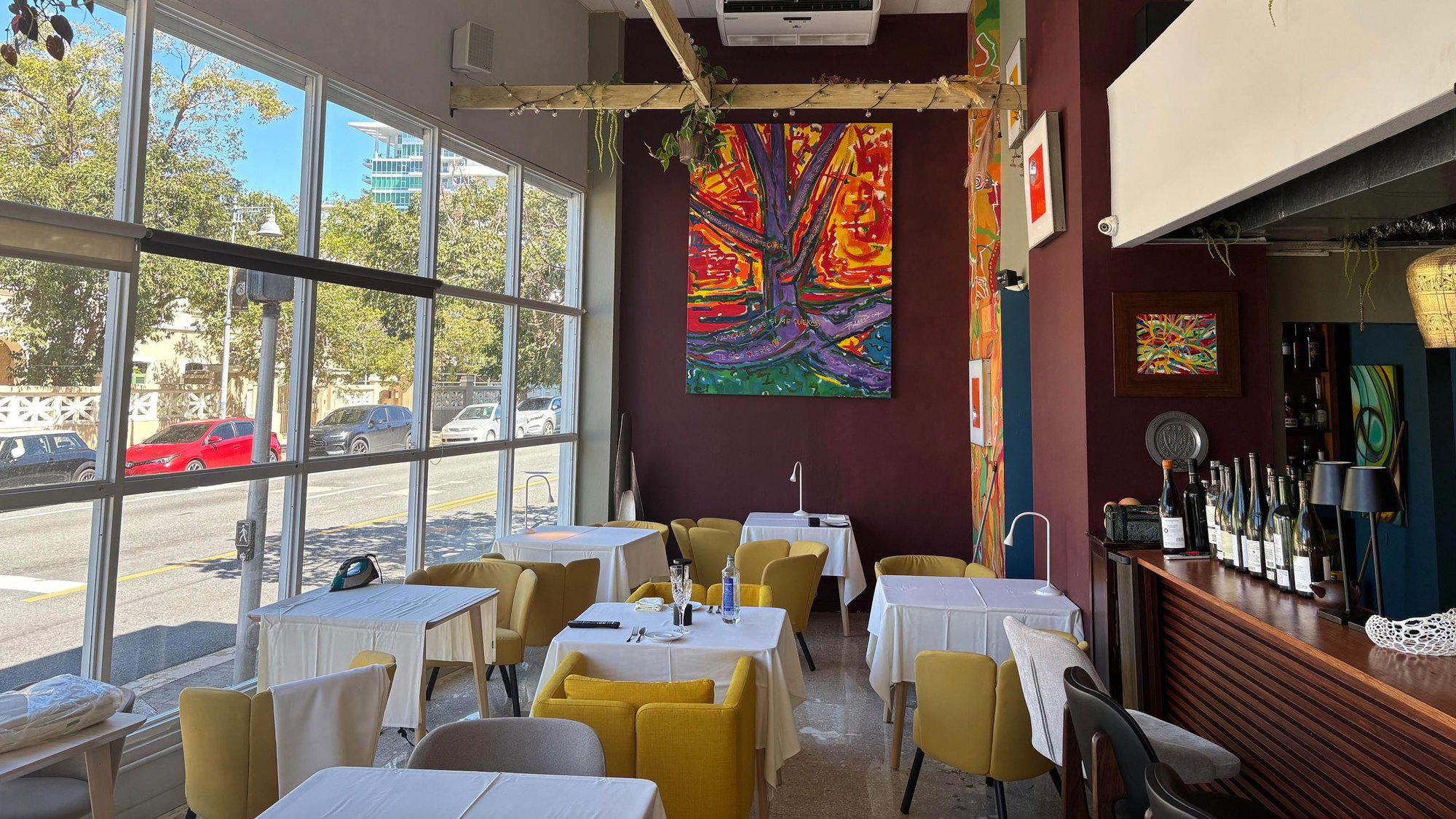
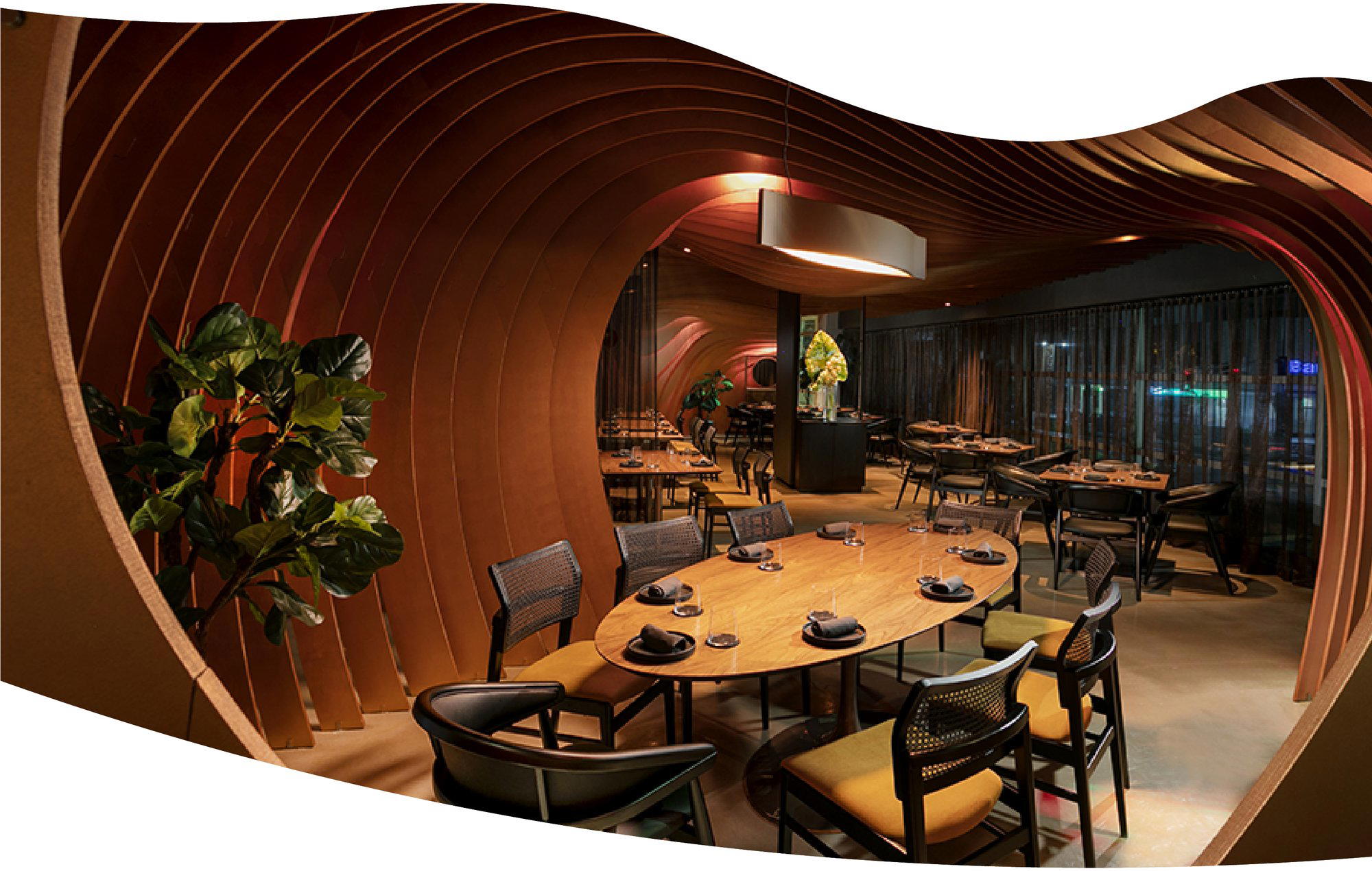
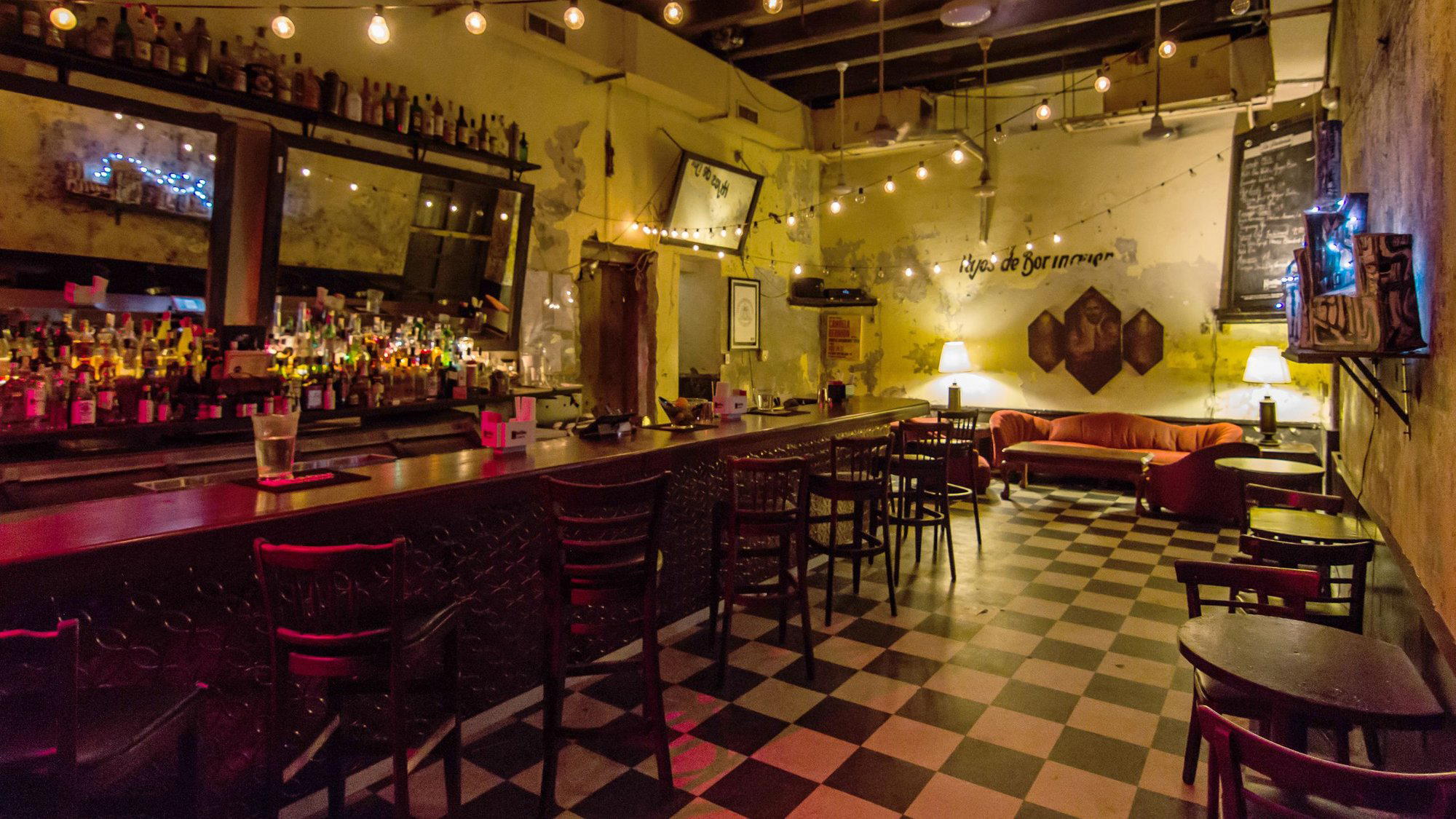
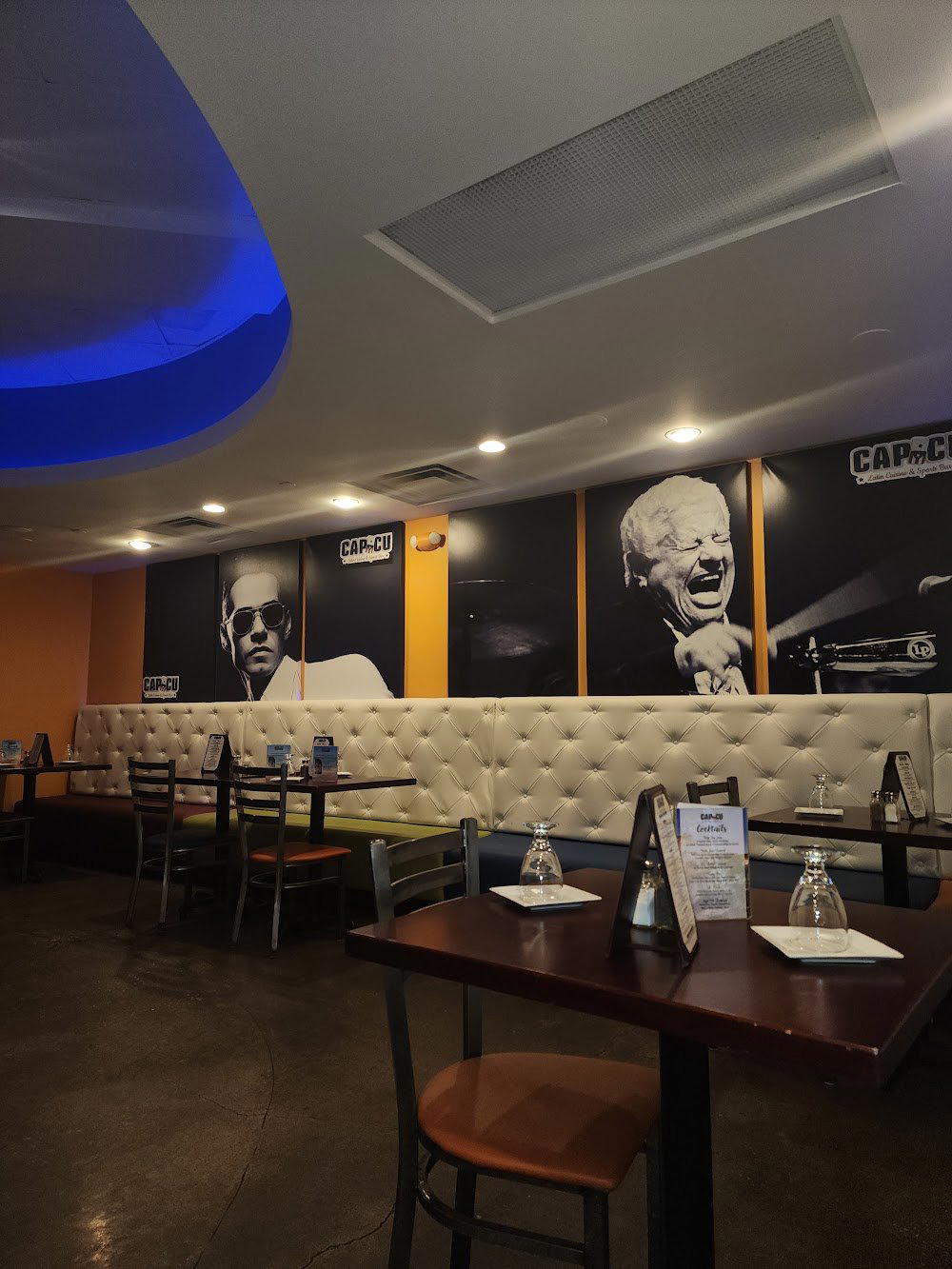
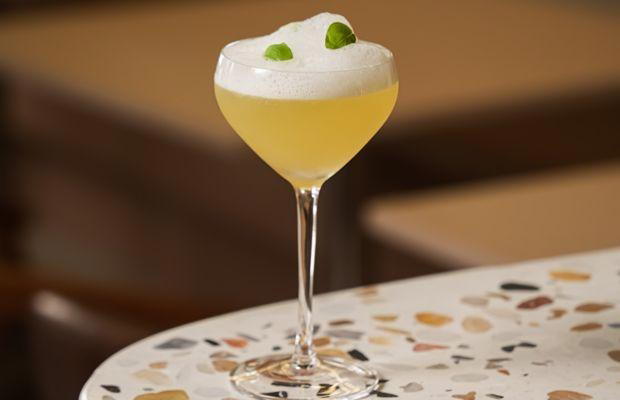
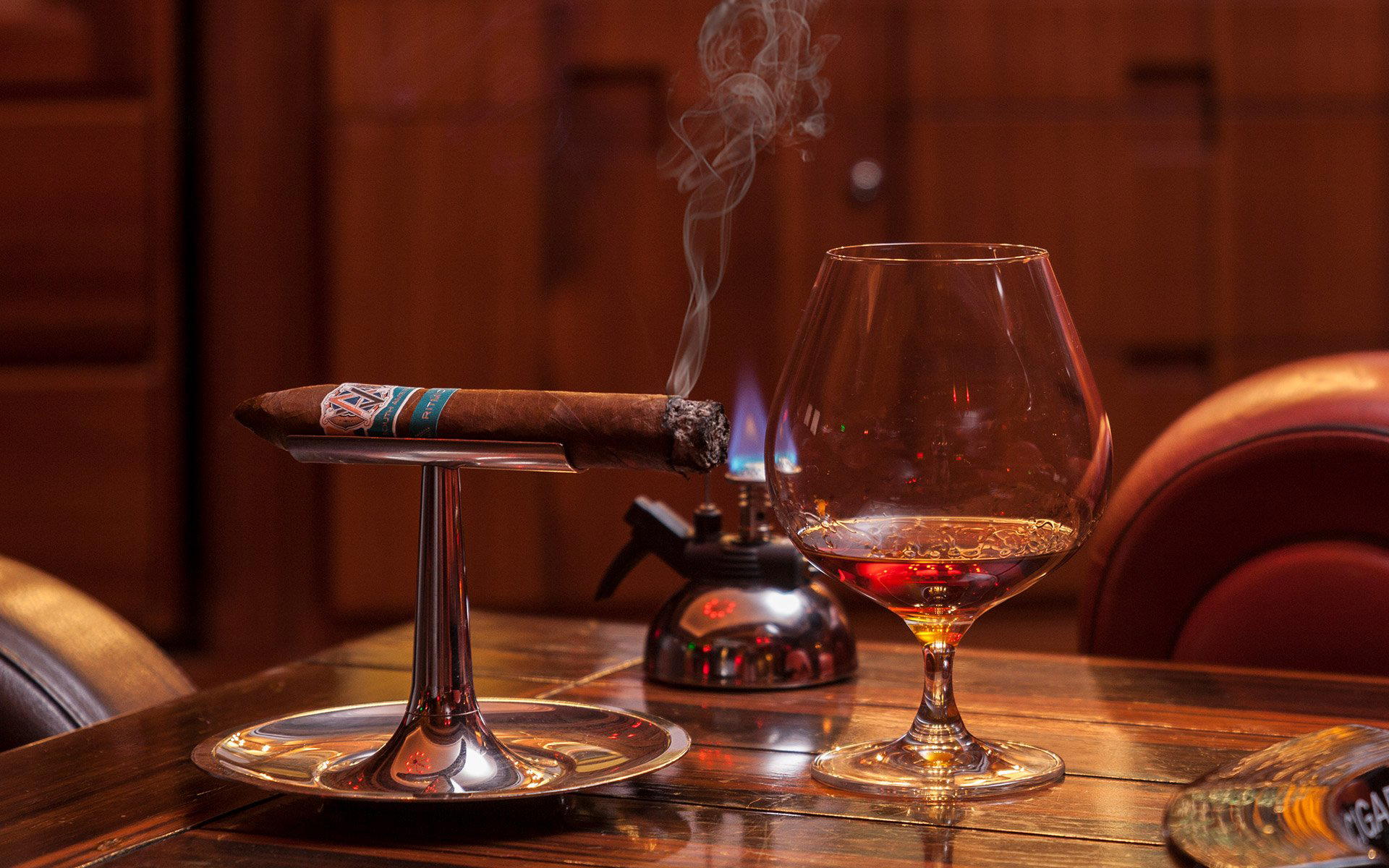
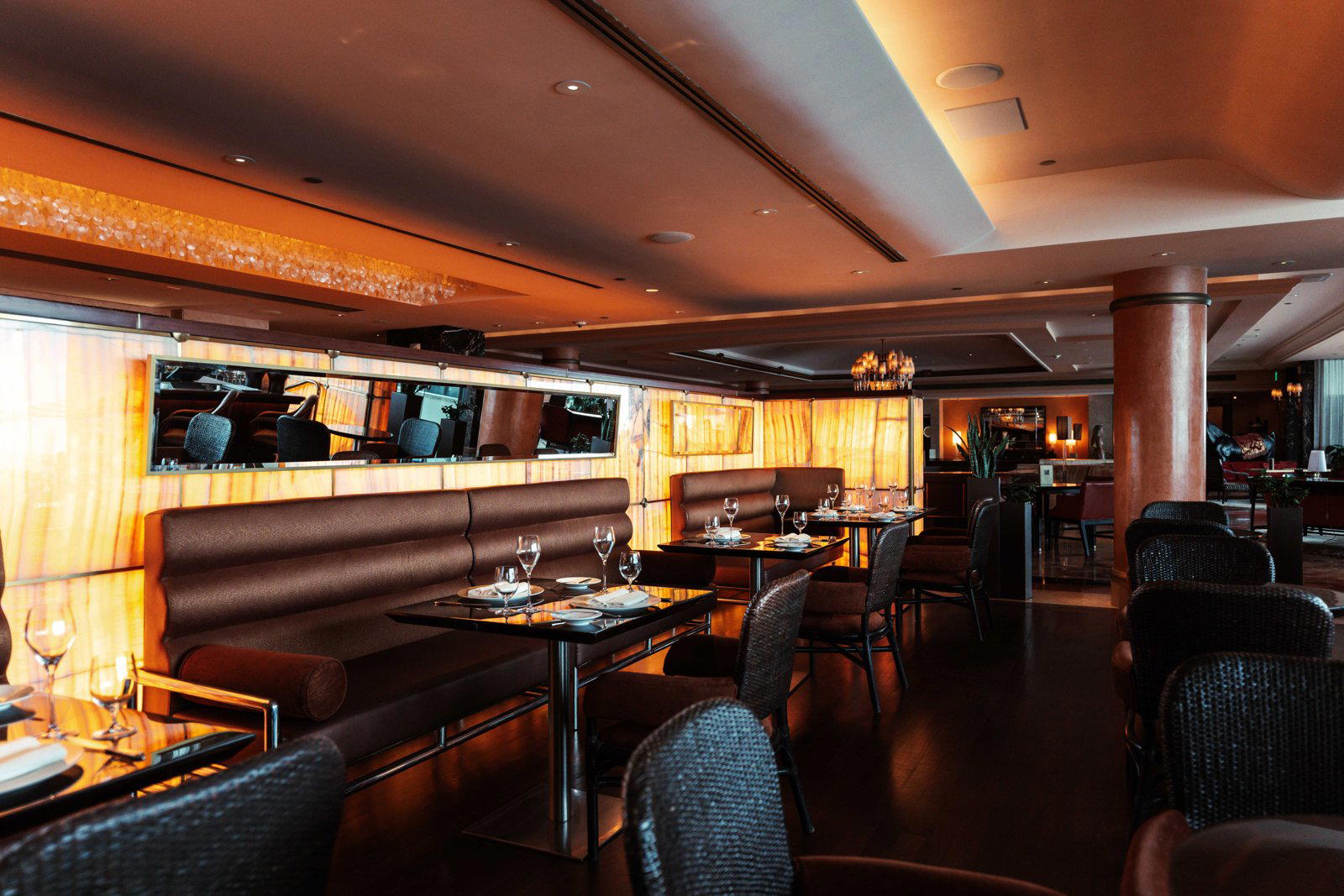
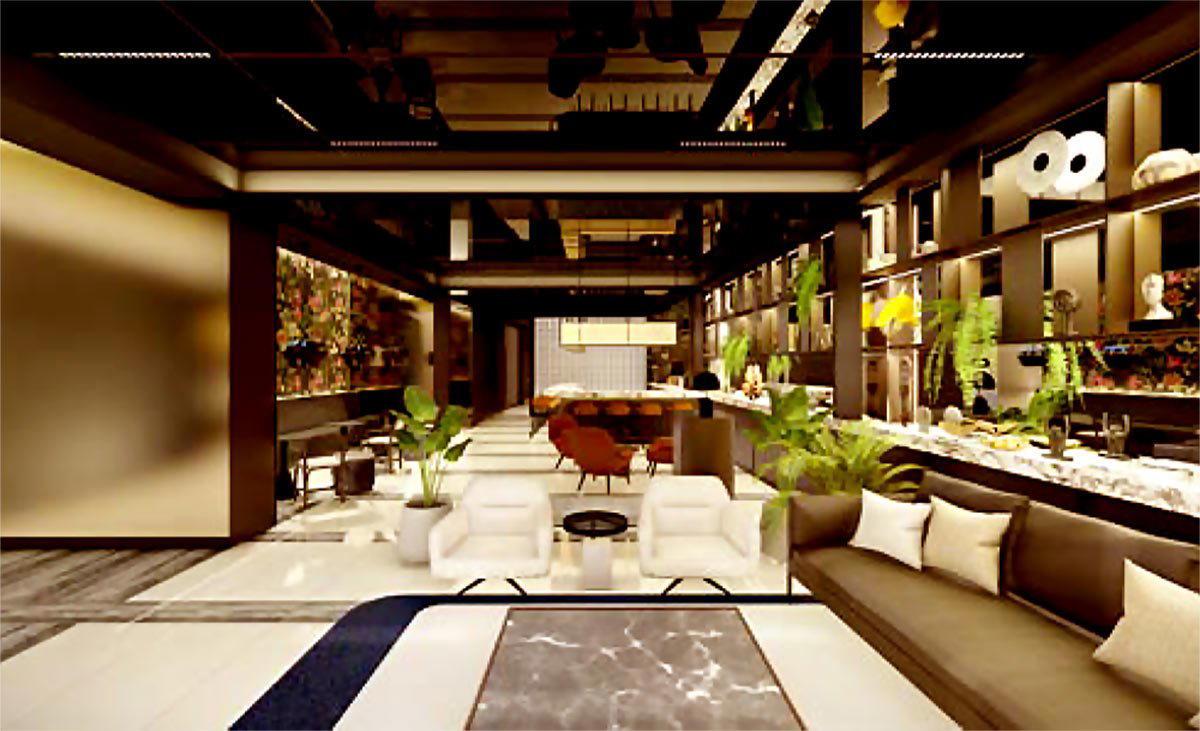
Casual-fine dining with lively, well-lit atmosphere and moderate noise, transporting diners to Lima, Peru.