The Old Fisherman
A long-standing seafood address on Oranjestad's waterfront boulevard, The Old Fisherman draws on Aruba's coastal proximity to anchor a menu built around the catch. Set along L.G. Smith Boulevard, the restaurant occupies a position in Oranjestad's mid-tier dining scene where fresh fish preparation, rather than culinary spectacle, does the heavy lifting. Plan ahead: the venue's location and reputation make early reservations the sensible approach.
Pearl is the En Primeur Club membership app — saves, bookings, and concierge access live there. Same editors, same standards.
- Address
- L.G. Smith Boulevard 100, Oranjestad, Aruba
- Phone
- +297 588 3648
- Directions
- Get directions
 Saves & bookings on Pearl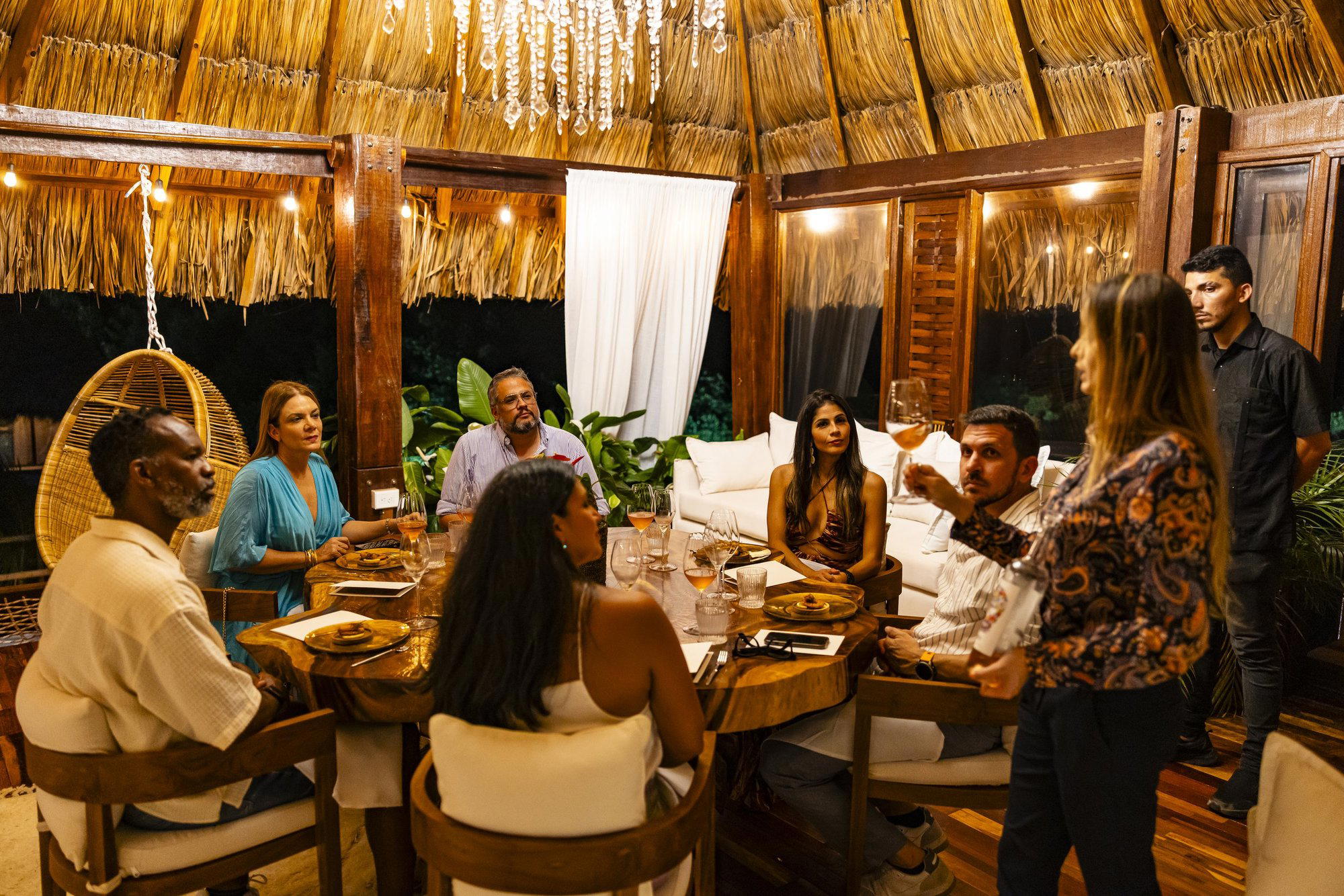
The Waterfront Setting and What It Signals
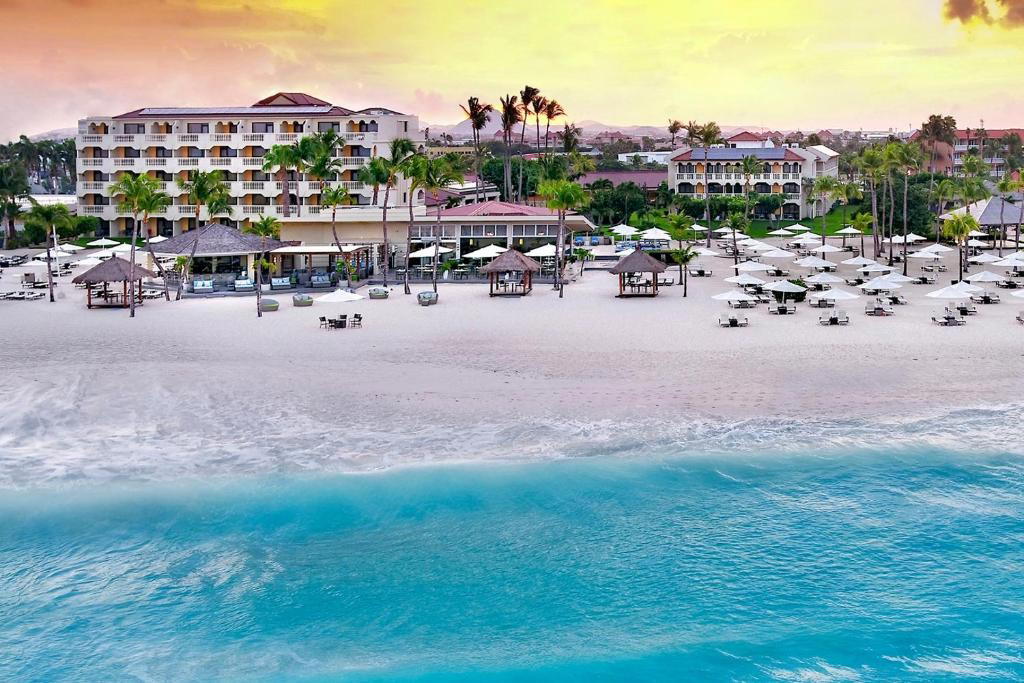
L.G. Smith Boulevard runs along Oranjestad's harbour-facing edge, and restaurants along this stretch have long operated with a particular advantage: proximity to the water functions as both a selling point and a supply chain. The Old Fisherman sits at number 100 on this boulevard, placing it within walking distance of the capital's commercial centre and close enough to the dock activity that the seafood-first positioning reads as logical rather than aspirational. In Aruba, where the majority of dining product is imported, a restaurant with this address and this name is making a clear promise to its guests before they sit down.
Oranjestad's dining scene has grown considerably in recent years, splitting between resort-adjacent operations serving hotel guests and street-level independents that serve a more mixed local-and-visitor clientele. The boulevard tier sits somewhere between the two: accessible by foot from the cruise terminal and from the downtown hotel cluster, but without the full-service resort infrastructure that insulates higher-end properties. Understanding this positioning matters when you're deciding where The Old Fisherman fits in your Aruba itinerary. Think instead of a well-placed, seafood-focused dining room where the surrounding environment contributes as much as the plate. For context on how the broader Oranjestad dining market is structured, our full Oranjestad restaurants guide maps the scene across price tiers and neighbourhoods.
The Seafood Tradition This Address Represents
Caribbean seafood dining has its own internal logic, distinct from the European fish-restaurant model. Where a destination like Quattro Passi in Marina del Cantone or Dal Pescatore in Runate builds authority through decades of wine programs, tasting sequences, and regional sourcing specificity, the Caribbean dining tradition generally emphasises access, directness, and the quality of the catch on a given day. The leading seafood restaurants in the region compete on freshness rather than technique complexity, and at the waterfront level, this is not a limitation but a feature.
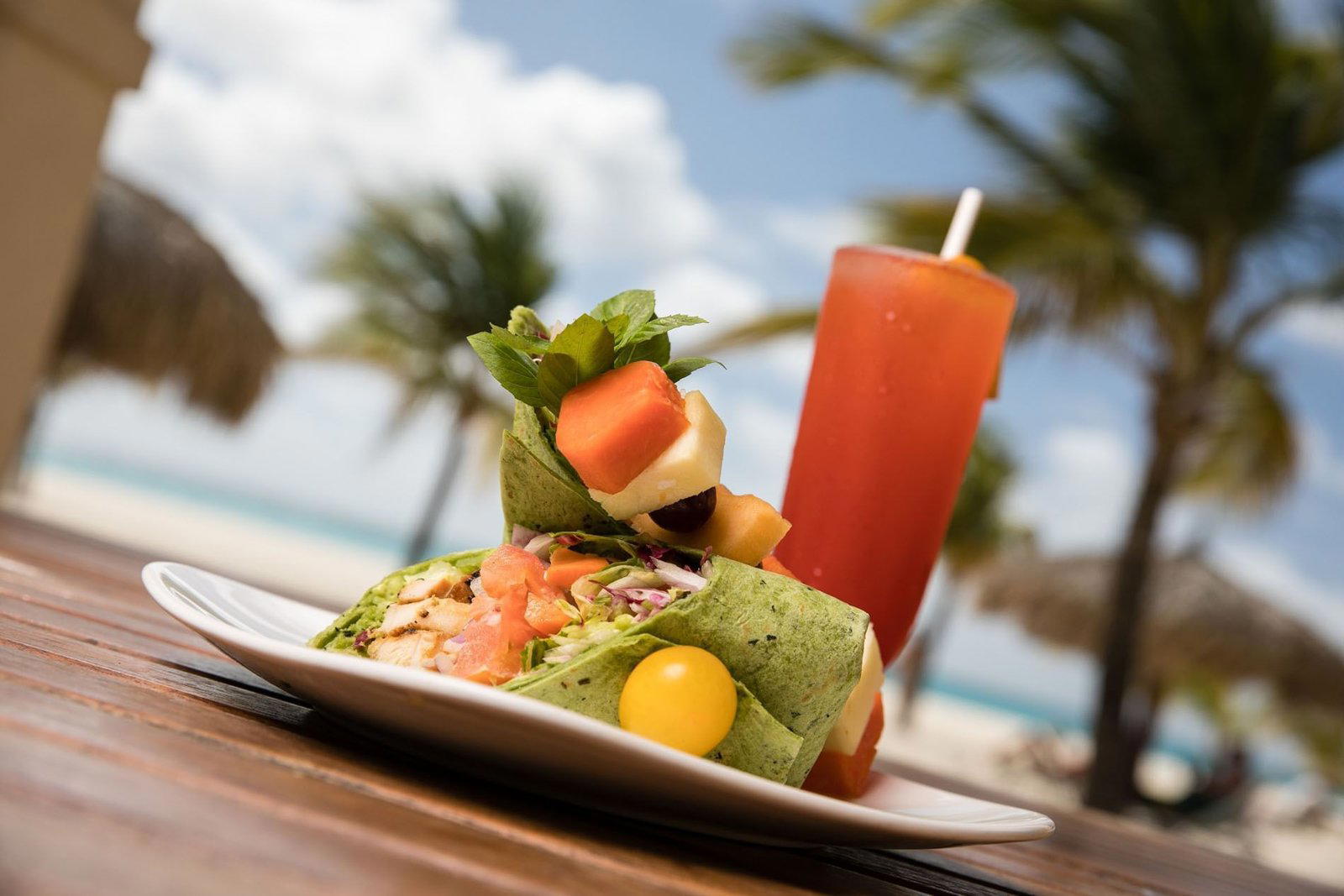
Aruba's fishing tradition is modest by regional standards. The island's waters yield mahi-mahi, wahoo, red snapper, and various reef species, and the better waterfront restaurants track availability by season and by weather. This is the culinary tradition The Old Fisherman's name and address invoke. Comparable seafood-focused addresses in the island's wider dining geography include Driftwood Restaurant Aruba, which has built a longer public record of specialising in local catch, and Daily Fish in Noord, which operates in a different neighbourhood with a more casual format. Each occupies a slightly different tier of the island's fish-restaurant category, and the comparison is useful for calibrating expectations before you book.
Planning Your Visit: What the Booking Experience Looks Like
Aruba operates on a tourism cycle that compresses demand into predictable windows. The high season runs roughly from mid-December through April, when North American visitors dominate the island's hotel occupancy and restaurant foot traffic reaches its annual peak. During this period, waterfront restaurants along L.G. Smith Boulevard fill early, and walk-in availability at dinner becomes unreliable. The practical advice is consistent across this category of venue: book before you arrive on the island, not after.
One reliable path to a reservation is through your hotel concierge or via a platform that aggregates Aruba dining bookings. Concierge-assisted booking is not merely a convenience in this context, in Aruba's hospitality infrastructure, concierge relationships with restaurant managers are often the fastest route to confirmed seats, particularly during high-season weekends. If you are travelling outside peak season, the May-to-November window generally offers more flexibility, though the island's trade winds and climate mean that shoulder season still draws significant visitor volume.
For those comparing this address to other Oranjestad options before committing, Carte Blanche Restaurant and City Garden Bistro de Suikertuin offer different format experiences within the same city, while Bentang Bali Restaurant and El Gaucho represent the non-seafood end of Oranjestad's mid-range dining. Aquarius in Oranjestad West also draws a waterfront-dining crowd and is worth checking as an alternative if your preferred dates are unavailable.
Where This Sits in the Wider Aruba Dining Picture
Aruba does not have the fine-dining density of, say, a city like New York, where a restaurant such as Le Bernardin or Atomix operates in a market thick with competition and critical infrastructure. The island's restaurant sector is shaped by tourism throughput, ingredient import costs, and a relatively concentrated visitor geography, most tourists stay in the Palm Beach corridor and migrate into Oranjestad for shopping and evening dining. This means that a well-positioned waterfront address in the capital functions as a genuine asset regardless of the ambition level of the kitchen.
The comparison that matters for a traveller is not between the restaurant and a Michelin-starred European fish restaurant but between it and the other Oranjestad options you could reach on the same evening. In that frame, the L.G. Smith Boulevard location is a practical advantage, the seafood positioning is appropriate to the setting, and the question of whether the execution matches the address is one that your booking timing and seasonal awareness will help you answer. Kamini's Kitchen in San Nicolas offers a point of comparison for those willing to travel further across the island for a more locally grounded dining experience.
For reference points on what committed seafood-focused restaurants can achieve at the highest level internationally, HAJIME in Osaka, Atelier Moessmer Norbert Niederkofler in Brunico, and Reale in Castel di Sangro each show the ceiling of what regionally anchored cooking can achieve, though the comparison is instructive rather than direct. Closer in format and expectation to what a Caribbean waterfront address delivers, Emeril's in New Orleans and Lazy Bear in San Francisco represent American dining institutions that have built sustained reputations on consistency and setting, which is a more useful benchmark for calibrating what a well-run boulevard seafood restaurant can mean to a traveller's evening.
At-a-Glance Comparison
Comparable venues nearby, for context on price, style, and recognition.
| Venue | Cuisine | Price | Notes |
|---|---|---|---|
| The Old FishermanThis venue — the venue you are viewing | Aruban Seafood Creole | $$ | Not listed |
| Driftwood Restaurant Aruba | Caribbean Seafood | $$ | Downtown Oranjestad |
| Quinta del Carmen | Dutch Caribbean Seafood | $$$ | Bubali |
| City Garden Bistro de Suikertuin | Caribbean Bistro with European Influences | $$ | downtown Oranjestad |
| Bentang Bali Restaurant | Authentic Indonesian & Aruban Fusion | $$ | Oranjestad |
| Flor de Oriente | Dutch-Caribbean Brasserie | $$ | Rancho |
Continue exploring
More in Oranjestad
Restaurants in Oranjestad
Browse all →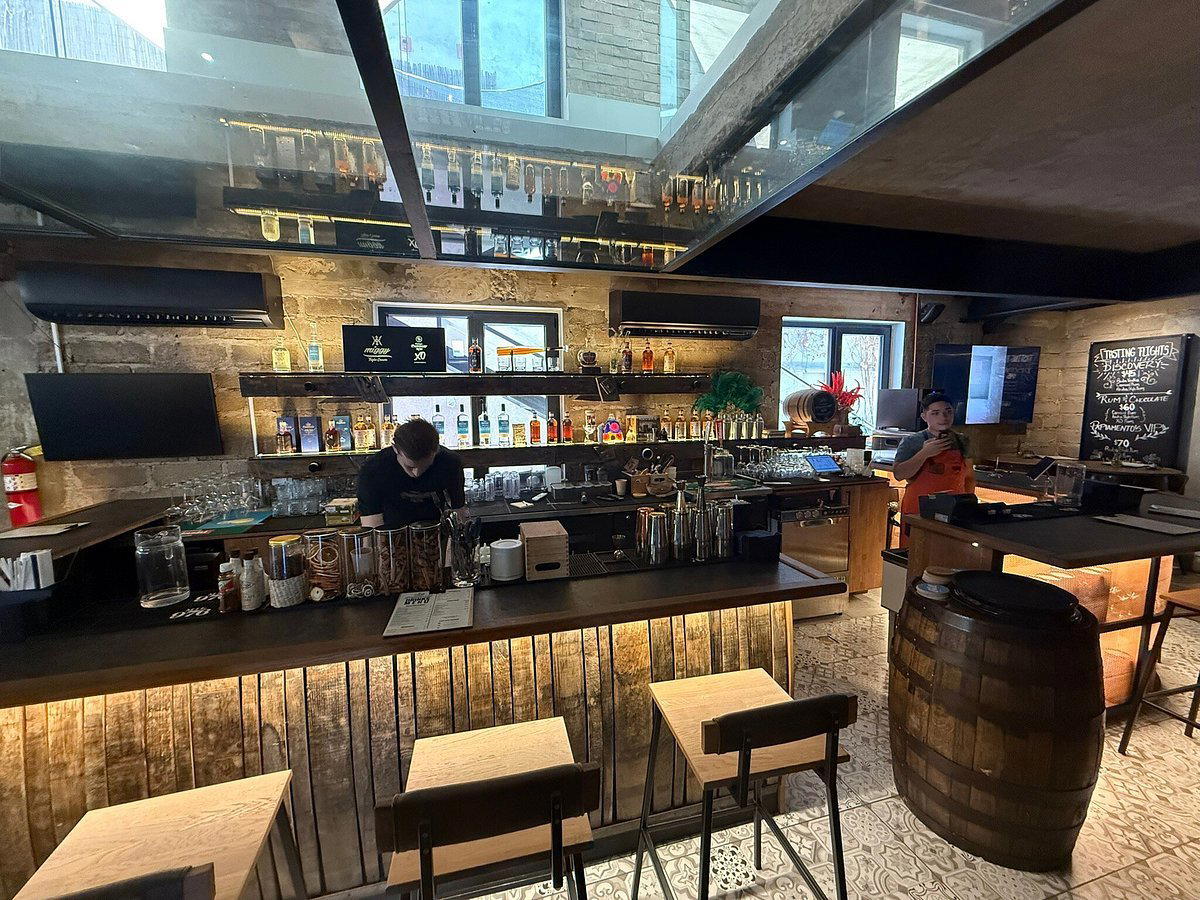
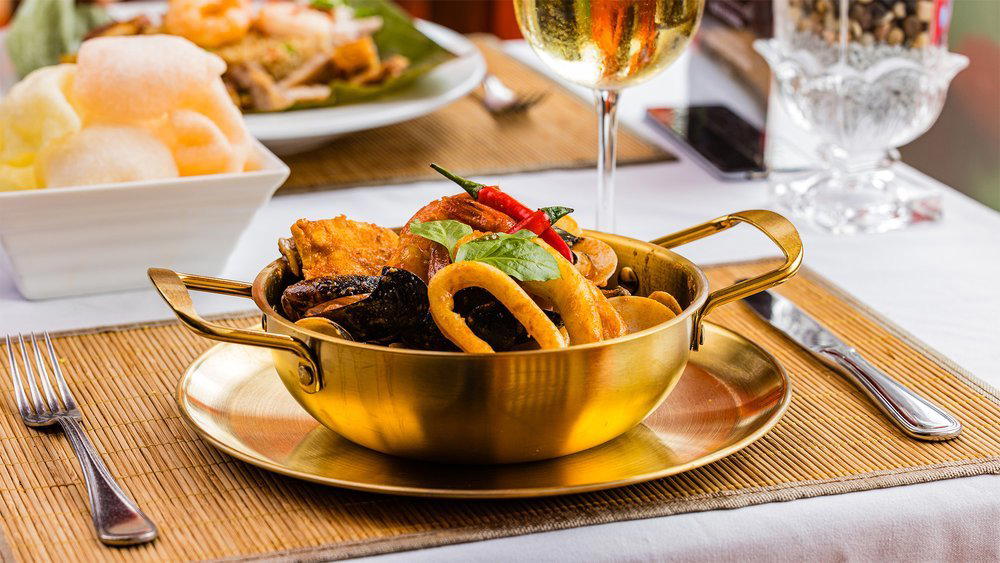
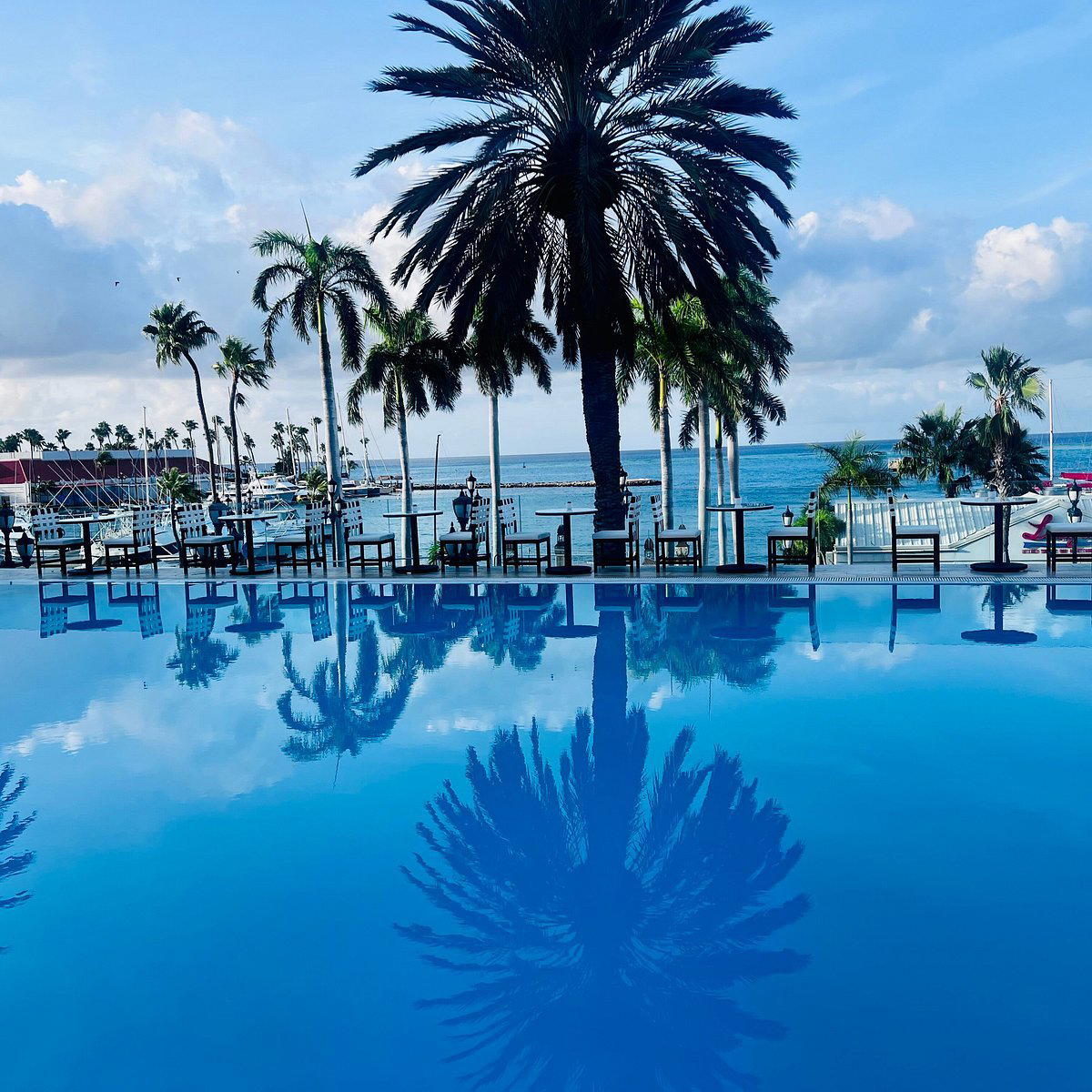
Bars in Oranjestad
Browse all →

At a Glance
- Classic
- Scenic
- Cozy
- Casual Hangout
- Group Dining
- Waterfront
- Standalone
- Beer Program
- Local Sourcing
- Waterfront
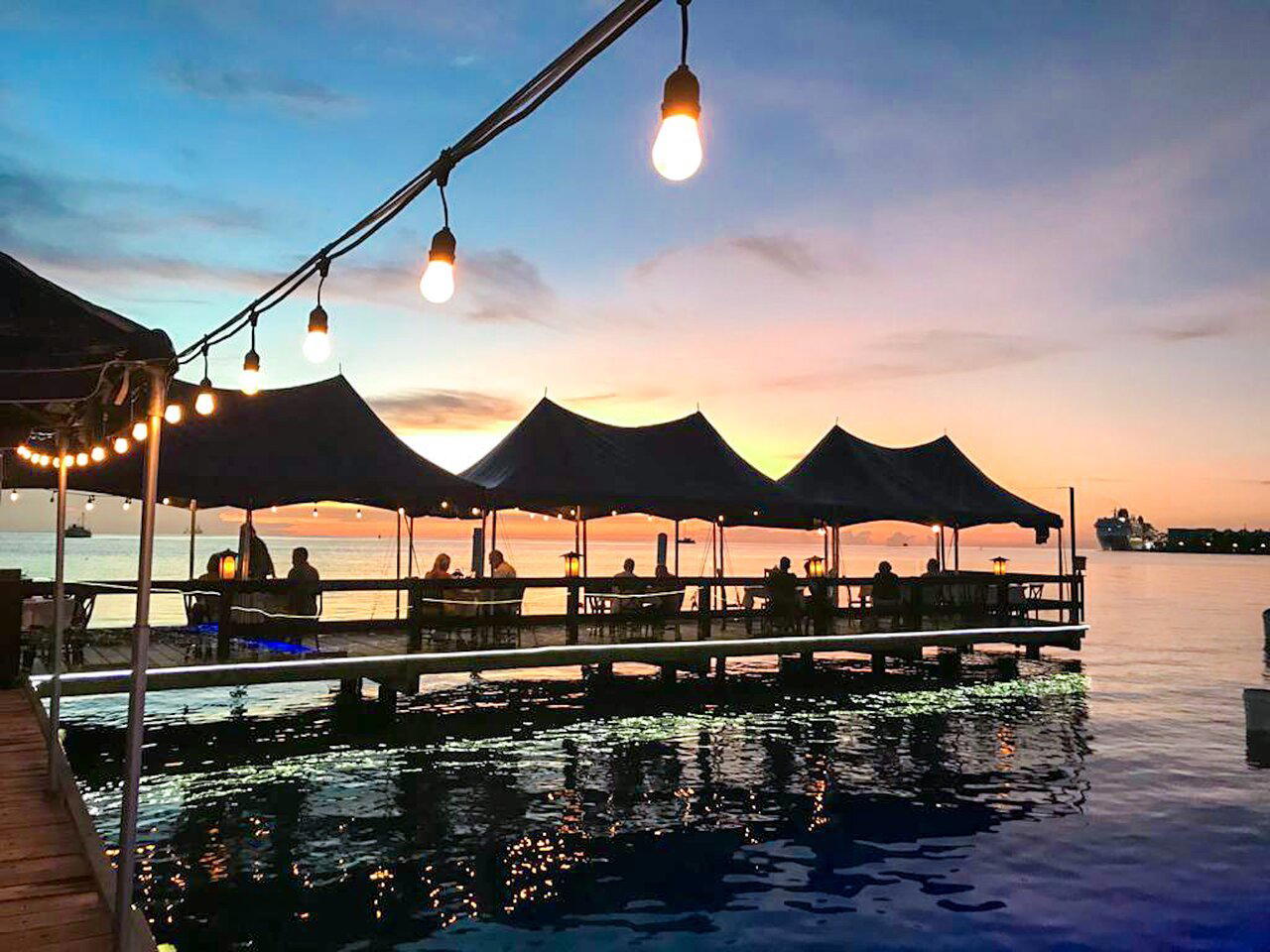
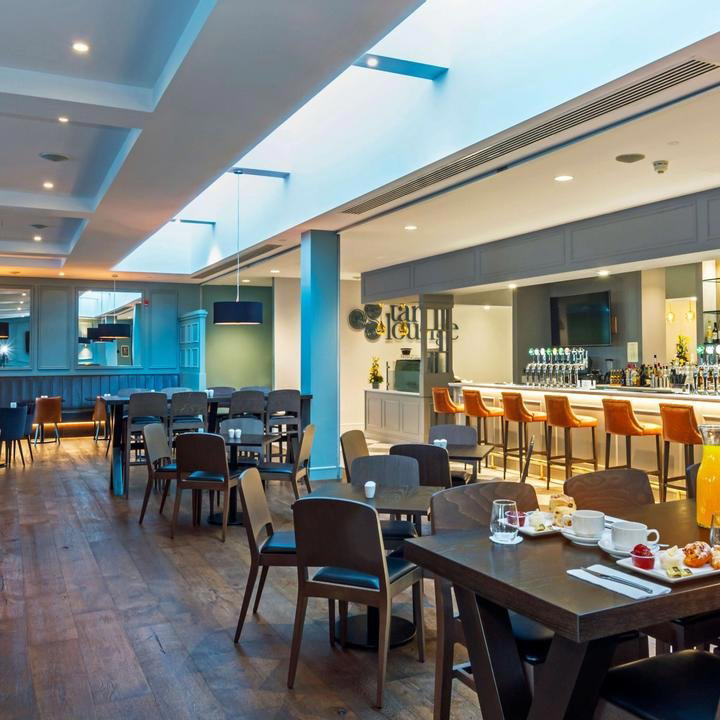
Nautical and unfussy, with a local-favorite, lunchtime-busy atmosphere that feels more practical than vacation-polished.