City Garden Bistro de Suikertuin
City Garden Bistro de Suikertuin occupies a address on Wilhelminastraat in Oranjestad's historic core, where the Dutch colonial streetscape gives way to a garden setting that has made it a fixture on the island's casual-dining circuit. The kitchen draws on Aruba's position at the intersection of Caribbean, Dutch, and Latin American food traditions. For visitors working through the capital's restaurant options, it sits in the mid-register of the Oranjestad scene.
Pearl is the En Primeur Club membership app — saves, bookings, and concierge access live there. Same editors, same standards.
- Address
- Wilhelminastraat 64, Oranjestad, Aruba
- Phone
- +297 732 2852
- Website
- citygardenbistro.com
- Directions
- Get directions
 Saves & bookings on Pearl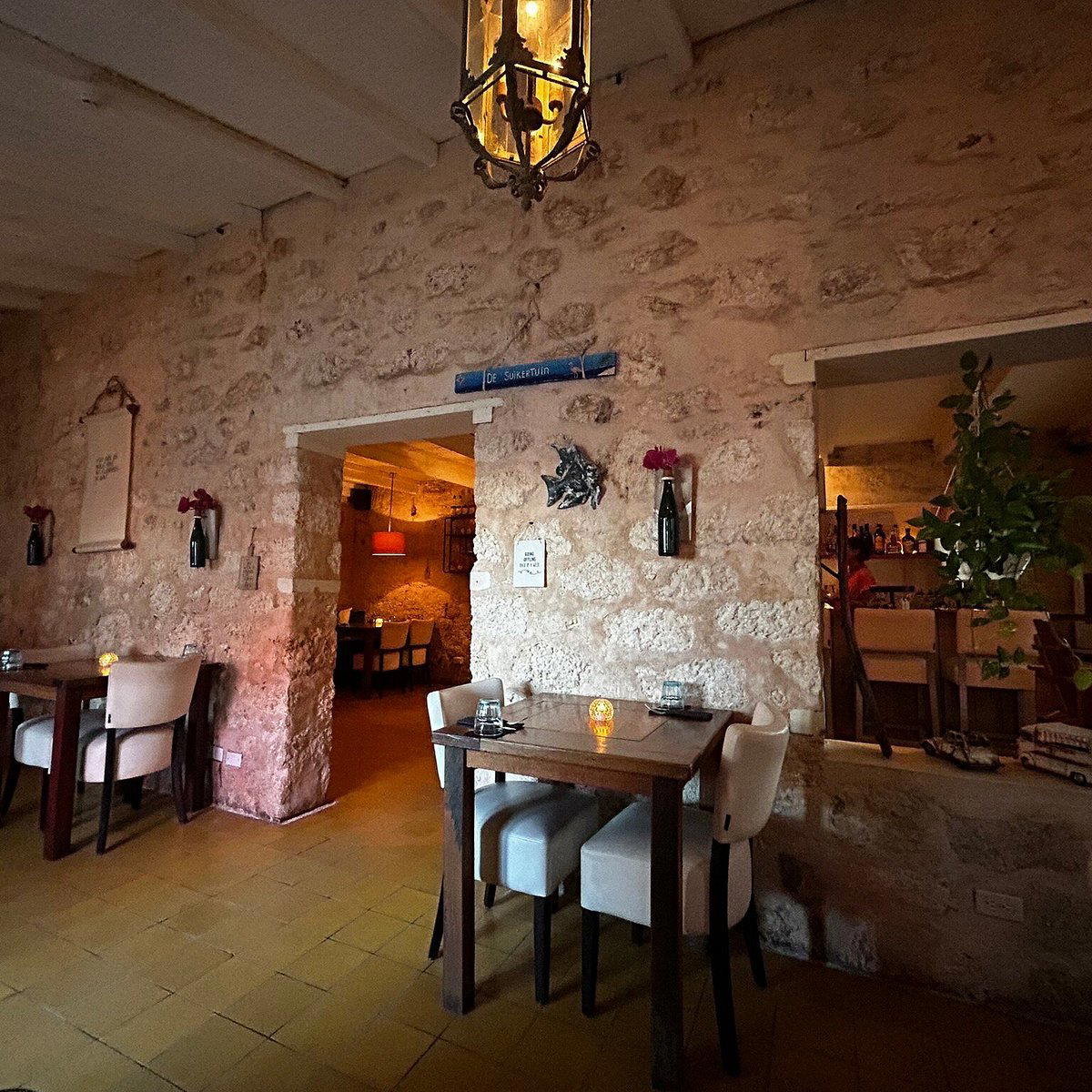
A Garden Address in Oranjestad's Colonial Core
Wilhelminastraat is one of the few streets in Oranjestad where the Dutch colonial architecture hasn't been overwhelmed by resort-adjacent development. The street-level approach is quiet by the standards of the waterfront, and the garden framing the property signals a deliberate departure from the air-conditioned dining rooms that define much of the island's restaurant stock. In a capital where the dining scene has been shaped by tourism infrastructure, a garden-set address on a residential-commercial street carries a different kind of logic.
Oranjestad's food culture sits at a specific crossroads. The island's colonial history brought Dutch institutional cooking; geographic proximity to Venezuela shaped the protein and corn traditions; and the Caribbean baseline runs through almost everything on the table, from the spicing to the seafood sourcing. Restaurants that engage honestly with that layered inheritance tend to occupy a more interesting position than those that flatten it into generic resort fare. City Garden Bistro de Suikertuin's name, evoking a cultivated, productive garden, suggests an interest in that local material, though the specifics of the kitchen's sourcing approach require a visit to verify.
Ingredient Sourcing in a Small-Island Context
For any kitchen operating in Aruba, sourcing is a structural constraint before it is a philosophy. The island produces limited agricultural output, the arid climate and thin soil cap what grows locally, which means most proteins and many vegetables arrive by import. That reality places Aruban restaurants in a different conversation than, say, the farm-to-table frameworks that organise so much of the discourse around places like Lazy Bear in San Francisco or Reale in Castel di Sangro, where the local terroir is deep and the supply chains are short. The honest version of local sourcing in Aruba is often about seafood: the surrounding waters supply wahoo, red snapper, mahi-mahi, and grouper with real consistency, and kitchens that build around the catch rather than around imported beef are making a more accurate claim about place.
The 'sugar garden' framing in the bistro's name is worth reading carefully. Sugar was central to Caribbean colonial economies, and the name may gesture toward that history, or toward a productive kitchen garden, or simply toward a pleasant outdoor aesthetic. What it does signal, in any reading, is a connection to the cultivated rather than the imported, a useful editorial stance for a restaurant in a market where that distinction matters. Restaurants across Aruba that source well tend to anchor their menus around the day's catch supplemented by Dutch dairy and Latin American condiments and starches, and that combination produces some of the island's more coherent plates.
Where It Sits in the Oranjestad Dining Circuit
Oranjestad's restaurant market has two fairly distinct layers. The first is the resort-adjacent tier, where menus are calibrated for international visitors and pricing reflects captive demand. The second is the local-facing layer, where kitchens serve the island's mixed population and the food tends to be more direct, less styled, and more honest about what Aruba actually tastes like. City Garden Bistro de Suikertuin's address on Wilhelminastraat places it closer to the second category, a street-level, neighbourhood-scaled setting rather than a hotel dining room or marina-front terrace.
Within Oranjestad specifically, the competitive field includes restaurants working across a range of traditions. Carte Blanche Restaurant operates at the more ambitious end of the local fine-dining register. El Gaucho anchors the Argentine grill tradition that has a significant presence across the island. Bentang Bali Restaurant brings Indonesian influence, a reminder of the Dutch colonial network that connected Aruba and the East Indies in ways that still surface in the food. Driftwood Restaurant Aruba and Excelencia both occupy positions in the seafood-forward part of the market. Aquarius in Oranjestad West extends the options further along the coast.
Against that field, a garden bistro on a colonial-era street occupies a specific niche: accessible, place-specific, and oriented toward the kind of meal that doesn't require a reservation planned three weeks out. That positioning has its own value in a dining market that skews heavily toward the pre-booked, hotel-referral end of the spectrum.
The Broader Caribbean Dining Frame
It is useful to situate Aruba's dining scene within the wider Caribbean context rather than treating it as an isolated case. Across the region, particularly interesting restaurants are those that have stopped apologising for the import dependency and started building menus that work within it intelligently, combining local seafood, tropical produce, and the colonial pantry (Dutch mustards, salted fish, cornmeal) into something coherent. The restaurants that do this well tend to be smaller operations with kitchen leadership that has a point of view on local identity, not just on technique.
At the global level, the sourcing conversation has been shaped by kitchens like Atelier Moessmer Norbert Niederkofler in Brunico, which built an entire program around alpine regional ingredients, or HAJIME in Osaka, which frames its sourcing within a precise ecosystem logic. The ambitions are different in scale, but the underlying editorial question is the same: does the kitchen know where its food comes from, and does that knowledge show up on the plate? For a bistro on Wilhelminastraat, the question is less about three-Michelin-star rigour and more about whether the catch is fresh, the garden herbs are actually in the garden, and the cooking reflects the island rather than approximating somewhere else.
Planning a Visit
City Garden Bistro de Suikertuin sits at Wilhelminastraat 64 in central Oranjestad, walkable from the main waterfront and within the historic district where the older commercial and residential fabric of the capital is most legible. Reservations are recommended, and the restaurant is open Monday through Wednesday from 8 AM to 3 PM, Thursday through Saturday from 8 AM to 9:30 PM, and closed on Sunday. The dress code is smart casual.
Comparable Spots, Quickly
Comparable venues nearby, for context on price, style, and recognition.
| Venue | Cuisine | Price | Notes |
|---|---|---|---|
| City Garden Bistro de SuikertuinThis venue — the venue you are viewing | Caribbean Bistro with European Influences | $$ | Not listed |
| Matthew's beachside restaurant | Caribbean Seafood | $$$ | Eagle Beach |
| The Old Fisherman | Aruban Seafood Creole | $$ | Oranjestad-West |
| Driftwood Restaurant Aruba | Caribbean Seafood | $$ | Downtown Oranjestad |
| Quinta del Carmen | Dutch Caribbean Seafood | $$$ | Bubali |
| The Kitchen Table | Aruban-Caribbean-Peruvian Fusion Chef's Table | $$$$ | Palm - Eagle Beach |
Continue exploring
More in Oranjestad
Restaurants in Oranjestad
Browse all →
Bars in Oranjestad
Browse all →

At a Glance
- Cozy
- Romantic
- Intimate
- Scenic
- Date Night
- Brunch
- Casual Hangout
- Garden
- Local Sourcing
- Garden
Current opening hours
- Monday
- 8 AM–3 PM
- Tuesday
- 8 AM–3 PM
- Wednesday
- 8 AM–3 PM
- Thursday
- 8 AM–9:30 PM
- Friday
- 8 AM–9:30 PM
- Saturday
- 8 AM–9:30 PM
- Sunday
- Closed
Hours can change for holidays and private events. Last verified .
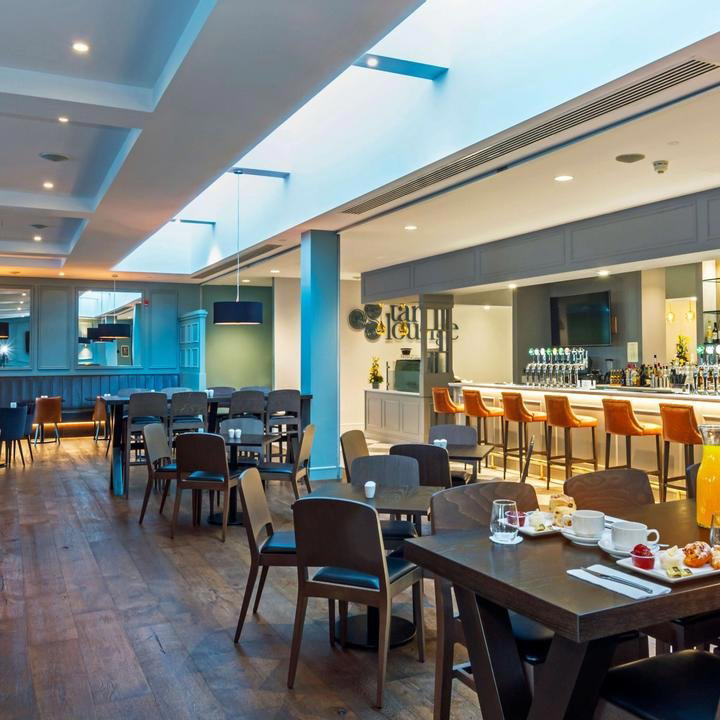
Cozy and charming atmosphere in a historic stone and coral house with options for cool indoor living rooms or lush outdoor garden patio, featuring warm lighting and relaxing music.