Bentang Bali Restaurant
Bentang Bali brings an Indonesian-inflected dining presence to Havenstraat, Oranjestad's most active restaurant corridor. In a city where Caribbean and Latin American cooking dominate, the address represents a less common culinary reference point on the island. Visitors looking beyond the beachside grill circuit will find it positioned among the more internationally oriented dining options in the capital.
Pearl is the En Primeur Club membership app — saves, bookings, and concierge access live there. Same editors, same standards.
- Address
- Havenstraat 36, Oranjestad, Aruba
- Phone
- +2972800440
- Website
- bentangbalirestaurant.com
- Directions
- Get directions
 Saves & bookings on Pearl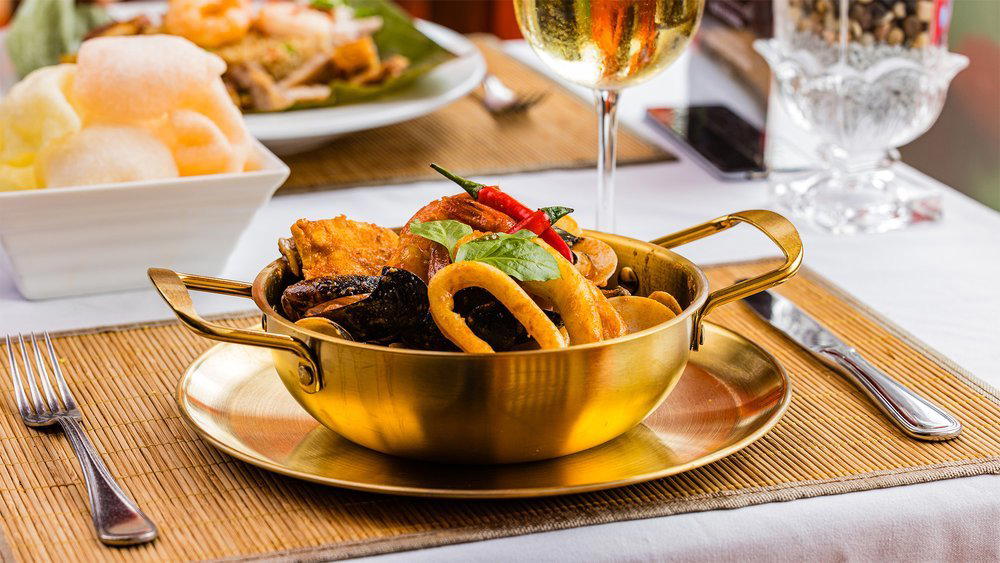
Where Oranjestad's Dining Corridor Meets a Different Culinary Register
Havenstraat cuts through the commercial heart of Oranjestad with the particular energy of a street that serves both tourists and locals without having fully committed to either. The stretch around number 36 carries the dual character of the wider avenue: Dutch colonial facades, open-air activity, and a dining scene that runs from quick-service Caribbean food to more considered international options. It is in this in-between zone that Bentang Bali Restaurant occupies its address, serving Authentic Indonesian & Aruban Fusion at Havenstraat 36, Oranjestad, Aruba.
In most Caribbean island capitals, the dining map compresses into a familiar set of references: fresh catch from the day's boats, meat grilled over local hardwood, Dutch colonial baking traditions, and a scattering of international kitchens serving the resort visitor. Oranjestad fits that pattern broadly, which means a restaurant anchoring to Indonesian or Balinese culinary traditions occupies a position that few others on the island share. The name itself signals a geographic and cultural orientation that pulls attention toward Southeast Asia rather than the surrounding Atlantic basin.
The Physical Container: Reading the Space on Havenstraat
The design logic of restaurants on Havenstraat tends toward one of two modes: the open-sided, fan-cooled room that invites street flow, or the more enclosed dining room that marks a deliberate departure from the pavement. In Aruba's climate, that architectural decision carries real consequences for the dining experience. A space that catches the evening trade wind from the northwest creates a qualitatively different atmosphere than one that relies on mechanical cooling alone, and visitors arriving at Havenstraat 36 encounter the question that any island restaurant must answer: does the physical environment reinforce the cuisine's logic, or work against it?
For a kitchen whose culinary reference points include the open-fire cooking traditions of Bali and the layered spice structures common across Indonesian regional cuisines, the spatial register of the venue matters more than it might for a simpler format. In Balinese restaurant culture, the relation between indoor and outdoor space is rarely incidental: it is part of how the meal is framed. Whether Bentang Bali's room on Havenstraat achieves that integration is something that dining accounts from visitors to the address speak to more directly than any external description can. What can be said is that the street address places it within reach of Oranjestad's main pedestrian flow.
Indonesian Cuisine in a Caribbean Context: The Editorial Case for This Category
The broader pattern of Indonesian restaurant presence across Caribbean destinations is not incidental. Aruba's historical connection to the Netherlands creates a direct cultural channel to Indonesian culinary traditions, given the long history of Indonesian immigration to the Netherlands and the subsequent diffusion of Indonesian cooking into Dutch food culture. Rijsttafel formats, sambal-led spice structures, and the layered complexity of dishes like rendang and gado-gado are not foreign references in Dutch-influenced communities; they carry genuine cultural weight. In that context, a restaurant in Oranjestad drawing on Balinese and Indonesian traditions is less an exotic outlier than a logical expression of the island's Dutch-inflected heritage.
For diners arriving from properties along the Palm Beach hotel strip or from Oranjestad's cruise terminal, the Indonesian register offers a genuine contrast to the Caribbean and South American cooking that forms the backbone of the island's restaurant offer. Driftwood Restaurant Aruba anchors firmly to the local seafood tradition. El Gaucho represents the Argentine parrilla format that has taken firm root in Aruba's dining scene. Excelencia and Carte Blanche Restaurant operate at the more contemporary end of the city's dining conversation. Against that comparable set, a kitchen working in Indonesian or Balinese register stands apart on category grounds alone, independent of execution quality.
The comparison extends beyond Oranjestad's borders. Restaurants like Le Bernardin in New York City and Atomix in New York City demonstrate how deeply a singular culinary tradition, applied with discipline, can distinguish a restaurant within a competitive city dining market. In smaller markets, the differentiation effect is even more pronounced. A restaurant with a genuinely distinct culinary identity in a city of Oranjestad's scale does not need to compete on the same terms as its neighbours; it competes by being categorically different.
Planning Your Visit: What the Address Requires
Havenstraat is accessible on foot from both the main cruise terminal area and from the central shopping district, placing Bentang Bali within the natural pedestrian circuit of anyone spending time in central Oranjestad. Visitors staying in the northern resort zones along Palm Beach will typically need transportation into the city, a journey of roughly fifteen minutes by taxi from most of the major hotel properties. The street itself is active through the evening hours, which makes it a viable destination for post-shopping dinners and for visitors arriving by cruise ship who want a more considered meal before returning to port.
The venue recommends reservations, and the regular hours run Monday through Saturday from 12 to 8:30 PM; the restaurant is closed on Sunday. City Garden Bistro de Suikertuin operates nearby and offers another option in the same general area for evenings when flexibility is useful. For visitors building a broader picture of the island's dining geography, Daily Fish in Noord, Kamini's Kitchen in San Nicolas, and Aquarius in Oranjestad West fill out a more complete map of where the island's restaurant energy currently concentrates.
Internationally, the discipline that separates competent cooking from something more considered is visible across different formats: the rigorous sourcing logic at Atelier Moessmer Norbert Niederkofler in Brunico, the regional Italian depth at Dal Pescatore in Runate, the technical precision at HAJIME in Osaka, and the coastal Italian focus at Quattro Passi in Marina del Cantone all point toward the same underlying principle: culinary specificity, held consistently, is what builds a restaurant's position in any market. The category it has chosen to occupy in Oranjestad's dining map is clear.
- Beef Rendang
- Nasi Goreng
- Gulai Kambing
- Babi Pangang
- Ayam Pedas Kecap
- Nasi Rames
A Minimal comparable set
Comparable venues nearby, for context on price, style, and recognition.
| Venue | Cuisine | Price | Notes |
|---|---|---|---|
| Bentang Bali RestaurantThis venue — the venue you are viewing | Not listed | $$ | Not listed |
| The Old Fisherman | Oranjestad-West, Aruban Seafood Creole | $$ | Not listed |
| Carte Blanche Restaurant | Not listed | $$$$ | Oranjestad-West, Modern International Fusion |
| The Kitchen Table | Not listed | $$$$ | Palm - Eagle Beach, Aruban-Caribbean-Peruvian Fusion Chef's Table |
| Flor de Oriente | Rancho, Dutch-Caribbean Brasserie | $$ | Not listed |
| City Garden Bistro de Suikertuin | Not listed | $$ | downtown Oranjestad, Caribbean Bistro with European Influences |
Continue exploring
More in Oranjestad
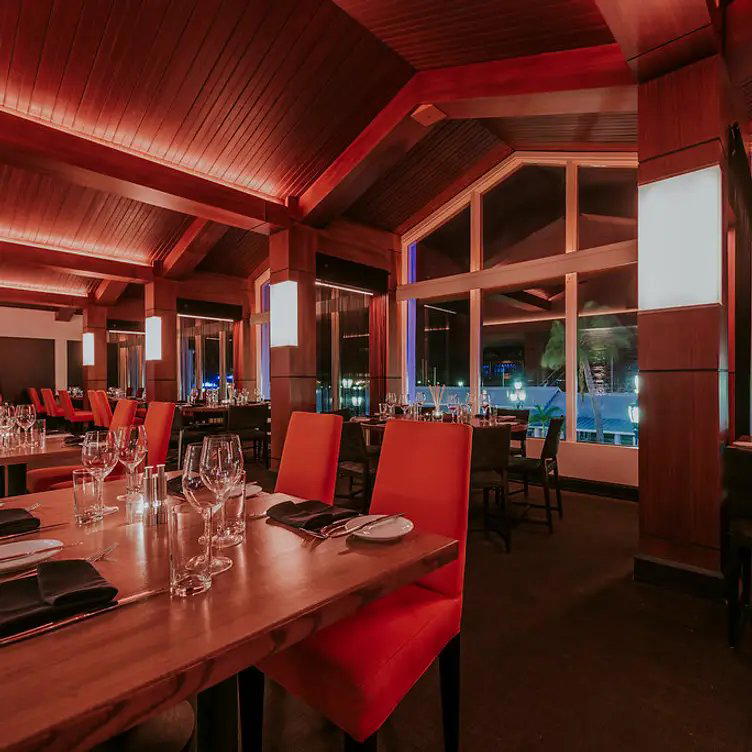
Restaurants in Oranjestad
Browse all →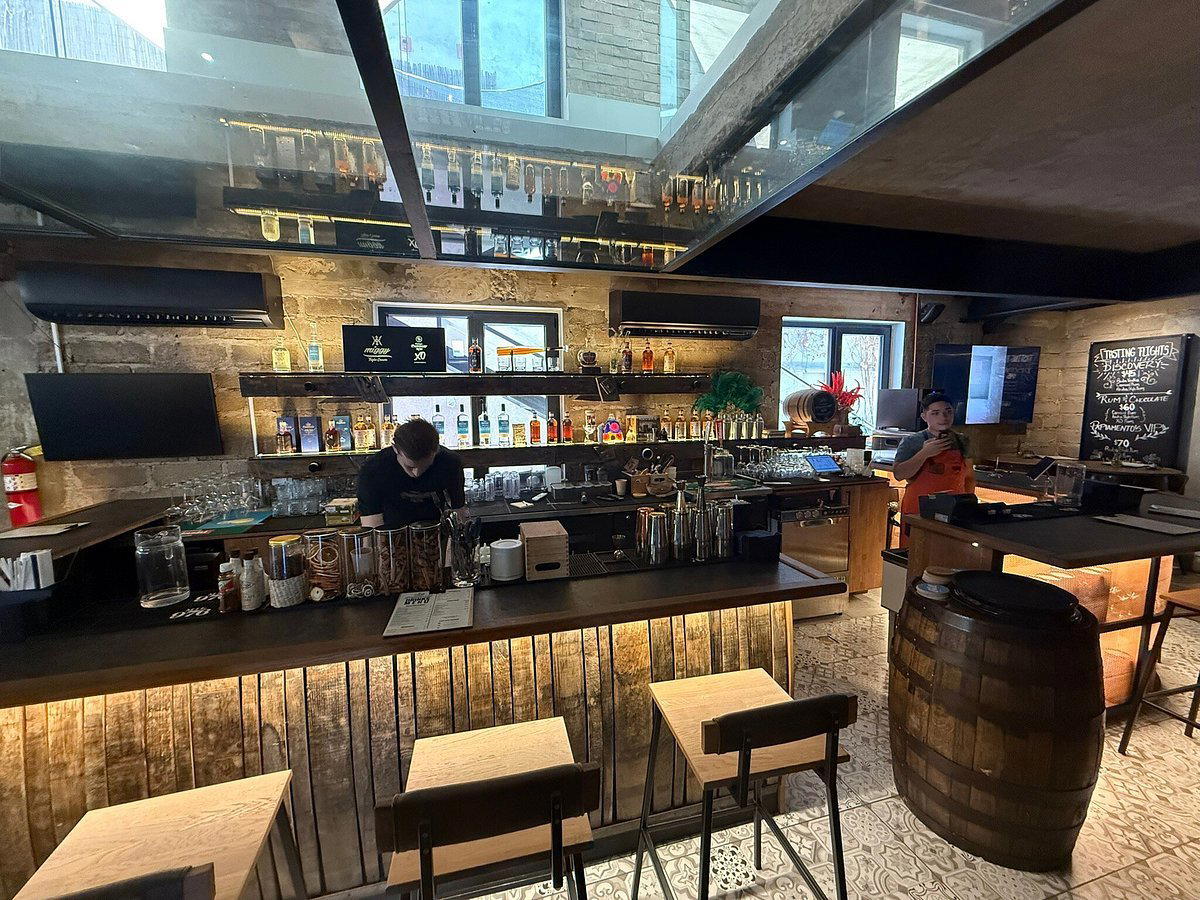
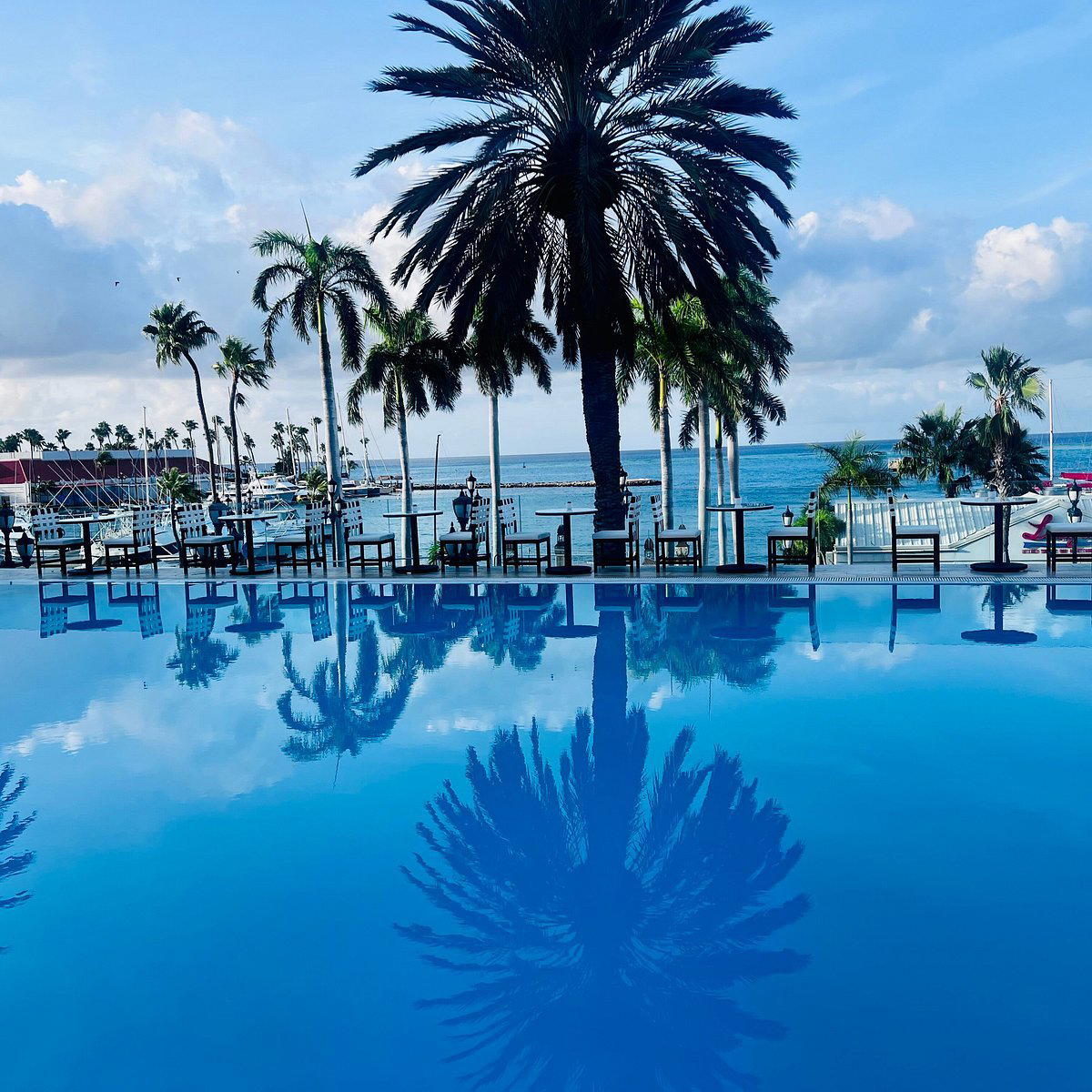

Bars in Oranjestad
Browse all →

At a Glance
- Cozy
- Elegant
- Intimate
- Date Night
- Family
- Group Dining
- Casual Hangout
- Special Occasion
- Standalone
Current opening hours
- Monday
- 12–8:30 PM
- Tuesday
- 12–8:30 PM
- Wednesday
- 12–8:30 PM
- Thursday
- 12–8:30 PM
- Friday
- 12–8:30 PM
- Saturday
- 12–8:30 PM
- Sunday
- Closed
Hours can change for holidays and private events. Last verified .
Beautifully decorated with Indonesian flair, warm and inviting with atmospheric decor; relatively quiet and intimate despite proximity to cruise terminal.