Bodegas Papiamento
Bodegas Papiamento occupies a historic address on Werfstraat in Oranjestad, placing it among the older-established dining rooms that anchor Aruba's restaurant culture beyond the resort corridor. The setting draws on the island's layered colonial and Caribbean heritage, making it a reference point for visitors tracing Aruba's food identity outside the beachfront hotel circuit.
Pearl is the En Primeur Club membership app — saves, bookings, and concierge access live there. Same editors, same standards.
- Address
- Werfstraat 7, Oranjestad, Aruba
- Phone
- +2976995016
- Website
- bodegaspapiamento.com
- Directions
- Get directions
 Saves & bookings on Pearl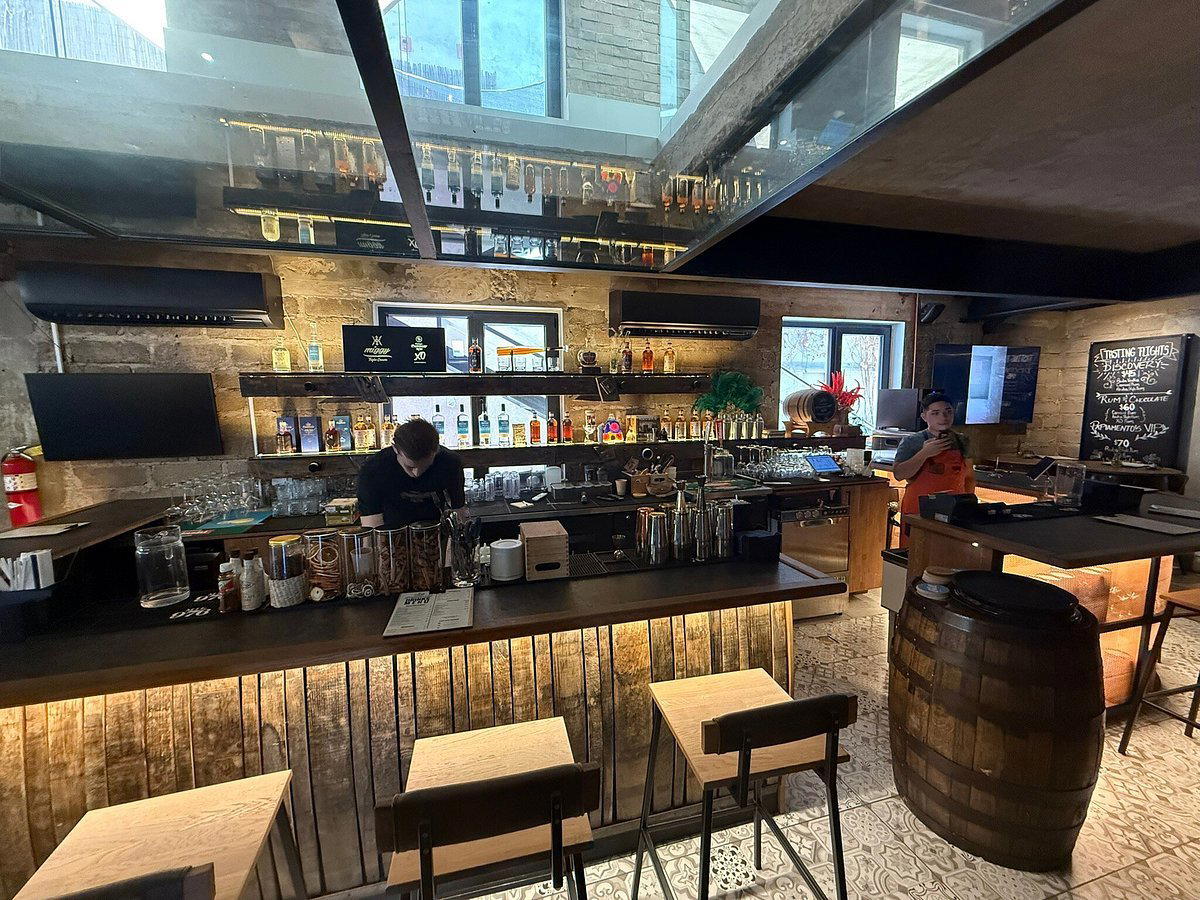
A Historic Address in Oranjestad's Dining Scene
Oranjestad's older streets carry a different weight than the resort strip along Eagle and Palm Beach. Werfstraat, where Bodegas Papiamento sits at number 7, belongs to the part of the city that predates the tourism build-out: narrower, quieter, and marked by architecture that reflects Aruba's Dutch colonial and local Caribbean layers in roughly equal measure. Dining rooms that survive here do so on reputation built over years, not on foot traffic from hotel corridors. That context matters when reading Bodegas Papiamento against the wider Oranjestad dining map.
Aruba's food culture has never been straightforwardly Caribbean. The island's position outside the hurricane belt, its colonial Dutch administration, its indigenous Arawak heritage, and decades of migration from Venezuela and surrounding islands have produced a cuisine that sits at several crossroads simultaneously. Dishes like keshi yena, stewed goat, and fresh catch preparations reflect that layered inheritance, and the more serious dining rooms in Oranjestad tend to treat those roots as a foundation rather than a decorative flourish. Bodegas Papiamento operates within that tradition, drawing its name partly from Papiamento, the creole language that blends Dutch, Spanish, Portuguese, and African elements, and that functions as the island's cultural shorthand for its own mixed identity. The restaurant serves Aruban Caribbean fine dining and is recommended for reservations.
What the Setting Communicates
In the Caribbean, setting and cuisine are rarely separate arguments. A dining room housed in a heritage structure on a street like Werfstraat signals something specific to a returning visitor: a commitment to place over convenience, and an assumption that the guest has sought the address out rather than stumbled in. That self-selecting dynamic shapes the experience before the menu arrives. The buildings in this part of Oranjestad tend toward thick-walled Dutch colonial construction, designed to hold temperature against the trade winds and afternoon heat. Dining rooms that occupy such spaces inherit both the physical character and the implied seriousness of the architecture.
That approach to setting separates venues like Bodegas Papiamento from the beachfront and resort-adjacent restaurants that dominate visitor traffic.
The Cultural Roots of the Cuisine
Aruban cooking developed under conditions that required improvisation: a semi-arid island with limited fresh water, strong trade winds, and a population drawn from multiple continents. The result is a cuisine that uses preserved and cured proteins alongside fresh seafood, applies spice traditions from both the Spanish-speaking mainland and the Dutch Caribbean, and incorporates corn, plantain, and root vegetables in ways that reflect Arawak agricultural practice. These are not arbitrary combinations. They reflect centuries of necessity and exchange, and the restaurants that handle them with particularly authority treat each element as historically grounded rather than decoratively ethnic.
The name Papiamento is itself a signal about cultural stance. Choosing the creole language as an anchor for a restaurant name places the establishment within a specific local identity framework. Papiamento is spoken by the majority of Arubans, understood across the ABC islands (Aruba, Bonaire, Curaçao), and carries with it the full weight of the island's hybrid cultural history. It is a deliberate choice, and it sets an expectation about how the kitchen relates to its source material.
Across the island, a handful of dining rooms hold this kind of cultural positioning: Kamini's Kitchen in San Nicolas operates at the grassroots end of Aruban home cooking, while Daily Fish in Noord handles the island's seafood tradition from a more casual format. City Garden Bistro de Suikertuin in Oranjestad represents another register of local dining culture. The restaurant occupies the more formal end of this local-heritage positioning within Oranjestad West specifically.
Where It Sits Among Oranjestad West's Dining Options
Oranjestad West has a more varied dining infrastructure than its surface tourism reputation suggests. Alongside local heritage operators, the neighbourhood hosts European-influenced rooms like Chalet Suisse and Italian-leaning spots like Bucatini Market & Cucina. That diversity reflects Aruba's international visitor mix and its historically cosmopolitan population. Within this range, a venue that commits to local cultural framing rather than international template dining occupies a distinct position. It is the kind of restaurant visitors with any serious interest in understanding where they are, rather than simply eating well, tend to seek out.
That positioning aligns the restaurant with a broader international pattern: dining rooms that draw authority from deep local rootedness rather than from imported technique or celebrity credentials. The comparisons are not always geographically logical, but the model appears in serious local restaurants globally, from Dal Pescatore in Runate to Quattro Passi in Marina del Cantone, where place-specific cooking sustained over generations generates a form of authority that technical showmanship cannot easily replicate. The ambition is different from the formal precision of a room like Atomix in New York City or the produce-first rigour of Atelier Moessmer Norbert Niederkofler in Brunico, but the underlying logic of cooking from within a specific cultural inheritance rather than around it is shared.
Planning Your Visit
Werfstraat 7 is within Oranjestad proper, walkable from the city centre but away from the busiest tourist stretches. Visitors arriving from the Palm Beach resort corridor typically need transport, as the distance from the hotel zone is meaningful on foot in Aruba's afternoon heat. The address is fixed and publicly listed; for current hours, booking availability, and reservation method, contacting the venue directly or checking current local listings is advised, as operational details for independent restaurants in Aruba can shift seasonally.
For visitors building a broader Aruba dining itinerary, pairing a meal here with a visit to one of the island's more casual local formats gives a fuller read of how Aruban cooking operates across different registers. The restaurant is priced at about $50 per person.
Booking and Cost Snapshot
Comparable venues nearby, for context on price, style, and recognition.
| Venue | Cuisine | Price | Notes |
|---|---|---|---|
| Bodegas PapiamentoThis venue — the venue you are viewing | Not listed | $$$ | Not listed |
| Passions On The Beach | Eagle Beach, Caribbean Seafood | $$$ | Not listed |
| Mangos Restaurant | Oranjestad West, Caribbean | $$ | Not listed |
| Elephant In The Room | Not listed | $$$ | Oranjestad West, Italian Beach Club with Caribbean influences |
| Yokomi Sushi & Korean BBQ | Not listed | $$ | Oranjestad West, Sushi & Korean BBQ Fusion |
| Ever Restaurant | Not listed | $$$$ | Oranjestad West, Modern Caribbean Fine Dining |
Continue exploring
More in Oranjestad West
Restaurants in Oranjestad West
Browse all →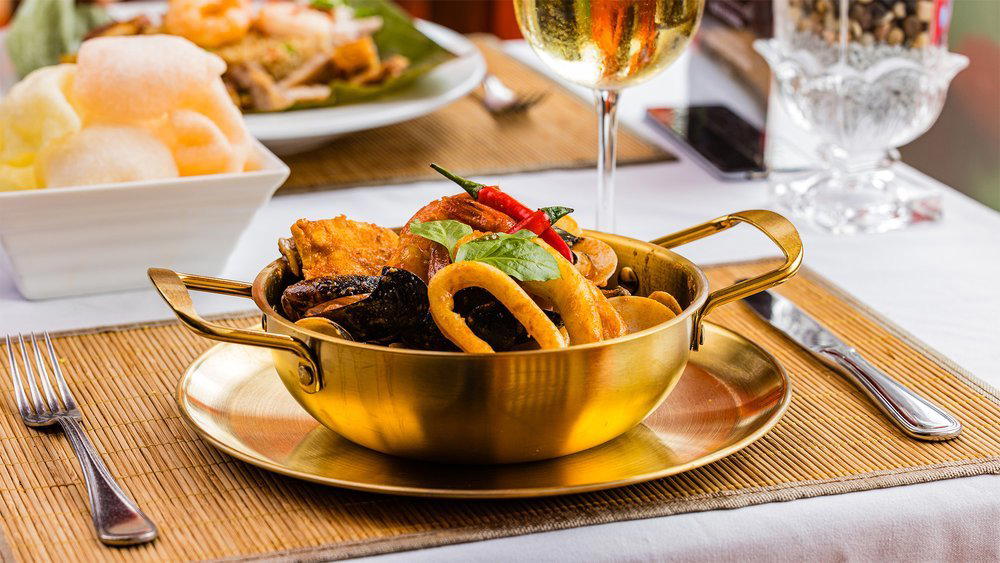
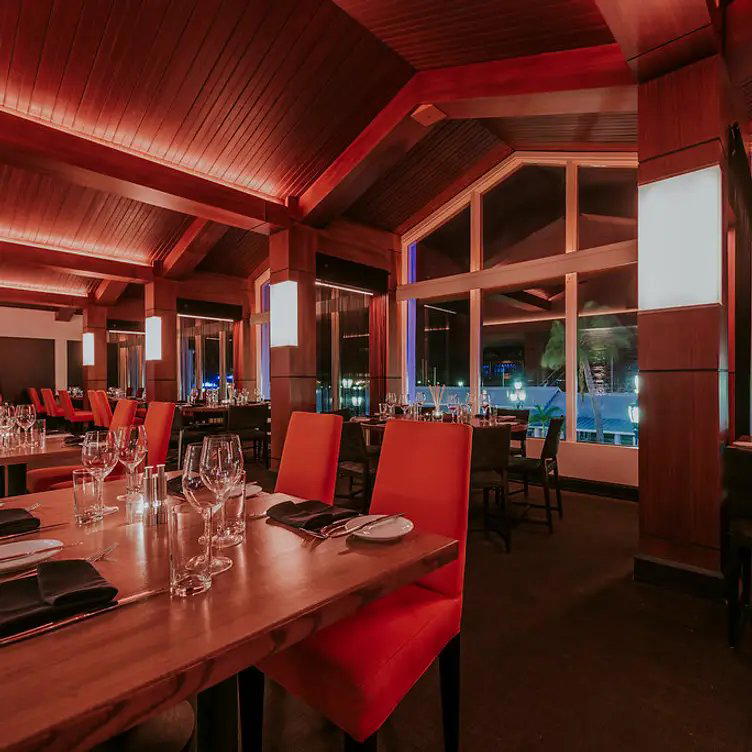
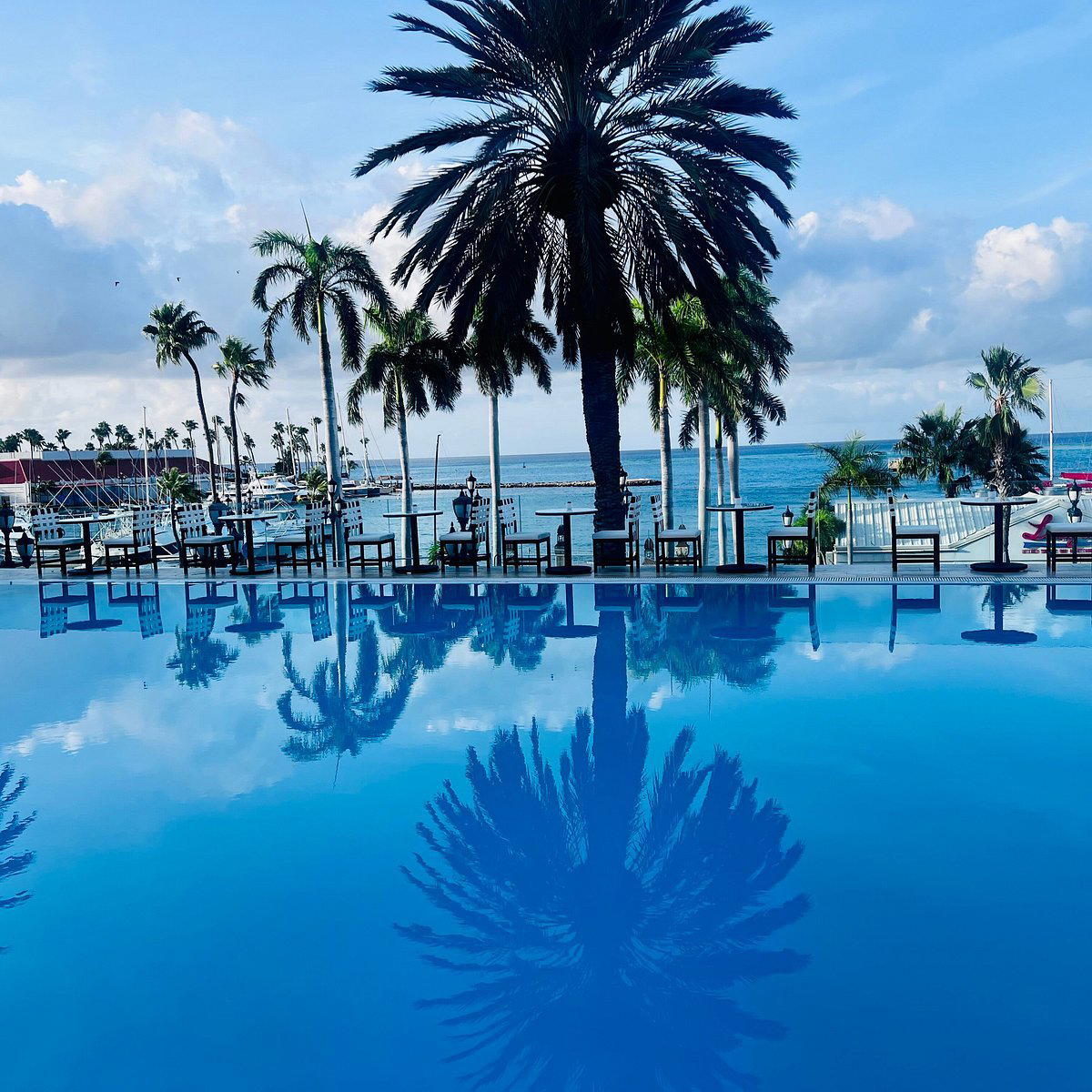

Bars in Oranjestad West
Browse all →

At a Glance
- Romantic
- Cozy
- Elegant
- Intimate
- Scenic
- Date Night
- Special Occasion
- Celebration
- Garden
- Historic Building
- Wine Cellar
- Extensive Wine List
- Local Sourcing
- Garden
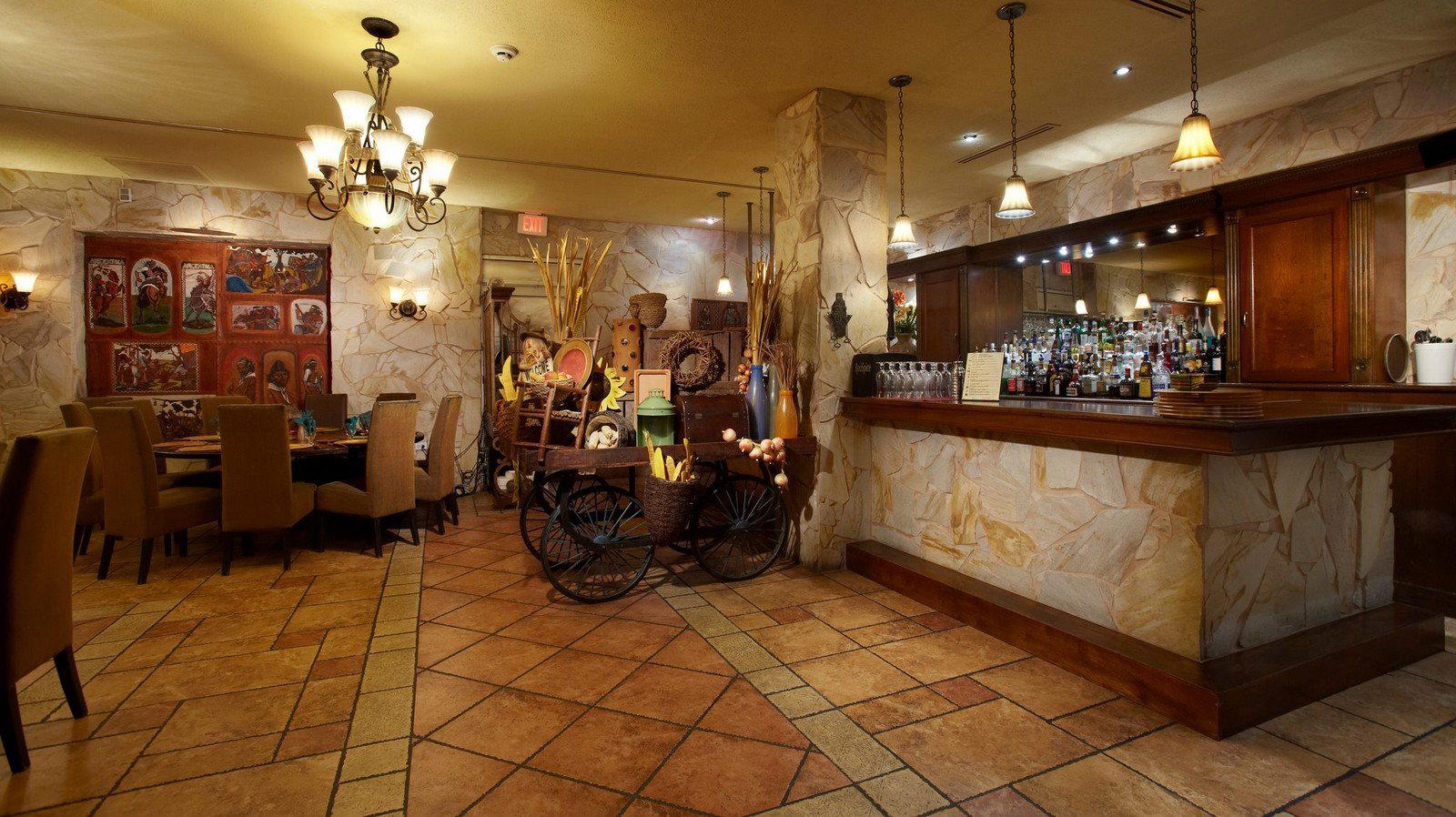
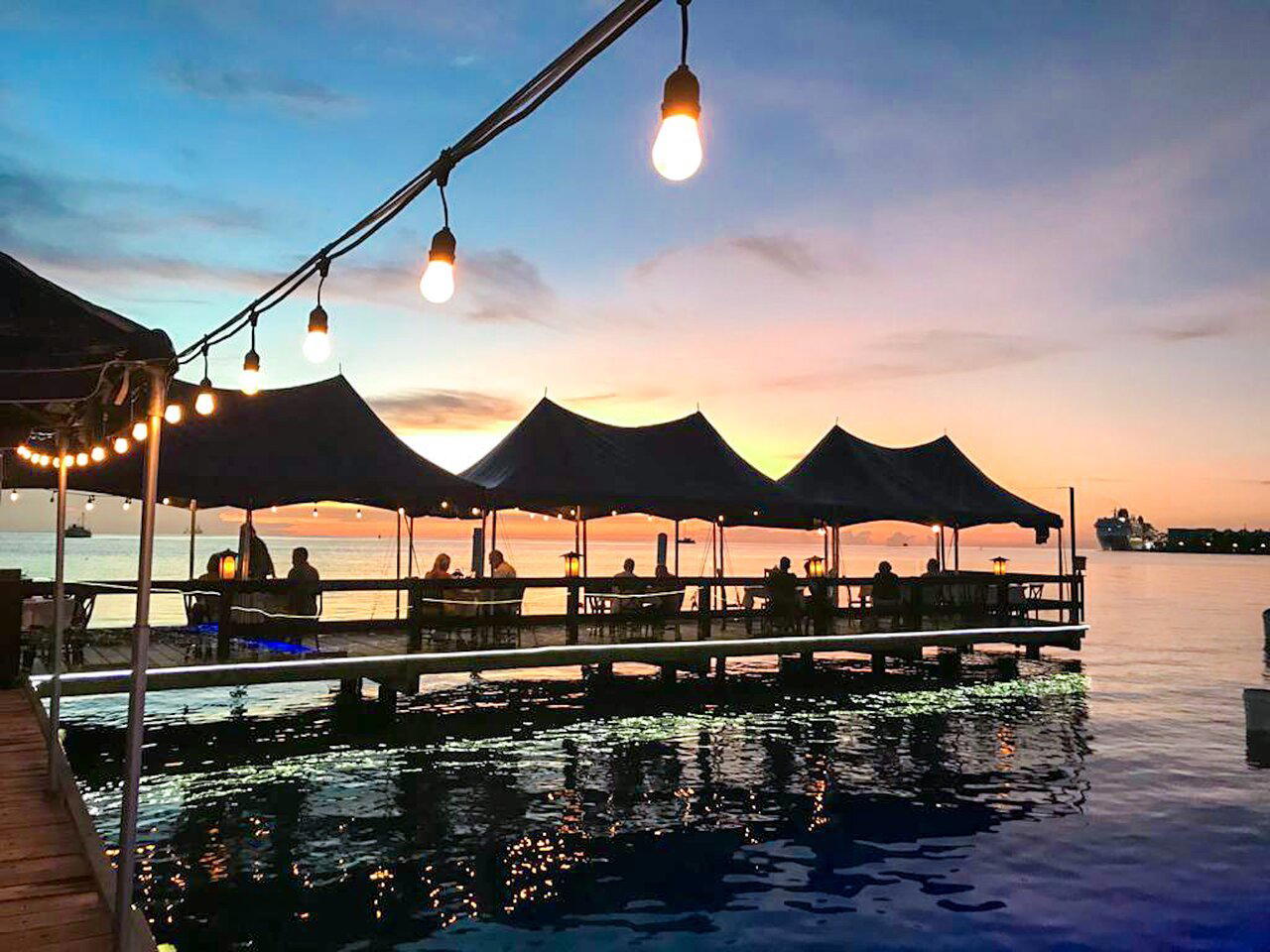
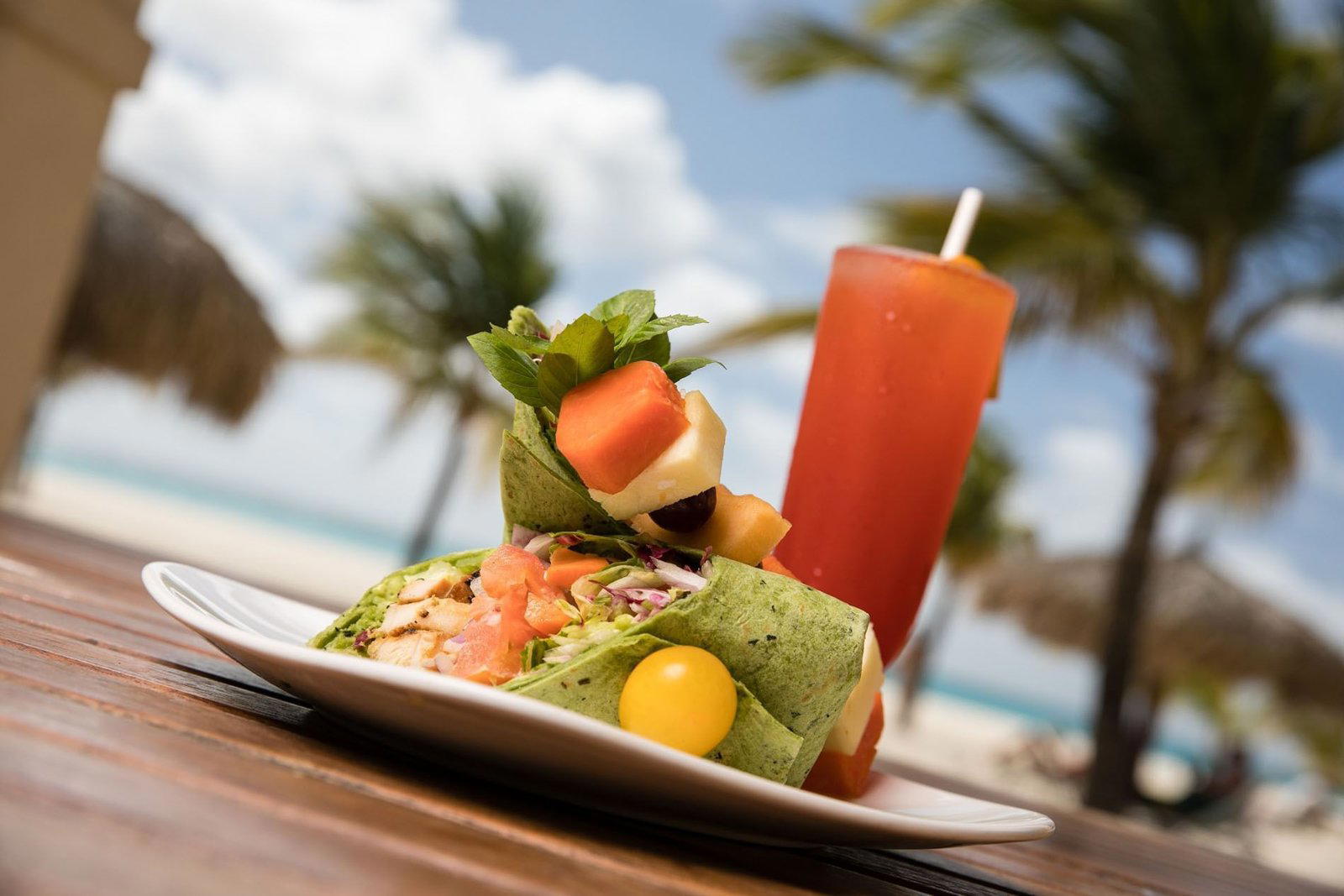
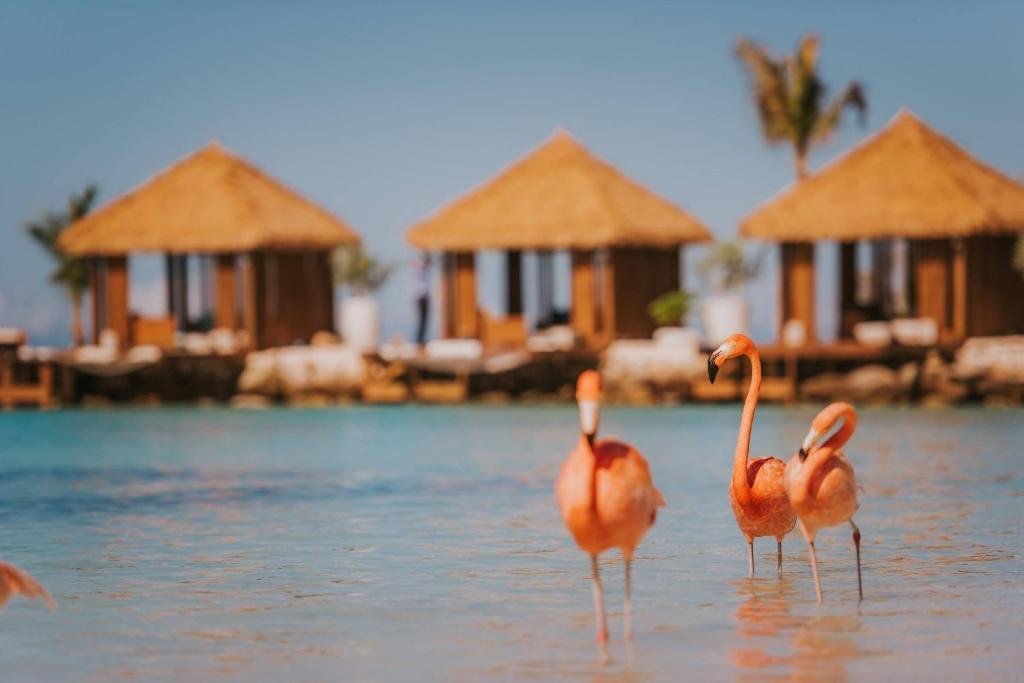
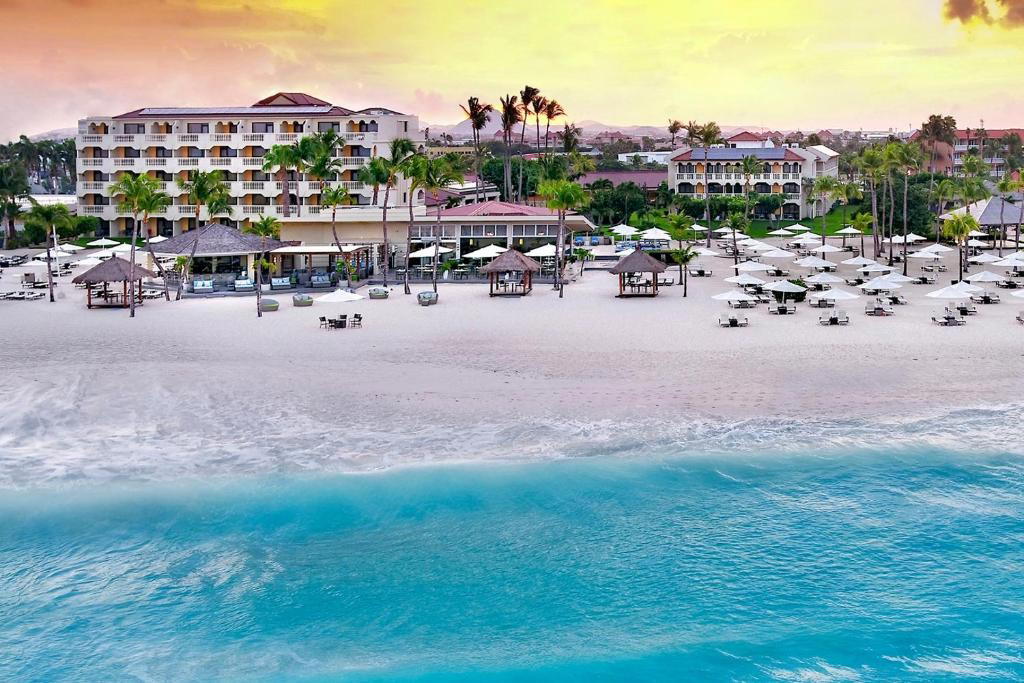
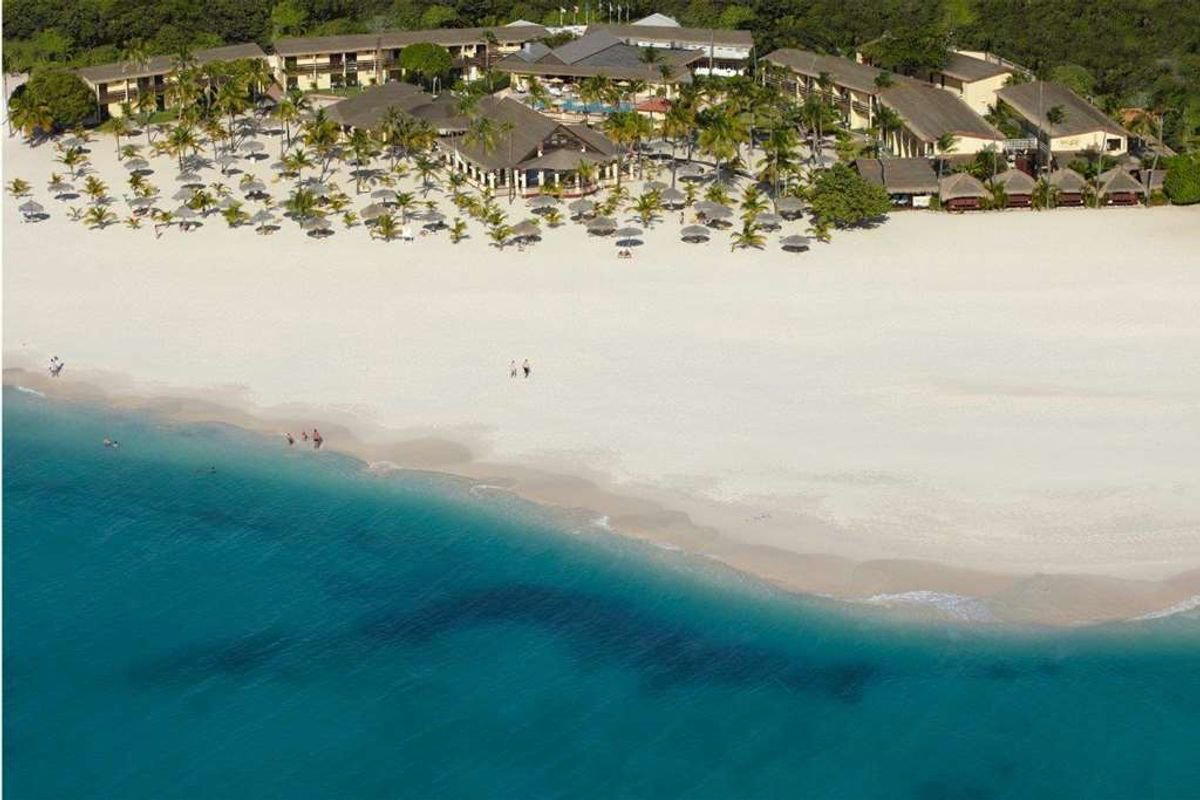
Magical tropical paradise under the stars with lush garden, poolside lighting in tree branches, and intimate antique-filled interiors creating a romantic and elegant atmosphere.