Aquarius
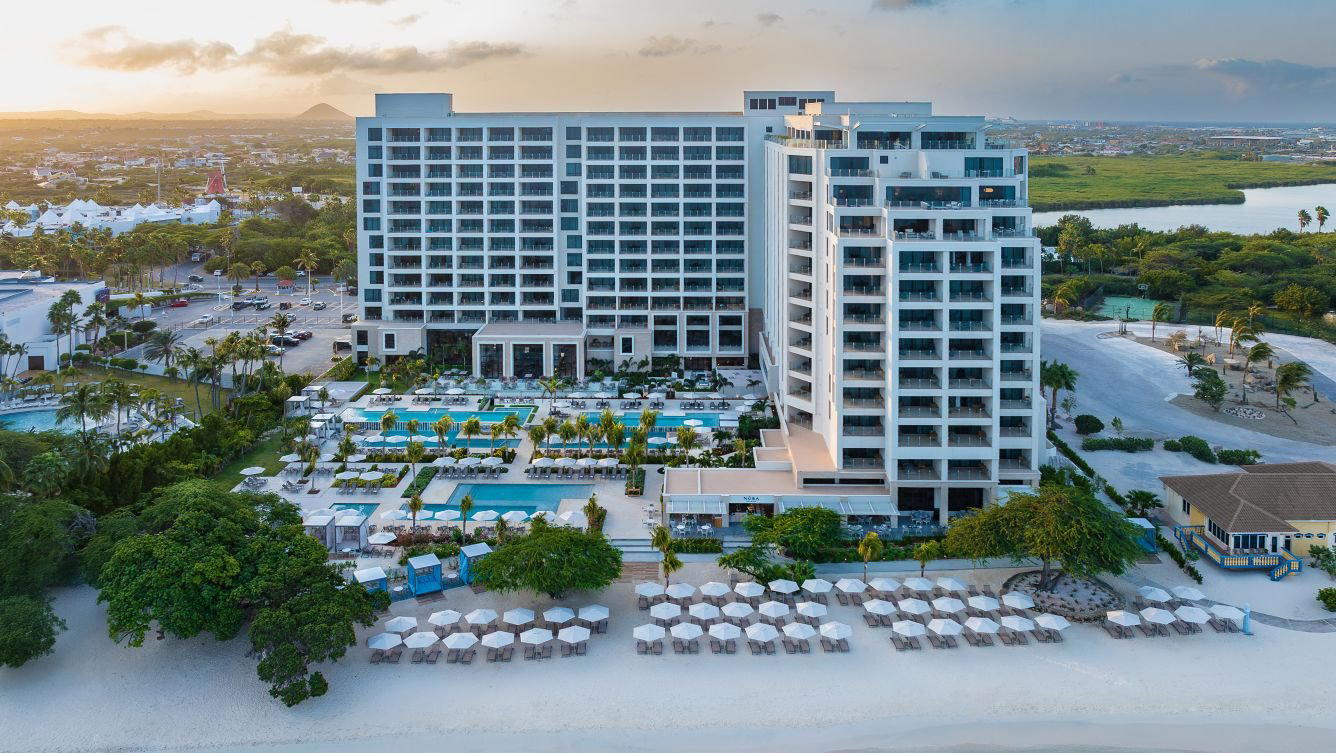
Aquarius sits within the Renaissance Marina hotel on Oranjestad's waterfront boulevard, placing it at the centre of Aruba's hotel dining scene. The Caribbean setting shapes the sourcing logic here, where proximity to the island's fishing waters and regional produce networks defines what lands on the plate. For visitors orienting around Lloyd G. Smith Blvd, it offers a marina-facing dining option with direct hotel access.
Pearl is the En Primeur Club membership app — saves, bookings, and concierge access live there. Same editors, same standards.
- Address
- At the Renaissance Marina hotel, Lloyd G. Smith Blvd 82, Oranjestad, Aruba
- Phone
- +2975236156
- Website
- arubarestaurants.com
- Directions
- Get directions
 Saves & bookings on Pearl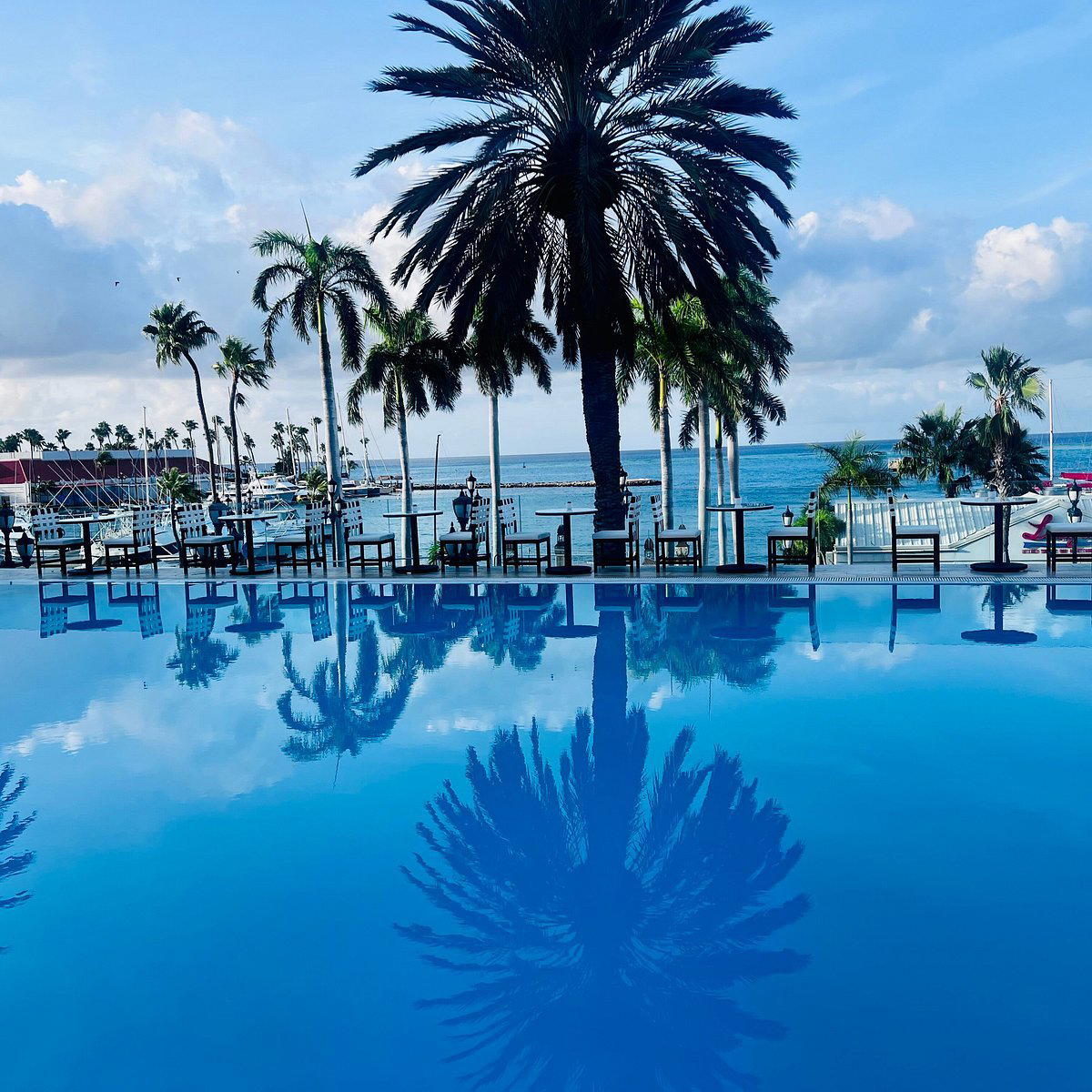
Waterfront Dining in Aruba's Hotel Corridor
Lloyd G. Smith Boulevard runs the length of Oranjestad's harbour edge, a stretch where cruise terminals, casino towers, and hotel facades compete for the waterline. The Renaissance Marina hotel occupies a well-positioned section of that boulevard, and Aquarius, its in-house restaurant, inherits the geography directly. Dining at this address means the water is not an incidental backdrop, it is the primary frame, and in the Caribbean, that frame carries sourcing implications that matter to what ends up on the plate.
In-hotel restaurants on Aruba's marina strip operate in a particular tension: they draw a captive audience of hotel guests while simultaneously competing with the island's freestanding dining scene, which has grown considerably in range and ambition. The Oranjestad West restaurant corridor now runs from cellar-style wine dining at Bodegas Papiamento to market-driven Italian at Bucatini Market & Cucina and seafood-focused independents like Catch Restaurant - Aruba. That competitive set raises the question any hotel restaurant must answer: does it exist for convenience, or does it have a point of view worth seeking out?
What the Caribbean Supply Chain Actually Looks Like
The ingredient sourcing reality for any restaurant on this island is shaped by Aruba's geography. The island sits outside the hurricane belt and holds a desert climate unusual for the Caribbean, which limits local agricultural output considerably. What Aruba does have is a coastline, and the waters around the island yield fish that define the regional table: wahoo, mahi-mahi, red snapper, and grouper appear consistently across menus from Oranjestad to Kamini's Kitchen in San Nicolas. Lobster sourced from Caribbean waters also features heavily in hotel dining rooms at this price band.
For restaurants operating within hotel infrastructure, sourcing decisions often sit between two poles: reliance on imported product through established hotel supply chains, or active engagement with local fishing boats and the few island producers who supply fresh produce. The distinction matters to the diner because it determines whether the menu reads as generic Caribbean hotel fare or as something more specifically tied to where you are. In markets like Aruba, where the fishing supply is real and accessible, the gap between those two outcomes is a deliberate choice, not a geographic constraint.
Across Aruba's dining scene more broadly, the restaurants that have carved out reputation tend to be the ones where sourcing transparency is part of the conversation. Daily Fish in Noord operates on a model where the catch drives the menu daily. That kind of direct supply relationship sets a benchmark against which hotel dining rooms are implicitly judged, even when they are operating at a different scale and with different service obligations.
The Marina Setting and What It Signals
A marina-facing restaurant in any port city carries expectations around seafood centrality and a certain ease of atmosphere, open, light, and oriented toward the water rather than inward. On Aruba's west coast, where the prevailing trade winds come off the Caribbean, an outdoor or semi-open dining position also means consistent natural ventilation, which shapes the physical comfort of an evening meal in a way that matters more than it might seem from the inside of a fully air-conditioned room.
The Renaissance Marina location also places Aquarius within walking distance of Oranjestad's downtown, where the concentration of independent dining options gives guests real alternatives for any given meal. That proximity is useful context: this is not a resort restaurant isolated from competition by distance. The decision to eat here rather than at Chalet Suisse or Elephant In The Room is a genuine choice made with options available, which is a different dynamic from dining at a resort property where the next nearest kitchen is a twenty-minute drive.
For a broader map of what Oranjestad's dining scene offers across styles and price points, the full Oranjestad West restaurants guide provides the useful orientation.
Hotel Dining in a Global Context
The hotel restaurant has undergone significant repositioning globally over the past decade. At the upper tier, venues like Le Bernardin in New York City and Atomix in New York City operate with their own identities entirely separate from any accommodation context. In Europe, properties like Atelier Moessmer Norbert Niederkofler in Brunico and Dal Pescatore in Runate have long since transcended hotel dining categories. Even at the more casual end, places like Lazy Bear in San Francisco or Emeril's in New Orleans show that a restaurant's identity can be fully independent of where it sits physically.
The question for Caribbean hotel dining is whether that global repositioning has filtered down to mid-market resort island properties. In some cases, yes: across the region, a new generation of hotel restaurants has started treating the proximity to fishing communities and regional farms as a genuine program rather than a menu footnote. Particularly compelling examples are the ones where the supply relationship is visible in the dish, not just in the marketing language around it. Venues like Quattro Passi in Marina del Cantone and Reale in Castel di Sangro offer reference points for what it looks like when a restaurant uses its local environment as genuine creative input rather than decorative context.
For Aquarius, the marina address creates the conditions for that kind of sourcing story. Whether those conditions are fully realised is something the visitor will need to assess on arrival, since specific menu and program details are not publicly documented in a way that allows external verification.
Planning Your Visit
Aquarius is located within the Renaissance Marina hotel at Lloyd G. Smith Blvd 82, Oranjestad, placing it directly on the waterfront boulevard that anchors the west end of the city. Hotel guests have direct access, though the restaurant's marina-facing position makes it a natural stop for visitors exploring the boulevard on foot. Aruba's year-round climate means there is no strong seasonal argument for or against a particular travel window, though the island's peak season runs roughly December through April, when both hotel and restaurant occupancy rises across the board. For a wider picture of where Aquarius sits within Oranjestad's dining options, the Oranjestad West guide covers the full range from independent neighbourhood restaurants to hotel dining. Comparable independent alternatives nearby include Bucatini Market & Cucina and City Garden Bistro de Suikertuin in Oranjestad, both of which offer distinct dining formats within reasonable distance. For Japanese-inspired precision in the Caribbean context, HAJIME in Osaka offers an instructive contrast in how a restaurant can make local ingredient sourcing a structural pillar of the entire dining experience.
Fast Comparison
Comparable venues nearby, for context on price, style, and recognition.
| Venue | Cuisine | Price | Notes |
|---|---|---|---|
| AquariusThis venue — the venue you are viewing | Caribbean Seafood Buffet | $$$ | Not listed |
| Bodegas Papiamento | Aruban Caribbean Fine Dining | $$$ | Oranjestad West |
| Mangos Restaurant | Caribbean | $$ | Oranjestad West |
| Nusa Aruba | Authentic Indonesian Rice Table | $$$ | Oranjestad West |
| Screaming Eagle Restaurant | Modern Caribbean Seafood & French | $$$$ | Eagle Beach, Oranjestad West |
| Lima Bistro | Modern Peruvian | $$$ | Oranjestad West |
Continue exploring
More in Oranjestad West
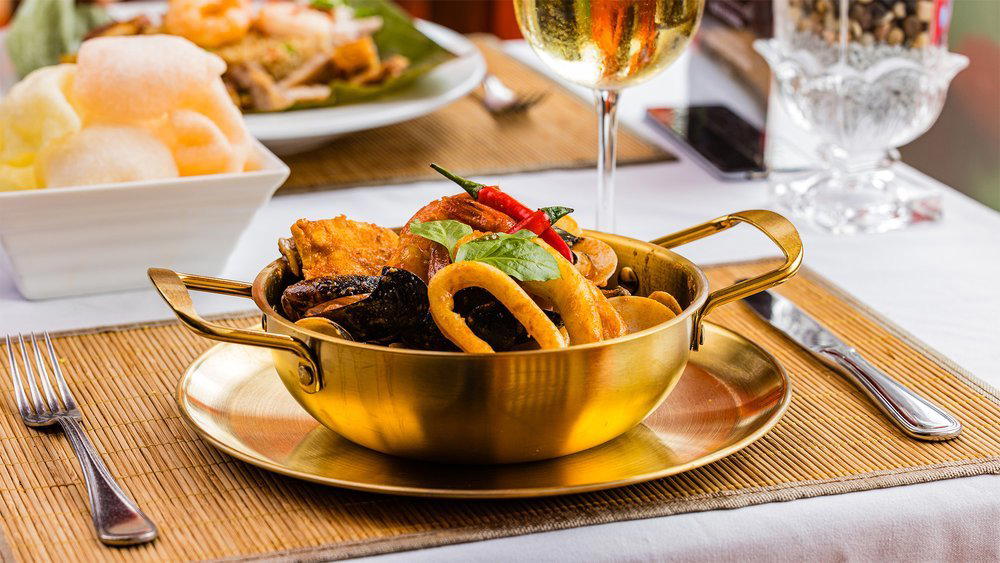
Restaurants in Oranjestad West
Browse all →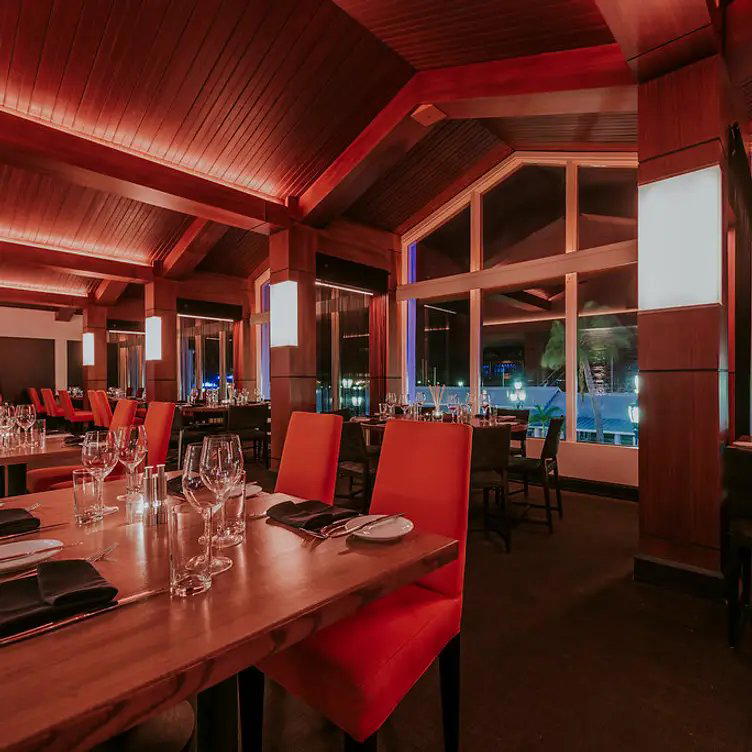
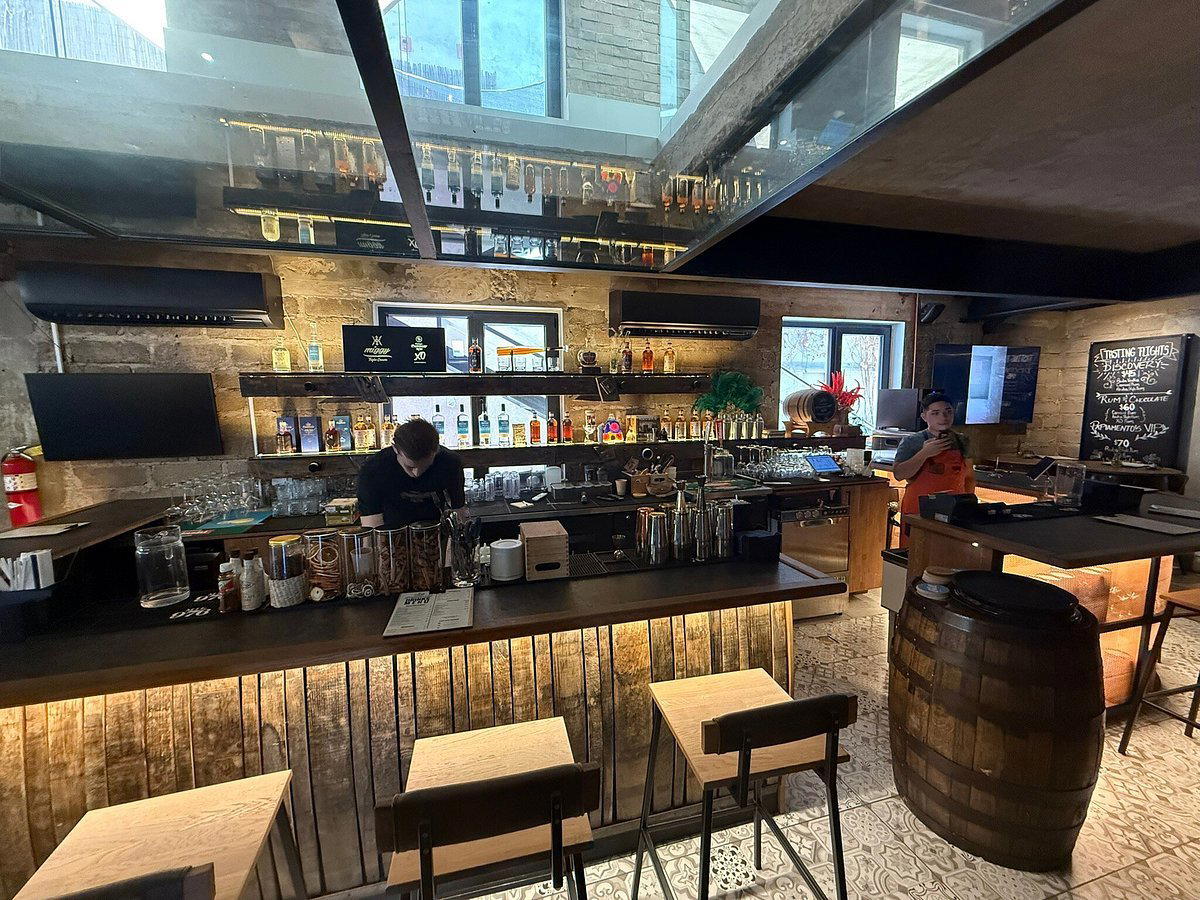
Bars in Oranjestad West
Browse all →

At a Glance
- Modern
- Elegant
- Special Occasion
- Celebration
- Waterfront
- Hotel Restaurant
- Local Sourcing
- Waterfront
Current opening hours
- Monday
- 7–11 AM, 12–3:30 PM, 5:30–11 PM
- Tuesday
- 7–11 AM, 12–3:30 PM, 5:30–11 PM
- Wednesday
- 7–11 AM, 12–3:30 PM, 5:30–11 PM
- Thursday
- 7–11 AM, 12–3:30 PM, 5:30–11 PM
- Friday
- 7–11 AM, 12–3:30 PM, 5:30–11 PM
- Saturday
- 7–11 AM, 12–3:30 PM, 5:30–11 PM
- Sunday
- 7–11 AM, 12–3:30 PM, 5:30–11 PM
Hours can change for holidays and private events. Last verified .
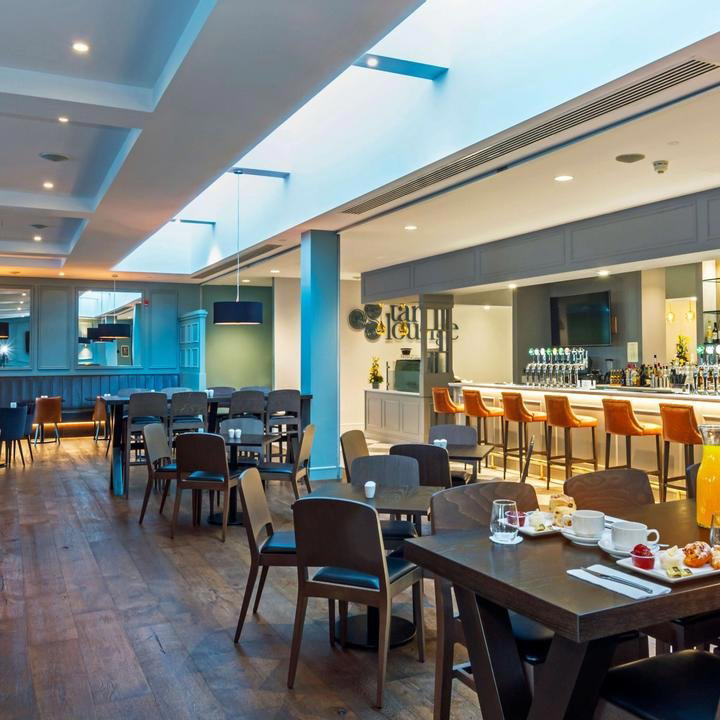
Contemporary atmosphere featuring light woods, stainless steel, soothing blues, sleek wood, glass, and metal with marina views.