Kamini's Kitchen
"At this colorful eatery in San Nicolas, the owner, chef, and namesake crafts piquant sauces to accompany a variety of fresh seafood and meat. The curry goat-and-chicken roti (spicy stew wrapped in flat bread) is a top choice, as is the fried red snapper with Creole sauce. Shrimp with red beans in garlic sauce also can’t be missed. The atmosphere is as friendly and laid-back as one would expect in a Caribbean family home. Just don’t ask Kamini for recipes, her sauces are closely guarded."
Pearl is the En Primeur Club membership app — saves, bookings, and concierge access live there. Same editors, same standards.
- Address
- St. Christoffelbergweg, San Nicolas, Aruba
- Phone
- +297 587 1398
- Directions
- Get directions
 Saves & bookings on Pearl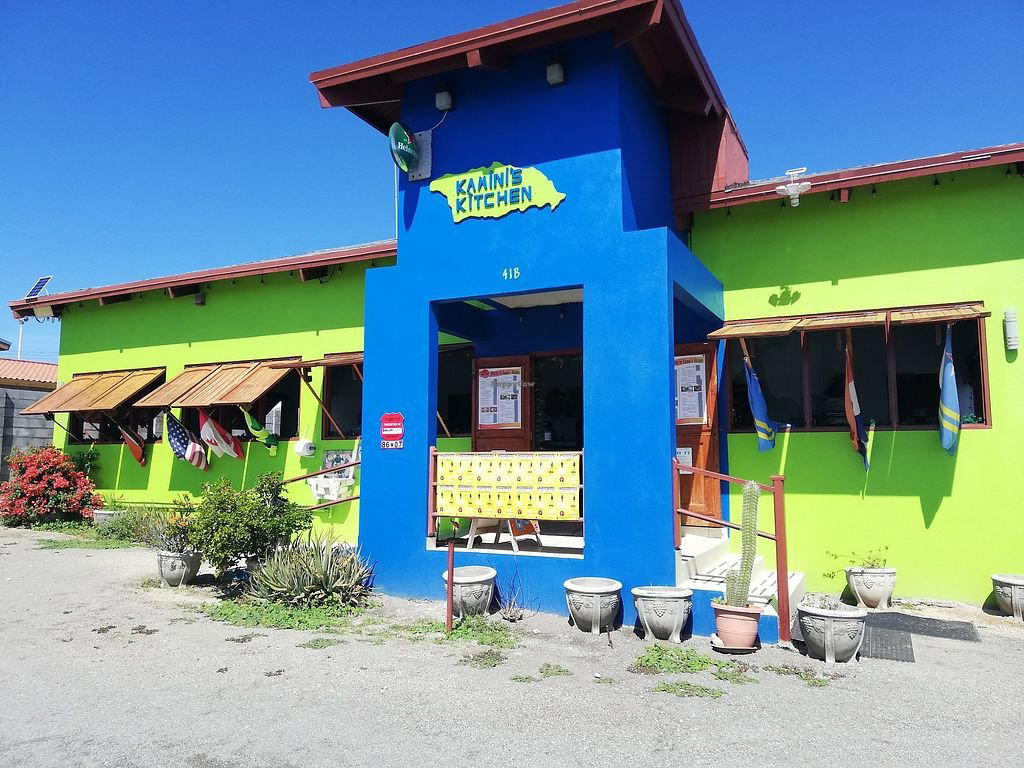
San Nicolas and the Case for Neighborhood Cooking
San Nicolas sits at Aruba's southern tip, a working port town that has historically operated at a remove from the resort corridor in Palm Beach and Eagle Beach. The town's character is shaped by its refinery history and a genuinely mixed population, which has, over decades, produced a food culture less oriented toward tourist menus and more toward the kind of cooking that feeds actual communities. Kamini's Kitchen, on St. Christoffelbergweg, belongs to that tradition. Approaching it, you are already reading a different Aruba than the one advertised on hotel shuttles.
The sourcing question in Aruba is structural, not incidental. The island produces almost nothing at agricultural scale, which means every restaurant on the island is making a decision about where its ingredients come from and how much that matters. The tourist-facing tier generally resolves this with imported product, standardized supply chains, and menus calibrated to international expectations. The neighborhood tier tends to resolve it differently, working with what is available locally, regionally, or through small-scale Caribbean trade networks. That distinction shapes what ends up on the plate more than any single chef decision.
What Ingredient Reality Looks Like in the Southern Caribbean
Aruba's culinary tradition draws on Dutch colonial administration, Venezuelan proximity, and a history of migration from across the Caribbean and beyond. The island sits just 25 kilometers off the Venezuelan coast, which has historically made it a conduit for ingredients, techniques, and people moving between South America and the wider Caribbean. Goat, fish, plantain, corn, and local herbs like yerba di hole have long formed the backbone of Aruban home cooking, not as heritage performance but as practical, available, affordable food.
Restaurants in San Nicolas that operate in this register tend to source through a combination of local fishermen, small-scale regional suppliers, and whatever arrives through the island's modest agricultural sector. This is not farm-to-table in the Napa Valley sense, where provenance is a marketing category. It is more constrained and less self-conscious than that: you cook with what exists, and what exists is shaped by geography, economics, and the rhythms of the Caribbean trade. For a reader accustomed to seeing sourcing presented as a premium signal at places like Atelier Moessmer Norbert Niederkofler in Brunico or Piazza Duomo in Alba, where hyper-local sourcing is a Michelin-acknowledged editorial statement, the neighborhood equivalent in San Nicolas makes a quieter but structurally similar argument: that proximity to ingredients produces a different kind of cooking than supply-chain distance does.
The San Nicolas Dining Context
San Nicolas has a smaller and less documented restaurant scene than Oranjestad, Aruba's capital, where venues like City Garden Bistro de Suikertuin and Aquarius operate with broader visibility and a more established tourist following. The trade-off is real: San Nicolas offers fewer options, less certainty of hours and availability, and less infrastructure for the kind of organized dining experience that comes with a reservation system and a website. What it offers instead is a closer read on how Arubans actually eat.
Within that context, Kamini's Kitchen occupies the neighborhood-kitchen tier. It is not the only option in the area: Gerry's Grill at Robinsons Ilocos in San Nicolas represents a different format, and the broader San Nicolas restaurant scene is best understood as a cluster of small, locally oriented operations rather than a competitive dining market with clear tiers. The comparison set for Kamini's Kitchen is not Le Bernardin or Uliassi in Senigallia. It is the broader category of Caribbean neighborhood cooking, where value is measured in community function and ingredient honesty rather than tasting menu architecture.
Further along the island's coastline, Daily Fish in Noord represents the fish-forward, locally sourced format in a different neighborhood register, and the contrast between that and the restaurant illustrates how Aruba's food culture varies meaningfully by district.
Planning a Visit to Kamini's Kitchen
The restaurant is walk-in friendly and open Monday, Wednesday through Sunday from 12 to 7:30 PM, with Tuesday closed. The practical approach is to arrive in San Nicolas mid-morning or early afternoon, when small local spots are most likely to be in preparation or early service, and to ask locally for current status. The address on St. Christoffelbergweg places it within the walkable core of San Nicolas, a town small enough that a short conversation with anyone nearby will orient you quickly.
Travelers who have built itineraries around confirmed reservations at high-certainty venues, the way one might plan around Lazy Bear in San Francisco or Atomix in New York, will need to recalibrate expectations here. The restaurant is not that kind of operation. The interest is in experiencing a different layer of Aruban food culture, not in receiving a managed dining experience. Readers who find that trade-off worthwhile are the right audience for this address.
Dal Pescatore in Runate, Reale in Castel di Sangro, HAJIME in Osaka, Quattro Passi in Marina del Cantone, Waterside Inn in Bray, Le Calandre in Rubano, and Emeril's in New Orleans all carry the kind of institutional documentation that a neighborhood kitchen in San Nicolas will not. The comparison is not a slight; it is a category distinction. Both matter to a complete picture of how food cultures work.
- curry goat and chicken roti
- fried red snapper with Creole sauce
- shrimp with red beans in garlic sauce
- curry bami
- oxtail stew
- grouper
- plantains
Comparable Spots, Quickly
Comparable venues nearby, for context on price, style, and recognition.
| Venue | Cuisine | Price | Notes |
|---|---|---|---|
| Kamini's KitchenThis venue — the venue you are viewing | Caribbean & Trinidadian Comfort Food | $$ | Not listed |
| Chicken & Lobster | Caribbean Rotisserie Chicken & Seafood | $$ | Palm Beach |
| Quinta del Carmen | Dutch Caribbean Seafood | $$$ | Bubali |
| The Vue Rooftop | Caribbean Fusion Rooftop | $$$ | Noord |
| Matthew's beachside restaurant | Caribbean Seafood | $$$ | Eagle Beach |
| Aquarius | Caribbean Seafood Buffet | $$$ | Oranjestad West |
Continue exploring
More in San Nicolas
Restaurants in San Nicolas
Browse all →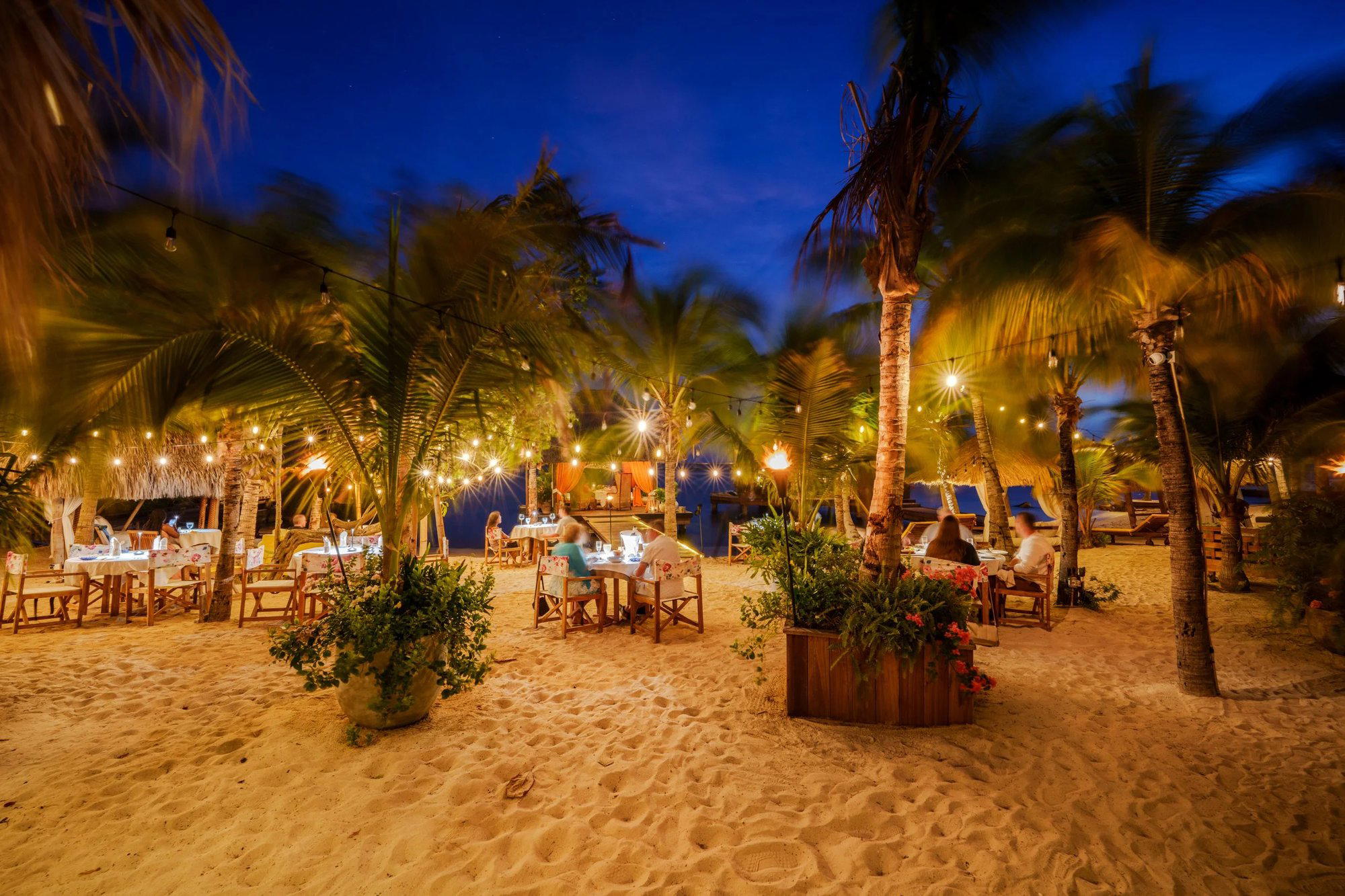
Bars in San Nicolas
Browse all →
At a Glance
- Lively
- Cozy
- Rustic
- Casual Hangout
- Group Dining
- Family
- Live Music
- Standalone
- Beer Program
- Local Sourcing
Current opening hours
- Monday
- 12–7:30 PM
- Tuesday
- Closed
- Wednesday
- 12–7:30 PM
- Thursday
- 12–7:30 PM
- Friday
- 12–7:30 PM
- Saturday
- 12–7:30 PM
- Sunday
- 12–7:30 PM
Hours can change for holidays and private events. Last verified .
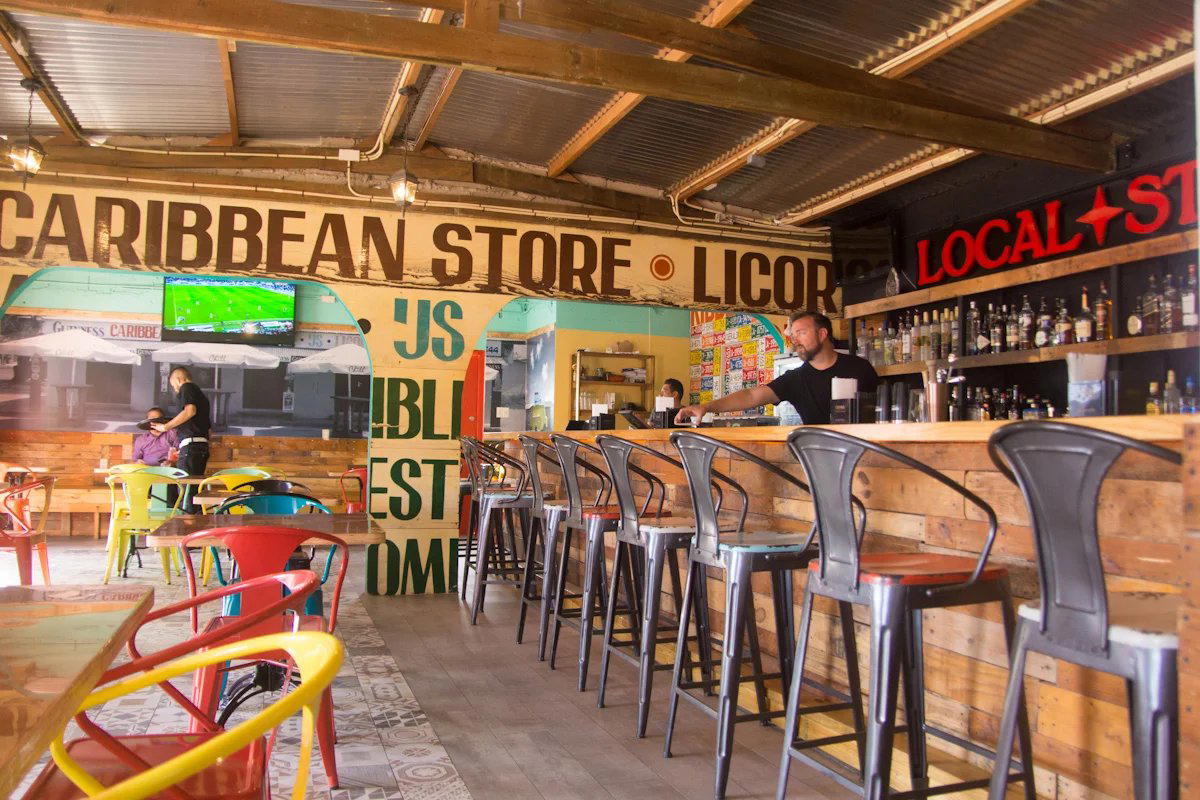
Warm, welcoming, and laid-back island atmosphere with live Caribbean-inspired music and steel drum beats; the vivid blue and green exterior glows at night like a beacon, creating an energetic yet homey dining environment.