The Old Clam House
San Francisco's oldest continually operating seafood restaurant, The Old Clam House has anchored Bayshore Boulevard since 1861, outlasting earthquakes, Prohibition, and a dozen food revolutions in between. The kitchen leans on Bay Area shellfish tradition, where clam chowder and cioppino carry more historical weight than tasting menus. For those tracking how this city eats, not just how it performs, this is a reference point worth knowing.
Pearl is the En Primeur Club membership app — saves, bookings, and concierge access live there. Same editors, same standards.
- Address
- 299 Bayshore Blvd, San Francisco, CA 94124
- Phone
- +14156952866
- Website
- theoldclamhouse.com
- Directions
- Get directions
 Saves & bookings on Pearl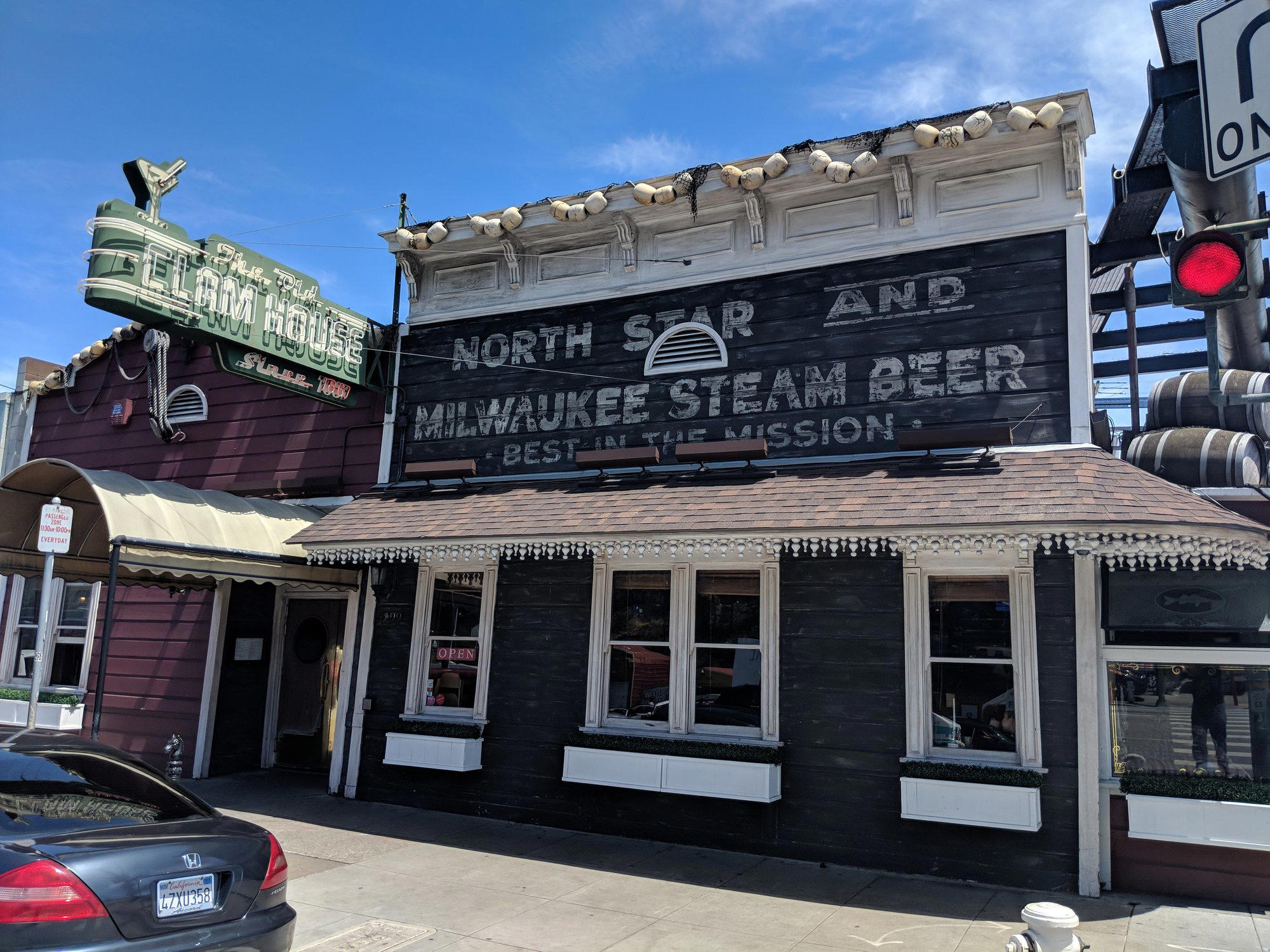
San Francisco's Seafood Baseline, Still Running Since 1861
American dining has a complicated relationship with longevity. The restaurants that survive multiple generations often do so by calcifying into nostalgia rather than by staying relevant, trading on sentiment when the cooking loses its edge. The Old Clam House at 299 Bayshore Boulevard sits at the opposite end of the city's dining map from the tasting-menu circuit that includes Lazy Bear, Atelier Crenn, and Benu, and its appeal rests on a different premise entirely. Founded in 1861, it holds a credible claim to being San Francisco's oldest continually operating restaurant. That timeline is worth sitting with before you order.
The address itself tells part of the story. Bayshore Boulevard runs through Dogpatch and into the southeast industrial fringe, far from the tourist circuits of Fisherman's Wharf and the concentrated restaurant density of the Mission or Hayes Valley. For visitors building itineraries around San Francisco's most decorated tables, including Quince or Saison, this requires a deliberate detour. That detour is part of the editorial point: the restaurants that define a city's character are not always the ones winning awards in a given decade.
What the Lunch-Dinner Divide Reveals About the Place
Across American seafood houses with genuine age on them, the lunch-dinner divide tends to reveal which version of a restaurant is closest to its original purpose. Lunch at an old-school seafood counter is typically the working version of the room: faster service, lighter checks, more locals than tourists, and food that reads as sustenance rather than occasion. Dinner is when the room performs for itself, when portions expand and the kitchen has more time to prepare the dishes that anchor the reputation.
At The Old Clam House, this split carries particular weight given the restaurant's industrial neighborhood context. Lunchtime service historically draws from the working population of the surrounding area, and the format at that hour tends toward the direct: chowder, fried shellfish, direct preparations that don't require much ceremony. The evening shift shifts registers. The clam dishes and Bay Area seafood preparations that have defined the kitchen across its long run take on more prominence as the room fills with diners who have come specifically for them rather than stumbled in on a lunch break. San Francisco's seafood tradition, which runs from the Dungeness crab boats of the bay to the cioppino that Italian fishing communities introduced in the mid-nineteenth century, finds a different expression at lunch and at dinner, and The Old Clam House captures both registers within a single address.
For context, the cioppino tradition that restaurant belongs to is the same one that informed how coastal American seafood restaurants across multiple generations understood shellfish cookery. Restaurants at the other end of the country's fine-dining spectrum, from Le Bernardin in New York City to Providence in Los Angeles, build their seafood programs on classical European frameworks. The San Francisco clam house tradition is something different: plainer in technique, more dependent on the quality of the bay's shellfish than on the skill of the sauce work, and rooted in immigrant cooking rather than in European fine dining.
Placing It in the American Dining Timeline
An 1861 founding date gives the restaurant the kind of timeline that few American restaurants can match. To put that in peer-set terms: Emeril's in New Orleans opened in 1990. Alinea in Chicago in 2005. The French Laundry in Napa in its current form from 1994. Even Blue Hill at Stone Barns in Tarrytown, which frames itself around agricultural permanence, opened in 2004. The restaurant predates all of them by decades or a century. That doesn't make it a better restaurant than Single Thread Farm in Healdsburg or Addison in San Diego, but it places it in a separate category, one where the editorial value is historical rather than comparative on a cooking technique or tasting-menu format basis.
This kind of institutional age is rare enough in American dining that it tends to attract a specific type of visitor: the reader who wants to understand how a city's food culture accumulated over time, not just its current peak expression. The same instinct that sends a serious diner to Bacchanalia in Atlanta to understand that city's fine-dining foundation, or to The Inn at Little Washington to read an independent American restaurant's trajectory across decades, applies here. Historical restaurants function as data points about what a city valued before it started optimizing for international recognition.
Planning a Visit: Practical Considerations
The restaurant sits at 299 Bayshore Boulevard in the Dogpatch-adjacent industrial corridor, which means transportation planning is worth doing in advance. The address is accessible by car without difficulty, but riders relying on public transit or ride-share should account for the distance from central San Francisco neighborhoods. For visitors scheduling a full day in the city, pairing an early visit here with afternoon time in the Mission or SoMa is a reasonable routing. The restaurant is walk-in friendly and typically opens daily from 11:30 AM to 9:30 PM.
The seasonal angle matters here more than at many restaurants of similar format. San Francisco Bay seafood follows Dungeness crab season (which typically runs from mid-November through June), and a restaurant built on local shellfish cookery operates differently when the bay's primary crustacean is in season versus when it is not. Visiting in the November-to-spring window, when Dungeness is available and Bay Area seafood is at its broadest, is the version of the experience most aligned with the restaurant's historical identity.
Comparable Options
Comparable venues nearby, for context on price, style, and recognition.
| Venue | Cuisine | Price | Notes |
|---|---|---|---|
| The Old Clam HouseThis venue — the venue you are viewing | Classic San Francisco Seafood | $$ | Not listed |
| Pier 23 Cafe Restaurant & Bar | Classic San Francisco Seafood | $$ | Financial District/South Beach |
| Sam's Grill | Classic San Francisco Seafood | $$ | Financial District/South Beach |
| Scoma’s | Classic San Francisco Seafood | $$$ | North Beach |
| Capurro's | Italian Seafood | $$ | Russian Hill |
| PPQ Dungeness Island | Vietnamese Seafood | $$ | Outer Richmond |
Continue exploring
More in San Francisco
Restaurants in San Francisco
Browse all →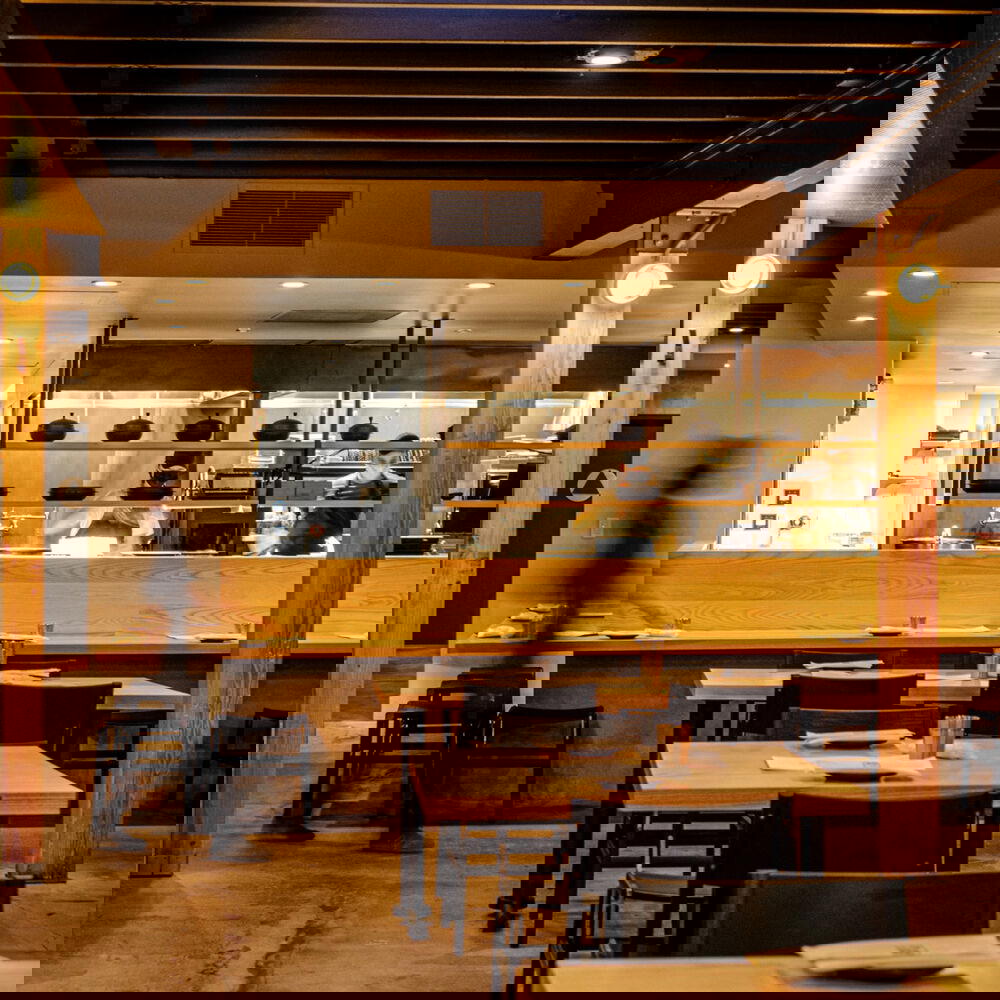
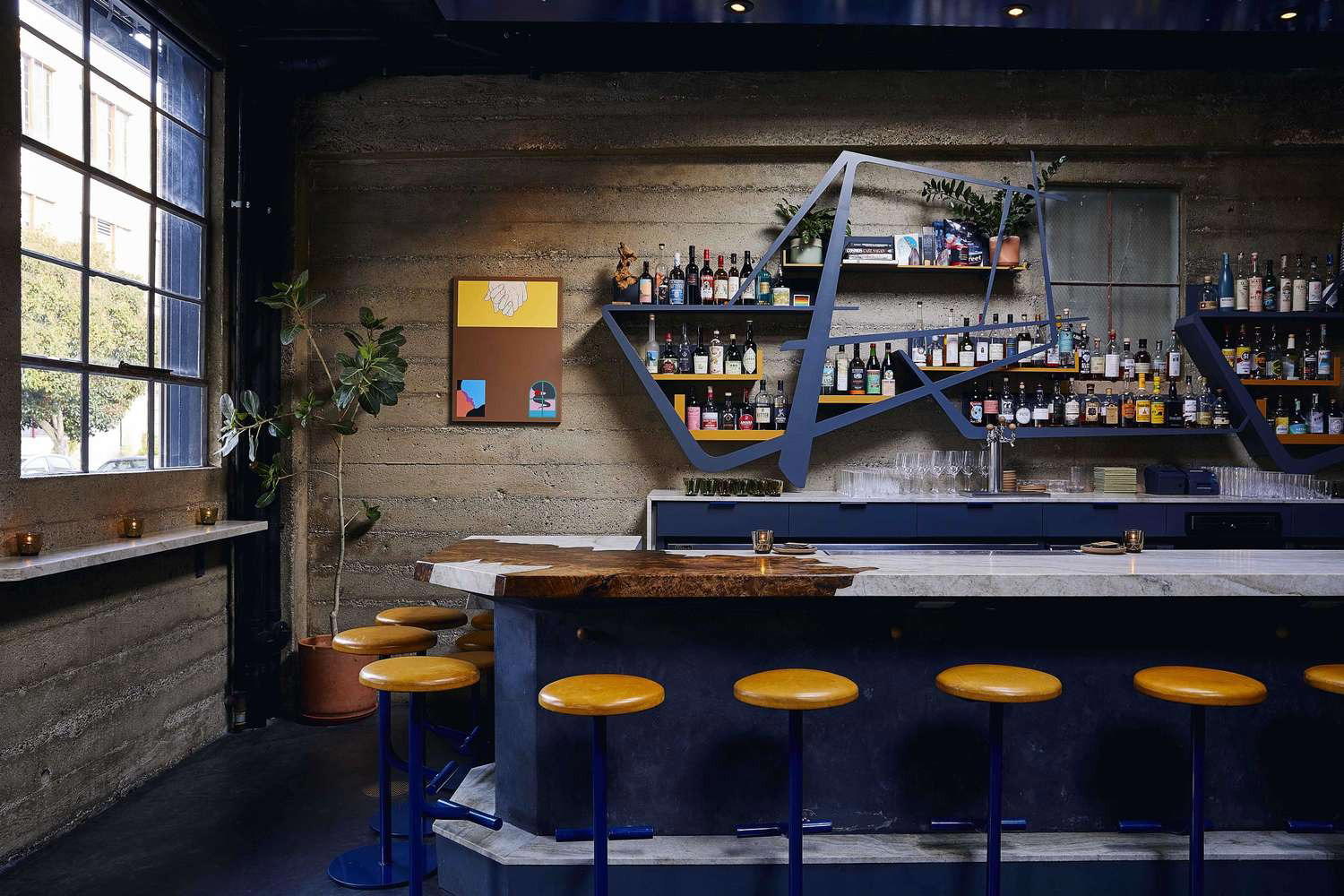
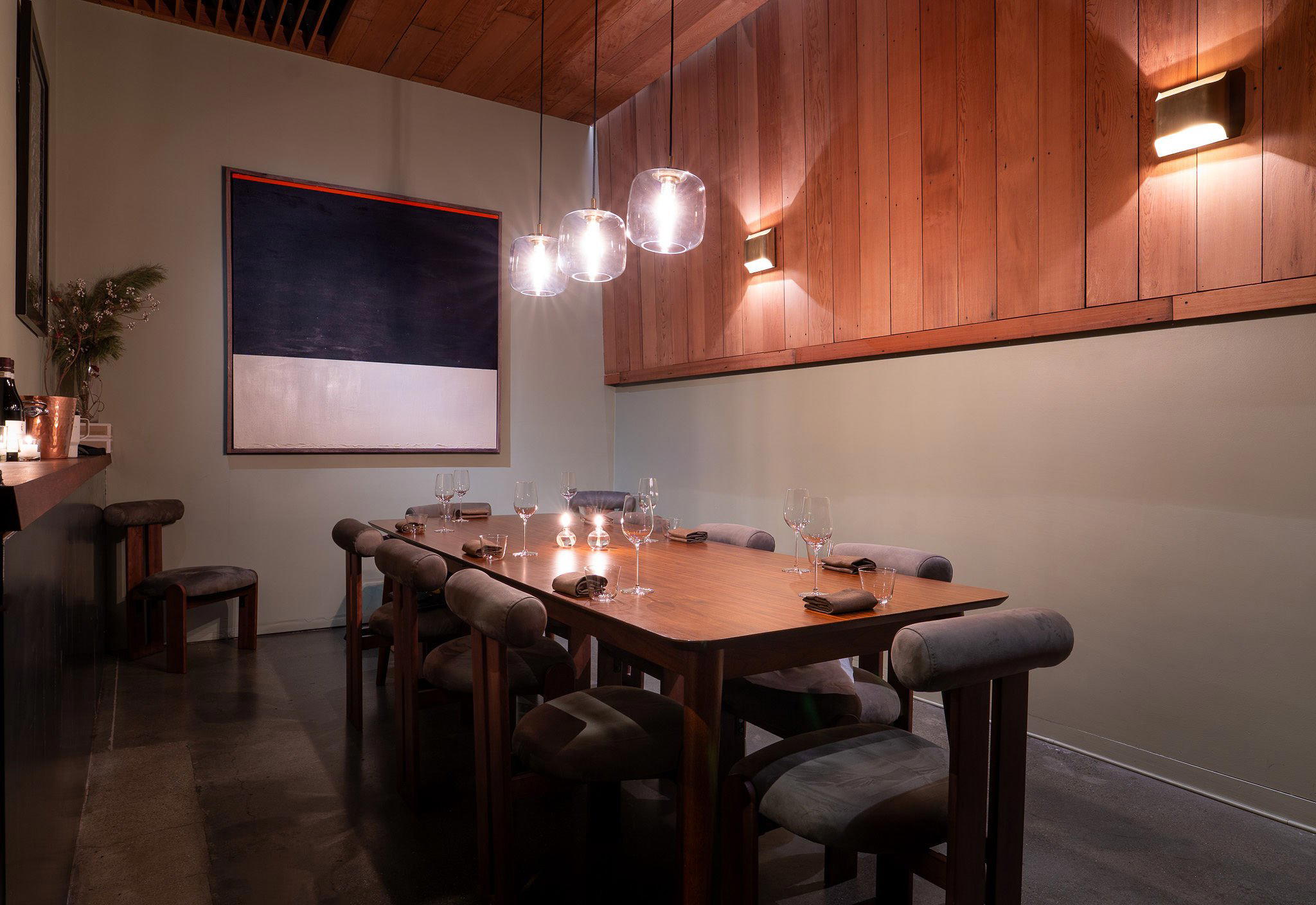
Bars in San Francisco
Browse all →
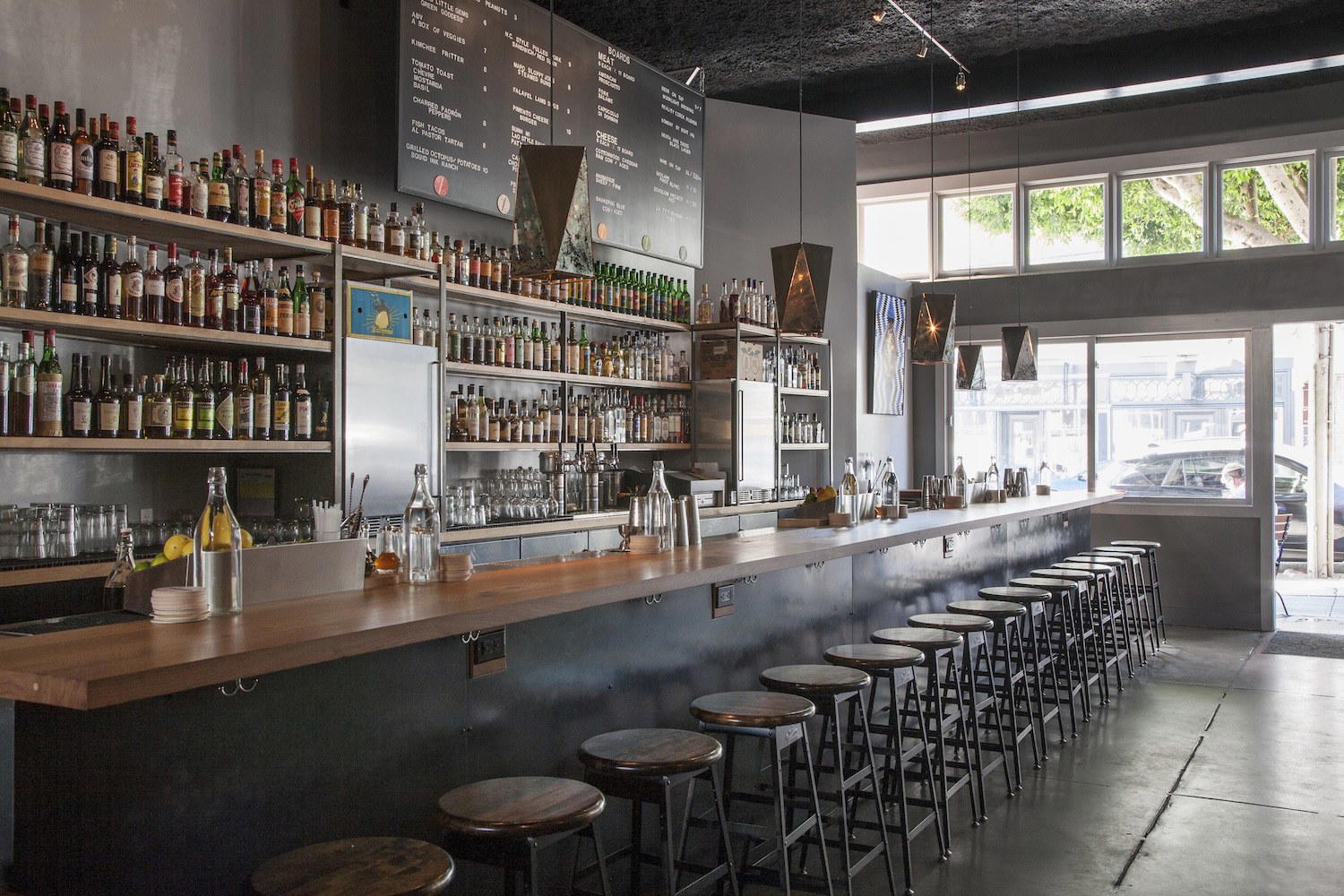
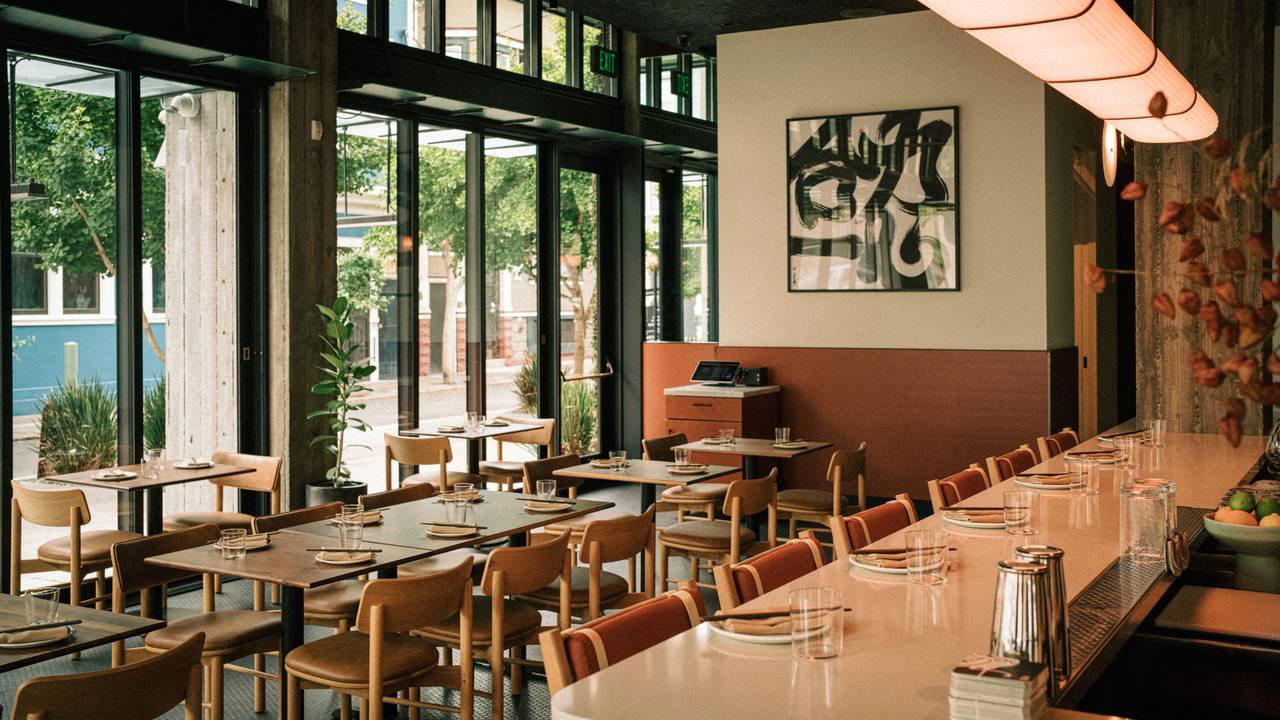
Hotels in San Francisco
Browse all →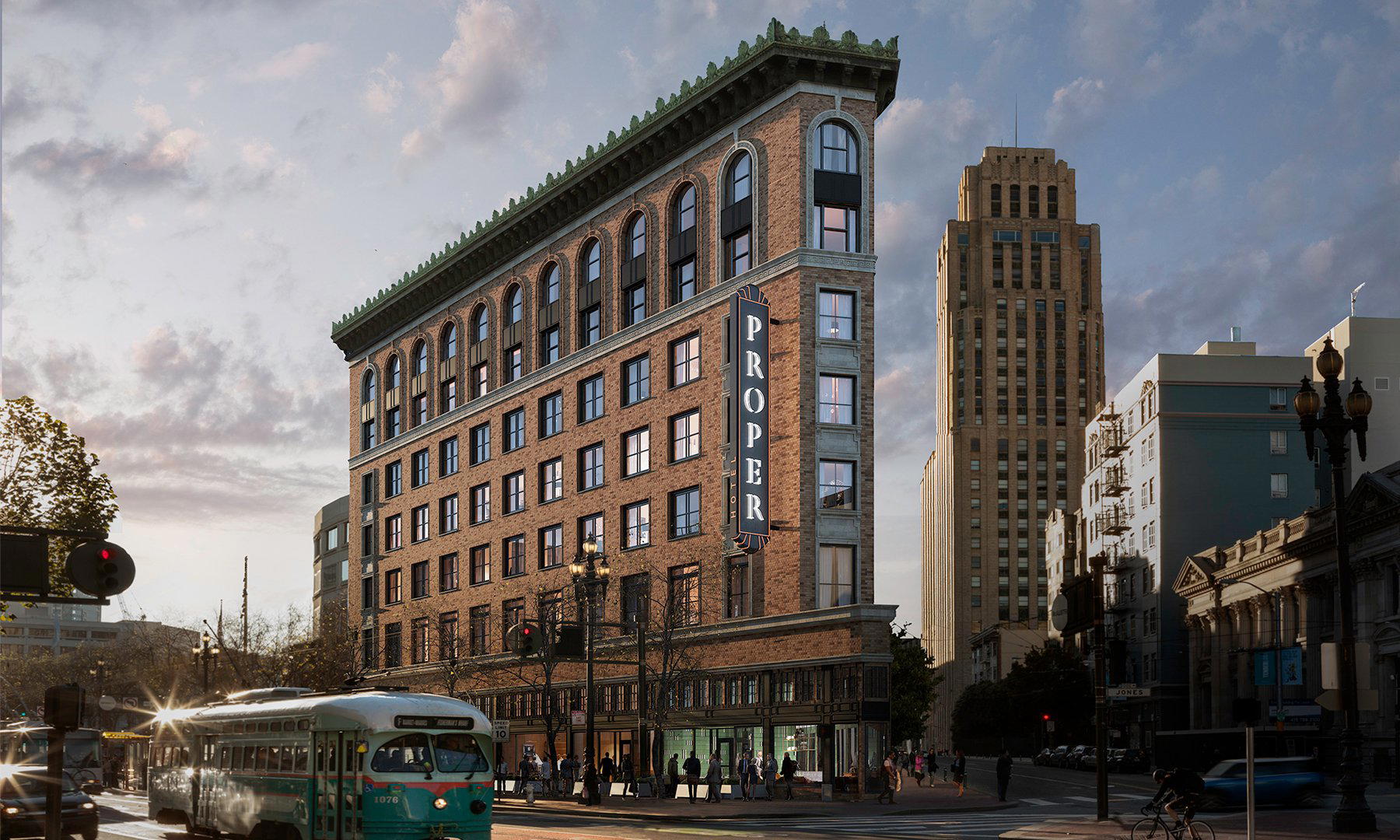

At a Glance
- Classic
- Cozy
- Rustic
- Well Known
- Casual Hangout
- Family
- Historic Building
Current opening hours
- Monday
- 11:30 AM–9:30 PM
- Tuesday
- 11:30 AM–9:30 PM
- Wednesday
- 11:30 AM–9:30 PM
- Thursday
- 11:30 AM–9:30 PM
- Friday
- 11:30 AM–9:30 PM
- Saturday
- 11:30 AM–9:30 PM
- Sunday
- 11:30 AM–9:30 PM
Hours can change for holidays and private events. Last verified .
Comfortable and relaxing dining rooms with old-school, homey, cozy atmosphere featuring nautical theme and warm hospitality.