The Maharaja
Our verdict
The Maharaja focuses on Royal North Indian cooking, with craft cocktails and an open kitchen that fit a smart casual lunch or dinner in Cambridge.

Pearl is the En Primeur Club membership app — saves, bookings, and concierge access live there. Same editors, same standards.
- Address
- 57 John F. Kennedy St, Cambridge, MA 02138
- Phone
- (617) 547-2757
- Hours
- Mon–Thu 11:30 AM–9:30 PMFri 11:30 AM–10:30 PMSat 12–10:30 PMSun 12–9:30 PM
- Website
- maharajaboston.com
- Directions
- Get directions
- Booking
- Book on OpenTable
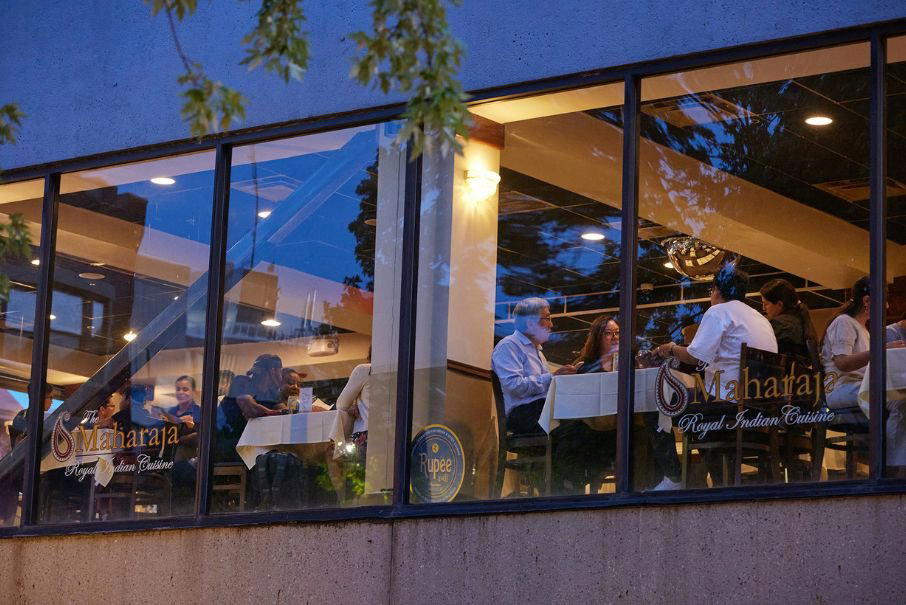
Harvard Square and the Indian Table
John F. Kennedy Street in Cambridge runs through the commercial heart of Harvard Square, a stretch that has sustained an unusually dense mix of independent restaurants for decades, insulated partly by the university's foot traffic and partly by a student and faculty population that expects more than chain dining. Indian restaurants in this corridor occupy a specific niche: they serve a community with high culinary literacy and regular exposure to regional South Asian cooking through Cambridge's academic diaspora. That context shapes what a place like The Maharaja, at number 57, has to work against and work with.
Harvard Square's dining scene has narrowed somewhat over the past decade as rents have risen, pushing out mid-range independents in favor of either fast-casual formats or higher-ticket venues. The Indian category has proved more durable than most, in part because the demand is anchored to the university calendar rather than tourism peaks alone. The Maharaja sits on that Kennedy Street strip, where foot traffic from the MBTA Red Line's Harvard station feeds the lunch and dinner windows consistently.
The Ingredient Question in Indian Cooking
The most useful frame for understanding what distinguishes serious Indian cooking from adequate Indian cooking is the sourcing and handling of spice. In much of the American Indian restaurant market, spice blends arrive pre-mixed from commercial distributors, calibrated for consistency and cost rather than regional character. The alternative, practiced by kitchens that take the cuisine seriously, involves sourcing whole spices, toasting and grinding them in-house, and adjusting ratios by dish rather than applying a single house masala across the menu. The difference registers in every plate: the former produces a familiar, flattened warmth; the latter produces layered heat with specific aromatic signatures that vary course to course.
This distinction matters in Cambridge particularly because the dining public here skews toward people who have eaten widely, including in India itself, and who notice when a dal tadka tastes like the same base as the chicken tikka masala. The restaurants that have maintained reputations on this stretch are generally those where the spice handling reflects some attention to these regional differences, whether Mughal-derived preparations from the north or the coconut and tamarind-forward profiles of the south.
For context on how ingredient sourcing can define a restaurant's entire identity at the highest level, the approach at Single Thread Farm in Healdsburg and Blue Hill at Stone Barns in Tarrytown demonstrates what happens when provenance is treated as a primary editorial statement rather than a marketing footnote. The underlying logic applies across cuisines: sourcing shapes flavor, and flavor shapes reputation.
Placing The Maharaja in its competitive context means acknowledging what else operates in the immediate vicinity and what Cambridge's broader restaurant scene looks like at different price points. At the top of the city's dining tier, Midsummer House and Restaurant Twenty-Two represent the tasting-menu format at premium price brackets, with the formal credentials and booking windows to match. The Maharaja operates in a different register entirely, closer to the neighborhood-anchor category than the destination-dining category.
Across the American dining spectrum, the venues that sustain multi-decade reputations in their respective cities tend to do so through consistency rather than reinvention. Le Bernardin in New York City and The French Laundry in Napa are the obvious examples at the apex, but the same logic holds at the neighborhood level: a restaurant that has held a consistent address and consistent cooking over years builds a form of institutional trust that newer openings cannot replicate quickly. The Maharaja's longevity on Kennedy Street is itself a signal, even before the food is assessed.
Other Cambridge options that occupy adjacent but distinct niches include Afghan Flavour for Central Asian cooking, and the global tapas format at Little Donkey, which draws a different demographic entirely. For morning or afternoon sessions between meals, 1369 Coffee House is the neighborhood's most established independent cafe, while 730 Tavern, Kitchen and Patio handles the casual American bar-dining format nearby.
Planning a Visit
The Maharaja's address at 57 John F. Kennedy Street places it within a few minutes' walk of Harvard station on the MBTA Red Line, which is the most practical approach from downtown Boston or from Cambridge's own Kendall Square corridor. Kennedy Street between the square and the Charles River is walkable in all seasons, though the winter months in Cambridge, where temperatures regularly drop below freezing from December through February, make the covered indoor dining format more appealing than the warm-weather al fresco options that some nearby venues offer.
For a broader survey of what Cambridge's dining scene covers at every price point and cuisine, the EP Club Cambridge restaurants guide maps the full range. Those planning a longer itinerary through the American fine-dining circuit may also find useful reference points in Alinea in Chicago, Atomix in New York City, Providence in Los Angeles, Addison in San Diego, Lazy Bear in San Francisco, The Inn at Little Washington, and Emeril's in New Orleans, each of which anchors a distinct regional dining tradition. For international reference, 8 1/2 Otto e Mezzo Bombana in Hong Kong illustrates how European fine-dining technique translates into an Asian metropolitan context.
Frequently asked questions
What dish is The Maharaja famous for?
Do they take walk-ins at The Maharaja?
What has The Maharaja built its reputation on?
Is The Maharaja suitable for large group dinners or academic department events in Cambridge?
Credentials Lens
Comparable venues nearby, for context on price, style, and recognition.
| Venue | Cuisine | Price | Awards | Notes |
|---|---|---|---|---|
| The MaharajaThis venue — the venue you are viewing | Royal North Indian | $30–50 | Not listed | Not listed |
| Muqueca Restaurant | Authentic Brazilian Seafood Stews | $30–50 | Not listed | Wellington-Harrington |
| The Painted Burro - Harvard Square | Mexican Kitchen + Tequila Bar | $30–50 | Not listed | West Cambridge |
| Mothership | American Comfort Food & Cocktails | Not listed | Not listed | North Cambridge |
| ArtBar | Refined Seasonal American | $30–50 | Not listed | East Cambridge |
| Saigon Babylon | Modern Vietnamese | $50–100 | Resy Best of the Hit List | The Port |
Continue exploring
More in Cambridge
Restaurants in Cambridge
Browse all →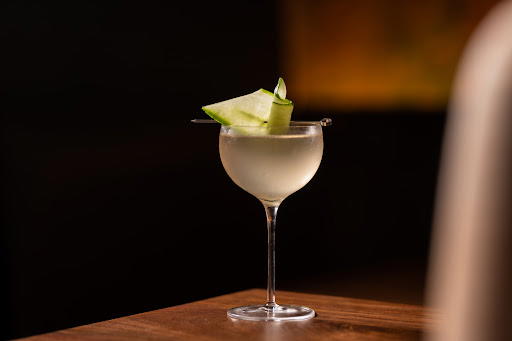
Bars in Cambridge
Browse all →
Hotels in Cambridge
Browse all →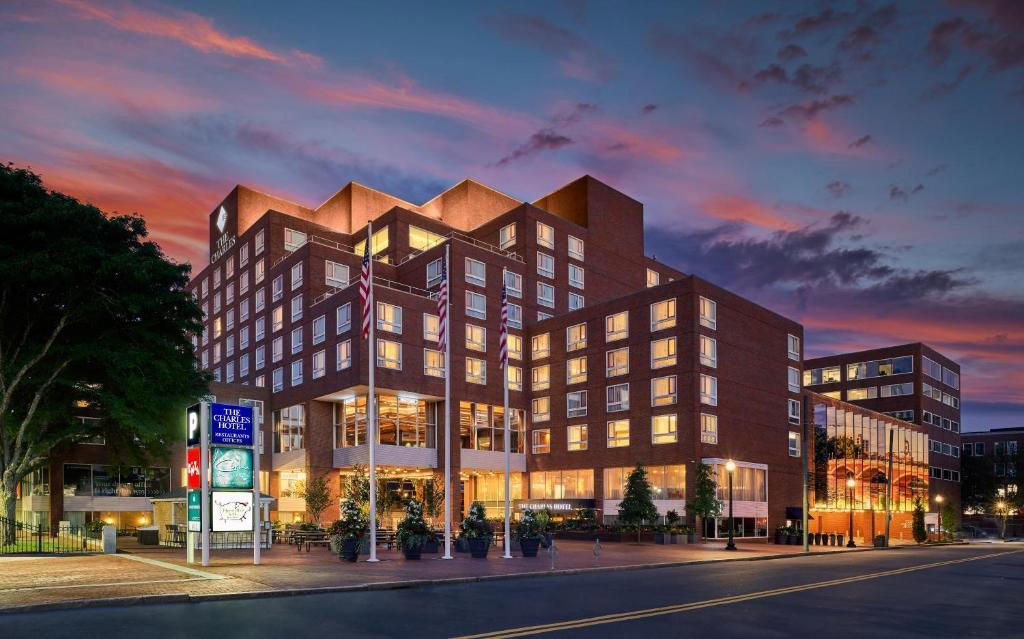
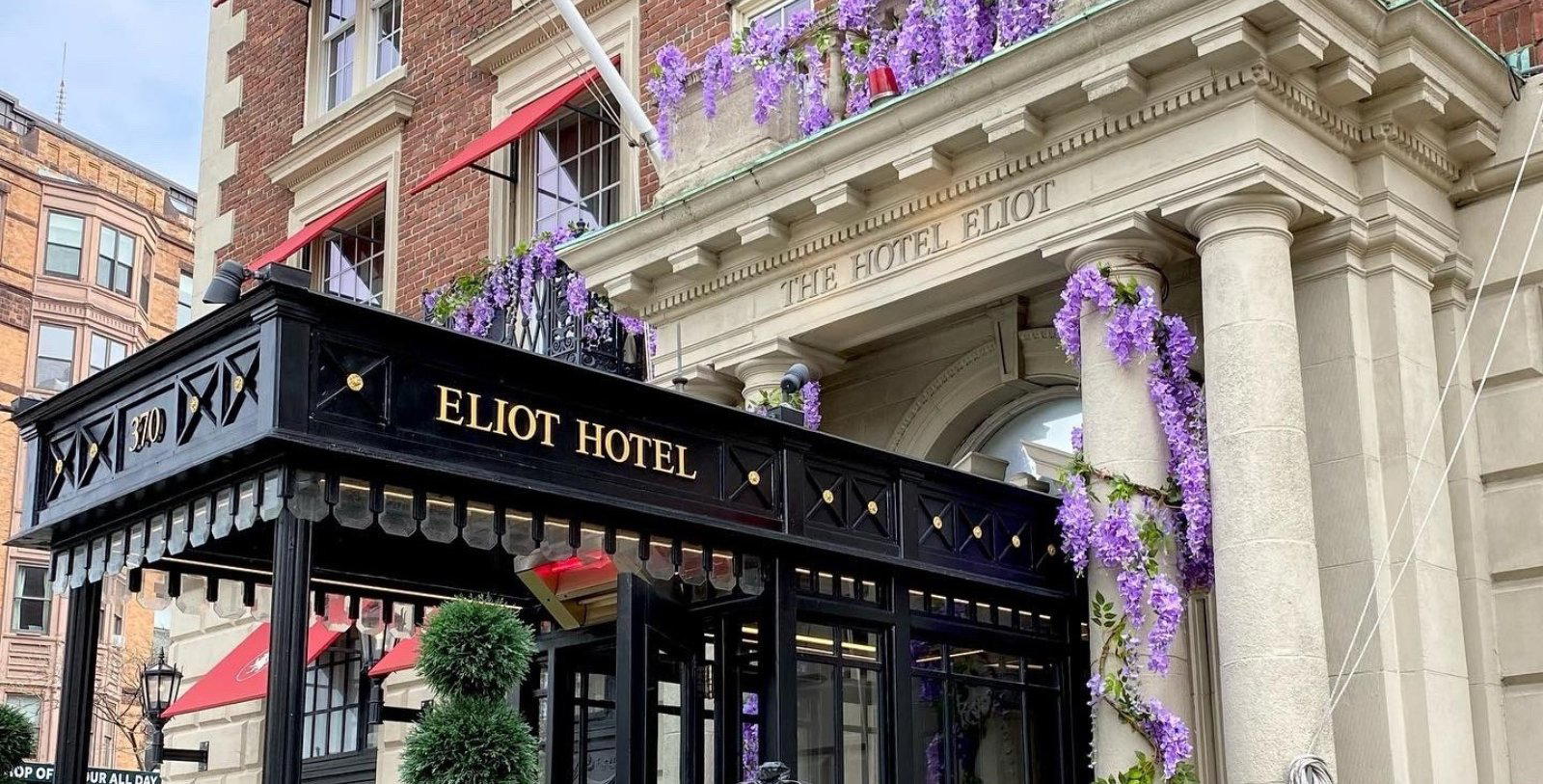
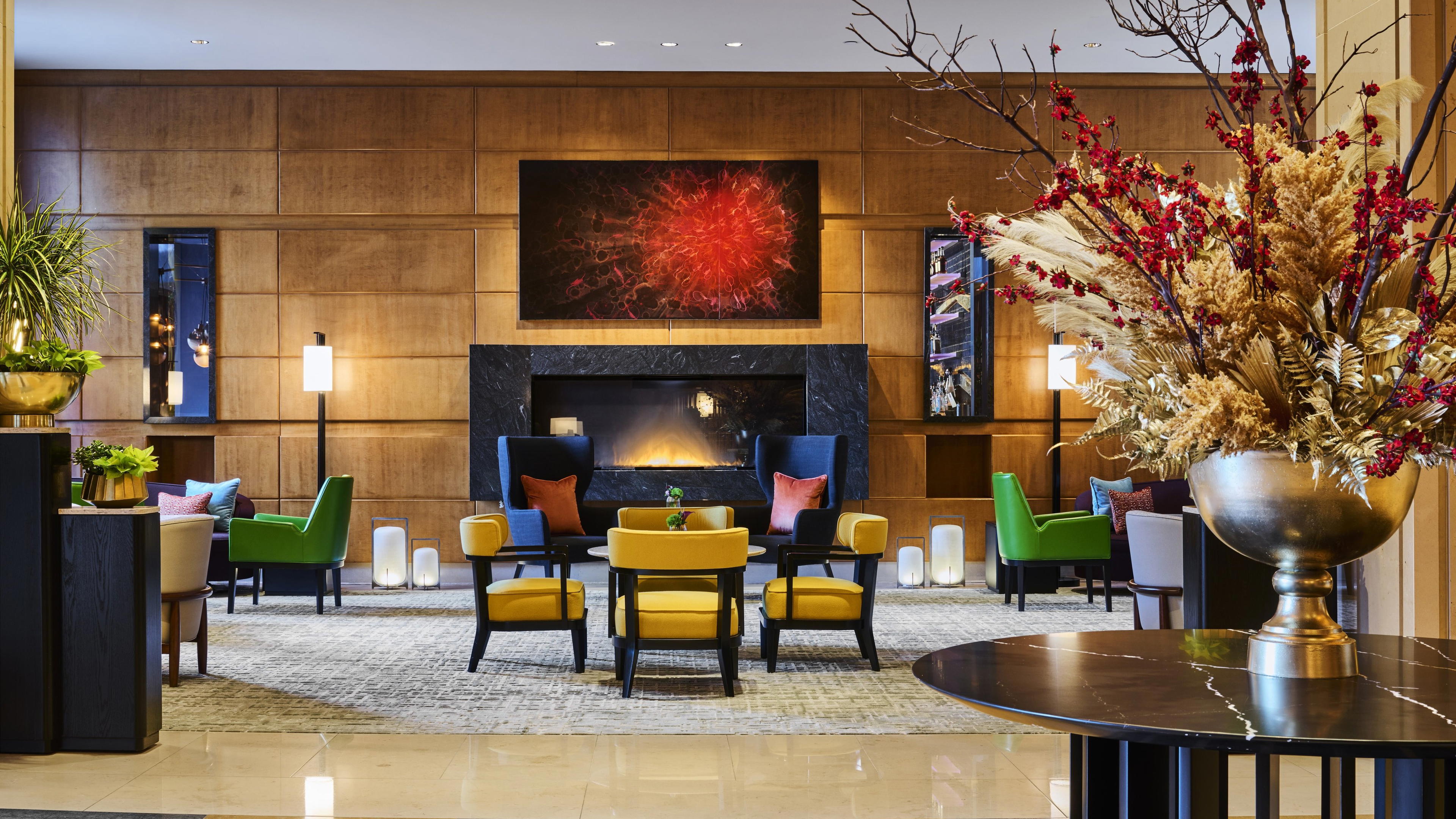
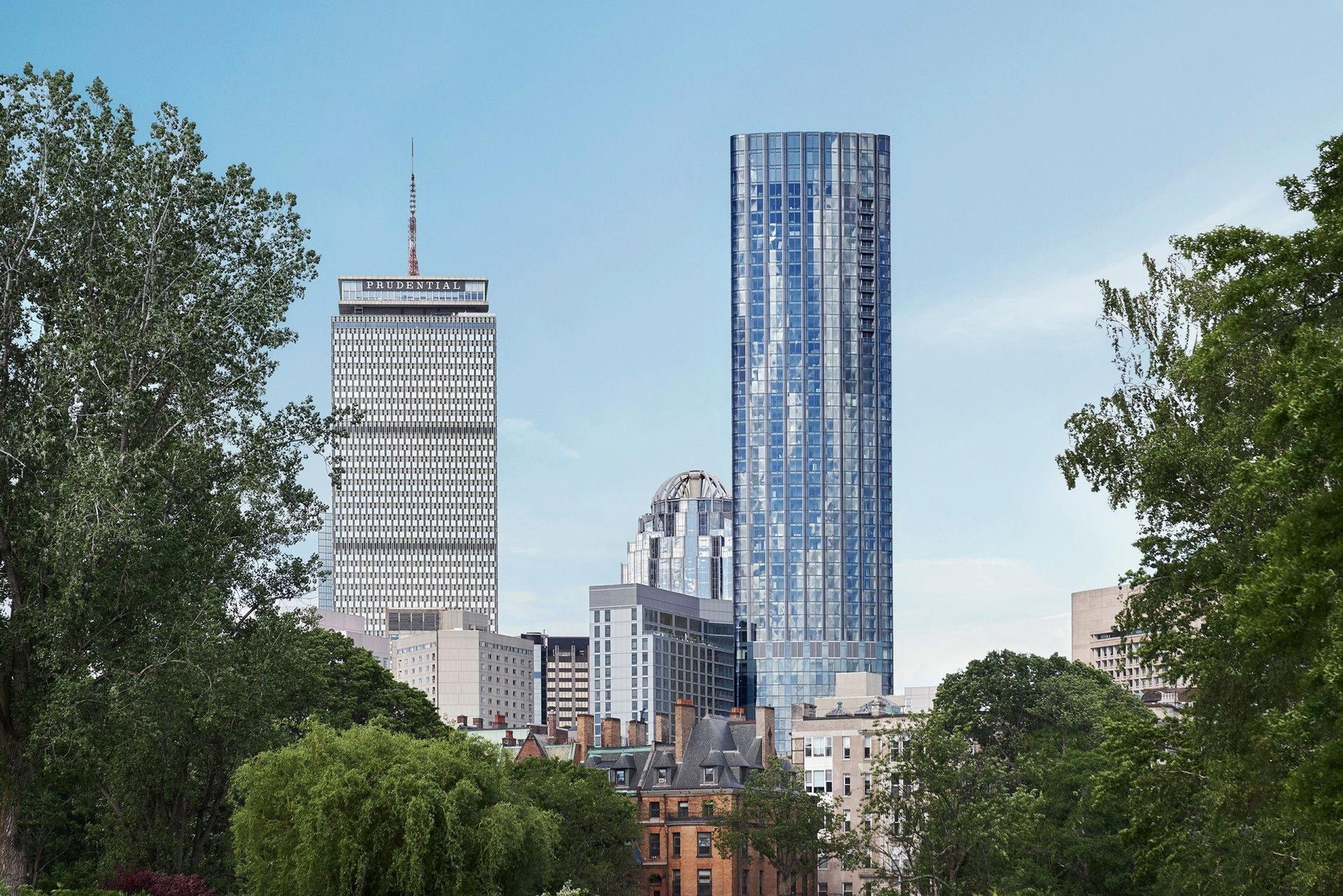
Wineries in Cambridge
Browse all →
The Maharaja
The wine
- Wine program
- Curated wine list
- Craft cocktails
Details
- Ornate
- Elegant
- Sophisticated
- Date Night
- Group Dining
- Special Occasion
- Open Kitchen
- Craft Cocktails
- Street Scene
- A La Carte
- Buffet
- Vegetarian Friendly
- Vegan Options
- Gluten Free Options
- Halal
Current opening hours
- Monday
- 11:30 AM–9:30 PM
- Tuesday
- 11:30 AM–9:30 PM
- Wednesday
- 11:30 AM–9:30 PM
- Thursday
- 11:30 AM–9:30 PM
- Friday
- 11:30 AM–10:30 PM
- Saturday
- 12–10:30 PM
- Sunday
- 12–9:30 PM
Hours can change for holidays and private events. Last verified .
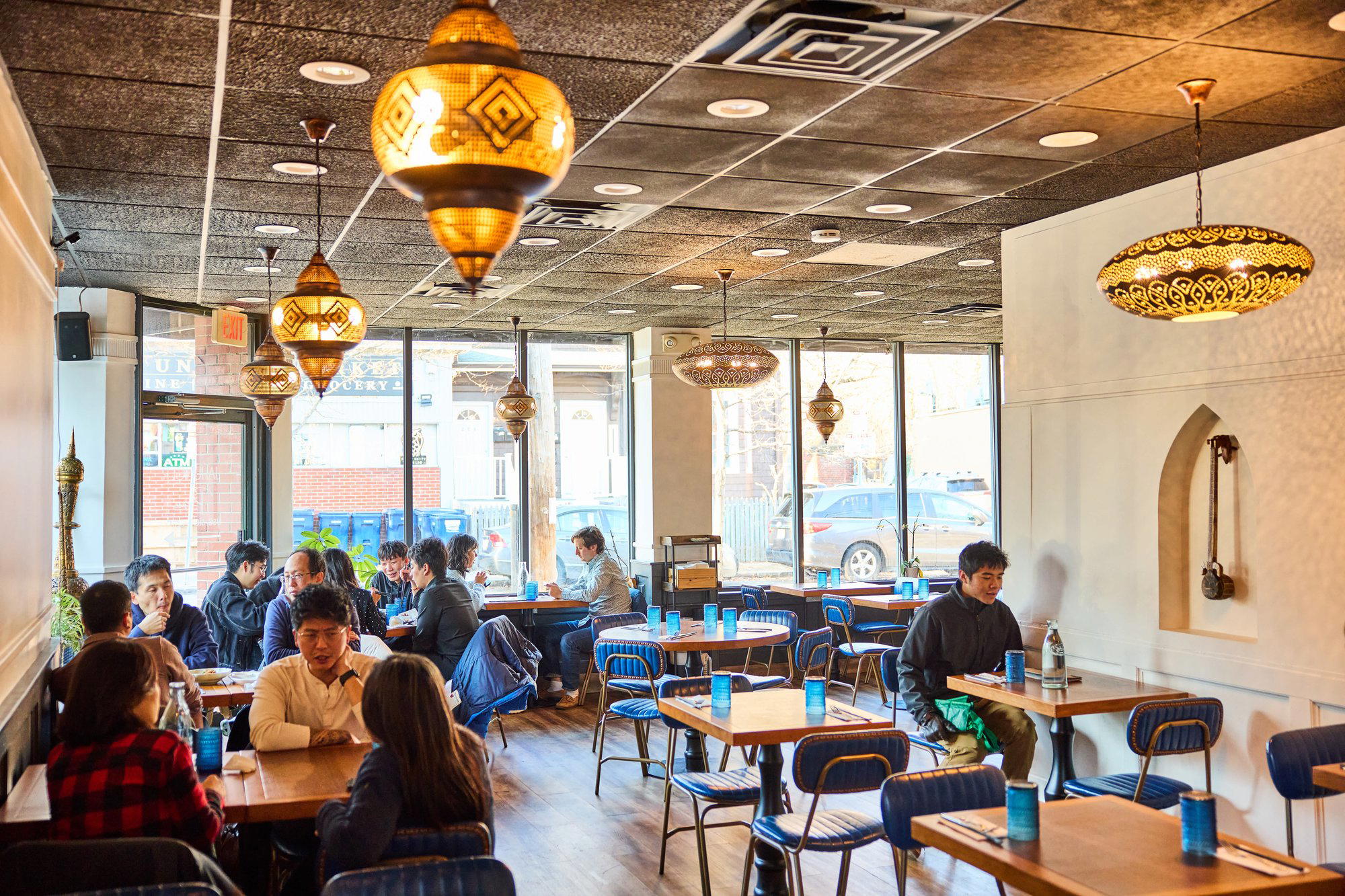
Cozy and elegant with ornate woodwork, glass tables over spice trays, and warm lighting creating a high-end, welcoming atmosphere.