On Weißekreuzstraße in central Hanover, THE LIVING - room - occupies a mid-tier position in a city whose dining scene has quietly diversified beyond its Michelin-starred flagships. The address places it in a neighbourhood where casual and creative formats coexist, making it a reference point for readers mapping Hanover's broader restaurant range against its more decorated peers.
Pearl is the En Primeur Club membership app — saves, bookings, and concierge access live there. Same editors, same standards.
- Address
- Weißekreuzstraße 31, 30161 Hannover, Germany
- Phone
- +4951160033981
- Website
- theliving.eu
- Directions
- Get directions
 Saves & bookings on Pearl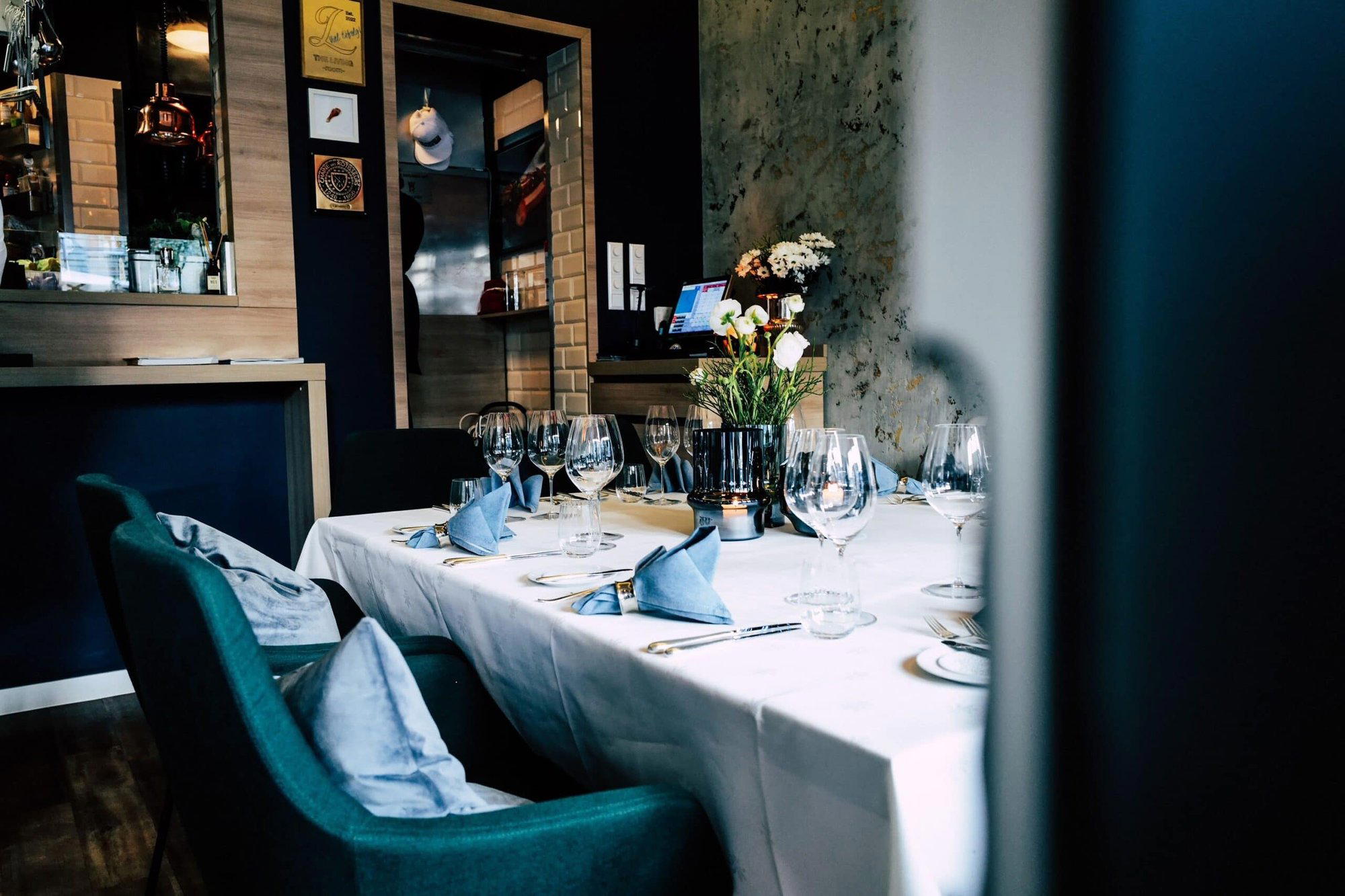
Hanover's Middle Ground: Where the City's Dining Scene Actually Lives
Germany's most decorated restaurant tables tend to cluster in the south and west, the Black Forest, the Moselle, Bavaria, leaving cities like Hanover to build their reputations through consistency rather than critical spectacle. That has changed incrementally over the past decade. Creative formats like Jante and technically grounded operations like Handwerk have given the city a more coherent fine-dining tier, while a second layer of restaurants operates below that bracket without being entry-level. THE LIVING - room -, at Weißekreuzstraße 31 in the 30161 district, sits in that second layer: a neighbourhood address in central Hanover that functions outside the city's formal awards conversation while drawing from the same urban appetite for considered dining.
Understanding where a restaurant like this sits requires understanding the street. Weißekreuzstraße runs through a residential-commercial corridor close to Hanover's city centre, the kind of address that supports regulars rather than destination tourism. In German cities, these streets often host particularly stable restaurant formats, places that survive not on novelty or critical attention but on repeat custom from people who live and work nearby. That structural reality shapes what gets cooked and how it is presented.
The Sourcing Logic Behind Mid-Tier Dining in Northern Germany
Germany's food sourcing geography is uneven. The south benefits from proximity to Alpine dairy traditions and cross-border access to Austrian and Swiss produce networks. Northern Germany operates within a different supply logic: North Sea seafood, Lower Saxony agricultural output, and a shorter growing season that concentrates quality into a narrower window. For restaurants operating in Hanover without the budget use of a multi-Michelin-starred kitchen, the kind of procurement muscle that allows places like Aqua in Wolfsburg or Schwarzwaldstube in Baiersbronn to source from premium specialty producers at scale, ingredient decisions become more local by necessity as much as philosophy.
That constraint is not a disadvantage. Some of Germany's most interesting cooking happens when kitchens work within a tight regional radius. Lower Saxony produces meaningful quantities of asparagus, potatoes, and game, and Hanover's restaurant culture has historically absorbed those ingredients into menus across price points. At a neighbourhood address like Weißekreuzstraße 31, that relationship with the local supply chain tends to be direct: smaller kitchens typically source from regional markets and shorter supply chains than their larger counterparts, which can translate into genuine seasonality rather than the curated version. Compare this approach to the hyper-local sourcing philosophies that have shaped globally recognised programs at places like JAN in Munich or ES:SENZ in Grassau, and the underlying logic is the same even if the execution and budget operate at different scales.
Hanover's Restaurant Tiers: Reading the City's Map
Hanover's dining scene in 2024 runs across a legible set of tiers. At the leading sit creative tasting-menu formats operating at €€€€, Jante is one visible example, with its creative credentials and price point that places it in a comparable bracket to recognised programs elsewhere in Germany. A tier below, at €€€, operations like Handwerk and Marie, the latter working a French register, provide technically grounded cooking without the full tasting-menu commitment. Below that, at €€, formats including Beckers and Schorse im Leineschloss handle international and French influences at accessible price points.
THE LIVING - room - addresses a readership that moves between these tiers depending on occasion. For a city without Hanover's critical mass of internationally recognised restaurants, compare the scene to Hamburg, where Restaurant Haerlin anchors a denser fine-dining ecosystem, the mid-tier does more structural work. It is where most dinners actually happen: not celebrations marked by reservation lead times counted in months, and not casual refuelling, but considered meals where the kitchen takes the food seriously without the full apparatus of a tasting-menu experience. Readers mapping the city's options will also want to cross-reference Votum and Albertz. when building an itinerary across this range.
What Neighbourhood Restaurants Reveal About a City's Eating Culture
In any serious food city, the neighbourhood restaurant is one honest indicator of baseline quality. The destination tables, the kind you find at Vendôme in Bergisch Gladbach or Victor's Fine Dining by Christian Bau in Perl, tell you what a country's kitchen talent can achieve at maximum effort. The neighbourhood restaurant tells you what people actually expect when they sit down to eat. By that measure, a street address in central Hanover that sustains a restaurant format is carrying a different kind of proof: that the surrounding population has sufficient culinary expectations to keep a kitchen running at a reasonable standard without critical scaffolding.
Germany's neighbourhood restaurant culture has been slower to modernise than its fine-dining tier. While formats like CODA Dessert Dining in Berlin have pushed creative boundaries in ways that generate international attention, and while Waldhotel Sonnora in Dreis maintains a classical register with deep institutional roots, the ordinary dining room has been slower to absorb those influences. Hanover, as a mid-sized German city with a functional rather than touristic self-image, reflects that pattern. Restaurants at the Weißekreuzstraße end of the spectrum matter precisely because they represent the level at which most of the city's eating happens, and because how well they perform that function says more about the city's food culture than its starred outliers alone can. For global reference, the gap between a city's neighbourhood standard and its destination ceiling tells you more than either point in isolation, the same dynamic that separates a New York neighbourhood bistro from the controlled precision of Le Bernardin or the conceptual rigour of Atomix.
Know Before You Go
- Address: Weißekreuzstraße 31, 30161 Hannover, Germany
- Hours: Tue to Sat, 6 to 11 PM
- Booking: Recommended
- Price range: About $75 per person
- Dress code: Smart casual
The Short List
Comparable venues nearby, for context on price, style, and recognition.
| Venue | Cuisine | Price | Notes |
|---|---|---|---|
| THE LIVING - room -This venue — the venue you are viewing | Not listed | $$$ | Not listed |
| EssKultur | Not listed | $$$$ | Mitte, Modern European Fusion Fine Dining |
| Aspera | Mitte, Authentic Turkish-Mediterranean | $$$ | Not listed |
| Beef and Reef - Hannover | Südstadt, Steakhouse with Seafood | $$$ | Not listed |
| Tru Story | Linden, Modern Vietnamese Fusion | $$ | Not listed |
| Raj | South Hanover, North Indian | $$ | Not listed |
Continue exploring
More in Hanover
Restaurants in Hanover
Browse all →
Bars in Hanover
Browse all →
Hotels in Hanover
Browse all →

At a Glance
- Intimate
- Elegant
- Modern
- Sophisticated
- Date Night
- Special Occasion
- Business Dinner
- Open Kitchen
- Standalone
Current opening hours
- Monday
- Closed
- Tuesday
- 6–11 PM
- Wednesday
- 6–11 PM
- Thursday
- 6–11 PM
- Friday
- 6–11 PM
- Saturday
- 6–11 PM
- Sunday
- Closed
Hours can change for holidays and private events. Last verified .
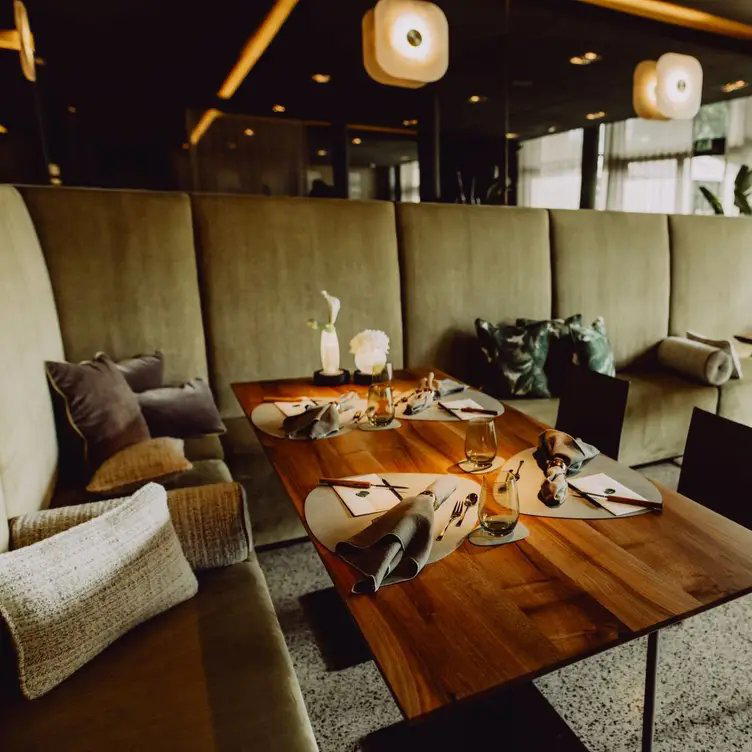
Intimate and refined atmosphere in a small, elegant restaurant in the heart of Hannover with warm, sophisticated lighting.