The Kitchen Table
Positioned along J.E. Irausquin Boulevard in Oranjestad, The Kitchen Table occupies a stretch of Aruba's dining scene where casual island tradition and more considered cooking share the same postcode. The address places it within reach of the capital's broader restaurant corridor, alongside peers such as Carte Blanche and Driftwood Restaurant Aruba, making it a practical anchor for an evening spent exploring what Oranjestad's table culture actually looks like.
Pearl is the En Primeur Club membership app — saves, bookings, and concierge access live there. Same editors, same standards.
- Address
- J.E. Irausquin Blvd 64, Oranjestad, Aruba
- Phone
- +297 280 7117
- Website
- thekitchentableinaruba.com
- Directions
- Get directions
 Saves & bookings on Pearl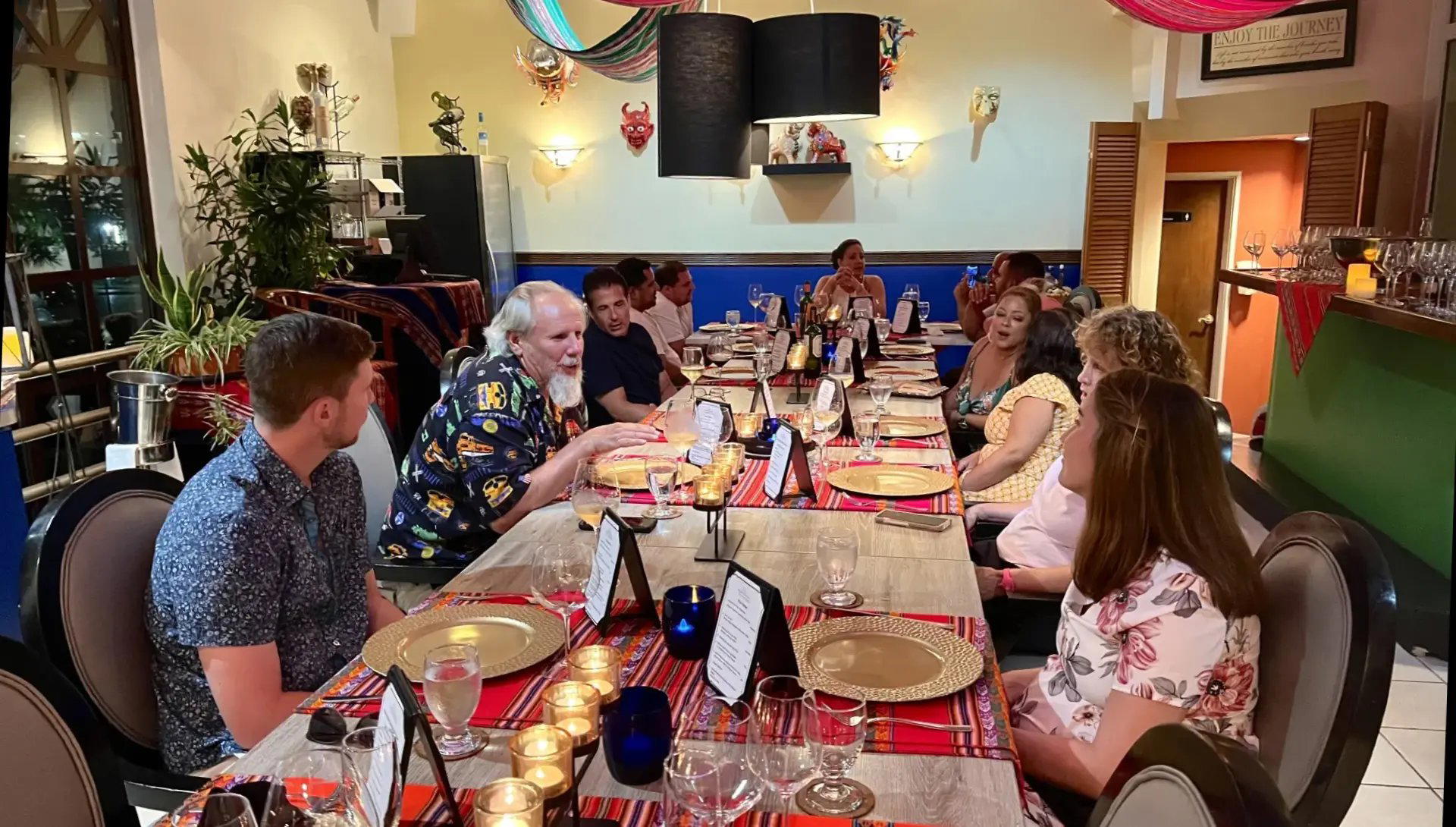
Oranjestad's Boulevard Dining Character
J.E. Irausquin Boulevard is Aruba's most concentrated dining corridor, a strip where the trade winds come in off the Caribbean and the light shifts from copper to violet in the early evening. Restaurants here compete less on novelty than on how well they read the room: the guests arriving sunburned and sandalled from the beach want something that feels considered without demanding effort, and the boulevard's better addresses have learned to calibrate accordingly. The Kitchen Table sits at number 64 on that boulevard, within a dining corridor shaped by the same geography and the same clientele arriving from the hotel strip to the north.
That geography matters more than it might first appear. Aruba's dining scene has long been divided between high-volume tourist-facing operations and a smaller tier of addresses that try to work with local ingredient traditions, Aruban culinary history, and the Dutch-Caribbean crosscurrents that define the island's food culture. The Kitchen Table's location on the boulevard places it squarely in the former pressure zone, where footfall is high and expectations are shaped by the resort context. How a restaurant handles that pressure is usually one telling thing about it.
What the Room Tells You Before the Food Arrives
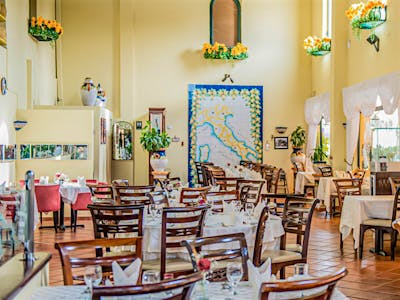
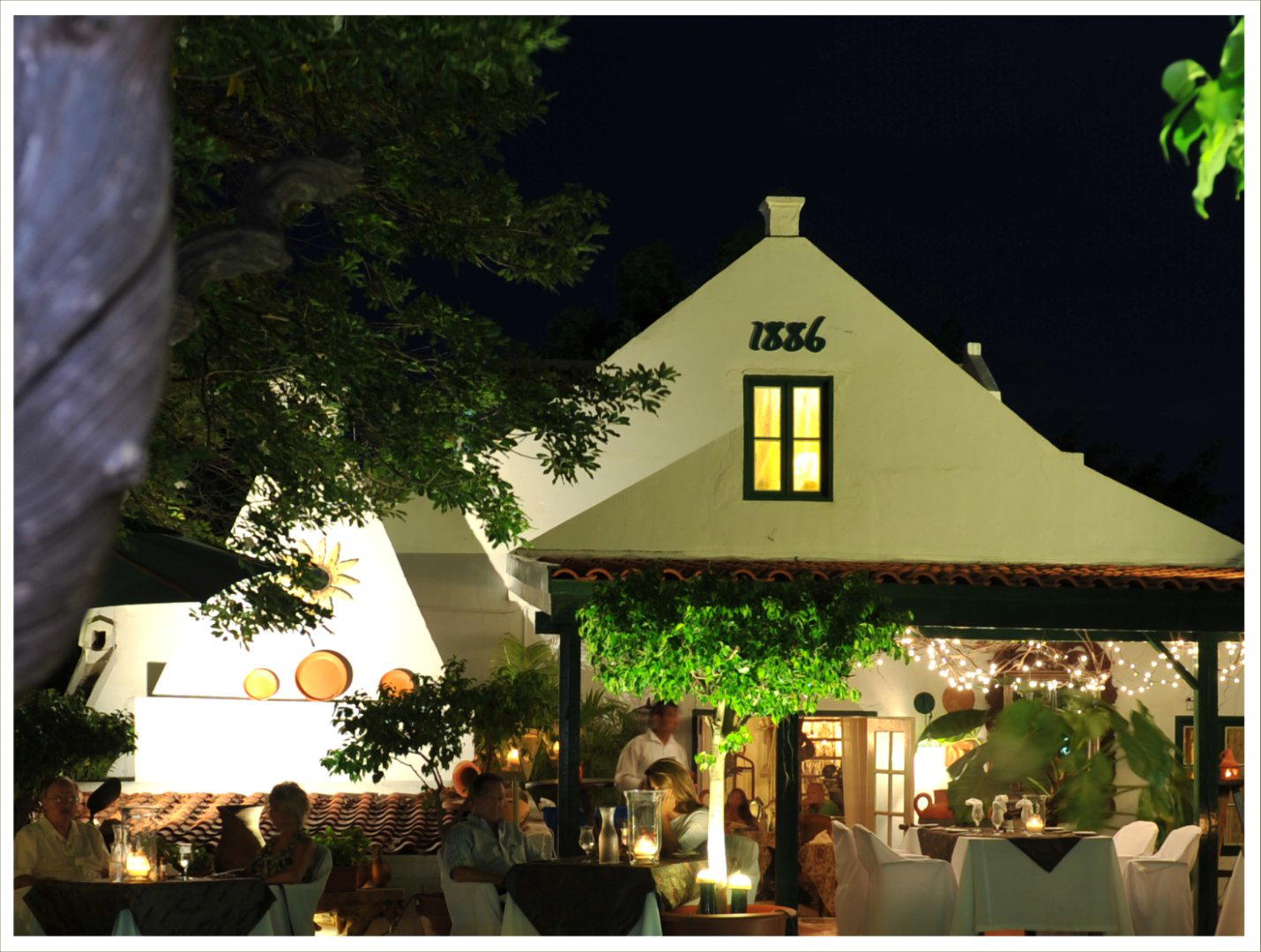
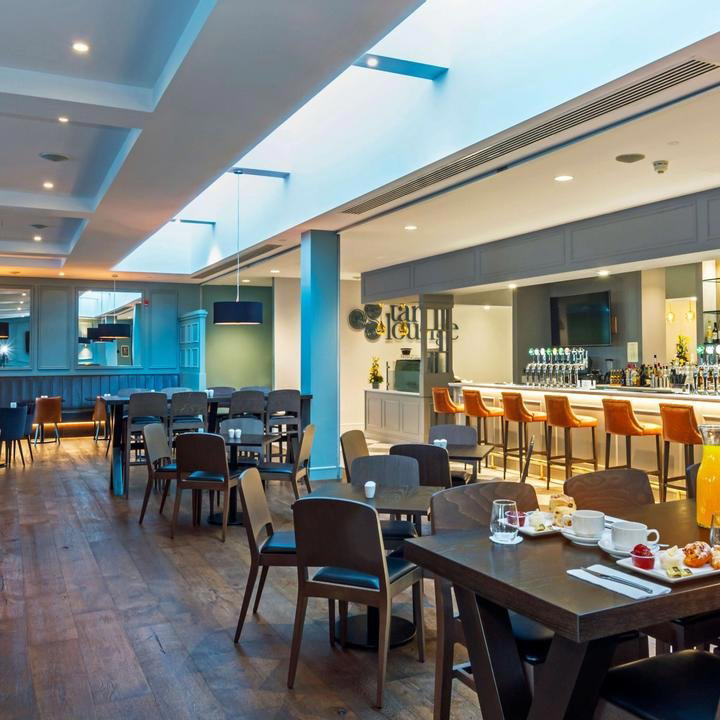
The sensory register of a boulevard restaurant in Oranjestad is specific. The sound environment is open: traffic, palms moving in the constant trade wind, the low register of a dining room that hasn't sealed itself off from the outdoors. Aruba's climate makes full enclosure feel wrong, and the better addresses on this stretch let air and ambient sound in rather than fighting them. Light is another variable. The island sits outside the hurricane belt but inside the equatorial sun arc, which means the late afternoon hours before service produce an intensity of light that softens quickly once the sun drops behind Aruba's western coast. Restaurants that manage that transition well, moving from golden-hour glare to something more controlled as the evening settles in, tend to feel more deliberately considered than those that simply turn on the overhead fluorescents at dusk.
On a corridor with addresses like Carte Blanche Restaurant and Driftwood Restaurant Aruba as reference points, The Kitchen Table operates within a varied set. City Garden Bistro de Suikertuin represents the courtyard-garden format that has become one of Oranjestad's more atmospheric dining modes, while El Gaucho anchors the meat-led, Argentine-influenced side of the boulevard's offer. Bentang Bali Restaurant introduces Southeast Asian reference points into what is otherwise a Caribbean and European-inflected dining corridor. The Kitchen Table's name suggests something domestic and direct, a format that in other markets has come to signal ingredient-led cooking.
Aruba's Dining Scene in Broader Context
Caribbean island dining has changed over the past decade. The old model, in which resort restaurants handled volume and local spots handled the adventurous traveller, has given way to something more mixed. Islands with strong culinary identities, Barbados and Trinidad among them, have developed dining tiers that can hold comparison with mid-range European or American city restaurants. Aruba's trajectory has been shaped by its heavy tourism infrastructure and Dutch administrative history, which means the food conversation here draws on different reference points than the anglophone Caribbean.
The boulevard context also means that Oranjestad's restaurants are in regular conversation with a global comparable set at the level of guest expectation. Visitors arriving from cities where restaurants like Le Bernardin in New York City or Lazy Bear in San Francisco set the calibration for what serious cooking looks like will bring those reference points to the table at The Kitchen Table, even if the formats are entirely different. Further afield, the cooking at addresses like Atomix in New York City or Atelier Moessmer Norbert Niederkofler in Brunico offers a useful frame for thinking about name-driven positioning.
Restaurants with similarly domestically coded names in other markets, from Dal Pescatore in Runate to Quattro Passi in Marina del Cantone, often lean on family register and regional specificity. Whether that logic holds in the Aruban boulevard context is a question the room and the menu answer between them.
Beyond the Boulevard: Aruba's Wider Dining Geography
Oranjestad's restaurant concentration on the boulevard is dense, but Aruba's dining geography extends well beyond it. Daily Fish in Noord represents the island's more casual, seafood-forward register in a different neighbourhood context, while Kamini's Kitchen in San Nicolas sits in Aruba's culturally distinct southern town, where the dining character is less resort-adjacent and more rooted in the island's working community. Aquarius in Oranjestad West extends the capital's dining offer into its western neighbourhoods. These dispersed addresses form a secondary circuit for travellers who want to understand Aruba's food culture beyond the hotel strip.
The Kitchen Table's boulevard position makes it a natural choice for a first or second evening out, close to the main hotel concentration and within a walkable radius of several peer addresses. For travellers building a multi-night dining itinerary across Aruba, the boulevard corridor functions as an orientation layer before the more dispersed neighbourhood addresses come into play. Globally minded diners who have tracked restaurants like HAJIME in Osaka, Reale in Castel di Sangro, or Emeril's in New Orleans will find the boulevard a familiar format: a main restaurant corridor where the city's visitor-facing dining is concentrated, surrounded by a wider geography of more locally embedded addresses.
Planning Your Visit
The Kitchen Table is located at J.E. Irausquin Blvd 64 in Oranjestad, on Aruba's western coast. The boulevard is walkable from most of the large resort properties in the Eagle Beach and Palm Beach zones to the north, and accessible by taxi from San Nicolas or the airport to the south and southeast. A reservation is the lower-risk approach, particularly on weekend evenings.
Peers in This Market
Comparable venues nearby, for context on price, style, and recognition.
| Venue | Cuisine | Price | Notes |
|---|---|---|---|
| The Kitchen TableThis venue — the venue you are viewing | Aruban-Caribbean-Peruvian Fusion Chef's Table | $$$$ | Not listed |
| Yemanja Woodfired Grill | Caribbean-Inspired Woodfired Grill | $$$ | Downtown Oranjestad |
| Matthew's beachside restaurant | Caribbean Seafood | $$$ | Eagle Beach |
| Italy in the World | Traditional Italian Ristorante | $$$ | Downtown Oranjestad |
| Carte Blanche Restaurant | Modern International Fusion | $$$$ | Oranjestad-West |
| Bentang Bali Restaurant | Authentic Indonesian & Aruban Fusion | $$ | Oranjestad |
Continue exploring
More in Oranjestad
Restaurants in Oranjestad
Browse all →
Bars in Oranjestad
Browse all →

At a Glance
- Cozy
- Intimate
- Elegant
- Sophisticated
- Special Occasion
- Date Night
- Chefs Counter
- Open Kitchen
- Extensive Wine List
- Local Sourcing
Current opening hours
- Monday
- Closed
- Tuesday
- 6:30–10:30 PM
- Wednesday
- 6:30–10:30 PM
- Thursday
- 6:30–10:30 PM
- Friday
- 6:30–10:30 PM
- Saturday
- 6:30–10:30 PM
- Sunday
- Closed
Hours can change for holidays and private events. Last verified .
Cozy and welcoming with hand-woven Peruvian blankets, intimate communal seating, soft lighting, and a home-like Peruvian atmosphere fostering conversation and relaxation.