The Kitchen

Relais Chateaux Award
Our verdict
On Chiswick High Road, The Kitchen occupies a stretch of west London where neighbourhood dining has grown steadily more serious over the past decade. The venue sits within a residential corridor that has developed its own dining identity, distinct from the central London circuit, and draws a local following that treats it as a consistent reference point rather than a destination occasion.

Pearl is the En Primeur Club membership app, where members save venues, book tables and use the concierge.
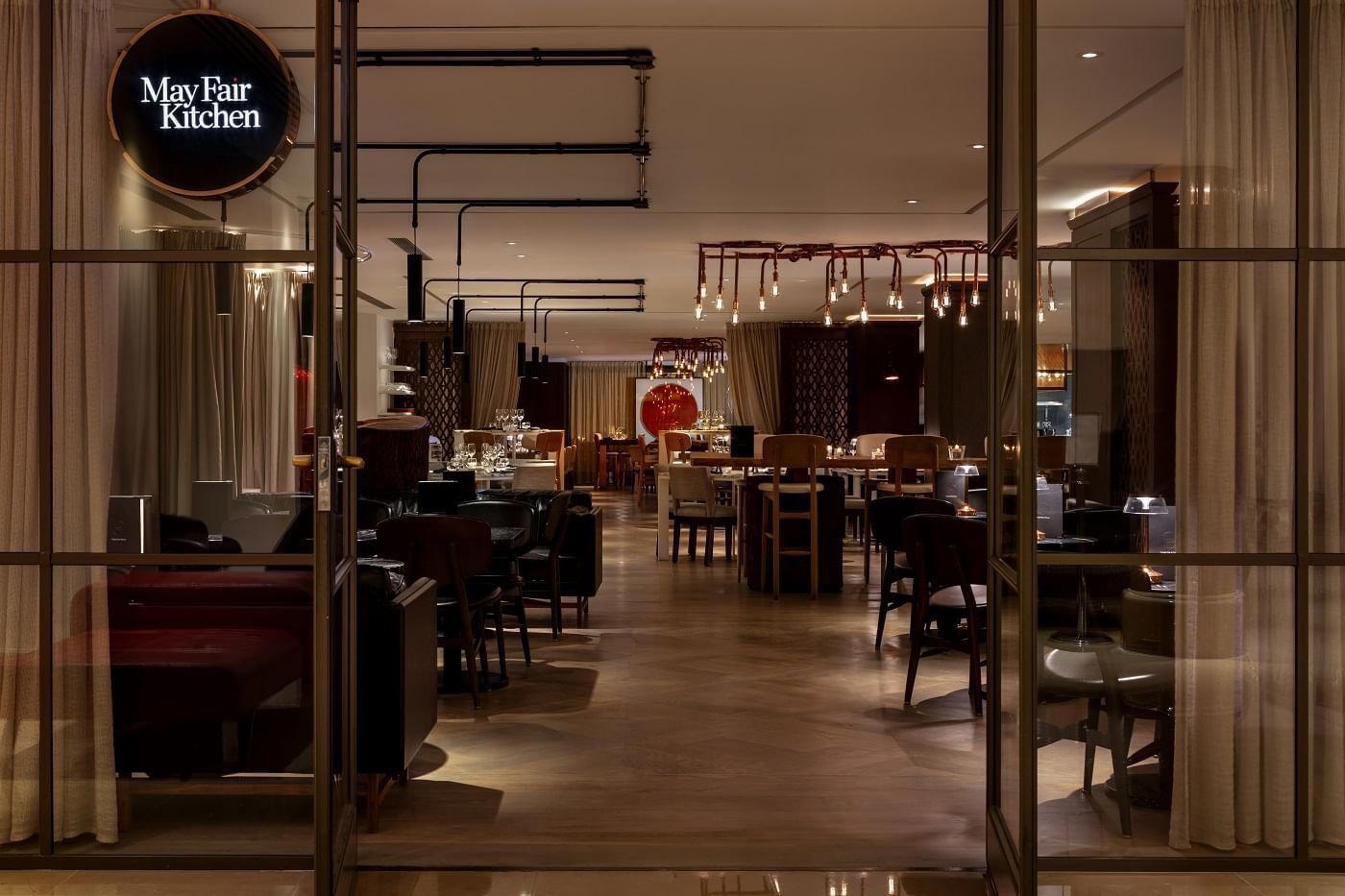
West London's Neighbourhood Dining Shift
Chiswick has spent the better part of fifteen years resolving a tension familiar to prosperous residential corridors: how to support ambitious cooking without the footfall or expense-account culture that keeps central London's leading tables afloat. The answer, replicated across Chiswick High Road, has been a tier of neighbourhood restaurants that trade on consistency and repeat custom rather than destination theatre. The Kitchen, at 301 Chiswick High Road, operates within that framework. Its address places it on one of London's more commercially coherent high streets outside zones one and two, a stretch where the dining offer has matured alongside the local demographic rather than being imported wholesale from the centre.
That context matters when assessing what kind of space The Kitchen is and what it is designed to do. London's premium dining conversation tends to anchor around Mayfair, Knightsbridge, and Chelsea, where venues like CORE by Clare Smyth, Dinner by Heston Blumenthal, and Sketch, The Lecture Room and Library operate at the upper end of the ££££ bracket and price against international peers. West London's W4 postcode plays a different game, one where the physical space and its relationship to the street matters as much as the menu in determining whether a restaurant earns long-term neighbourhood loyalty.
The Physical Container
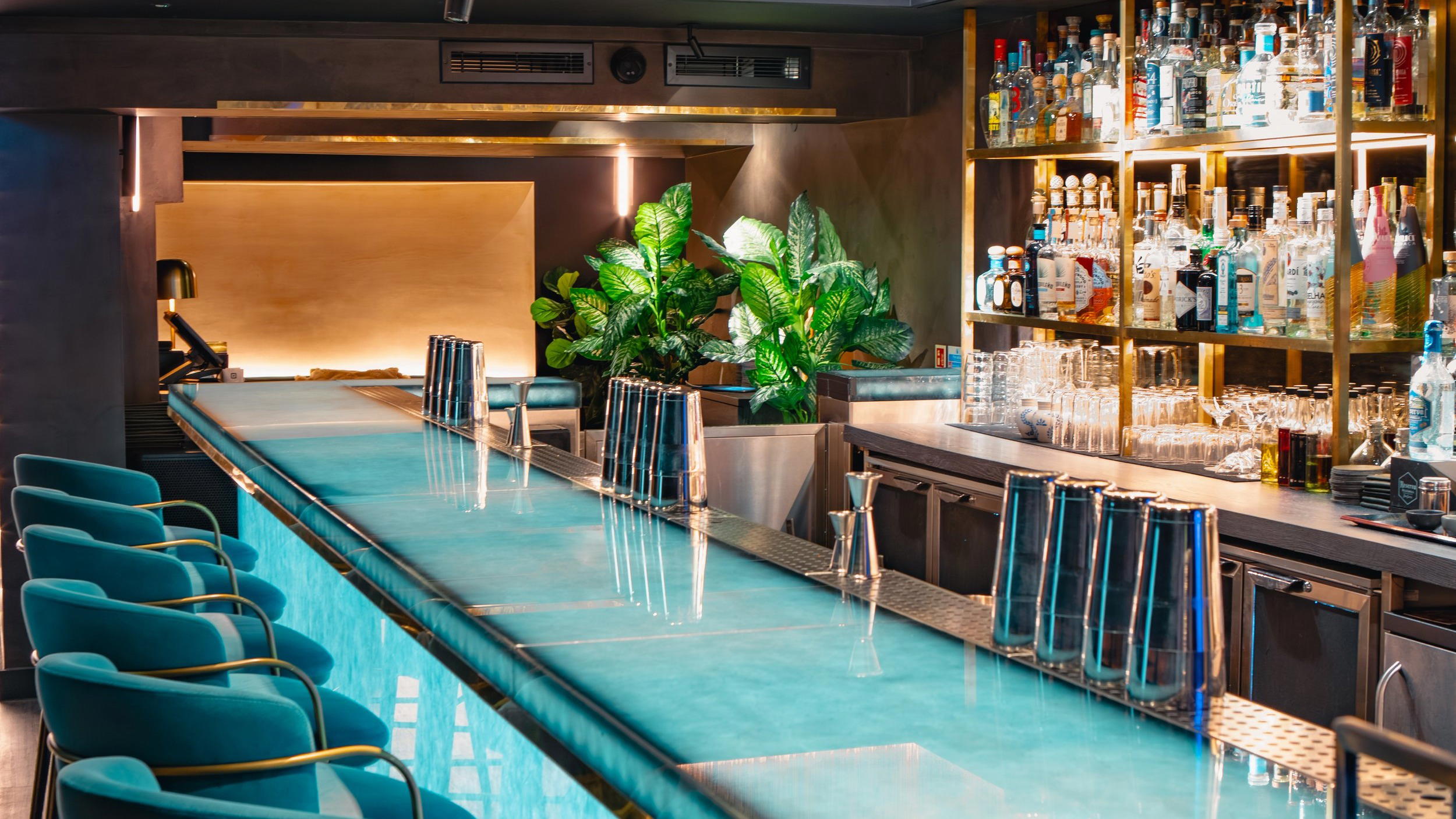
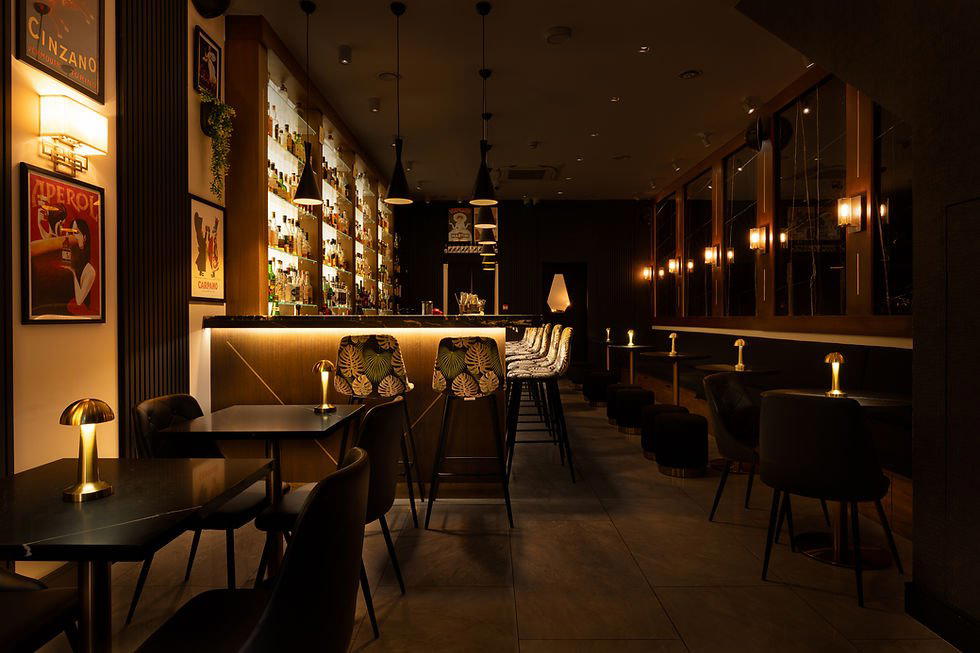
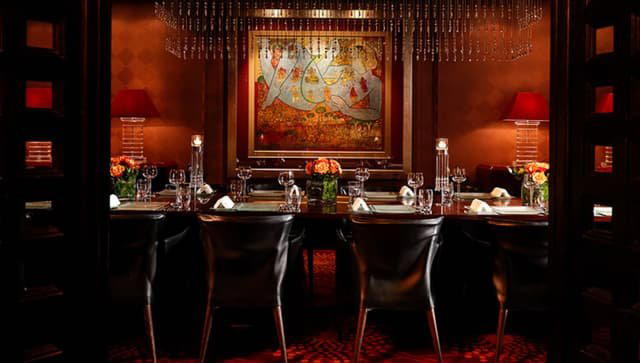
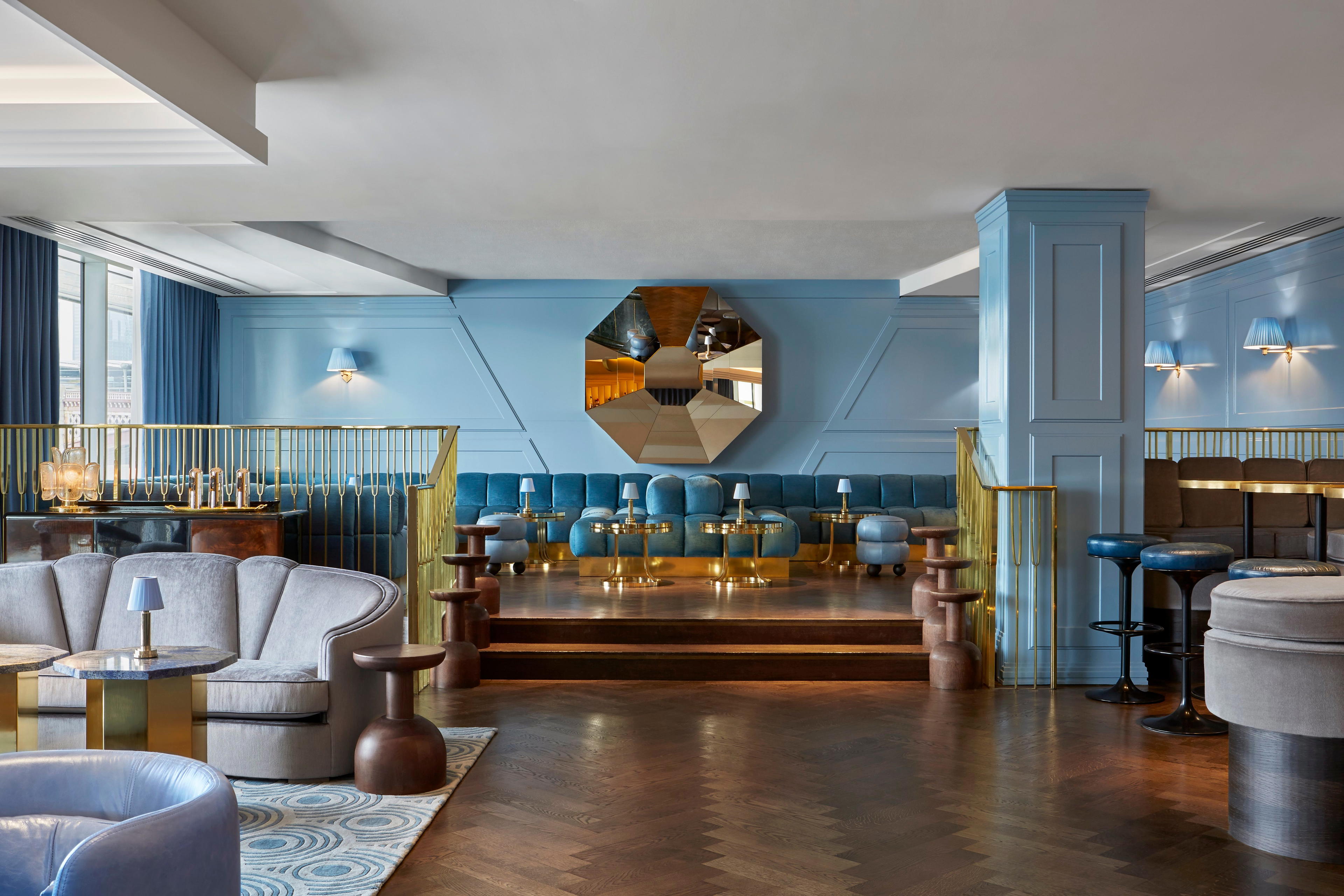
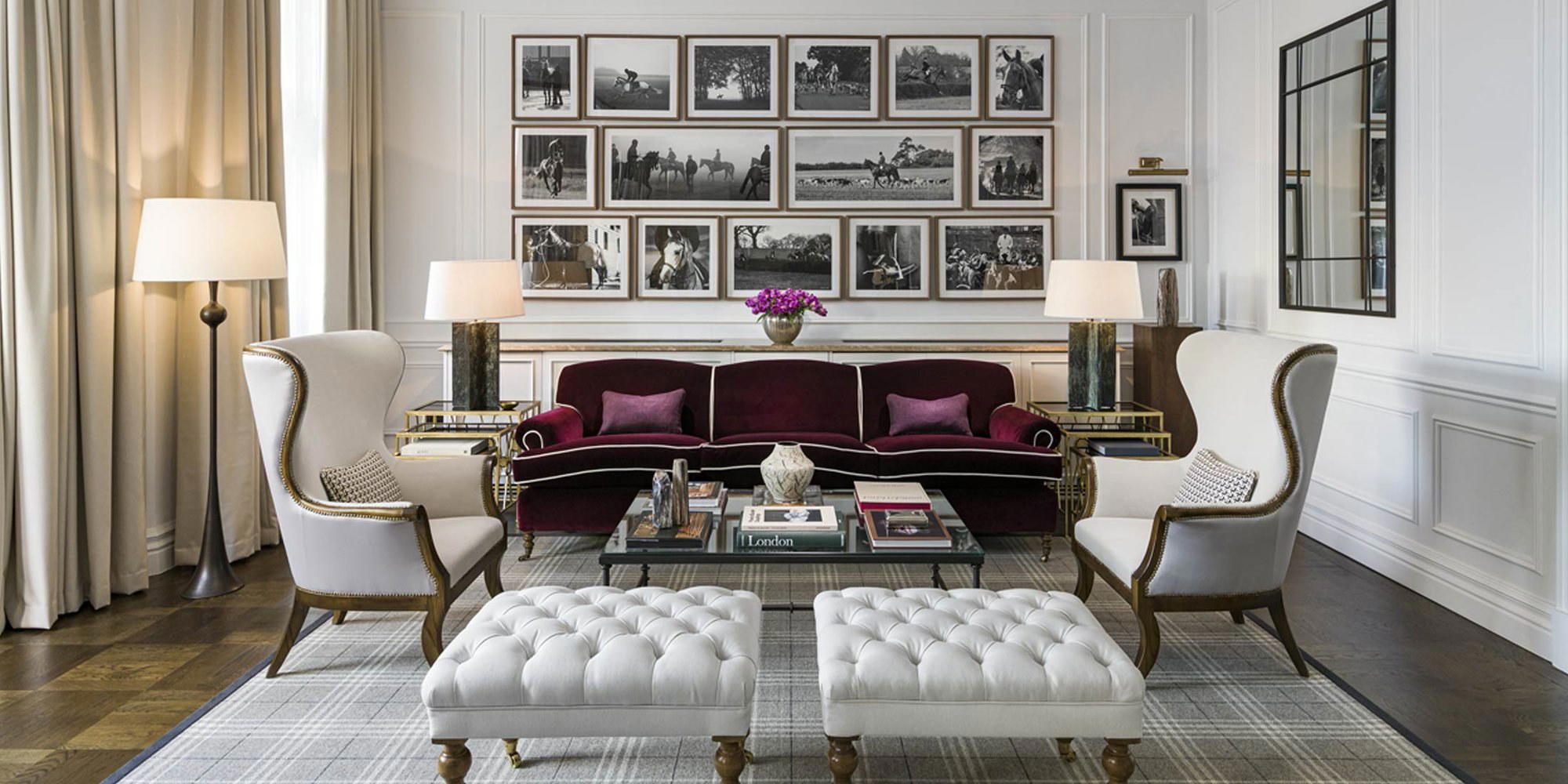
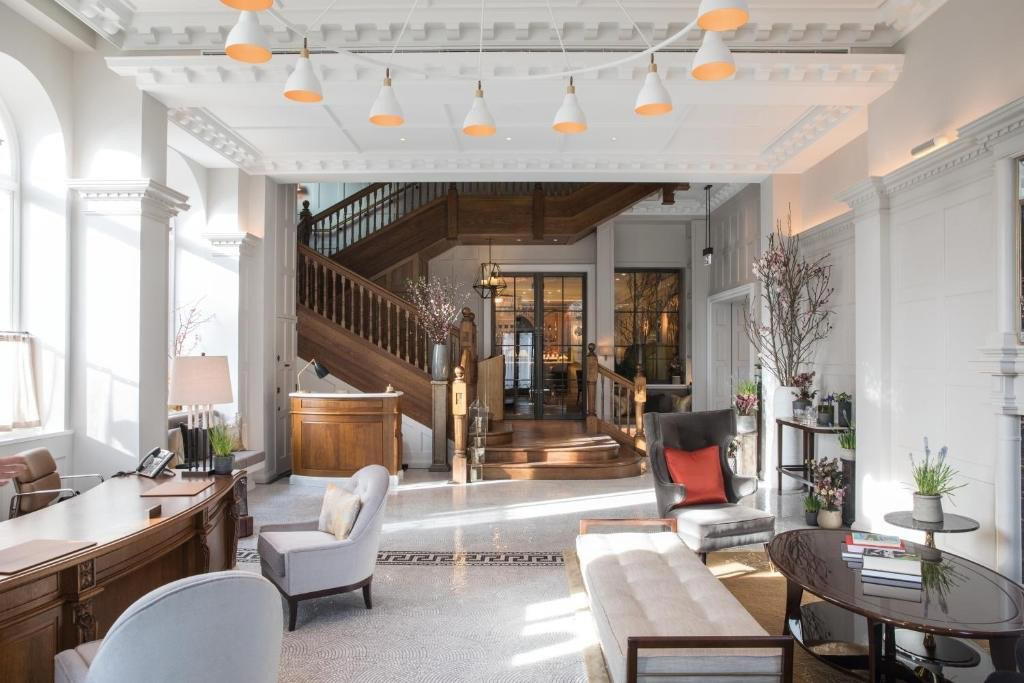
The editorial angle on any Chiswick High Road restaurant almost always returns to the same question: does the room work for the way people actually eat in this part of London? The street is residential in character despite its commercial density, and diners arriving from nearby streets on a weekday evening bring different expectations than those commuting in from elsewhere. The space a restaurant occupies, how it addresses the pavement, how it manages the transition from street noise to interior calm, how it seats couples alongside larger tables without the friction of proximity, all of these shape whether a neighbourhood room feels right or merely serviceable.
The Kitchen's location on a high street rather than a quiet side street means it operates in a more exposed physical context than the tucked-away neighbourhood spots that have cultivated loyal followings in adjacent parts of west London. High street-facing rooms in this tier tend to resolve their design differently from destination venues: the emphasis shifts toward approachability and a readable interior from outside, signalling to passing residents that this is somewhere for a regular Thursday dinner as readily as a Saturday occasion. That legibility, when well executed, is its own form of design discipline.
For comparison, the rooms at awarded destination restaurants outside London, including Le Manoir aux Quat'Saisons in Oxford and L'Enclume in Cartmel, operate in architecturally distinct settings where the physical environment is part of the proposition. A Chiswick high street room cannot and should not attempt to replicate that. Its design task is different: to create enough separation from the street to allow concentration on food and conversation, while remaining sufficiently open that it doesn't tip into the formal register that alienates the local regular.
Where The Kitchen Sits in the London Picture
London's restaurant geography has become more polycentric over the past decade. The Ledbury and Restaurant Gordon Ramsay represent one end of that spectrum; The Kitchen represents a different tier altogether, one where the measure of success is occupancy across a full week rather than a coveted position on a global list.
That tier is competitive in its own way. Chiswick has enough restaurant density that a poorly calibrated room, whether through pricing, atmosphere, or food consistency, will lose its regulars to alternatives within walking distance. The neighbourhood dining segment in prosperous west London corridors demands a quality floor that would have felt aspirational for a local restaurant twenty years ago. The broader shift is visible across comparable stretches in Richmond, Barnes, and Kew, where kitchens have progressively sharpened their offer in response to a local audience that eats out frequently and has developed genuine expectations.
Internationally, the pattern has parallels. In New York, neighbourhood-anchored rooms like Atomix have demonstrated that serious cooking can operate outside the central dining circuit, though the formats and price points differ significantly from a London high street context. The comparison is structural rather than direct: the principle of building a loyal local following through spatial consistency and culinary reliability translates across cities even when the execution varies.
Planning Your Visit
The Kitchen sits at 301 Chiswick High Road, W4 4HH, accessible from Chiswick or Gunnersbury on the District line, or by overground services to Chiswick station. For current booking arrangements, hours, and menu pricing, the venue should be contacted directly or checked via current listings, as operational details for neighbourhood restaurants in this segment can change seasonally. Given Chiswick's dining density, booking ahead for weekend evenings is advisable regardless of the venue's current reservation policy. Those building a wider London itinerary can reference our full London restaurants guide for context across price tiers and neighbourhoods. Visitors with time to extend beyond the capital might consider Waterside Inn in Bray, Moor Hall in Aughton, or Gidleigh Park in Chagford for awarded rooms within reach of London. For further UK reference points, Hand and Flowers in Marlow, hide and fox in Saltwood, Midsummer House in Cambridge, Opheem in Birmingham, and Restaurant Andrew Fairlie in Auchterarder represent the range of serious cooking operating outside London. Internationally, Le Bernardin in New York City offers a useful reference point for what sustained neighbourhood-adjacent credibility looks like at the awarded end of the spectrum.
Frequently asked questions
What do regulars order at The Kitchen?
For accurate information on current dishes and any house specialities, contacting the venue directly is the most reliable approach. Neighbourhood restaurants in this part of west London, particularly those with a consistent local following, tend to anchor their menus around a core set of dishes that change with seasons rather than with trend cycles.
Is The Kitchen reservation-only?
In Chiswick's competitive dining environment, weekend tables at well-regarded local restaurants typically require advance booking. For confirmed policy and availability, reaching the venue directly or checking a current booking platform is advised.
What's the signature at The Kitchen?
For a restaurant operating in west London's neighbourhood tier, the most reliable guide to house strengths is recent local reviews or direct enquiry. The broader context of Chiswick's dining scene, which includes several kitchens with serious culinary ambition, suggests a menu likely calibrated toward seasonal British produce rather than international fusion formats.
Is The Kitchen good for vegetarians?
For confirmed vegetarian or plant-based options, contacting The Kitchen directly or checking current menu listings is the appropriate step. London's neighbourhood restaurants have broadly improved their vegetarian provision over the past five years, though the specifics vary considerably by kitchen.
Is eating at The Kitchen worth the cost?
The value calculation at any neighbourhood restaurant in west London's W4 corridor depends on how it prices relative to its immediate peers rather than against destination venues in zones one and two. For reference, the ££££ bracket in central London, represented by rooms like CORE by Clare Smyth, operates at a substantially different price point than a Chiswick high street restaurant is likely to sustain with its local audience.
How does The Kitchen compare to other west London neighbourhood restaurants?
Chiswick High Road sits within a cluster of prosperous west London neighbourhoods, including Richmond, Kew, and Barnes, where the neighbourhood restaurant segment has grown considerably more competitive since 2015. The Kitchen's position on the high street rather than a quieter side street places it in a more visible bracket, where passing trade supplements the loyal local base that sustains most serious rooms in this corridor. For a fuller picture of London's dining geography across price tiers and neighbourhoods, our London guide maps the current offer from Chiswick through to the centre.
Accolades, Compared
Comparable venues nearby, for context on price, style, and recognition.
| Venue | Cuisine | Price | Awards | Notes |
|---|---|---|---|---|
| The KitchenThis venue (the venue you are viewing) | British and European | Not listed | Relais Chateaux Award | Not listed |
| The Little Blue Door | British Gastropub | $30–50 | Not listed | Parsons Green |
| The Pear Tree | Australian-Inspired Brunch & Dinner | $20–30 | Not listed | Deptford |
| INIS | British & Irish Seasonal | $20–30 | Not listed | Hackney Wick |
| Bill’s | British All-Day Brunch | $20–30 | Not listed | Borough |
| The Wells Tavern | British Gastropub | $20–30 | Star Wine List | Hampstead |
Recognition history
Dated appearances from independent guides and award organizations, with the underlying list record or original source where available.
Relais Chateaux Award
Relais Chateaux

Continue exploring
More in London
Restaurants in London
All restaurants in London →
Bars in London
All bars in London →



Details
- Cozy
- Brunch
- Family
- Casual Hangout
- Open Kitchen
- A La Carte
- Vegetarian Friendly
- Vegan Options
- Gluten Free Options
Current opening hours
- Monday
- 12–11 PM
- Tuesday
- 12–11 PM
- Wednesday
- 12–11 PM
- Thursday
- 12–11 PM
- Friday
- 12–11 PM
- Saturday
- 12–11 PM
- Sunday
- 12–11 PM
Hours can change for holidays and private events. Hours as of .
Friendly and welcoming atmosphere ideal for great food and cocktails.