Chaval

Chaval occupies a Pine Street address in Portland, Maine, where the dining room draws on the kind of front-of-house and kitchen collaboration that defines the city's more considered mid-size restaurants. The room sits within a broader Portland scene that has developed a clear identity around ingredient-led cooking and program-depth wine lists. Plan ahead: demand at this tier of Portland dining consistently runs ahead of walk-in availability.

Pearl is the En Primeur Club membership app — saves, bookings, and concierge access live there. Same editors, same standards.
- Address
- 58 Pine St, Portland, ME 04102
- Phone
- (207) 772-1110
- Hours
- Mon–Sat 4:30–9 PMSun Closed
- Website
- chavalmaine.com
- Directions
- Get directions
- Booking
- Book on Resy
Pine Street and the Shape of Portland Dining
Portland, Maine has spent the better part of a decade refining what a serious mid-size restaurant looks like. The city's dining identity sits somewhere between the hyper-seasonal tasting counter and the casual neighborhood spot: a tier of restaurants where the kitchen has clear technical ambition, the wine list has actual editorial logic, and the front-of-house operates as a genuine third discipline rather than an afterthought. Chaval, at 58 Pine St, belongs to that middle tier. The address itself places it in a walkable stretch of Portland's West End, a neighborhood that has attracted a concentration of the city's more deliberate restaurants without sliding into the kind of tourist-density that flattens dining culture.
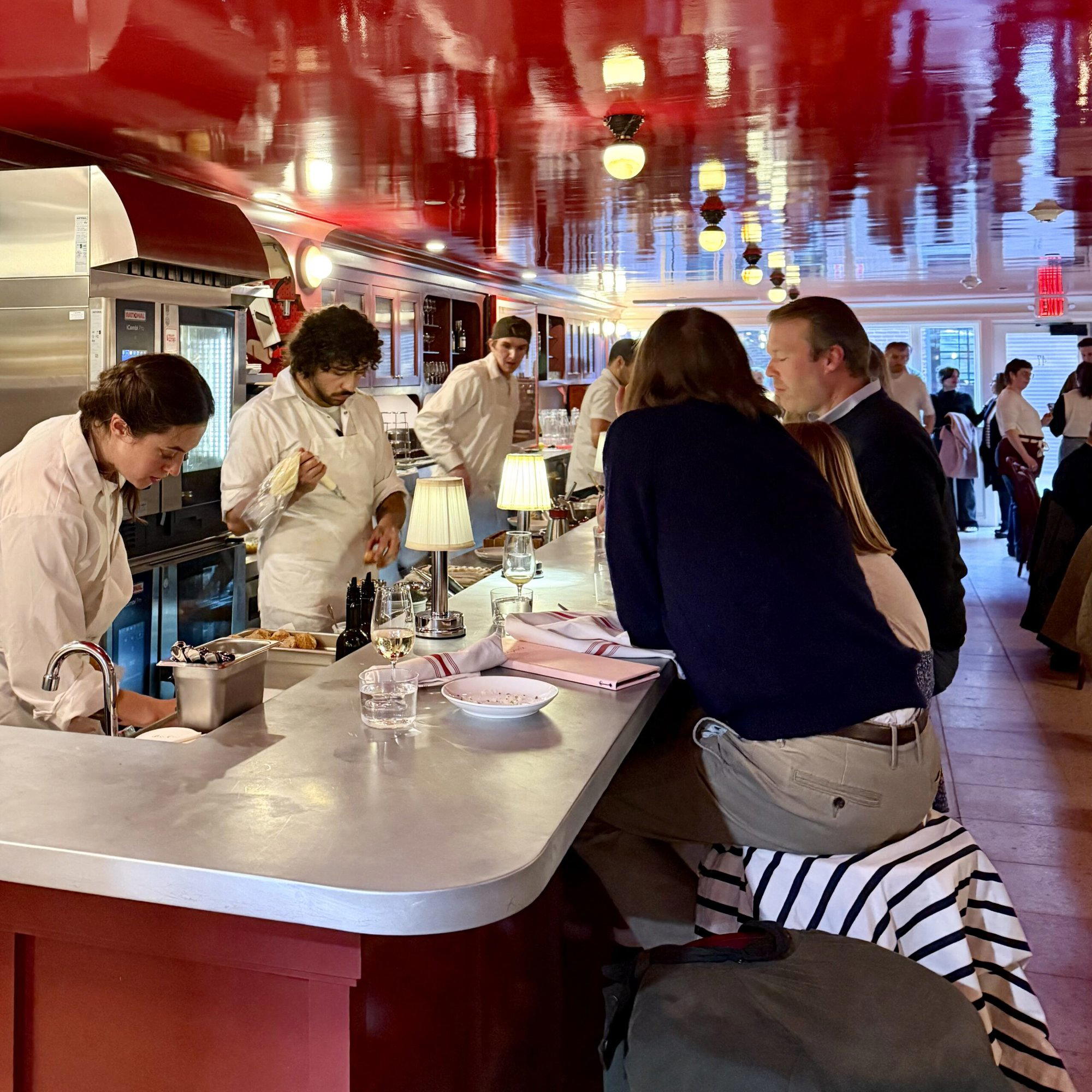
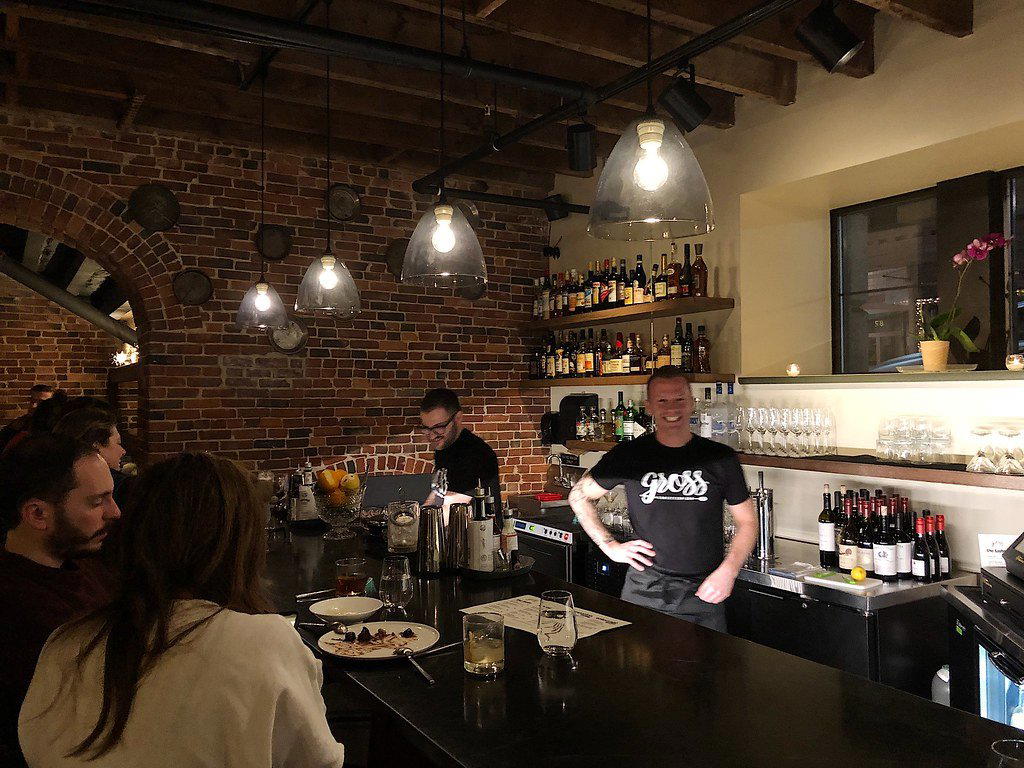
The approach that characterizes this tier of Portland restaurant is worth understanding before you book. These are rooms where the collaboration between kitchen, floor, and beverage program is legible in the experience itself. You notice it in whether the wine recommendation tracks what you ordered rather than what has the highest margin, in whether the pacing of courses reflects a conversation between kitchen and floor, in whether the person serving you can actually describe what they're pouring. At Chaval, that integrated approach is the operating premise rather than the aspiration.
The Room and What It Signals
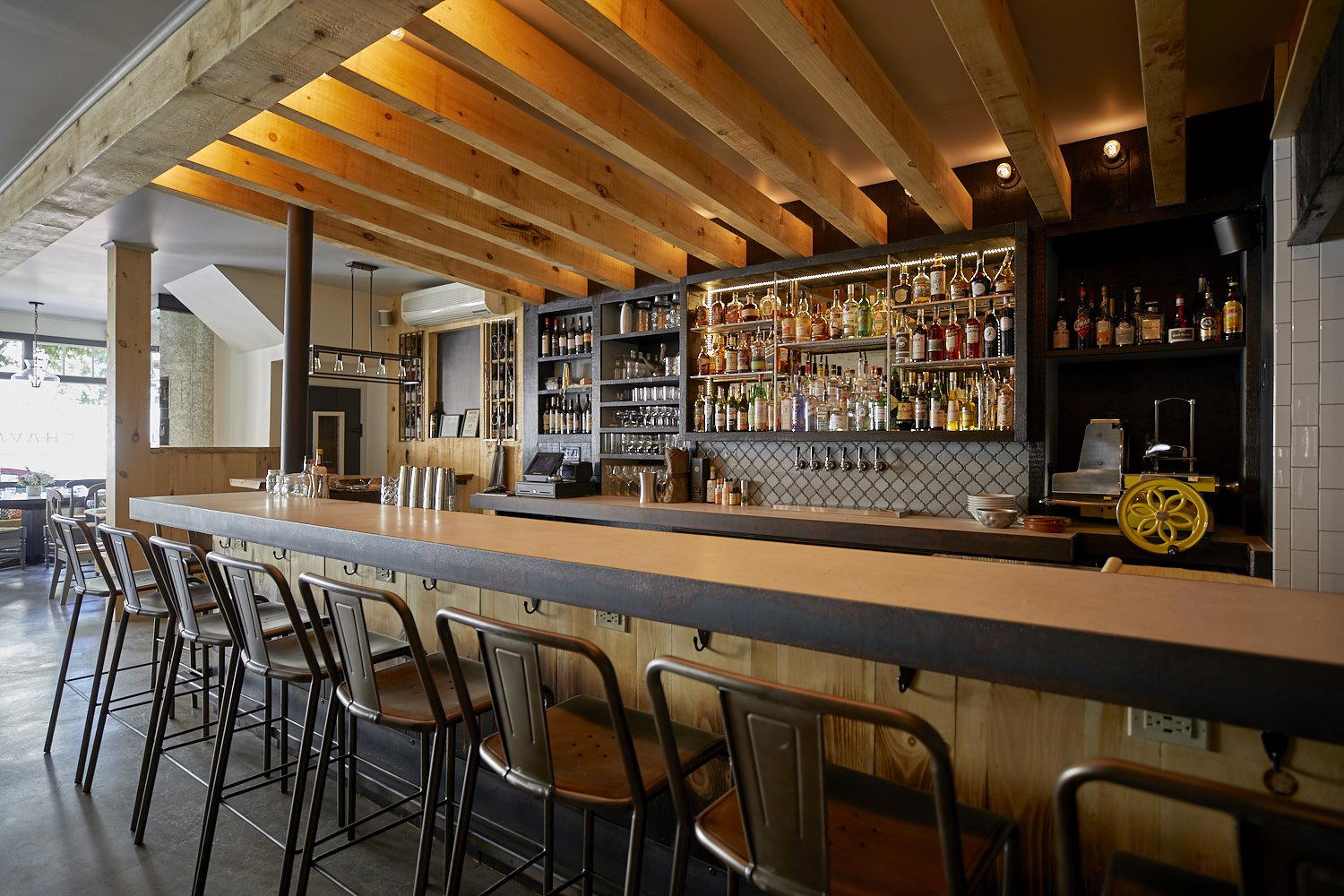
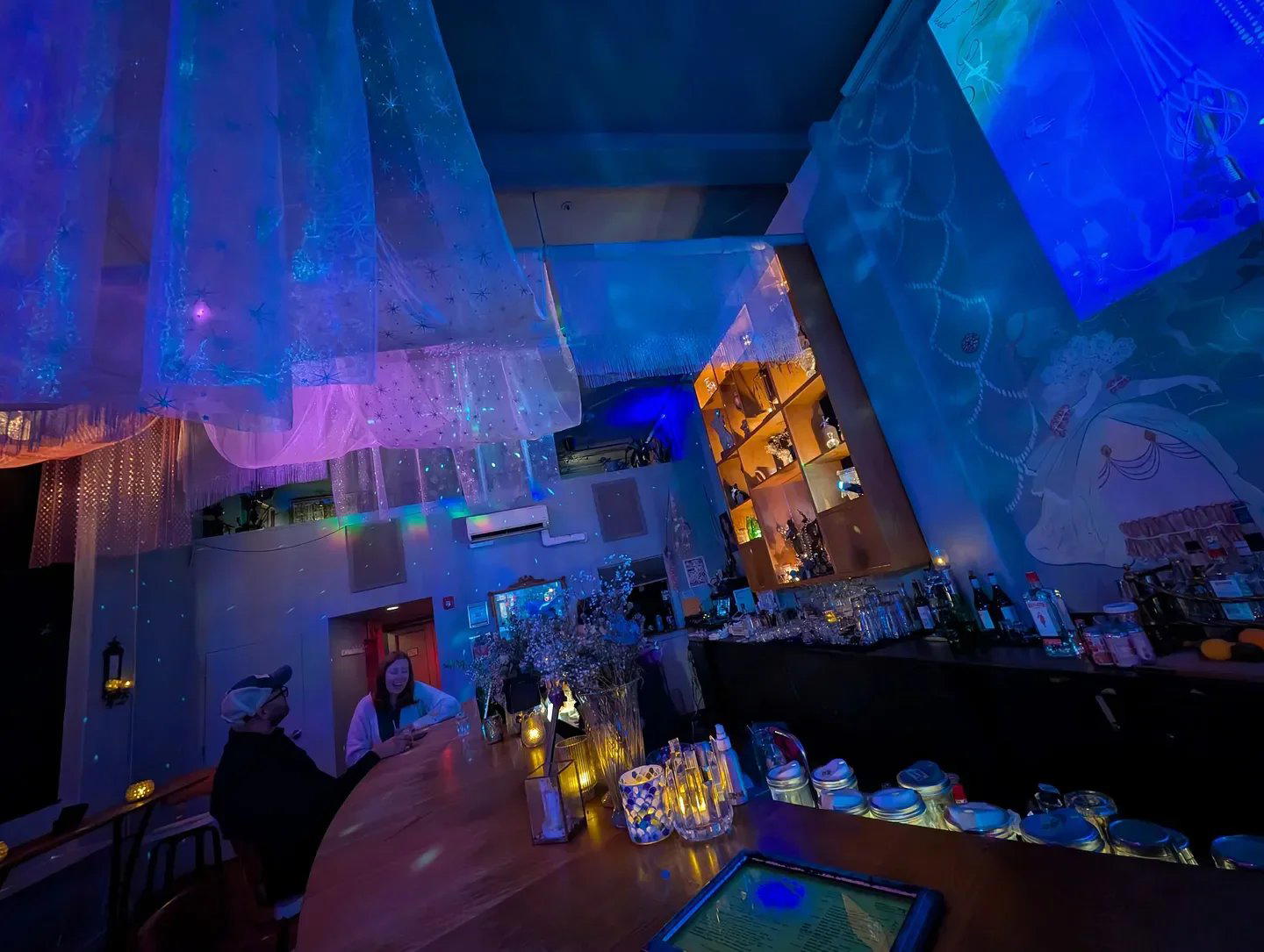
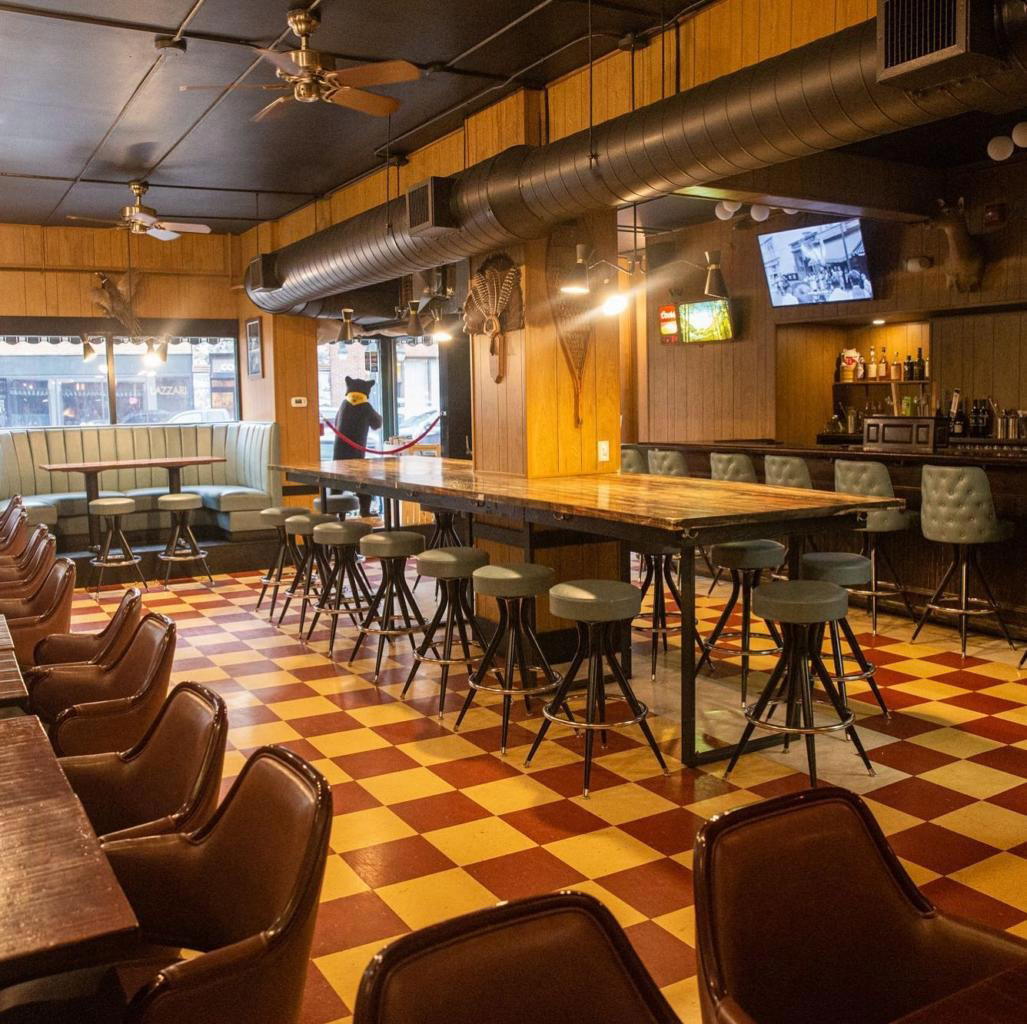
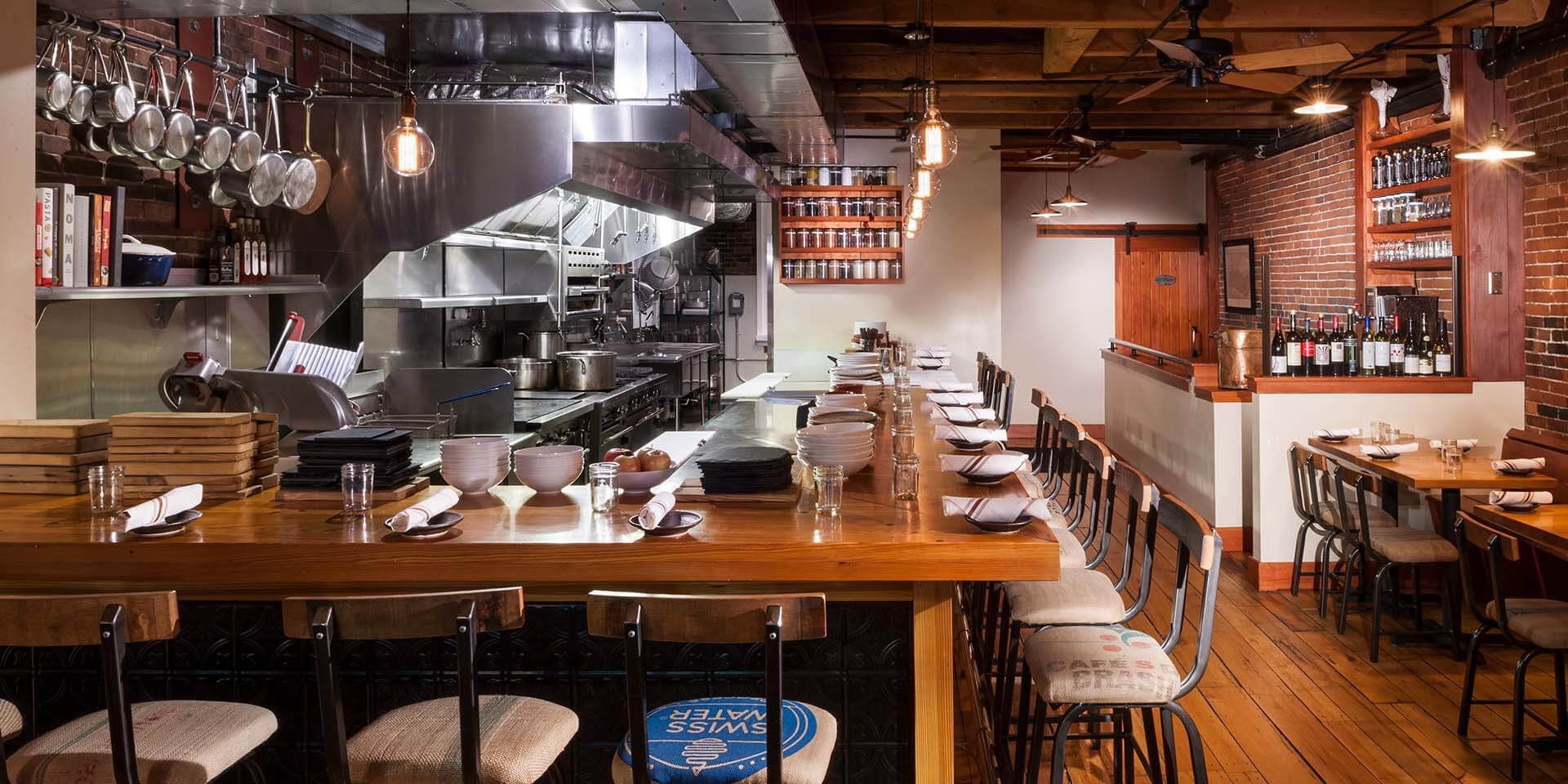
The physical environment at this end of Pine Street rewards attention. Portland's West End retains a neighborhood character that larger New England cities have largely lost: residential scale, older building stock, a relative absence of the chain-retail pressure that homogenizes dining districts. A restaurant at this address is making a deliberate choice to operate within that context rather than against it. The room at Chaval reflects that positioning. It is not a designed-for-Instagram space. The priorities are audible conversation, proper lighting for reading a wine list, and enough space between tables to make a long dinner feel like a private event rather than a public performance.
That physical register matters because it shapes who comes and why. The regulars at restaurants in this mold are not there for a special-occasion spectacle. They are there because the food is worth returning to, because the wine program gives them something to explore across multiple visits, and because the front-of-house has learned their preferences. That kind of repeat custom is the real measure of a room that works.
Team Structure as Editorial Argument
The most useful frame for understanding what Chaval is doing sits in the relationship between its component parts. The restaurants that have defined Portland's reputation over the past decade, places that have drawn national food-press attention to a city of roughly 70,000 people, have consistently shared a structural trait: the kitchen, the floor, and the beverage program operate as a single integrated argument rather than three separate departments. That integration is harder to achieve than it sounds. Most restaurants at this price point in American cities manage one of the three well and compromise on the others.
The beverage program at this tier of Portland dining is worth particular attention. Maine's restaurant scene has developed a serious wine culture that punches well above its population size. The state's leading lists tend to favor producer-driven selections, regional specificity, and a willingness to put lesser-known appellations alongside the expected references. A well-constructed wine list at a room like Chaval is not there to impress on paper; it is there to extend the conversation that the kitchen started. The sommelier or beverage lead who understands that distinction is doing editorial work, not sales work.
For comparison, the same dynamic shows up at program-serious bars and restaurants in other American cities. Kumiko in Chicago has built its reputation on precisely this kind of front-of-house and beverage integration. Jewel of the South in New Orleans operates from a similar premise: that hospitality and program depth are a single argument. Bar Leather Apron in Honolulu and ABV in San Francisco represent the same logic applied to the bar format. The through-line in each case is that the experience is designed by people who think about the whole arc of a visit, not just one element of it.
Portland in a Wider American Context
Portland, Maine occupies an interesting position in American dining. It is small enough that every serious restaurant is visible to the whole scene, which creates a kind of accountability that larger cities don't impose. A kitchen that coasts gets noticed quickly. A wine list that doesn't evolve gets commented on. That transparency has been a productive pressure: it has pushed the city's better restaurants to maintain a level of program discipline that would be easier to avoid in a market where you could simply rotate through a larger tourist base.
The restaurants that Portland visitors compare notes on, the names that appear in travel-press recommendations and on the itineraries of food-focused visitors from Boston, New York, and beyond, are almost uniformly places that have held that discipline across multiple years. Chaval sits within that pattern. The Pine Street address is within walking distance of the Old Port, which means it captures some visitor traffic, but the room's orientation is toward the kind of guest who has done the research and is returning, not the guest who wandered in from the waterfront.
For those building a broader Portland drinking and dining itinerary, the city's bar scene is worth mapping alongside its restaurants. Teardrop Lounge represents the technical cocktail end of the spectrum. 10 Barrel Brewing Portland offers a different register entirely. Further afield, the 3808 N Williams Ave address and 7316 N Lombard St venue cover additional ground. Our full Portland restaurants guide maps the scene by neighborhood and category.
For international comparison points in the same integrated-hospitality register, Julep in Houston, Superbueno in New York City, and The Parlour in Frankfurt each represent versions of the same argument: that hospitality is a discipline with its own depth, and that the leading rooms make that visible without making it theatrical.
Planning Your Visit
Demand at Portland's better restaurants has consistently exceeded walk-in capacity, particularly from late spring through the fall foliage season, when the city's visitor numbers spike and competition for tables at program-serious restaurants intensifies. Booking ahead by at least two to three weeks is standard practice for this tier during peak months; same-week availability is more realistic in January and February, when the city quiets and locals reclaim their regular tables. The West End location means the restaurant is accessible on foot from most of Portland's central accommodations, and parking, by the standards of most American dining districts, is manageable on weeknights.
Peers Worth Knowing
Comparable venues nearby, for context on price, style, and recognition.
| Venue | Cuisine | Price | Notes |
|---|---|---|---|
| ChavalThis venue — the venue you are viewing | cocktail_bar | Not listed | Not listed |
| Crown Jewel | cocktail_bar | Not listed | Great Diamond Island |
| Blyth & Burrows | speakeasy | Not listed | Old Port |
| Crispy Gai | tiki_bar | $20–30 | Old Port |
| Bennys | cocktail_bar | $30–50 | Arts District |
| Terlingua | mezcaleria | $30–50 | East Bayside |
Recognition history
Dated appearances from independent guides and award organizations, with the underlying list record or original source where available.
Conde Nast Selected for 2026 Condé Nast Traveler Best Bars in Portland, Maine
Conde Nast
Details
- Cozy
- Elegant
- Sophisticated
- Date Night
- Special Occasion
- Standalone
- Seated Bar
- Outdoor Terrace
- Craft Cocktails
- Gin
Current opening hours
- Monday
- 4:30–9 PM
- Tuesday
- 4:30–9 PM
- Wednesday
- 4:30–9 PM
- Thursday
- 4:30–9 PM
- Friday
- 4:30–9 PM
- Saturday
- 4:30–9 PM
- Sunday
- Closed
Hours can change for holidays and private events. Last verified .
Refined elegance with polished service and excellent ambience.