Fifty Vara
Our verdict
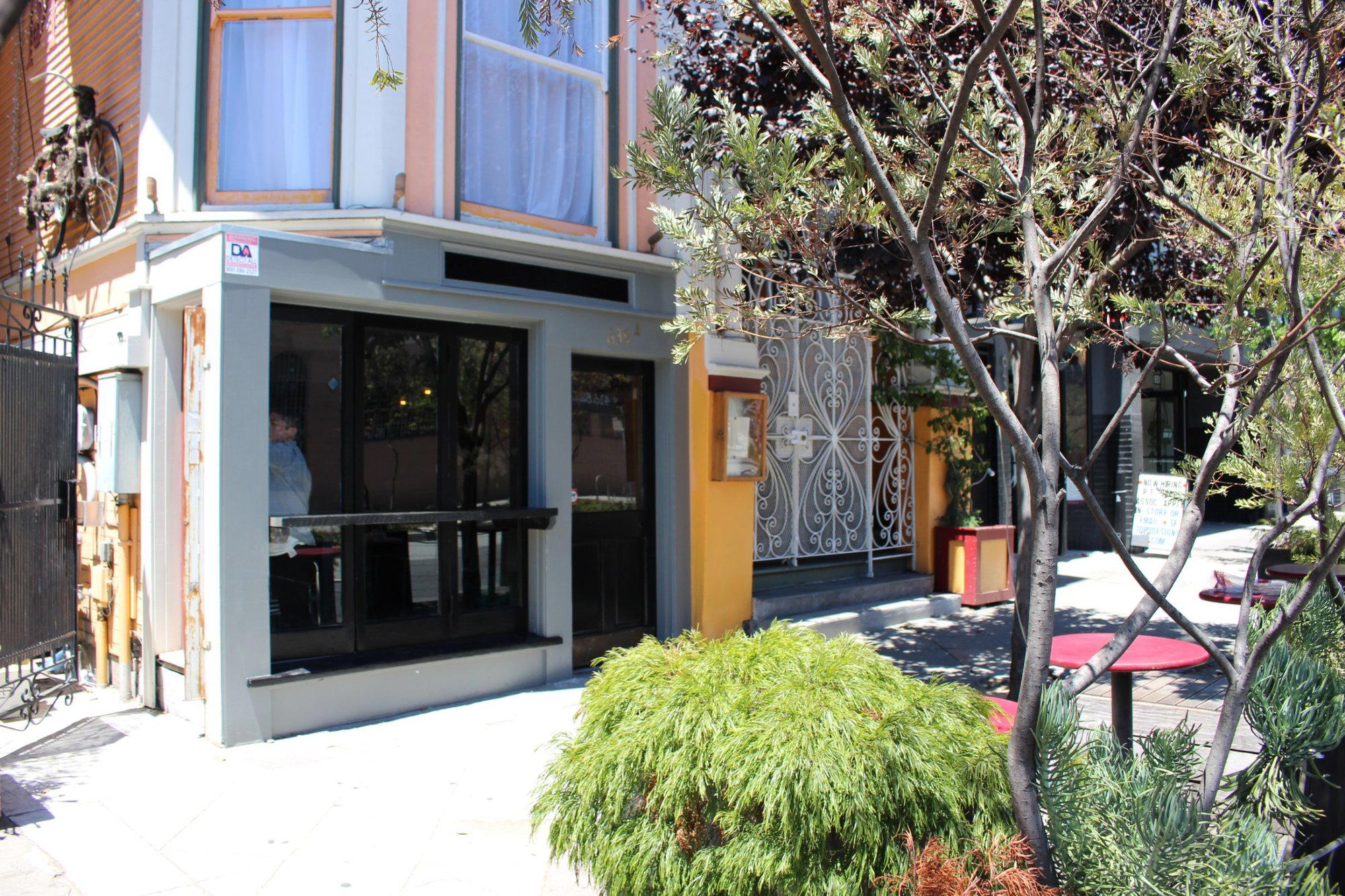
Fifty Vara occupies a quiet address on Noriega Street in the Outer Sunset, where San Francisco's fog-dense western edge shapes both the mood and the produce reaching the kitchen. The restaurant draws on California's extraordinary agricultural depth while applying technique that reads closer to European precision than neighborhood casual. It sits in a tier of serious dining that rewards advance planning.

Pearl is the En Primeur Club membership app, where members save venues, book tables and use the concierge.

Where the Fog Comes In: Dining on Noriega Street
The Outer Sunset has its own atmospheric logic. Fog rolls in off the Pacific earlier here than anywhere else in the city, and by the time most San Franciscans are finishing dinner in the Mission or SoMa, Noriega Street is already wrapped in grey. That compression of light and temperature is not incidental to what Fifty Vara represents: this is a neighborhood where the environment is inseparable from the experience, and where a serious restaurant operates at a meaningful remove from the concentrated dining corridors around Hayes Valley and the Financial District.
The address, 1735 Noriega St, places Fifty Vara squarely in a residential stretch that has long supported small, independently minded operations over brand-driven concepts. That positioning tells you something about the intent. Restaurants that plant themselves this far west are not chasing walk-in foot traffic from tourism or the pre-theater crowd. They are, by definition, destination-oriented, which sets a different contract with the diner before a plate arrives.
California Produce Meets Imported Method
Intersection of locally sourced ingredients and globally informed technique is the defining creative tension in San Francisco's most ambitious dining rooms right now. Venues like Saison have built their identity around wood-fire discipline applied to produce sourced from a tight radius, while Lazy Bear operates a ticketed, communal format rooted in Progressive American ideas about what a dinner party can be. Atelier Crenn runs a French architecture over Northern California materials, and Benu holds three Michelin stars while fusing French classical structure with East Asian flavor logic. Quince works an Italian sensibility against California's seasonal pantry.
Fifty Vara operates inside that same conversation, even if its neighborhood position keeps it at a quieter remove from the venues that dominate the critical conversation. The editorial angle here is that serious technique applied to serious California product does not require a SOMA address or a Michelin crest above the door. The Bay Area's agricultural advantage is distributed across the whole city's restaurants, not concentrated in the zip codes that reviewers tend to frequent. Northern California's access to year-round produce from the Central Valley, the Sonoma Coast, and small farms in Marin and Mendocino counties gives any committed kitchen a starting point that would be difficult to replicate elsewhere in the country. Compare that to what the kitchens at Blue Hill at Stone Barns in Tarrytown or Smyth in Chicago are working with in their respective regional contexts, and the California advantage becomes clear: the ingredient conversation here starts at a higher floor.
The Technique Question
When European-derived method, whether French classical structure, Spanish fermentation logic, or Scandinavian preservation practice, lands on California produce, the results tend to read differently than they do in their countries of origin. The product pushes back. A Dungeness crab that arrived off a boat that morning resists the kind of heavy sauce work that might have been applied to a North Sea crustacean in a Parisian kitchen. The technique has to adapt to the ingredient, not the other way around. Restaurants that understand this tend to produce cooking that feels native to its place even when the methods are imported. Those that get it wrong feel like they are serving European food that happens to use California product as a substrate.
This dynamic plays out across the broader American fine dining circuit. Le Bernardin in New York applies French rigor to American seafood with discipline built over decades. Providence in Los Angeles holds two Michelin stars doing something similar with Pacific and domestic product. The French Laundry in Napa remains the benchmark example of classical French architecture assembled entirely from Northern California material. Addison in San Diego, the only California restaurant with a Michelin Grand Table distinction, works a similar tension at the southern end of the state. What links these is not a shared cuisine category but a shared discipline: technique that serves the product rather than overwriting it.
The Outer Sunset's Dining Character
The neighborhood context matters as context for any serious restaurant operating here. The Outer Sunset is not a dining destination in the way that the Richmond's Clement Street is, or the way that the Ferry Building farmer's market orbit shapes the dining identity of the Embarcadero. Noriega Street functions more as a neighborhood spine, a place where residents eat rather than where visitors arrive with a list. That distinction shifts the register of service and format. Restaurants in this position tend to operate with a regulars-first culture that is different from, say, the performance-oriented rooms that characterize ticketed formats in other parts of the city.
For comparison, operations at the destination end of the dining spectrum in other American cities, Frasca Food and Wine in Boulder, Emeril's in New Orleans, The Inn at Little Washington in Virginia, all carry a specific gravity that pulls diners across considerable distances. The question Fifty Vara poses is whether a restaurant on a residential block in the western reaches of San Francisco can generate comparable pull without the infrastructure of awards recognition or a high-profile chef biography driving awareness.
Worth noting in this category conversation: Atomix in New York and Atelier Moessmer Norbert Niederkofler in Brunico, Italy both demonstrate that serious culinary ambition with a strong local-ingredient thesis can operate far outside the obvious hospitality corridors. The geography of serious dining is not as centralized as the award-season conversation suggests. For the full picture of where Fifty Vara sits in the broader city context, see our San Francisco restaurants guide.
Also worth considering is Single Thread Farm in Healdsburg, which has built an entire hospitality identity around the local-ingredients, imported-technique premise at a level where the farm and the restaurant are functionally the same operation. That is the far end of the spectrum. Fifty Vara operates in a different register, closer in neighborhood character to a focused independent than a destination resort.
Planning Your Visit
Given the limited available data on current hours, booking format, and pricing, the most reliable approach is to contact the restaurant directly through current listings before making a specific journey from outside the neighborhood. The address, 1735 Noriega St in the 94122 zip code, places it in the western Sunset, accessible by the N Judah Muni line or by car with parking generally easier here than in central San Francisco. Plan for the Outer Sunset's microclimate: the temperature here runs several degrees cooler than downtown even in July, and a layer is worth carrying regardless of season.
Quick reference: Fifty Vara, 1735 Noriega St, San Francisco, CA 94122. Verify hours, booking method, and current format directly before visiting.
Frequently asked questions
Where is Fifty Vara located?
Fifty Vara is located at 1735 Noriega St, San Francisco, CA 94122, San Francisco.
Is Fifty Vara worth visiting if you're staying outside the Outer Sunset?
The cross-town case for Fifty Vara rests on what the Outer Sunset offers that downtown San Francisco dining doesn't: a neighborhood restaurant operating without the pricing pressure or performance anxiety of the city's more visible corridors. The address at 1735 Noriega St puts it roughly at the edge of Golden Gate Park's western edge, accessible by N-Judah streetcar. For visitors already planning time in the western neighborhoods, it fits naturally; as a standalone destination dinner from a Union Square or SoMa base, it requires deliberate commitment.
What should I order at Fifty Vara?
Verified menu data isn't on record, so specific dish calls would be guesswork. What the Outer Sunset context suggests is a kitchen working with California seasonal produce shaped by imported technique, the kind of cooking where the daily menu shifts more than the format does. check the venue's official channels at 1735 Noriega St to confirm current offerings before visiting.
How far ahead should I plan for Fifty Vara?
Fifty Vara sits on Noriega Street in the Outer Sunset, outside the ticketed-reservation circuits that govern booking windows at Hayes Valley or the Financial District's higher-profile rooms. Independent neighborhood restaurants at this address tend to operate on shorter lead times, though weekend evenings warrant a call ahead.
What has Fifty Vara built its reputation on?
Operating in the Outer Sunset rather than the city's main critical corridors means Fifty Vara's standing is built through repeat local patronage rather than awards-season visibility. San Francisco's fog-belt neighborhoods have produced a number of kitchens that earn strong word-of-mouth precisely because they aren't optimizing for press cycles.
Can Fifty Vara accommodate dietary restrictions?
San Francisco kitchens at this level of independent operation typically field dietary questions at the time of reservation, and the city's produce-forward cooking culture means plant-based and allergy-driven requests are a routine part of service conversation.
| Venue | Cuisine | Price | Awards | Notes |
|---|---|---|---|---|
| Fifty VaraThis venue (the venue you are viewing) | Modern California Gastropub | $30–50 | Not listed | Not listed |
| Lazy Bear | Modern American Tasting Menu | Not listed | 2 Michelin Stars · World's 50 Best #25 | Progressive American, Contemporary |
| Atelier Crenn | Contemporary French Fine Dining | $300–500 | 3 Michelin Stars · World's 50 Best #44 | Modern French, Contemporary |
| Benu | Modern Asian Fusion Fine Dining | $150–200 | 3 Michelin Stars · World's 50 Best #33 | French - Chinese, Asian |
| Quince | Contemporary Californian | $300–500 | 3 Michelin Stars · World's 50 Best #48 | Italian, Contemporary |
| Saison | Modern Fire-Forward Fine Dining | $300–500 | 2 Michelin Stars · World's 50 Best #22 | Progressive American, Californian |
Continue exploring
More in San Francisco
Restaurants in San Francisco
All restaurants in San Francisco →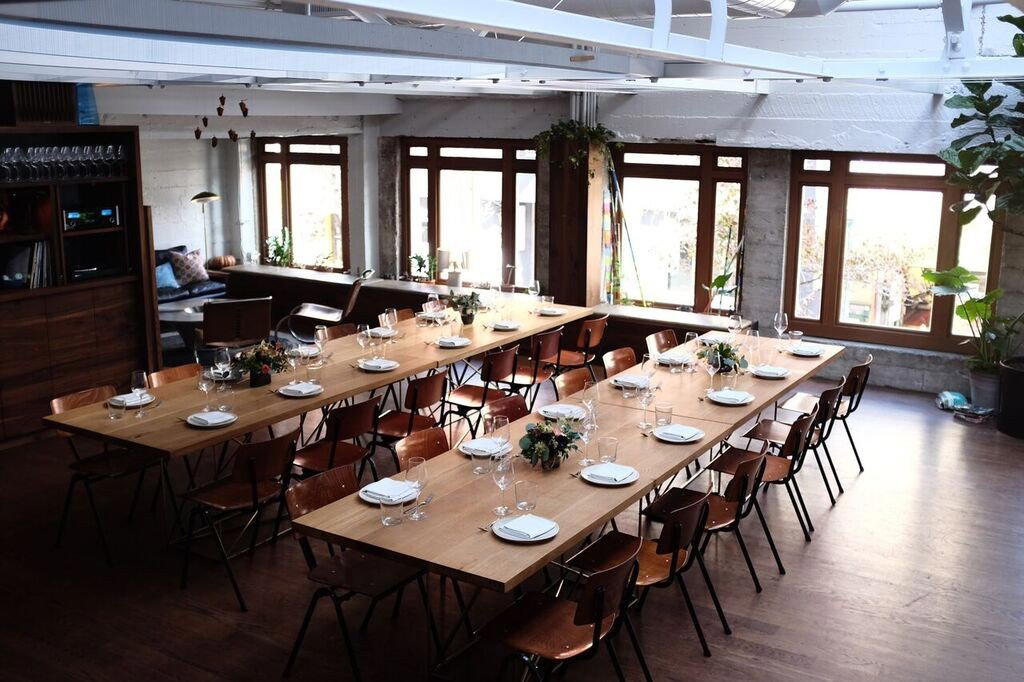
Bars in San Francisco
All bars in San Francisco →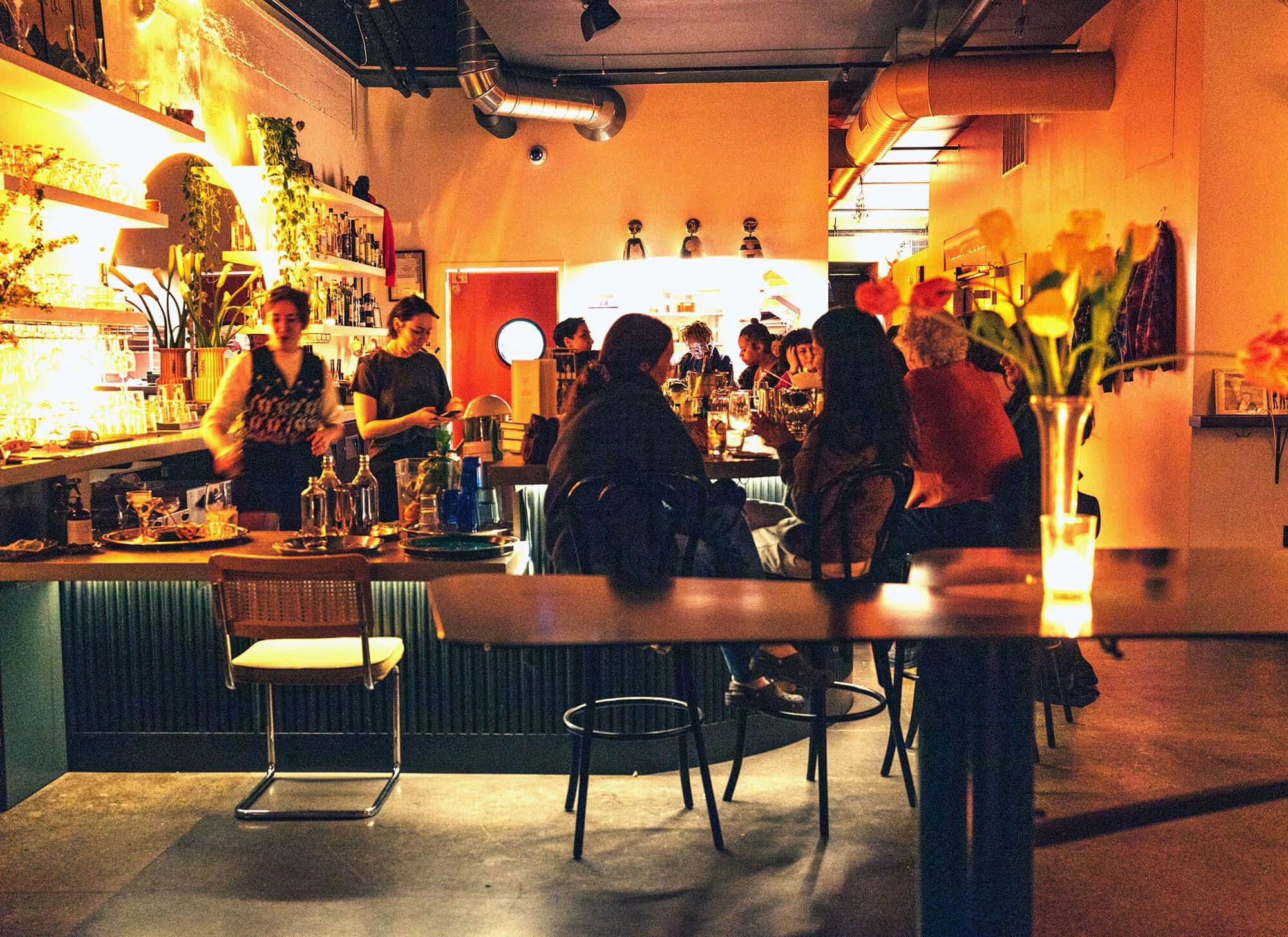

Details
- Cozy
- Modern
- Lively
- Casual Hangout
- Group Dining
- Family
- Open Kitchen
- Craft Cocktails
- Beer Program
- Local Sourcing
- Small Plates
- A La Carte
- House Beers
- Craft Cocktails
- Vegetarian Friendly
Current opening hours
- Monday
- 12–9 PM
- Tuesday
- 12–9 PM
- Wednesday
- 12–9 PM
- Thursday
- 12–9 PM
- Friday
- 12–9 PM
- Saturday
- 11:30 AM–9 PM
- Sunday
- 11:30 AM–8 PM
Hours can change for holidays and private events. Hours as of .
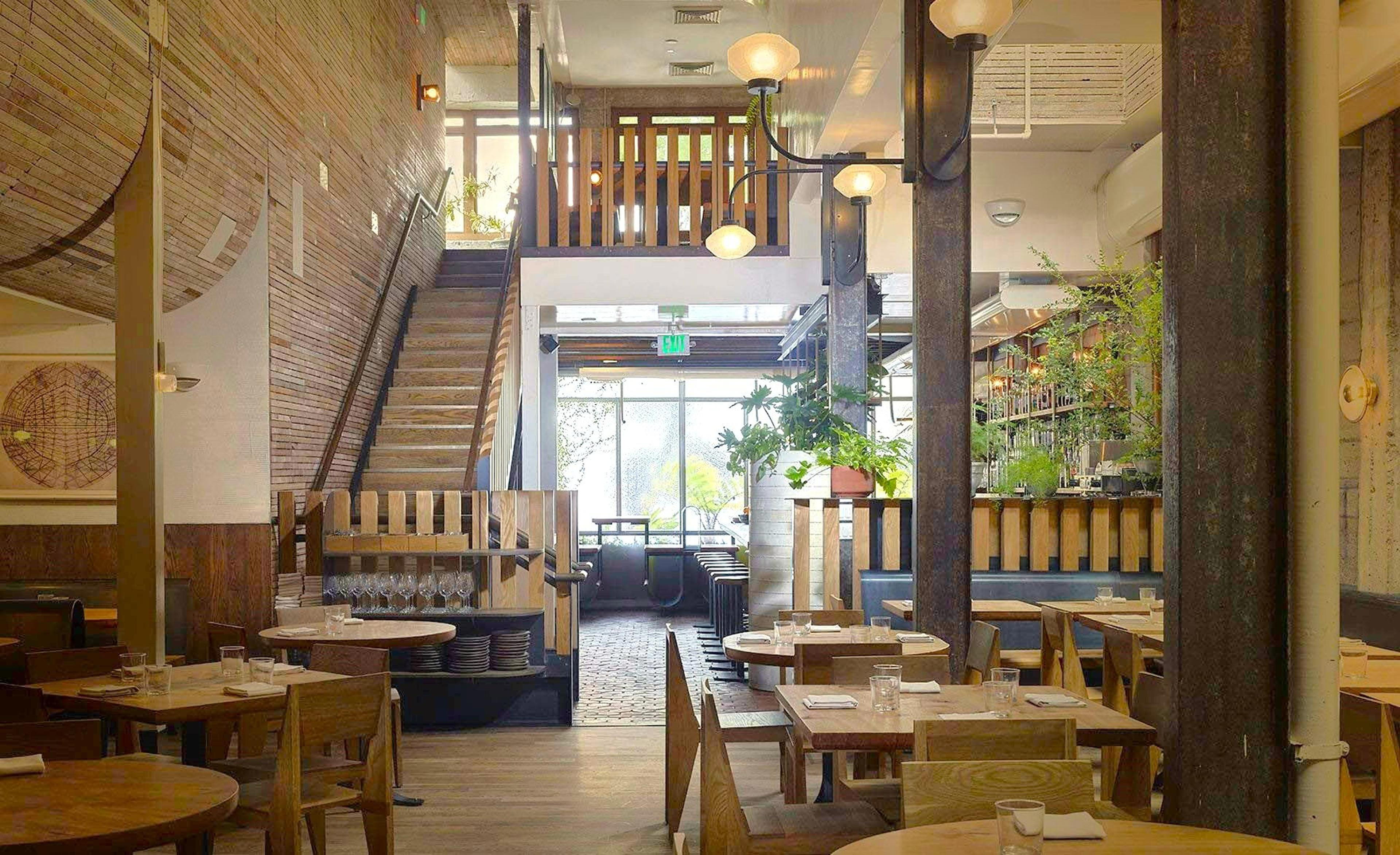
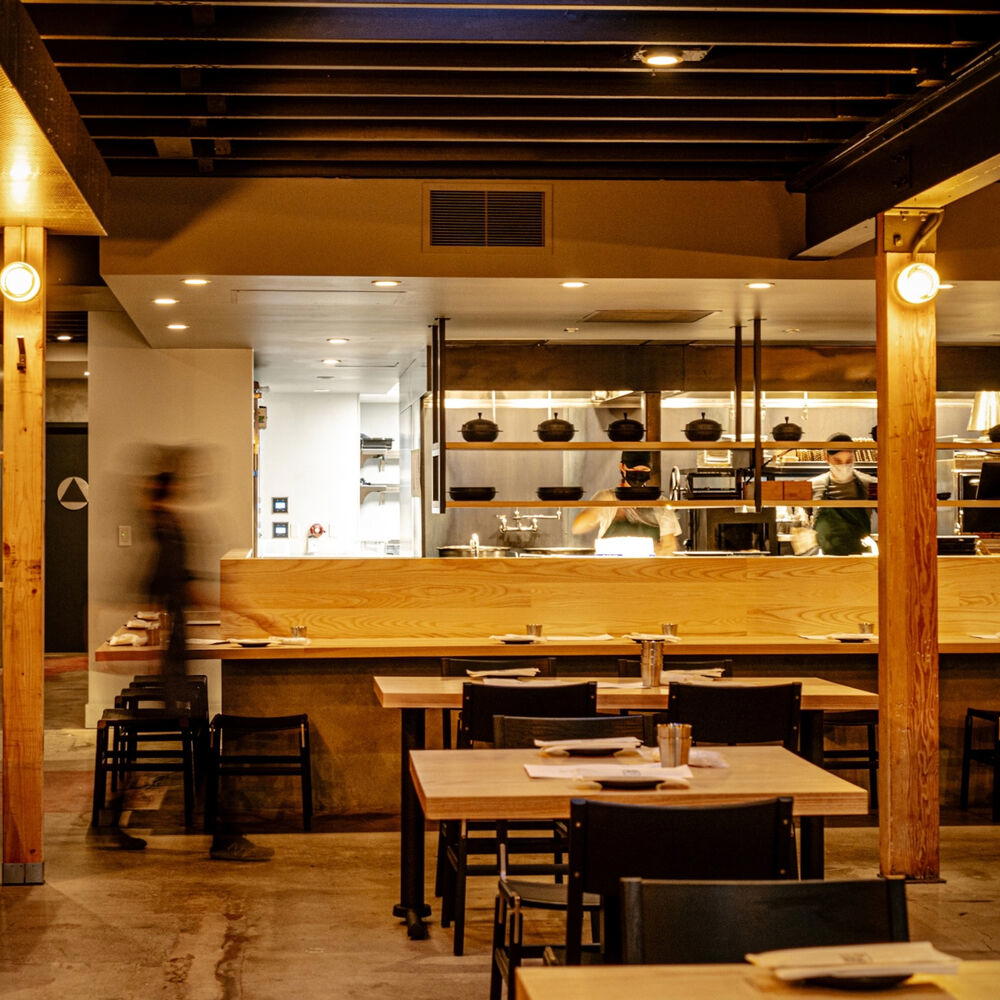
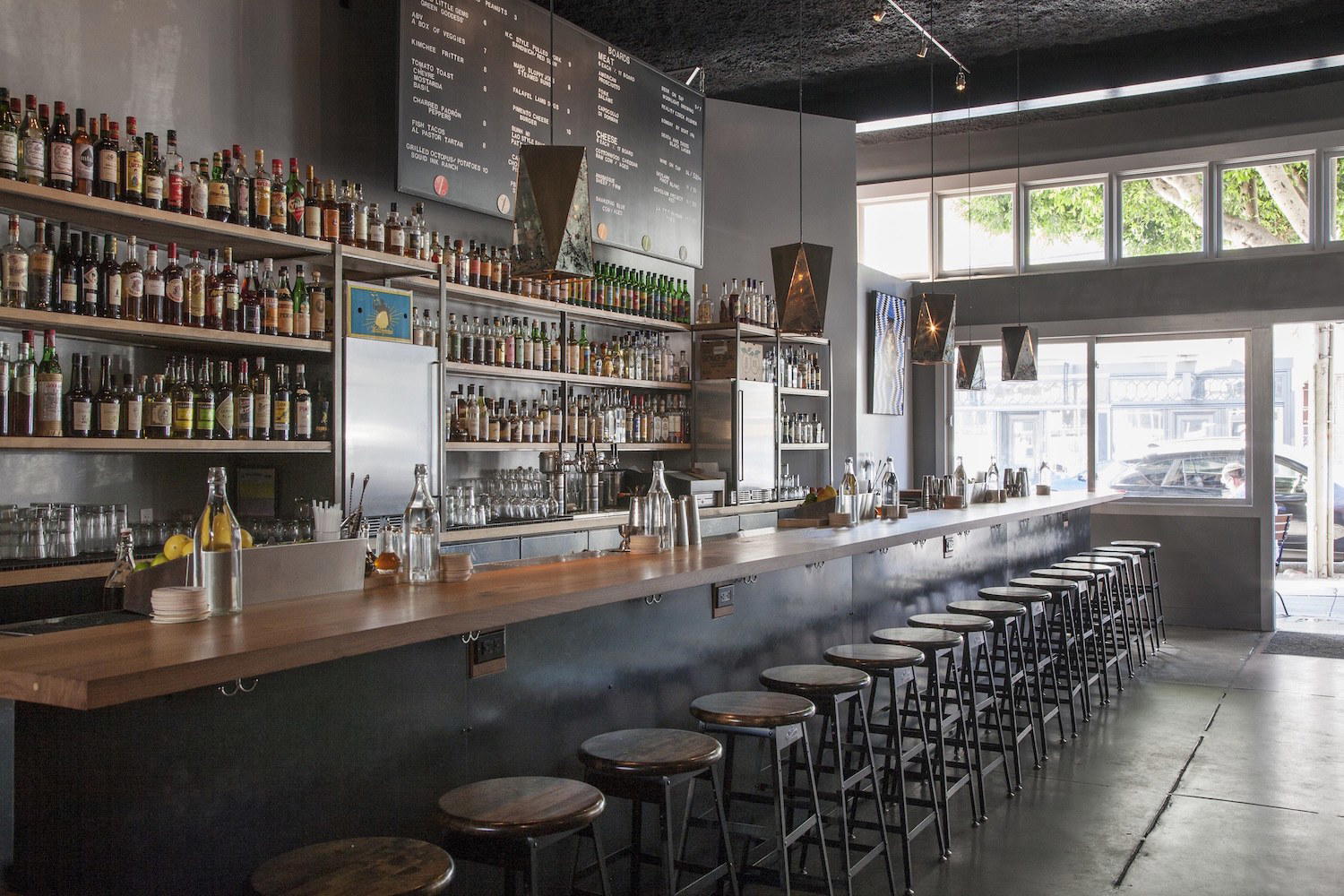
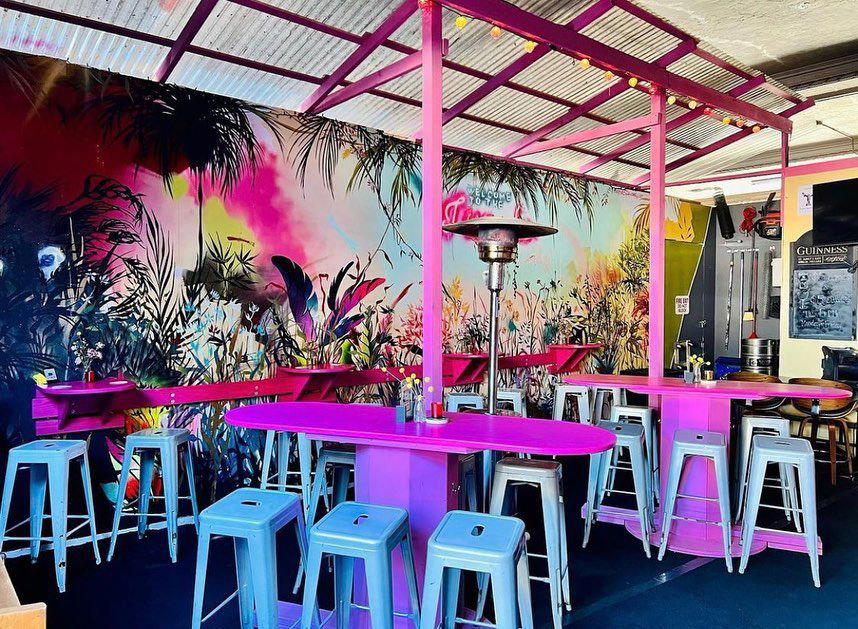
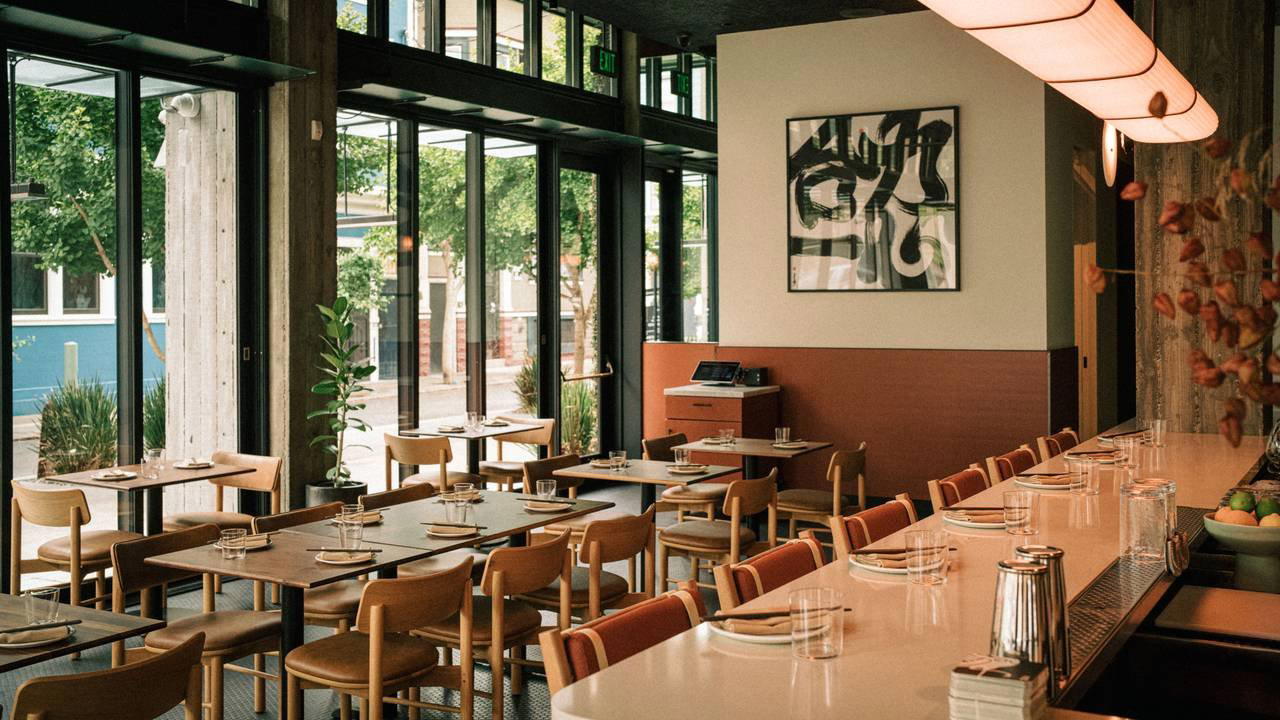
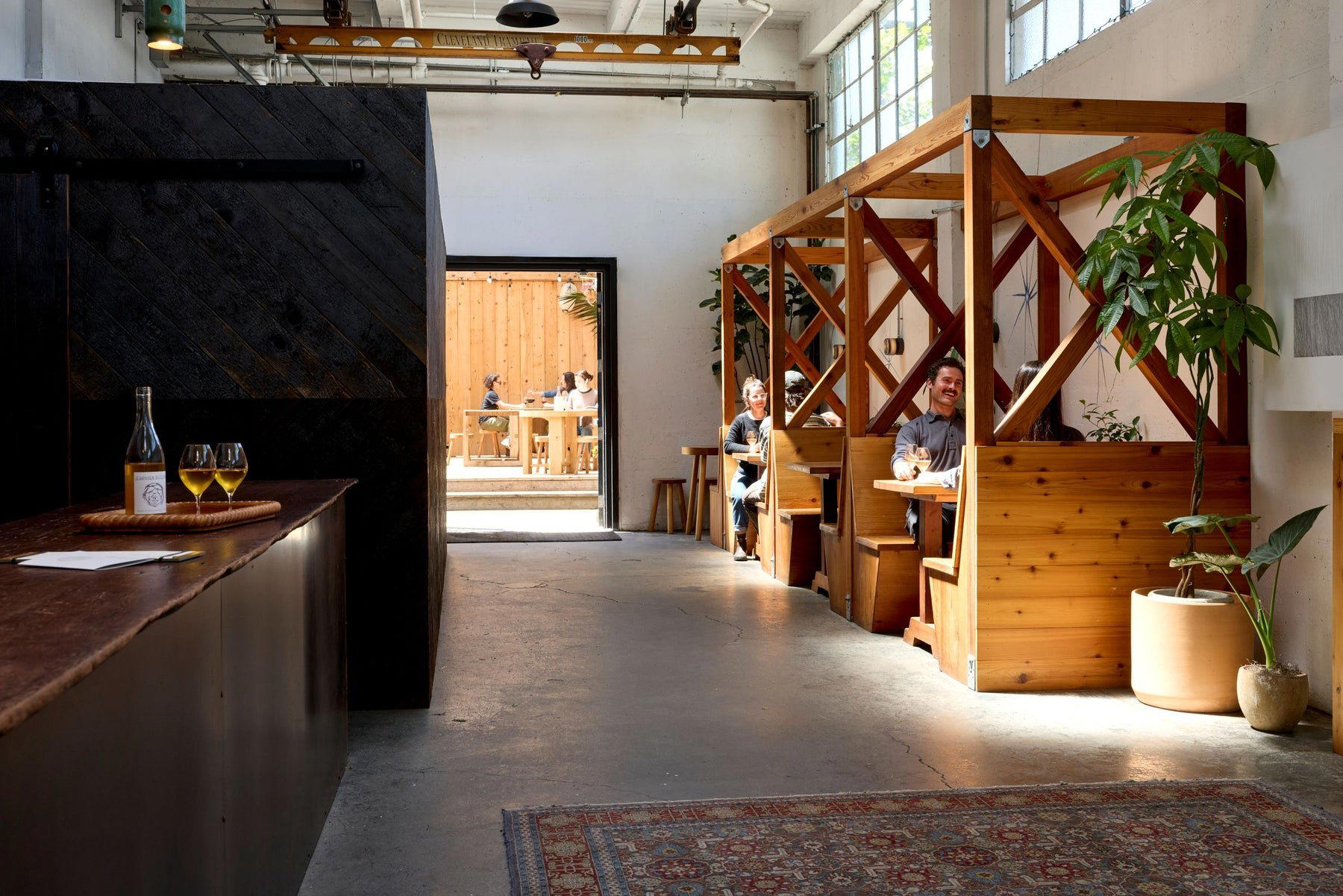
Warm, relaxed setting designed like a home away from home with lush plant life in a lofty multi-level space.