The Grill







Michelin Plate · Star Wine List · Wine Spectator Grand Award
Our verdict
Housed in the landmarked Seagram Building, The Grill is Midtown's definitive mid-century chophouse, operated by Major Food Group inside one of New York's most architecturally significant dining rooms. The all-American menu anchors around tableside-carved prime rib, crab cakes, and a celebrated lemon chiffon cake, backed by a wine list of 3,515 selections and floor service pitched at a theatrical register.

Pearl is the En Primeur Club membership app, where members save venues, book tables and use the concierge.
The menu
What to order
- Prime Rib
- Pasta a la Presse
- Honey Mustard Duckling
- Crab Cakes
- Baked Alaska
The Chophouse as Civic Institution: How New York Invented a Dining Type
The American chophouse is one of the few dining formats the United States produced rather than borrowed. By the mid-twentieth century, New York had refined the form into something specific: large rooms with high ceilings, power clientele, tableside theatrics, and menus that treated prime beef and fresh shellfish as the full extent of culinary ambition. The format required the right architecture to function correctly, and very few buildings in Manhattan provided it better than the Seagram Building, Philip Johnson and Ludwig Mies van der Rohe's 1958 bronze-and-glass tower on Park Avenue. The restaurant space inside it became, across multiple incarnations, one of the city's most consequential dining addresses. The Grill, operated by Major Food Group under owners Jeff Zalaznick, Rich Torrisi, Mario Carbone, and Aby Rosen, is the current expression of that lineage.
Architecture Before the Menu
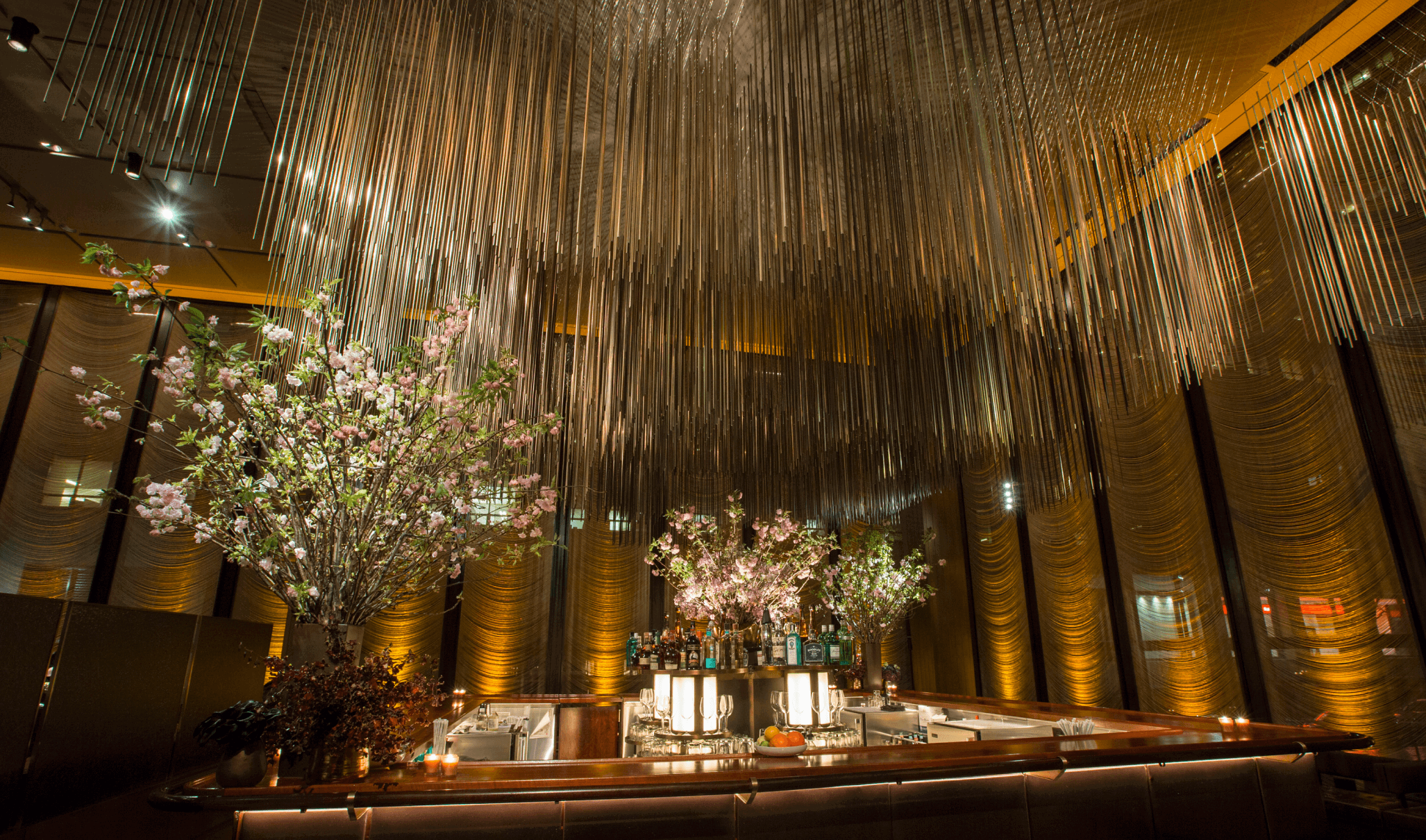
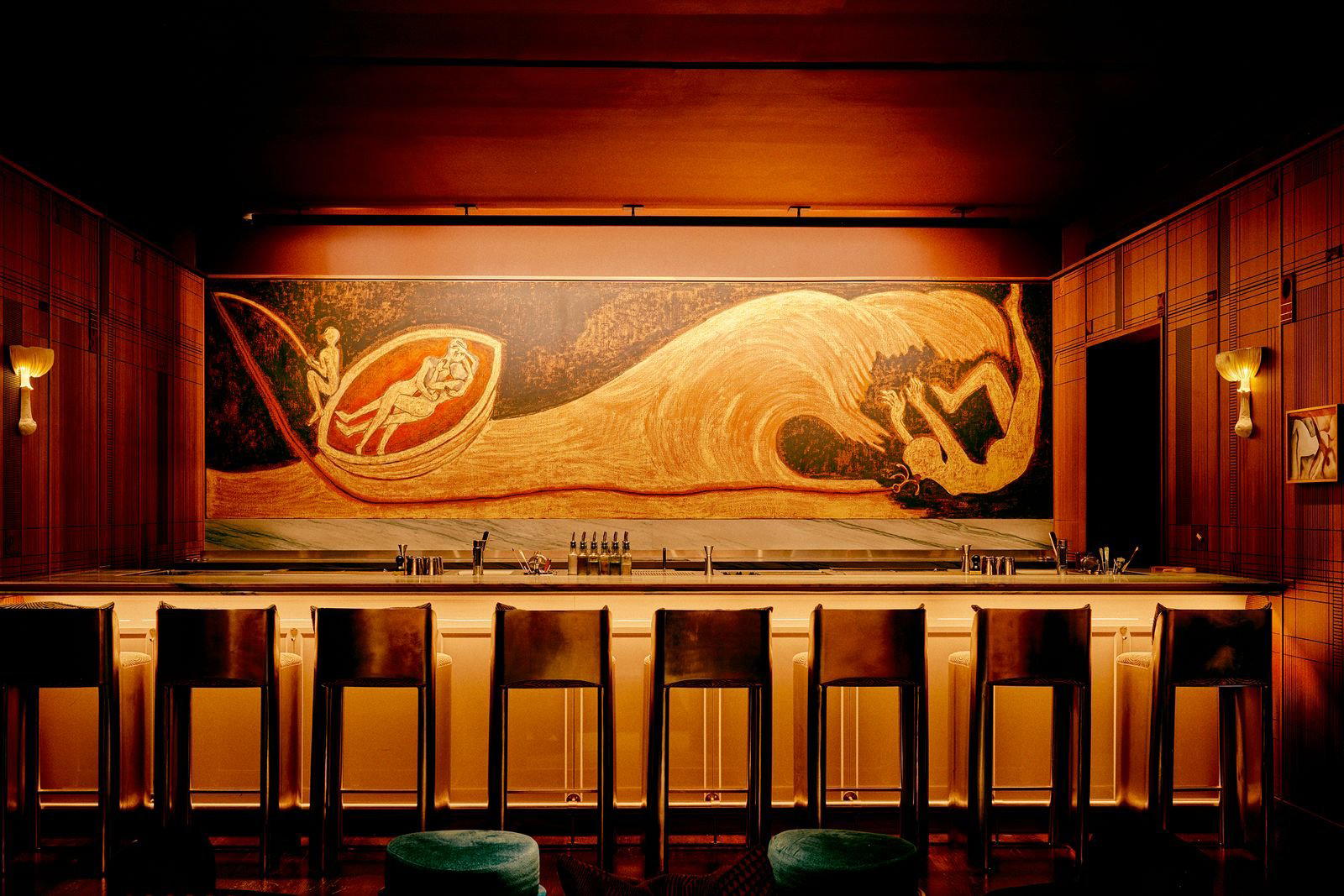
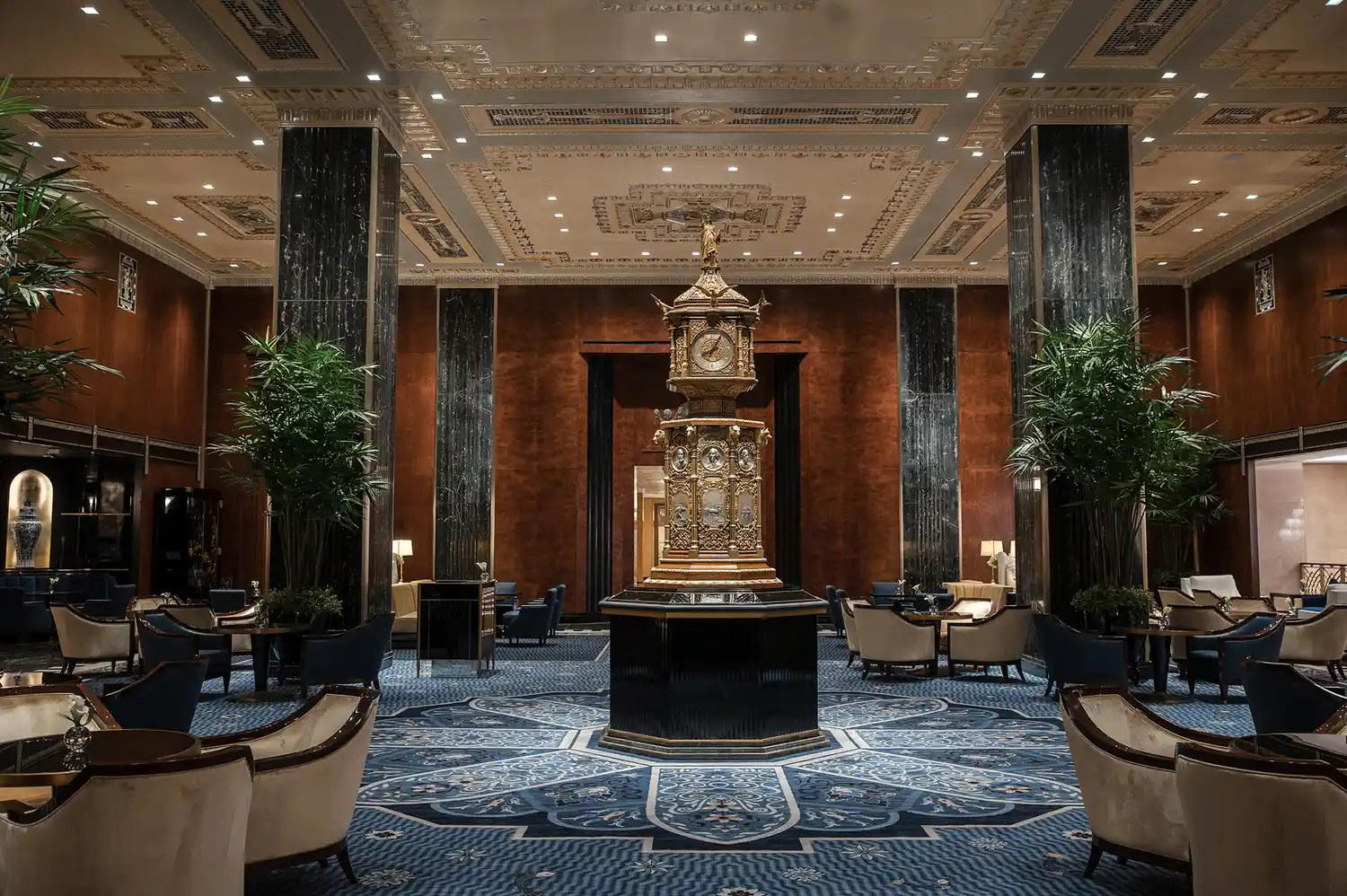
Few dining rooms in New York carry the weight of a landmarked interior, but The Grill's space is protected by the New York City Landmarks Preservation Commission, which constrains what any operator can change and guarantees that the bones of the room remain intact. The soaring ceiling, the dramatic bronze sculpture, and the delicate window treatments that shift with the light are fixed features rather than choices, and they create a visual register that most contemporary restaurant design cannot replicate from scratch. New York Magazine's 2025 list of the 43 best restaurants in the city named The Grill among them, a recognition that reflects the room's continued claim on relevance, not nostalgia.
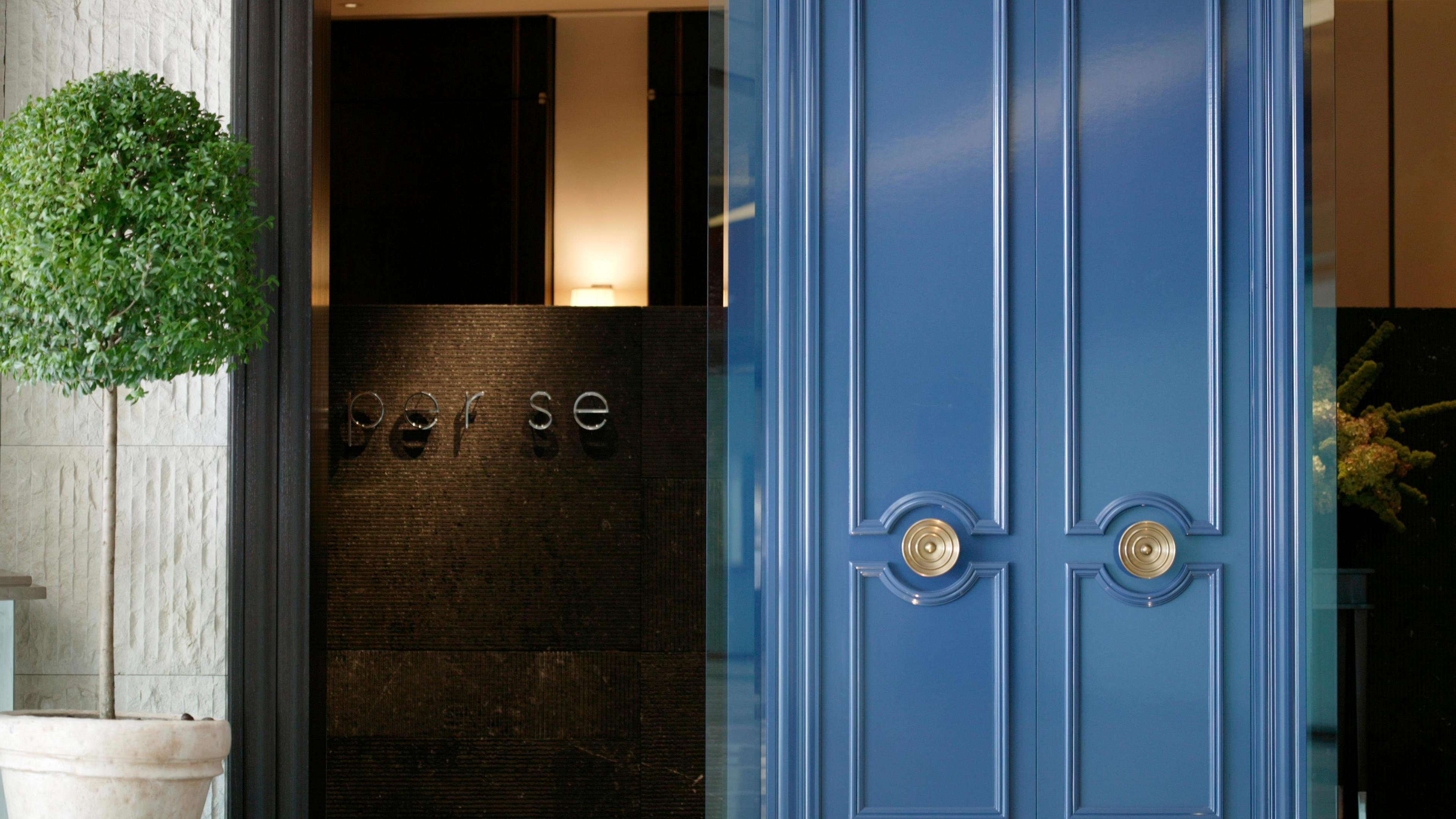
The chophouse tier in Manhattan is smaller than it appears from the outside. Formal American rooms operating at the $$$$ price point and theatrical service register compete against very different peer sets: Le Bernardin anchors French seafood at the same price tier, Per Se runs contemporary French tasting menus across town, and Eleven Madison Park occupies the vegan fine-dining bracket. The Grill sits apart from all of them, operating a menu with no modernist gestures and no tasting-menu format, a deliberate positioning that makes it the clearest heir to the mid-century chophouse tradition in the city's upper tier.
The Menu's Cultural Argument
Under Chef Alex Clark, the kitchen makes a specific claim: that American classics, executed with precision and presented with ceremony, constitute a serious culinary proposition. The tableside-carved prime rib is the anchor dish, a preparation that requires front-of-house skill as much as kitchen work and that frames the service style of the entire room. Tableside presentations appear throughout the meal, including a pasta à la presse finished at the table using a vintage silver duck press, a piece of equipment that connects the format to early-twentieth-century French service traditions absorbed into American fine dining.
The crab cake preparation, served with pan-fried potatoes, sits in a lineage of American shellfish dishes that the East Coast chophouse codified over decades. The lemon chiffon cake, layered with lemon curd and frosted with buttercream, closes the meal in the same register: technically grounded, historically rooted, and disinterested in novelty. Across restaurants in the American dining tradition, from Emeril's in New Orleans to Hilda and Jesse in San Francisco and Selby's in Atherton, the question of what American food means at a fine-dining price point gets answered differently. The Grill's answer is the most historically conservative of the group, and that conservatism is the point.
For comparison, the American fine-dining spectrum elsewhere runs toward progressive formats: Lazy Bear in San Francisco operates a communal tasting-menu structure, Single Thread Farm in Healdsburg builds menus around agricultural specificity, and Providence in Los Angeles runs seafood-forward contemporary tasting. The Grill's commitment to carved tableside meat and classic American desserts in a mid-century landmark interior represents the opposite end of the same national conversation about what this cuisine is for.
The Wine Program
Wine Director John Slover and Amy Thurmond oversee a list of 3,515 selections with an inventory of 22,800 bottles. The program's declared strengths span California, Burgundy, Bordeaux, Italy, Champagne, and the Rhône, a classical configuration that mirrors the room's aesthetic values: depth over novelty, proven producers over emerging appellations. The list is priced at the $$$ tier within the restaurant's own $$$$ dining context, meaning many bottles clear $100. Corkage is $95 for guests bringing their own bottles. The sommelier team, which includes Williston Cox, Erin Kesseli, Libby Winters, Jeremy Hansen, and Christian Piscitelli, is large by New York standards, reflecting the service density the room requires at peak covers.
That is a different offer from what you find at, say, Family Meal at Blue Hill, where the wine program connects directly to the agricultural sourcing philosophy, or at Cafe Commerce, which operates at a different price register entirely. The Grill's list is built to match the room, not to express a separate editorial point of view.
Where The Grill Sits in the Midtown East Ecosystem
Midtown East has always divided between destination dining and power-lunch formats, and The Grill operates in both modes simultaneously. The Seagram Building address, at 99 East 52nd Street, puts it within walking distance of the corporate and legal corridors that have historically defined the area's lunch trade. The room's scale and theatrical service pitch it equally at dinner, when the clientele tilts toward occasion dining and the theatrical register of tableside carving reads differently against an evening crowd.
For visitors building a wider picture of New York dining, our full New York City restaurants guide maps the range from formal rooms like this one to neighbourhood-specific addresses. Those planning accommodation near Midtown can consult our New York City hotels guide, and those looking for pre-dinner or post-dinner options will find the city's bar scene covered in our New York City bars guide. Wine-focused visitors should also check our New York City wineries guide and our New York City experiences guide.
At the other end of Manhattan's dining tonal range, Archie's Tap and Table, Community Food and Juice, and the Carlyle Restaurant each offer different calibrations of the formal-American register. The Carlyle, also operating inside a historically significant address, is the closest point of comparison in terms of room gravitas, though its menu and clientele follow different patterns. Across the country, American restaurants at comparable price tiers, including Alinea in Chicago, have moved decisively away from the chophouse format.
Planning Your Visit
The Grill is located in the Seagram Building at 99 East 52nd Street, Midtown East, Manhattan. The dining format covers both lunch and dinner service. The wine list carries a corkage fee of $95 for outside bottles. The restaurant is recognized on New York Magazine's 2025 list of the 43 best restaurants in New York City, and operates at a $$$$ price point for cuisine ($$$ for wine by list standards).
Quick reference:
Frequently asked questions
What should I expect atmosphere-wise at The Grill?
The room is large and formal, set inside a landmarked mid-century interior with high ceilings, a dramatic bronze sculpture, and window treatments that shift with the light. Service is theatrical by design: tableside presentations, including the signature carved prime rib and the duck-press pasta preparation, are built into the format rather than offered on request. New York Magazine placed it on its 2025 list of the city's 43 best restaurants, which aligns with what the room projects.
What is the dish to order at The Grill?
The tableside-carved prime rib is the defining preparation and the one that leading illustrates the kitchen's and floor's combined approach. The crab cake with pan-fried potatoes and the lemon chiffon cake with lemon curd and buttercream are both cited as highlights across critical coverage. If the duck-press pasta is available, the tableside preparation alone justifies ordering it. Chef Alex Clark's menu is a short American canon, and ordering against that logic rather than treating it as a conventional à la carte list produces the intended experience.
Is The Grill child-friendly?
At the $$$$ price point in a room operating at full theatrical-service register, The Grill is not structured around a family-dining experience. The formality of the room, the tableside service protocols, and the price level put it in the same bracket as other New York fine-dining addresses where the environment is calibrated for adult occasions. Families visiting New York with children and looking for American dining at a different register will find better-matched options elsewhere in the city's dining range.
Comparison Snapshot
| Venue | Cuisine | Price | Awards | Notes |
|---|---|---|---|---|
| The GrillThis venue (the venue you are viewing) | Classic American Steakhouse | $200–300 | Michelin Plate · Star Wine List | Not listed |
| Le Bernardin | French Seafood Fine Dining | $300–500 | 3 Michelin Stars · World's 50 Best #13 | French, Seafood |
| Atomix | Modern Korean Tasting Menu | $300–500 | 2 Michelin Stars · World's 50 Best #7 | Modern Korean, Korean |
| Masa | Seasonal Hokkaido Tempura Omakase | $150–200 | Tabelog 100 #34 | Sushi, Japanese |
| Per Se | French Fine Dining Tasting Menu | $300–500 | 3 Michelin Stars · World's 50 Best #40 | French, Contemporary |
| Eleven Madison Park | Contemporary Plant-Based Fine Dining | $300–500 | 3 Michelin Stars · World's 50 Best #4 | French, Vegan |
Recognition history
Dated appearances from independent guides and award organizations, with the underlying list record or original source where available.
Michelin Plate
Michelin
Star Wine List
Star Wine List
Opinionated About Dining Top Restaurants in North America Ranked #126
Opinionated About Dining
Wine Spectator Grand Award
Wine Spectator
New York Magazine The 43 Best Restaurants in New York
New York Magazine
Full recognition history (8 entries)
New York Times Best Restaurants in New York City
New York Times
Wine Spectator Grand Award
Wine Spectator
Robb Report 100 Greatest American Restaurants of the 21st Century #84
Robb Report
Continue exploring
More in New York City
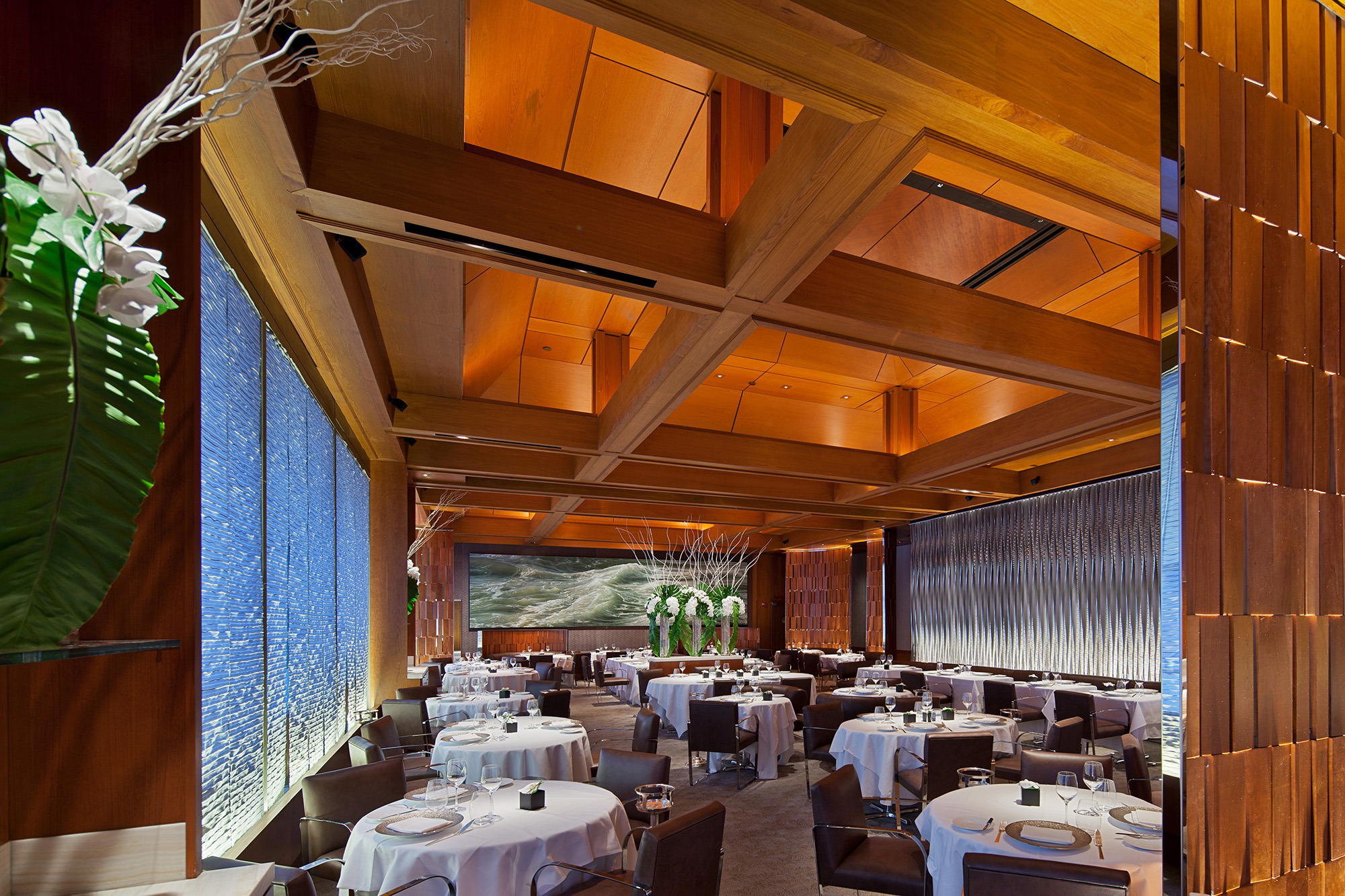
Restaurants in New York City
All restaurants in New York City →
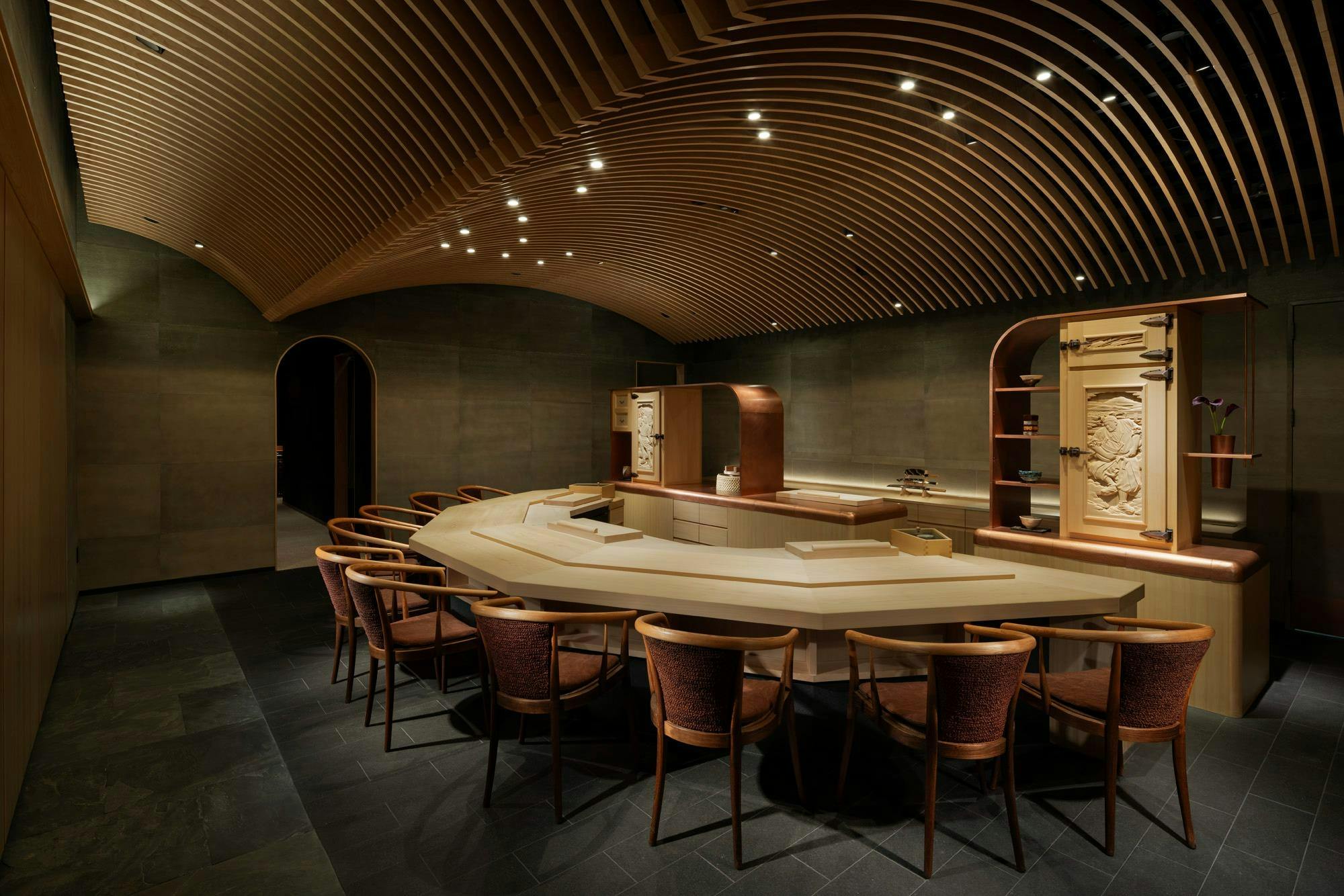
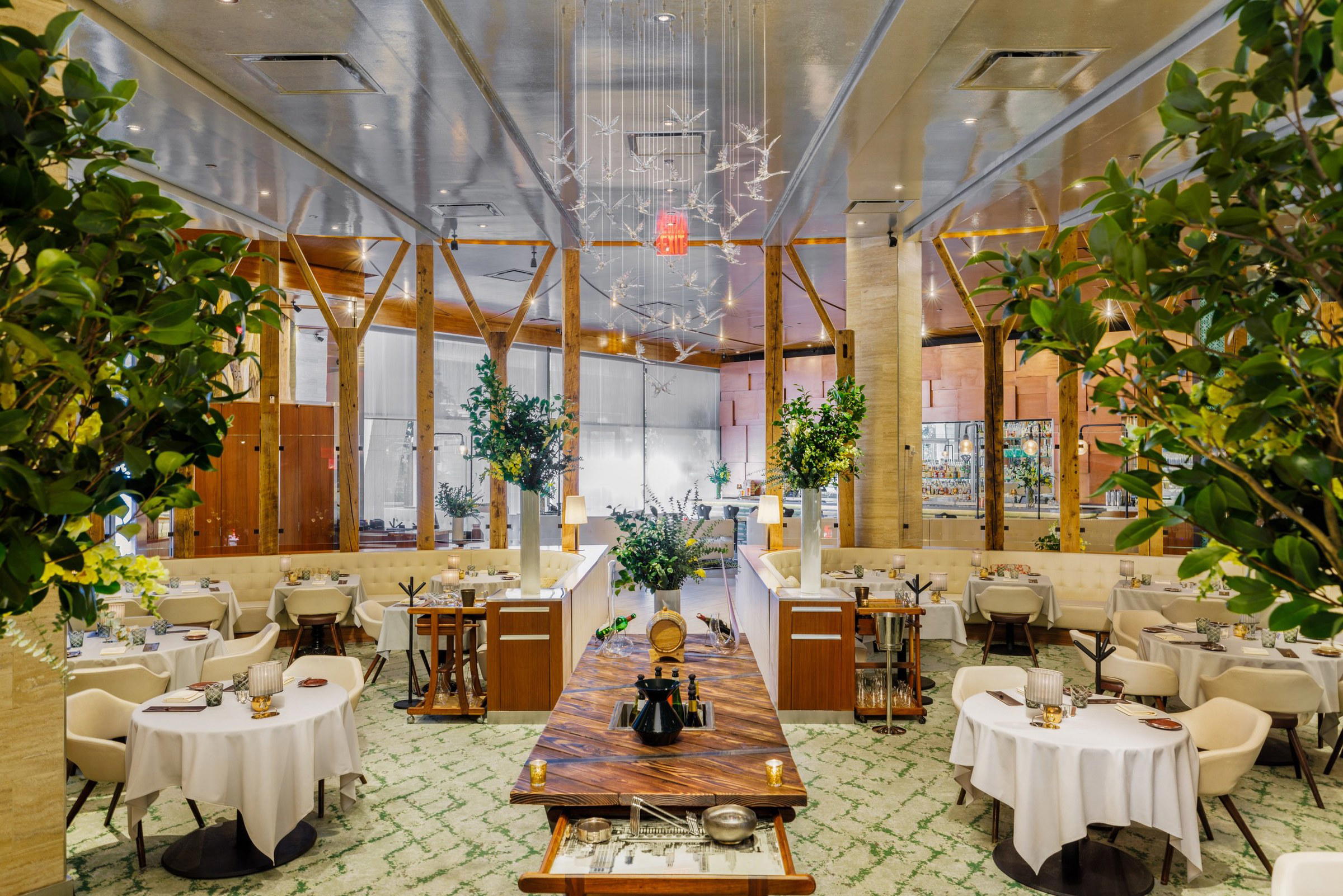
Bars in New York City
All bars in New York City →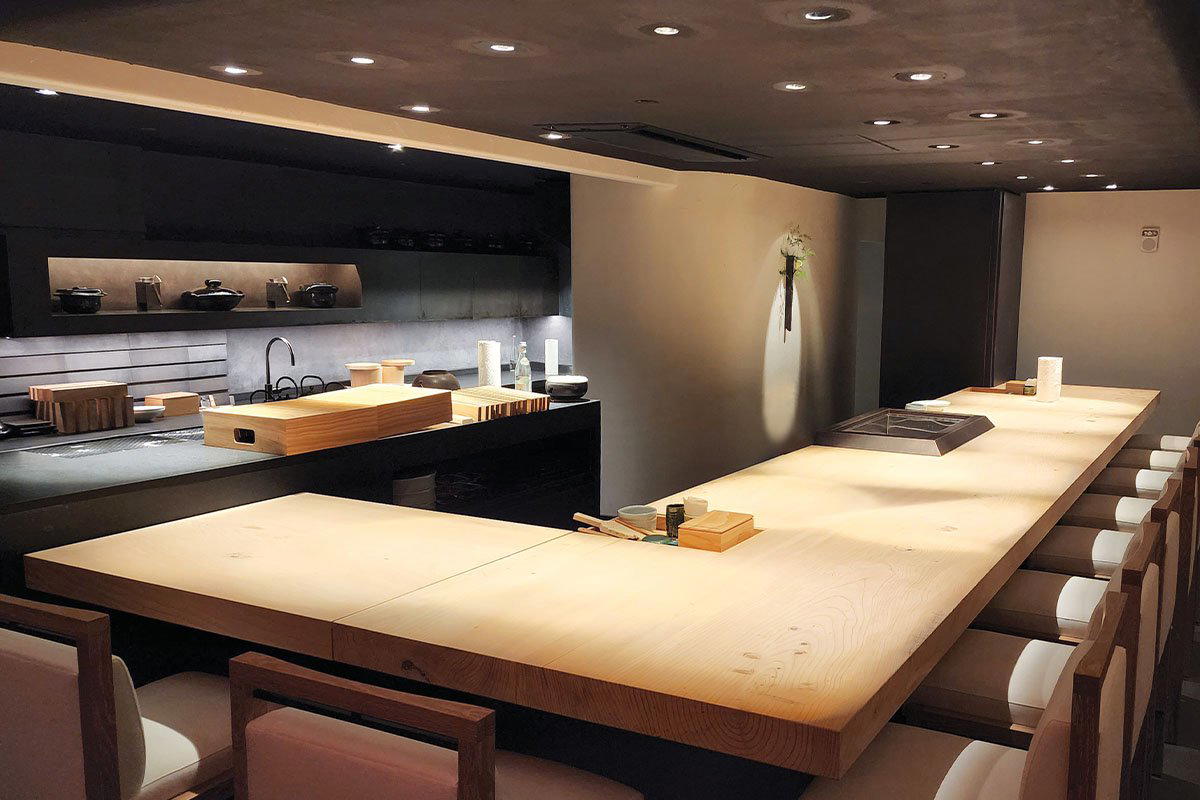
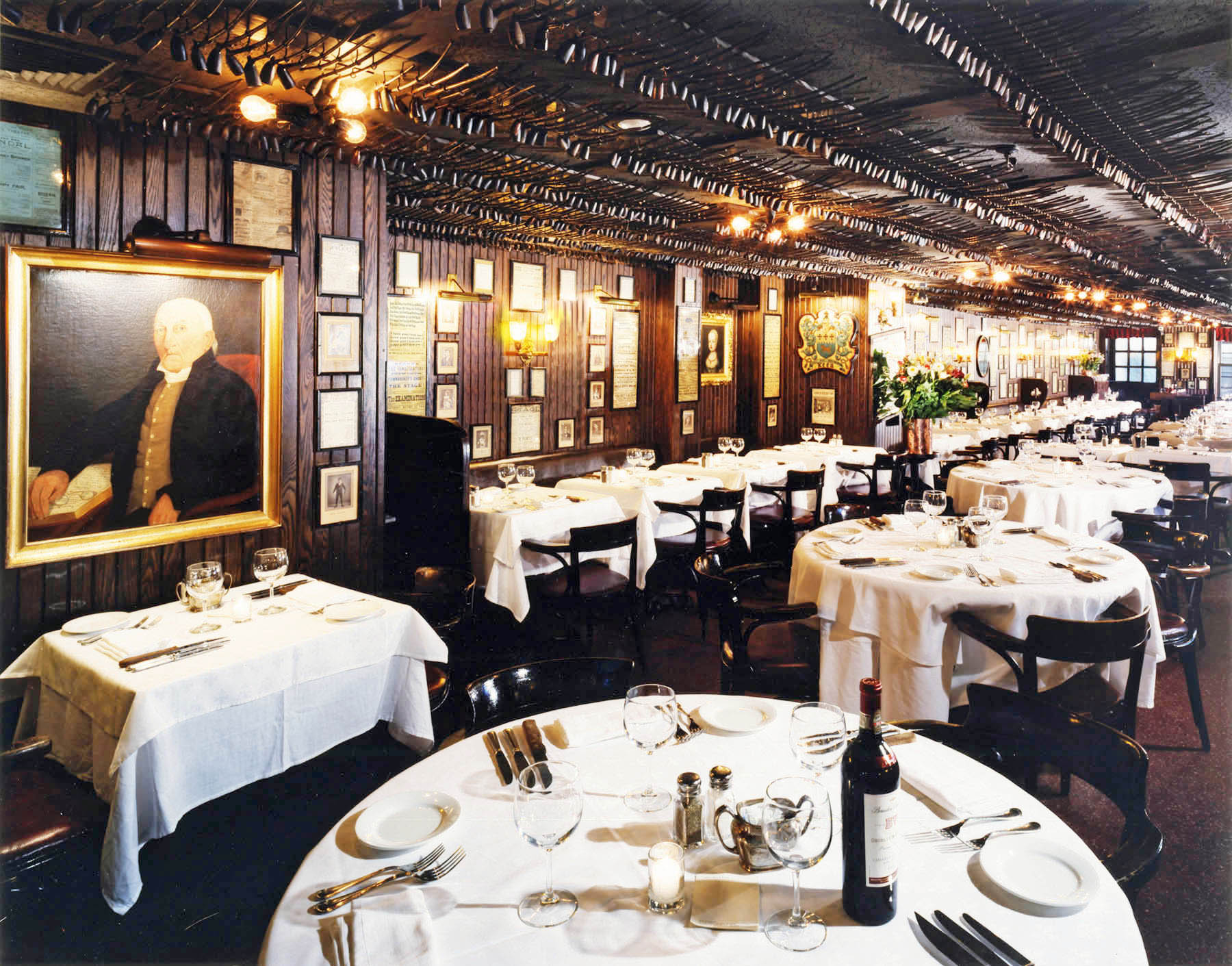

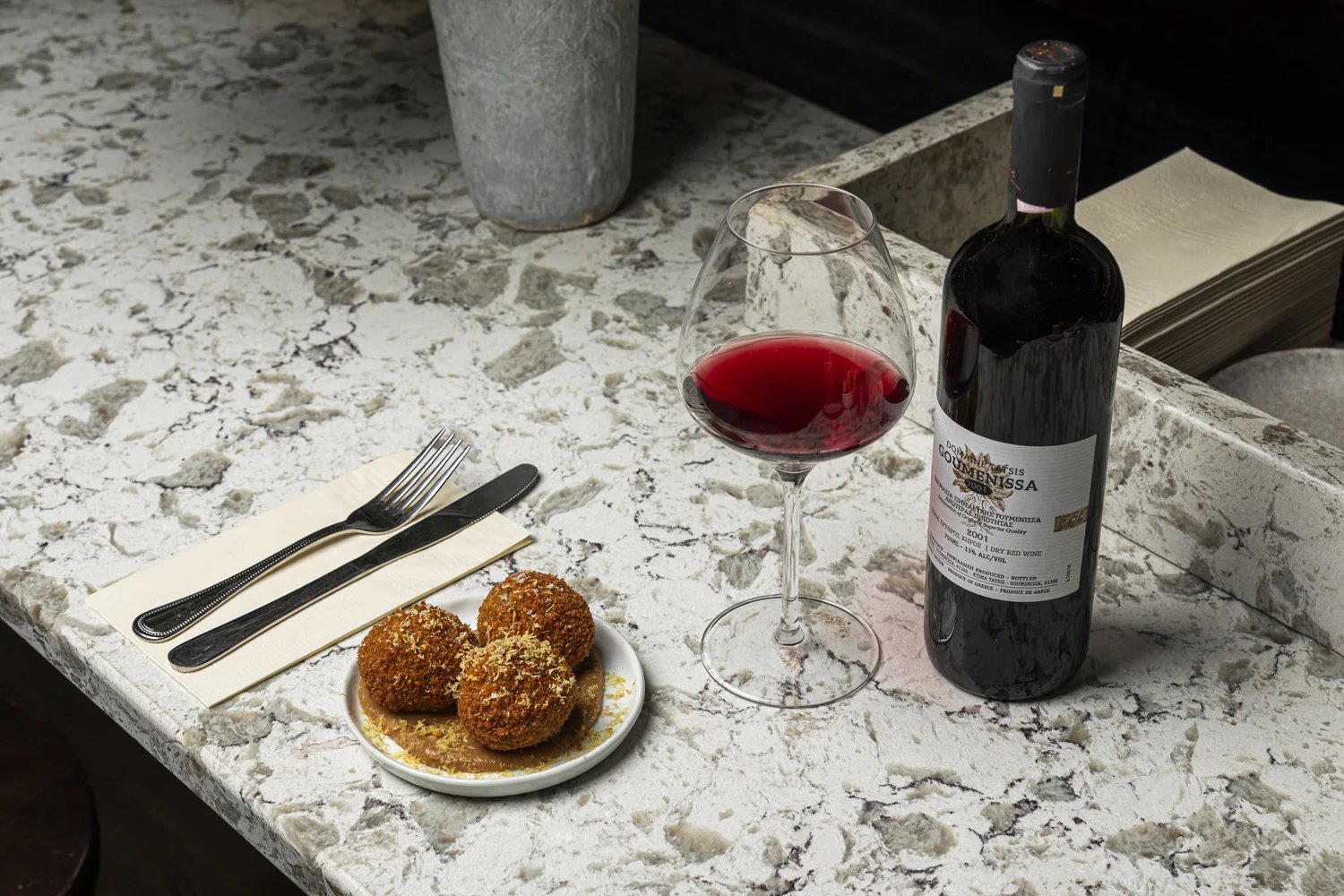



The Grill
The wine
The Grill holds the Wine Spectator Grand Award, which Wine Spectator gives to lists of usually 1,000 or more selections.
- Wine program
- Deep wine list
- Wine Spectator
- Wine Spectator Grand Award
- Selections
- 3,515
- Bottles in cellar
- 22,800
- List strengths
- California, Burgundy, Bordeaux, Italy, Champagne, Rhône, France
- Wine director
- John Slover, Amy Thurmond
- Extensive wine list
- Sommelier-led
- Craft cocktails
Details
- Elegant
- Well Known
- Sophisticated
- Classic
- Ornate
- Date Night
- Business Dinner
- Special Occasion
- Celebration
- Historic Building
- Design Destination
- Private Dining
- Open Kitchen
- Extensive Wine List
- Sommelier Led
- Craft Cocktails
- Local Sourcing
- A La Carte
- Prix Fixe
- Wine
- Cocktails
- Gluten Free Options
- Vegetarian Friendly
Current opening hours
- Monday
- 11:45 AM–2 PM, 5–11 PM
- Tuesday
- 11:45 AM–2 PM, 5–11 PM
- Wednesday
- 11:45 AM–2 PM, 5–11 PM
- Thursday
- 11:45 AM–2 PM, 5–11 PM
- Friday
- 11:45 AM–2 PM, 5–11 PM
- Saturday
- 5–11 PM
- Sunday
- Closed
Hours can change for holidays and private events. Hours as of .
Grandiose mid-century supper club atmosphere with refined, theatrical ambiance; elegant dining room with dramatic lighting and curtains that evoke a Venetian outdoor space; refined yet relaxed despite formal service in tuxedos.