Google: 4.9 · 107 reviews
The Greenhouse

In a stone village on the Lizard Peninsula, The Greenhouse serves seasonal, organic cooking with a global accent and a clear bias toward Cornish seafood. The kitchen works from a larder of regional and biodynamic produce, pairing Falmouth Bay scallops and locally landed fish with Japanese-influenced preparations and an organic wine list that leans into the same sourcing logic.
 Discover on Pearl
Pearl is the En Primeur Club membership app — saves, bookings, and concierge access live there. Same editors, same standards.
A Village Address at the Edge of the Lizard
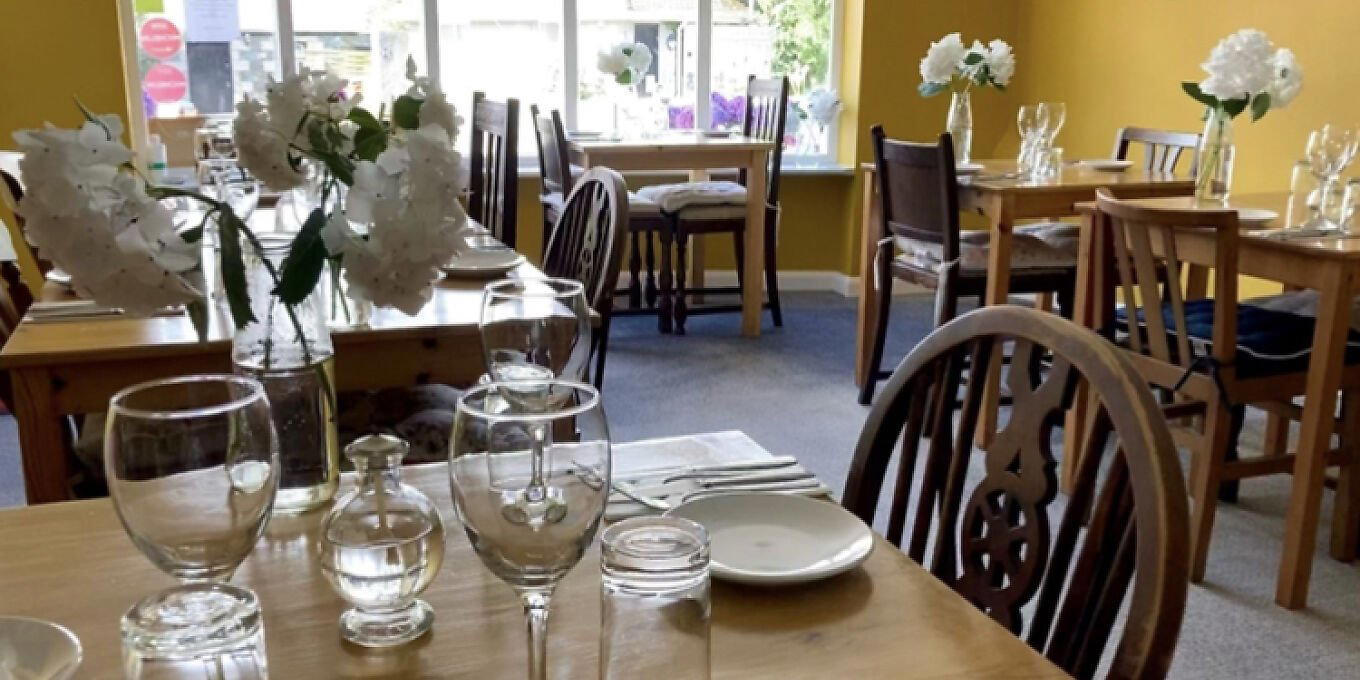
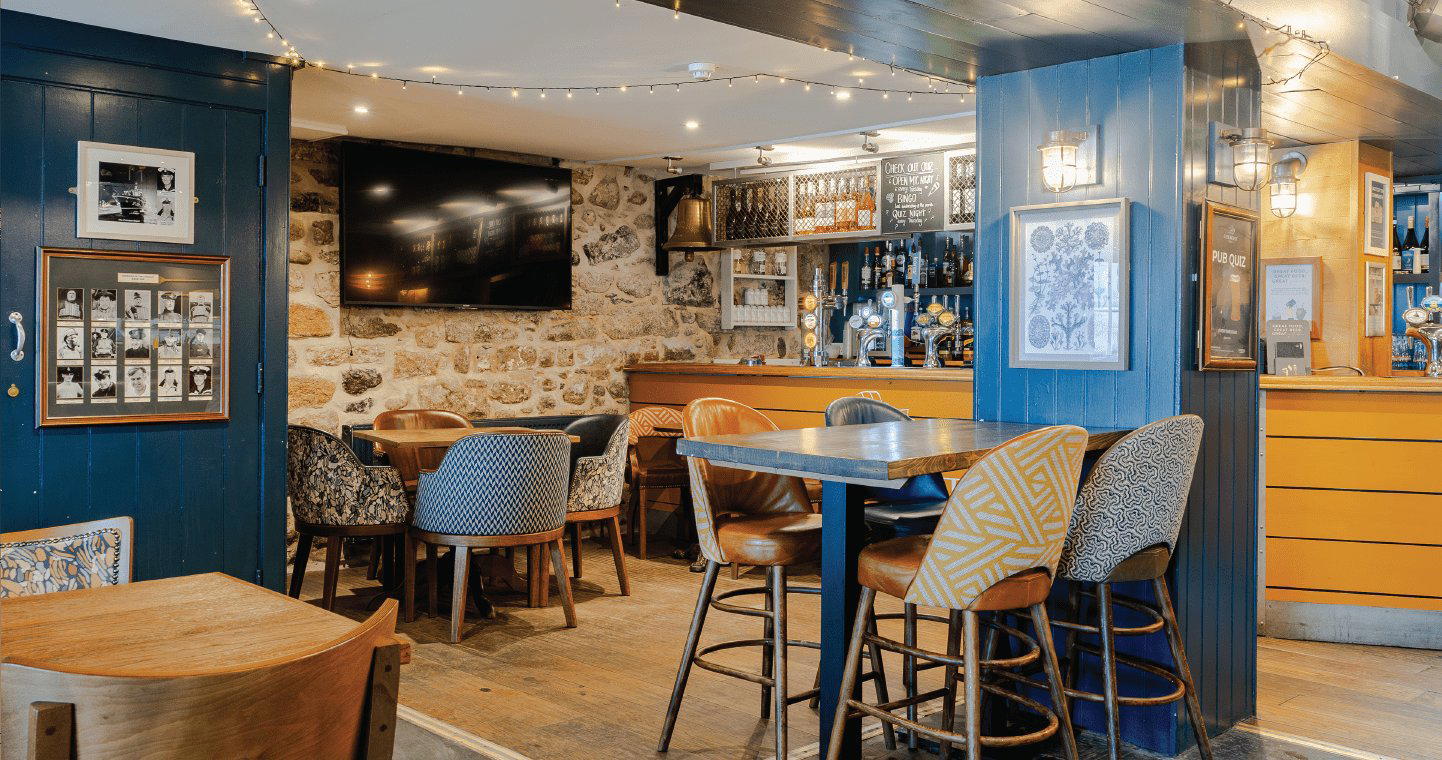
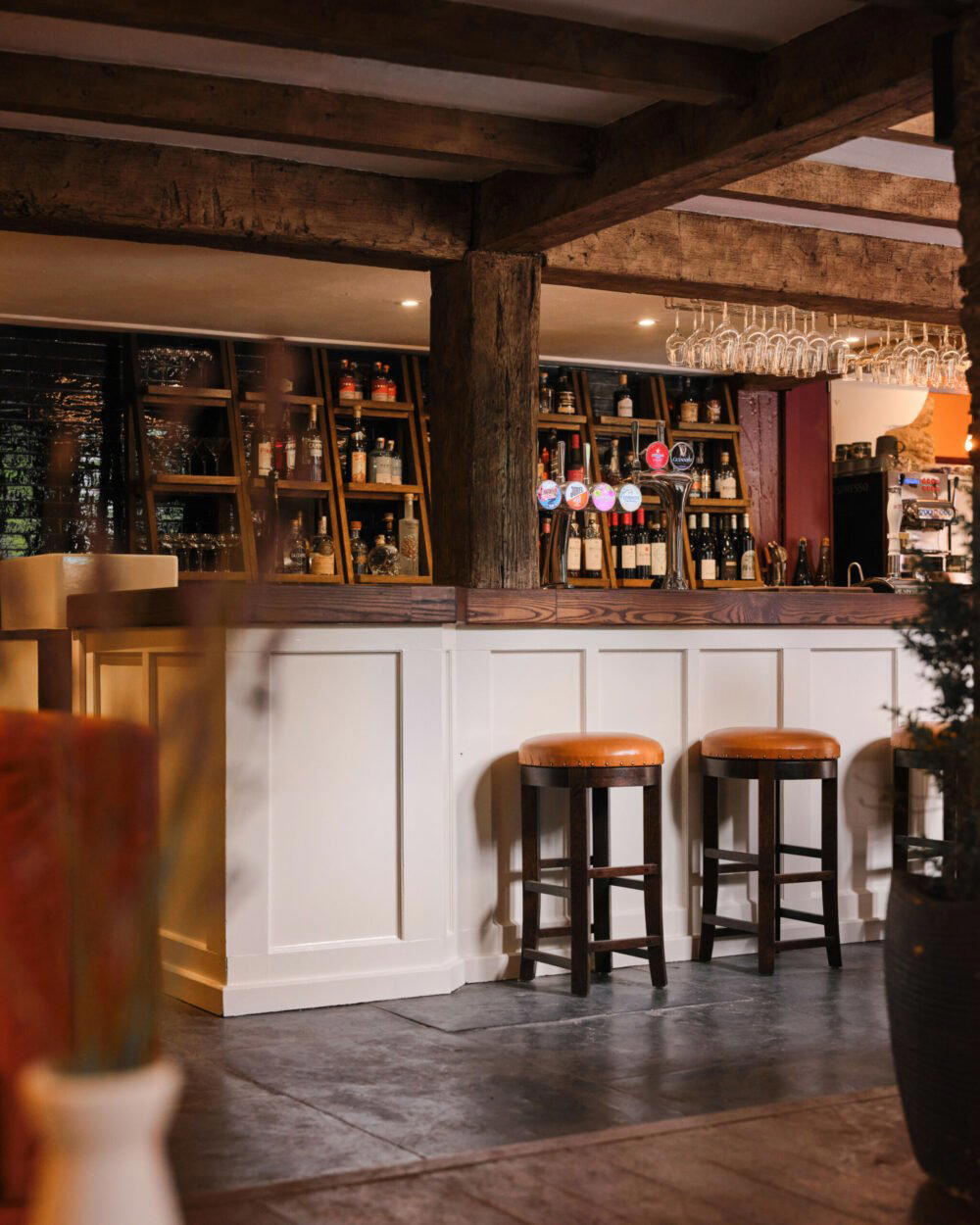
St Keverne sits near the southern tip of the Lizard Peninsula, one of the more genuinely remote corners of Cornwall, where the Atlantic presses in on three sides and the village square holds a cluster of granite cottages that have changed very little in outward appearance for generations. The Greenhouse occupies a modest position on the high street, its frontage in keeping with the neighbouring buildings rather than signalling itself as a dining destination. That restraint carries through the door. The dining room is intimate in the way that small, focused restaurants in rural England often are: few covers, no performative design, a host in Neil Woodward who talks about the food with the kind of specificity that suggests the sourcing decisions are considered rather than incidental.
This is a format that has found traction across the rural UK in the past decade, particularly in regions with strong agricultural and coastal identities. Cornwall has its own version of this story: a county where the raw material case for local sourcing is unusually strong, and where a small number of kitchens have built menus tightly around what the sea and the surrounding farms reliably produce. The Greenhouse belongs to that cohort. For comparison at a different scale, places like L'Enclume in Cartmel and Moor Hall in Aughton have demonstrated how rural English dining can build serious reputations around a commitment to place and produce. The Greenhouse operates in a quieter register, without the infrastructure of those larger destination kitchens, but the sourcing logic is recognisably the same.
Where the Ingredients Come From and Why That Shapes the Plate
The kitchen is led by Leonie Woodward, and the menu reads as a direct expression of what a seasonal organic larder in this part of Cornwall can produce. Seafood is the structural centre of the menu, which is not a stylistic choice so much as a geographical inevitability. Falmouth Bay, a short drive north along the coast road, produces scallops that appear on the menu roasted on the half-shell with lemon, garlic and seaweed butter: a preparation that keeps the emphasis on the ingredient rather than obscuring it. The seaweed butter is a detail worth noting. It anchors a dish made from locally landed shellfish back into the specific marine environment that produced it, a technique that the better coastal kitchens in the UK have been developing with increasing precision.
The sourcing commitment does not stop at Cornish waters. The menu moves across influences, with Japanese technique appearing alongside regional tradition in a way that reflects how contemporary British cooking has absorbed global reference points without abandoning local material. A treacle-cured trout with nori and tomato ponzu sits alongside the scallops on the starter section, the curing and the ponzu adding acidity and depth to a fish that the kitchen evidently sources with the same regional rigour as the shellfish. Organic and biodynamic sourcing extends to the wine list, where the brief selection prioritises producers working to the same principles as the kitchen. Local Cornish ales complete a drinks offer that is consistent in its logic: the sourcing choices on the plate are mirrored in the glass.
For context on how this approach compares within the broader British dining conversation, kitchens at Gidleigh Park in Chagford and hide and fox in Saltwood have each developed regional sourcing programs in comparable rural English settings. At the London end of the market, The Ledbury and Midsummer House in Cambridge demonstrate how ingredient provenance has become a structural argument in British fine dining rather than a background note. The Greenhouse makes that argument with less ceremony but with the same conviction.
Reading the Menu as a Whole
The menu's movement across culinary traditions is deliberate rather than eclectic. A butter-roasted monkfish in crab velouté with cockles and leeks places Cornish seafood in a classical French-influenced framework, the velouté giving the dish weight and richness that a lighter broth could not. The cockles add a briny contrast that reminds the diner of where the fish came from. Miso-roasted pork belly and anise-scented tenderloin with roasted beetroot and raisins pulls the menu in a different direction, the umami of the miso and the sweetness of the raisins working against the earthiness of the beetroot in a combination that reads as genuinely thought through rather than fashionably global.
Dessert follows the same pattern. A baba, conventionally soaked in rum, arrives here with carob liqueur, a substitution that grounds the dish in Mediterranean and North African flavour without abandoning the French pastry form. Poached pear and clotted cream complete the plate, the cream providing the most direct regional signal in the dessert section. Clotted cream from Cornwall is one of those ingredients with a provenance argument attached: the fat content, the flavour, and the cultural identity of the product are specific to the county in a way that imported cream is not. Its appearance here is not decorative.
Planning a Visit
St Keverne is not a passing location. The village is at the end of a sequence of narrowing lanes off the A3083, and the drive from Helston takes around twenty minutes under normal conditions. Most visitors arrive as part of a deliberate trip to the Lizard Peninsula rather than as a detour from a coastal walk. The intimacy of the dining room means table availability is limited, and given the kitchen's reputation among readers familiar with Cornish dining, booking in advance is the practical approach. The Greenhouse does not operate at the scale of destination restaurants with months-long waiting lists, but the combination of a small room, a seasonal menu, and a regional following means the assumption of a walk-in table is unlikely to hold, particularly through the summer months when the peninsula draws visitors from across the country.
For those building a longer stay around the visit, the surrounding guides on EP Club cover accommodation and broader options in the area: see our full St Keverne hotels guide, our full St Keverne bars guide, and our full St Keverne experiences guide. For the wider dining picture in the village, our full St Keverne restaurants guide provides context. Those interested in the wine sourcing philosophy behind the drinks list can explore our full St Keverne wineries guide for regional producers working in the same biodynamic and organic tradition. Internationally, the sourcing-led approach to coastal seafood finds its most extreme expression at places like Le Bernardin in New York City, where ingredient quality operates as the primary argument of the menu. The Greenhouse works at a different scale and in a different register, but the underlying logic is not dissimilar.
For readers who track this kind of cooking across the British Isles, the comparison set also includes Hand and Flowers in Marlow, Opheem in Birmingham, Restaurant Sat Bains in Nottingham, Waterside Inn in Bray, and Le Manoir aux Quat' Saisons in Great Milton, each of which has developed a distinct relationship with regional sourcing and seasonal discipline. The Greenhouse occupies a smaller, less publicised position within that broader story of British cooking, but the sourcing commitment and the quality of the Cornish material it works with place it in the same conversation. Emeril's in New Orleans offers a transatlantic counterpoint to the same argument: that the strongest menus are built around the specific character of their immediate geography.
How It Stacks Up
These are the closest comparables we have in our database for quick context.
| Venue | Cuisine | Price | Awards | Notes |
|---|---|---|---|---|
| The Greenhouse | Tucked away in tranquil St Keverne, not far from Helston, the Greenhouse fits ne… | This venue | ||
| The Ledbury | Modern European, Modern Cuisine | ££££ | Michelin 3 Star | Modern European, Modern Cuisine, ££££ |
| CORE by Clare Smyth | Modern British | ££££ | Michelin 3 Star | Modern British, ££££ |
| Ikoyi | Global Cuisine, Creative | ££££ | Michelin 2 Star | Global Cuisine, Creative, ££££ |
| Alain Ducasse at The Dorchester | Contemporary French, French | ££££ | Michelin 3 Star | Contemporary French, French, ££££ |
| Restaurant Gordon Ramsay | Contemporary European, French | ££££ | Michelin 3 Star | Contemporary European, French, ££££ |
Continue exploring
More in St Keverne
Restaurants in St Keverne
Browse all →
Bars in St Keverne
Browse all →

At a Glance
- Cozy
- Intimate
- Rustic
- Hidden Gem
- Special Occasion
- Date Night
- Standalone
- Natural Wine
- Organic
- Local Sourcing
- Farm To Table
Cosy and intimate dining room with relaxed, non-stuffy atmosphere.