Star & Garter

A Victorian pub on Falmouth's High Street, the Star & Garter pairs harbour views with a kitchen that takes Cornish sourcing seriously. Chef Angus Bell's team runs a menu built around local boats, an in-house butchery, and a waste-nothing philosophy, backed by expertly crafted cocktails and well-annotated global wines. Three boutique apartments upstairs make it a natural base for exploring Cornwall's coast.
 Discover on Pearl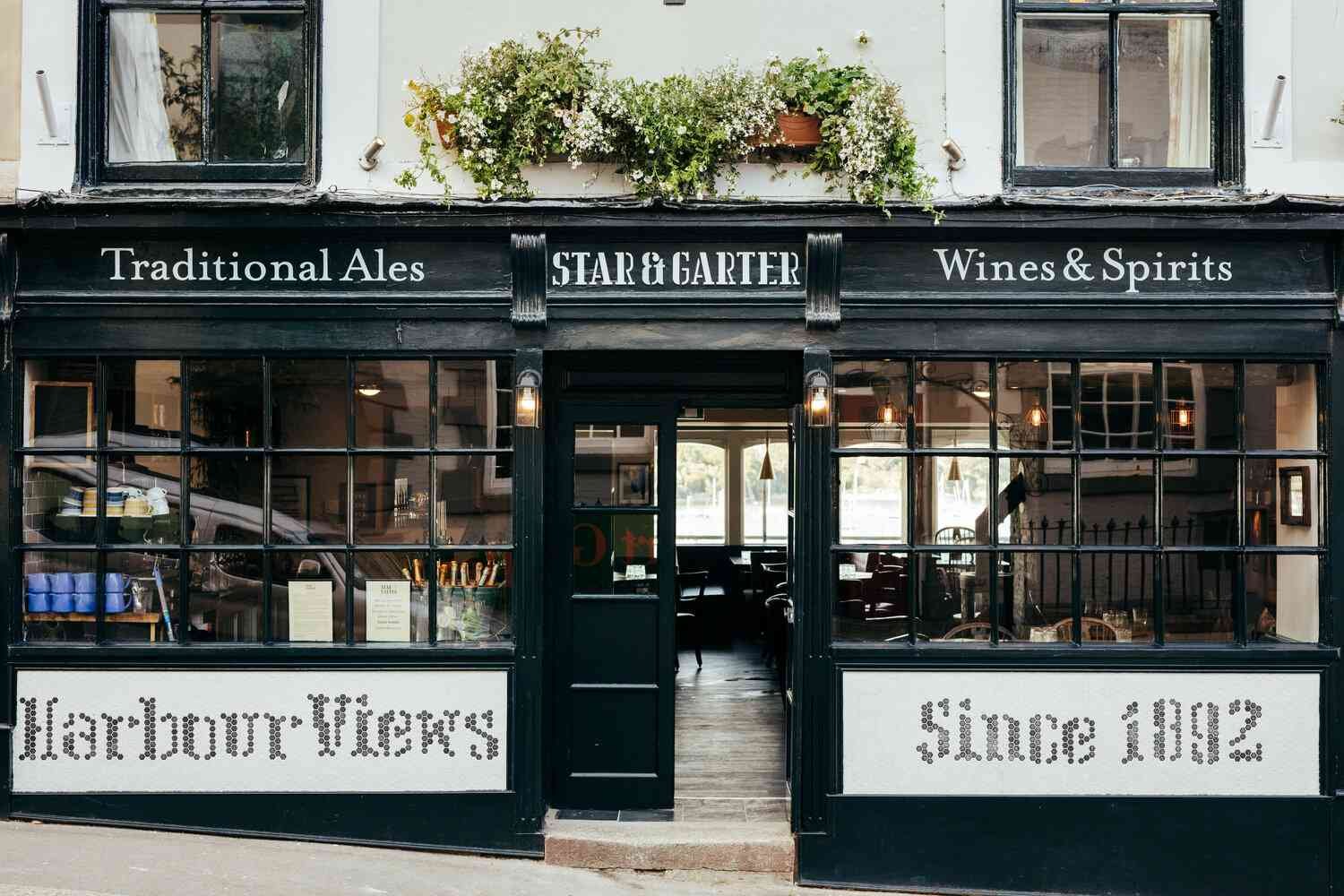
A Pub Rebuilt Around What Cornwall Does Leading
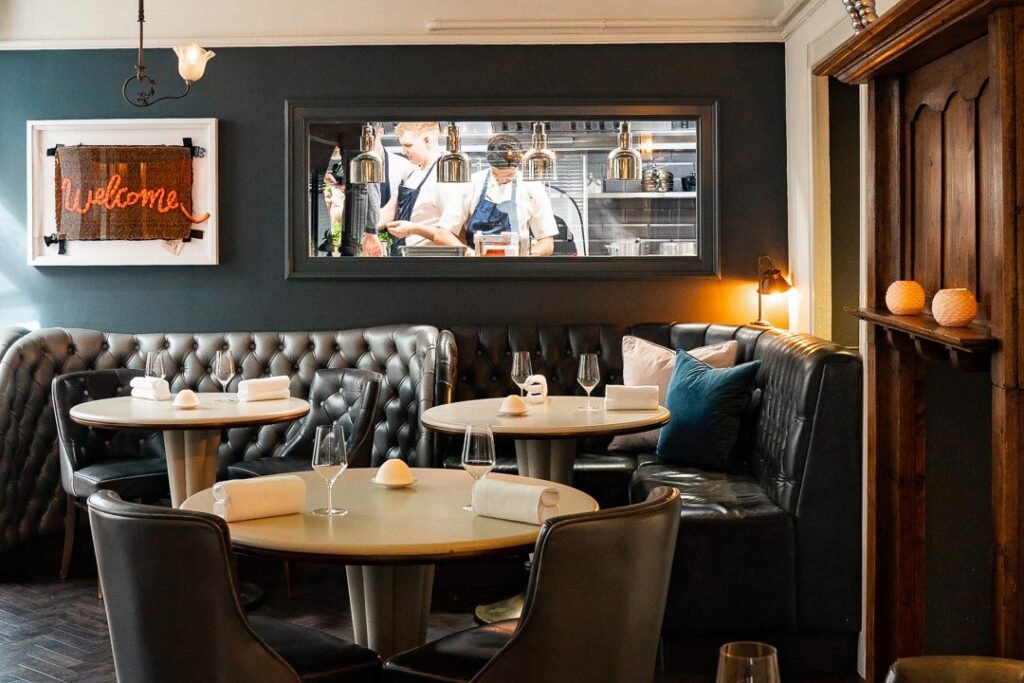
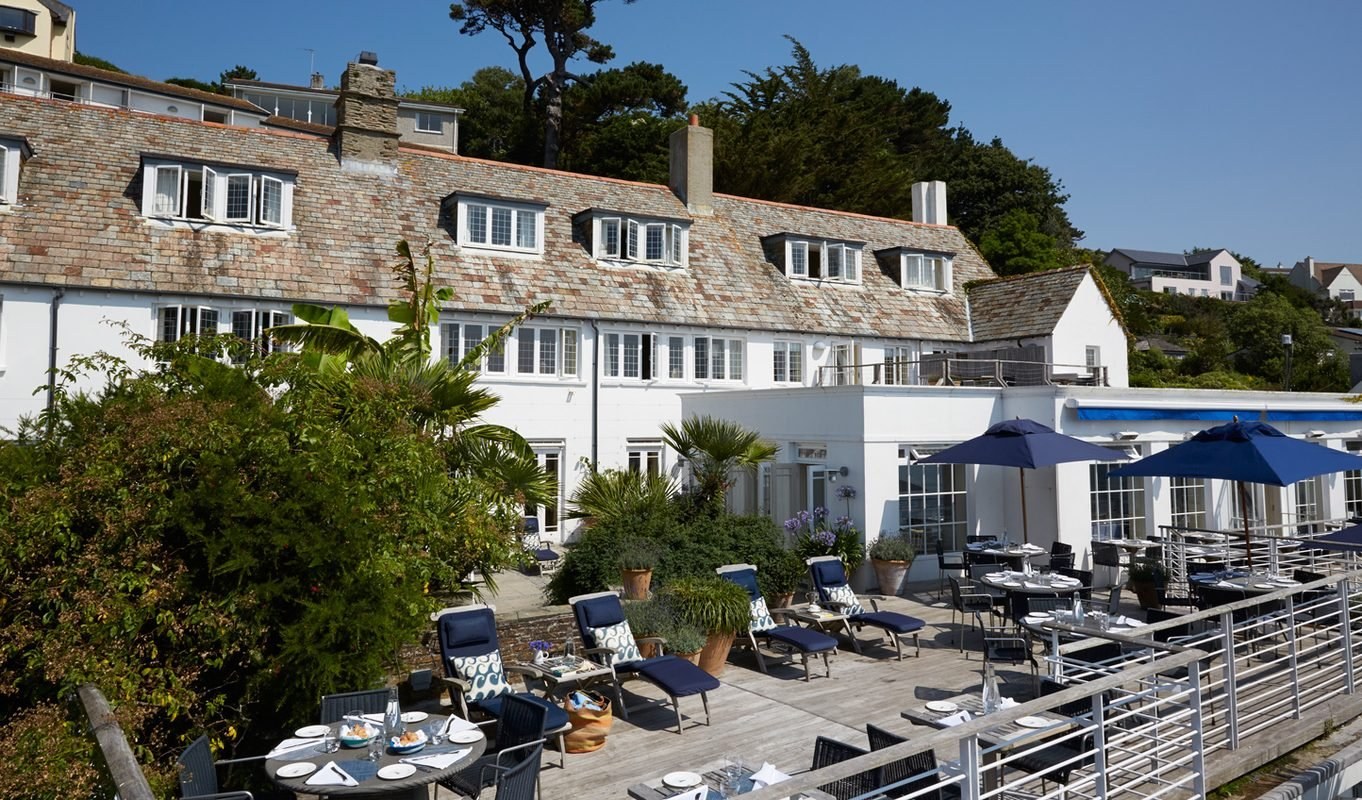
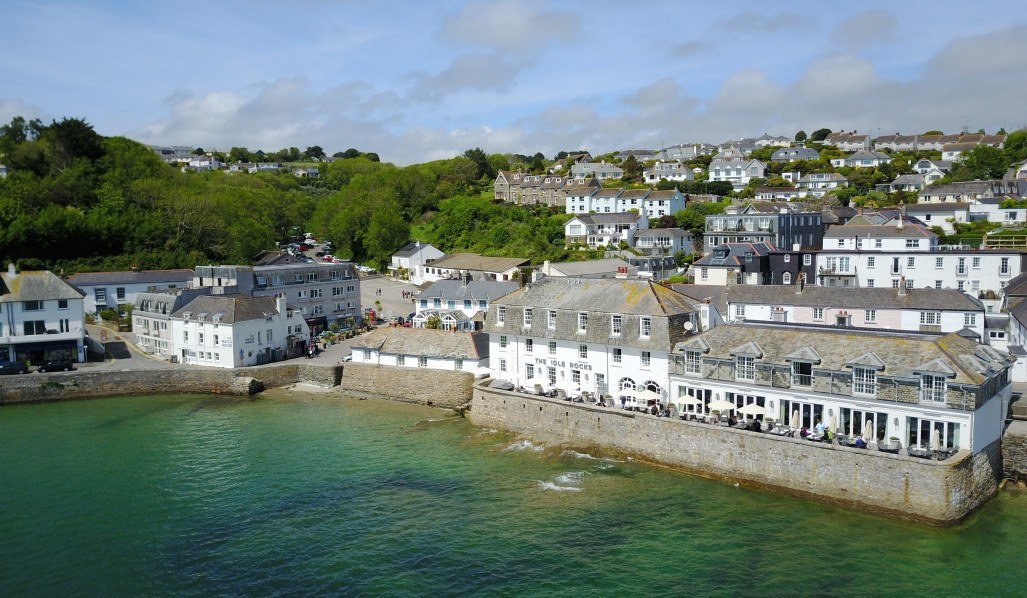
High Street pubs that survive long enough to be called Victorian rarely reinvent themselves without losing the thread. The Star & Garter, a Falmouth fixture since 1892, is an exception worth paying attention to. A modest but considered makeover has kept the bones intact while the dining area now commands views across Falmouth harbour that would carry any room, regardless of what was on the plate. The fact that what is on the plate has also improved considerably makes this one of the more compelling stops in our full Falmouth restaurants guide.
The kitchen is now in the hands of Angus Bell and the team from nearby restaurant Mine, a change that signals ambition rather than continuity. Bell's programme leans into Cornish provenance with the kind of specificity that separates genuine sourcing from badge-wearing: fish arrives from local boats, the pub operates its own butchery, and a declared waste-nothing philosophy threads through the menu in ways that produce genuinely interesting results rather than just good PR copy.
The Drinks Programme: Local Ales, Global Wines, and the Cocktail Angle
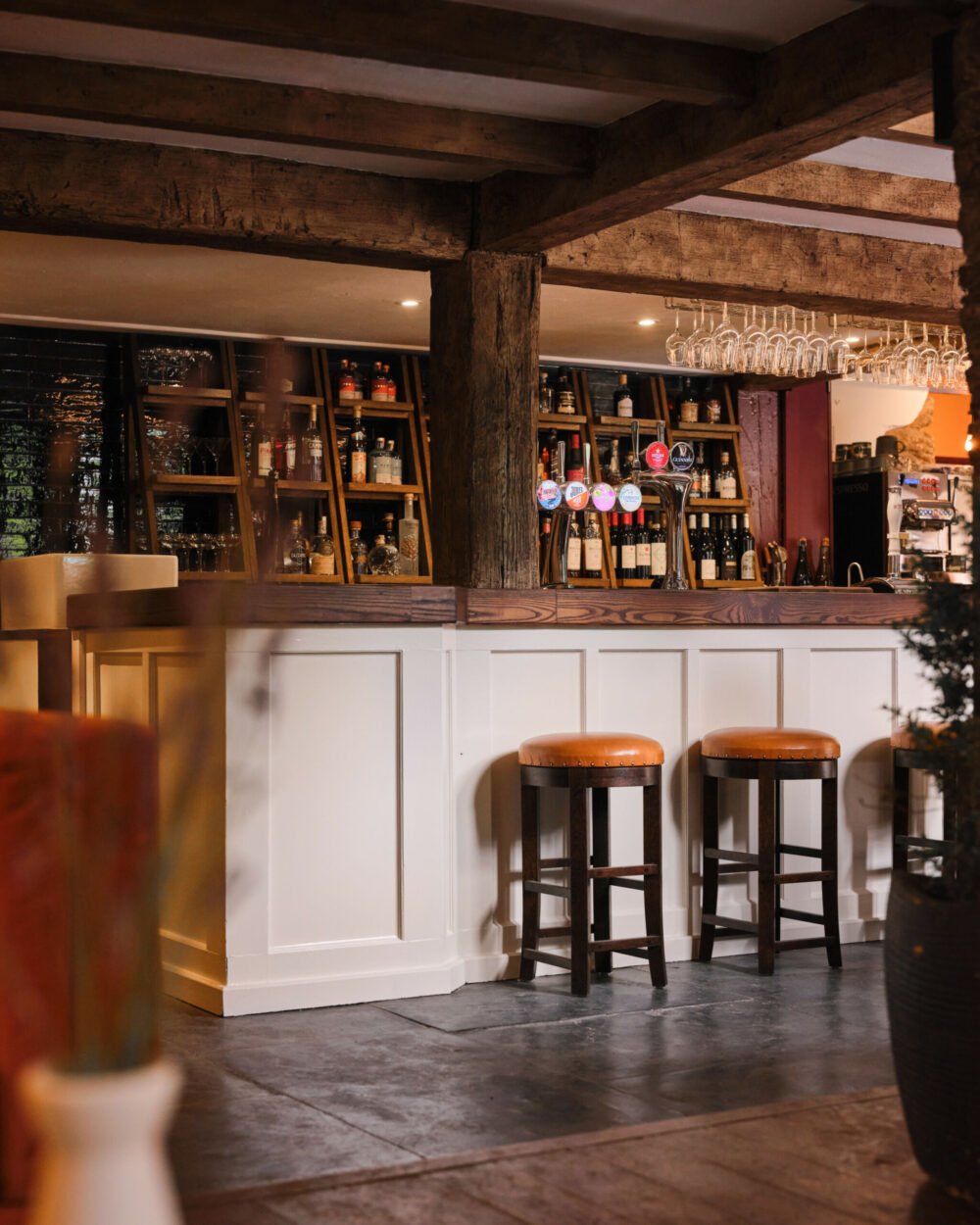
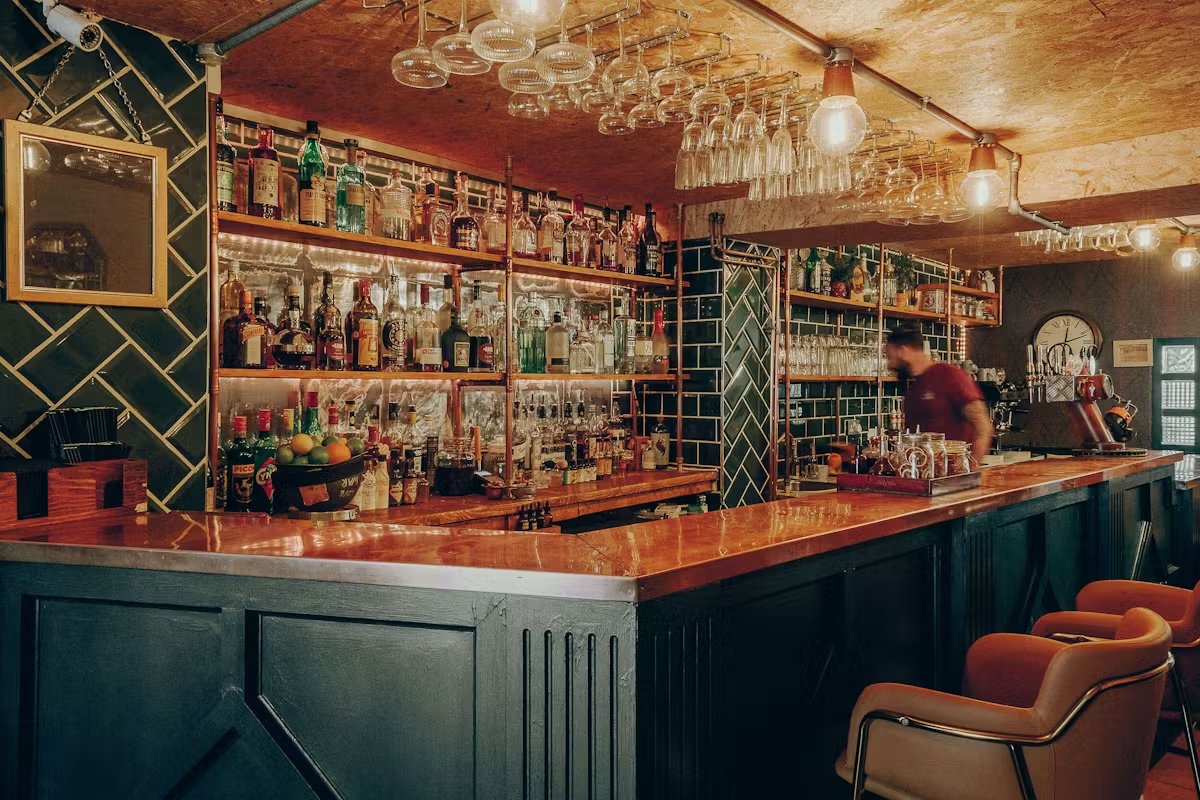
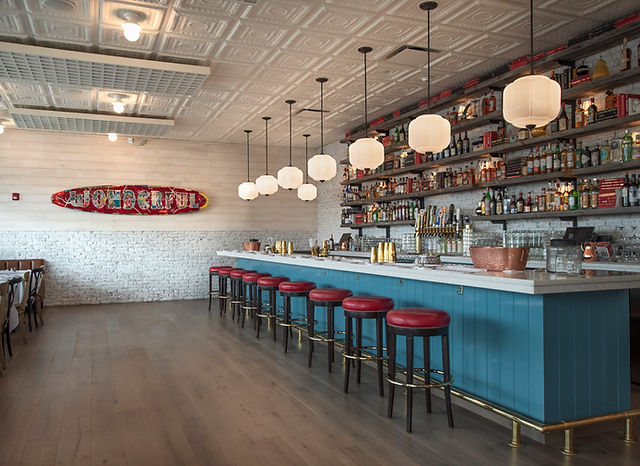
British pub cocktail programmes occupy a wide spectrum. At one end sit venues pouring pre-batched house serves from laminated menus; at the other, a small number of pub-format spaces that treat the back bar as seriously as their food. The Star & Garter sits closer to the latter. Expertly crafted cocktails sit alongside a drinks list that features well-annotated global wines and a selection of local ales, which is a more deliberate curation than most Cornish pubs manage.
The annotation on the wine list matters more than it might appear. In a pub context, where the default expectation is a short and unexplained by-the-glass selection, taking the time to give drinkers enough information to make an informed choice signals a different kind of hospitality intention. It places the Star & Garter in a peer conversation with venues like Avon Gorge by Hotel du Vin in Bristol and L'Atelier Du Vin in Brighton, where the drinks list functions as editorial rather than inventory.
For those seeking benchmark cocktail technique at the far end of the British spectrum, programmes like 69 Colebrooke Row in London, Bramble in Edinburgh, or the Merchant Hotel in Belfast set the high-water mark for technical ambition. The Star & Garter is not competing in that register and does not need to. Its cocktail offer is calibrated to complement a serious food menu and a setting that does most of its heavy lifting through atmosphere and provenance. That calibration is, in itself, a form of editorial judgement. Similar thinking applies at Schofield's in Manchester and Mojo Leeds, where the bar programme is positioned to serve a specific room rather than to dominate it.
The local ale selection grounds the drinks offer in its geography. Cornwall has developed a credible brewing culture, and a pub that uses it properly is acknowledging something real about where it sits. Coastal bar programmes built around local production share this logic, as seen at Digby Chick in the Western Isles and Harbour View and Fraggle Rock Bar on Bryher, where remoteness sharpens rather than limits the drinks identity.
What the Kitchen Is Actually Doing
The waste-nothing philosophy that Bell's kitchen operates under is worth examining as a trend before looking at what it produces here. Across British restaurants that adopted the approach seriously over the past decade, the results fall into two categories: those that use it as a constraint that generates creative pressure, and those that use it as a marketing frame without the discipline to back it up. The Star & Garter's output suggests the former. Shepherd's pie nuggets served with the pub's own brown sauce and smoked beef-cheek dumplings with smashed peas and pickled onion rings are dishes that require both technique and a willingness to treat secondary cuts and trimmings as primary ingredients rather than afterthoughts.
Fish dishes demonstrate the kitchen's other advantage: proximity. BBQ monkfish partnered with chicken butter, smoked potatoes, and mussels is a combination that only makes sense when the fish is good enough to anchor it. Local boat supply, when it actually operates as described rather than as aspiration, produces an ingredient that needs less intervention and tolerates more confident cooking. The Sunday roast is a telling data point: reader accounts consistently cite rump of aged beef with Yorkshire puddings described in terms that suggest portion confidence alongside quality. That combination of size and quality on a Sunday is harder to execute consistently than it appears, and the fact that it draws repeat praise is a useful signal about kitchen discipline across the week rather than just on special occasions.
Dessert section carries the same logic. A blackberry cheesecake mess and a sticky toffee pudding finished with burnt banana, Pedro Ximénez caramel, and clotted cream are not dishes that coast on nostalgia. The Pedro Ximénez reference in particular places the kitchen in a conversation about ingredient specificity that extends beyond the savoury courses.
The Building and What It Adds
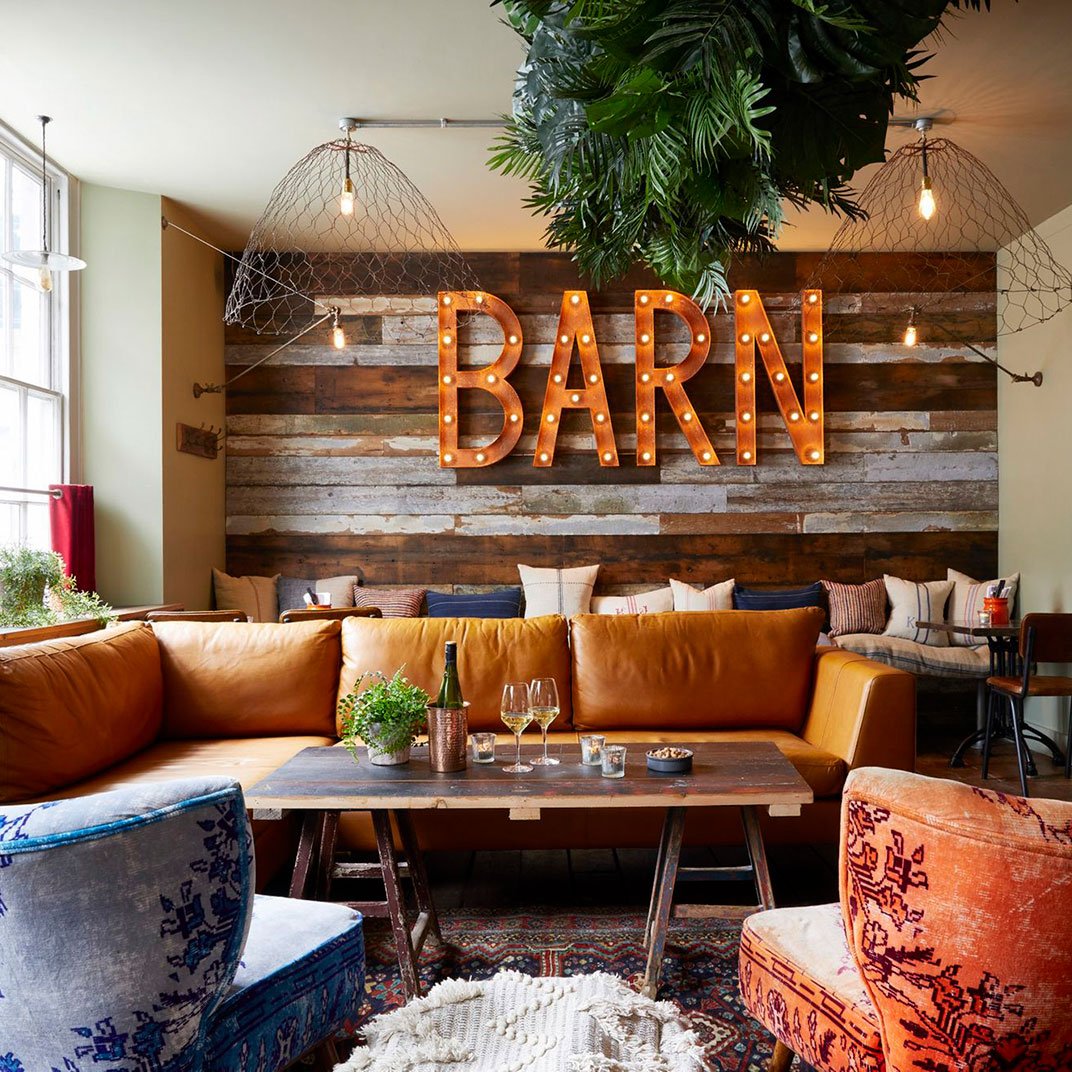
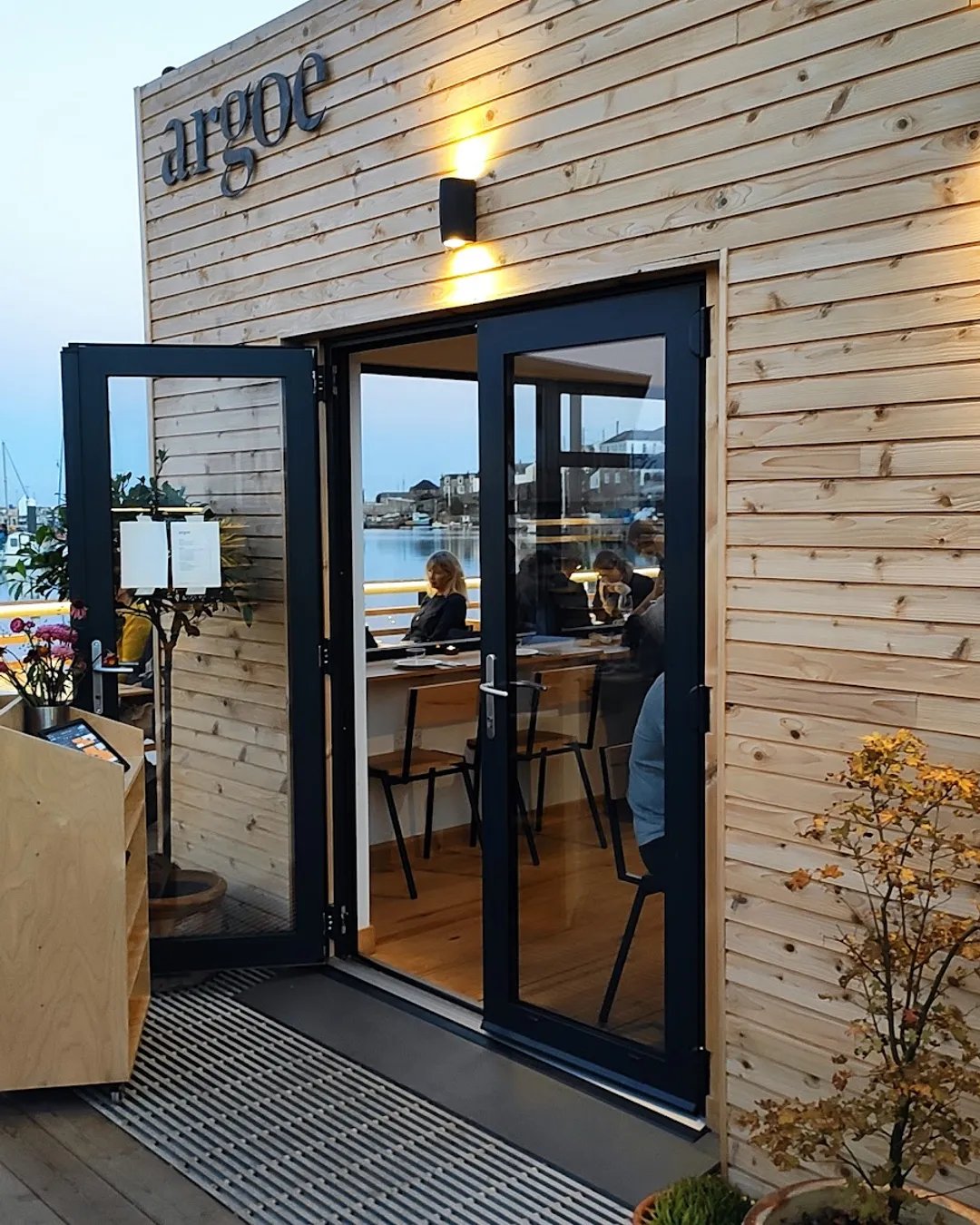
Victorian pub architecture in British harbour towns tends to have survived in one of two states: unreconstructed and slightly worn, or overworked into a heritage theme park. The Star & Garter's makeover has aimed for a third position, described as smart rather than wholesale. The harbour views from the dining area do what no amount of interior investment can fully replicate: they place you inside the geography rather than just adjacent to it. Falmouth's working harbour carries genuine character, and a dining room that looks out onto it is drawing on something that cannot be manufactured.
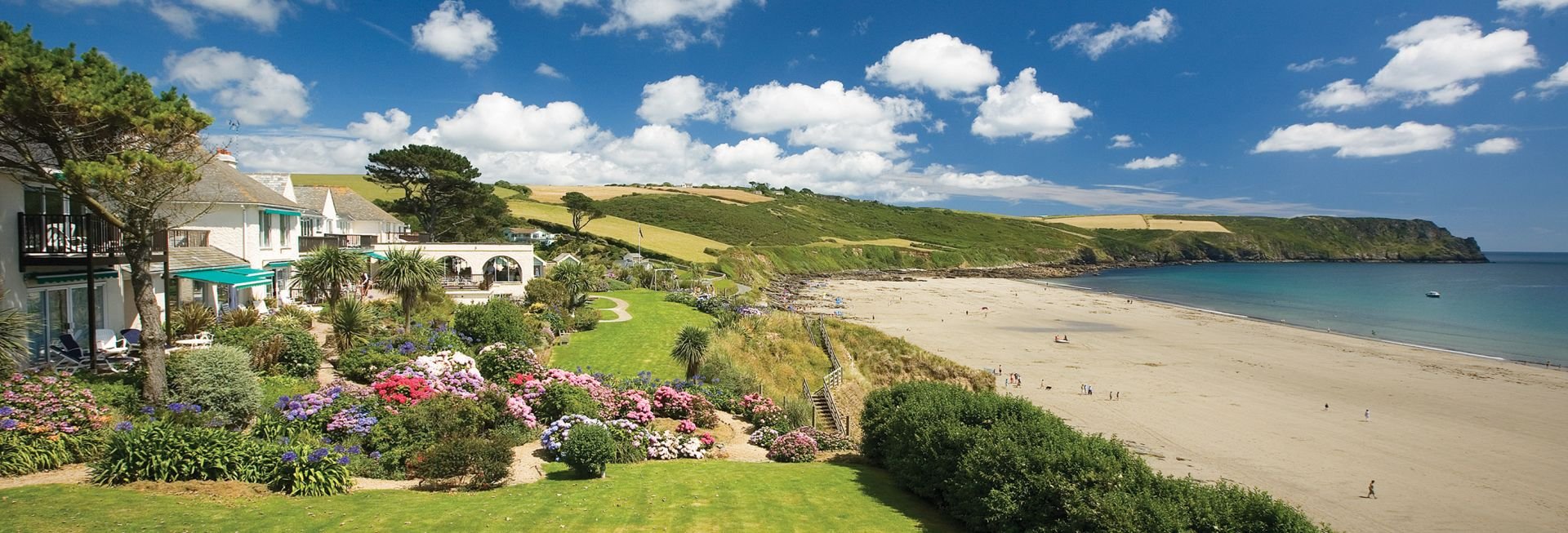
The three boutique apartments above the pub shift the Star & Garter into a category that British hospitality is still figuring out. Pub-with-rooms has a long tradition, but the boutique framing signals a different expectation around finish and service. For visitors to Cornwall who want proximity to both a credible kitchen and the waterfront without the formality of a hotel, this format makes logistical sense. It also positions the Star & Garter as a base for exploring the wider county rather than just a dining destination.
Planning Your Visit
The Star & Garter sits at 52 High Street, Falmouth, within easy walking distance of the harbour and the town centre. Angus Bell's kitchen team represents a recent change, and a new review is forthcoming, which means the programme is in an active development phase. For visitors planning around the cocktail and drinks offer alongside the food, the current list of local ales, annotated global wines, and crafted cocktails rewards attention in that order. If the Sunday roast is on the agenda, booking ahead rather than walking in is the sensible approach given the consistent reader demand for that service. For context on where this sits among other drinking destinations around the UK's coasts and beyond, the Horseshoe Bar in Glasgow and Bar Leather Apron in Honolulu illustrate how pub-format venues with serious drinks programmes operate at very different scales and settings while sharing the same underlying logic: atmosphere and provenance do work that technique alone cannot.
Comparable Spots, Quickly
These are the closest comparables we have in our database for quick context.
| Venue | Cuisine | Price | Awards | Notes |
|---|---|---|---|---|
| Star & Garter | This venue | |||
| Bar Termini | World's 50 Best | |||
| Callooh Callay | World's 50 Best | |||
| Happiness Forgets | World's 50 Best | |||
| Mojo Leeds | World's 50 Best | |||
| Nightjar | World's 50 Best |
Continue exploring