CULTURE

Set inside a converted quayside warehouse on Arwenack Street, CULTURE holds a Michelin Plate for 2024 and 2025 and serves a set menu where every dish is named after the local farmer, forager, or place that inspired it. South African influence from the chef-owner threads through the cooking alongside Cornish foraged ingredients. A glass-walled wine cellar and pared-back natural interior complete the picture.
Pearl is the En Primeur Club membership app — saves, bookings, and concierge access live there. Same editors, same standards.
- Address
- 38B Arwenack St, Falmouth TR11 3JF, United Kingdom
- Phone
- +44 7572 175457
- Website
- culturerestaurant.co.uk
- Directions
- Get directions
 Saves & bookings on Pearl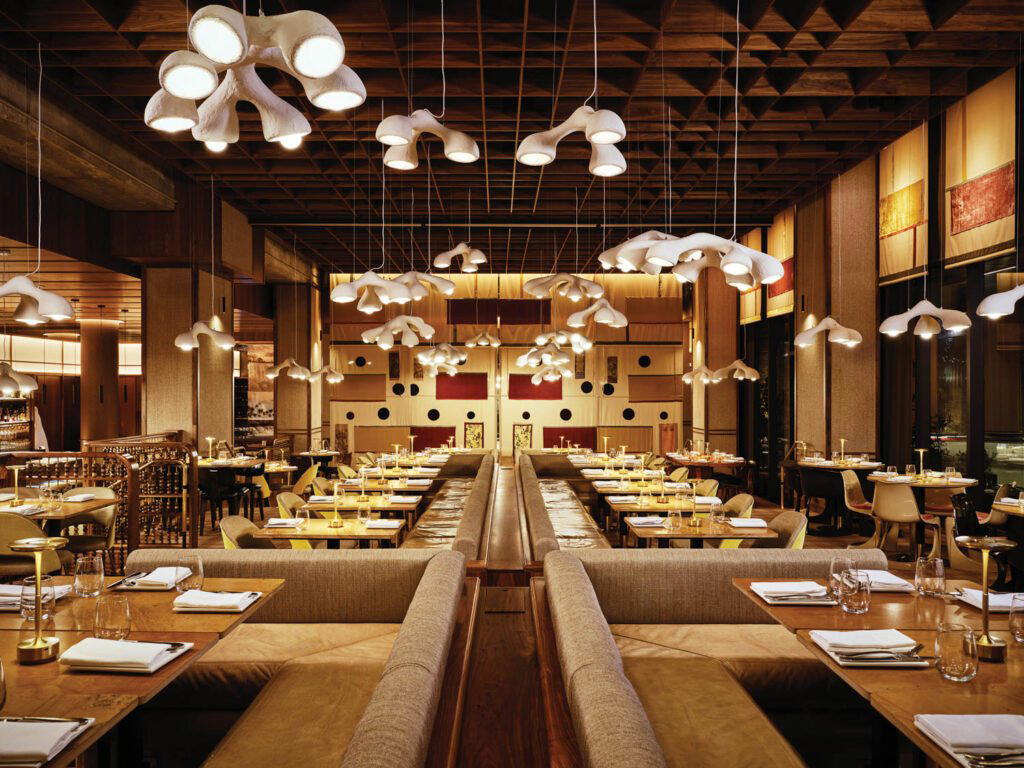
A Quayside Warehouse and the New Shape of Cornish Fine Dining
The shift in serious British dining over the past two decades has followed a clear line: away from formal hotel restaurants and white tablecloths, toward places where the building tells a story before the food arrives. Converted warehouses, old coaching inns, and industrial spaces have become the preferred containers for ambitious cooking, partly because the architecture provides context without contrivance, and partly because the setting signals something about the chef's priorities. CULTURE, on Arwenack Street in Falmouth, sits squarely in that tradition. The room occupies a former quayside warehouse, and the open kitchen takes the central position rather than hiding behind a partition, a choice that has become something of a statement in modern British restaurants, indicating that the cooking is the performance.
Falmouth's dining scene has matured considerably over the past decade. Once better known for fish and chips near the harbour and reliable pub meals, the town now supports a tier of restaurants that work with the surrounding agricultural and coastal landscape with the same rigour you find in better-documented food regions. Cornwall's produce credentials, native breeds, sea vegetables, wild herbs, shellfish, are well established, and the county's growing number of Michelin-recognised addresses reflects that. CULTURE holds a Michelin Plate, a recognition that signals cooking worth the detour rather than a regional curiosity.
How the Menu Works: Named After People and Places
The set menu format has become the dominant vehicle for serious British cooking, for reasons that go beyond kitchen logistics. Dishes named after their inspiration, a local farmer, a particular cove, a forager's patch on the moor, create a different kind of reading experience from a standard menu. The naming convention at CULTURE does exactly that, anchoring each course to a specific provenance claim rather than a generic note about 'local sourcing.' That distinction matters. Broad sourcing claims have become so common as to be nearly meaningless; naming the actual person or place behind an ingredient is a harder commitment, and it points toward the kind of producer relationships that define the better end of British farm-to-table cooking.
Foraged ingredients appear alongside farmed produce, a combination that has characterised Cornwall's most attentive kitchens for years. The peninsula's hedgerows, coastline, and moorland offer a seasonal calendar of wild ingredients that, used with discipline, can give dishes a specificity of place that imported or supermarket produce never achieves. For more on how this approach plays out across Falmouth's wider restaurant scene, see MINE (Farm to table), another address in town that foregrounds provenance.
The South African Thread
Modern British cooking has always absorbed external influence more readily than its name might suggest. The canon that produced CORE by Clare Smyth in London and L'Enclume in Cartmel draws on French technique, Nordic preservation methods, and Japanese restraint in equal measure. At CULTURE, the chef-owner's Cape Town background introduces a South African strand that sits alongside the Cornish ingredients rather than displacing them. This is not fusion in the surface-level sense but a more considered layering, where a different culinary grammar occasionally reframes familiar local produce. It gives the kitchen a perspective that distinguishes it from other set-menu rooms in the south-west working the same local larder.
That kind of biographical influence is now common enough in British restaurants to qualify as a structural feature of the scene rather than an anomaly. Restaurants including Opheem in Birmingham and hide and fox in Saltwood demonstrate how a chef's non-British formation can sharpen, rather than dilute, work that is fundamentally rooted in British produce and seasons.
The Room and the Wine Cellar
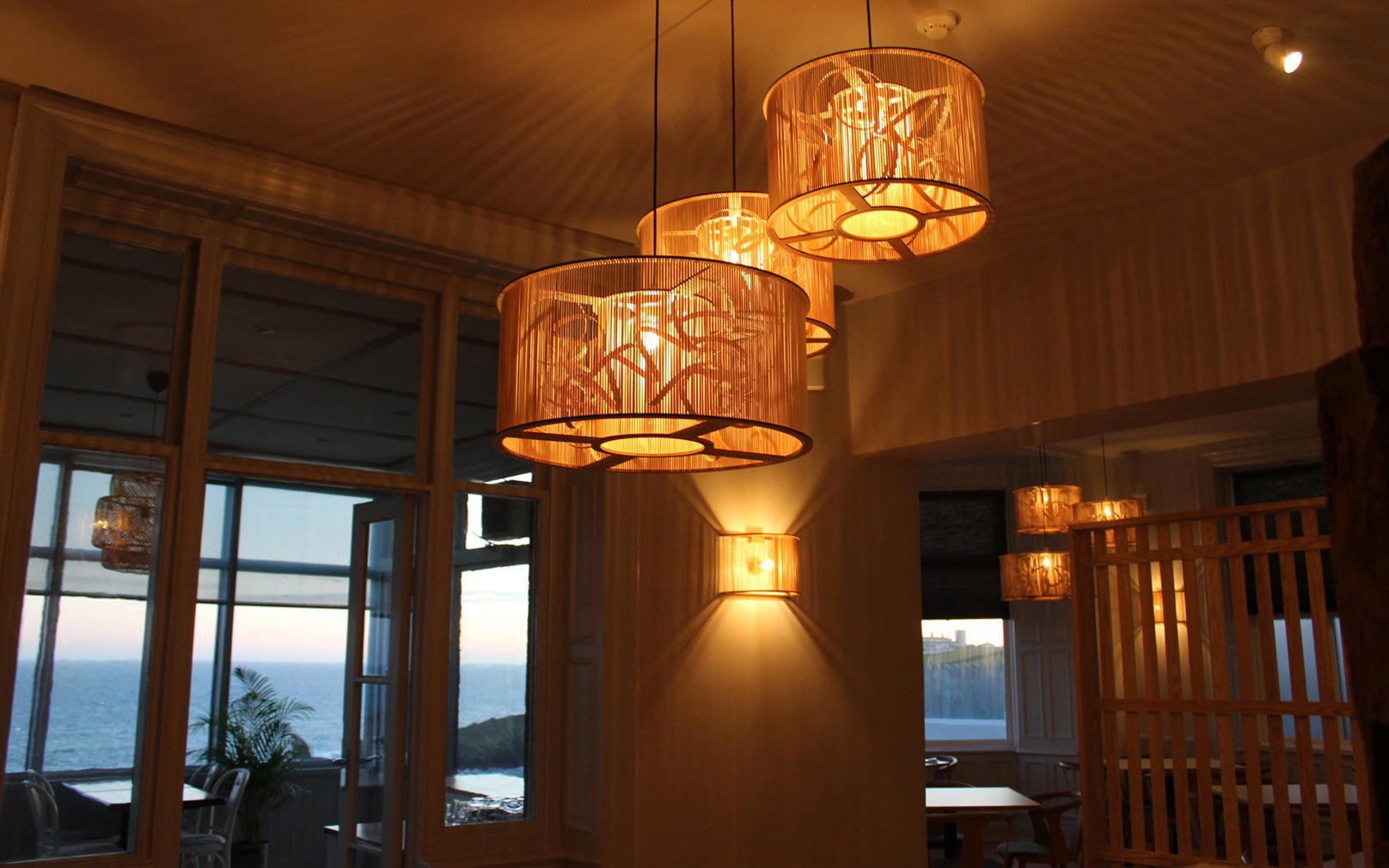
The pared-back interior works with the warehouse bones rather than against them. Natural materials and an uncluttered aesthetic have become the default visual register for this category of restaurant across the country, you see the same approach at Moor Hall in Aughton and, in a more rural register, at Gidleigh Park in Chagford, and CULTURE fits that template without feeling derivative. The glass-walled wine cellar is a practical feature that also functions as a design element, making the list visible and giving the room a focal point beyond the open kitchen.
Wine programs at this level of British restaurant have become more considered in recent years, with a growing number of kitchens building lists that respond to the cooking's provenance focus rather than defaulting to French or Californian anchors. Whether the list at CULTURE reflects that shift is worth exploring when you book.
Where CULTURE Sits in the British Fine Dining Tier
The £££ price range positions CULTURE in the middle bracket of serious British dining, well below the ££££ operations that dominate the awards conversation, places like The Fat Duck in Bray, Le Manoir aux Quat' Saisons in Great Milton, or Midsummer House in Cambridge, but above the gastropub tier represented by Hand and Flowers in Marlow. At £££, with a set menu format and Michelin Plate recognition, CULTURE occupies the territory that the gastropub revolution was always pointing toward: serious cooking, producer-led sourcing, and an informal room, priced accessibly enough to draw a local audience rather than only destination diners.
The gastropub movement that emerged in the 1990s and accelerated in the 2000s argued, essentially, that quality ingredients and skilled technique did not require a formal environment to justify themselves. CULTURE takes that argument at face value. A converted warehouse on a working quayside is no less appropriate a setting for a Michelin-recognised set menu than a country house or a city townhouse; in fact, for cooking that names its farmers and foragers, the working waterfront setting carries its own logic.
9 from 146 ratings, a figure that, at this volume, points toward consistent execution rather than a handful of notable meals skewing the average. That score reflects word-of-mouth and repeat visits from a Falmouth audience that has clearly adopted it.
Planning Your Visit
CULTURE is at 38B Arwenack Street, Falmouth TR11 3JF, within walking distance of the town centre and harbour. The set menu format means reservations are advisable; given the size typical of converted warehouse rooms and the restaurant's Michelin Plate standing, tables at peak times will fill in advance. Falmouth is reachable by train on the Falmouth Branch Line from Truro, which connects to the main line. Those interested in how CULTURE compares to other Modern British addresses outside the south-west can cross-reference 33 The Homend in Ledbury and The Ritz Restaurant in London for a sense of how the Modern British label stretches across different formats and price points.
Quick Comparison
Comparable venues nearby, for context on price, style, and recognition.
| Venue | Cuisine | Price | Awards | Notes |
|---|---|---|---|---|
| CULTUREThis venue — the venue you are viewing | Modern British | $$$$ | Michelin Plate | Not listed |
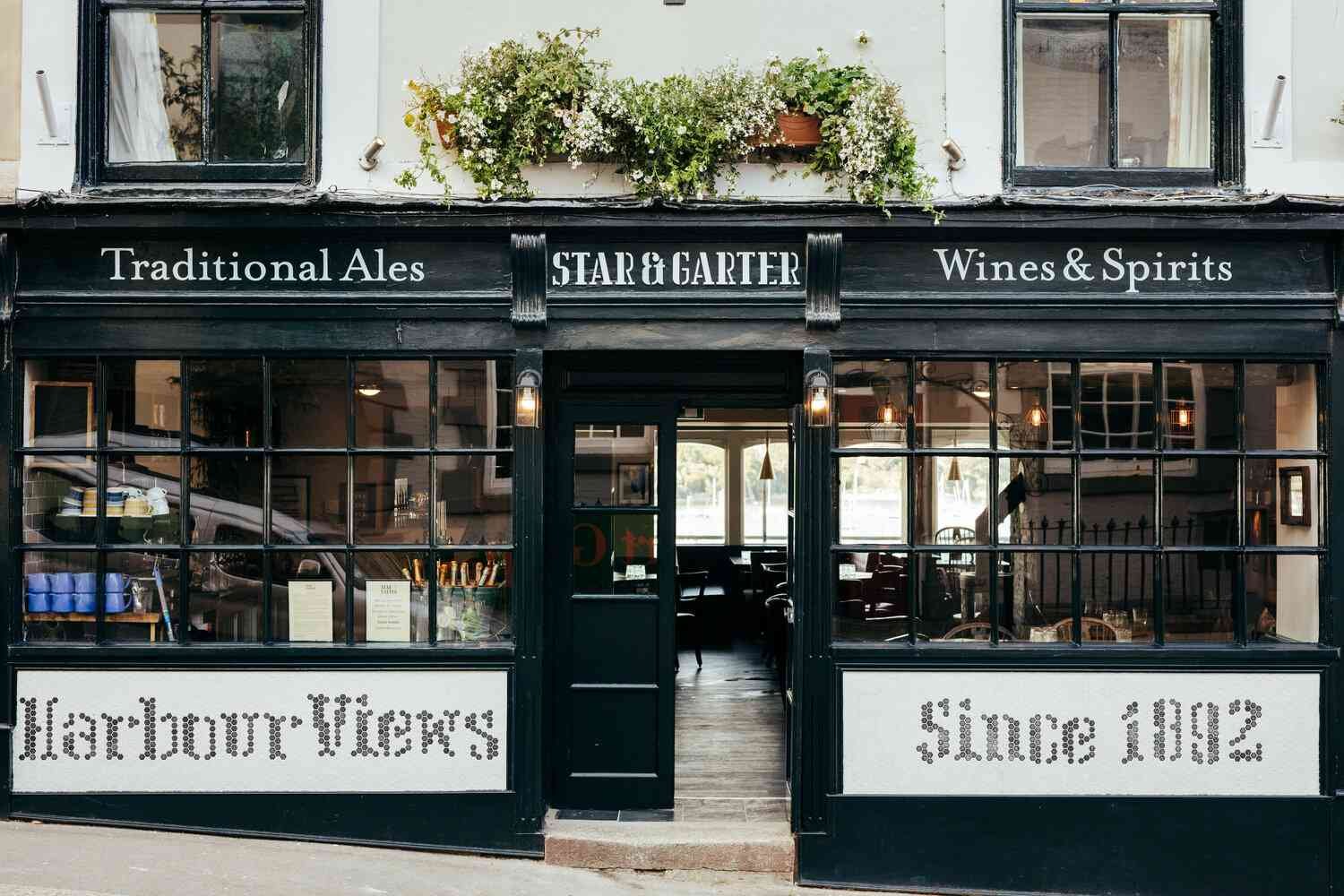
| Star & Garter | British-Mediterranean Gastropub | $$ | Not listed | Falmouth Artisan Quarter |
| MINE | British Farm-to-Table Bistro | $$$ | Michelin Plate | High Street |
| Hevva! | Fresh Cornish Seafood | $$ | Michelin Plate | Old High Street |
| Star & Garter | pub | $$$ | Not listed | High Street, Falmouth town centre |
| Flora | Modern British Seasonal | $$$$ | Bib Gourmand | Trelowarren Estate |
Recognition history
Dated appearances from independent guides and award organizations, with the underlying list record or original source where available.
AA Rosettes 3 Rosettes
AA Rosettes
Michelin Plate
Michelin
Michelin Plate
Michelin
Michelin Plate
Michelin
At a Glance
- Modern
- Intimate
- Minimalist
- Special Occasion
- Open Kitchen
- Extensive Wine List
- Farm To Table
- Local Sourcing
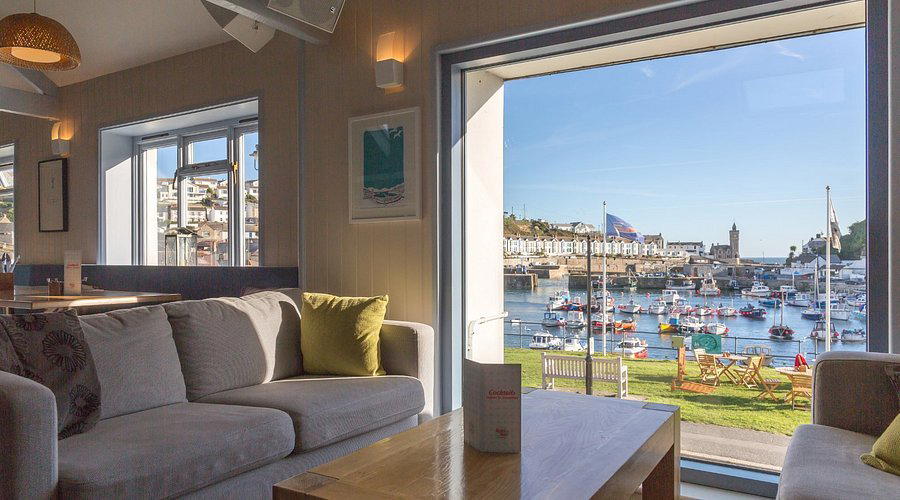
- Waterfront
Current opening hours
- Monday
- Closed
- Tuesday
- Closed
- Wednesday
- 7–10 PM
- Thursday
- 7–10 PM
- Friday
- 1–4 PM, 7–10 PM
- Saturday
- 1–4 PM, 7–10 PM
- Sunday
- Closed
Hours can change for holidays and private events. Last verified .
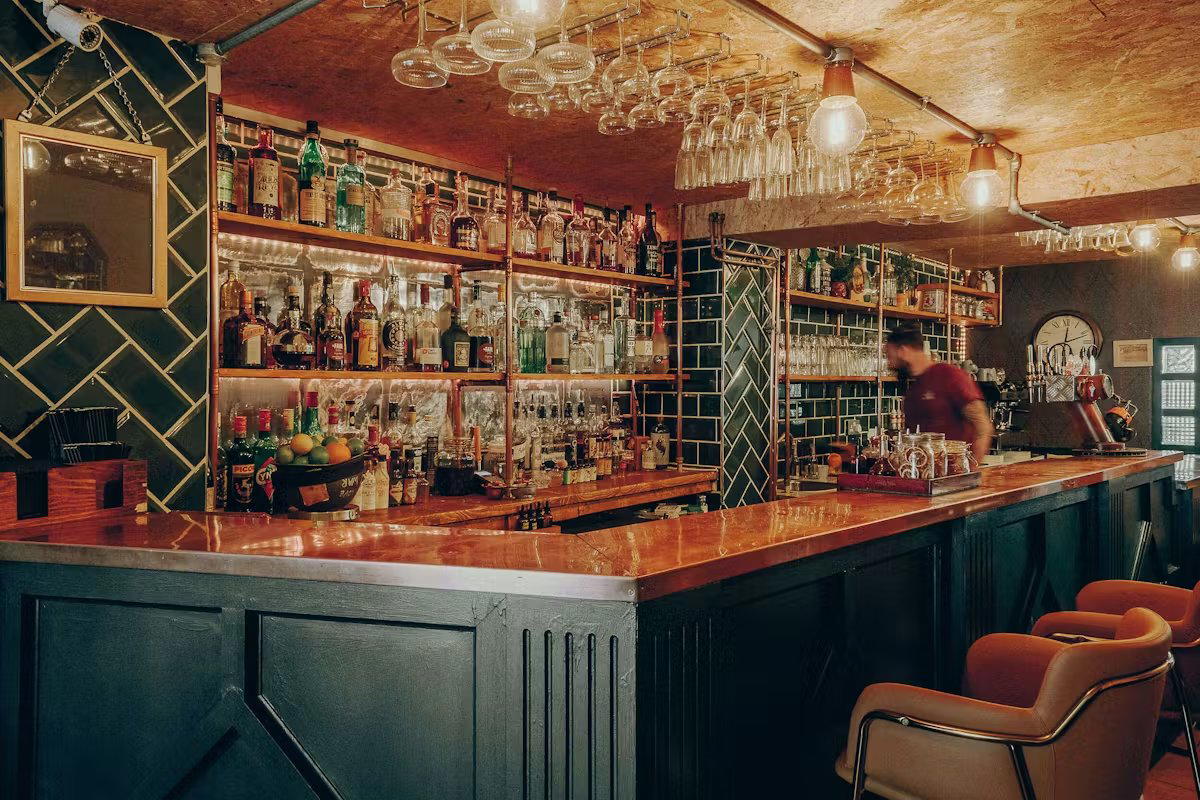
Pared-back industrial space with bare brick, wood, steel, open kitchen, and natural feel.