The Lugger Hotel

Michelin Selected
A Michelin Selected hotel perched at the edge of the Roseland Peninsula, The Lugger Hotel in Portloe occupies a cluster of former fishermen's cottages where the village meets the sea. The architecture and setting define the stay: raw Cornish stone, tidal views, and a harbour-side position that few properties in the southwest can match. It belongs to a specific tier of coastal retreat where the building itself does most of the work.

Pearl is the En Primeur Club membership app — saves, bookings, and concierge access live there. Same editors, same standards.
- Address
- The Lugger Hotel, Portloe, Truro TR2 5RD, United Kingdom
- Phone
- +44 1872 501322
- Website
- luggerhotel.co.uk
- Directions
- Get directions
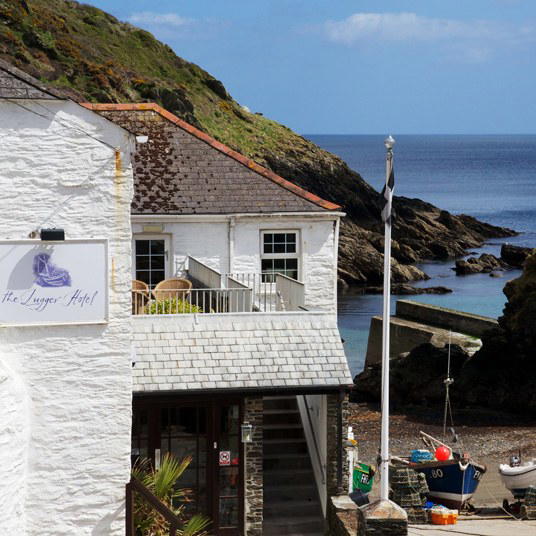
Where the Building Does the Talking
Cornwall's coastal hotel offer has split along a clear fault line. On one side sit the large resort properties with spa facilities, multiple dining rooms, and the kind of infrastructure that insulates guests from the place they've travelled to see. On the other sit a smaller cohort of properties where the building, the setting, and the surrounding village are the actual point of the stay. The Lugger Hotel in Portloe belongs firmly to the second category, and its Michelin Selected status in 2025 confirms it holds a recognised position within that tier.
Portloe itself is worth understanding before arriving. It sits on the Roseland Peninsula, one of the least-developed stretches of the Cornish coast, where the road narrows to single-track well before the village and the final descent to the harbour is steep enough to discourage casual passing traffic. This is not a destination you stumble into. The village has no high street, no chain facilities, and the working-harbour character that many Cornish coastal settlements have traded away remains intact. For context on the broader Truro and Roseland dining and accommodation scene, our full Truro restaurants guide maps the region's options in more detail.
The Architecture: Fishermen's Cottages as Hotel Grammar
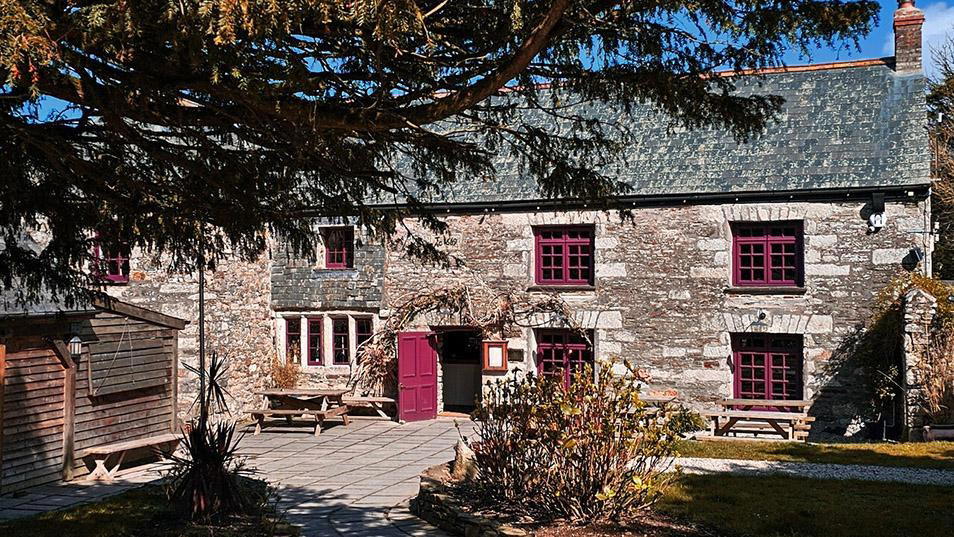
The physical structure of The Lugger Hotel is the sharpest thing about it. The property is built from a cluster of former fishermen's cottages that date back centuries, and the hotel's designers have worked with that vernacular rather than against it. Cornish stone walls, low ceiling lines, and the irregular room configurations that come from converting working buildings into hospitality spaces all remain present. This is not a hotel that has been smoothed into a neutral luxury product.
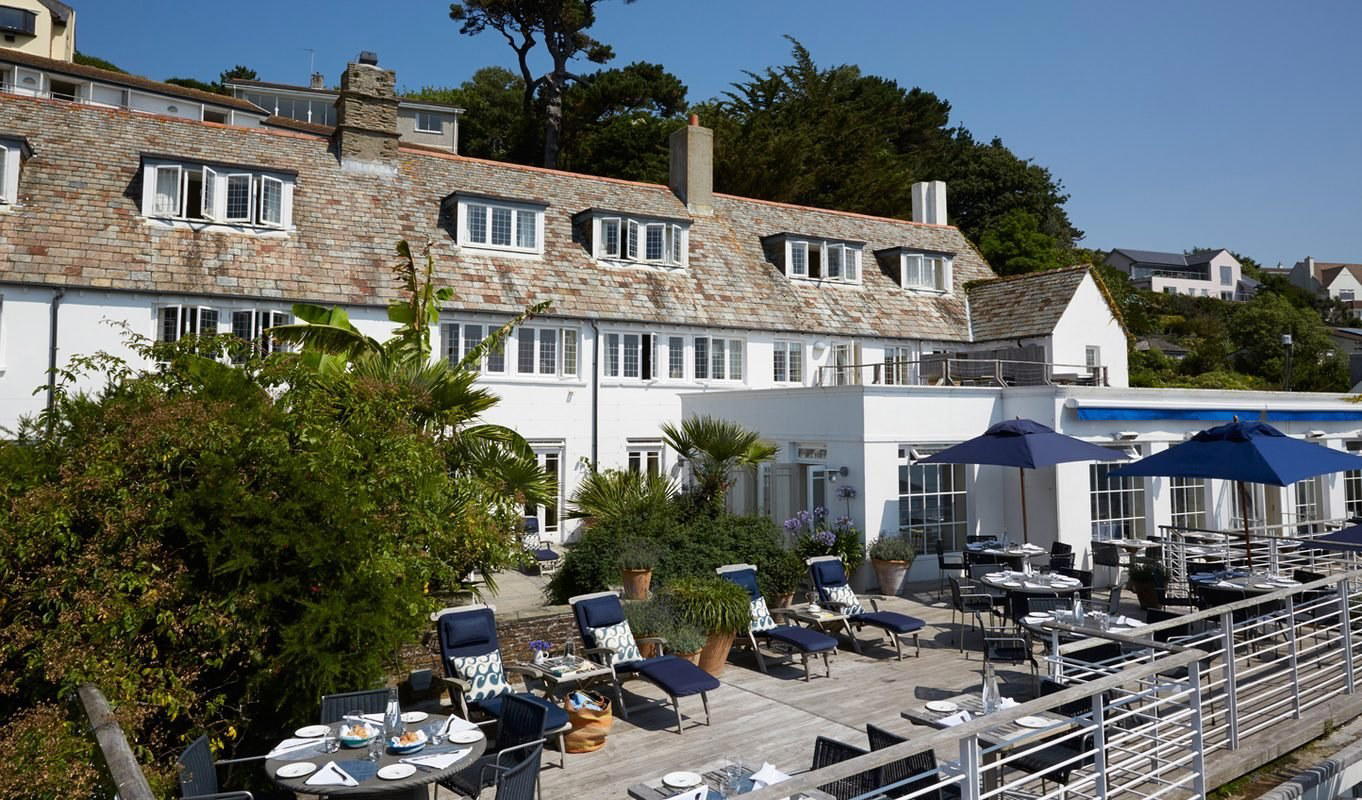
The positioning directly at the water's edge is architecturally rare in British coastal hospitality. Many properties with sea views are set back from the shoreline by roads, gardens, or cliff paths. Here, the building sits at the harbour's edge with a directness that few comparable properties in the southwest achieve. The relationship between the interior and the tidal water outside is a design condition, not a marketing claim. At high tide, the proximity is immediate; at low tide, the exposed harbour floor and the working boats change the visual register entirely.
This kind of conversion architecture places The Lugger in a specific competitive set. Properties like The Nare on the Roseland Peninsula take a different approach, with grander country-house proportions and more formal interiors. Antonia's Pearls in Charlestown Harbour occupies a similar harbour-adjacent position but in a more urban port setting. The Lugger's cottage-cluster format, combined with the remoteness of Portloe, creates a different proposition entirely: smaller in scale, more embedded in village life, and architecturally specific to its site in a way that larger properties cannot replicate.
The Michelin Selection and What It Signals
Michelin's hotel selection programme operates on different criteria from its restaurant stars. Selection signals a standard of welcome, comfort, and consistency rather than a specific price point or luxury tier. That the programme includes it alongside grander operations reflects a recognition that the quality of the experience it delivers is comparable in intent, even when the format is radically different.
For reference, the Michelin hotel programme in the UK spans properties from city-centre grand hotels like The Savoy in London to country-house operations such as The Newt in Somerset and estate retreats like Estelle Manor in North Leigh. The Lugger occupies a distinct position within that range: smaller, more place-specific, and defined primarily by its architectural relationship with the Cornish coast rather than by amenity stack.
How It Sits in the Broader Small-Hotel Picture
The category of building-led, setting-first small hotels has grown as a counterweight to the amenity-led resort model. Across the UK, properties in this tier tend to compete on authenticity of place rather than breadth of offering. Kilchoan Estate in Inverie operates on similar logic in a Scottish remote-access context. Farlam Hall Hotel in the Lake District pursues a comparable intimacy of scale in a northern English context. Langass Lodge in the Outer Hebrides takes the remote-and-specific position to its furthest point. What connects these properties is a design and operational logic that treats the surrounding environment as the primary amenity, with the building functioning as a carefully curated frame for it.
At the other end of the British hotel spectrum, properties like Gleneagles and Lime Wood in Lyndhurst offer the full-facility resort model with spas, multiple restaurants, and leisure infrastructure that justify longer stays and higher price points. The Lugger's value proposition is different: it asks guests to engage with the specificity of Portloe rather than with an internal amenity offer.
Getting There and Planning the Stay
Portloe's distance from main transport links is a practical consideration that shapes the experience. The village sits roughly twelve miles from St Austell and around twenty-five miles from Truro, with no direct public transport serving the final approach. A hire car or private transfer is the realistic option for most guests, and the narrow approach roads make larger vehicles impractical. This remoteness is not incidental; it is structural to why the village and the hotel exist in the form they do. Guests arriving without a car should plan transfers from Truro in advance. Booking ahead is advisable given the limited room count that a cottage-cluster conversion naturally produces. Given the Michelin Selected recognition and the narrowness of the Portloe offer, peak-season availability at this scale of property moves quickly. The hotel's current booking details are best confirmed directly via current listings, as contact information was not available at time of publication.
The Broader Roseland Context
The Roseland Peninsula holds a specific place in Cornish coastal geography. Protected by the National Trust across significant stretches of its coastline, it has resisted the commercial development that has transformed parts of north Cornwall. The result is a coastline where the built environment remains sparse and the agricultural and maritime landscape reads as continuous. Hotels operating in this context, including both The Lugger and The Nare, draw much of their appeal from that protected character. For guests considering the southwest more broadly, the Roseland offers a materially different experience from the busier resort towns of the north coast, and The Lugger's position within Portloe village places it at the most embedded point of that quieter offer.
A Quick Peer Check
Comparable venues nearby, for context on price, style, and recognition.
| Venue | Cuisine | Price | Awards | Notes |
|---|---|---|---|---|
| The Lugger HotelThis venue — the venue you are viewing | Contemporary classic seaside inn | $300–500 | Michelin Selected | Not listed |
| The Nare | Classic country house by the sea | $300–500 | Good Hotel Guide Best Seaside · Small Luxury Hotels of the World Member | Roseland Peninsula |
| Sun Street Hotel Shoreditch | Georgian townhouses with modern extension | Not listed | Michelin Selected | Shoreditch |
| Southernhay House | luxurious boutique in historic Georgian townhouse | $200–300 | Michelin Selected | city centre |
| Trump MacLeod House & Lodge | Historic Scottish country house hotel with contemporary luxury restoration; blends 15th-century heritage architecture with ornate modern amenities. | $500–750 | Michelin Selected | Balmedie |
| Longueville Manor | Restored historic manor house with homely yet chic contemporary elements | $200–300 | 1 Michelin Key · Relais Chateaux Award | St Saviour |
Recognition history
Dated appearances from independent guides and award organizations, with the underlying list record or original source where available.
Michelin Selected
Michelin
Details
- Quiet
- Romantic
- Cozy
- Classic
- Intimate
- Scenic
- Romantic Getaway
- Honeymoon
- Weekend Escape
- Beachfront
- Historic Building
- Panoramic View
- Waterfront
- Wi Fi
- Room Service
- Restaurant
- Waterfront
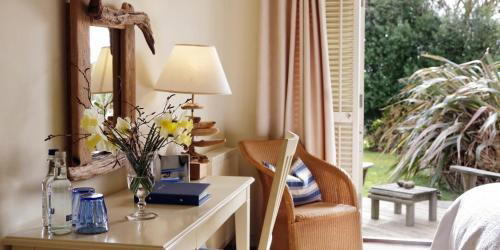
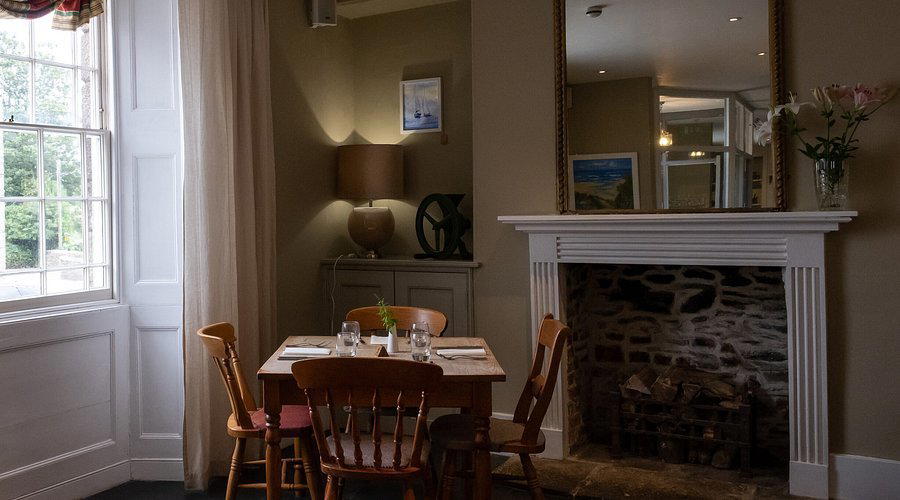
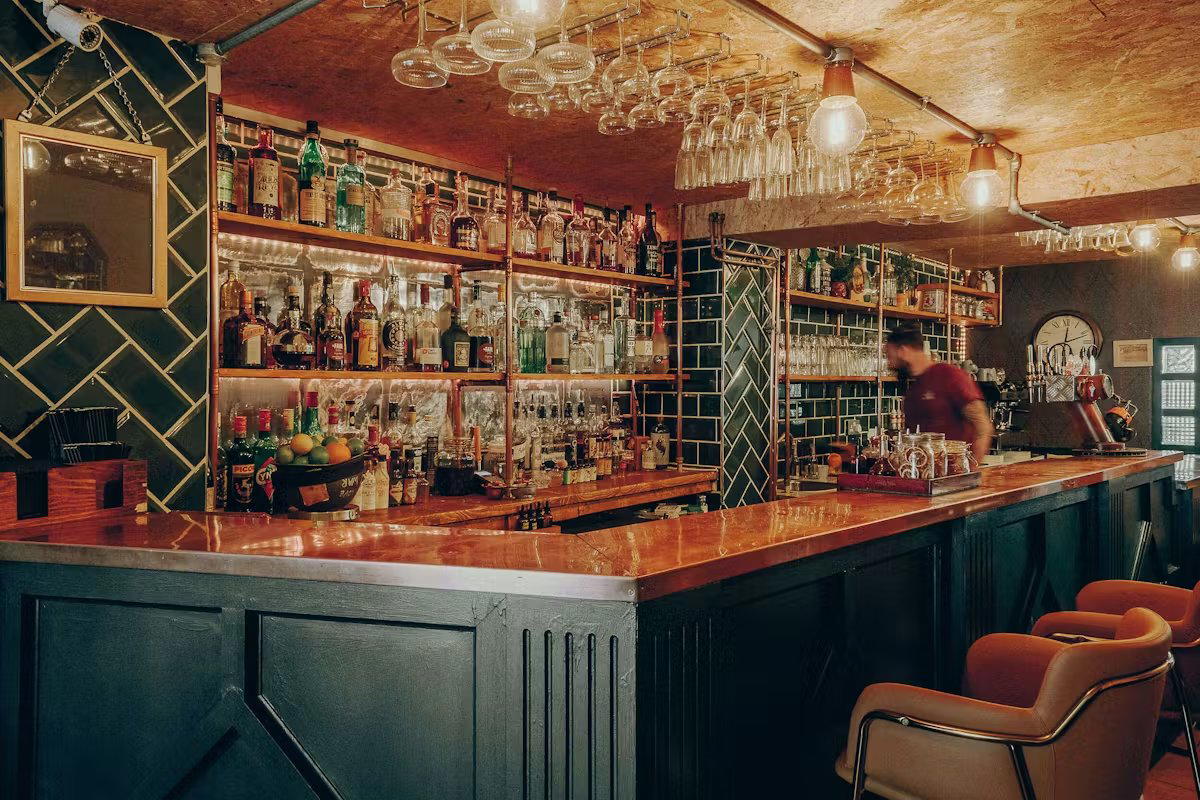
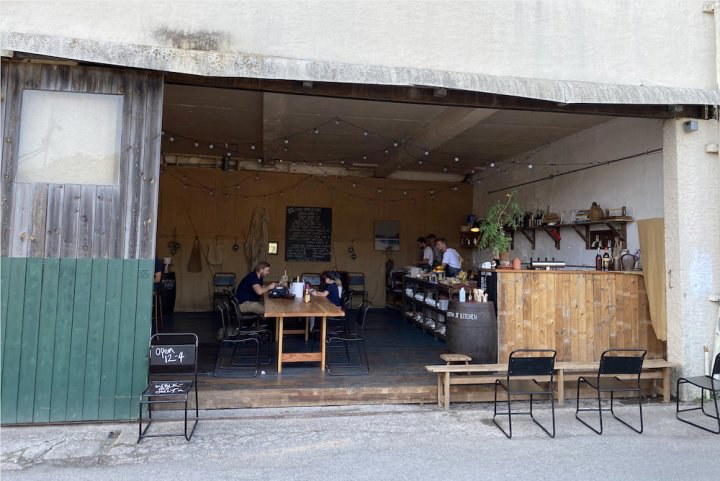
Sophisticated yet homely with low ceilings, exposed beams, muted creams and greys, crisp white linens, and gentle lapping waves.