Google: 4.3 · 1,620 reviews
Lifeboat Inn, St Ives
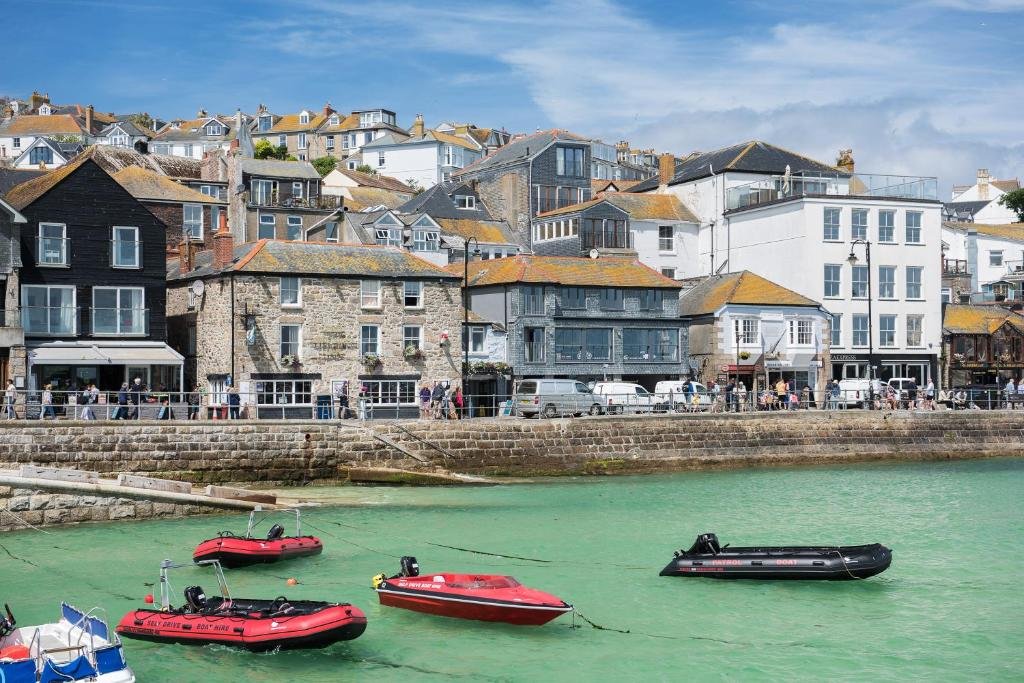
The Lifeboat Inn sits on Wharf Road in St Ives, where the harbour's salt air and the hum of returning fishing boats set the tone for drinking in coastal Cornwall. As a harbourside pub in a town that draws visitors as much for its art-world credentials as its beaches, it occupies the kind of position where the drinks programme has to work harder than the view — and largely does.
 Discover on Pearl
Pearl is the En Primeur Club membership app — saves, bookings, and concierge access live there. Same editors, same standards.
Drinking at the Edge of Cornwall
St Ives operates on a different register from most British seaside towns. The Tate gallery on Porthmeor Beach, the Barbara Hepworth Sculpture Garden two streets back from the harbour, and a concentration of independent restaurants that would hold their own in Bristol or Brighton: the town pulls a crowd that expects more than a glass of warm lager and a bag of crisps. The Lifeboat Inn, positioned on Wharf Road a few metres from the water's edge, sits inside that expectation. Its address alone says something. Wharf Road is where the catch lands and the light is leading in the late afternoon, and a pub here is competing not just with other pubs but with the harbour itself as a reason to pause.
This matters because the British coastal pub has been through a quiet but significant transition over the past decade. Where once a harbourside position was enough — the view doing the heavy lifting — the better coastal drinking spots have had to develop genuine programmes to retain a more travelled clientele year-round. The shift is visible in Cornwall specifically, where the county's food and drink reputation has grown considerably, and where visitors arriving with knowledge of what good drinking looks like elsewhere now apply that standard to wherever they sit down. The Lifeboat Inn's position in that context is worth understanding before you arrive.
The Coastal Pub and the Cocktail Question
The question of what a harbourside pub in Cornwall should do with its cocktail offering is less trivial than it sounds. Across the UK, the gap between city cocktail bars and their coastal or rural counterparts has narrowed in direct proportion to ingredient access and the movement of trained bartenders out of London. Venues like 69 Colebrooke Row in London or Bramble in Edinburgh established a template for serious, technique-led drinks programmes that has since informed bars well outside metropolitan centres. Schofield's in Manchester and Merchant Hotel in Belfast demonstrate how rigorous cocktail culture travels into regional cities; the question now is how far it reaches into smaller towns and coastal destinations.
For a pub like the Lifeboat Inn, the answer tends to come through in the small details: whether the spirits selection extends beyond the house brands, whether the person behind the bar can talk about what they're making, and whether the cocktail list reads as a considered document or a laminated afterthought. In St Ives, where the visitor profile skews toward people who have eaten well and drunk well elsewhere, those signals carry weight.
Cornwall's own drinks industry has given venues here a specific opportunity. The county's gin distilleries, including several that have reached national distribution, provide locally-sourced base spirits that connect a cocktail to its geography in a way that feels earned rather than decorative. A Cornish gin and tonic served in a proper glass with a wedge of something local is not a sophisticated cocktail, but it is an honest one , and honesty about place is what coastal drinking at its leading delivers. The Lifeboat Inn's Wharf Road address puts it close enough to the water that the context does some of the work.
Where It Sits in the St Ives Picture
St Ives' drinking scene is compact by design. The town's medieval street pattern, unchanged in its essential layout for centuries, concentrates its pubs and bars within a ten-minute walk of each other. This creates a different dynamic from a city bar district: people tend to settle rather than bar-hop, and the choice of where to sit carries more weight because the alternative is a longer commitment to a different part of town.
The Lifeboat Inn's harbourside position gives it a specific appeal during the shoulder season , September and October particularly , when the summer crowds have thinned but the weather still cooperates for outdoor drinking and the light over the harbour takes on the quality that brought the artists here in the first place. The Newlyn School painters arrived in the 1880s chasing exactly this light; St Ives' Porthmeor Beach faces north, which gives it consistent, diffused illumination that painters prize and which also means the town doesn't lose its character when the midsummer tourist peak recedes. For the visitor arriving outside July and August, the Lifeboat Inn's position on the working harbour rather than the beach-adjacent strips makes it the more grounded choice.
For a fuller picture of what St Ives offers across restaurants and bars, our full St Ives restaurants guide maps the town's broader hospitality scene. Nearby, Harbour View House Hotel St Ives offers a contrasting format for drinks with the same harbour orientation.
The Broader UK Coastal Bar Moment
The Lifeboat Inn is one reference point in a wider story about UK coastal and island drinking. Digby Chick in Na H Eileanan An Iar represents the outer reach of serious drinks programming in remote island settings, while Avon Gorge by Hotel du Vin in Bristol shows how waterfront positions translate in an urban context. L'Atelier Du Vin Wine and Cocktail Bar in Brighton And Hove offers a Southeast coastal comparison. Even internationally, the principle holds: Bar Leather Apron in Honolulu demonstrates how serious cocktail programming operates in a location where geography provides the ambient draw. In each case, the question is whether the drinks programme respects the location or simply relies on it. Mojo Leeds in Leeds and Horseshoe Bar Glasgow in Glasgow offer useful inland contrasts, where the bar's personality has to carry more of the weight without scenic assistance.
Planning Your Visit
Wharf Road runs along the working harbour in the old town, a short walk from the train station through the narrow medieval streets. St Ives is served by the scenic branch line from St Erth, which connects to the main Penzance to London Paddington route , the train approach is considerably less stressful than driving in summer, when parking is scarce and the approach roads back up reliably. The Lifeboat Inn's harbourside position makes it a natural first or last stop when arriving or departing by rail, and the walk from the station through Downlong, the old fishing quarter, takes under ten minutes.
Cornwall's season runs longest in the western tip, and St Ives in particular maintains a year-round hospitality trade supported by arts tourism. Visiting in late September or early October means shorter queues, more space at the bar, and the leading of the autumn Atlantic light without the midsummer compression that makes the town feel considerably smaller than it is.
At-a-Glance Comparison
These are the closest comparables we have in our database for quick context.
| Venue | Cuisine | Price | Awards | Notes |
|---|---|---|---|---|
| Lifeboat Inn, St Ives | This venue | |||
| Bar Termini | World's 50 Best | |||
| Callooh Callay | World's 50 Best | |||
| Happiness Forgets | World's 50 Best | |||
| Mojo Leeds | World's 50 Best | |||
| Nightjar | World's 50 Best |
At a Glance
- Cozy
- Lively
- Rustic
- Scenic
- Casual Hangout
- Group Outing
- Waterfront
- Live Music
- Historic Building
- Outdoor Terrace
- Lounge Seating
- Craft Beer
- Waterfront
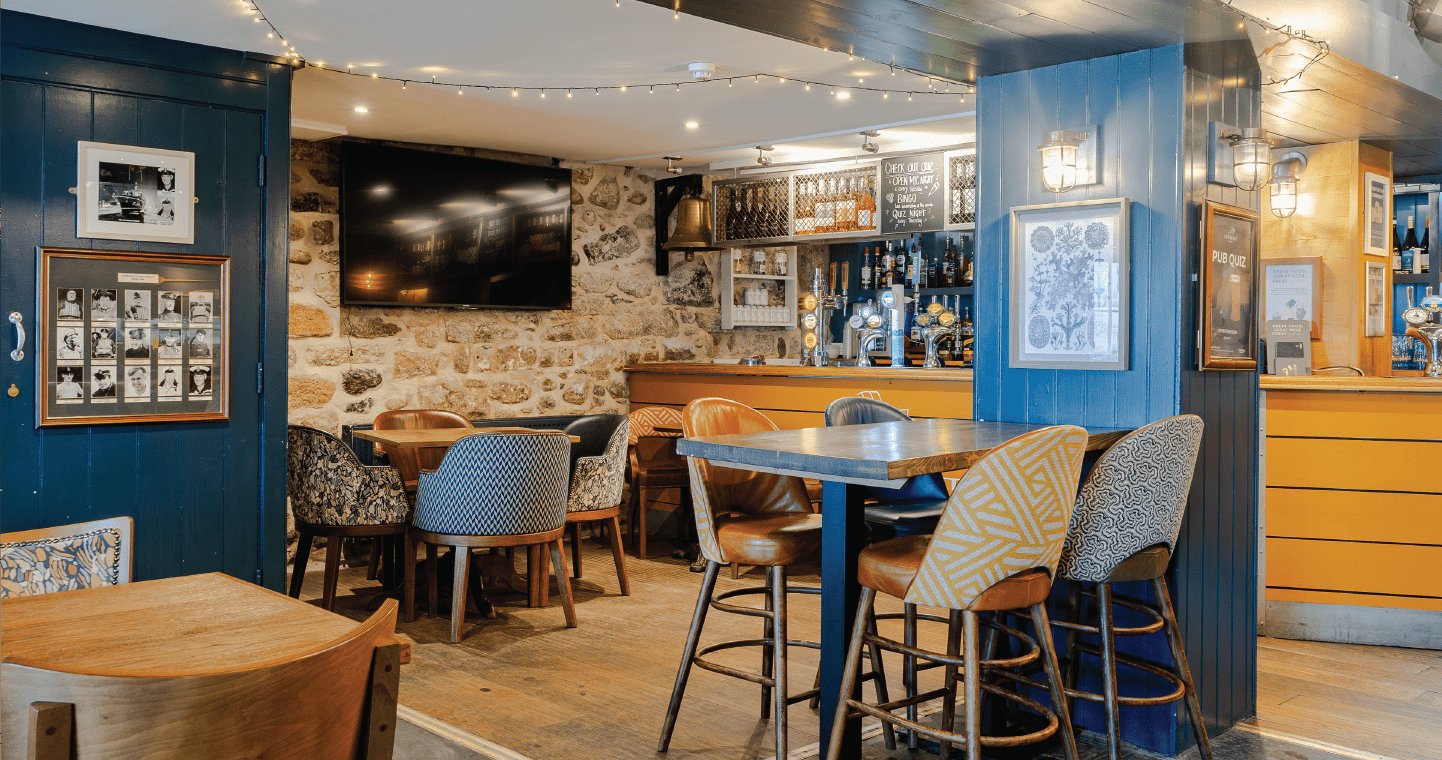
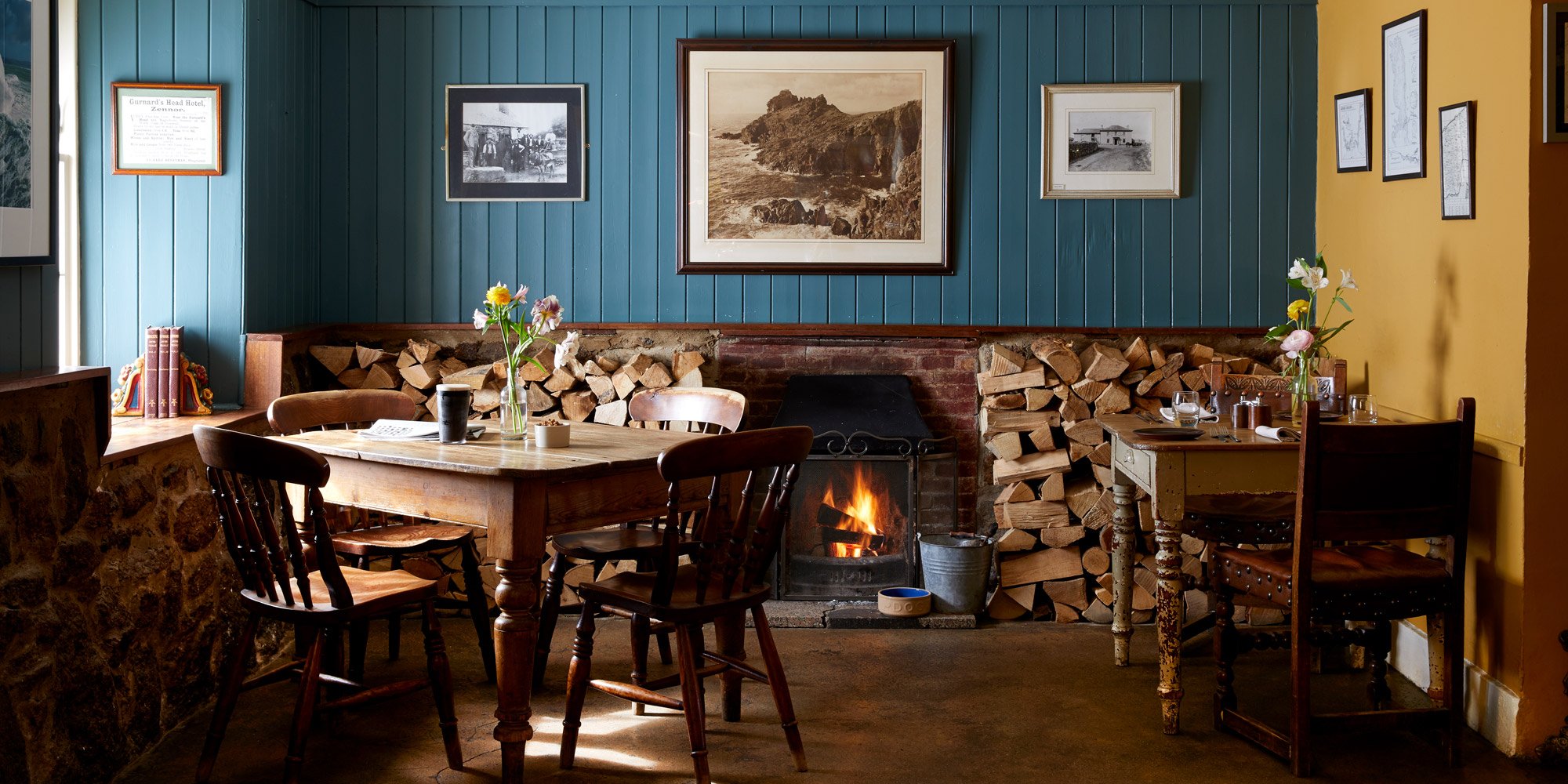
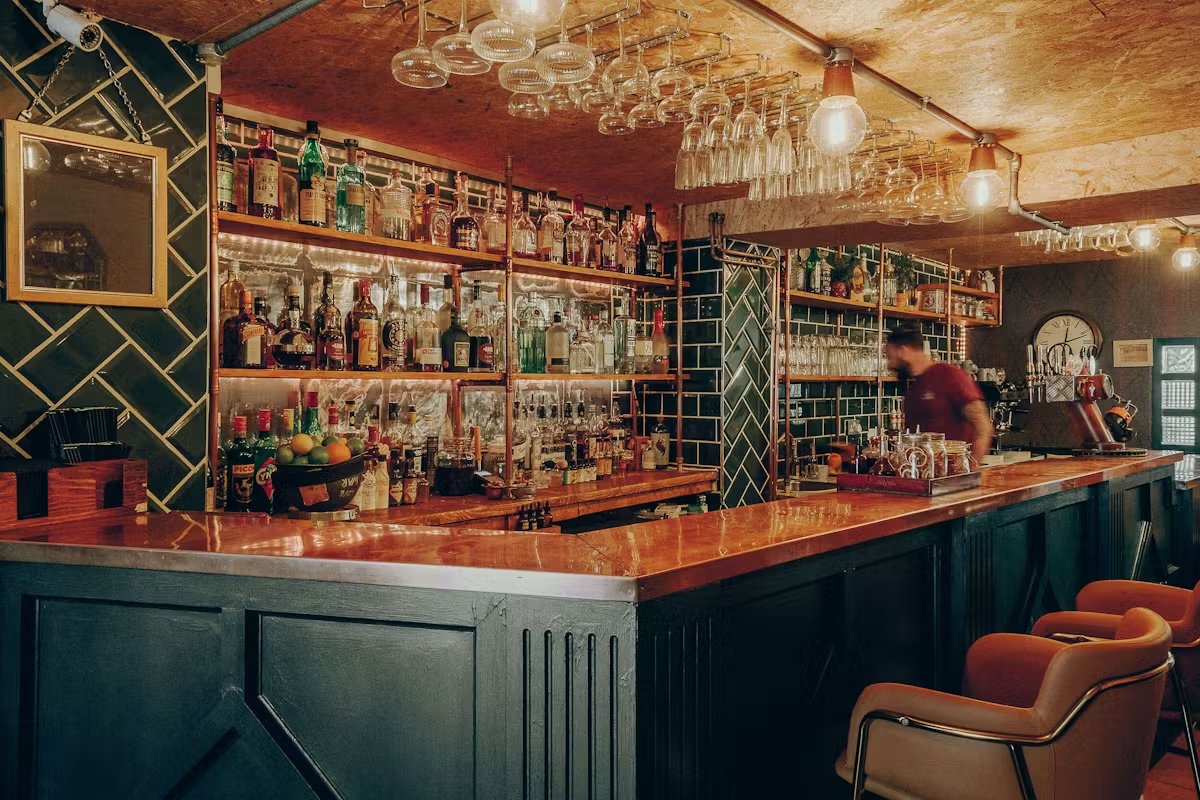
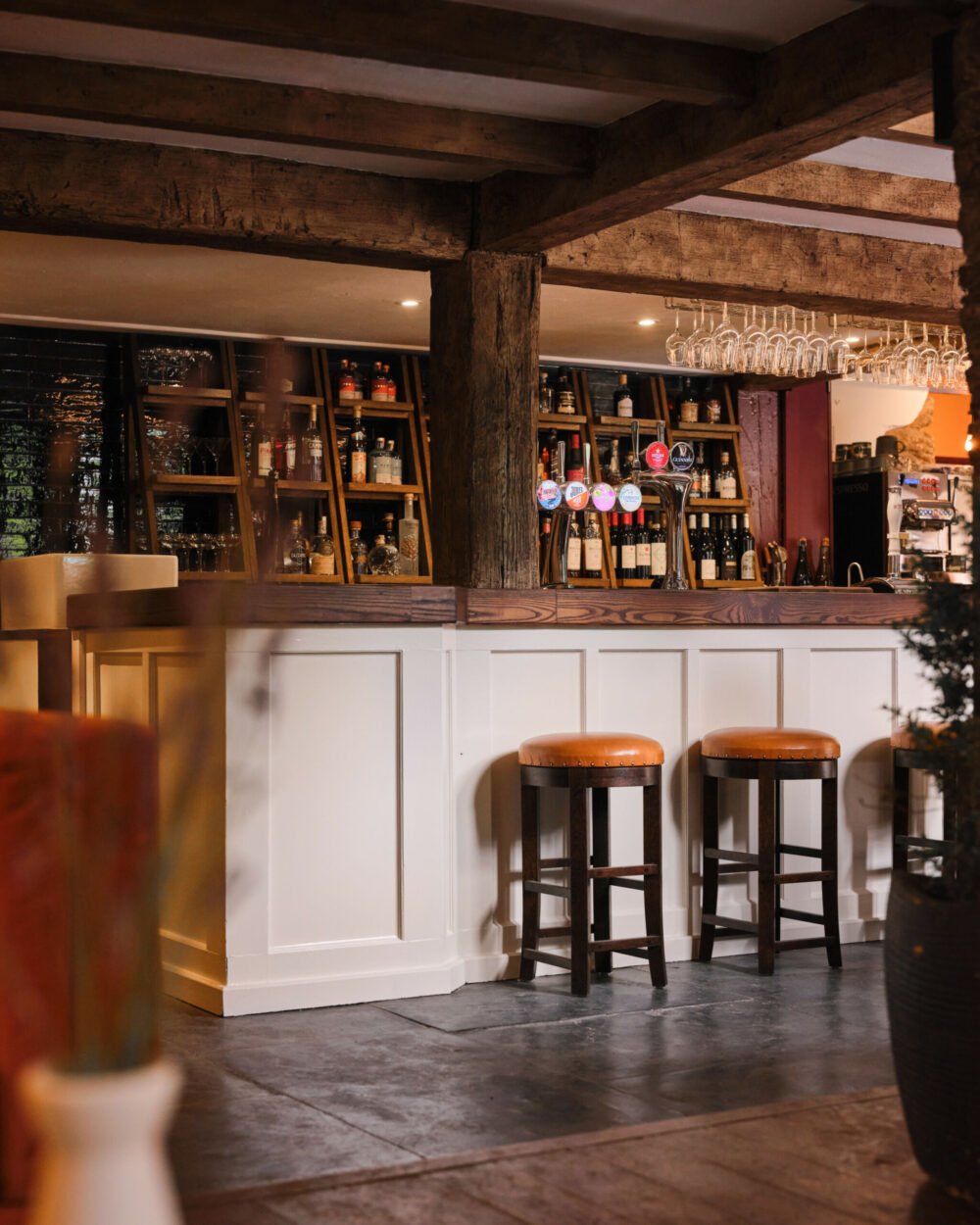
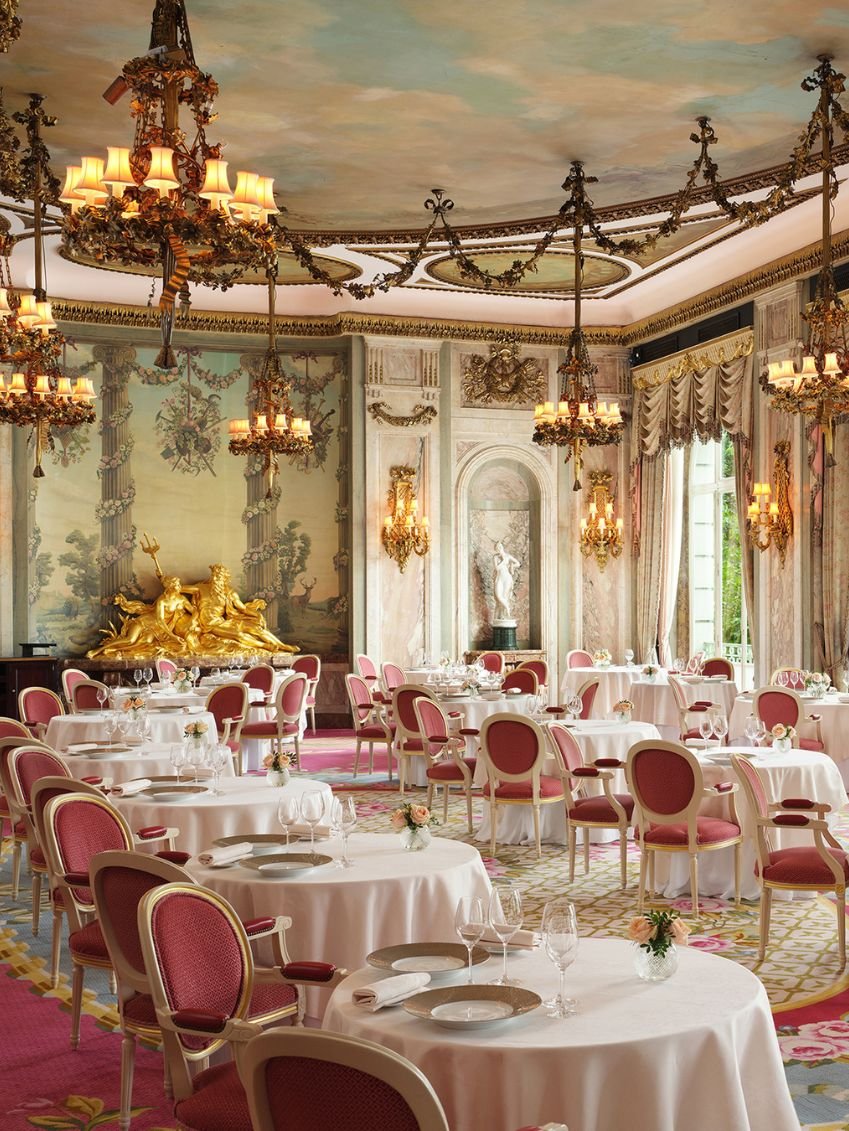
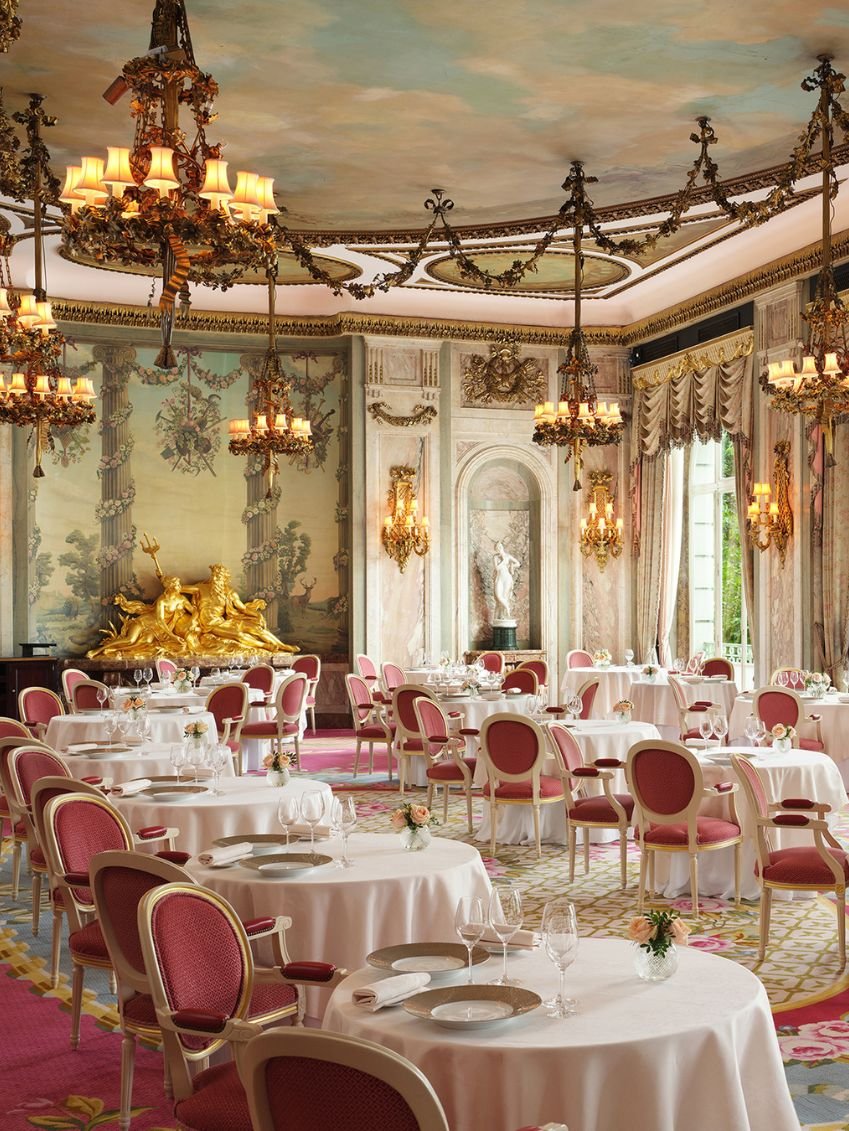
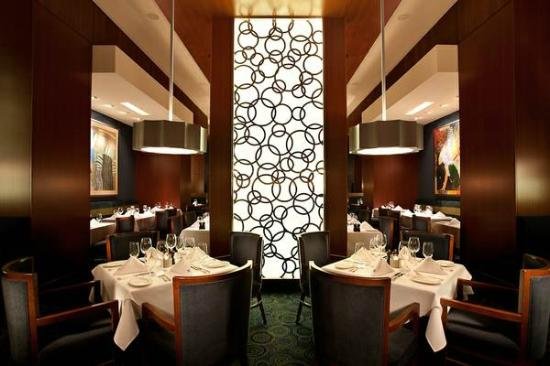
Cozy pub atmosphere with roaring log fire in winter, light and airy open-plan space with granite walls, and lively vibes from live music and crowds.