The George
The George occupies a quietly assured position in Oisterwijk's dining scene, a town in North Brabant that has produced a disproportionate concentration of serious Dutch restaurants relative to its size. Sitting on Heusdensebaan, the address places it within easy reach of the forested heathland that defines this part of the Netherlands, a landscape that shapes ingredient sourcing and seasonal rhythm across the region's better kitchens.
Pearl is the En Primeur Club membership app — saves, bookings, and concierge access live there. Same editors, same standards.
- Address
- Heusdensebaan 7, 5061 PM Oisterwijk, Netherlands
- Phone
- +31135231123
- Website
- leijhof.nl
- Directions
- Get directions
 Saves & bookings on Pearl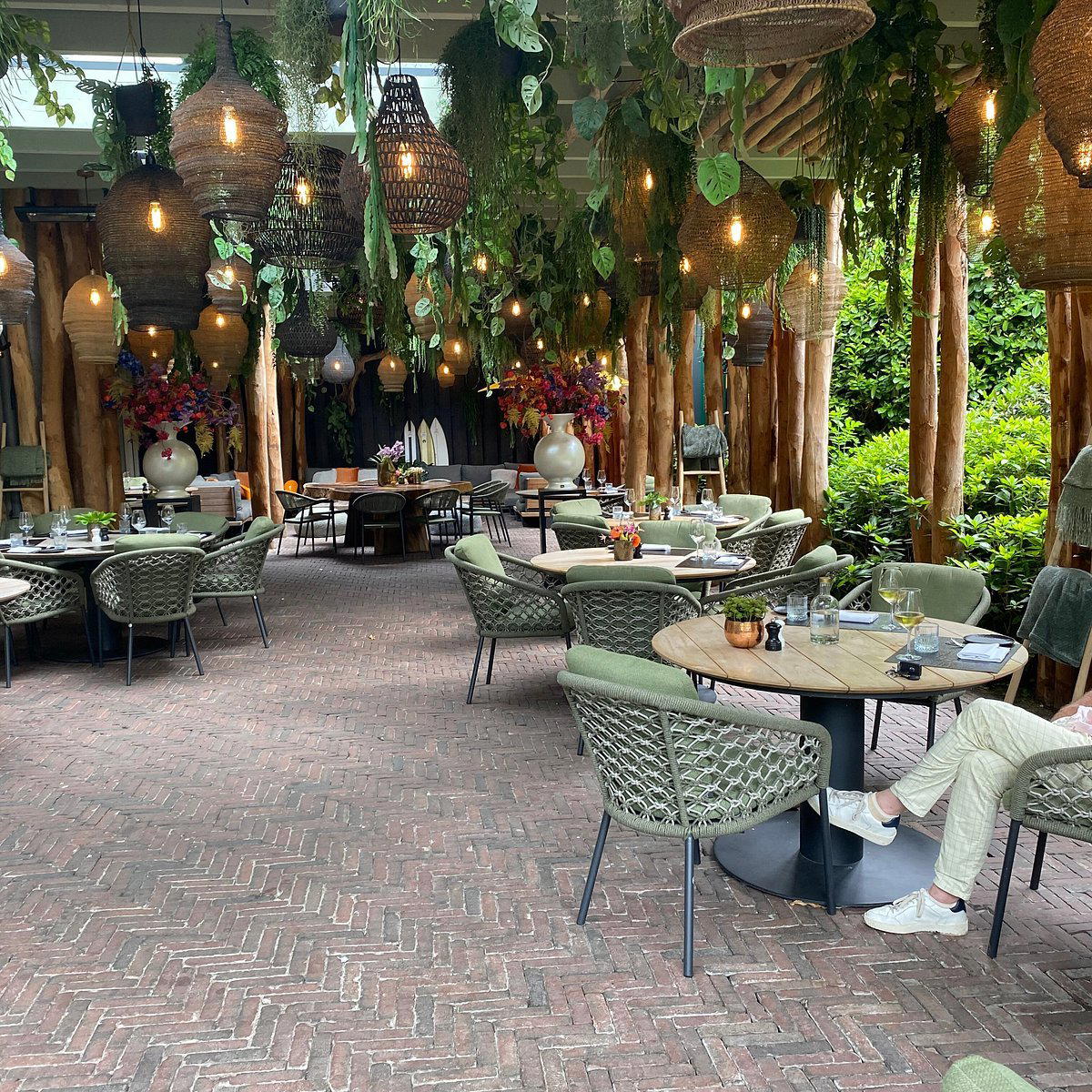
Oisterwijk and the North Brabant Dining Tradition
North Brabant has quietly assembled one of the Netherlands' more compelling concentrations of destination dining. Towns like Oisterwijk, Nuenen, and Waalre operate at a remove from the Amsterdam circuit, drawing guests willing to travel for kitchens that have built their reputations on regional produce rather than metropolitan visibility. The pattern holds across the province: restaurants here tend to root their menus in the agricultural and forested terrain immediately surrounding them, which gives Brabant's better tables a specificity that urban venues can approximate only through supply chains. De Lindehof in Nuenen and De Treeswijkhoeve in Waalre represent that tendency in the €€€€ tier; The George in Oisterwijk operates within the same regional logic.
Oisterwijk itself is a small municipality defined by its heathland, lakes, and forests, the Oisterwijkse Bossen en Vennen nature reserve running close enough to the town centre to influence what shows up on menus in late summer and autumn. That geographic specificity matters in a country where the distance between a forager and a kitchen can be short enough to make seasonal shifts visible course by course.
The Address and Approach
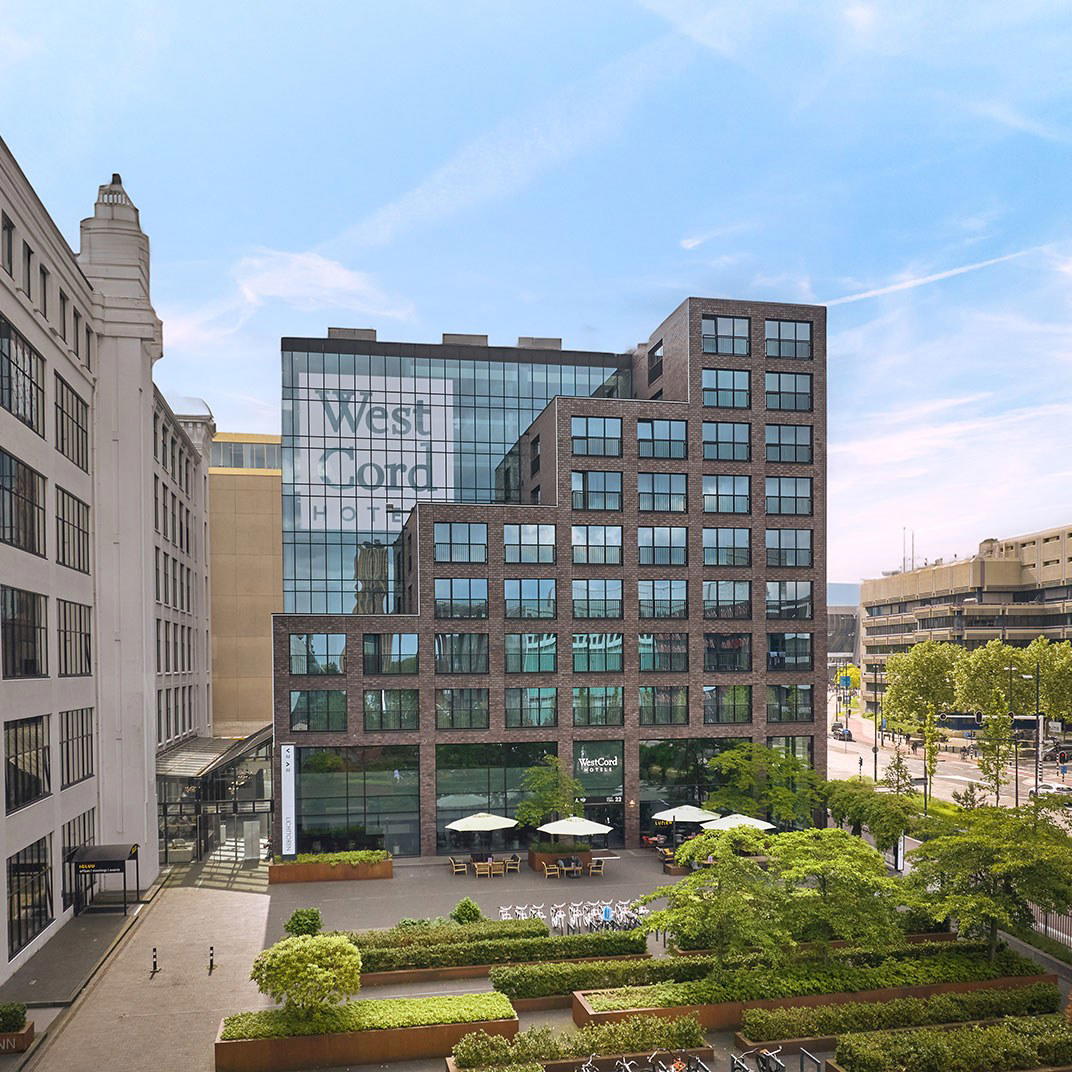
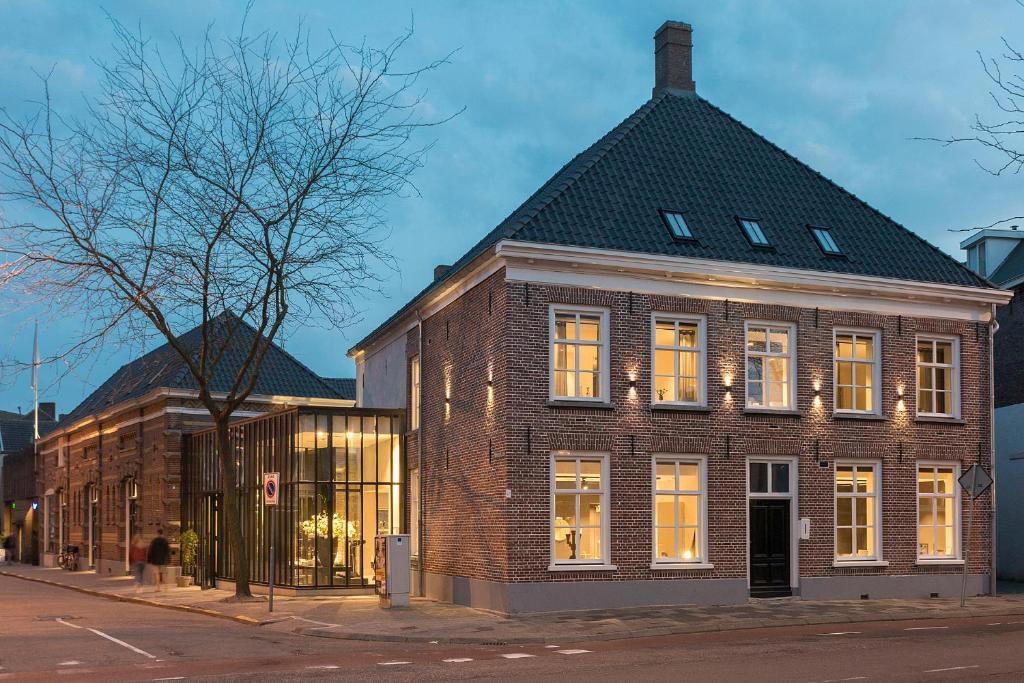
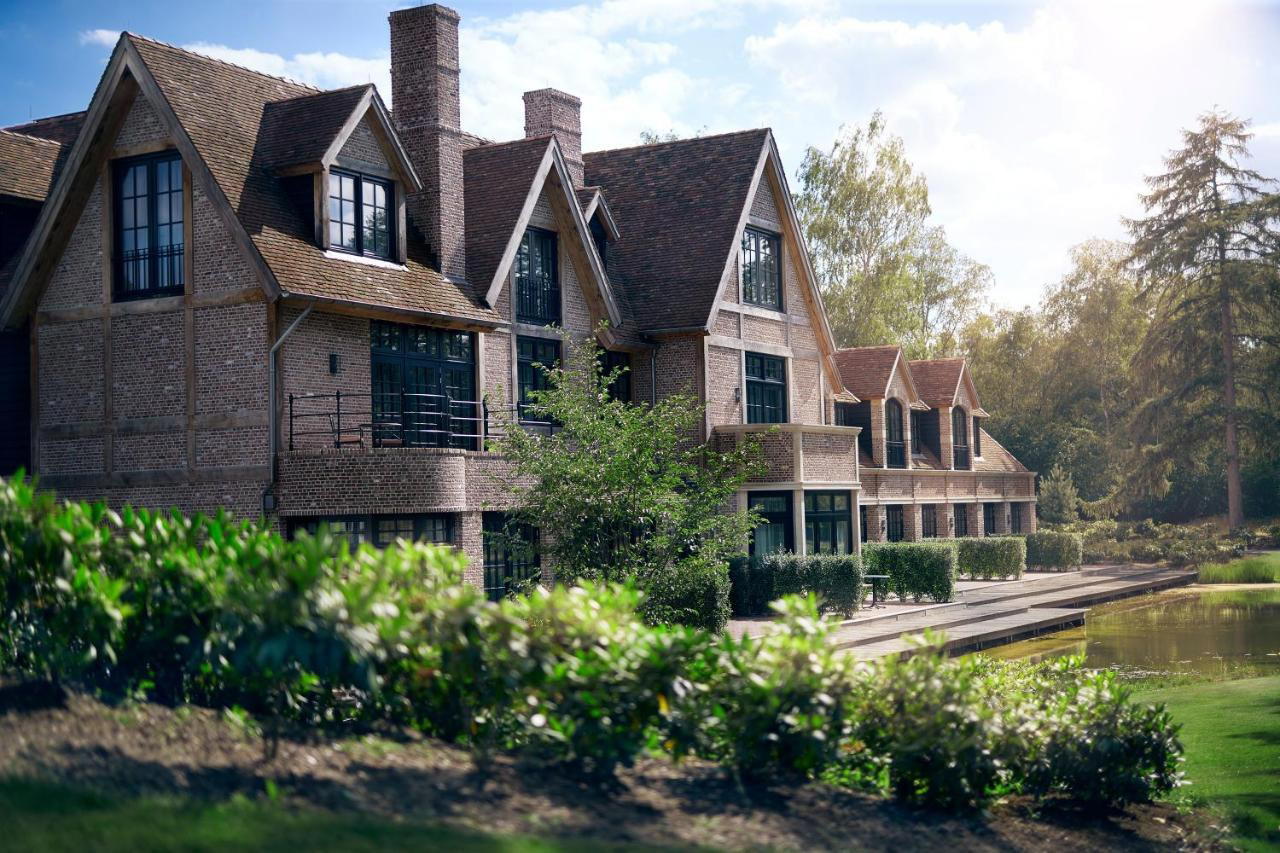
Heusdensebaan 7 sits on a road that connects Oisterwijk to the wider Brabant countryside, the kind of address that signals a destination rather than a passing trade. Approaching from the town centre, the setting shifts from the compact brick streets typical of this part of the Netherlands to something with more space around it, a structural choice that many of the province's serious restaurants make deliberately, opting for settings where the building and its surroundings do part of the atmospheric work. The entrance carries that quiet confidence common to Dutch restaurants that have found their audience without needing to signal ambition through design excess.
For Oisterwijk's dining options as a whole, our full Oisterwijk restaurants guide maps the town's scene and the range of formats available across price tiers.
Where Ingredient Sourcing Defines the Menu
The editorial case for ingredient-led kitchens in this part of North Brabant rests on proximity. The heathland surrounding Oisterwijk produces game, mushrooms, and foraged material that shifts with the season in ways that farmed produce does not. Kitchens operating in this tradition build menus around what is available at a given moment rather than around a fixed repertoire, which means the dining experience in autumn looks substantively different from the same table in spring. This is not a stylistic choice so much as a structural one: when your supply chain runs through local forests and farms rather than a central distribution hub, the menu has to follow the season or lose the point of the sourcing.
That approach is not unique to Brabant, but the province has cultivated it with particular consistency. De Nieuwe Winkel in Nijmegen has built a Michelin-recognised program almost entirely on plant-based and foraged sourcing. Brut172 in Reijmerstok, further south toward the Belgian border, operates with a similar commitment to hyper-local sourcing as the organising principle of the kitchen. The George in Oisterwijk occupies the same general tradition, positioned in a town where the surrounding landscape provides both the setting and the pantry.
Within Oisterwijk itself, The George operates alongside a small number of restaurants that collectively define the town's dining character. Alma Bodega works a seasonal cuisine format in the €€ bracket, making it a different proposition in terms of price and formality. De Swaen represents the town's most established fine dining address, with a history that predates the current generation of Dutch destination restaurants. The George sits in that company as a third point of reference, offering a distinct format for those who have already visited the town's other tables or who are making Oisterwijk a dedicated dining stop.
The broader Dutch fine dining circuit for reference includes De Librije in Zwolle, which operates at the very best of the domestic hierarchy, and Aan de Poel in Amstelveen, which represents the Amsterdam metropolitan area's contribution to the €€€€ tier. Both sit in a different competitive bracket from provincial Brabant restaurants, but they share the sourcing discipline and technical ambition that defines the upper end of Dutch restaurant culture. For international comparison, Ciel Bleu in Amsterdam, Le Bernardin in New York City, and Atomix in New York City represent the tier at which ingredient provenance and sourcing precision become non-negotiable standards rather than differentiating features.
Regional Context: Dutch Fine Dining Beyond the Randstad
The concentration of serious kitchens outside Amsterdam and the Randstad is one of the more significant structural facts about Dutch fine dining in the current period. Inter Scaldes in Kruiningen draws guests to Zeeland specifically for the table. De Bokkedoorns in Overveen operates between Haarlem and the dunes, with its setting doing as much work as its kitchen. De Groene Lantaarn in Staphorst has built a destination profile from a village that most Dutch residents would struggle to locate on a map without assistance. De Lindenhof in Giethoorn and 't Nonnetje in Harderwijk extend that pattern further into Overijssel and Gelderland.
Pattern across all of these is consistent: Dutch fine dining has decentralised in ways that reward guests who are willing to travel, and Oisterwijk sits comfortably within that broader shift. FG in Rotterdam shows that the phenomenon extends beyond rural settings too, but the provincial addresses consistently demonstrate a sourcing advantage that urban kitchens have to work harder to replicate.
Planning a Visit
Oisterwijk is accessible by train from Tilburg, with the journey taking under fifteen minutes from that city's central station. The address on Heusdensebaan is a short taxi or cycle ride from the town centre, manageable enough that guests arriving by public transport from further afield via 's-Hertogenbosch or Eindhoven will find the logistics direct. Given the size of the town and the finite number of tables at its better restaurants, booking ahead is advisable regardless of day of week, particularly for autumn visits when the surrounding countryside is at its most productive and the town draws more visitors.
How The George Oisterwijk compares with similar nearby venues.
| Venue | Cuisine | Price |
|---|---|---|
| Alma Bodega | Seasonal Cuisine | €€ |
| Reblochon | Modern French | €€ |
| Te Koop in Tilburg | International | €€ |
Continue exploring
More in Oisterwijk
Restaurants in Oisterwijk
Browse all →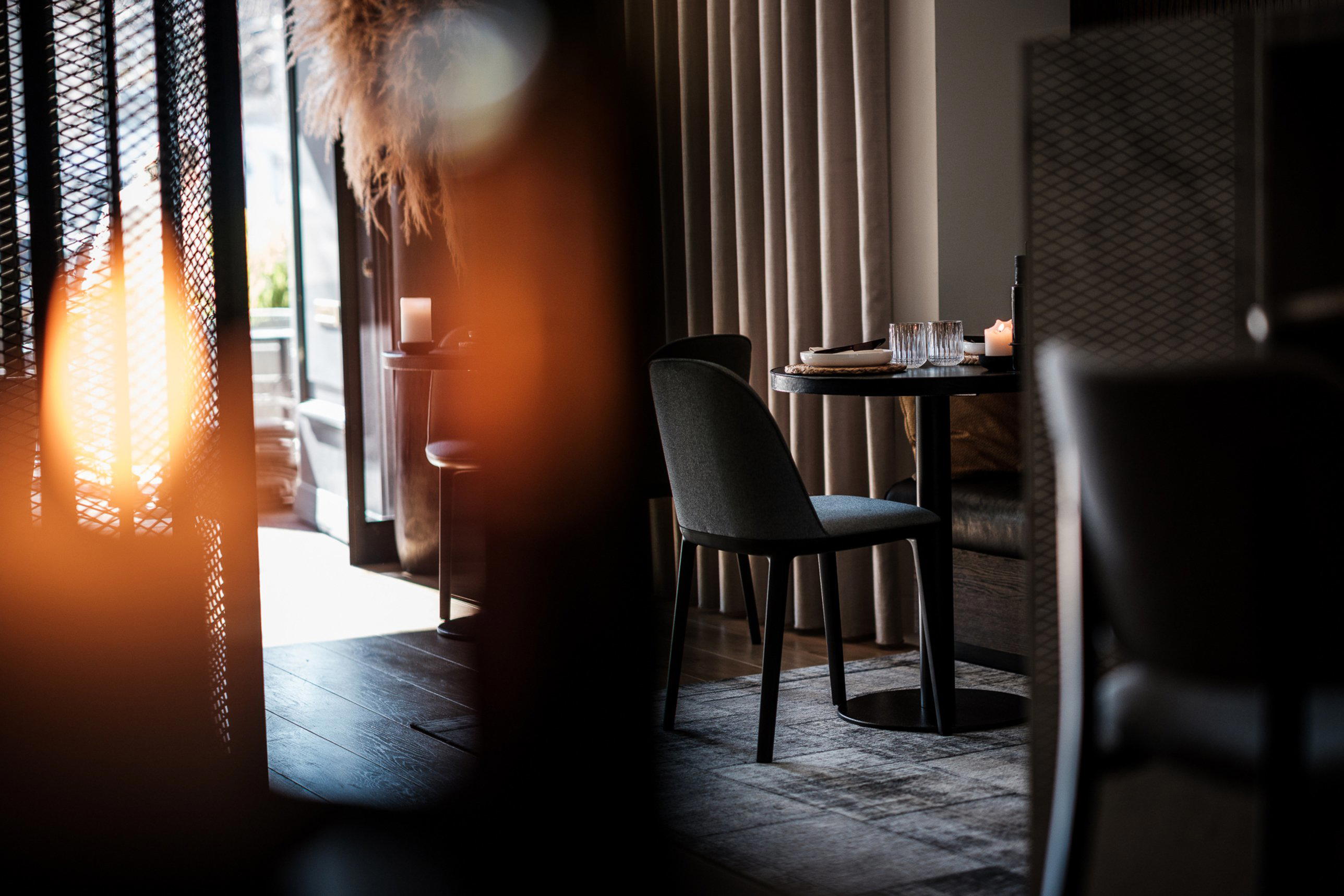
Bars in Oisterwijk
Browse all →
At a Glance
- Elegant
- Cozy
- Sophisticated
- Date Night
- Special Occasion
- Hotel Restaurant
- Private Dining
- Extensive Wine List
- Local Sourcing
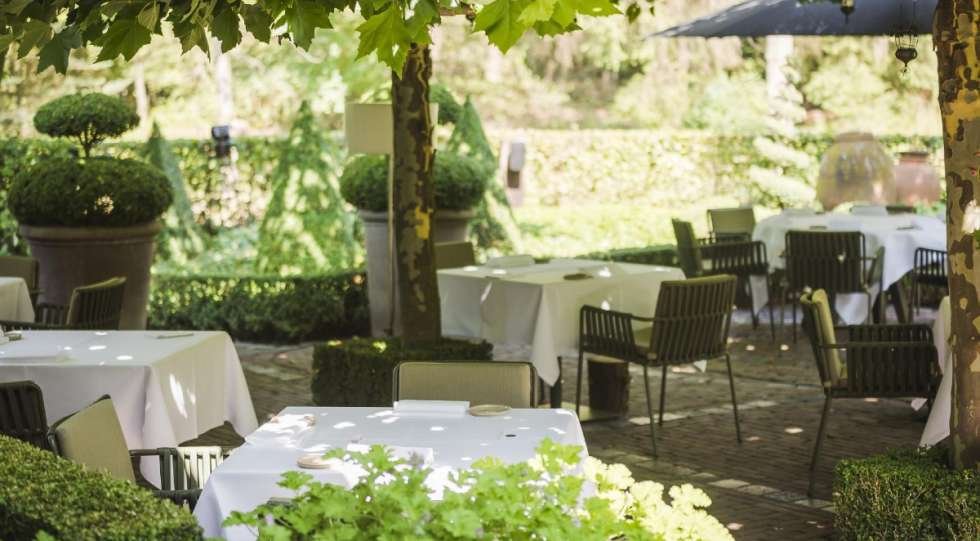
- Garden
Current opening hours
- Monday
- 7 AM–11 PM
- Tuesday
- 7 AM–11 PM
- Wednesday
- 7 AM–11 PM
- Thursday
- 7 AM–11 PM
- Friday
- 7 AM–11 PM
- Saturday
- 8 AM–11 PM
- Sunday
- 8 AM–11 PM
Hours can change for holidays and private events. Last verified .
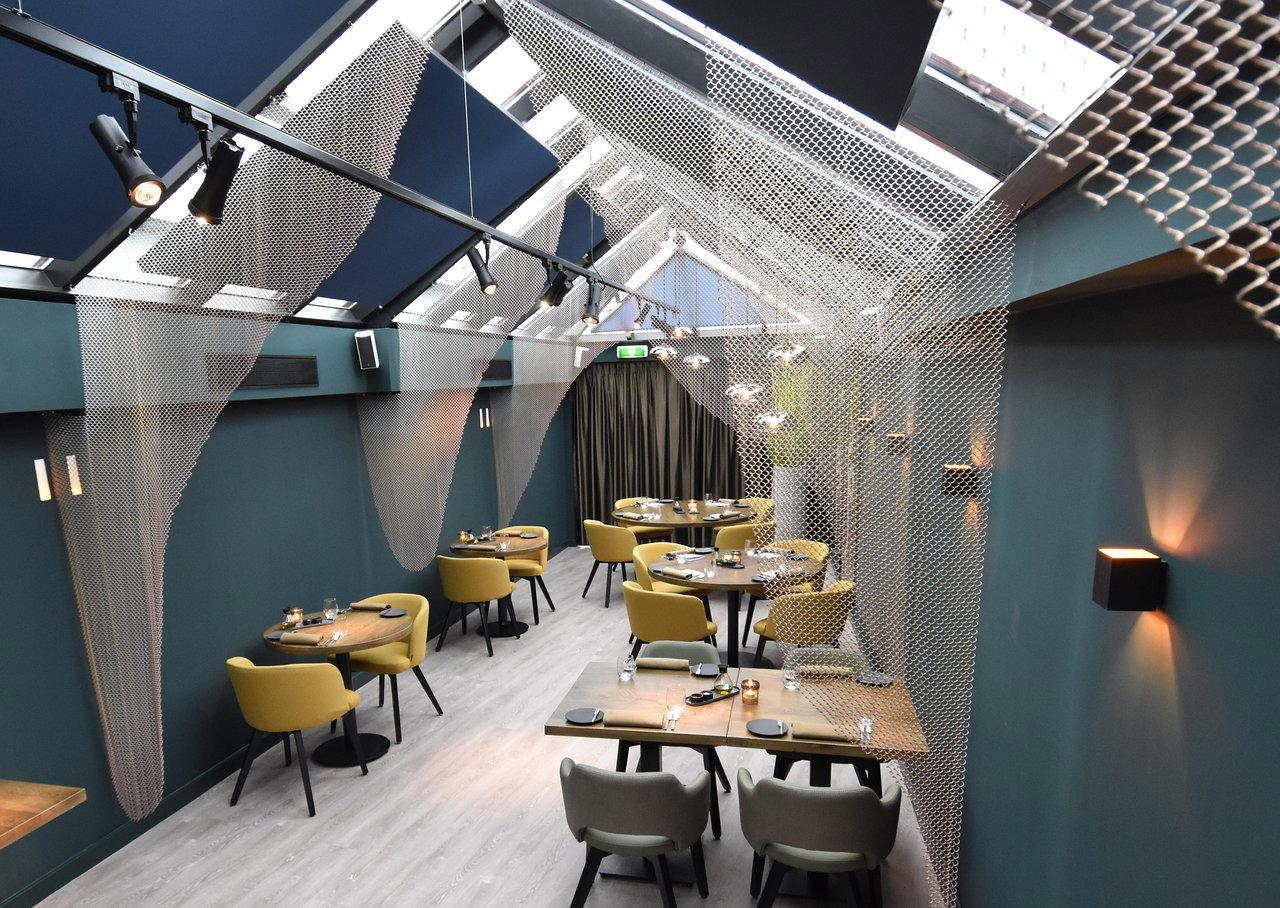
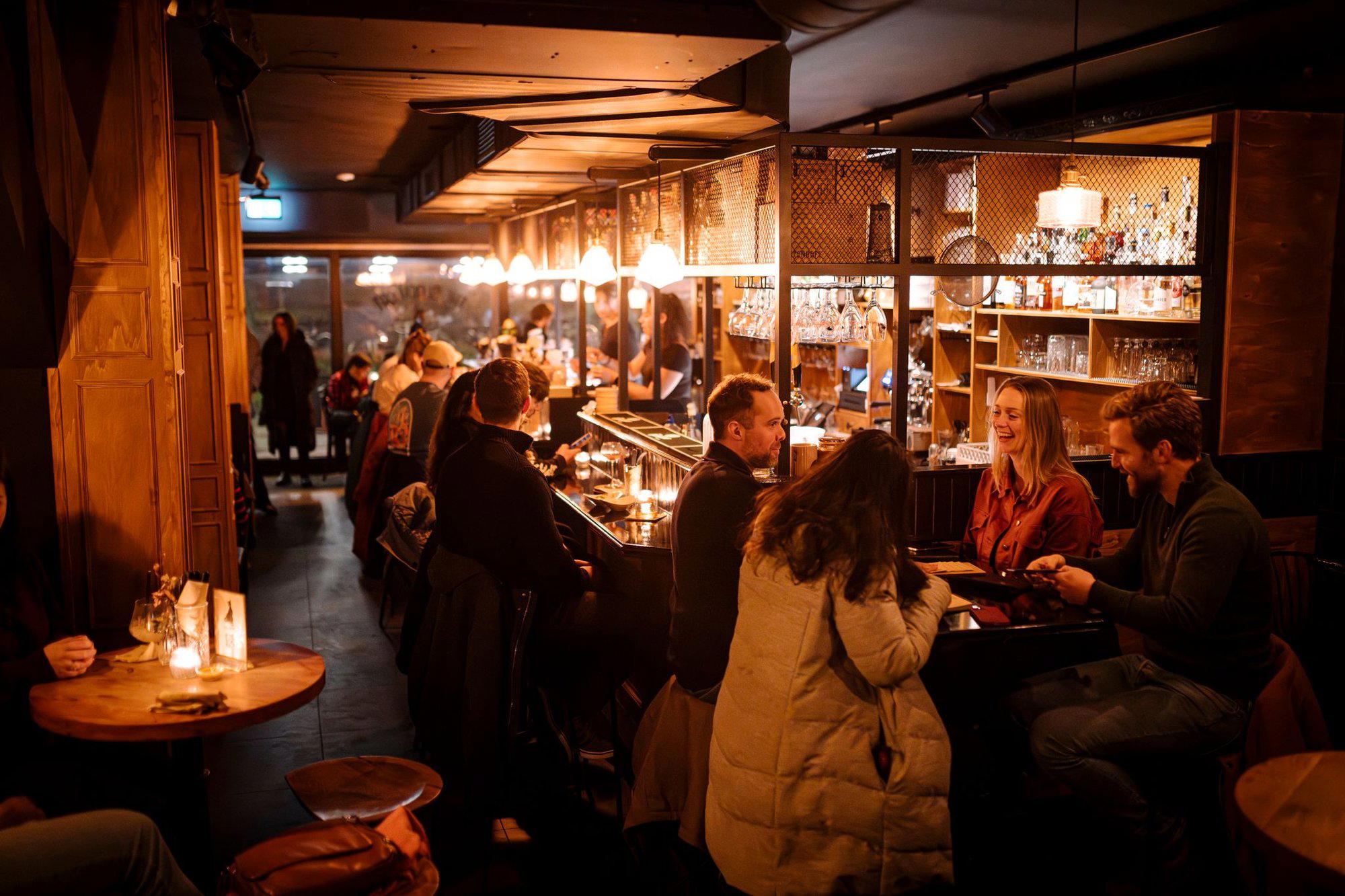
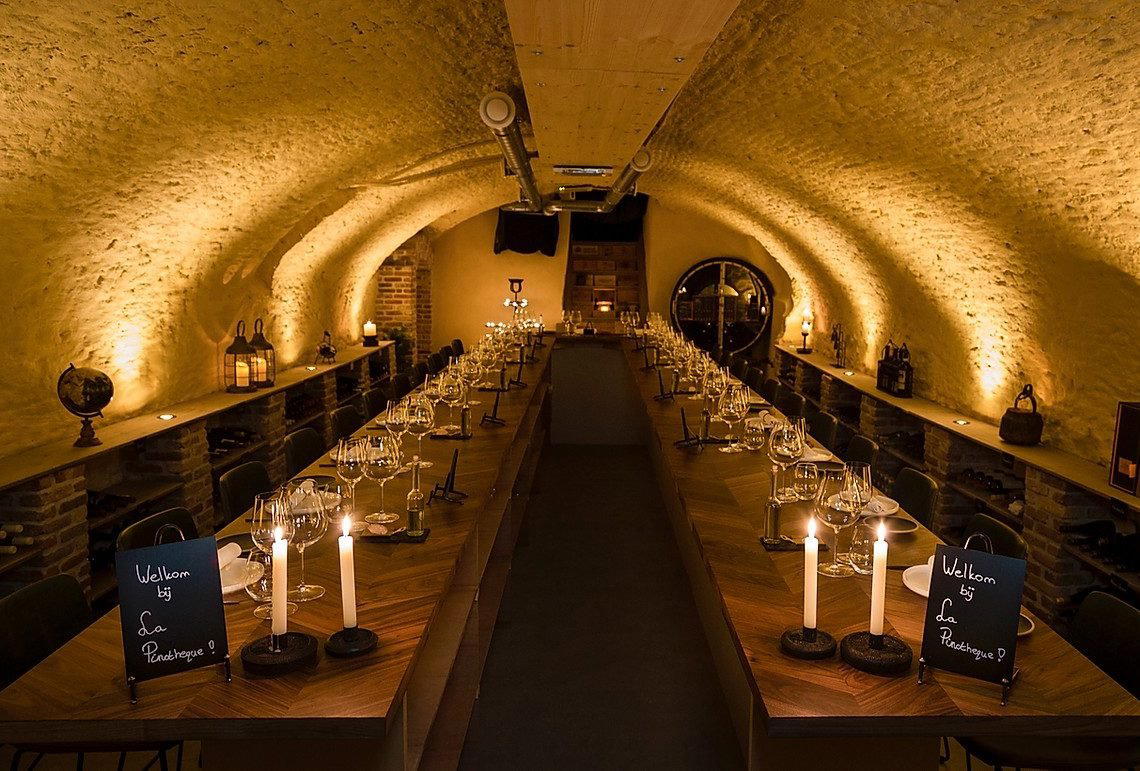
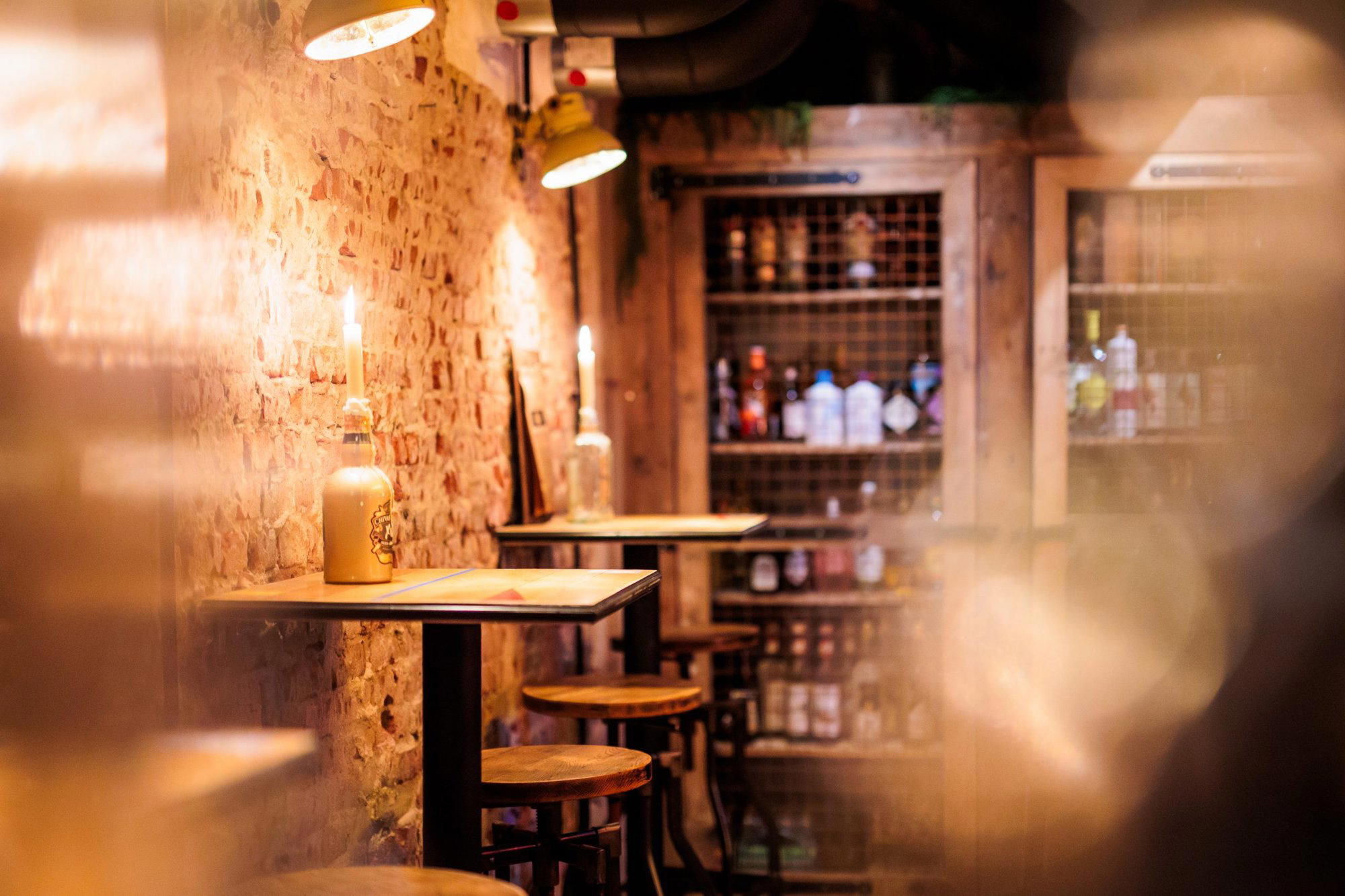
Far-reaching ambiance created by dramatic Aurora lights throughout the ground floor, offering an intimate and warm atmosphere.
Know Before You Go
- Getting there
- Heusdensebaan 7, 5061 PM Oisterwijk, Netherlands