The Food Market
On Baltimore's Hampden strip, The Food Market occupies the kind of neighborhood-anchor position that shapes how a block eats and drinks. The kitchen and front-of-house operate as a coordinated team rather than separate departments, and the result is a dining room that earns repeat visits through consistency rather than spectacle. It sits comfortably within Hampden's character: unpretentious but considered.
Pearl is the En Primeur Club membership app — saves, bookings, and concierge access live there. Same editors, same standards.
- Address
- 1017 W 36th St, Baltimore, MD 21211
- Phone
- +1 410 366 0606
- Website
- the-food-market.com
- Directions
- Get directions
 Saves & bookings on Pearl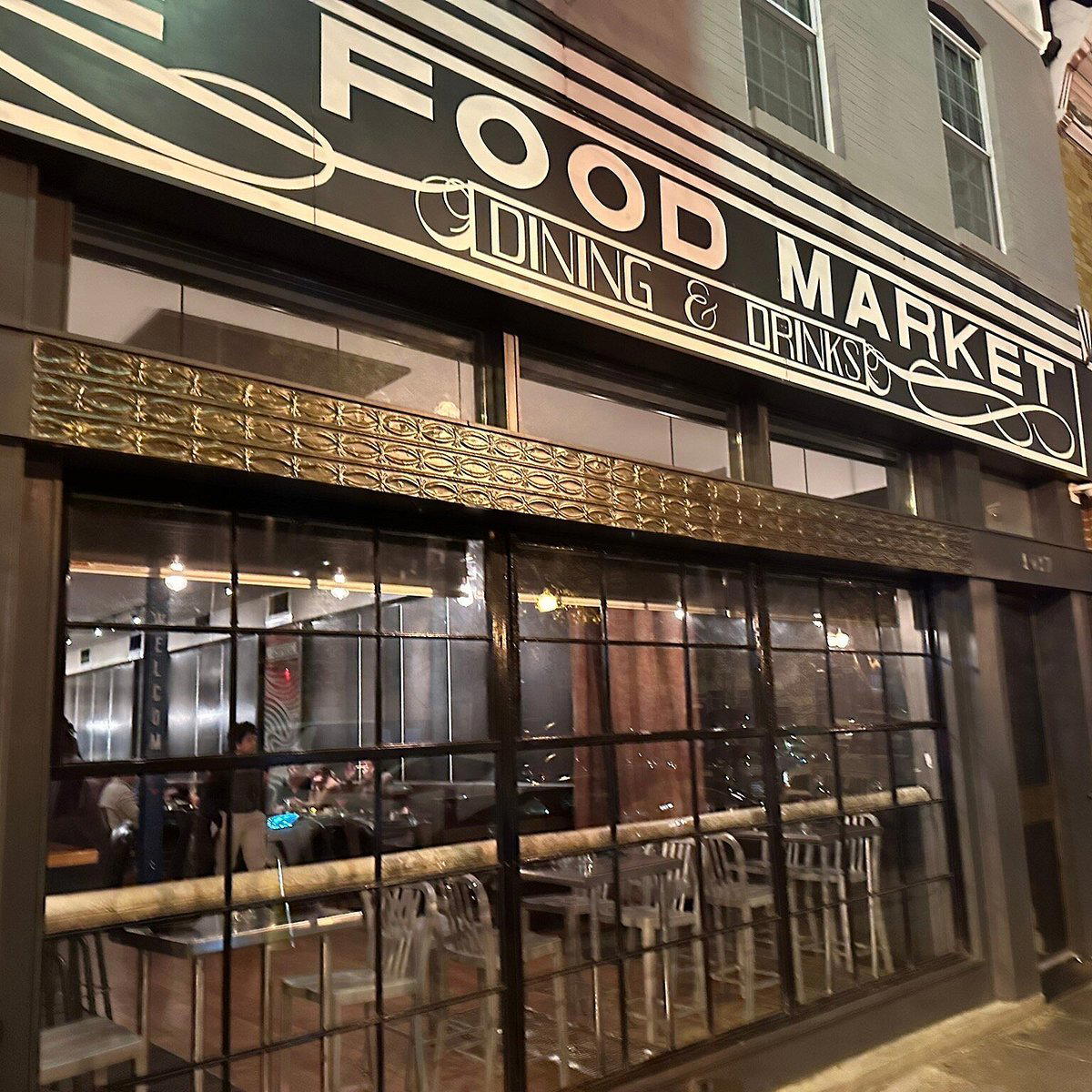
What Hampden Expects From a Neighborhood Restaurant
West 36th Street in Baltimore's Hampden neighborhood has spent the better part of two decades sorting itself out. The strip, locally called "The Avenue," runs through a district that shifted from working-class rowhouse territory into something more mixed: independent retail, a handful of bars, and restaurants that serve locals first and destination diners second. The restaurants that last here tend to do so not through novelty but through consistency, through a dining room that functions the same way on a Tuesday as it does on a Saturday. The Food Market, at 1017 W 36th St, is a restaurant in Baltimore. Its address places it squarely on the commercial corridor where Hampden's dining identity is concentrated, and its longevity on that block reflects something more durable than a good opening press cycle.
The Room and What It Signals
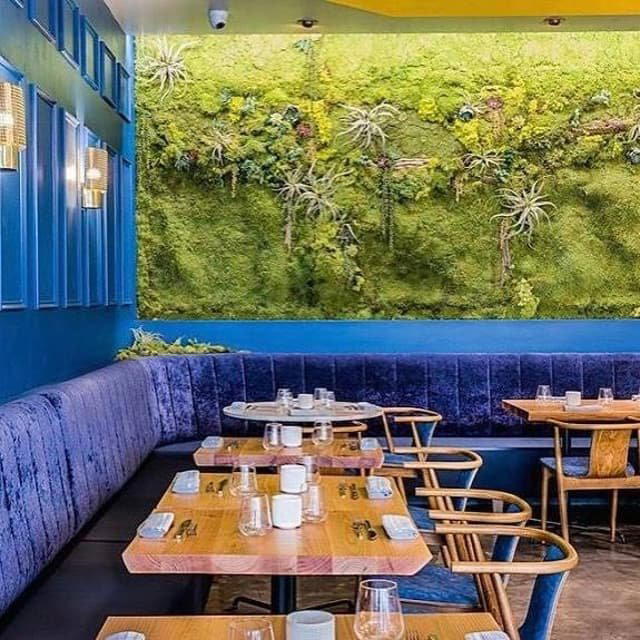
American neighborhood restaurants of this tier tend to read clearly the moment you walk in: the lighting tells you the price point, the noise level tells you the crowd, and the table spacing tells you whether the kitchen has ambitions beyond feeding people efficiently. Hampden runs informal, and The Food Market doesn't contradict that. The physical environment is consistent with a room designed to be occupied rather than admired, the kind of place where the focus lands on what arrives at the table rather than on the architecture surrounding it. That orientation is a deliberate editorial choice in a neighborhood that rewards substance over presentation.
What matters here is how the floor and the kitchen communicate. In restaurants where that relationship is fractured, you feel it immediately: dishes arrive out of sequence, the server doesn't know what's on the pass, and the experience splinters into its component parts. When it works, the dining room functions as a single system. The better neighborhood restaurants in Baltimore's current scene, including Alma Cocina Latina and Baba'de, share that quality of integration between back and front of house. The Food Market operates in the same register.
The Team Dynamic as a Service Philosophy
The editorial angle worth spending time on is not the menu itself but the operational logic behind it. In American casual-upscale dining, particularly common failure mode is a kitchen that over-reaches while the floor under-performs, or a service team that has been coached in theatrical hospitality without the product knowledge to back it up. The restaurant's reputation on Hampden's strip is built on something quieter: a front-of-house team that knows what the kitchen is doing and a kitchen that respects the rhythm of the dining room.
That coordination shows up in small ways. Pacing, in particular, is a diagnostic. A restaurant where courses arrive too quickly signals a kitchen optimizing for table turns rather than the guest's experience. A restaurant where the floor can't explain what's on a plate signals a staffing structure where front and back are operating independently. Neither failure mode is specific to Baltimore; they are endemic to the casual-upscale tier across American cities. The bars that have built sustained reputations in comparable markets, places like Kumiko in Chicago or Jewel of the South in New Orleans, demonstrate the same principle applied to beverage programs: the person across the bar knows what they're serving and why, and that knowledge translates directly into guest confidence.
The restaurant's position on Hampden's Avenue places it in direct comparison with Alonso's and Barcocina, both of which hold corners of the same neighborhood's dining ecosystem. What differentiates these venues isn't category or cuisine in isolation; it's how they handle the relationship between the people making food and drink and the people delivering it. That operational relationship is the actual product in the casual-upscale tier.
Baltimore's Neighborhood Restaurant Context
Baltimore's dining scene distributes itself across neighborhoods in ways that don't always follow a downtown-centric logic. Hampden, Fells Point, Federal Hill, and Station North each carry distinct dining personalities, and the restaurants that define those personalities tend to be neighborhood institutions rather than chef-destination concepts. The restaurant's address on W 36th St puts it in the heart of Hampden's commercial identity, which means it functions as a reference point for the neighborhood rather than a detour from it.
That positioning matters for how you plan a visit. Hampden is walkable, and a dinner at the restaurant fits naturally into an evening that starts or ends with a drink elsewhere on The Avenue. The neighborhood's compactness makes it one of the more coherent dining districts in the city, and the restaurant anchors the restaurant end of that strip. For a broader orientation to where this fits within Baltimore's dining geography,
Beverage Programs in the Casual-Upscale Tier
One area where the team dynamic becomes most visible is the bar program. Neighborhood restaurants at this tier have increasingly invested in beverage competence as a differentiator, recognizing that a strong cocktail list draws guests who stay longer and return more often. The national shift toward technically considered bar programs, documented in venues like ABV in San Francisco, Bar Leather Apron in Honolulu, Julep in Houston, and Superbueno in New York City, has reached neighborhood-scale operations. Baltimore is not exempt from that trend, and Hampden's bars and restaurant beverage programs reflect it. The integration of a considered bar program with a kitchen that can support it is another dimension of the front-of-house and back-of-house coordination that defines this tier. Internationally, that same principle applies across markets, as venues like The Parlour in Frankfurt on the Main demonstrate in European casual-upscale settings.
Planning a Visit
The restaurant sits at 1017 W 36th St in Hampden, Baltimore's most walkable dining corridor. Street parking on The Avenue can be tight on weekend evenings, so arriving on foot from within the neighborhood or by rideshare is the practical approach. Hampden's dining strip concentrates its activity between late afternoon and late evening, and the restaurant fits that rhythm.
Comparable Spots, Quickly
Comparable venues nearby, for context on price, style, and recognition.
| Venue | Cuisine | Price | Notes |
|---|---|---|---|
| The Food MarketThis venue — the venue you are viewing | Dining | $$ | Not listed |
| Marie Louise Bistro | Classic French Bistro | $$ | Mount Vernon |
| Iggies | Neapolitan Pizza | $$ | Mount Vernon |
| Minato | Modern Japanese Sushi | $$ | Mount Vernon |
| Maggies Farm | Farm-to-Table American Gastropub | $$ | Hamilton |
| Dalesio's Of Little Italy | Northern Italian Trattoria | $$ | Little Italy |
Continue exploring
More in Baltimore
Restaurants in Baltimore
Browse all →
Bars in Baltimore
Browse all →

At a Glance
- Lively
- Modern
- Industrial
- Trendy
- Casual Hangout
- Group Outing
- Date Night
- Standalone
Current opening hours
- Monday
- 10 AM–3 PM, 4–9 PM
- Tuesday
- 10 AM–3 PM, 4–9 PM
- Wednesday
- 10 AM–3 PM, 4–9 PM
- Thursday
- 10 AM–3 PM, 4–9 PM
- Friday
- 10 AM–3 PM, 4–10 PM
- Saturday
- 10 AM–2:30 PM, 4–10 PM
- Sunday
- 10 AM–2:30 PM, 4–9 PM
Hours can change for holidays and private events. Last verified .
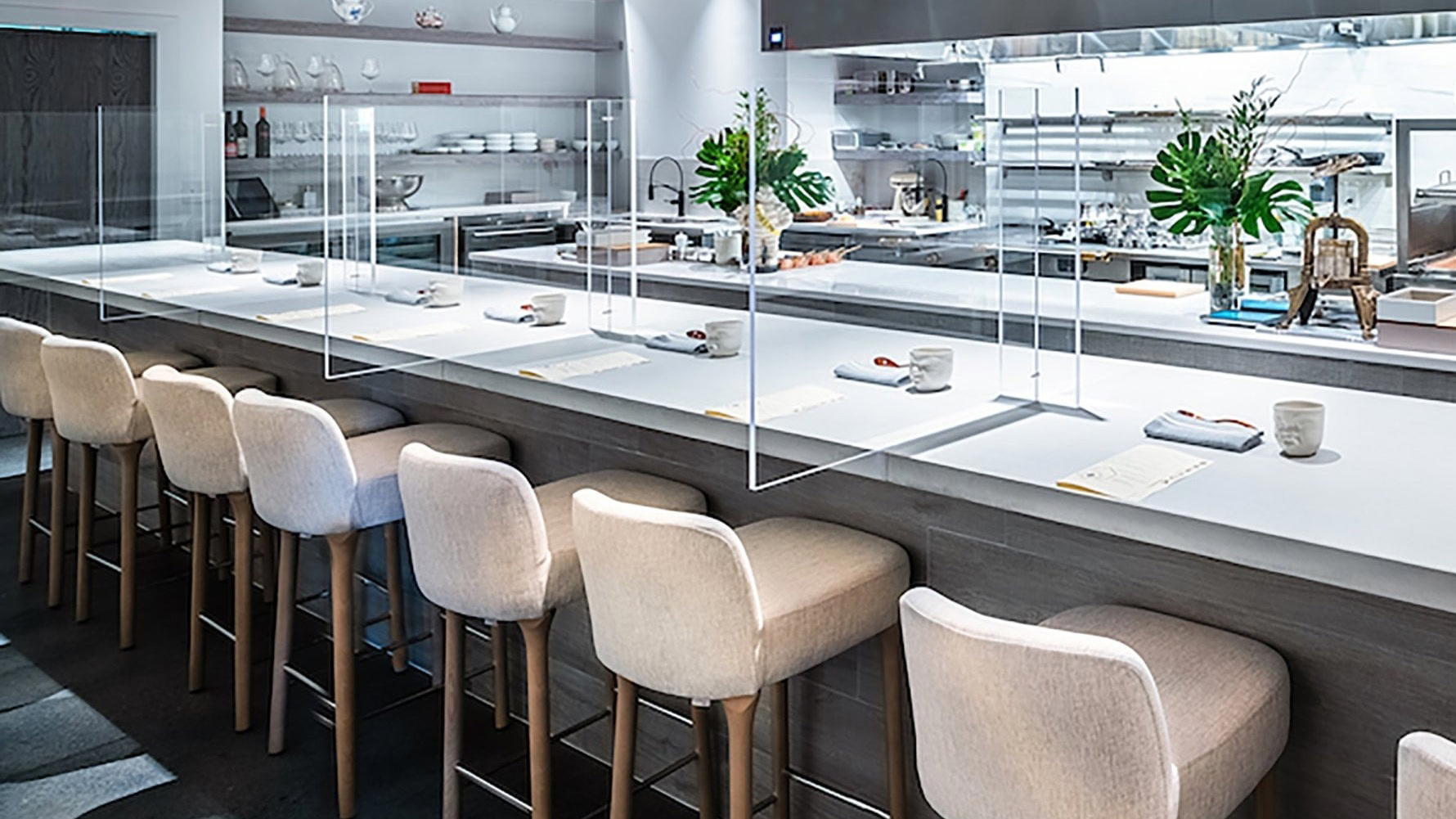
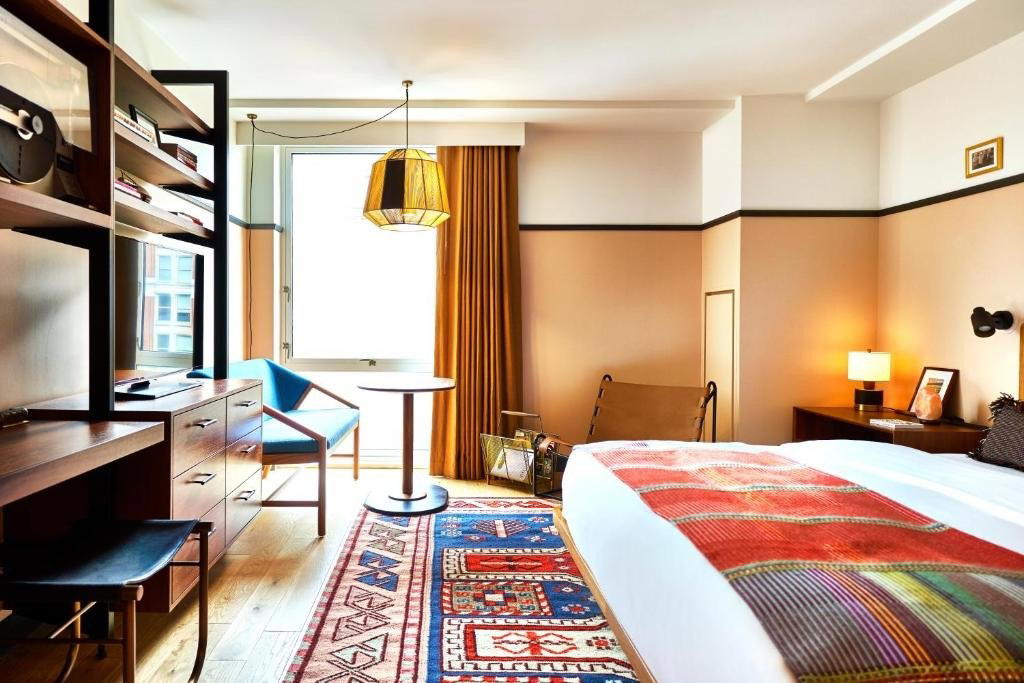
Smartly designed industrial-modern atmosphere with lively energy and open kitchen.
Know Before You Go
- Getting there
- 1017 W 36th St, Baltimore, MD 21211