The Eden Gardens
Located at 2 N First St in downtown San Jose, The Eden Gardens occupies a corner of the city's evolving dining district where collaboration between front-of-house and kitchen teams defines the experience. The restaurant draws comparison to California's broader farm-to-table tradition, positioning itself within a mid-range to upper bracket of South Bay dining. Booking ahead is advisable given the downtown location and limited seating signals.
Pearl is the En Primeur Club membership app — saves, bookings, and concierge access live there. Same editors, same standards.
- Address
- 2 N First St Suite 150, San Jose, CA 95113
- Phone
- +14083202471
- Website
- theedengardens.com
- Directions
- Get directions
 Saves & bookings on Pearl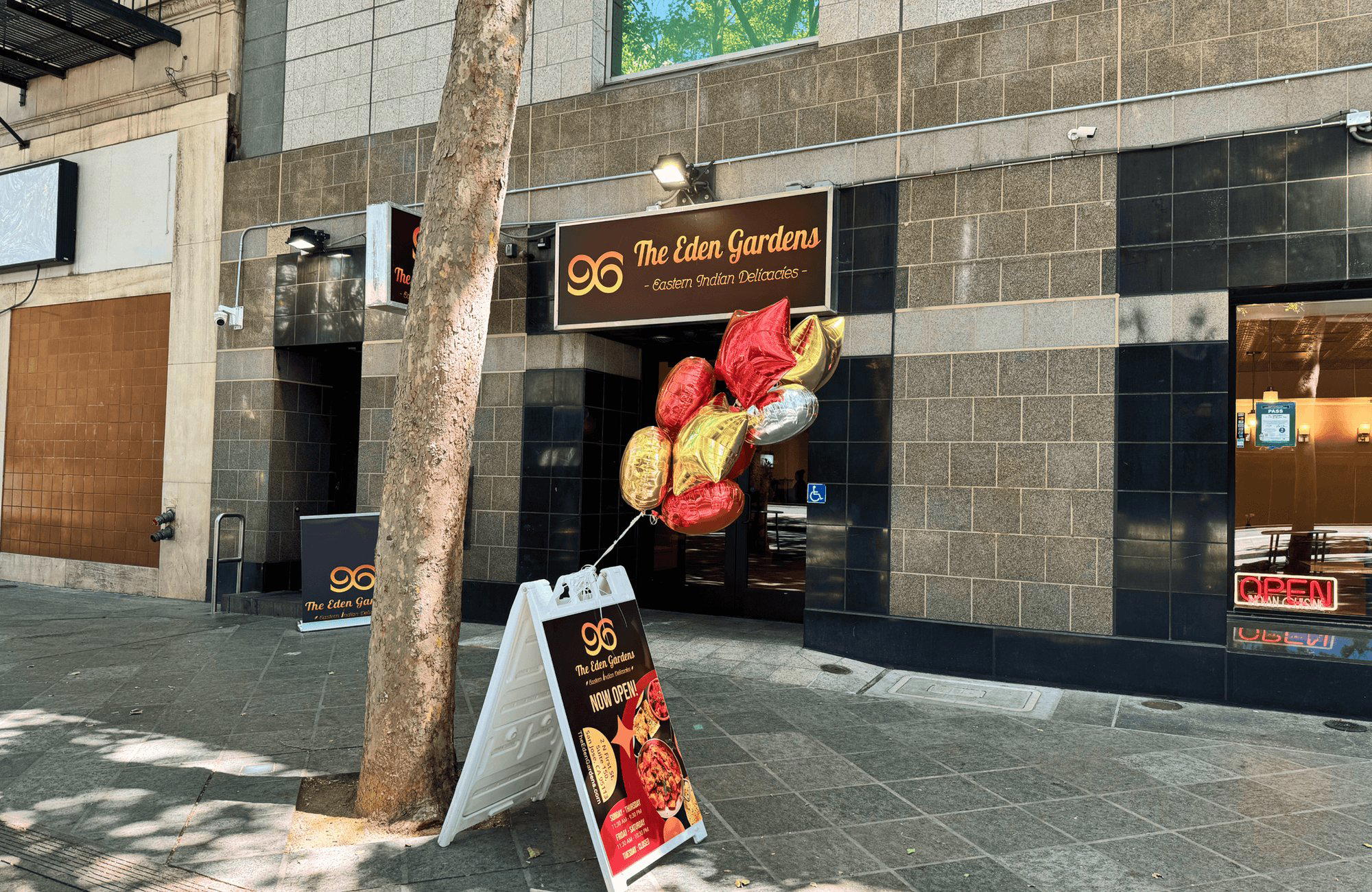
Downtown San Jose and the Question of Collaborative Dining
San Jose's dining scene has spent the better part of a decade catching up with the reputation of its Bay Area neighbors. The South Bay long operated in the shadow of San Francisco's restaurant culture, its downtown addresses filling with quick-service concepts and expense-account steakhouses rather than the kind of considered, team-led operations that define serious dining cities. That has shifted. Addresses along and around North First Street now represent a more deliberate tier of restaurant, one where the relationship between kitchen, floor, and wine program matters as much as the food itself. The Eden Gardens, a restaurant serving authentic Bengali and Indian cuisine at 2 N First St Suite 150 in San Jose, offers an accessible meal around $20 per person.
The broader trend worth understanding here is that particularly compelling American restaurants of the past decade have moved away from the single-chef-as-auteur model toward something more genuinely collaborative. At Atomix in New York City, the pairing of kitchen precision with an exceptionally briefed floor team became as much a talking point as the food itself. Lazy Bear in San Francisco built its reputation partly on dissolving the wall between kitchen and dining room, making the team dynamic visible and central to the experience. The Eden Gardens operates within this same cultural moment, where the handoff between a kitchen's intentions and a guest's understanding of them has become its own craft.
What the Room Signals Before the First Course Arrives
Downtown San Jose's First Street corridor functions as a useful barometer for how the city's hospitality culture has matured. The area sits close to the SAP Center and the Guadalupe River Trail, drawing a mix of pre-show diners, weekday lunch crowds from the surrounding office buildings, and destination visitors who have specifically sought out the address. For a restaurant operating in this context, the challenge is calibrating the experience across those different guest profiles without diluting what makes it worth the trip for the more intentional visitor.
This is where front-of-house competence becomes structural rather than decorative. At restaurants where the team dynamic is genuinely integrated, a table of first-timers receives the same quality of guidance as a regular, because the floor staff are trained to read the room and adjust accordingly. The leading analogy in the California context comes from operations like Single Thread Farm in Healdsburg, where the hospitality program was designed with as much rigor as the tasting menu, or The French Laundry in Napa, where decades of service culture have produced a floor team that operates as a counterpart to the kitchen rather than a support function. The ambition at The Eden Gardens, within a different scale and price context, points in a similar direction.
The California Dining Tradition The Eden Gardens Works Within
California's fine and upper-casual dining tradition has always placed unusual weight on sourcing transparency and seasonal rotation. From Blue Hill at Stone Barns in Tarrytown in spirit if not geography, to the hyper-local sourcing arguments made by operations like Providence in Los Angeles, the expectation in this part of the country is that a kitchen should be able to articulate its ingredients' provenance. The South Bay benefits from proximity to particularly productive agricultural land in North America, and restaurants in downtown San Jose that take this seriously have access to the same Central Coast and Santa Cruz Mountains produce networks that supply much of the Bay Area's celebrated dining infrastructure.
Downtown San Jose also has immediate neighbors worth placing in frame. Adega (Portuguese), operating at the summit of the city's formal dining tier, holds Michelin recognition and sets a benchmark for what serious wine and kitchen collaboration looks like at the highest local level. Further along the casual-to-formal spectrum, Alma de Amón, Antipastos by DeRose, and Augustine fill out a mid-market bracket that has become more technically accomplished in recent years. Back A Yard Caribbean Grill represents the more casual, neighborhood-facing end of the local offer. The restaurant occupies a position in this mix, one whose specifics reward direct inquiry with the venue.
Seasonal Timing and Why It Matters Here
The Bay Area's culinary calendar has two meaningful pivot points: the shift from late-summer stone fruit and tomato season into the cool-weather brassica and citrus rotation around October, and the spring arrival of asparagus, morels, and early alliums that typically runs from March through May. Restaurants operating within a seasonal framework, as the better downtown San Jose addresses do, tend to read differently depending on when you visit. An autumn visit yields a different set of kitchen priorities than a spring one, and the floor team's ability to communicate those shifts to guests, rather than defaulting to a static menu script, is one of the clearest signals of a mature dining operation.
Planning a visit to the restaurant is best approached with a reservation, which is recommended. The address at 2 N First St Suite 150 places it within easy reach of downtown San Jose's public transit infrastructure, and the surrounding First Street corridor is walkable from the city's main transit hub.
Among national reference points, the team-dynamic model has been executed at varying scales and price points: Le Bernardin in New York City at the apex of formality, Alinea in Chicago through a theatrical but precisely choreographed service format, Addison in San Diego with its Southern California warmth, and Emeril's in New Orleans through a longer tradition of floor personality as part of the restaurant's identity. The Inn at Little Washington in Washington and 8 1/2 Otto e Mezzo Bombana in Hong Kong extend the model internationally, illustrating how the collaborative dining format scales across different cultural and geographic contexts. The argument for the restaurant is that this model, at a local and more accessible scale, represents a meaningful development in what downtown San Jose can offer a visitor with considered dining priorities.
Comparable Spots
Comparable venues nearby, for context on price, style, and recognition.
| Venue | Cuisine | Price | Notes |
|---|---|---|---|
| The Eden GardensThis venue — the venue you are viewing | Authentic Bengali & Indian | $$ | Not listed |
| The Pressroom | Polished California Cuisine | $$ | San Pedro Square |
| Pizza Antica | Italian Wood-Fired Pizza | $$ | Santana Row |
| Oveja Negra | Modern Spanish Tapas | $$ | Santana Row |
| Hue Restaurant | Authentic Hue Vietnamese | $$ | Stallion-Shadowsprings |
| Teske's Germania | Authentic German Bavarian | $$ | Hensley |
Continue exploring
More in San Jose
Restaurants in San Jose
Browse all →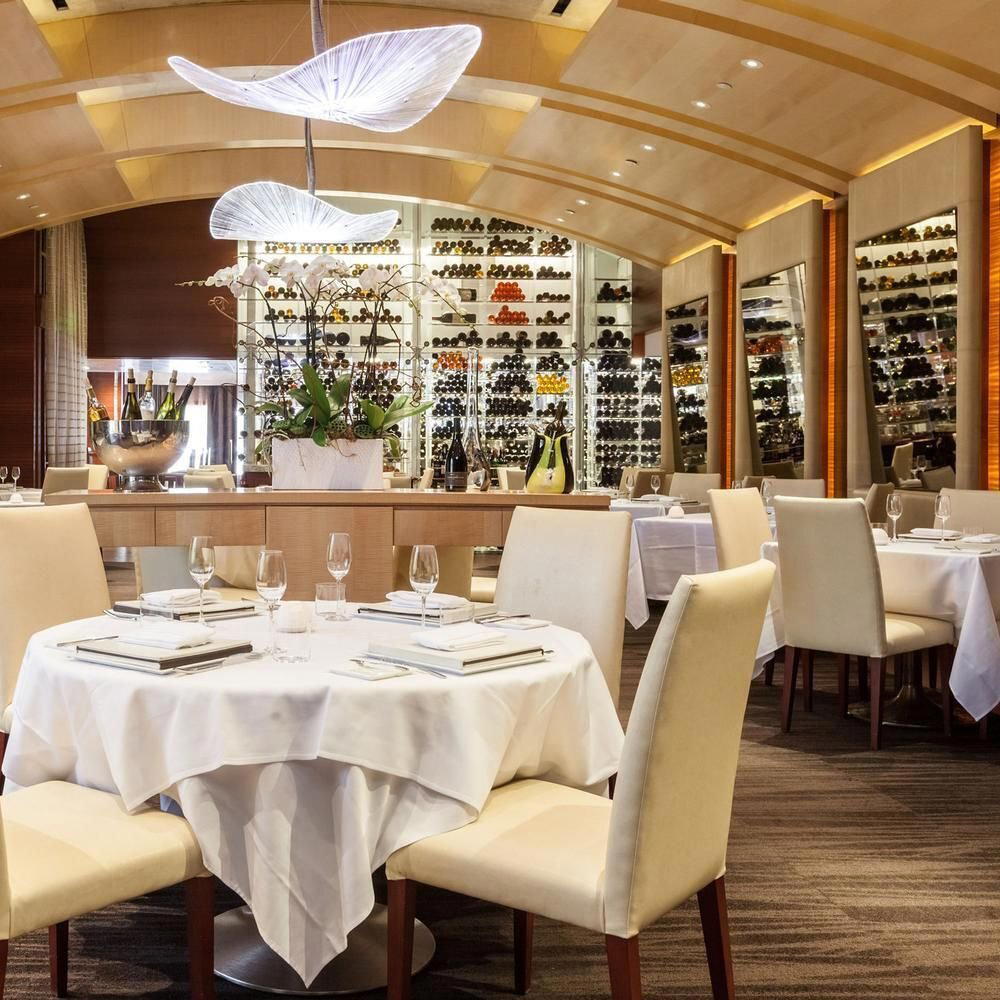
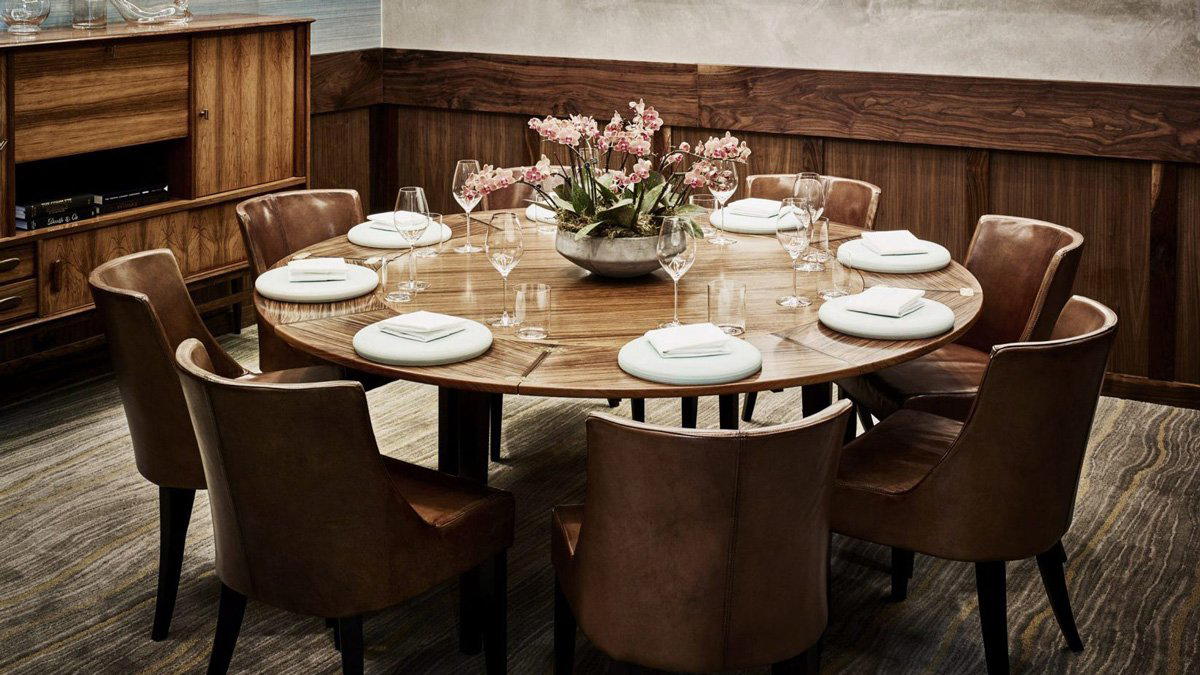
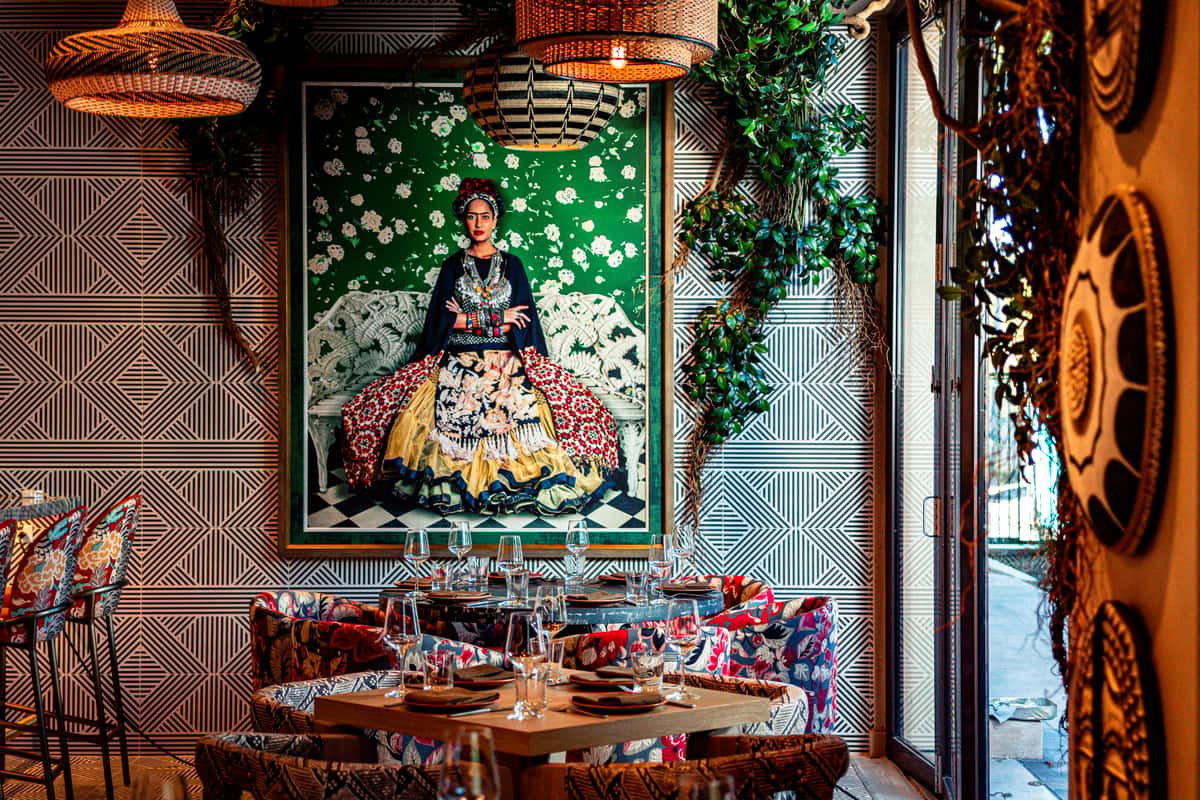
Bars in San Jose
Browse all →
Hotels in San Jose
Browse all →


At a Glance
- Lively
- Group Dining
- Casual Hangout
Current opening hours
- Monday
- 11:30 AM–3 PM, 5:30–11 PM
- Tuesday
- 11:30 AM–3 PM, 5:30–11 PM
- Wednesday
- 11:30 AM–3 PM, 5:30–11 PM
- Thursday
- 11:30 AM–3 PM, 5:30–11 PM
- Friday
- 11:30 AM–3 PM, 5:30–11 PM
- Saturday
- 11:30 AM–3 PM, 5:30–11 PM
- Sunday
- 11:30 AM–3 PM, 5:30–11 PM
Hours can change for holidays and private events. Last verified .
Casual downtown atmosphere with lively Bengali flavors and street food energy.