The Deck Saigon
Our verdict
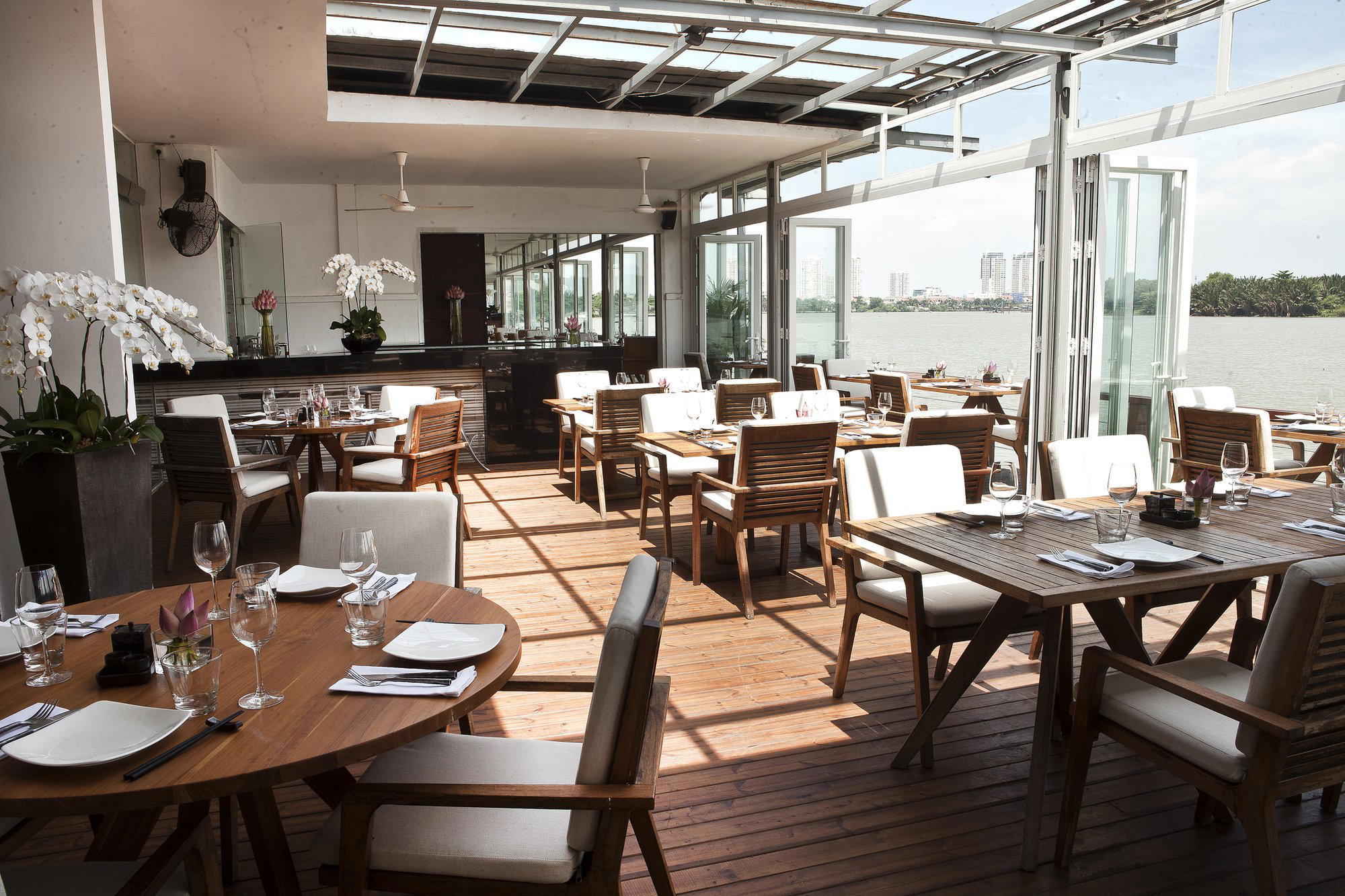
The Deck Saigon occupies a waterfront position in Thủ Đức, where the pace of dining slows to match the river rather than the city behind it. In a Ho Chi Minh City restaurant scene driven by urgency and street-level energy, this address offers a counterpoint: a setting that treats the meal as an extended ritual rather than a transaction. It sits apart from the District 1 cluster, which is precisely the point.

Pearl is the En Primeur Club membership app — saves, bookings, and concierge access live there. Same editors, same standards.
- Address
- 38 Nguyễn Ư Dĩ, St, Thủ Đức, Thành phố Hồ Chí Minh 10000, Vietnam
- Phone
- +84 28 3744 6632
- Hours
- Daily 8 AM–12 AM
- Website
- thedecksaigon.com
- Directions
- Get directions
- Booking
- Book on TableCheck
The menu
What to order
- Grilled black cod miso
- Prawn rolls
- Char-grilled wagyu beef fillet
Where the River Sets the Pace
Ho Chi Minh City's dining rhythm is, by instinct, fast. Street stalls turn tables in minutes, bánh mì carts serve in seconds, and even the city's more considered restaurants tend to absorb some of that surrounding kinetic energy. The Deck Saigon, positioned on the waterfront in Thủ Đức at 38 Nguyễn Ư Dĩ Street, operates on a different clock entirely. Approaching from the main road, the contrast is immediate: the noise softens, the sightlines open toward water, and the structural logic of the setting communicates, before a menu appears, that this is a place built around duration rather than turnover.
That orientation toward the meal as event rather than transaction places The Deck Saigon in a particular tier of the city's dining scene — one that has grown as Ho Chi Minh City's middle and upper dining brackets have matured. Venues like Akuna and CieL have anchored the innovative end of that spectrum in District 1, while Anan Saigon reframes street food within a structured dining format. The Deck occupies a different position: geographically removed from that central cluster, and atmospherically built around environment as much as cuisine.
The Architecture of a Meal Here
Waterfront dining in Southeast Asia carries its own set of conventions, and the better venues in the region understand that the view is context, not content. The meal still has to hold. In Ho Chi Minh City, where dining culture draws from French colonial structure, Chinese Cantonese influence, and distinctly Vietnamese approaches to sharing and sequence, a riverside setting like this one frames the ritual in a particular way: the progression through courses is shaped as much by the changing quality of light over water as by any formal tasting structure.
This stands in contrast to the tightly choreographed omakase or tasting formats that define premium dining in cities like Tokyo or, increasingly, in Vietnam's more ambitious kitchens. At Gia in Hanoi or La Maison 1888 in Da Nang, the meal is a precisely orchestrated sequence. The Deck's approach, by setting and apparent intent, leans toward the more relaxed end of the ritual spectrum — where the guest controls the pacing and the environment does the framing work.
Across Vietnam's dining cities, this contrast in ritual format is instructive. Saffron in Hue City anchors its identity in royal court cuisine traditions, where sequence and presentation carry historical weight. Cargo Club Cafe and Restaurant in Hoi An leans into the colonial-era fusion that defines that city's food culture. The Deck's version of ritual is less historically coded and more environmentally led, the river does some of the work that ceremony might do elsewhere.
The Thủ Đức Position
Thủ Đức's elevation to city status within Ho Chi Minh City in 2021 formalized what had been a gradual shift: the area northeast of the Saigon River was developing its own identity, distinct from the District 1 and District 3 restaurant concentration. For dining, this geographic separation carries real implications. Venues in Thủ Đức are not competing for the same walk-in traffic or tourist foot traffic that sustains central Saigon's restaurant density. They draw on a more deliberate audience, diners who have chosen to cross the river and commit to the journey.
That dynamic shapes what a venue like The Deck Saigon can offer. The distance from the central cluster functions as a filter. Guests arrive with intention, which changes the social texture of a meal. It's a pattern visible in other cities where destination dining outside the obvious centre has created a different quality of experience: the commitment required to get there becomes part of the occasion itself. For reference, venues like Lazy Bear in San Francisco or Le Bernardin in New York City operate on the premise that guests arrive prepared; geography and format do the pre-selection.
Within Ho Chi Minh City, this positions The Deck differently from the Cantonese formality of Long Trieu or the precision-driven innovative format at Coco Dining. Those are restaurants where the kitchen's ambition is the primary draw. Here, the argument is environmental first, and culinary second.
Reading the Broader Vietnamese Scene
Vietnam's restaurant geography rewards lateral movement. The Mekong Delta's seafood traditions, the central coast's herb-forward cooking at spots like Duyên Anh Restaurant in Phu Vang, the northern noodle discipline visible at Mi Quang Ba Vi in Thanh Khe, each region carries its own ritual logic around how a meal is constructed and consumed. Ho Chi Minh City, as the country's commercial engine, absorbs and refracts all of these traditions while adding its own Chinese-Vietnamese synthesis and a French-inflected approach to restaurant formality.
Waterfront dining in the south has particular resonance within that context. The Mekong's influence on southern Vietnamese cuisine is substantive: freshwater fish, river herbs, the slower agricultural rhythms of the delta all feed into how people eat near water. A riverside restaurant in Ho Chi Minh City, even one positioned as an experience-led venue, sits inside that culinary geography whether it explicitly references it or not. Venues like Bau Troi Do in Son Tra and Phuong Nhung Restaurant in Cat Hai demonstrate how Vietnamese coastal and waterway dining has developed its own considered formats distinct from urban restaurant culture.
The Deck Saigon, in its Thủ Đức position above the river, is a Ho Chi Minh City expression of that waterfront dining logic, the meal shaped by proximity to water, pace determined by the setting, and the overall experience oriented toward the kind of table you sit at for an evening rather than an hour.
Planning Your Visit
The Deck Saigon is located at 38 Nguyễn Ư Dĩ Street in Thủ Đức, a district that requires crossing the river from central Ho Chi Minh City. From District 1, the most practical approach is by taxi or ride-hailing app; the journey takes roughly 20 to 35 minutes depending on traffic, and Saigon's bridge congestion during evening peak hours is a genuine variable to factor in. Arriving before sunset makes the most of the waterfront position. For broader context on the city's dining options across all districts and price points, our full Ho Chi Minh City restaurants guide covers the scene in detail. Further afield, venues like Nhà hàng Madame Lân in Hai Chau and Le Pont Club in Hai Phong illustrate how Vietnam's waterfront dining culture extends well beyond Saigon's city limits.
Frequently asked questions
What's the overall feel of The Deck Saigon?
The Deck Saigon operates at a pace that runs counter to Ho Chi Minh City's default tempo. Positioned on the waterfront in Thủ Đức at 38 Nguyễn Ư Dĩ Street — northeast of the Saigon River and well outside the District 1 concentration — the venue is structured around the river view rather than table turnover. It reads as a destination in itself, not a stop in a longer evening.
What's The Deck Saigon's location?
The Deck Saigon is located at 38 Nguyễn Ư Dĩ, St, Thủ Đức, Thành phố Hồ Chí Minh 10000, Vietnam, Ho Chi Minh City.
Is The Deck Saigon worth the trip from central Ho Chi Minh City to Thủ Đức?
The venue sits in Thủ Đức, which gained city-within-a-city status in 2021 and has since drawn increasing interest from Ho Chi Minh City diners looking beyond the District 1 and District 3 core. For anyone specifically seeking a waterfront setting removed from the central restaurant density, the Nguyễn Ư Dĩ Street location makes The Deck Saigon a logical candidate. The river crossing adds transit time, so it suits an unhurried evening rather than a quick dinner.
What do people recommend at The Deck Saigon?
What the Thủ Đức waterfront setting consistently points toward is a meal taken without urgency — the kind of table where the river does meaningful work on the atmosphere.
Can I walk in to The Deck Saigon?
The venue's location in Thủ Đức — requiring a river crossing from central Ho Chi Minh City — makes the journey deliberate enough that arriving without a reservation carries real risk. Contacting the venue in advance is the practical approach before making the trip from District 1.
What's the defining dish or idea at The Deck Saigon?
In a city where dining energy concentrates around Districts 1 and 3, crossing the Saigon River to eat here is itself a deliberate choice — and the venue appears built around that logic.
Cuisine-First Comparison
Comparable venues nearby, for context on price, style, and recognition.
| Venue | Cuisine | Price | Awards | Notes |
|---|---|---|---|---|
| The Deck SaigonThis venue — the venue you are viewing | Pan-Asian Fusion | $20–30 | Not listed | Not listed |
| Le Corto | Modern French Bistro | $20–30 | Not listed | Quan 1 |
| Elgin | Modern Asian-Fusion Sharing Plates | $20–30 | Michelin Plate | Quan 1 |
| Shamballa Vegetarian, Restaurant & Teahouse - Sai Gon | Vegetarian Vietnamese | $10–20 | Not listed | Quan 1 |
| Dahi Handi Indian Restaurant | Authentic North Indian | $10–20 | Not listed | Quan 1 |
| The Triệu Institute | Vietnamese Gin Bar | Not listed | Not listed | Quan 1 |
Continue exploring
More in Ho Chi Minh City
Restaurants in Ho Chi Minh City
Browse all →
Bars in Ho Chi Minh City
Browse all →

The Deck Saigon
The wine
- Wine program
- Curated wine list
- Craft cocktails
Details
- Scenic
- Trendy
- Elegant
- Romantic
- Sophisticated
- Date Night
- Brunch
- Casual Hangout
- Special Occasion
- Rooftop
- Waterfront
- Terrace
- Live Music
- Craft Cocktails
- Waterfront
- A La Carte
- Small Plates
- Craft Cocktails
- Vegetarian Friendly
- Vegan Options
- Gluten Free Options
Current opening hours
- Monday
- 8 AM–12 AM
- Tuesday
- 8 AM–12 AM
- Wednesday
- 8 AM–12 AM
- Thursday
- 8 AM–12 AM
- Friday
- 8 AM–12 AM
- Saturday
- 8 AM–12 AM
- Sunday
- 8 AM–12 AM
Hours can change for holidays and private events. Last verified .
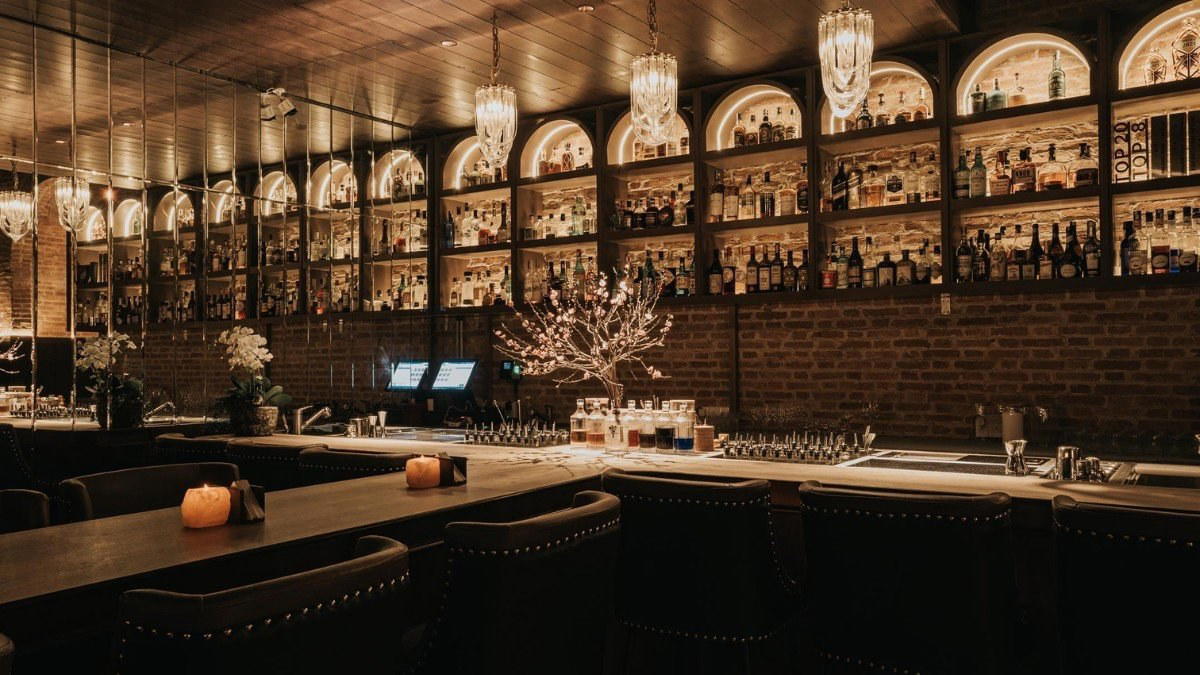
Relaxed al fresco vibe with gentle river breezes, soothing water sounds, and stylish wooden deck setting amid lush greenery.