Shamballa Vegetarian, Restaurant & Teahouse - Sai Gon
On a quiet lane in District 1, Shamballa Vegetarian, Restaurant & Teahouse occupies a distinct position in Ho Chi Minh City's dining scene: a plant-based, teahouse-anchored space that draws on Vietnamese Buddhist culinary tradition rather than Western health-food conventions. The combination of meditative atmosphere and vegetarian cooking makes it a reference point for those seeking an alternative to the city's meat-heavy street food culture.
Pearl is the En Primeur Club membership app — saves, bookings, and concierge access live there. Same editors, same standards.
- Address
- 17-19 Đ. Trịnh Văn Cấn, St, Quận 1, Thành phố Hồ Chí Minh 70000, Vietnam
- Phone
- +84917876788
- Website
- shamballa.co
- Directions
- Get directions
 Saves & bookings on Pearl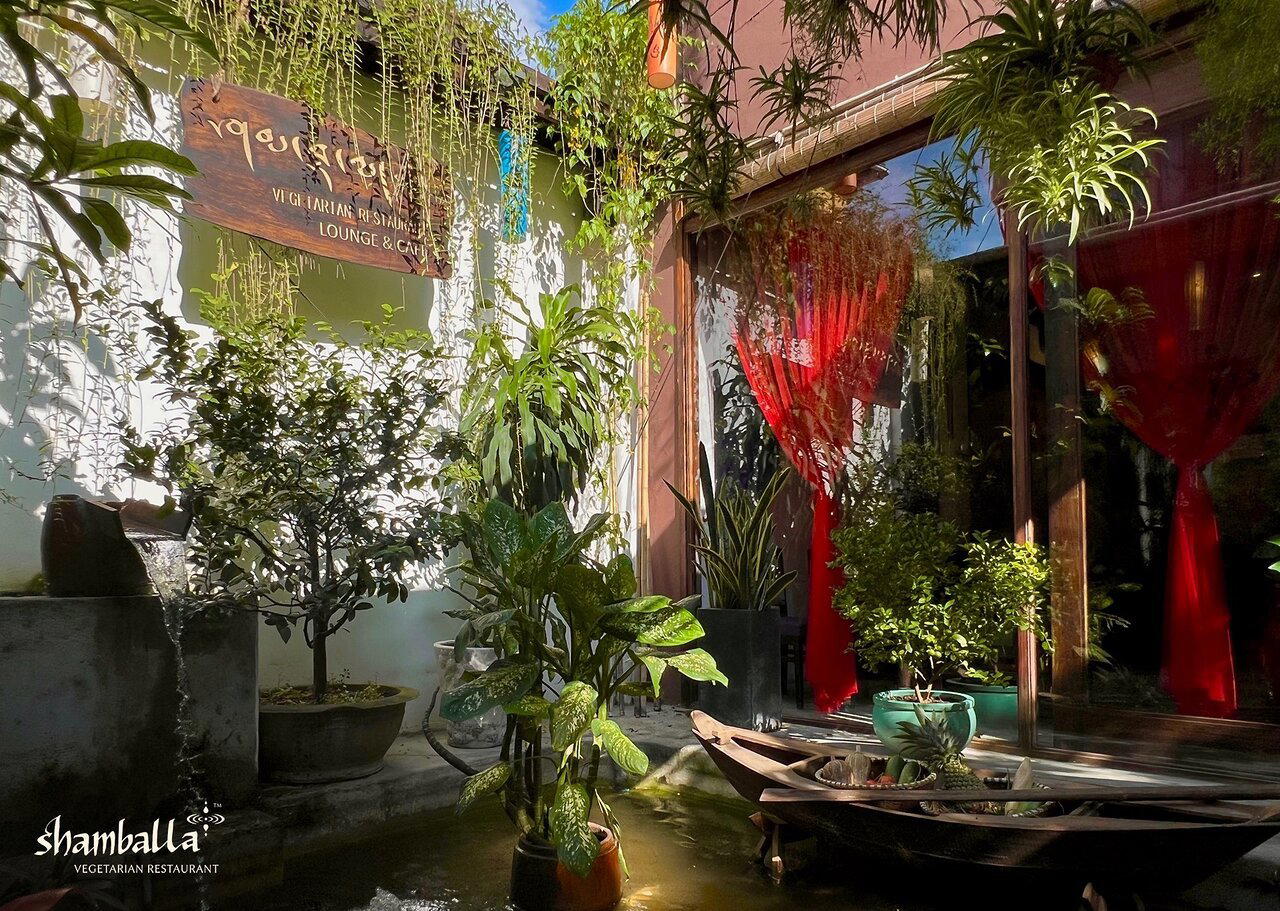
A Different Register in District 1
Ho Chi Minh City's District 1 runs loud and fast. The streets around Bến Thành market pulse with motorbike traffic, grilled meat smoke drifts from pavement stalls, and the city's restaurant scene tilts heavily toward protein: pho with bone broth, grilled pork over rice, seafood towers at high-volume Cantonese rooms. Against that backdrop, the address at 17-19 Đ. Trịnh Văn Cấn operates in a conspicuously different register. Shamballa Vegetarian, Restaurant & Teahouse signals its intent before you sit down: the name references a concept of peaceful sanctuary in Buddhist and Hindu cosmology, and the space appears to take that seriously as an organising principle rather than a branding exercise.
Vietnam has a long and genuinely local tradition of vegetarian cooking, rooted in Buddhist practice. Chay cuisine, as plant-based Vietnamese cooking is known, predates Western wellness trends by centuries. Monastery kitchens across the country have developed techniques for building depth and complexity without animal products, using fermented soy, mushroom stocks, fresh herbs, and slow-cooked root vegetables to achieve the umami registers that most international vegetarian restaurants still struggle to replicate. Shamballa positions itself within that tradition rather than against it, which places it in a different category from the salad-bar vegetarian spots that have proliferated across the city's expat-facing neighbourhoods.
The Teahouse as Structure
The dual identity of restaurant and teahouse is not incidental. In Vietnamese Buddhist culture, tea service carries ceremonial weight: it is slow, considered, and tied to ideas of mindfulness that sit at odds with the pace of street dining. A restaurant that organises itself around both formats is making a structural claim about how a meal should unfold. The pace is meant to differ from the quick-turn tables at Anan Saigon, where Vietnamese street food energy drives the experience, or from the high-intensity innovation menus at Akuna and CieL. Shamballa's format implies a longer, quieter visit: tea arrives alongside or between courses, and the room is designed to support that rhythm.
That distinction matters in the context of Ho Chi Minh City's current dining spread. The city's premium tier has moved toward tasting menus and creative plating, with venues like Coco Dining and Long Trieu operating in the upper price brackets. Shamballa occupies a different kind of premium: the premium of intention and atmosphere rather than of luxury ingredient cost. A meal here competes less on price-point drama and more on the quality of stillness it can deliver in a city that rarely delivers any.
Sensory Orientation
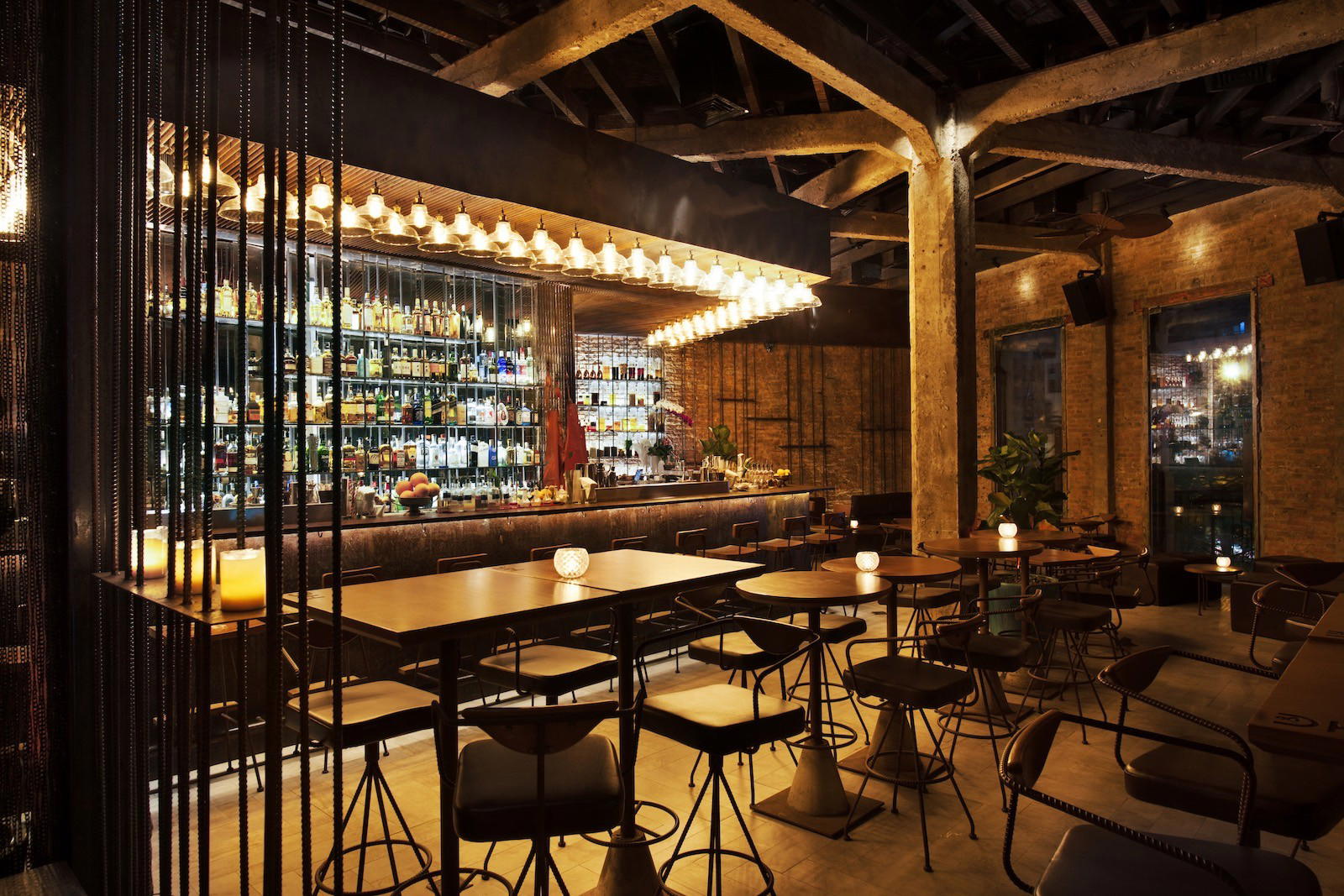
The sensory experience at a well-executed Vietnamese vegetarian teahouse draws from specific material choices: natural wood, low lighting, incense used sparingly, ceramic tea ware with visible craft. Sound levels drop relative to street-facing restaurants. For diners accustomed to the full-spectrum intensity of Vietnamese street food, the contrast is abrupt and intentional.
Vietnamese chay cooking at its leading achieves texture variety through technique: braised tofu that takes on the colour and density of slow-cooked meat, mushroom preparations that carry genuine savouriness, fresh spring rolls with herb combinations that shift flavour across each bite. These are not approximations of meat dishes but a parallel tradition with its own logic. The genre rewards attention, which is why it pairs structurally with a teahouse format rather than a quick-service one.
Where It Sits in the Wider Scene
For visitors mapping Ho Chi Minh City's restaurant options, the city's range is considerably wider than its street-food reputation suggests. Within that spread, dedicated vegetarian restaurants with a teahouse component occupy a small but consistent niche, sustained largely by the city's Buddhist population and an increasing cohort of health-conscious domestic diners. The format has existed here far longer than it has in European capitals.
Across Vietnam more broadly, the vegetarian tradition shows up in different forms: the heritage cooking at White Rose in Hoi An reflects a different regional sensibility, while the ambition of Gia in Hanoi represents the northern capital's approach to elevating local technique. The contrast with coastal venues like Bien 14 Seafood Buffet in Ha Long underlines how much regional variation exists within Vietnamese dining even before dietary preference enters the picture. Shamballa's District 1 address puts it inside the country's most internationally trafficked dining corridor, which means it absorbs visitors alongside local regulars.
Planning a Visit
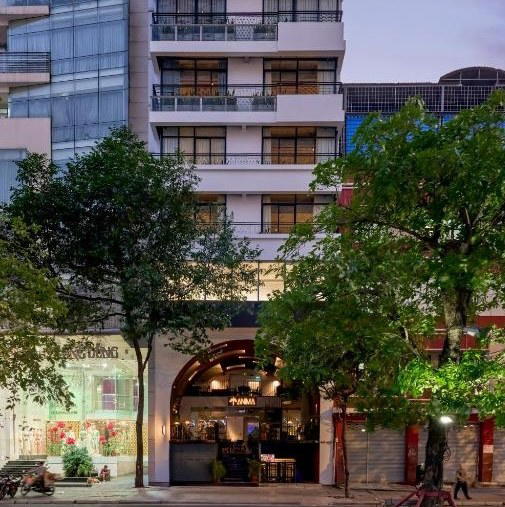
The address at 17-19 Đ. Trịnh Văn Cấn places Shamballa in western District 1, within walking distance of the city centre but on a quieter side street that filters out some of the surrounding noise. The venue is walk-in friendly. Given the meditative format and likely limited seating, arriving at off-peak times, mid-afternoon on weekdays in particular, is the more reliable approach than arriving during lunch and dinner rushes. Dress code expectations at Vietnamese teahouse-format venues typically run toward modest and relaxed rather than formal. At about $10 per person, it sits at an accessible price point.
A Credentials Check
Comparable venues nearby, for context on price, style, and recognition.
| Venue | Cuisine | Price | Notes |
|---|---|---|---|
| Shamballa Vegetarian, Restaurant & Teahouse - Sai GonThis venue — the venue you are viewing | Vegetarian Vietnamese | $$ | Not listed |
| Tales by Chapter | Zero‑waste plant-based fine dining | $$$ | District 1 |
| Cơm Niêu Sài Gòn | Traditional Vietnamese Clay Pot Rice | $$ | Quan 3 |
| Nhà hàng chay Zen House | Vietnamese Vegetarian | $ | Tan Binh |
| The Triệu Institute | Vietnamese Gin Bar | Not listed | Quan 1 |
| HOME Saigon | Modern Vietnamese Fine Dining | $$$ | Quan 3 |
Continue exploring
More in Ho Chi Minh City
Restaurants in Ho Chi Minh City
Browse all →
Bars in Ho Chi Minh City
Browse all →
At a Glance
- Quiet
- Cozy
- Bohemian
- Casual Hangout
- Solo
- Historic Building
- Beer Program
Current opening hours
- Monday
- 10 AM–10 PM
- Tuesday
- 10 AM–10 PM
- Wednesday
- 10 AM–10 PM
- Thursday
- 10 AM–10 PM
- Friday
- 10 AM–10 PM
- Saturday
- 10 AM–10 PM
- Sunday
- 10 AM–10 PM
Hours can change for holidays and private events. Last verified .
Calm and zen atmosphere with natural light, golden glow, gentle chatter, and heavenly mantras in a grand yet unpretentious space.