Dahi Handi Indian Restaurant
On Đông Du in District 1, Dahi Handi brings Indian cuisine into one of Ho Chi Minh City's most internationally layered dining corridors. The restaurant sits among the neighbourhood's dense mix of expatriate favourites and locally rooted kitchens, making it a reference point for Indian cooking in a city where that tradition remains relatively thin on the ground. For diners moving between Saigon's Vietnamese and pan-Asian options, it offers a distinct change of register.
Pearl is the En Primeur Club membership app — saves, bookings, and concierge access live there. Same editors, same standards.
- Address
- 23 Đông Du, Bến Nghé, Quận 1, Thành phố Hồ Chí Minh 70000, Vietnam
- Phone
- +84917080044
- Website
- dahihandi.com.vn
- Directions
- Get directions
 Saves & bookings on Pearl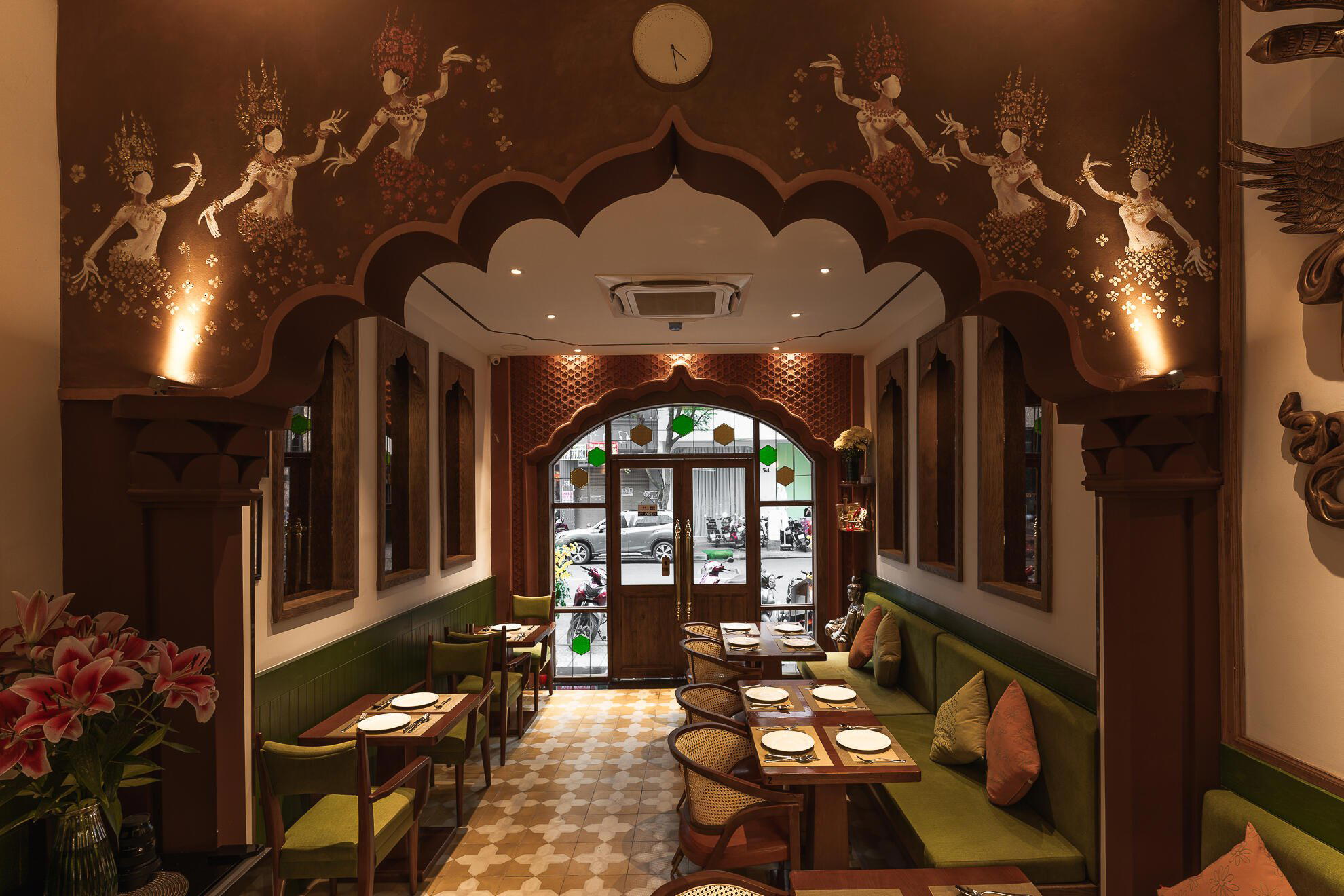
Indian Cooking in a City That Rarely Does It
Ho Chi Minh City's District 1 dining scene has long operated on a logic of density and contrast. Within a few blocks of Đông Du, you can move from high-format Vietnamese tasting menus to Cantonese roast specialists to the kind of internationally inflected innovation that venues like Akuna and CieL represent at the upper end of Saigon's contemporary dining tier. Indian cooking occupies a different position in this geography. It is not part of the city's culinary founding story the way Vietnamese street food or Cantonese tradition is, and it does not attract the same critical infrastructure. What it does attract is a consistent, cross-national audience: Indian expatriates, South Asian business travellers, and diners from Europe and North America who appreciate well-executed curry and dal.
Dahi Handi Indian Restaurant, at 23 Đông Du in Bến Nghé, sits inside that demand pattern. The address puts it close to the Saigon River waterfront and within the dense hospitality corridor that makes District 1 the default starting point for visitors and a reliable circuit for residents. The street-level approach along Đông Du carries the particular character of central Saigon: motorbikes threading past pedestrians, open shopfronts competing for attention, the ambient heat of a city that does not slow down in the early evening. Inside, the transition to an Indian kitchen's register, spice-forward aromas, the visual warmth that most subcontinental dining rooms carry regardless of budget tier, marks a clear shift from the surrounding neighbourhood noise.
How a Meal Here Tends to Move
Indian restaurant meals in Southeast Asia, particularly those serving a mixed diaspora-and-visitor clientele, tend to follow a recognisable arc that is worth understanding before you sit down. The structure is rarely linear in the French or Japanese sense. Rather than a single throughline from light to rich, subcontinental dining operates on a principle of simultaneous complexity: multiple dishes arriving together or in overlapping waves, with bread service as the structural anchor, and the sequencing of heat, acidity, and fat playing out across the table rather than across courses.
At a restaurant like Dahi Handi, where the name itself references a North Indian dairy tradition (dahi being yoghurt, handi a clay cooking vessel), the framing signals a kitchen oriented toward the creamy, slow-cooked idiom of northern subcontinental cooking rather than the coconut-and-tamarind brightness of southern Indian cuisine or the seafood-forward traditions of the western coastal regions. That distinction matters for how a meal progresses. Expect the early part of the table to be defined by textural contrast, crisp papadom against soft raita, the char of tandoor bread against the smoothness of a yoghurt-based dip, before the main dishes establish the dominant flavour register.
In this format, the sequencing intelligence lies not in what arrives first but in how the diner assembles bites across dishes. A well-made dal makhani will carry enough richness that it functions as a foil to a sharper vegetable preparation; a biryani, if on the menu, operates semi-independently and generally benefits from being ordered alongside rather than as a replacement for a curry-and-bread combination. The point is that Indian dining rewards engagement with the full spread rather than a single hero dish, which makes it structurally different from, say, the focused tasting-menu approach at Coco Dining or the Vietnamese street-food directness of Anan Saigon.
Where This Fits in Saigon's Wider Dining Map
Ho Chi Minh City's international dining scene has developed unevenly. The highest concentration of critically recognised restaurants skews toward Vietnamese cooking in its more refined expressions, Cantonese dining at venues like Long Trieu, and the innovation-led formats that have emerged in the past decade. Indian cooking sits outside that critical mainstream, which means it is evaluated primarily by its own community of regular diners rather than by the awards infrastructure that shapes the rest of the city's upper tier. That is not a disadvantage in practical terms. It means pricing tends to be governed by local competitive dynamics within a smaller comparable set, and kitchen priorities tend to reflect what an informed regular audience actually wants rather than what photographs well for a tasting menu review.
For context across Vietnam's wider dining geography, the Indian restaurant category in Ho Chi Minh City is meaningfully more developed than in cities like Hue, where the dining focus remains concentrated on local Central Vietnamese cooking at places like Saffron, or Hội An, where the blend of local and international at Cargo Club Cafe & Restaurant reflects a different tourist-market equilibrium. Saigon's Indian restaurants operate in a city large and international enough to sustain repeat local clientele rather than relying on transient visitor traffic, which generally produces more consistent kitchen standards over time.
The comparison that applies internationally would be to how Indian restaurants function in other Southeast Asian commercial capitals: they occupy a specialist niche rather than a dominant position, serve a defined diaspora base plus an informed visitor segment, and are judged on execution of a known canon rather than on novelty. Venues like Le Bernardin in New York City or Lazy Bear in San Francisco represent cities where specialist dining has reached a depth of critical infrastructure that most Southeast Asian cities, including Ho Chi Minh City, are still developing in the Indian category specifically.
Planning a Visit
The Đông Du address places Dahi Handi within easy walking distance of the central District 1 hotel cluster and the riverside promenade, making it a practical dinner option for visitors based in the city centre. The restaurant is recommended for reservations and is open daily from 11 AM to 11 PM. District 1 generally supports walk-in dining culture across most price tiers, but Indian restaurants with a settled local following can fill quickly on weekend evenings, particularly if there is a significant business-travel or expatriate event in the city that week.
Accolades, Compared
Comparable venues nearby, for context on price, style, and recognition.
| Venue | Cuisine | Price | Notes |
|---|---|---|---|
| Dahi Handi Indian RestaurantThis venue — the venue you are viewing | Authentic North Indian | $$ | Not listed |
| Baba's Kitchen Indian Restaurant - Thao Dien | Authentic Indian (North & South) | $$ | Quan 2 |
| Pizza 4P's Giga Mall | Japanese-Italian Pizza | $$ | Thu Duc |
| Viet Eyeglasses - Aeon Mall Tan Phu | Vietnamese Cha Ca | $$ | Tan Phu |
| Quince Saigon | Modern Mediterranean Wood-Fire Cuisine | $$$ | Quan 1 |
| Banh Mi Huynh Hoa | Vietnamese Banh Mi | $ | Bến Thành |
Continue exploring
More in Ho Chi Minh City
Restaurants in Ho Chi Minh City
Browse all →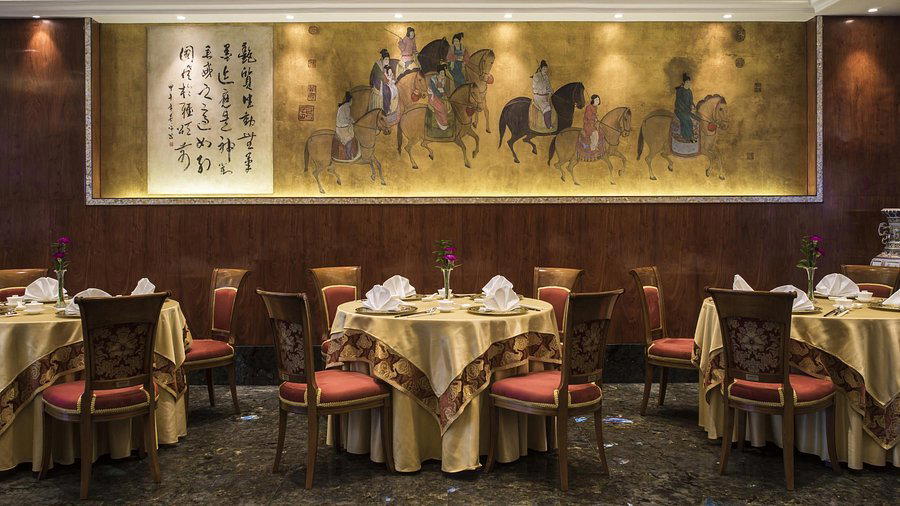
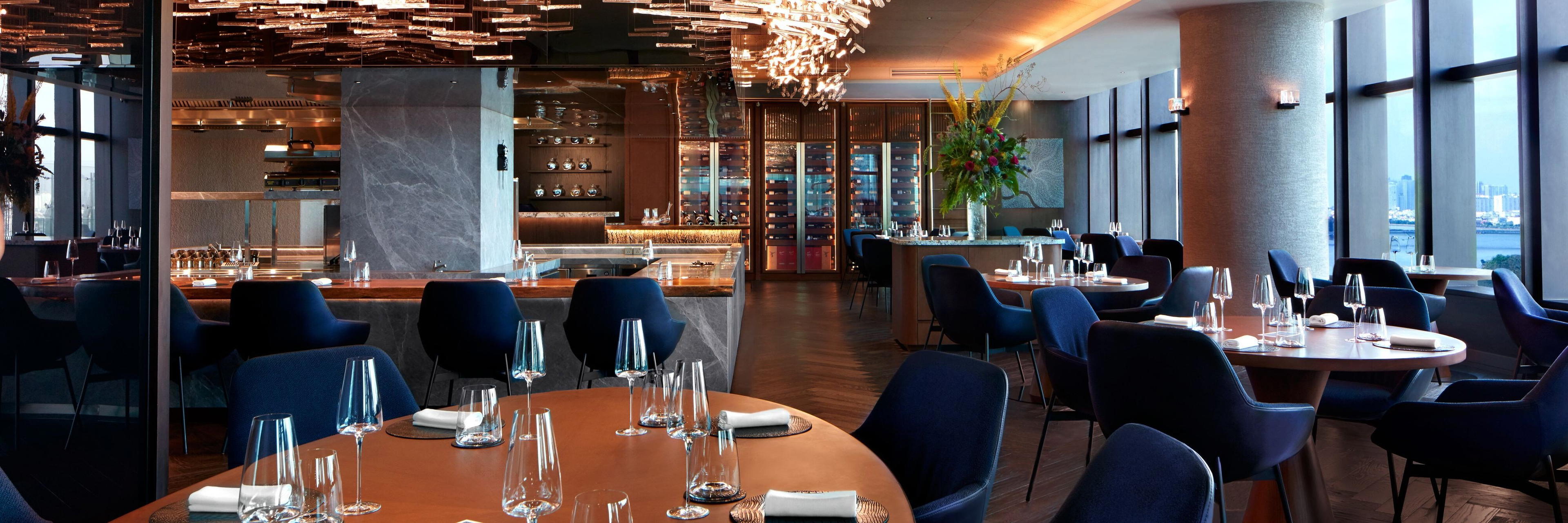
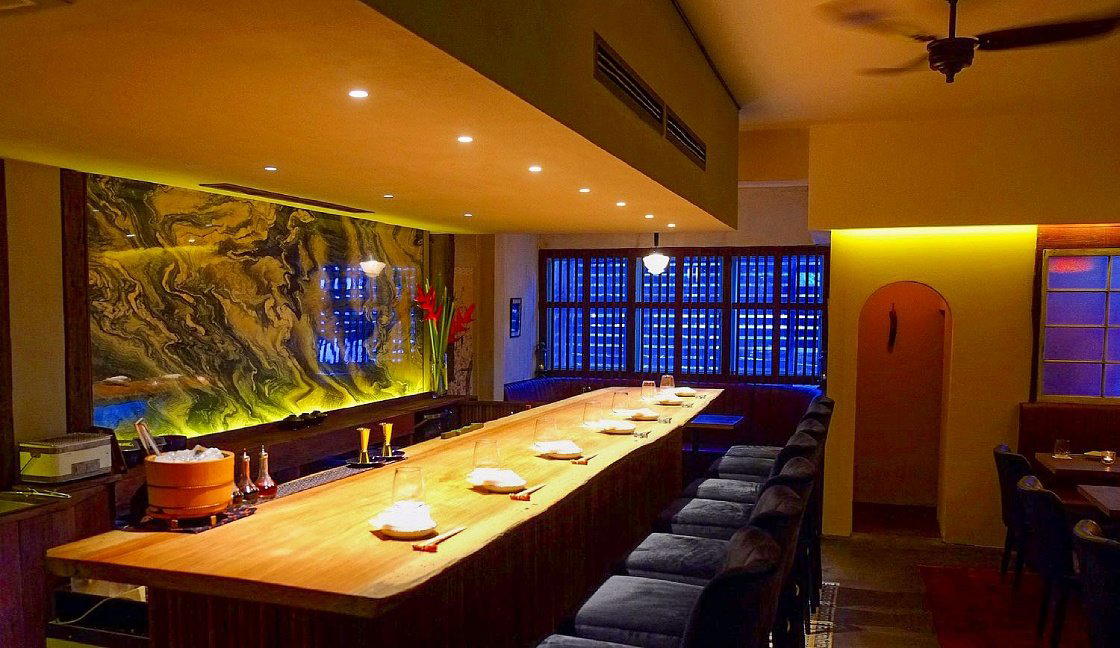
Bars in Ho Chi Minh City
Browse all →
At a Glance
- Cozy
- Elegant
- Family
- Group Dining
- Casual Hangout
- Open Kitchen
Current opening hours
- Monday
- 11 AM–11 PM
- Tuesday
- 11 AM–11 PM
- Wednesday
- 11 AM–11 PM
- Thursday
- 11 AM–11 PM
- Friday
- 11 AM–11 PM
- Saturday
- 11 AM–11 PM
- Sunday
- 11 AM–11 PM
Hours can change for holidays and private events. Last verified .
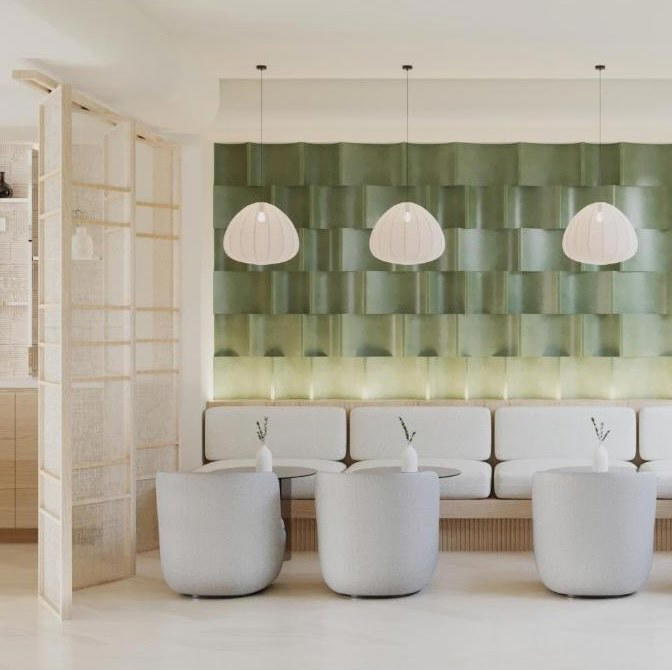
Cozy with authentic Indian decor, brightly lit, clean, comfortable, and relaxing atmosphere.