Khoai
Khoai sits in Bình Thạnh, one of Ho Chi Minh City's most densely local residential districts, drawing a clientele that returns not for novelty but out of habit. The address on Phạm Viết Chánh places it well outside the tourist circuit of Districts 1 and 3, which tells you something useful about who eats here and why they keep coming back.
Pearl is the En Primeur Club membership app — saves, bookings, and concierge access live there. Same editors, same standards.
- Address
- 89 Phạm Viết Chánh, Phường 19, Bình Thạnh, Thành phố Hồ Chí Minh 700000, Vietnam
- Phone
- +84 931 164 417
- Website
- instagram.com
- Directions
- Get directions
 Saves & bookings on Pearl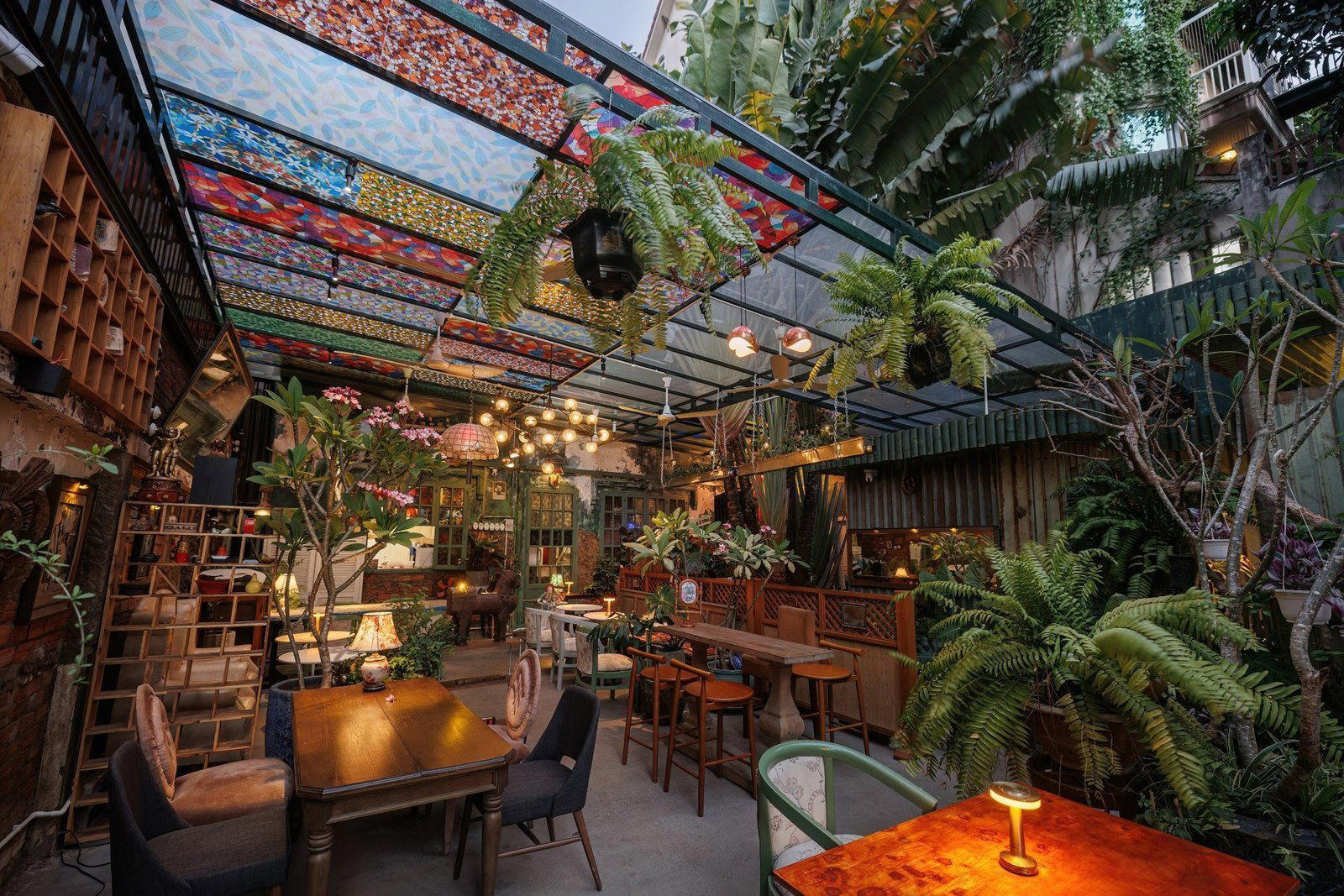
Off the Tourist Circuit, Inside the Neighbourhood Rhythm
Ho Chi Minh City's dining scene has always run on two parallel tracks: the international-facing restaurants of District 1, priced and positioned for expense-account meals and first-time visitors, and the neighbourhood spots embedded in residential streets where the clientele is almost entirely local and the cooking is calibrated accordingly. Khoai is a bar in Ho Chi Minh City, on Phạm Viết Chánh in Bình Thạnh,058 reviews and an approximate price of $12 per person. Khoai sits firmly on the second track. Its address at 89 Phạm Viết Chánh in Bình Thạnh puts it in a district that most visitors to the city pass through on the way to somewhere else, which is precisely what gives it the character it has.
Bình Thạnh is one of Ho Chi Minh City's larger residential districts, dense with apartment blocks, morning markets, and the kind of foot traffic that belongs to people running errands rather than following a guidebook itinerary. Restaurants that survive here do so on repeat custom rather than tourist throughput. That commercial reality shapes everything: the menu stays grounded in what regulars want, the pricing reflects what the neighbourhood will sustain, and the atmosphere is determined by the community rather than by interior design consultants.
What the Regulars Know
One reliable indicator of a neighbourhood restaurant's quality is not its awards shelf but its table turnover pattern. A place that fills the same seats twice on a weekday evening, without a reservation system or a social media following, is doing something that matters to people who eat there often enough to know better. That is the category Khoai belongs to in the Bình Thạnh dining ecosystem.
Regular clientele at this type of Vietnamese neighbourhood restaurant tend to approach the menu differently from first-time visitors. They skip the dishes that read well on a card and go directly to whatever is freshest that day, or to the preparations that require greater time and technique: slow-braised dishes, fermented accompaniments, broths that have been running since early morning. In a city where the gap between a professionally run neighbourhood kitchen and a tourist-facing restaurant can be enormous in terms of actual cooking skill, these unwritten preferences are worth paying attention to.
Ho Chi Minh City's broader dining scene offers useful context here. The city has developed a tier of internationally recognised restaurants in recent years, with venues in Districts 1 and 3 drawing coverage from regional food media and positioning themselves within Southeast Asia's dining conversation. Khoai operates entirely outside that conversation, which is not a limitation so much as a different set of priorities altogether.
The Bình Thạnh Address as Editorial Statement
Choosing to eat in Bình Thạnh rather than in the polished restaurant corridors of District 1 is a decision about what kind of experience you are after. The neighbourhood lacks the cocktail bars and wine-forward eateries that have clustered around the Thảo Điền and Lê Lợi areas. It does not have the craft beer scene that venues like 7 Bridges Saigon Craft Beer Taproom and Restaurant on Đông Du have built in more central locations. What it has is the texture of a city that existed before the tourism economy reshaped large parts of it.
That texture is increasingly rare in Southeast Asian cities, where rapid urban development has compressed or erased the distinction between residential neighbourhoods and commercial entertainment zones. Dining in places like Bình Thạnh offers a version of the city that has not been curated for outside consumption, which has its own value for a certain kind of traveller.
For those exploring Vietnam's dining culture more broadly, the contrast between Ho Chi Minh City's neighbourhood spots and the emerging scenes in other Vietnamese cities is instructive. The bar and restaurant culture developing around Workshop14 in Hanoi reflects a northern sensibility that runs quite differently from what you find in Saigon's residential districts. Further afield, the coastal hospitality of venues like Hoi An Brewing Company's Tap Room and Riverside Beer Garden represents yet another register entirely.
Planning a Visit
Phạm Viết Chánh is accessible by taxi or ride-hailing app from District 1 in under fifteen minutes in off-peak traffic, though crossing the bridge during evening rush hour can extend that considerably. The street itself is a working residential artery, not a destination dining strip, so expectations around signage and street presence should be calibrated accordingly. Khoai is open Monday through Thursday and Sunday from 5 PM to 2 AM, and Friday and Saturday from 5 PM to 3 AM. The surrounding area has limited options for pre-dinner drinks in the style of Ho Chi Minh City's more central bar scene: venues like Drinking and Healing, Stir, and Alto Saigon are all better positioned in Districts 1 and 3 for that purpose.
Cuisine-First Comparison
Comparable venues nearby, for context on price, style, and recognition.
| Venue | Cuisine | Price | Notes |
|---|---|---|---|
| KhoaiThis venue — the venue you are viewing | beer_bar | $$ | Not listed |
| Aviation Chamber | cocktail_bar | $$ | Quan 1 |
| XÀO XẠC BAR - Quán Rượu Dưới Hiên | cocktail_bar | $$ | Quan 2 |
| My House HCMC | cocktail_bar | $$ | Quan 1 |
| Dot Bar | cocktail_bar | $$ | Quan 1 |
| Banana Mama Rooftop Bar & Kitchen Saigon | rooftop_bar | $$$ | Quan 1 |
Continue exploring
More in Ho Chi Minh City
Bars in Ho Chi Minh City
Browse all →
Restaurants in Ho Chi Minh City
Browse all →
At a Glance
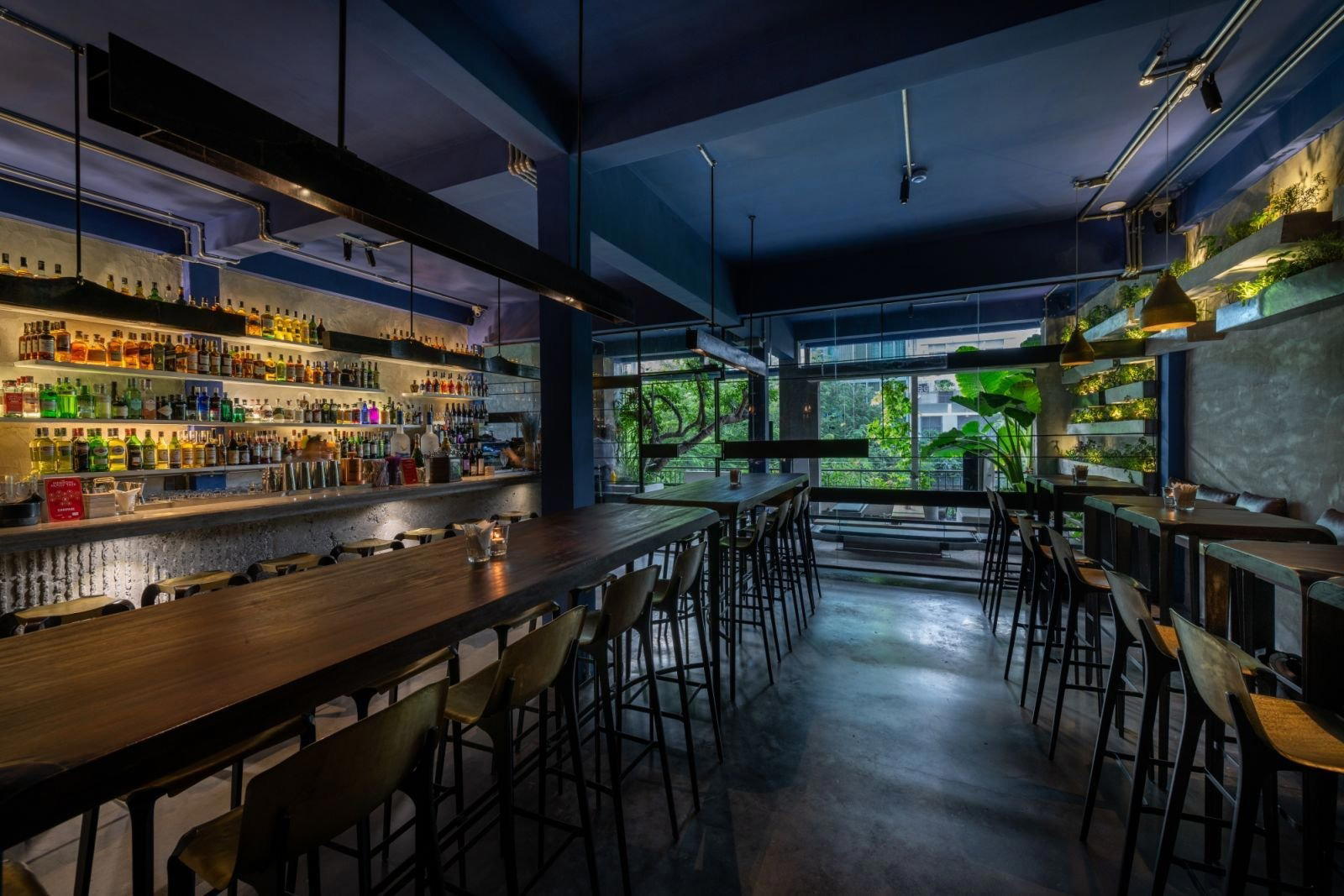
- Rustic
- Trendy
- Cozy
- Lively
- Casual Hangout
- Group Outing
- After Work
- Beer Garden
- Outdoor Terrace
- Communal Tables
- Craft Beer
Current opening hours
- Monday
- 5 PM–2 AM
- Tuesday
- 5 PM–2 AM
- Wednesday
- 5 PM–2 AM
- Thursday
- 5 PM–2 AM
- Friday
- 5 PM–3 AM
- Saturday
- 5 PM–3 AM
- Sunday
- 5 PM–2 AM
Hours can change for holidays and private events. Last verified .
Relaxed ruin bar atmosphere with good music, lovely staff, and a chill, slightly rustic charm.