The Cookery

Michelin Bib Gourmand
Our verdict
The Cookery holds a Michelin Bib Gourmand for cooking that pushes well beyond its neighborhood-Italian brief. In a Hudson Valley village better known for weekend escapes than serious dining, chef David DiBari's duck liver cannoli and rotating specials draw a cross-section of regulars, young families, and destination diners willing to drive from New York City for a $$ bill that reflects the food's ambition.

Pearl is the En Primeur Club membership app, where members save venues, book tables and use the concierge.
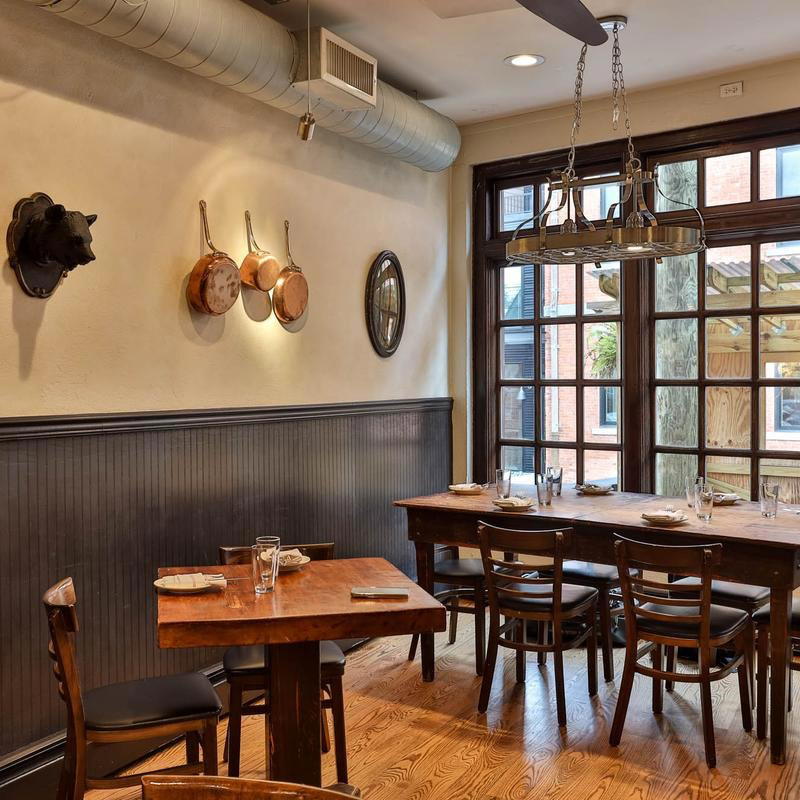
The menu
What to order
- Duck liver cannoli
- Radiatore with lamb Bolognese
- Pork osso buco
A Village Address With a Serious Kitchen
Dobbs Ferry sits about 30 miles north of Manhattan on the east bank of the Hudson, a commuter town with a walkable main street and the kind of relaxed, unhurried rhythm that marks the lower Hudson Valley at its finest. The dining scene here is modest by metropolitan standards, which makes the presence of a Michelin Bib Gourmand on Chestnut Street all the more interesting. Our full Dobbs Ferry restaurants guide maps the broader picture, but The Cookery earns a separate conversation because what happens in this kitchen sits in a different register from the rest of the town.
The Bib Gourmand designation, maintained through 2024, signals food that Michelin inspectors judged to exceed its price point rather than merely meet it. That framing matters here. At a $$ price tier, the expectation in most American neighborhoods would be reliable red-sauce execution: serviceable pasta, decent meatballs, a tiramisu from a container. What chef David DiBari produces instead is a body of work that keeps a full dining room of regulars, young couples, and families returning not out of habit but out of preference.
Where the Cooking Fits in the Italian Tradition
Italian regional cuisine in the United States has a complicated relationship with authenticity. For most of the twentieth century, the dominant template was southern Italian, specifically Neapolitan and Sicilian, filtered through the immigrant kitchens of New York, New Jersey, and Boston. Tomato-forward, abundant, and built for generosity, that tradition became so entrenched that departures from it can still read as eccentric to American diners expecting the standard script.
The Cookery operates within a different register. The emphasis on artisanal product quality, house-made pasta in shapes like radiatore rather than the familiar rigatoni or penne, and preparations that draw on technique rather than nostalgia suggests a sensibility closer to the northern and central Italian approach: restraint in sauce, precision in pasta texture, and a respect for vegetables as primary rather than incidental. The lamb Bolognese tossed with house-made radiatore follows a northern Italian tradition where ragù is built slowly and the pasta shape is chosen to hold rather than merely carry the sauce. The commitment to market vegetables as a serious course, not an afterthought, reflects the cucina povera ethos found in Tuscany and Emilia-Romagna, where a grilled green served correctly needs no apology and no garnish theater to justify its place on the menu.
That philosophical orientation places The Cookery in a small subset of American-Italian restaurants that look past the Neapolitan template without becoming either precious or self-consciously modernist. At the $$$$ end of the spectrum, restaurants like 8 1/2 Otto e Mezzo Bombana in Hong Kong or cenci in Kyoto demonstrate what happens when Italian culinary grammar is transplanted and reinterpreted for a different context. The Cookery's version of that translation is more local and more democratic in price, but the underlying seriousness about ingredients and preparation belongs to the same conversation.
The Menu in Practice
The duck liver cannoli functions as a useful entry point into understanding how this kitchen thinks. Cannoli is a Sicilian format, associated with sweet ricotta and candied peel, and redirecting it toward a savory duck liver mousse enclosed in a shell that achieves genuine crunch requires both technical control and a willingness to subvert expectation without being gratuitous. The result, by multiple accounts, is a dish that earns the structural contrast it sets up rather than relying on the novelty of the inversion.
The rotating daily specials are a strong indication of a kitchen that sources with attention to season and availability rather than building a static menu and buying to match it. In a town with proximity to Hudson Valley producers and the farmers' markets that run through Westchester County, that approach makes geographic sense. The specials also carry the leading desserts, which means a static menu read at home will not capture the full picture of what any given evening offers. Planning around what the kitchen chose to cook that day rather than anchoring to a fixed favorite is the better strategy here.
Appetizer program reads as consistently strong across the dining record, which suggests a kitchen where the smaller, technically demanding courses receive as much attention as the pasta and mains. That balance is harder to maintain at the $$ price tier, where labor economics tend to push kitchens toward fewer, simpler preparations.
Restaurant that most frequently comes up in comparison to The Cookery for Hudson Valley seriousness is Blue Hill at Stone Barns in Tarrytown, though the two occupy entirely different positions on the price and formality spectrum. Blue Hill represents the tasting-menu, farm-as-theater model that places it in conversation with The French Laundry, Alinea, and Lazy Bear. The Cookery makes no bid for that tier.
For visitors building a broader Hudson Valley itinerary, Our full Dobbs Ferry hotels guide, bars guide, wineries guide, and experiences guide offer additional context for structuring the visit. The Cookery sits at 39 Chestnut St, within walking distance of the Metro-North station on the Hudson Line, making it accessible from Manhattan without a car for those who want to avoid the Westchester driving equation entirely. Among the broader constellation of serious American restaurants, destinations like Le Bernardin, Providence, Single Thread Farm, Addison, Emeril's, The Inn at Little Washington, and Albi represent the full-destination model where the restaurant is the entire reason for travel. The Cookery earns the trip from the city in its own right, but it fits most naturally into a day or weekend that takes the Hudson Valley seriously as a region rather than treating Dobbs Ferry as a single stop.
The dining room fills consistently, which means walk-in availability on weekends is unreliable. Advance booking is the sensible approach for anyone arriving with expectations rather than flexibility.
Frequently asked questions
What's the price range at The Cookery?
Pricing at The Cookery is listed as $$.
| Venue | Cuisine | Price | Awards | Notes |
|---|---|---|---|---|
| The CookeryThis venue (the venue you are viewing) | Italian Gastropub | $30–50 | Michelin Bib Gourmand | Not listed |
| Le Bernardin | French Seafood Fine Dining | $300–500 | 3 Michelin Stars · World's 50 Best #13 | French, Seafood |
| Atomix | Modern Korean Tasting Menu | $300–500 | 2 Michelin Stars · World's 50 Best #7 | Modern Korean, Korean |
| Lazy Bear | Modern American Tasting Menu | Not listed | 2 Michelin Stars · World's 50 Best #25 | Progressive American, Contemporary |
| Alinea | Avant-Garde Molecular Gastronomy | $300–500 | 2 Michelin Stars · World's 50 Best #37 | Progressive American, Creative |
| Masa | Seasonal Hokkaido Tempura Omakase | $150–200 | Tabelog 100 #34 | Sushi, Japanese |
Recognition history
Dated appearances from independent guides and award organizations, with the underlying list record or original source where available.
Michelin Bib Gourmand
Michelin
Full recognition history (2 entries)
Michelin Bib Gourmand
Michelin
Continue exploring
More in Dobbs Ferry
Restaurants in Dobbs Ferry
All restaurants in Dobbs Ferry →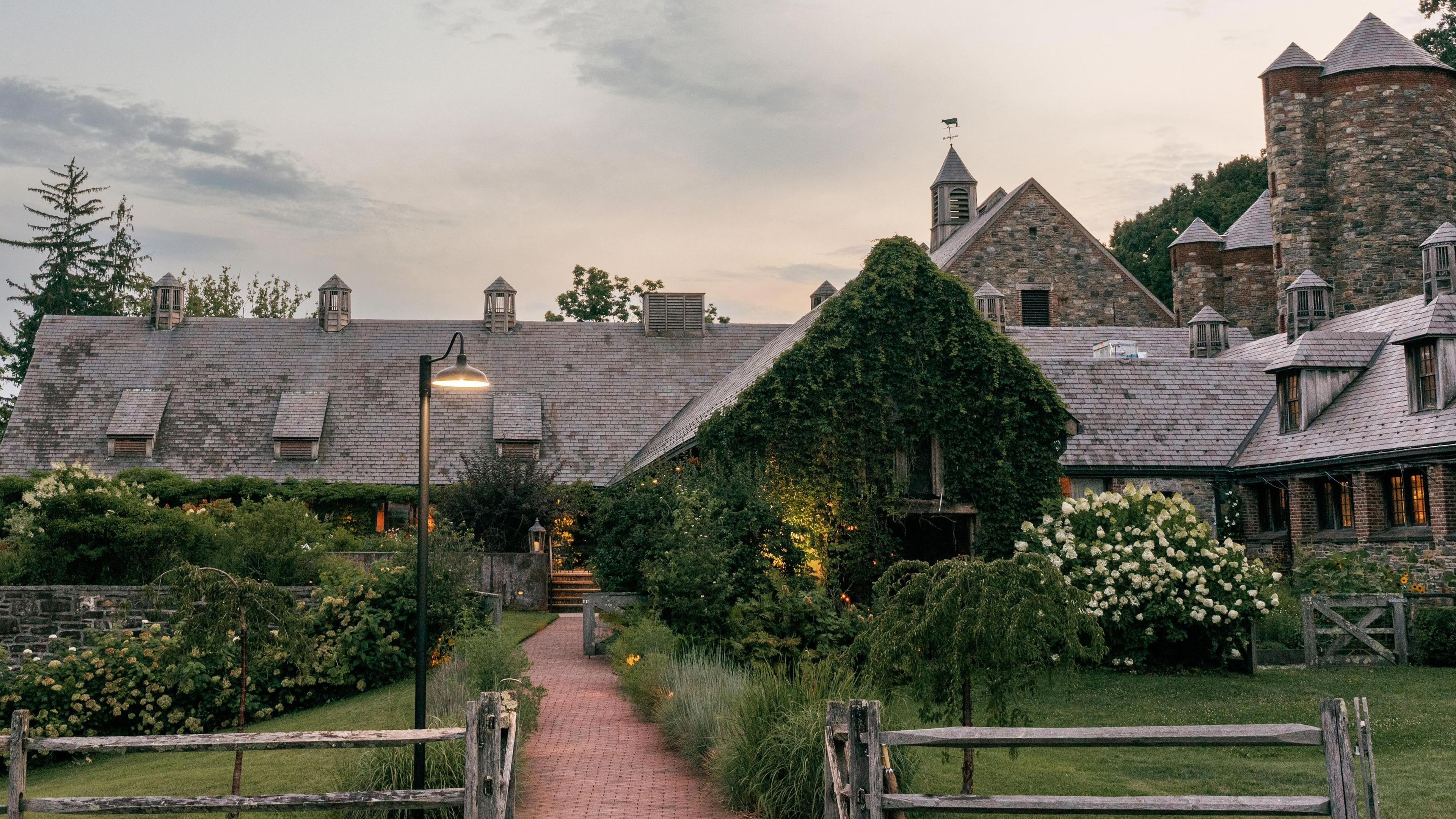
Bars in Dobbs Ferry
Browse all →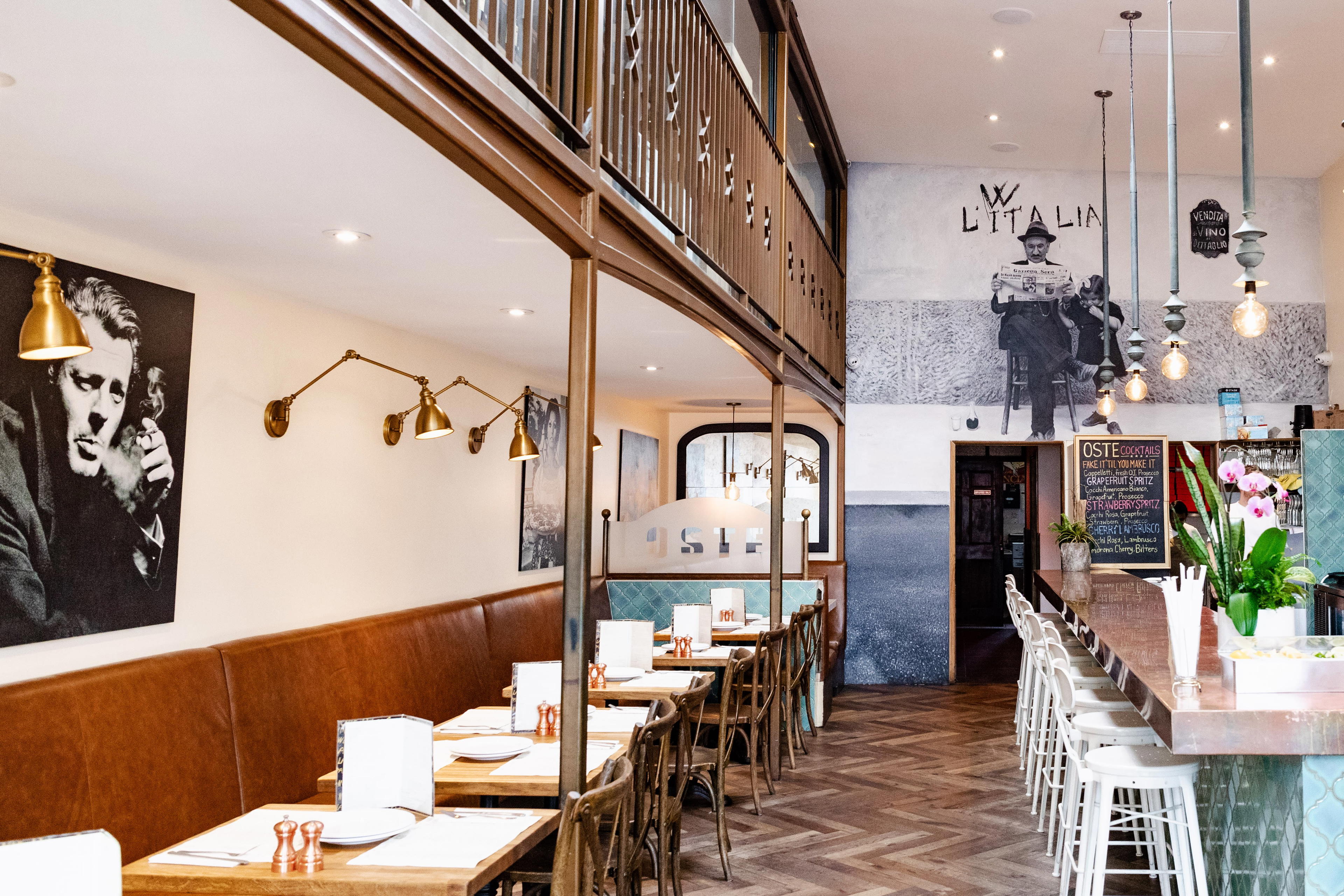





Details
- Cozy
- Intimate
- Lively
- Date Night
- Special Occasion
- Group Dining
- Open Kitchen
- Craft Cocktails
- A La Carte
- Small Plates
- Vegetarian Friendly
Current opening hours
- Monday
- Closed
- Tuesday
- Closed
- Wednesday
- 5–9 PM
- Thursday
- 5–9 PM
- Friday
- 5–10 PM
- Saturday
- 4–10 PM
- Sunday
- 11:30 AM–8 PM
Hours can change for holidays and private events. Hours as of .
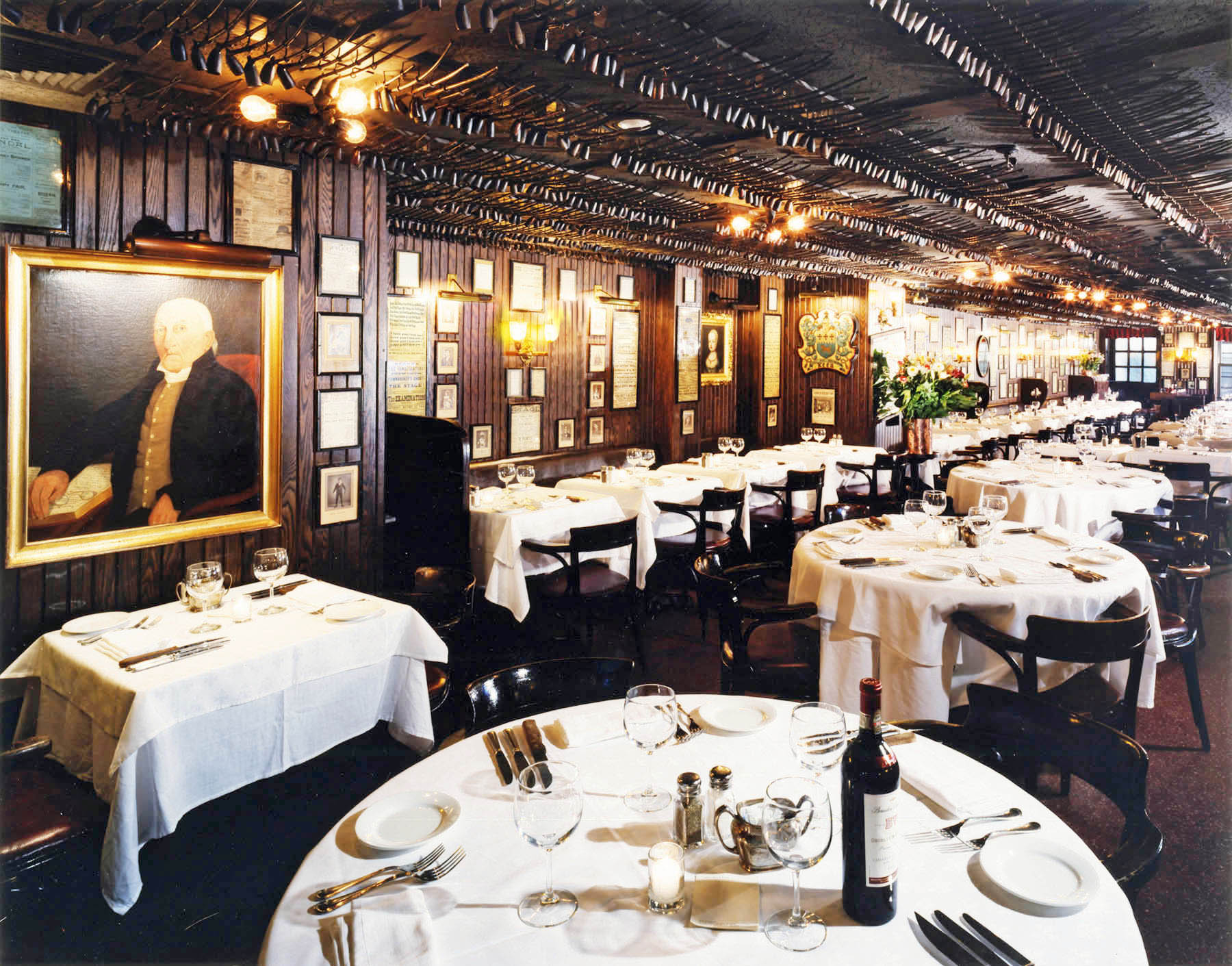
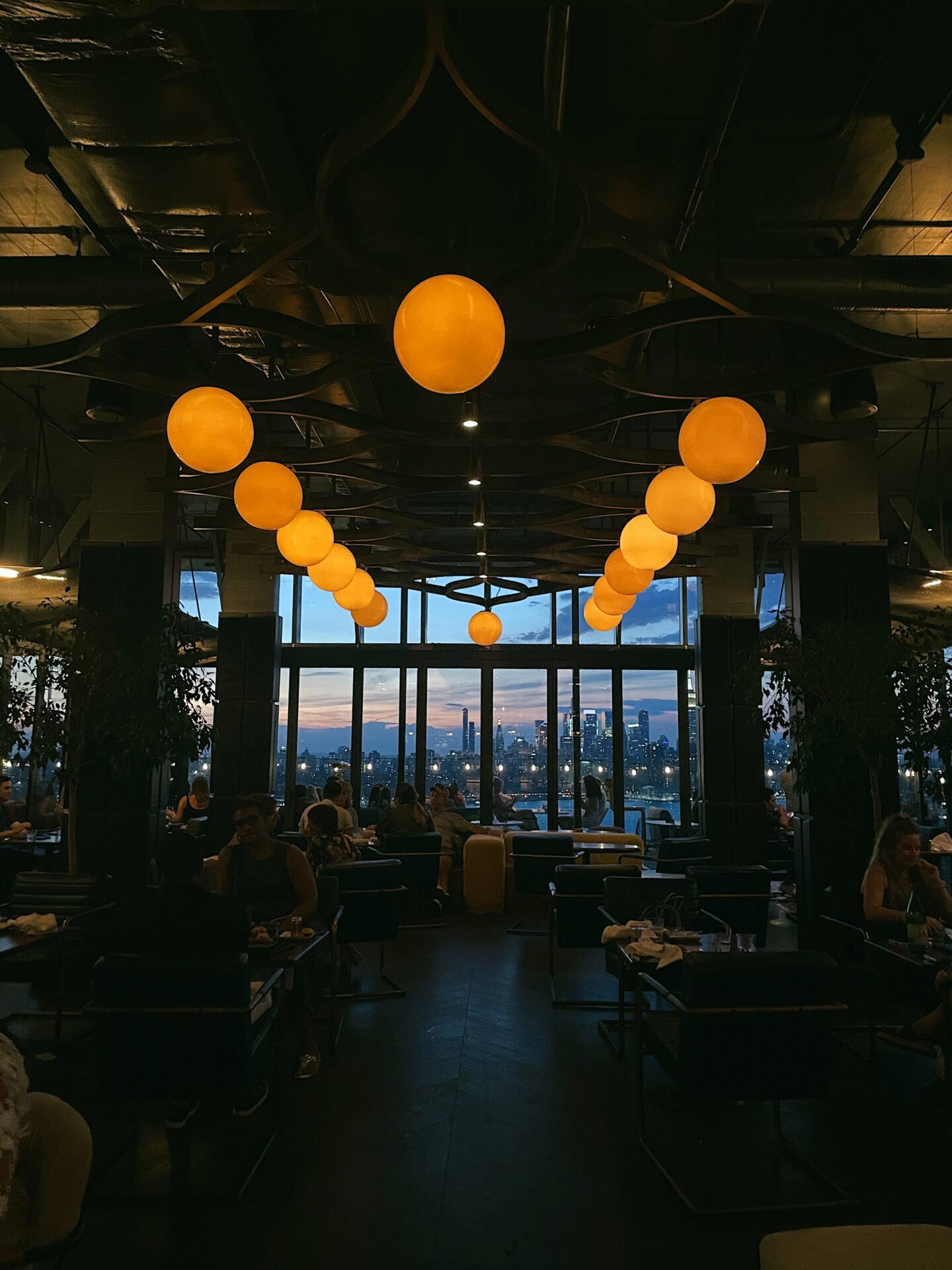
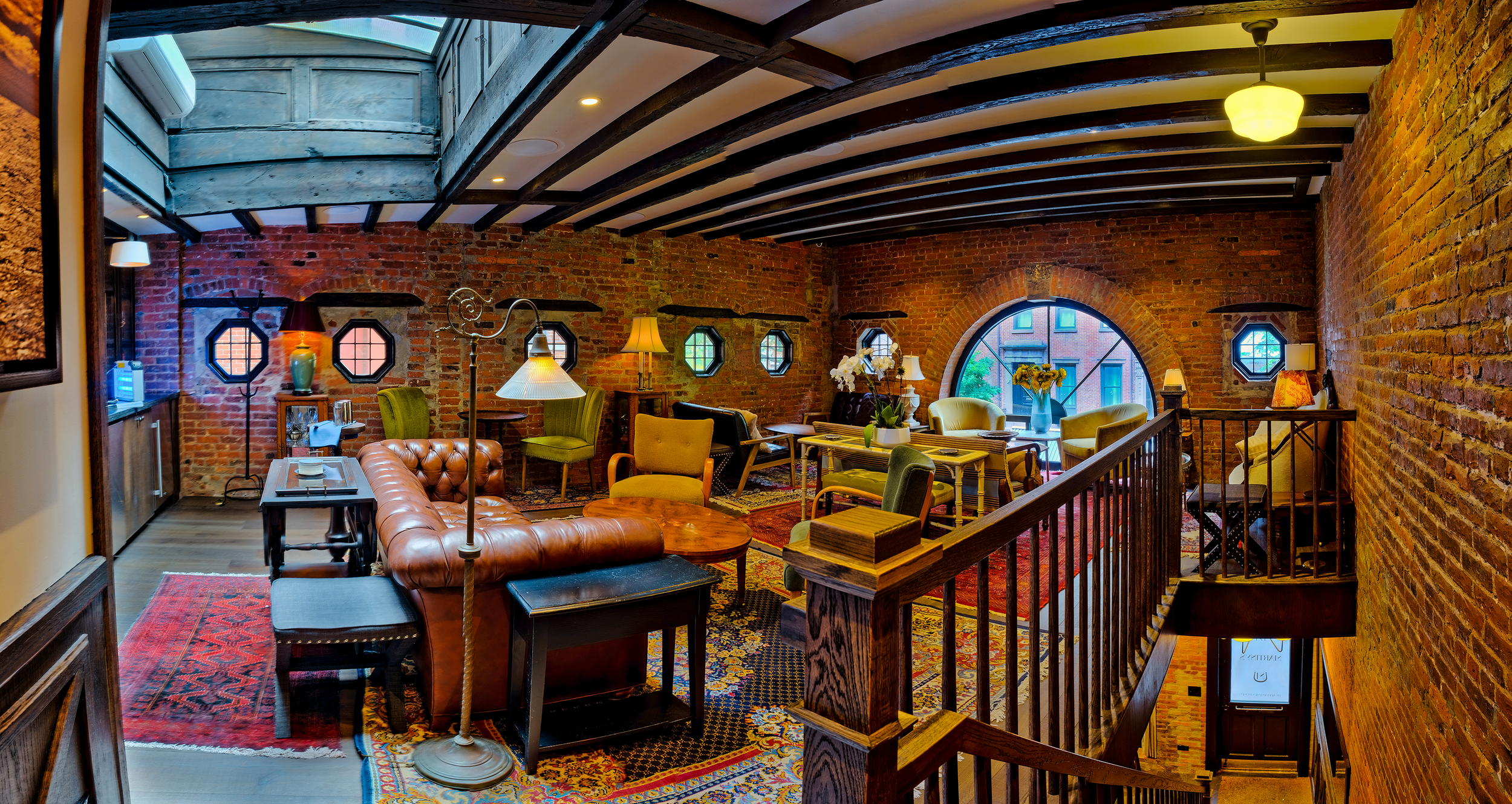
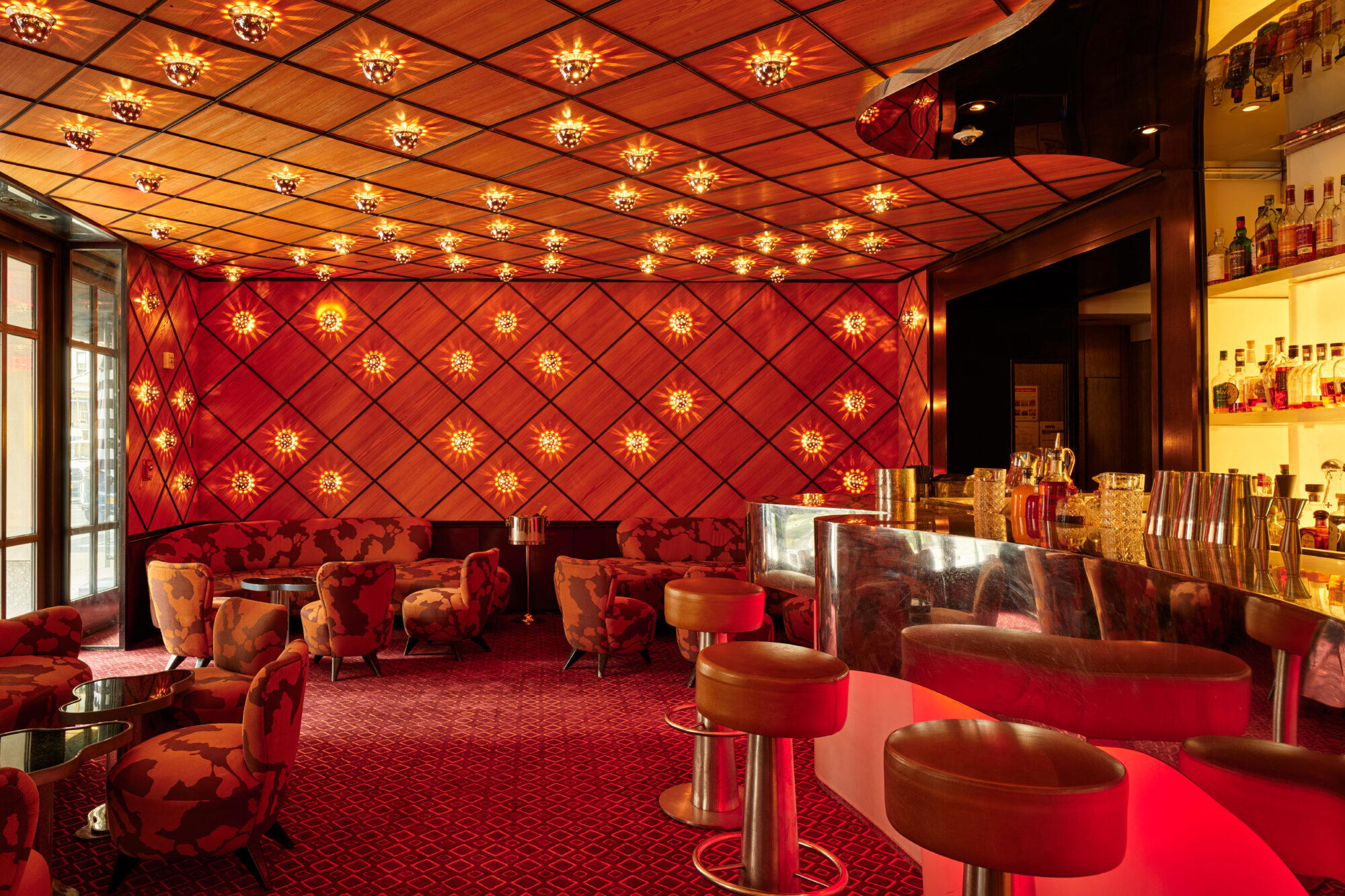
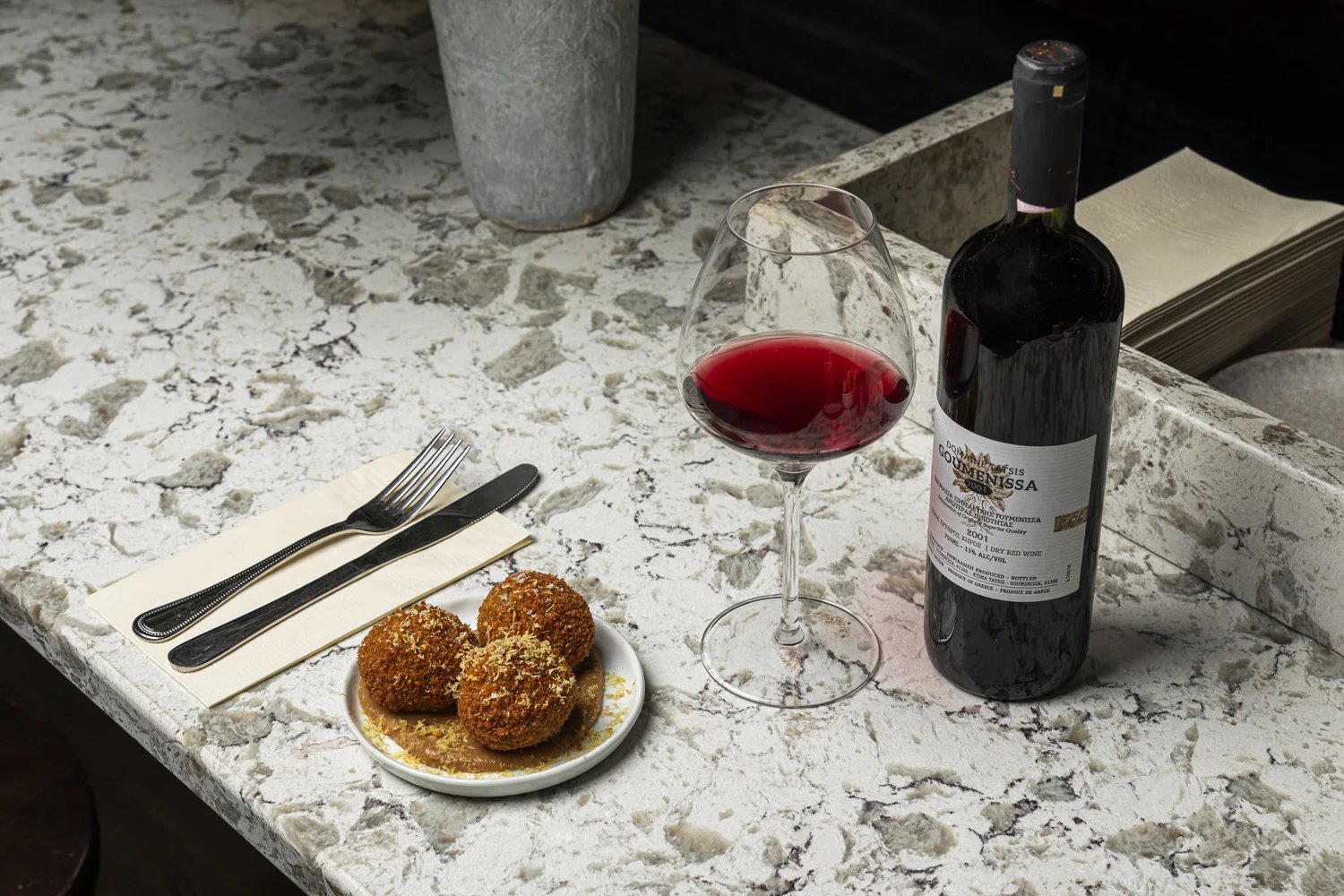
Dimly lit, cozy, and intimate with a lively vibe, featuring a bar area and hip-casual atmosphere.