The Connaught


Established in 1955 and still drawing on grill-room tradition, The Connaught in Ilford sits within London's Modern British dining scene as a study in longevity. Rosewood panelling, furniture by Mira Nakashima, and a wine list built around serious bottles frame a menu centred on prime cuts, Aberdeen Angus to Kobe beef, that positions the kitchen firmly in the quality-driven, produce-led tier of the city's dining conversation.
Pearl is the En Primeur Club membership app — saves, bookings, and concierge access live there. Same editors, same standards.
- Address
- 1 Connaught Rd, Ilford IG1 1RL, United Kingdom
- Phone
- +44 20 3005 2575
- Website
- instagram.com
- Directions
- Get directions
 Saves & bookings on Pearl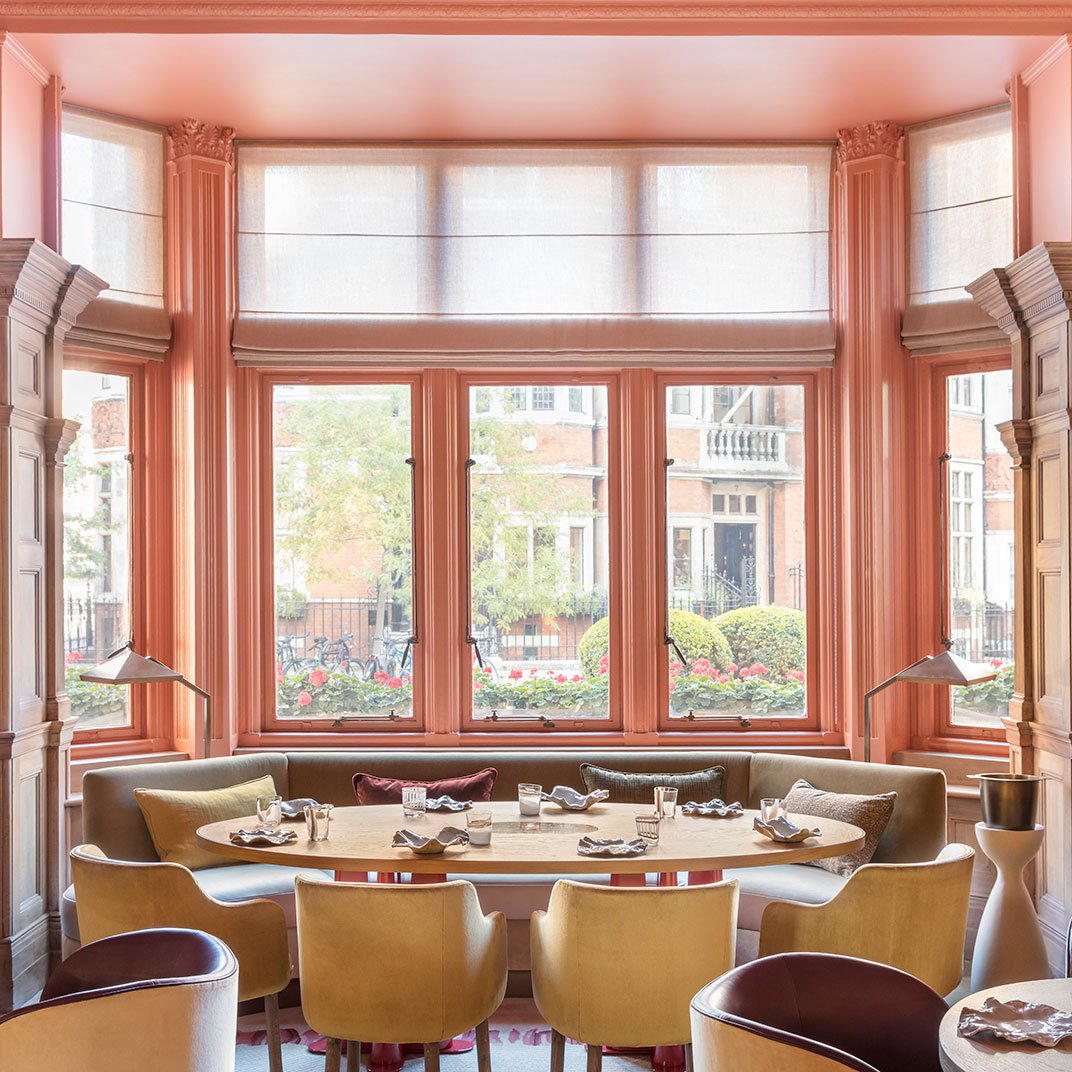
Grill-Room Tradition in a City That Keeps Reinventing Itself
London's Modern British dining scene has fragmented considerably over the past two decades. On one side sit the tasting-menu laboratories, places like CORE by Clare Smyth and The Ledbury, where the evening is structured around a fixed progression and produce arrives as both ingredient and concept. On the other sits a quieter tradition: the grill room, where the kitchen's confidence is expressed through sourcing rather than technique, and where the room itself carries as much weight as the plate. The Connaught belongs to the second tradition, and in a city that defaults to novelty, that consistency is worth examining on its own terms.
That the restaurant appeared at number 27 on the World's 50 Best Restaurants list in 2005 reflects a period when critics were reassessing British dining's capacity for seriousness, not just creativity. That ranking places The Connaught in conversation with operations like The Fat Duck in Bray, L'Enclume in Cartmel, and Le Manoir aux Quat' Saisons. These are not interchangeable propositions. Each occupies a different node of the British fine-dining spectrum: innovation, terroir, classicism. The Connaught's node is the last of those.
The Room as a Statement of Intent
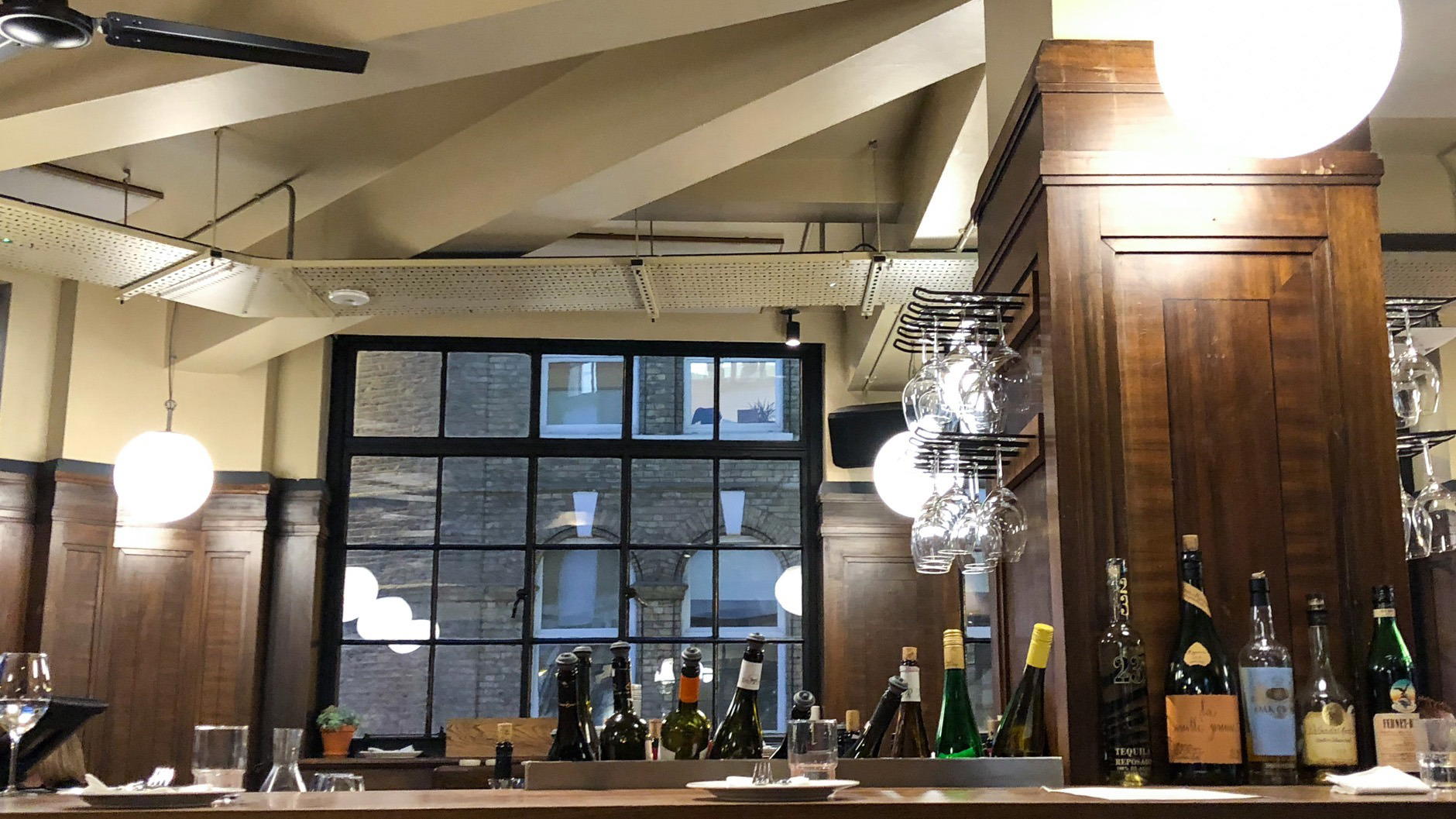
The entrance corridor does preparatory work before a single dish arrives. Glass-fronted wine cabinets and rosewood panelling signal a particular idea of what a serious restaurant looks like, one rooted in material permanence rather than seasonal rebranding. The corridor functions almost as an editorial statement: this is a place that made decisions about its identity some time ago and has chosen not to revisit them. That kind of confidence is rarer in contemporary dining than it might appear.
Inside, the room tightens into something more intimate, furnished with pieces by Mira Nakashima. Nakashima's work, which carries her father George Nakashima's legacy of handcrafted wooden furniture with strong grain emphasis, is not typical restaurant sourcing. It sits closer to the approach you find in properties that treat interior design as a long-term investment rather than a backdrop, a sensibility more common in high-spec boutique hotels than in dining rooms. For diners who track such details, the furniture choice communicates care applied to the physical environment as a whole, not just to the kitchen.
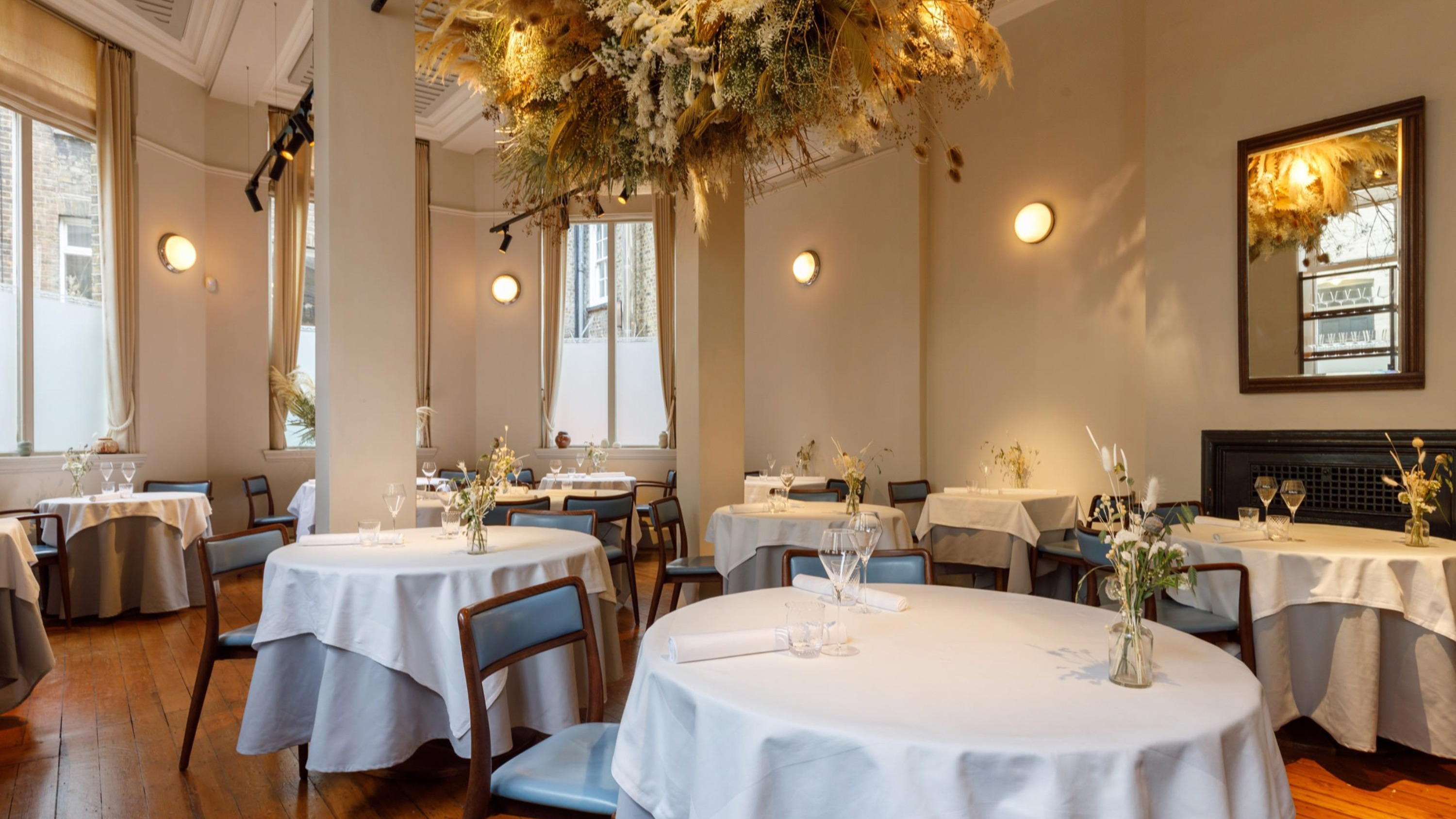
This aesthetic consistency is part of what separates long-established London dining rooms from newer entrants. Where restaurants like Sketch's Lecture Room and Library deploy theatrical design as a differentiator, the restaurant's approach is quieter and more durable. The room does not need to surprise; it needs to hold.
The Menu: Produce as the Primary Argument
The kitchen's argument is made through sourcing rather than transformation. A menu anchored by grill-room classics, with Aberdeen Angus and Kobe beef at the centre, is a deliberate positioning: the kitchen trusts the provenance of what arrives and applies technique in service of that provenance rather than in competition with it. This is a different philosophy from the intervention-heavy Modern British kitchens that populate the city's top tier, and a different one from the French-inflected approach at Restaurant Gordon Ramsay.
Aberdeen Angus and Kobe beef occupy different rungs of the premium beef market, and a kitchen that stocks both is working with a broad quality spectrum at the summit end of the category. This is not an everyday restaurant's procurement strategy. The implicit claim is that the sourcing relationships, and the selection behind them, are doing the editorial work that a more technique-driven kitchen would assign to the brigade. Across the wider British Modern dining landscape, from Moor Hall in Aughton to Gidleigh Park in Chagford, the sourcing-first approach has become increasingly common. At the restaurant, it predates the trend by decades.
Front of House, Sommelier, and the Architecture of Service
The grill-room format places particular demands on the front-of-house team. Unlike a tasting-menu operation, where the sequence is fixed and pacing is controlled by the kitchen, a grill room requires the floor team to function as active co-authors of the evening. Tables arrive with different expectations, different timings, different levels of engagement with the wine list. The service model has to be calibrated to read the room continuously rather than deliver a scripted experience.
At the restaurant, the wine list described as a collection of serious bottles makes the sommelier role correspondingly more significant. A list that prioritises depth and quality over accessibility requires someone with the expertise to guide without intimidating, to move a table from a familiar reference point toward something more considered without making the process feel like a lesson. This is a skill set that takes years to develop, and the hospitality tradition the restaurant has maintained since 1955 provides the context in which that expertise compounds over time.
The team dynamic at restaurants with this kind of institutional longevity is worth noting separately from what it means at newer openings. When front of house, sommelier, and kitchen have worked within the same framework for a sustained period, the service develops a coherence that is difficult to manufacture. It is visible in the small negotiations, the pace at which a second glass is offered, the way a recommendation is framed, rather than in any single dramatic moment. For restaurants like Hand and Flowers in Marlow or The Garden Room at the Chelsea Townhouse, that coherence is part of what separates a strong opening year from a durable reputation. The restaurant has had seven decades to build it.
Modern British dining has also produced its share of tight regional operations where this team dynamic is equally central, restaurants like The Old Stamp House in Ambleside and Tower in Thornbury demonstrate that the grill-room tradition, and the service values attached to it, is not a purely metropolitan proposition.
Planning Your Visit
The restaurant is located at 1 Connaught Rd, Ilford IG1 1RL, United Kingdom. The restaurant holds,323 reviews, and bookings are essential. The dress code is smart casual.
Standing Among Peers
Comparable venues nearby, for context on price, style, and recognition.
| Venue | Cuisine | Price | Awards | Notes |
|---|---|---|---|---|
| The ConnaughtThis venue — the venue you are viewing | Modern British Grill & Fine French Dining | $$$$ | Michelin Plate, World's 50 Best #27 | Not listed |
| Trivet | Modern British Fire-Led Fine Dining | $$$$ | Michelin 2 Star | Borough |
| The Ritz Restaurant | Classical French Fine Dining | $$$$ | Michelin 2 Star | St. James's |
| Le Gavroche | Classic French Fine Dining | $$$$ | World's 50 Best #19 | Mayfair |
| The Merchant House | Cocktail Bar | $$$ | World's 50 Best #14 | Battersea |
| Humble Chicken | Modern Japanese Fine Dining | $$$$ | Michelin 2 Star | Soho |
Recognition history
Dated appearances from independent guides and award organizations, with the underlying list record or original source where available.
Michelin Plate
Michelin
World's 50 Best Best Restaurants #27
World's 50 Best
Continue exploring
More in London
Restaurants in London
Browse all →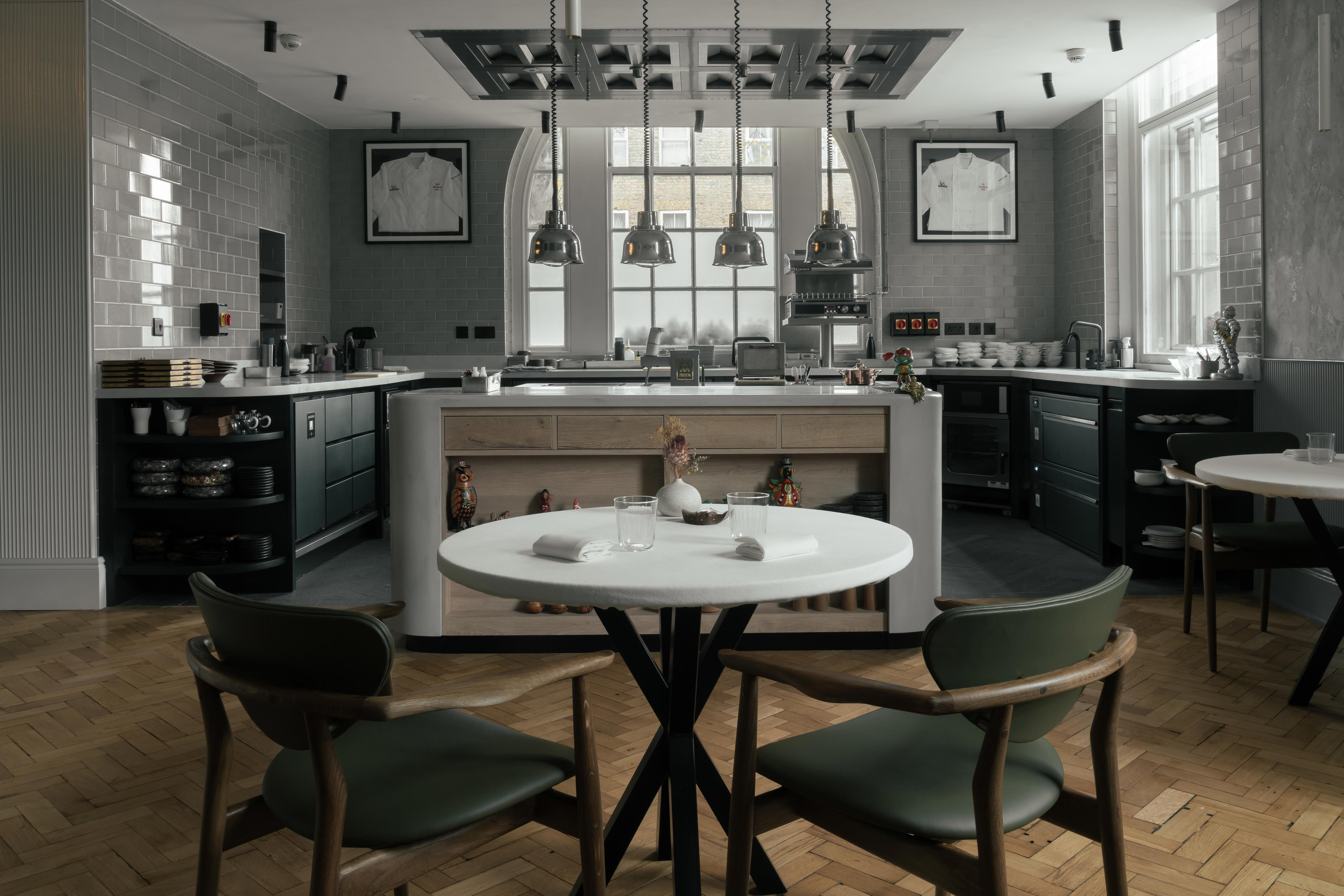
Bars in London
Browse all →
Hotels in London
Browse all →


At a Glance
- Elegant
- Sophisticated
- Classic
- Ornate
- Special Occasion
- Business Dinner
- Date Night
- Hotel Restaurant
- Historic Building
- Private Dining
- Extensive Wine List
- Sommelier Led
- Farm To Table
- Local Sourcing
- Street Scene
stylish and glamorous with contemporary decor, rosewood paneling, and an intimate, old-school luxury atmosphere