Tower

Relais Chateaux Award
Our verdict
Tower brings modern British cooking to the market town of Thornbury, operating within a tradition of serious pub and restaurant dining that has reshaped expectation across provincial England. Find it at 11 St Mary St, a short walk from Thornbury Castle.

Pearl is the En Primeur Club membership app — saves, bookings, and concierge access live there. Same editors, same standards.

The Pub Dining Revolution Reaches South Gloucestershire
There is a version of English provincial dining that barely changed between the 1970s and the mid-2000s: laminated menus, reheated sauces, a dutiful nod to a Sunday roast. What happened next — in market towns, converted coaching inns, and high streets far from any urban dining cluster — was quieter than the gastropub revolution that made headlines in London, but arguably more consequential. When serious kitchens began appearing in places like Thornbury, a compact market town north of Bristol in South Gloucestershire, they did so without the press attention or tourist trade that sustain destination restaurants in better-known locations. They survived on local repeat custom and word of mouth alone, which is a harder test than a Michelin visit.
Tower, at 11 St Mary St, operates inside that tradition. The address sits within Thornbury's historic centre, close enough to the castle and the parish church that the physical fabric of the town, medieval in structure, quietly prosperous in its current form, forms the approach. Arriving on foot from the high street, the building reads as part of a working town rather than a culinary destination manufactured for visitors. That positioning matters: it tells you something about the dining culture the kitchen is serving, and the expectations it is measured against.
Modern British Cooking in a Market Town Frame
The modern British category covers a wide spectrum. At its upper end sit kitchens like The Ledbury in London or L'Enclume in Cartmel, where the cuisine has absorbed decades of European technique and become something difficult to place within any single tradition. At its more grounded end, and this is where the real cultural work of modern British cooking happens, kitchens apply contemporary craft to ingredients and formats that remain recognisably connected to place. Seasonal sourcing, confident treatment of meat and game, respect for British cheesemaking and the larder of the West Country: these are the markers of a serious regional kitchen rather than a derivative of metropolitan fashion.
Tower's Cooking Classics recognition signals a kitchen that prioritises execution over novelty. In the current British dining scene, that is a considered position. The drift toward elaborate tasting formats, theatrical presentation, and obscure ingredient sourcing has left a gap for restaurants that do the foundational work well. A properly rested piece of beef, a sauce that has been built rather than reduced from a packet, bread that is baked rather than delivered: these things distinguish a kitchen more reliably than any number of micro-herb garnishes.
For comparable ambition in the wider British modern canon, the relevant reference points extend across the country: Moor Hall in Aughton, Gidleigh Park in Chagford, and hide and fox in Saltwood each demonstrate how regional kitchens have built serious reputations outside London. Tower is operating in that same territory, at a different price point and scale, but with the same underlying premise: that serious cooking does not require a metropolitan postcode.
What Cooking Classics Recognition Actually Means
Award categories in British dining tend to travel in two directions. There are prizes for innovation, for the chef pushing into unfamiliar territory, and there are recognitions for mastery of the established repertoire. The Cooking Classics designation sits firmly in the second category. It describes a kitchen where the measure of quality is how well the fundamentals are executed, not how far they have been deconstructed. In a dining culture that has spent two decades rewarding novelty, that recognition carries a specific kind of authority.
The British classics tradition is more technically demanding than it often appears. The canon that runs from roast through to pudding, from potted meats to a properly made pie, requires both ingredient quality and kitchen discipline that mediocre operations routinely fail to deliver. Restaurants like Hand and Flowers in Marlow have demonstrated that the British pub format can sustain cooking of genuine seriousness without abandoning its vernacular character. Tower works within that same argument, in a South Gloucestershire context shaped by the agricultural abundance of the Severn Vale and the West Country food culture that Bristol has helped amplify over the past fifteen years.
Thornbury's Dining Position
Thornbury sits in a space that is neither Bristol suburb nor Cotswold destination, which gives its restaurant scene a particular character. Diners here are predominantly local: the market town has its own professional and residential community, and the restaurants that survive do so by earning loyalty rather than passing trade. That places a premium on consistency over spectacle, on a dining room that feels comfortable across many visits rather than impressive on a single occasion.
For visitors combining Tower with a wider Thornbury stay, the town offers more than the restaurant alone. Our full Thornbury hotels guide covers accommodation in and around the town, including Thornbury Castle, which provides a distinctly different frame for an evening meal. Our full Thornbury bars guide maps the drinking options that bookend a dinner, and our full Thornbury experiences guide extends into the wider activities the area supports. For those using Tower as a starting point for exploring the region's food culture more broadly, our full Thornbury restaurants guide sets the local context in full.
The South Gloucestershire and north Bristol corridor connects to a wider network of serious regional kitchens. Midsummer House in Cambridge, Opheem in Birmingham, and the London modern British contingent represented by The Connaught and The Garden Room at the Chelsea Townhouse all demonstrate what the category looks like at different price and ambition levels. Tower occupies the regional end of that spectrum, which is where most people actually eat, and where the gastropub revolution has done its most durable work.
Planning a Visit
Tower is located at 11 St Mary St, Thornbury, Bristol BS35 2AB, within walking distance of the town centre. For visitors travelling from Bristol, Thornbury is approximately 12 miles north via the A38, making it a direct evening drive without the parking difficulties of the city. Given the 4.7 rating and the relatively small scale typical of serious market town restaurants, booking ahead is advisable, particularly for weekend service. Hours and specific booking arrangements are best confirmed directly with the venue. For those building a longer visit around the area, our full Thornbury wineries guide adds a further dimension to the itinerary.
Frequently asked questions
Is Tower good for families?
What's the vibe at Tower?
What should I eat at Tower?
Side-by-Side Snapshot
Comparable venues nearby, for context on price, style, and recognition.
| Venue | Cuisine | Price | Awards | Notes |
|---|---|---|---|---|
| TowerThis venue — the venue you are viewing | Modern British Fine Dining | $50–100 | Relais Chateaux Award | Not listed |
| Thornbury Castle | Modern British Fine Dining | $100–150 | AA Rosettes 3 Rosettes · Relais Chateaux Award | Thornbury |
| Davies and Brook | Modern British Fine Dining | $200–300 | World's Best Wine Lists Awards WBWL 2-Star | Mayfair |
| BEAR by Carlo Scotto | Foraged British tasting menu chef’s counter | $50–100 | Not listed | Old Town |
| The Pig near Bath | Modern British Farm-to-Table | $50–100 | The Good Food Guide GFG Good | Pensford |
| Whatley Manor | Modern British Fine Dining | $200–300 | Star Wine List | Easton Grey |
Recognition history
Dated appearances from independent guides and award organizations, with the underlying list record or original source where available.
Relais Chateaux Award
Relais Chateaux
Full recognition history (2 entries)
Relais Chateaux Award
Relais Chateaux
Tower
Featured Guides
Continue exploring
More in Thornbury
Restaurants in Thornbury
All restaurants in Thornbury →
Bars in Thornbury
Browse all →
Details
- Elegant
- Classic
- Intimate
- Sophisticated
- Historic
- Special Occasion
- Date Night
- Celebration
- Historic Building
- Hotel Restaurant
- Extensive Wine List
- Farm To Table
- Local Sourcing
- Tasting Menu
- A La Carte
Current opening hours
- Monday
- Closed
- Tuesday
- Closed
- Wednesday
- 12–3 PM, 6–11 PM
- Thursday
- 12–3 PM, 6–11 PM
- Friday
- 12–3 PM, 6–11 PM
- Saturday
- 12–3 PM, 6–11 PM
- Sunday
- 12–3 PM
Hours can change for holidays and private events. Last verified .
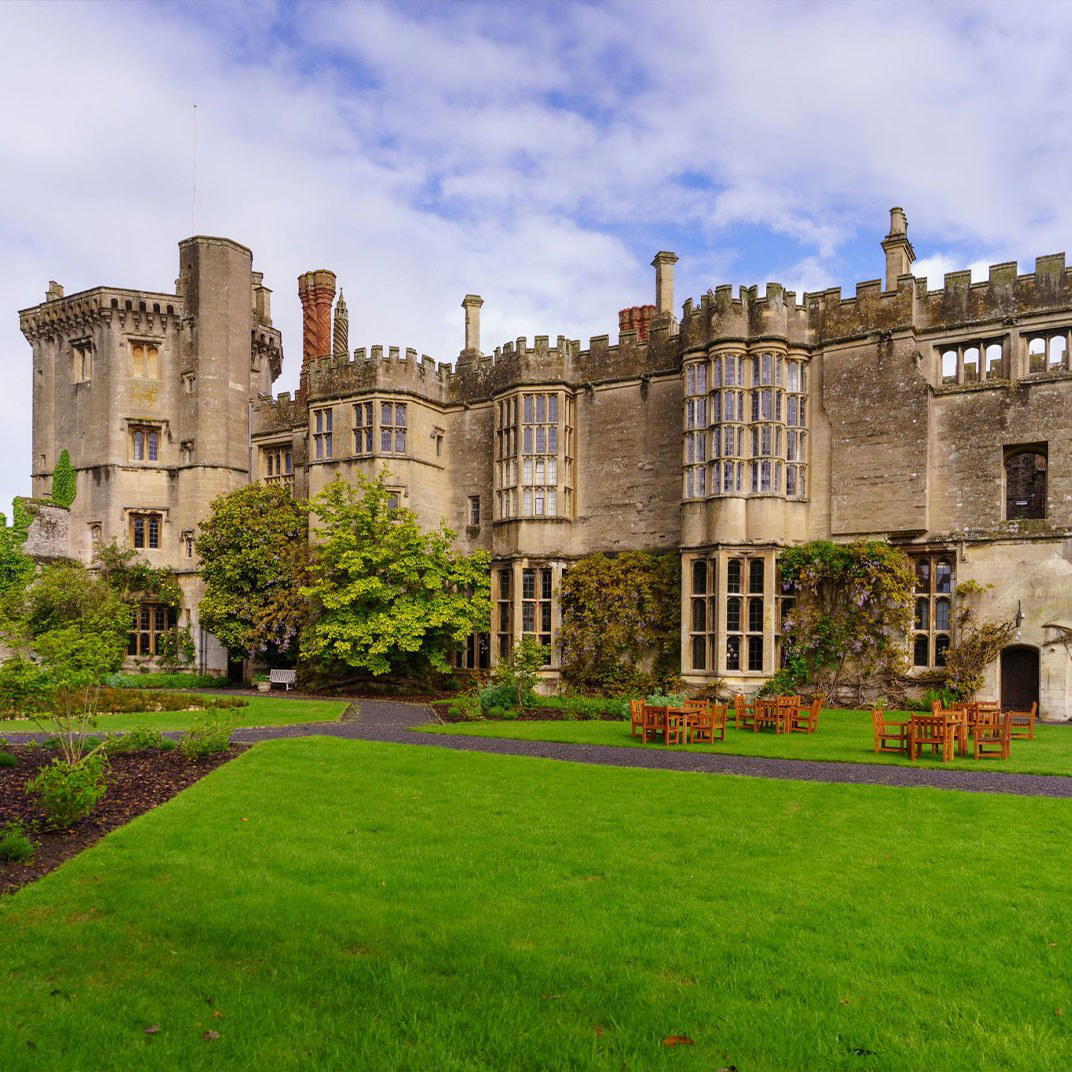
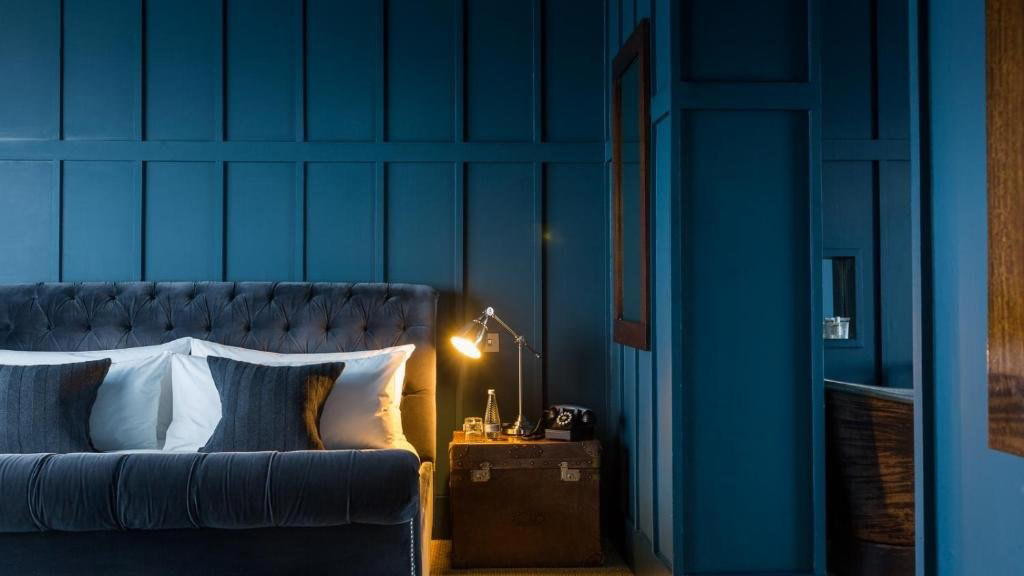
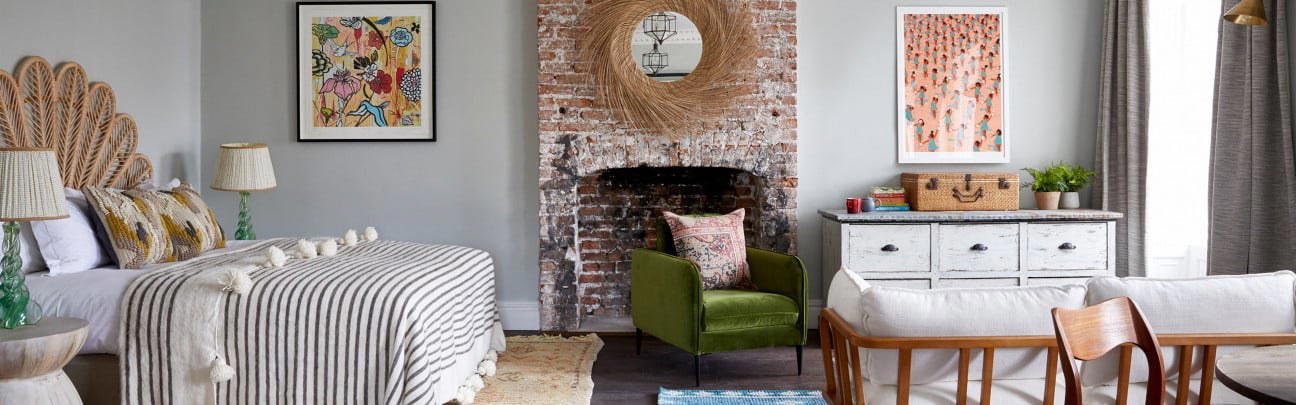
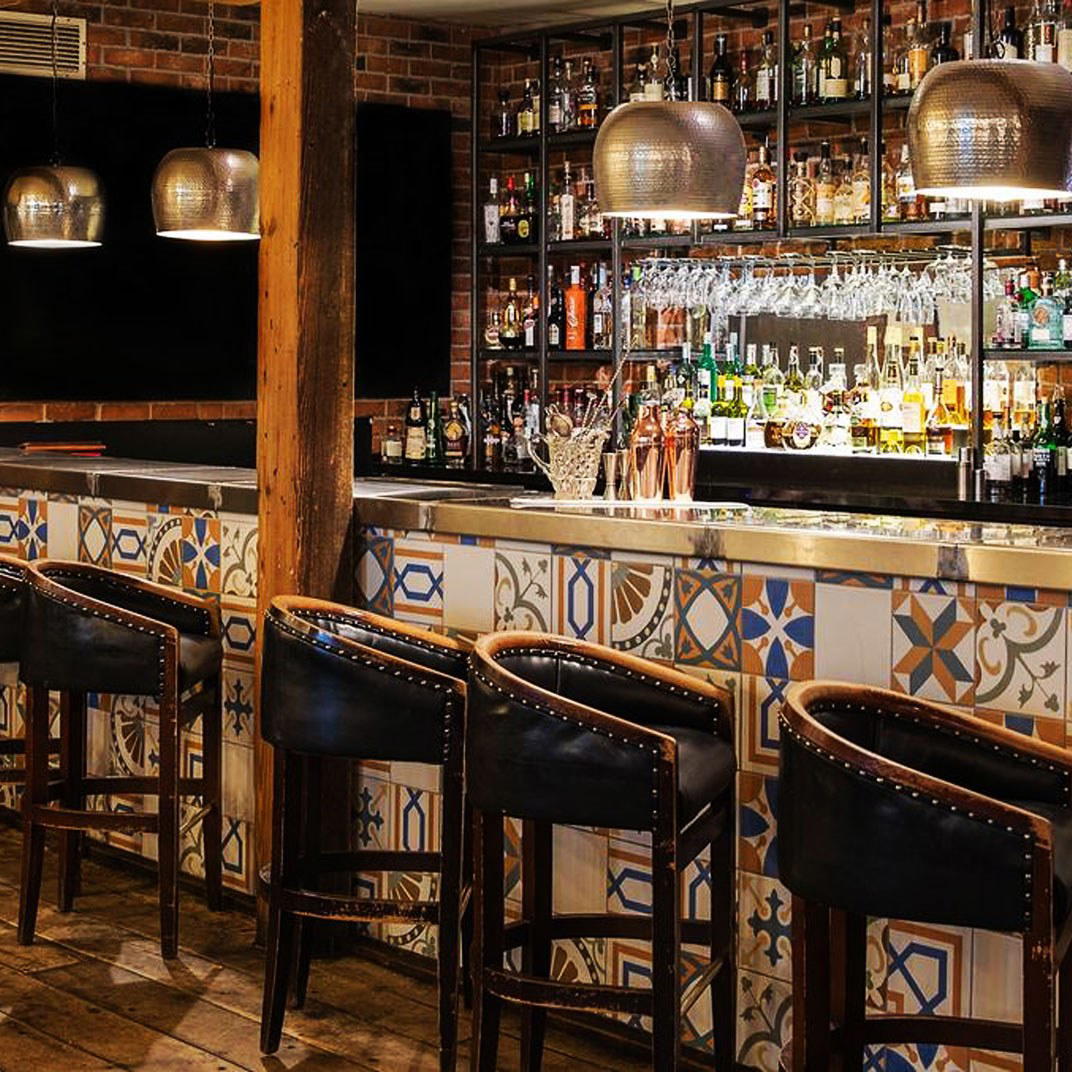
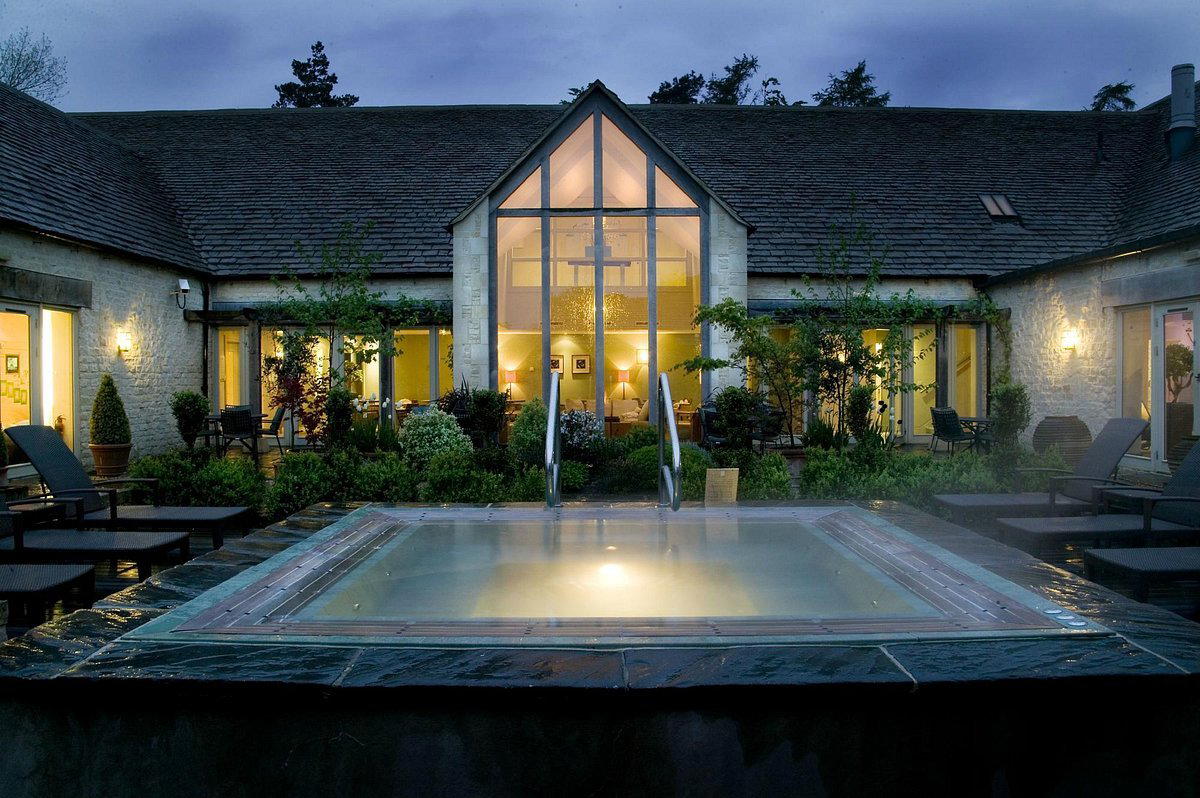
Majestic Gothic surrounds with Tudor furnishings, wood-panelled lounges, chandeliers, and a relaxed yet elegant atmosphere.