The Compass
Our verdict
Located in downtown Phoenix at 122 N 2nd St, The Compass sits at the intersection of the city's evolving fine-dining ambitions and its desert-rooted identity. The dining room rewards attention: this is a venue where the coordination between kitchen, floor, and cellar defines the experience as much as any single plate. Phoenix's premium restaurant tier is smaller than its peer Sun Belt cities, which makes destinations like The Compass carry proportionally more weight in shaping what the scene can be.

Pearl is the En Primeur Club membership app — saves, bookings, and concierge access live there. Same editors, same standards.
- Address
- 122 N 2nd St, Phoenix, AZ 85004
- Phone
- (602) 440-3166
- Hours
- Tue Closed
- Website
- hyatt.com
- Directions
- Get directions
- Booking
- Book on Tock
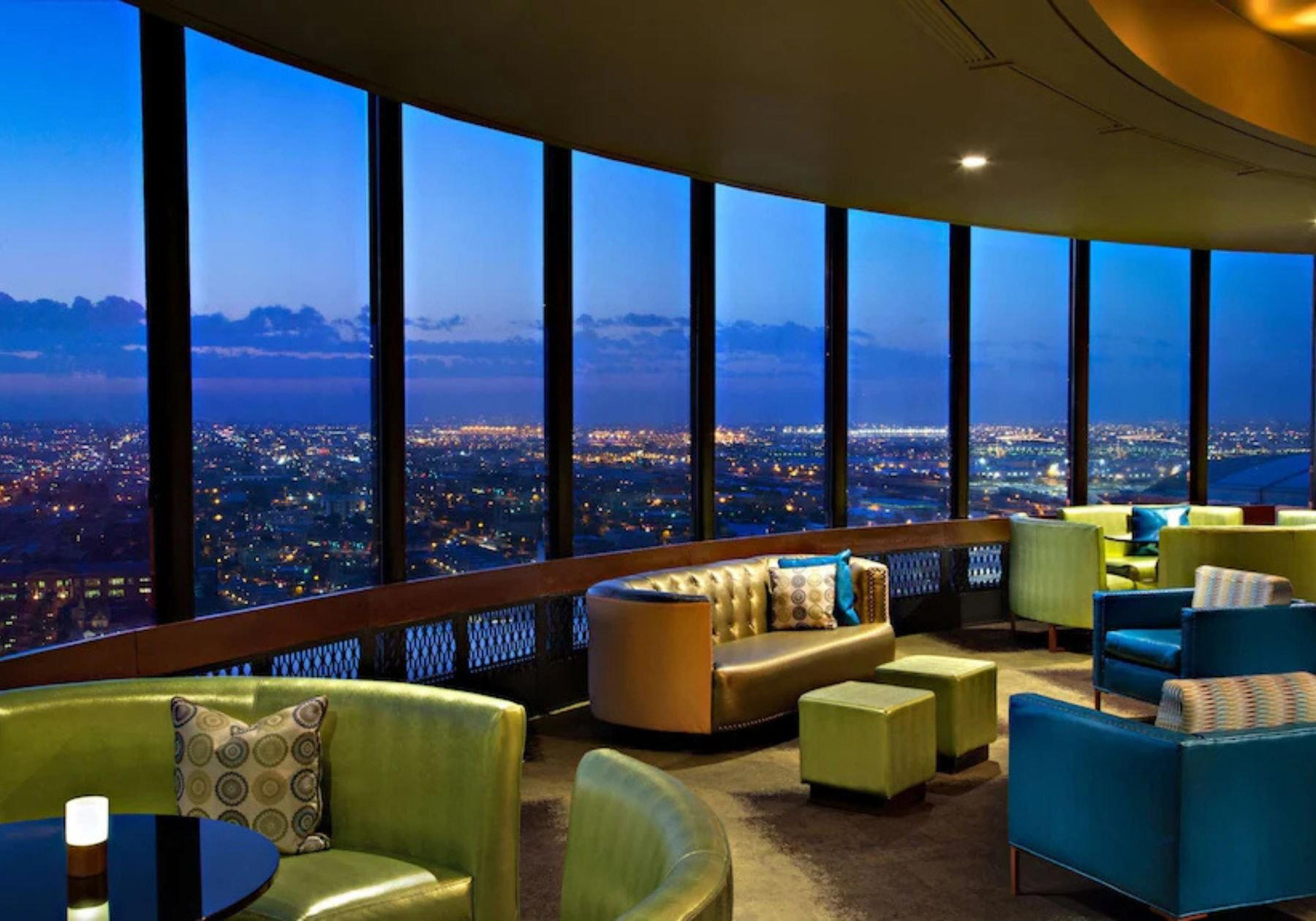
Downtown Phoenix has spent the better part of a decade rebuilding its identity as a serious dining destination. The blocks around 2nd Street, once characterised by surface lots and lunch counters, now form part of a corridor where the city's more considered restaurants have taken root. The Compass, at 122 N 2nd St, occupies that context directly: a downtown address in a city where the relationship between location, ambition, and execution is still being worked out in real time.
Phoenix's fine-dining tier is thinner than comparable Sun Belt metros. Cities like Austin, Nashville, and Las Vegas each sustain a deeper bench of high-commitment restaurants, which means every venue that operates at the upper register here carries proportional weight in the broader conversation. That places The Compass in an interesting position: it is part of a small cohort defining what downtown Phoenix dining can mean, rather than competing in a crowded field where positioning is already established.
A Downtown Address with Structural Intent
The physical approach to The Compass tells a story about how downtown Phoenix is being rebuilt from the street level. The central business district around 2nd Street sits adjacent to Roosevelt Row, the arts-anchored neighbourhood that has attracted independent restaurants and bars for the past fifteen years. That proximity matters: venues at this address draw from a population that moves between arts programming, hotel stays, and pre-theatre dining rather than from a single residential catchment. The rhythm of the room reflects that mix.
In cities where fine-dining rooms are concentrated in one or two neighbourhoods, the character of those blocks tends to filter into the restaurants themselves. Phoenix's downtown still has enough open space and mixed-use character that a restaurant here operates somewhat differently from one in a dense urban grid. The room has to do more work to signal its intent, because the street outside does not automatically do it. This is a consistent feature of premium dining in Sun Belt cities at this stage of development: the restaurant becomes the anchor rather than benefiting from one.
The Collaborative Structure of the Room
The most durable fine-dining rooms in the United States are not built around a single talent. Operations at venues like Single Thread Farm in Healdsburg or Blue Hill at Stone Barns in Tarrytown are explicitly structured as three-way conversations between kitchen, service, and sourcing. The format rewards alignment: when the sommelier's pacing matches the kitchen's output and the front-of-house reads the table correctly, a meal develops a coherence that no single course can achieve on its own. That collaborative model has become the operating standard for serious American restaurants across price tiers.
At its core, the team dynamic in a high-commitment room is logistical: who controls the tempo, how information moves between the floor and the pass, and whether the beverage program is curated to support the food or treated as a parallel offering. Rooms that solve this well tend to produce a kind of service that feels unhurried without being slow, attentive without intrusion. It is a difficult calibration, and most cities have only a handful of venues that achieve it consistently.
The Compass operates at that register in the Phoenix context. Its 2nd Street location places it within reach of the convention and hotel corridor, which creates a service challenge: a room that must serve both destination diners and visiting guests who may not share the same expectations. Managing that range without diluting the experience for either group is one of the defining tests of a downtown restaurant's floor team. Rooms like Le Bernardin in New York City or The Inn at Little Washington have built institutional answers to that problem over decades; younger rooms in developing markets are still finding their own versions.
Where The Compass Sits in the Phoenix Field
Phoenix's restaurant scene has meaningful range at the mid and casual tiers. Bacanora has given the city a serious argument for Sonoran Mexican as a fine-dining form, while Vincent Guerithault on Camelback has maintained a French Southwestern voice across decades, which is a longevity achievement in any market. Lom Wong has pushed Thai cooking into a more deliberate, produce-focused format. At the casual and counter end, Pane Bianco and 5 & Diner represent the city's comfort with democratic formats done well.
The gap in the Phoenix field is at the upper tier: the kind of destination room that attracts visits from out-of-state diners specifically to eat there, the way Alinea in Chicago, Lazy Bear in San Francisco, or Providence in Los Angeles function as primary reasons to visit their respective cities. Phoenix has not yet produced a consensus candidate in that category. Addison in San Diego demonstrates how a Sun Belt city can reach that tier; the question for Phoenix's better rooms is whether the local dining culture and visitor base can support sustained operations at that level.
The Compass sits in the tier below that benchmark, which is not a diminishment: that bracket contains most of the serious dining in any American city. What it means practically is that the venue operates in a competitive set defined by local reputation and repeat visitors rather than by destination appeal. That dynamic puts particular pressure on consistency, because a room that depends on return traffic earns or loses its audience meal by meal rather than on the strength of initial press coverage.
The Desert Context and What It Demands
Operating a serious restaurant in Phoenix requires engaging with the city's physical reality. The desert climate creates seasonal rhythms that differ sharply from coastal markets: the summer months push casual dining outdoors while driving higher-commitment diners toward air-conditioned interior rooms, whereas the October-to-April period brings an influx of visitors and seasonal residents that temporarily expands the potential audience. Restaurants in Phoenix that calibrate to these patterns tend to develop a distinctive operational tempo, with heavier programming in the cooler months and a tighter focus on local regulars through the summer.
Phoenix's ingredient story is also distinct. The Sonoran Desert has its own produce calendar and foraging tradition, elements that venues like Bacanora have incorporated directly. The broader Southwest pantry, including chiles, desert herbs, and stone-ground grains, gives Phoenix-based kitchens a regional identity that does not require importing from either coasts. Rooms that draw on this context tend to read as more genuinely rooted than those that apply a generic American fine-dining template to the desert setting. For more on how these forces shape the city's restaurant field, see our full Phoenix restaurants guide.
Know Before You Go
Address: 122 N 2nd St, Phoenix, AZ 85004
Neighbourhood: Downtown Phoenix, adjacent to Roosevelt Row arts district
Seasonal note: Phoenix dining demand concentrates between autumn and spring; summer visits typically find shorter waits and more flexibility
Getting there: The 2nd Street address is accessible via Valley Metro Rail; the downtown Phoenix grid is walkable from central hotels
Frequently asked questions
Where exactly is The Compass?
The Compass is located at 122 N 2nd St, Phoenix, AZ 85004, Phoenix.
How does The Compass fit into the broader Phoenix dining scene compared to established names like Bacanora?
Phoenix has developed meaningful range at the casual and mid tiers, with venues like Bacanora anchoring a serious argument for Sonoran Mexican as a format with national relevance. The Compass occupies a different register, positioned in the central business district at 122 N 2nd St as part of downtown Phoenix's ground-up rebuild rather than as a neighborhood fixture. Where Bacanora draws authority from a specific culinary tradition, The Compass is making a case for collaborative fine dining as a structure the city's downtown can sustain.
What should I eat at The Compass?
The Compass operates in downtown Phoenix at 122 N 2nd St, where the kitchen engages with the desert's seasonal rhythms and the produce those conditions produce. Because the menu is calibrated to what the Sonoran climate actually offers at any given time, the strongest approach is to order according to the server's read of the moment rather than arriving with fixed expectations. Dishes tied to regional sourcing tend to reflect the kitchen's core intent most clearly.
Do I need a reservation for The Compass?
Given The Compass's position in downtown Phoenix's central business district, where demand for serious dining rooms has grown alongside the neighborhood's redevelopment, booking ahead is the safer approach. Walk-in availability depends on the day and service, but the restaurant's address at 122 N 2nd St places it in a high-foot-traffic corridor. Contacting the venue directly before arrival is the most reliable way to confirm current availability.
What's The Compass best at?
The Compass earns its place in the Phoenix field by treating the downtown address as a structural argument rather than a backdrop. In a city where the mid-tier and casual tiers have historically carried the most critical weight, The Compass operates at the more considered end of the spectrum, with a room and an approach built around collaboration rather than a single-chef showcase. That structure tends to produce more consistent results across a full service.
Can The Compass handle vegetarian requests?
Operating within the desert context of Phoenix, where seasonal sourcing shapes what the kitchen can do at any given time, The Compass is positioned to work with plant-forward requests tied to regional produce. Specific vegetarian menu architecture is best confirmed directly with the restaurant at its 122 N 2nd St location, as availability can shift with the season and the sourcing calendar.
Credentials Lens
Comparable venues nearby, for context on price, style, and recognition.
| Venue | Cuisine | Price | Awards | Notes |
|---|---|---|---|---|
| The CompassThis venue — the venue you are viewing | New American with International Influences | $50–100 | Not listed | Not listed |
| Different Pointe of View | Contemporary American with Mediterranean Influences | $50–100 | Not listed | Sunnyslope |
| Grand Ballroom at the Peak | American Banquet Cuisine | $50–100 | Not listed | Skyline Heights |
| Quiessence | New American Farm-to-Table | $100–150 | Wine Spectator Award of Excellence | Cimarron |
| Yellowbell | Authentic Southwestern | Not listed | Not listed | Biltmore Villas |
| Tours at Wrigley Mansion | Modern American Fine Dining | Not listed | Not listed | Biltmore Gates |
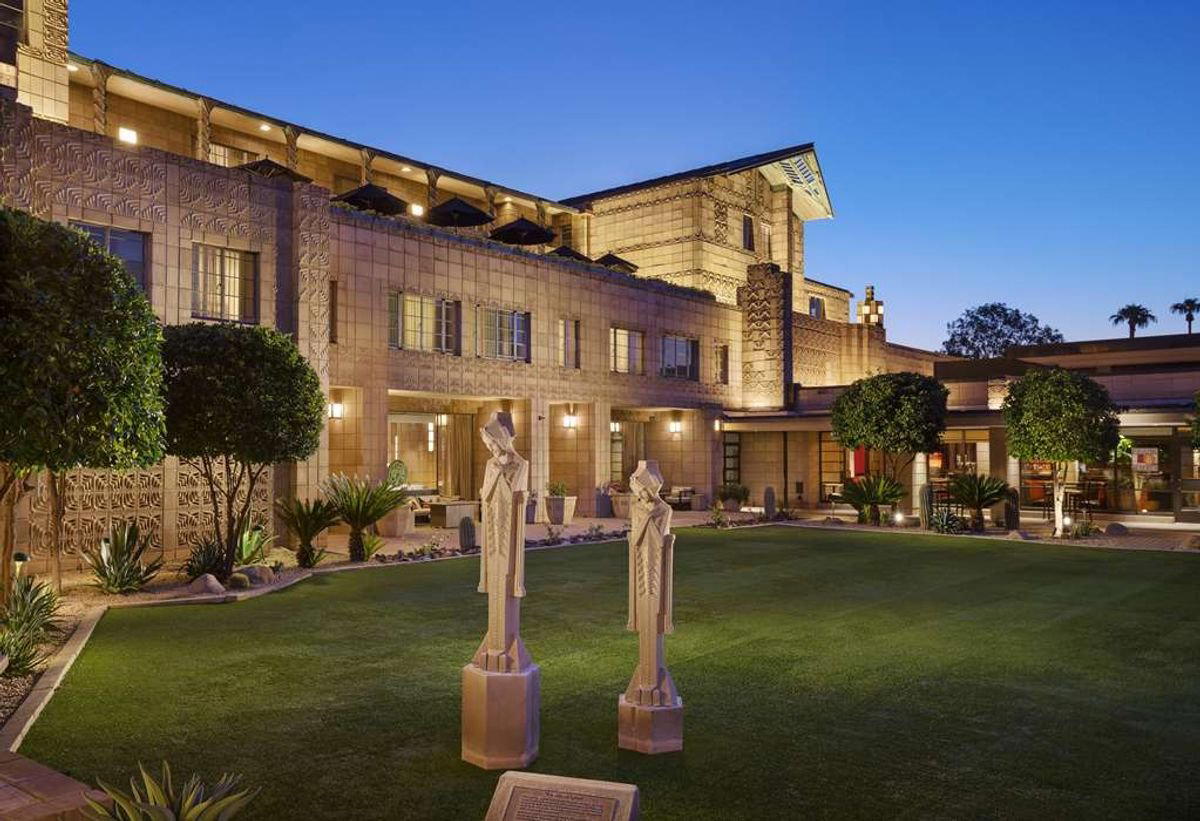
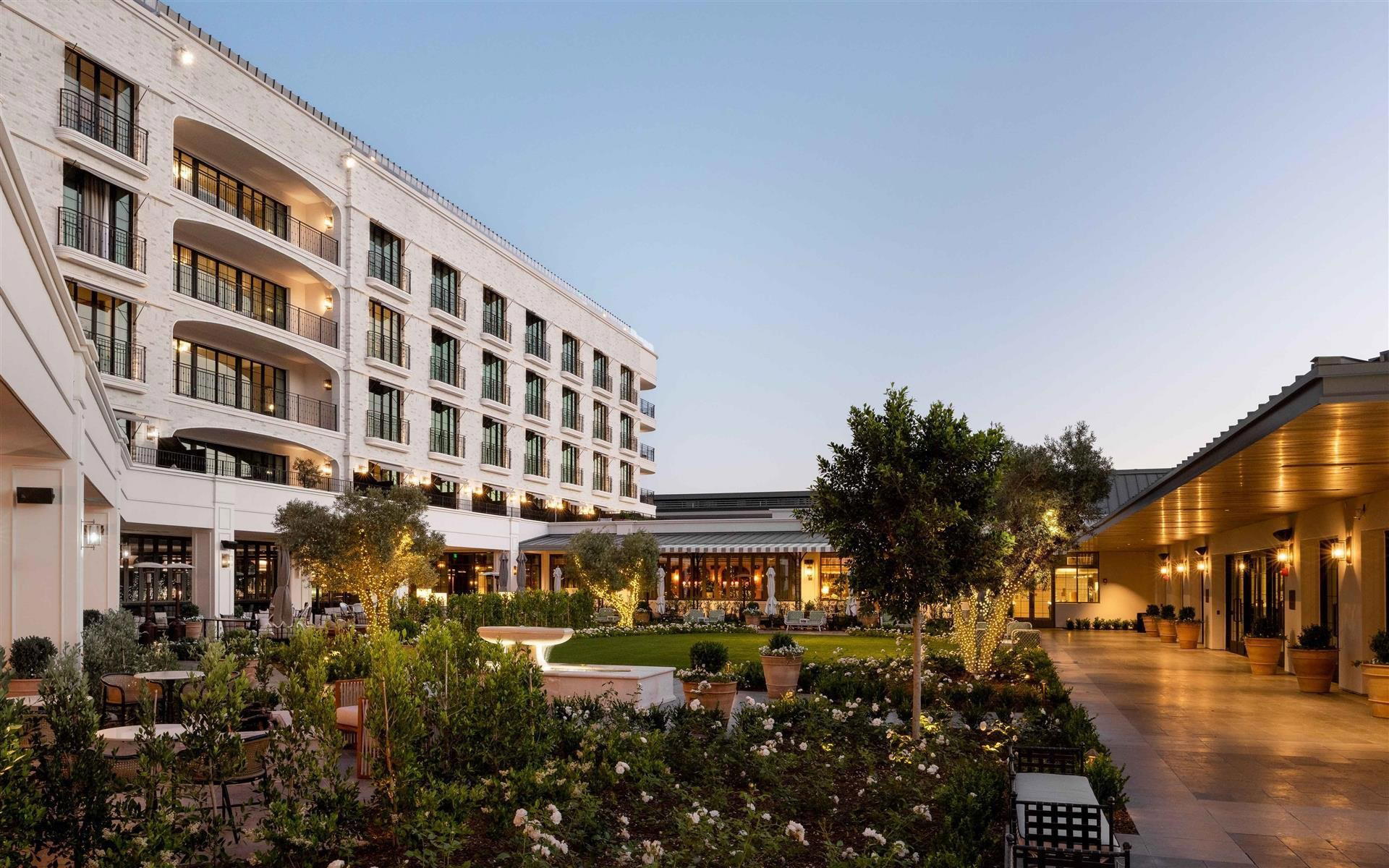
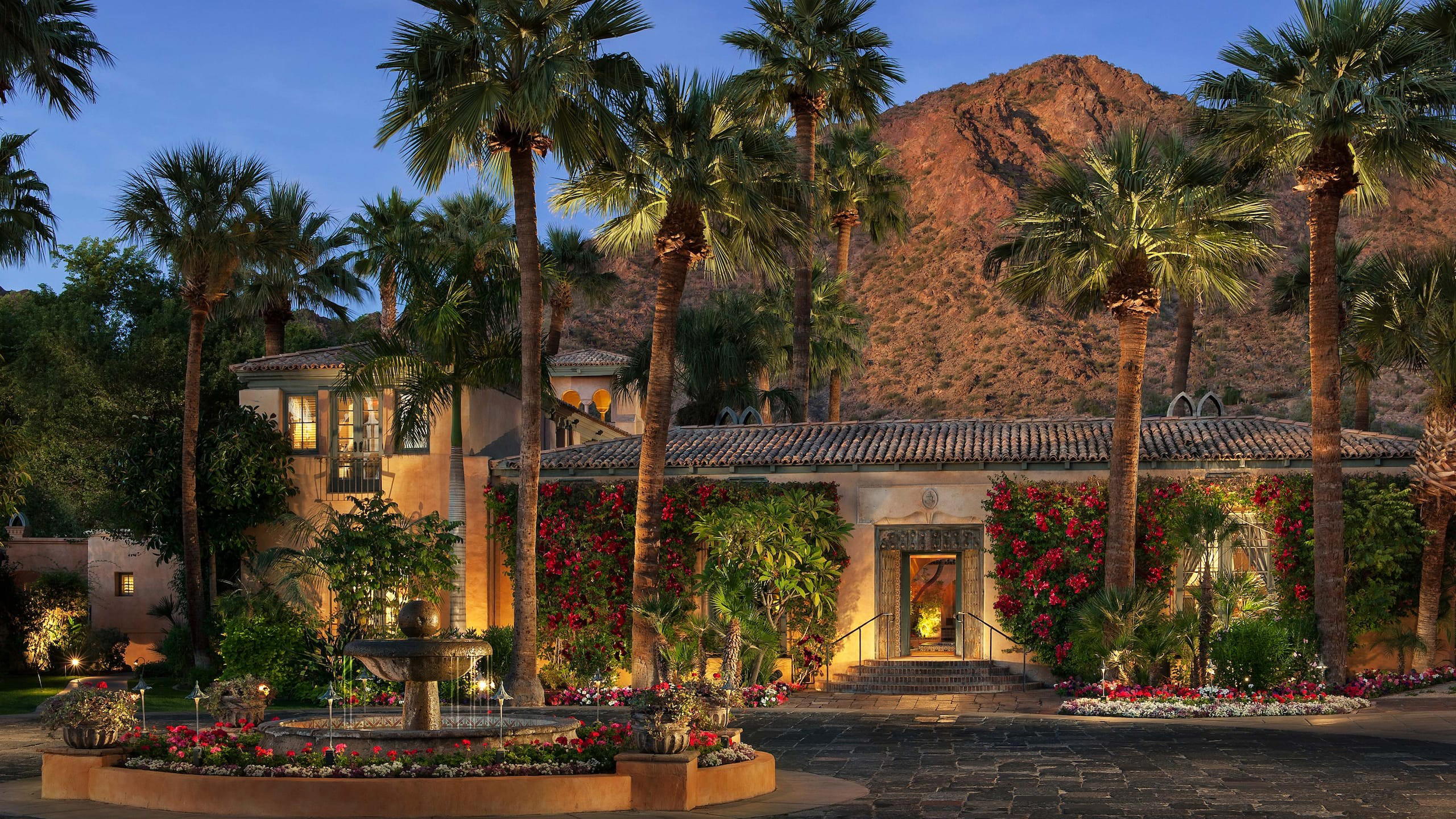
The Compass
The wine
- Wine program
- Curated wine list
- Extensive wine list
- Craft cocktails
Details
- Elegant
- Sophisticated
- Scenic
- Date Night
- Special Occasion
- Celebration
- Rooftop
- Panoramic View
- Hotel Restaurant
- Extensive Wine List
- Craft Cocktails
- Local Sourcing
- Skyline
- A La Carte
- Vegetarian Friendly
- Vegan Options
- Gluten Free Options
Current opening hours
- Tuesday
- Closed
Hours can change for holidays and private events. Last verified .
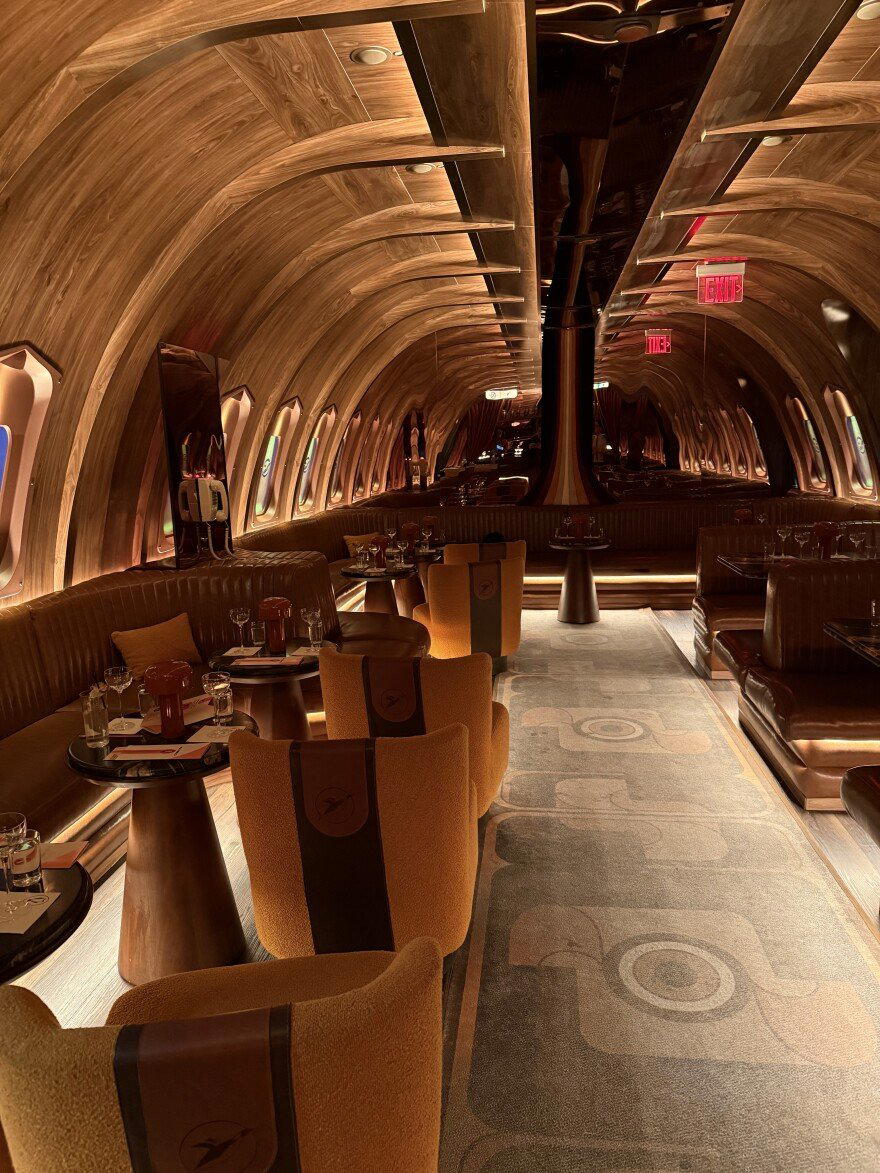
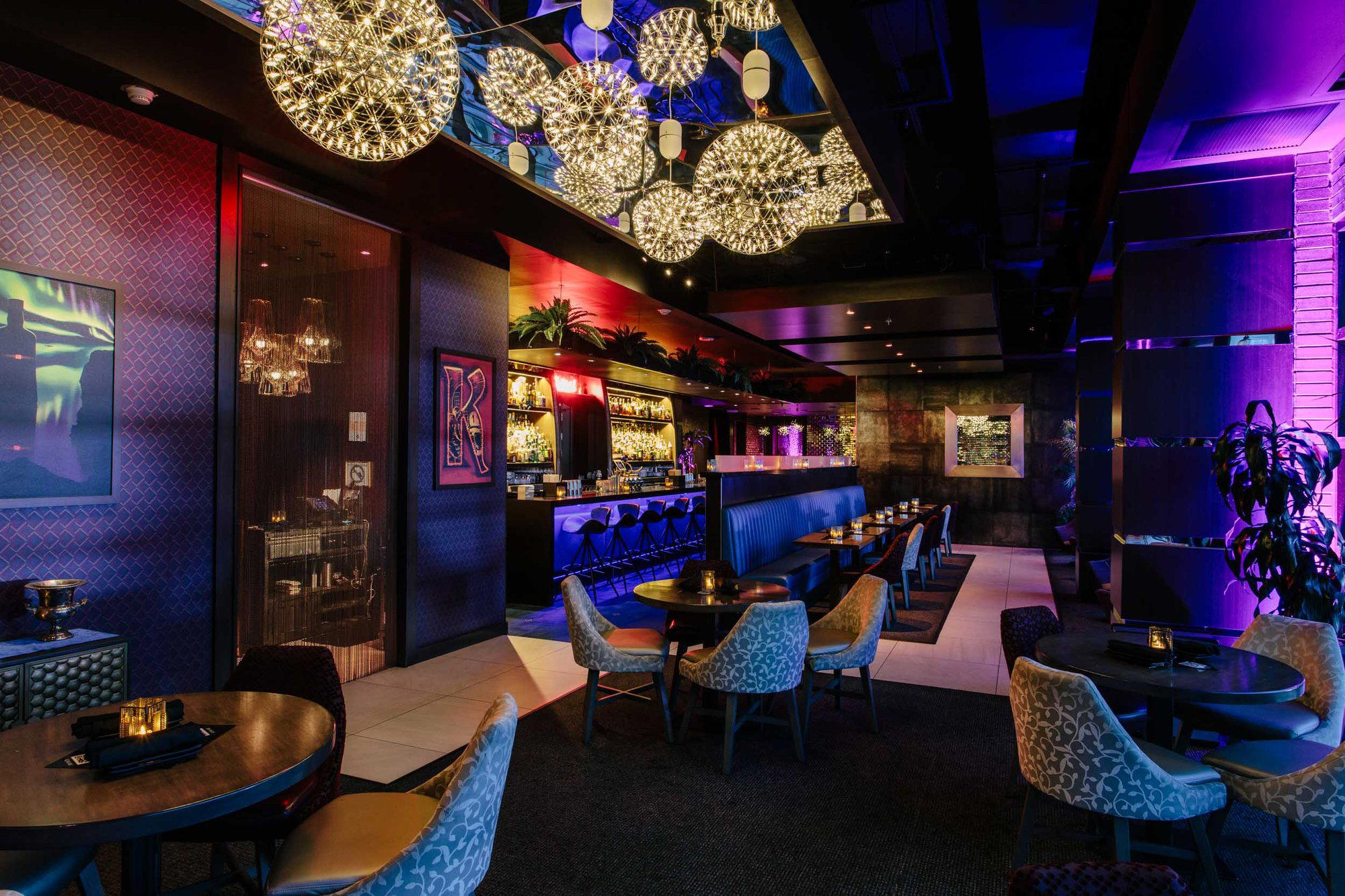
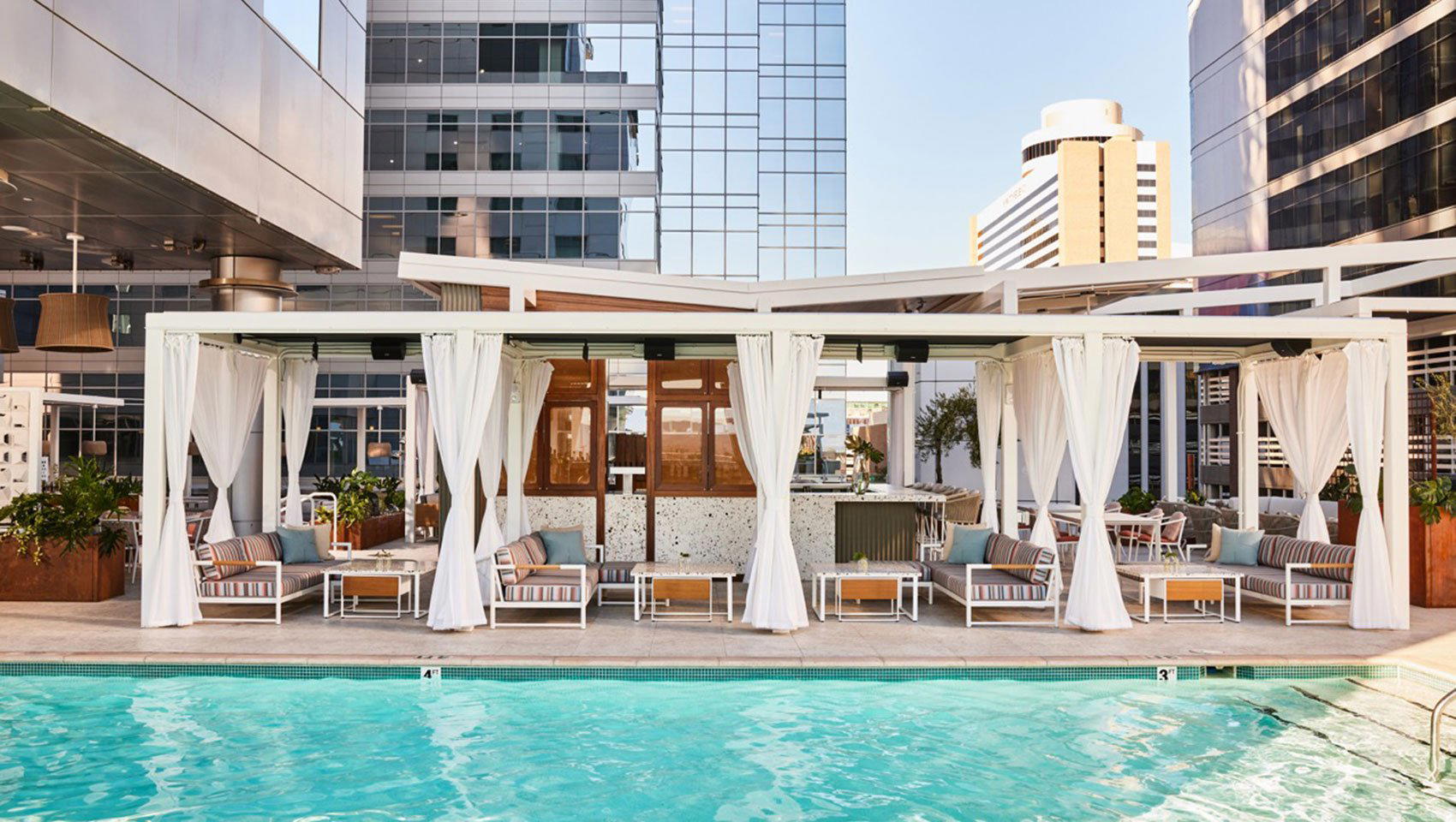
Chic interiors with far-reaching city lights and mountain views, complemented by the distinctive slow rotation of the dining room.