Tours at Wrigley Mansion
A House That Has Always Had an Audience The drive up to the Wrigley Mansion on Biltmore Heights already does some of the work. The 1929 Italianate villa, commissioned by chewing gum heir William Wrigley Jr. as a gift for his wife, sits above the...
Pearl is the En Primeur Club membership app — saves, bookings, and concierge access live there. Same editors, same standards.
- Address
- 2501 E Telawa Trail, Phoenix, AZ 85016
- Phone
- +16029554079
- Website
- wrigleymansion.com
- Directions
- Get directions
 Saves & bookings on Pearl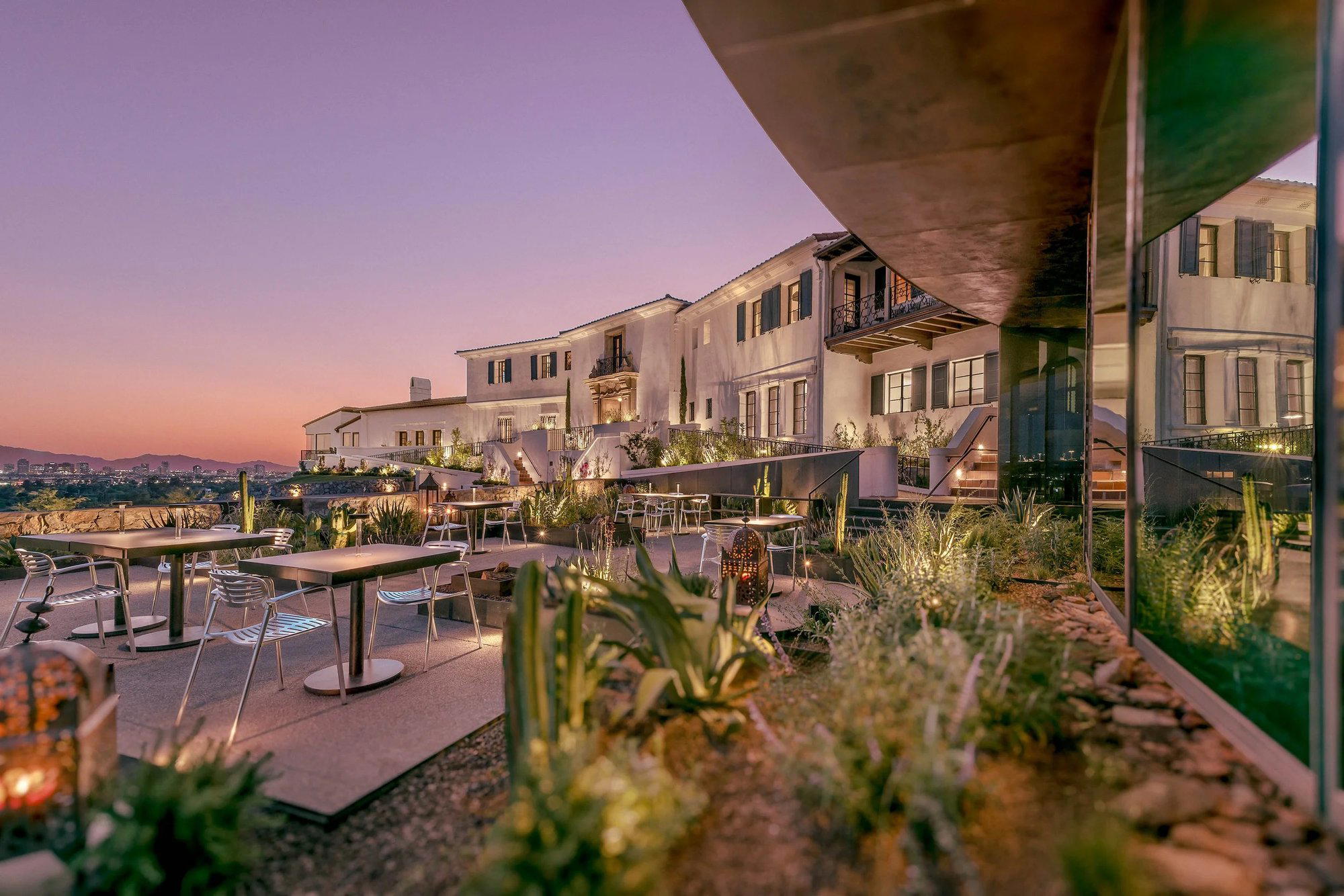
A House That Has Always Had an Audience
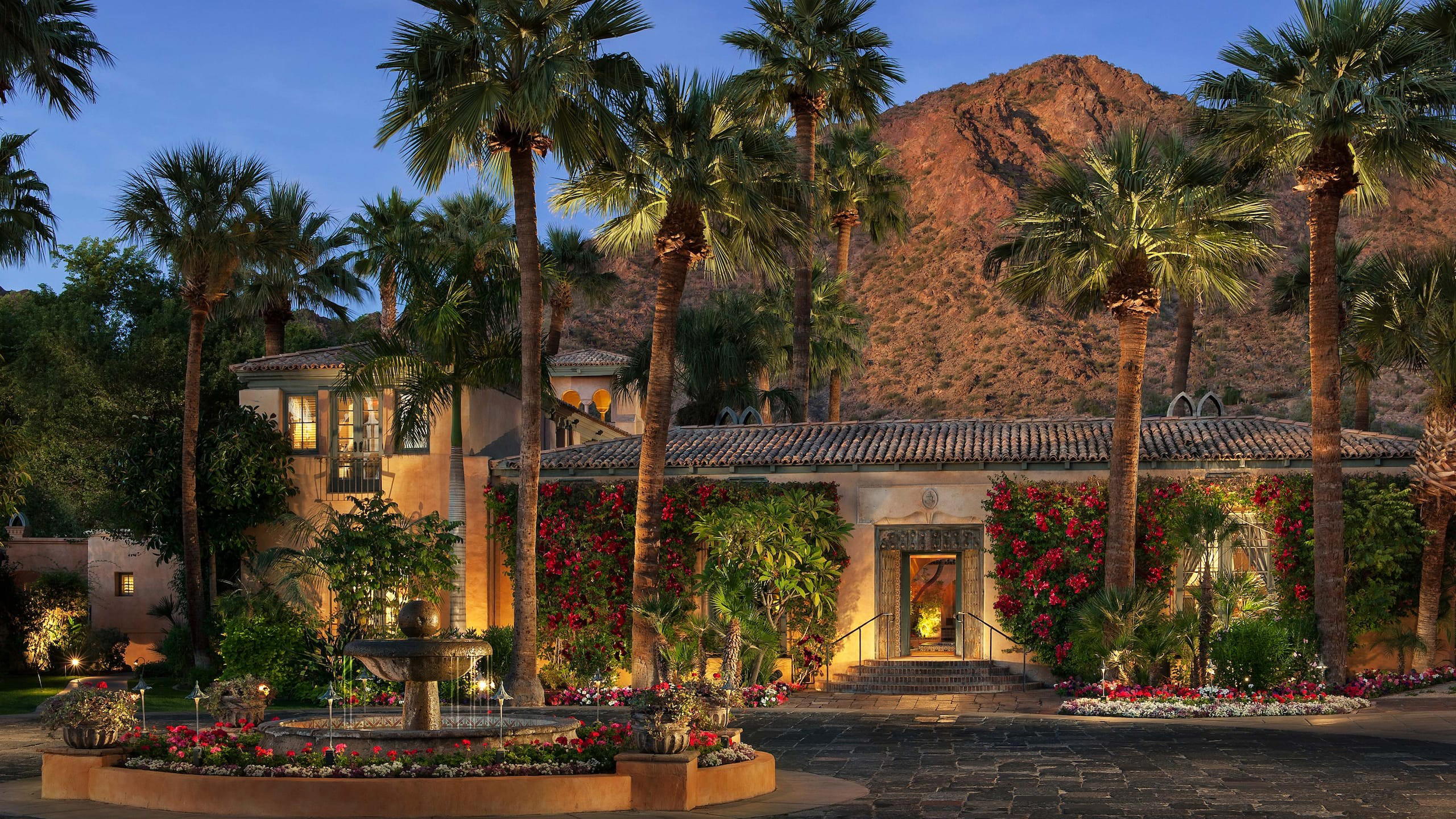
Tours at Wrigley Mansion is a restaurant offering Modern American Fine Dining in Phoenix, with. The 1929 Italianate villa, commissioned by chewing gum heir William Wrigley Jr. as a gift for his wife, sits above the Arizona Biltmore corridor at an elevation that gives it physical authority over the surrounding neighbourhood. Visitors arriving for a tour feel this immediately: the property announces itself through proportion and position rather than signage or spectacle. Phoenix has produced many architecturally ambitious estates, but few that translate private commission into sustained public relevance the way this one has.
The mansion's durability as a civic touchstone matters here, because it shapes the experience that tours offer. This is not a preserved monument with velvet ropes and laminated placards. The building has been in active hospitality use for decades, and the people who return to it repeatedly are not casual tourists. They are Phoenicians who understand that the city's historical depth is shorter than most American metros and prize the few structures that carry genuine pre-war character. The Wrigley Mansion occupies that rare position, and guided tours are the mechanism through which that position is transmitted.
What Repeat Visitors Actually Come Back For
Premium architectural tours in American cities have split into two broad formats over the past decade: the high-volume group walk with a scripted docent, and the smaller, more conversational access experience that rewards people who already know the basics. The Wrigley Mansion sits closer to the latter. Guests who have made the tour more than once tend to cite the intimacy of the spaces themselves, which are domestic in scale despite the estate's ambitions, and the way that intimacy changes depending on the time of day, the light, and who is leading the visit.
This is the kind of venue where the experience compounds with return visits rather than diminishing. Phoenix lacks the density of historic house museums that cities like Washington or New Orleans can offer, so each return trip to the Wrigley Mansion carries the weight of a limited alternative set. Regulars are not choosing between a dozen comparable properties; they are choosing between this and a significant drop in historical register. That scarcity shapes the audience and, in turn, shapes the atmosphere: people in the rooms tend to be genuinely invested in what they are looking at.
The Biltmore Corridor and What It Signals
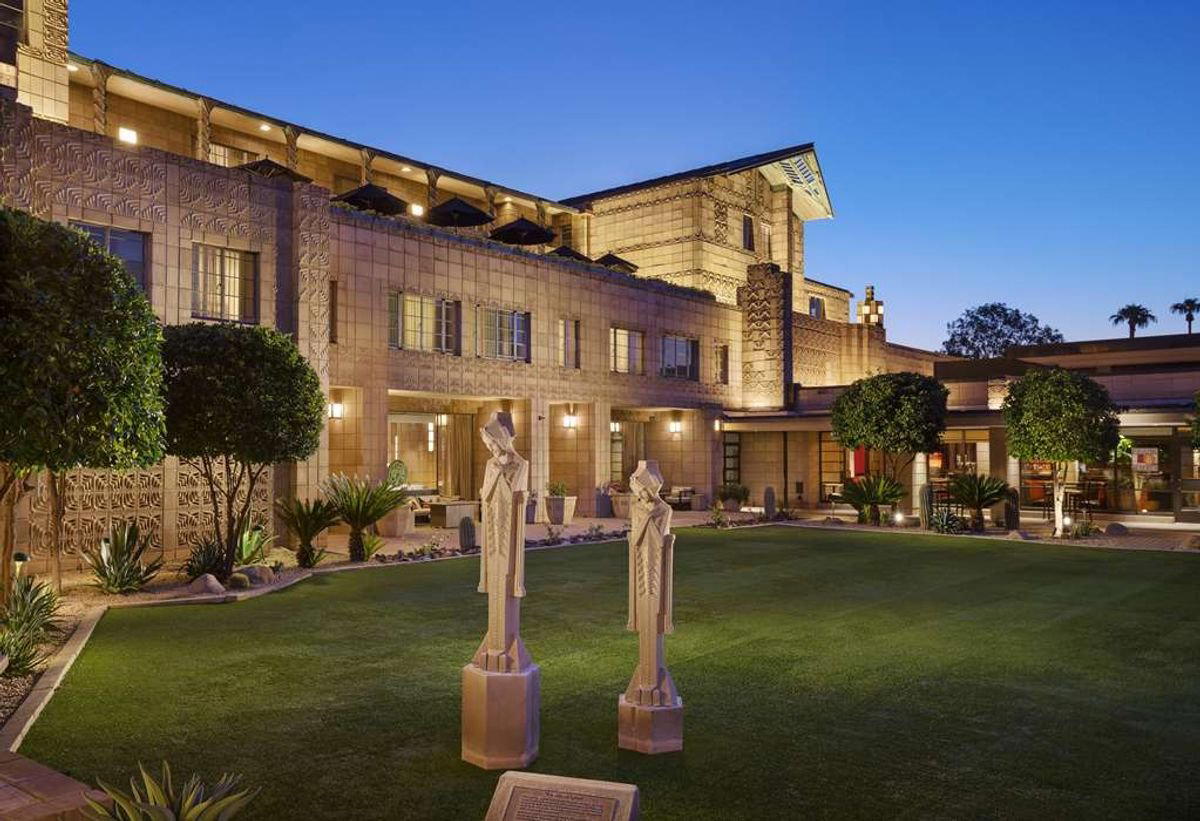
Understanding the Wrigley Mansion requires understanding the Biltmore district that surrounds it. The Arizona Biltmore hotel, which opened a year before the mansion in 1929, established the corridor as Phoenix's original luxury address. Frank Lloyd Wright's influence on the Biltmore's construction has been debated for nearly a century, but the aesthetic alignment between the hotel and the surrounding neighbourhood is clear: this part of Phoenix was designed to project permanence and affluence in a desert setting, and it remains the city's most coherent argument for that ambition.
The mansion sits within that context without being absorbed by it. As a privately commissioned residence rather than a commercial property from the outset, it has a different relationship to the neighbourhood's history than the hotel does. Tours make that distinction legible in ways that exterior viewing cannot.
Phoenix's dining scene has evolved significantly in the same corridor. Vincent Guerithault on Camelback has anchored French-Southwestern cooking in this part of the city for decades, representing the kind of sustained local institution that the Wrigley Mansion parallels in the cultural sphere. Further out, Bacanora brings Sonoran-rooted cooking to a different register entirely, while Lom Wong demonstrates how far the city's Thai dining has come from its earlier iterations. For a different register altogether, Pane Bianco and 5 & Diner show Phoenix's comfort with the unpretentious end of the spectrum. None of these, however, offer what the mansion does in terms of spatial and historical access.
How the Wrigley Mansion Compares to Comparable American Experiences
The category of premium cultural house experiences in the United States is a narrow one. Most historic properties that operate public access do so through foundation or trust structures with fixed programming and limited flexibility. The Wrigley Mansion, functioning within an active hospitality operation, has more latitude than most comparable properties to adapt the experience to the group in front of it.
This places it in a different conversation than a venue like Blue Hill at Stone Barns in Tarrytown, where the agricultural estate is inseparable from the dining programme, or The Inn at Little Washington, where the building's character is subordinate to the restaurant experience. The Wrigley Mansion reverses that hierarchy: the building is primary, and any programming it hosts exists in service of the architecture.
For travellers accustomed to experience-led dining at the level of Lazy Bear in San Francisco, Alinea in Chicago, or Single Thread Farm in Healdsburg, the Wrigley Mansion occupies a different axis entirely. Those venues foreground the chef's vision; the mansion foregrounds the original owner's. The comparison is not about quality tier but about what the experience is asking you to pay attention to.
Other high-calibre references in the American fine dining frame, including Le Bernardin in New York, Emeril's in New Orleans, Providence in Los Angeles, Addison in San Diego, and Atomix in New York, share with the mansion a commitment to considered, deliberate experience design. The mechanism differs; the intent to reward attention does not. For international reference, 8½ Otto e Mezzo Bombana in Hong Kong and The French Laundry in Napa similarly demonstrate how a building's character can become inseparable from the broader experience on offer.
Where the Accolades Land
Comparable venues nearby, for context on price, style, and recognition.
| Venue | Cuisine | Price | Notes |
|---|---|---|---|
| Tours at Wrigley MansionThis venue — the venue you are viewing | Modern American Fine Dining | $$$$ | Not listed |
| Quiessence | New American Farm-to-Table | $$$$ | Cimarron |
| Doughbird | Pizza & Rotisserie Chicken | $$$ | Midtown Phoenix |
| Carcara | Native American and Sonoran-Inspired Southwestern | $$$ | Copper Square |
| Orchard Tavern | Upscale American Tavern with Wood-Fired Pizzas | $$$ | Skyline Heights |
| Jacy & Dakota's | Modern American | $$$ | Copper Square |
At a Glance
- Elegant
- Historic
- Well Known
- Sophisticated
- Special Occasion
- Date Night
- Celebration
- Historic Building
- Panoramic View
- Private Dining
- Extensive Wine List
- Local Sourcing
- Skyline
- Mountain
Current opening hours
- Monday
- Closed
- Tuesday
- Closed
- Wednesday
- 2–4:15 PM
- Thursday
- 2–4:15 PM
- Friday
- 2–4:15 PM
- Saturday
- 2–4:15 PM
- Sunday
- Closed
Hours can change for holidays and private events. Last verified .
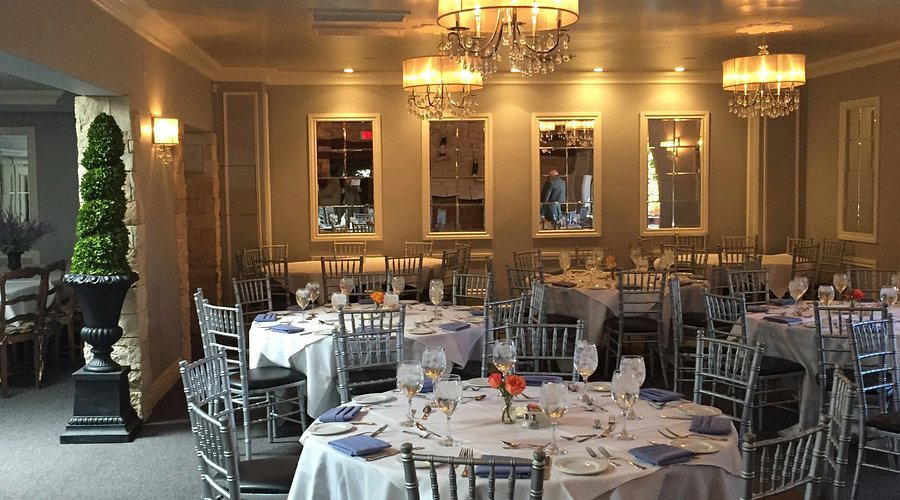
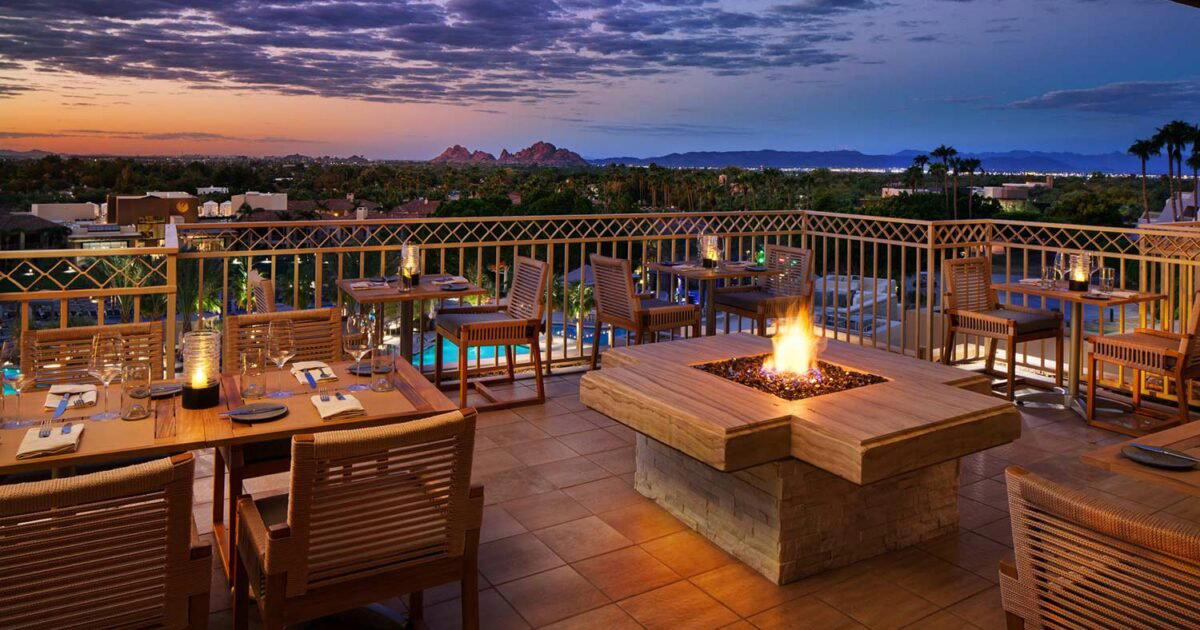
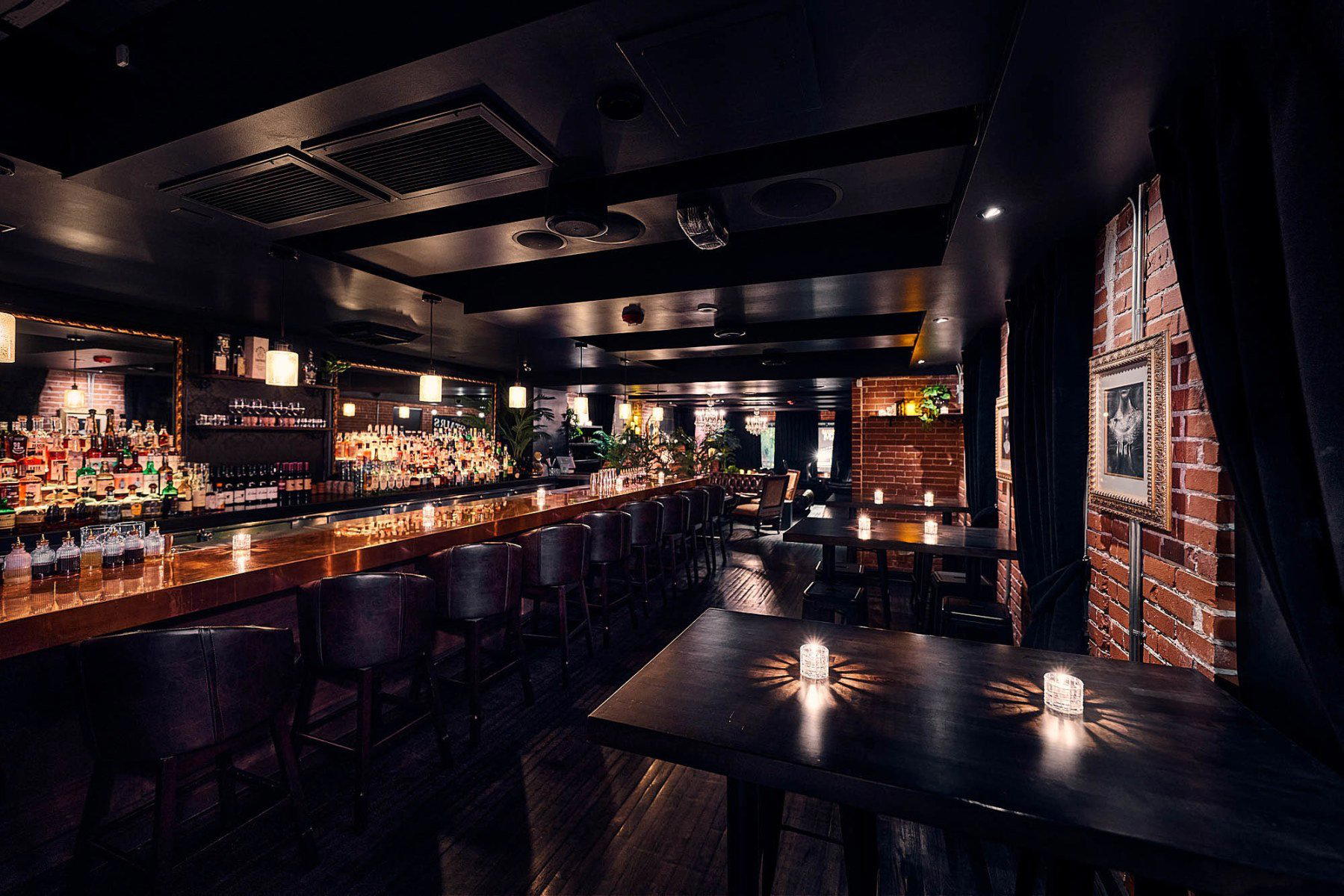
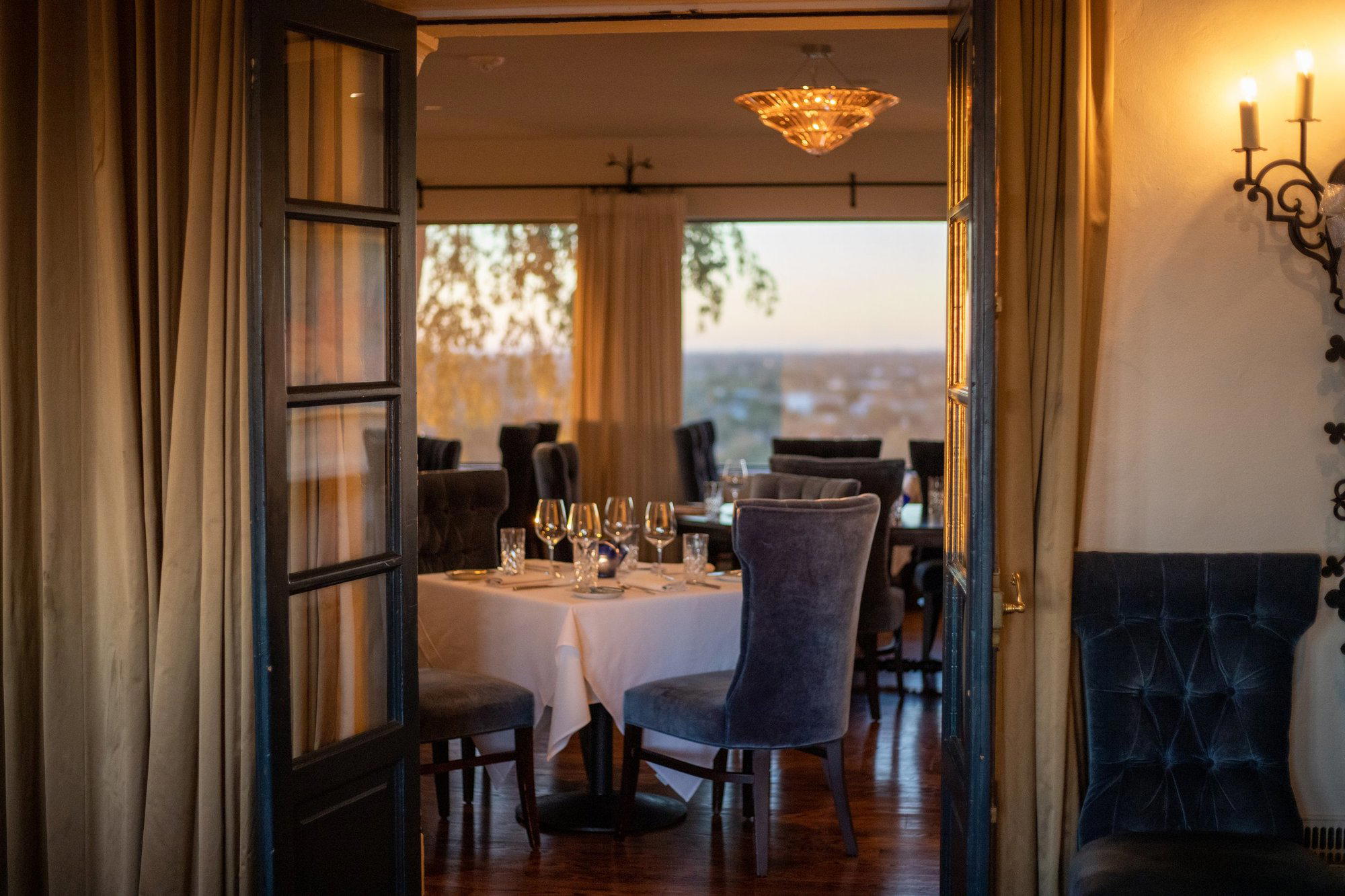
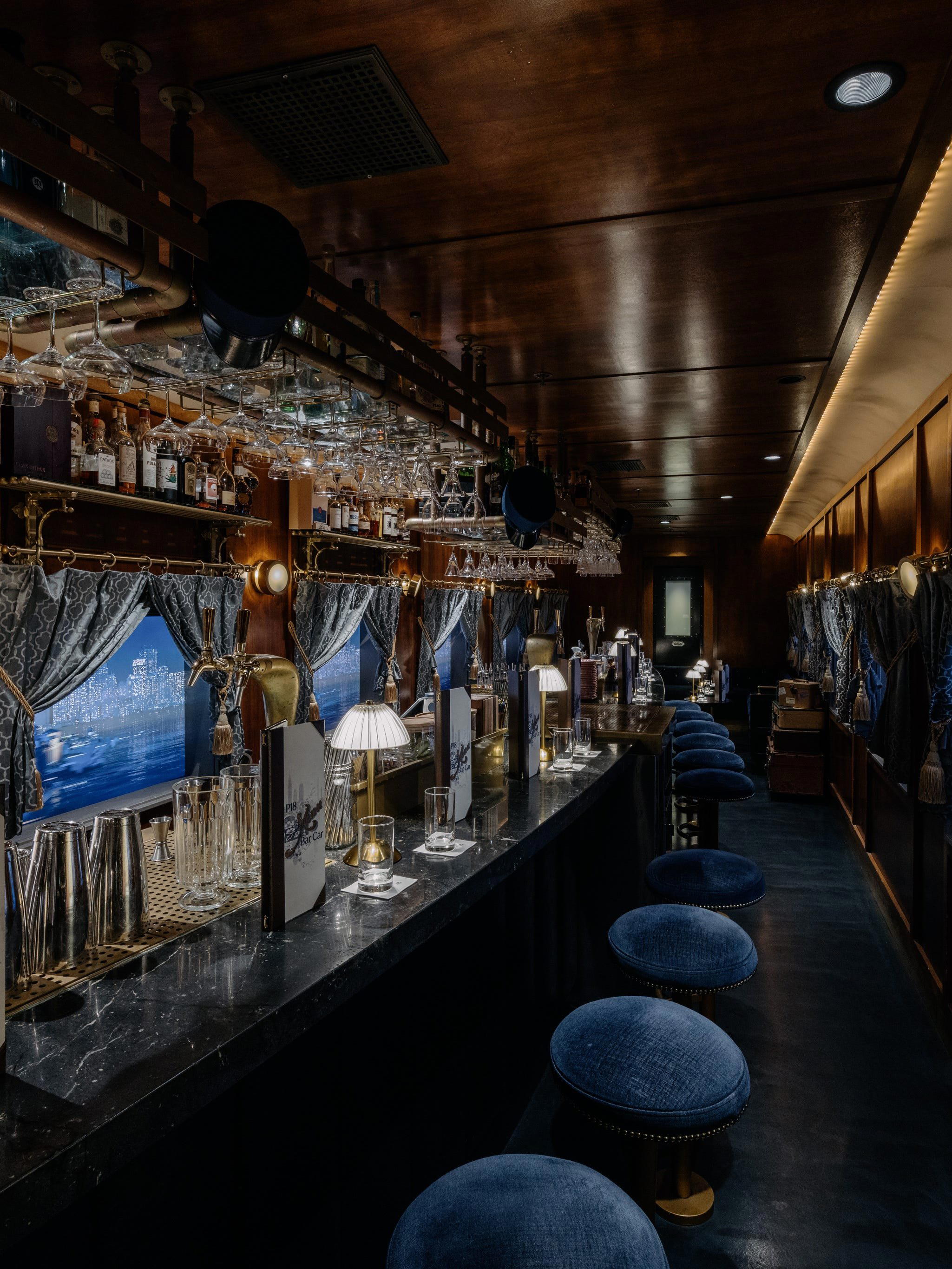
Timelessly elegant historic setting with 1930s grandeur, dramatic city and mountain views, and intimate, sophisticated atmosphere.