Our verdict
On Stanley Street in Darlinghurst, The Colonial British Indian Cuisine occupies a corner of Sydney's dining scene where imperial culinary history meets the subcontinent's spice traditions. The restaurant positions itself within a small but growing cohort of Australian venues treating Anglo-Indian cooking as a serious lens rather than a novelty format. For Sydney diners tracking the city's shift toward nuanced subcontinental cooking, it warrants attention.
- Address
- 71/73 Stanley St, Darlinghurst NSW 2010, Australia
- Phone
- +61293321336
- Website
- thecolonialrestaurant.com.au
- Directions
- Get directions
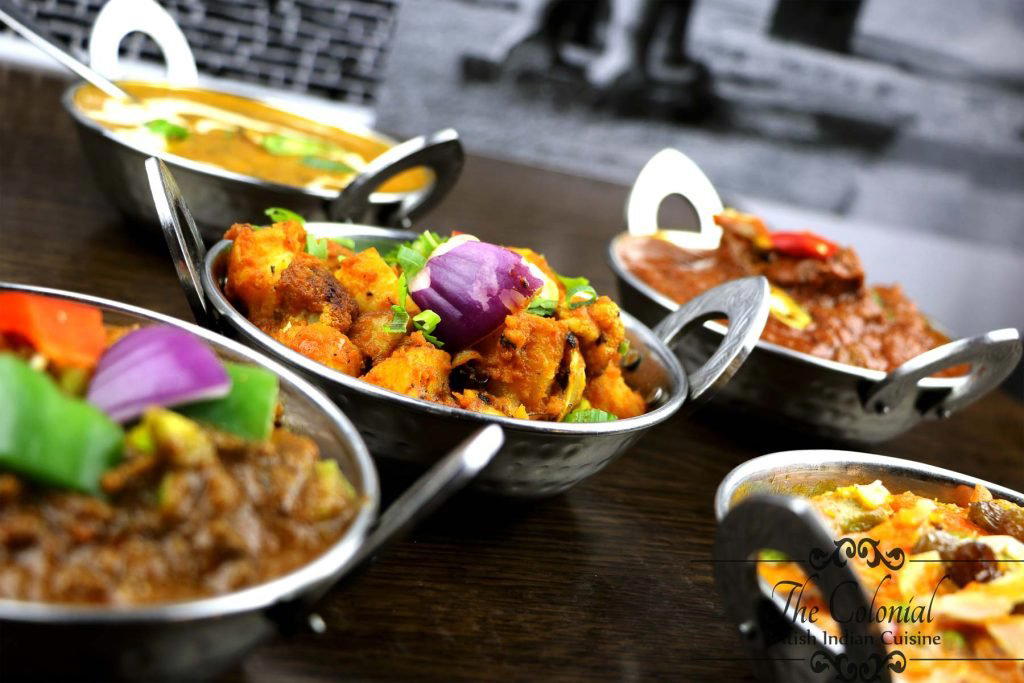
The menu
What to order
- Butter Chicken
- British Fish Curry
- Lamb Rogan Josh
- Lamb Biryani
Stanley Street and the Anglo-Indian Tradition
Darlinghurst's Stanley Street has long functioned as one of Sydney's more reliably eclectic dining corridors, where successive waves of immigrant cuisine have found early footings before spreading across the city. The Colonial British Indian Cuisine sits at 71/73 Stanley St, a stretch that has housed Italian trattorias, Lebanese kitchens, and Thai canteens across different decades. That layering of culinary histories gives the address an appropriate backdrop for a restaurant built around one of the more complex chapters in food history: the British-Indian kitchen, where colonial trade routes, regimental messes, and Bengali, Punjabi, and Goan home cooking produced a hybrid genre that remains underexplored at the table.
Anglo-Indian cuisine is not the same as the Anglicised Indian food that became a British institution through the twentieth century. The Colonial's name points toward something more specific: the cooking that emerged from the colonial administration itself, a blend of British technique and South Asian ingredient that produced dishes like mulligatawny, country captain, kedgeree, and railway lamb. In Sydney's subcontinental dining scene, which has historically concentrated on North Indian tandoor formats and, more recently, on regional South Indian cooking, a venue foregrounding this tradition occupies a distinct position.
The Atmosphere on Approach
Stanley Street at dinner functions differently from the broader Darlinghurst and Surry Hills precincts that surround it. The street retains a neighbourhood scale that the wider Oxford Street corridor has largely lost, with low-rise buildings and an absence of the large-format venues that have come to define Sydney's mid-market dining. Approaching The Colonial, the sensory register is that of a local dining street rather than a destination strip: the sound of conversation carrying from open frontages, the smell of spiced oil and charred bread from nearby kitchens, the evening light dropping across terraced shopfronts.
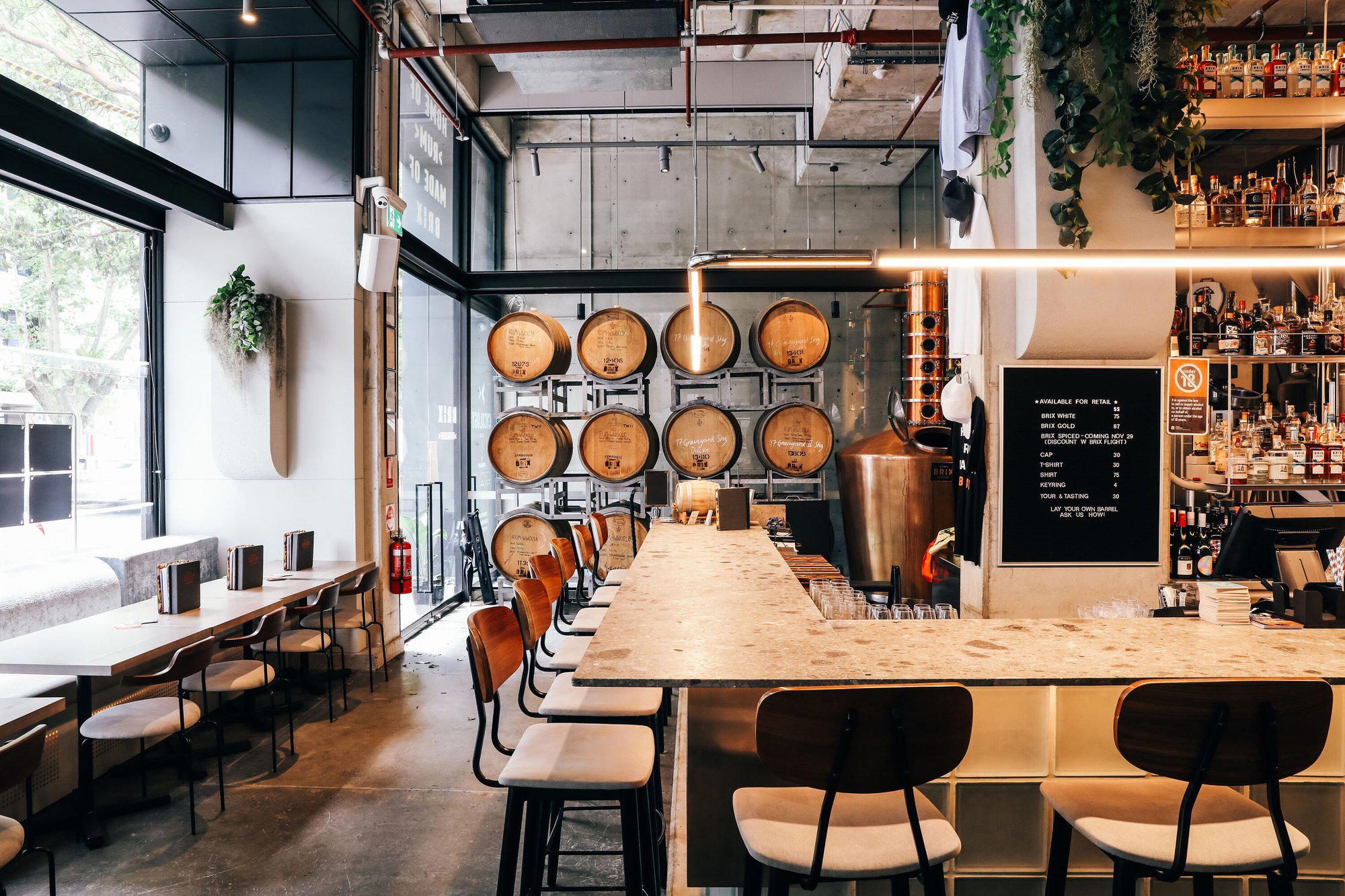
Inside, Anglo-Indian dining rooms in this tradition tend toward a visual grammar drawn from the colonial period itself: dark timber, framed prints, ceiling fans, the occasional map of the subcontinent. Whether The Colonial follows that convention or departs from it is something the room will answer directly. What the address and format signal is a dining experience calibrated for the neighbourhood rather than for spectacle, the kind of room where the food carries the weight rather than theatrical design elements.
Where This Sits in Sydney's Subcontinental Dining
Sydney's Indian restaurant market has stratified considerably over the past decade. At one end sit the high-volume curry house formats concentrated in Harris Park, which remains the city's most established subcontinental precinct. At the other end, a smaller tier of venues has emerged in the inner suburbs, treating Indian regional cooking with the same ingredient-led seriousness that restaurants like Saint Peter and Rockpool have applied to Australian produce. The Colonial's positioning within this broader picture is its most interesting editorial question: British Indian cooking as a historical genre rather than a comfort-food shorthand.
Across Australia, venues treating subcontinental cuisine as a serious research subject are rare enough that each one functions as a data point in a conversation about whether the category can sustain fine-dining attention. Jaani Street Food in Ballarat and Kulcha Restaurant in Wollongong represent different approaches to this question in regional New South Wales and Victoria. In Sydney itself, the inner-eastern suburbs have become the more likely home for this kind of dining proposition, where rents and demographics support experimentation. Darlinghurst, specifically, has a history of absorbing cuisine concepts before they reach broader city recognition.
The Anglo-Indian Kitchen: What the Tradition Demands
Cooking in the Anglo-Indian tradition requires a double literacy: fluency in British kitchen technique of the colonial period (braising, pickling, the use of dried fruit and nuts in savoury contexts) and an understanding of regional Indian spicing that can vary enormously depending on whether the reference point is Bengal, Madras, or the Portuguese-inflected cooking of Goa. The dishes that emerged from colonial-era kitchens were not simplifications of Indian cooking for European palates so much as genuine hybrids, reflecting the practical realities of military and administrative households where British officers employed Indian cooks working with available ingredients.
Mulligatawny, arguably the most recognisable dish in this canon, began as a Tamil pepper water and became, through colonial kitchens, a meal-weight soup with meat and lentils. Kedgeree moved from an Indian rice-and-lentil dish to a British breakfast staple built around smoked fish and boiled eggs. Country captain chicken carries traces of the spice trade routes that brought Portuguese and Dutch flavour influences into the British colonial kitchen. A restaurant treating this tradition seriously has substantial historical material to work with, and Sydney diners with an interest in food history will find the category worth tracking.
Sydney Context: What Surrounds the Venue
Darlinghurst connects directly to Surry Hills and Paddington, forming a triangle of inner-eastern suburbs that collectively host some of Sydney's more considered mid-market and premium dining. The proximity to venues like 10 William St and 1021 Mediterranean places The Colonial in a neighbourhood where diners are comfortable with cuisine-specific propositions that require some engagement. The area also sits within easy reach of the CBD and the inner west, making it accessible from most parts of the city without requiring a dedicated trip to a single-destination precinct.
For visitors building a Sydney dining itinerary that maps the city's range, the inner east provides a useful contrast to the harbour-view restaurant formats that dominate much of what gets written about Sydney dining. Bayly's Bistro in Kirribilli and bills in Bondi Beach represent the more casual, location-driven end of the Sydney spectrum. The inner-east venues, including The Colonial, tend toward cuisine-first rather than setting-first propositions.
Sydney's broader dining ambition is well-documented, from the tasting-menu formats at Attica in Melbourne and Brae in Birregurra setting a benchmark for Australian fine dining nationally, to the neighbourhood-scaled confidence of venues like Johnny Bird in Crows Nest and Bar Carolina in South Yarra signalling what well-executed mid-market dining looks like across different Australian cities. The Colonial operates in a category that doesn't map neatly onto either of those poles, which is part of what makes it worth attention.
For a broader orientation across the city's dining options, the EP Club Sydney restaurants guide covers the full range of cuisines and neighbourhoods. Diners interested in how Sydney's restaurant scene compares to global reference points will find additional context in our coverage of Le Bernardin in New York City and Atomix in New York City, both of which illustrate what cuisine-led restaurants at the upper tier of commitment look like.
Planning a Visit
The Colonial British Indian Cuisine is located at 71/73 Stanley St, Darlinghurst NSW 2010. Stanley Street is walkable from Kings Cross station and accessible by bus from the CBD. Given the absence of confirmed booking, hours, and pricing data in the public record at time of writing, prospective diners should verify current trading hours and reservation requirements directly. The restaurant's presence on Stanley Street places it within a short walking distance of Darlinghurst's broader dining and bar options, making it suitable for an evening that extends beyond a single sitting.
Frequently asked questions
What do people recommend at The Colonial British Indian Cuisine?
The Colonial's positioning within the British Indian tradition suggests the kitchen draws on dishes with colonial-era provenance, a category that includes Anglo-Indian preparations distinct from standard North Indian restaurant formats common across Sydney. The cuisine type itself is a reliable guide: dishes rooted in the colonial kitchen tradition, where British and South Asian cooking merged through the nineteenth and early twentieth centuries, are the likely focus.
Is The Colonial British Indian Cuisine reservation-only?
Reservation policies for Stanley Street venues of this scale in Darlinghurst vary, and the city's mid-market dining tier increasingly operates with a mix of bookable and walk-in sittings. Sydney diners booking restaurants in this category, particularly for weekend evenings, should treat advance booking as the default rather than the exception.
What's the defining dish or idea at The Colonial British Indian Cuisine?
The defining idea is the Anglo-Indian kitchen as a serious culinary lens rather than a nostalgia exercise. British Indian cooking at its most rigorous draws on a documented historical canon: mulligatawny, country captain, kedgeree, and spiced braises that reflect the actual cooking of colonial-era households rather than the Anglicised Indian food that became dominant in Britain's post-war curry house culture. In Sydney's subcontinental dining scene, treating this distinction as the central proposition is itself a differentiator.
Can The Colonial British Indian Cuisine accommodate dietary restrictions?
Anglo-Indian cooking involves a range of proteins, dairy, and spicing traditions, and the kitchen's approach to dietary restrictions is best confirmed directly. If the venue website or phone contact becomes available, those are the most reliable channels. Sydney's inner-eastern dining venues at this scale generally accommodate common dietary requirements, but specific substitutions within a historically anchored menu depend on what the kitchen is able to adjust without compromising the dish's integrity.
How does The Colonial's British Indian format differ from other Indian restaurants in Sydney?
Most Indian restaurants in Sydney are structured around North Indian tandoor cooking, South Indian regional formats, or a broad pan-Indian menu designed for accessibility. The British Indian tradition that The Colonial addresses is a separate historical category, rooted in the colonial administration's hybrid kitchens rather than in any single Indian regional cuisine. This places it in a small peer group nationally: venues like Jaani Street Food in Ballarat and 10 Pounds in Sydney occupy adjacent territory, but the specific colonial-era framing is relatively uncommon at the restaurant level in Australia.
The Quick Read
| Venue | Cuisine | Price | Awards | Notes |
|---|---|---|---|---|
| The Colonial British Indian CuisineThis venue — the venue you are viewing | Colonial British-Indian Cuisine | Not listed | Not listed | Not listed |
| Rockpool | Modern Australian Steakhouse | $150–200 | World's 50 Best #49 · La Liste Top Restaurants | Australian Cuisine |
| Saint Peter | Modern Australian Seafood | $150–200 | World's 50 Best #66 · La Liste Top Restaurants | Australian Seafood |
| BENTLEY Restaurant & Bar | Modern Australian Fine Dining | $150–200 | La Liste Top Restaurants · Star Wine List | Australian Modern |
| Bennelong | Modern Australian Fine Dining | $200–300 | La Liste Top Restaurants · Star Wine List | Australian Cuisine |
| 20 Chapel | Modern Australian Wood-Fired Grill | $100–150 | Not listed | Not listed |
Continue exploring
More in Sydney
Restaurants in Sydney
Browse all →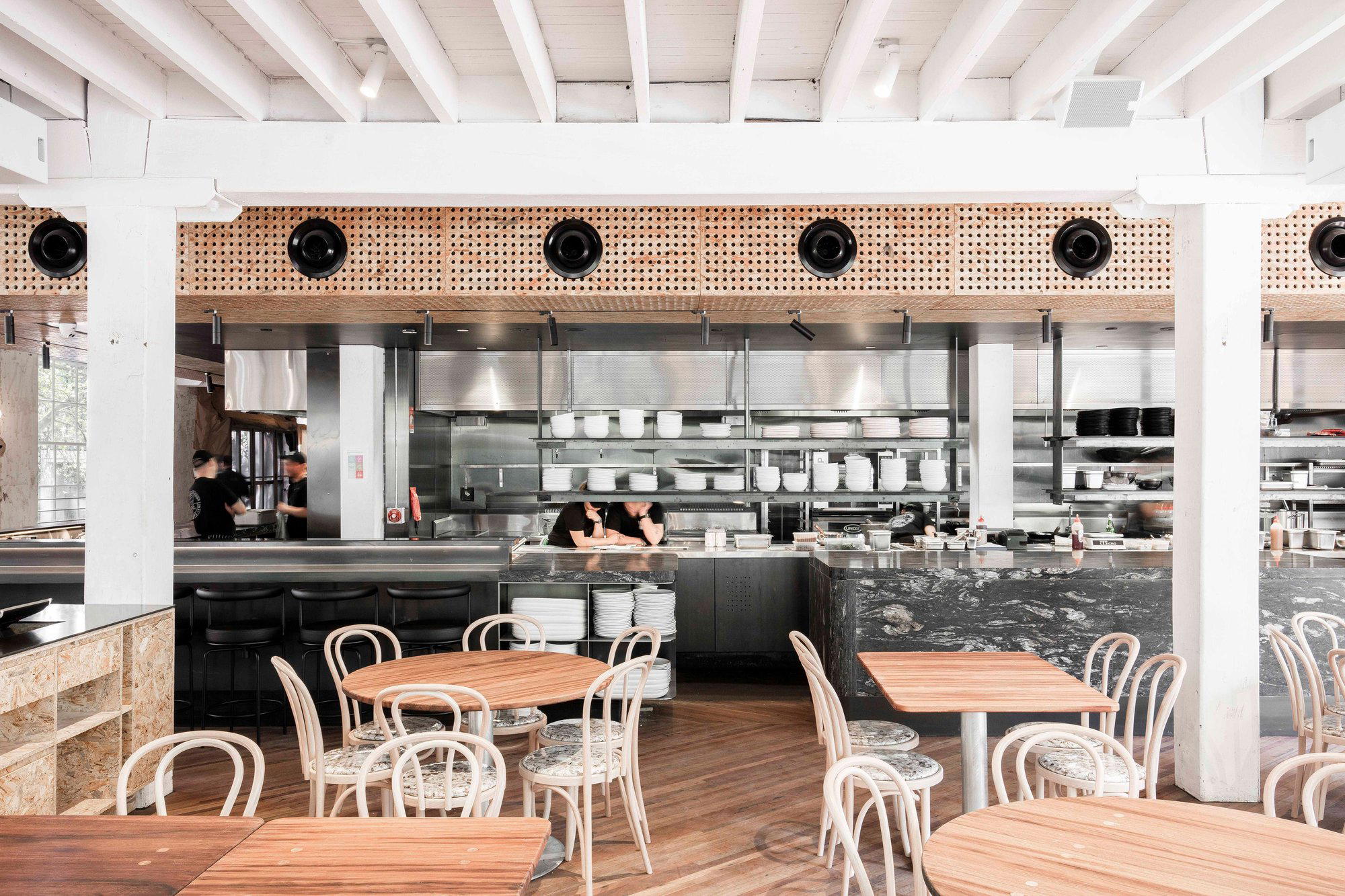
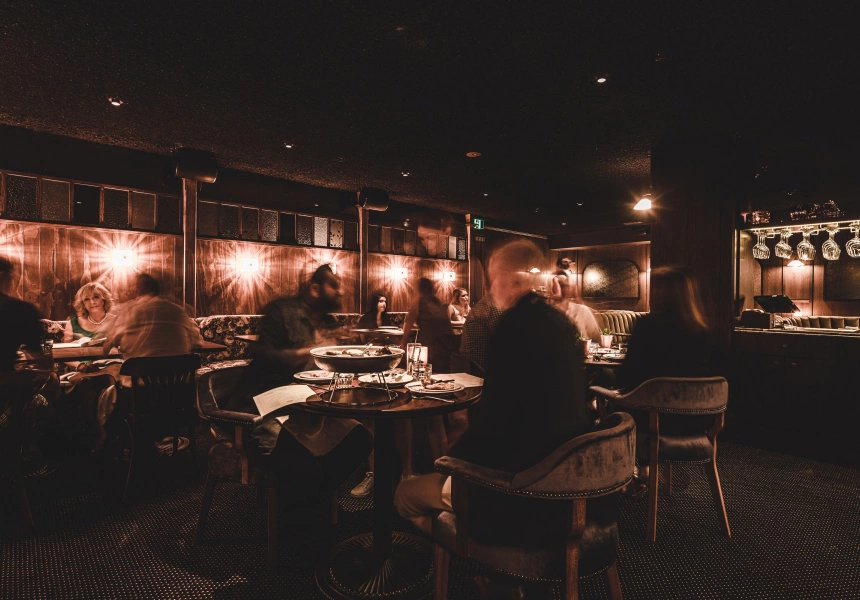
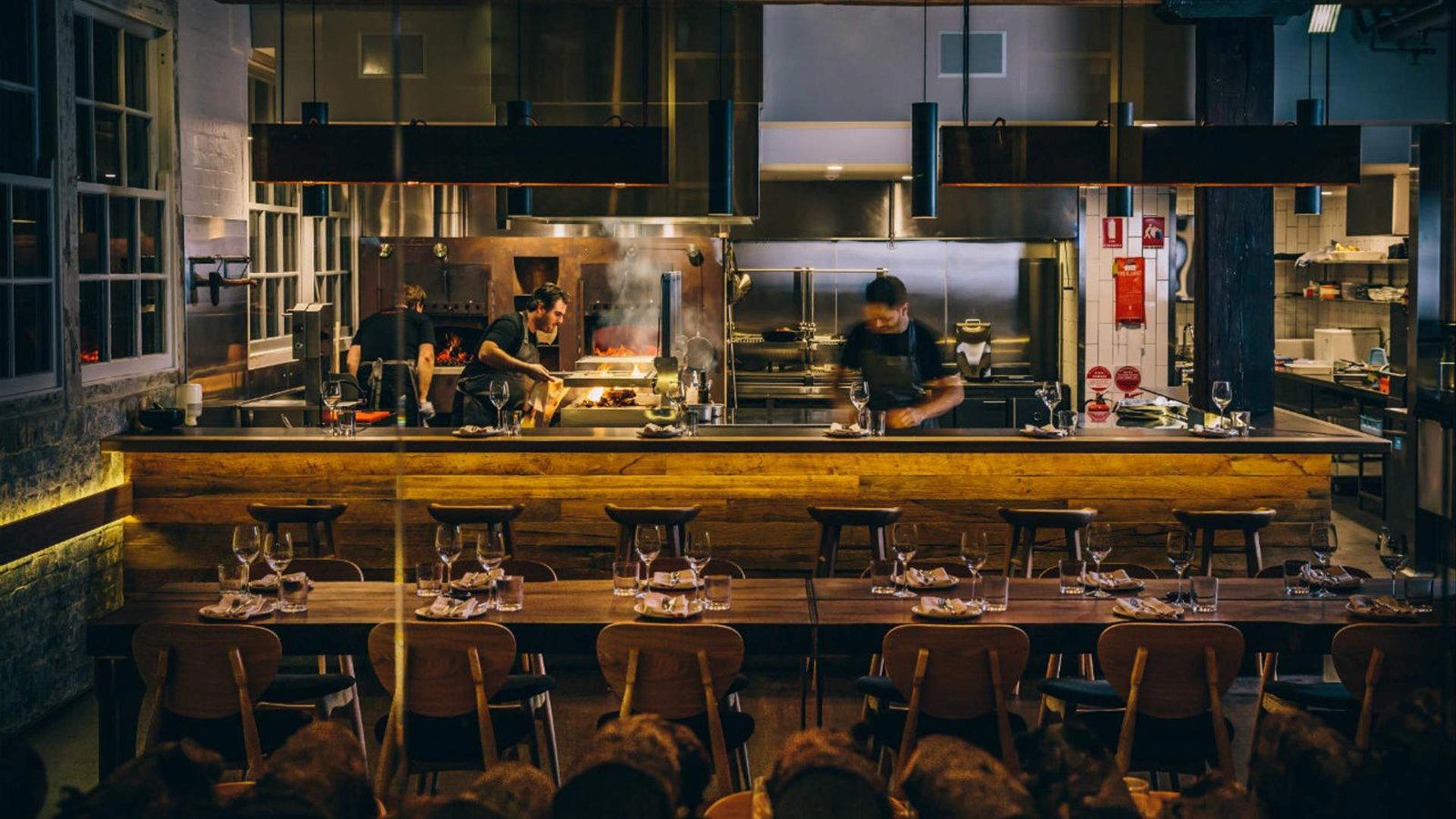
Bars in Sydney
Browse all →
Hotels in Sydney
Browse all →




Details
- Cozy
- Elegant
- Classic
- Date Night
- Group Dining
- Family
- Casual Hangout
- Open Kitchen
- Extensive Wine List
- A La Carte
- Vegetarian Friendly
- Vegan Options
- Gluten Free Options
- Halal
Relaxed, softly lit dining room with cozy and pleasant atmosphere, featuring beautiful lanterns and symmetrical open space.