Our verdict
Sherwal serves Mediterranean-Middle Eastern fusion in Sydney, with a beer program, casual service, and dishes like Sujuk Benedict and Margherita Woodfire Pizza.

Pearl is the En Primeur Club membership app — saves, bookings, and concierge access live there. Same editors, same standards.
- Address
- Queen Victoria Building, Shop 44; Level 1, 455 George St, Sydney NSW 2000, Australia
- Phone
- +61292832807
- Hours
- Mon–Wed 10 AM–7 PMThu 10 AM–8 PMFri 10 AM–7 PMSat 9 AM–7 PMSun 9 AM–5 PM
- Website
- sherwal.com.au
- Directions
- Get directions
- Booking
- Book on OpenTable
The menu
What to order
- Sujuk Benedict
- Bacon Benedict
- Margherita Woodfire Pizza
Inside the Queen Victoria Building: Where Middle Eastern Tradition Meets a Sydney Institution
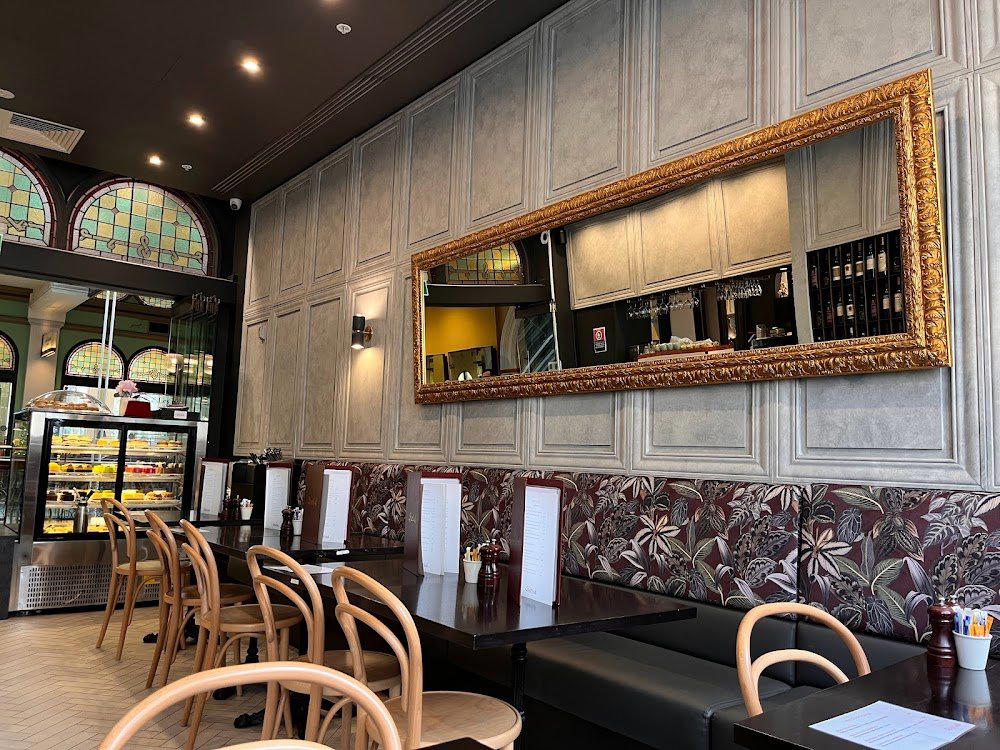
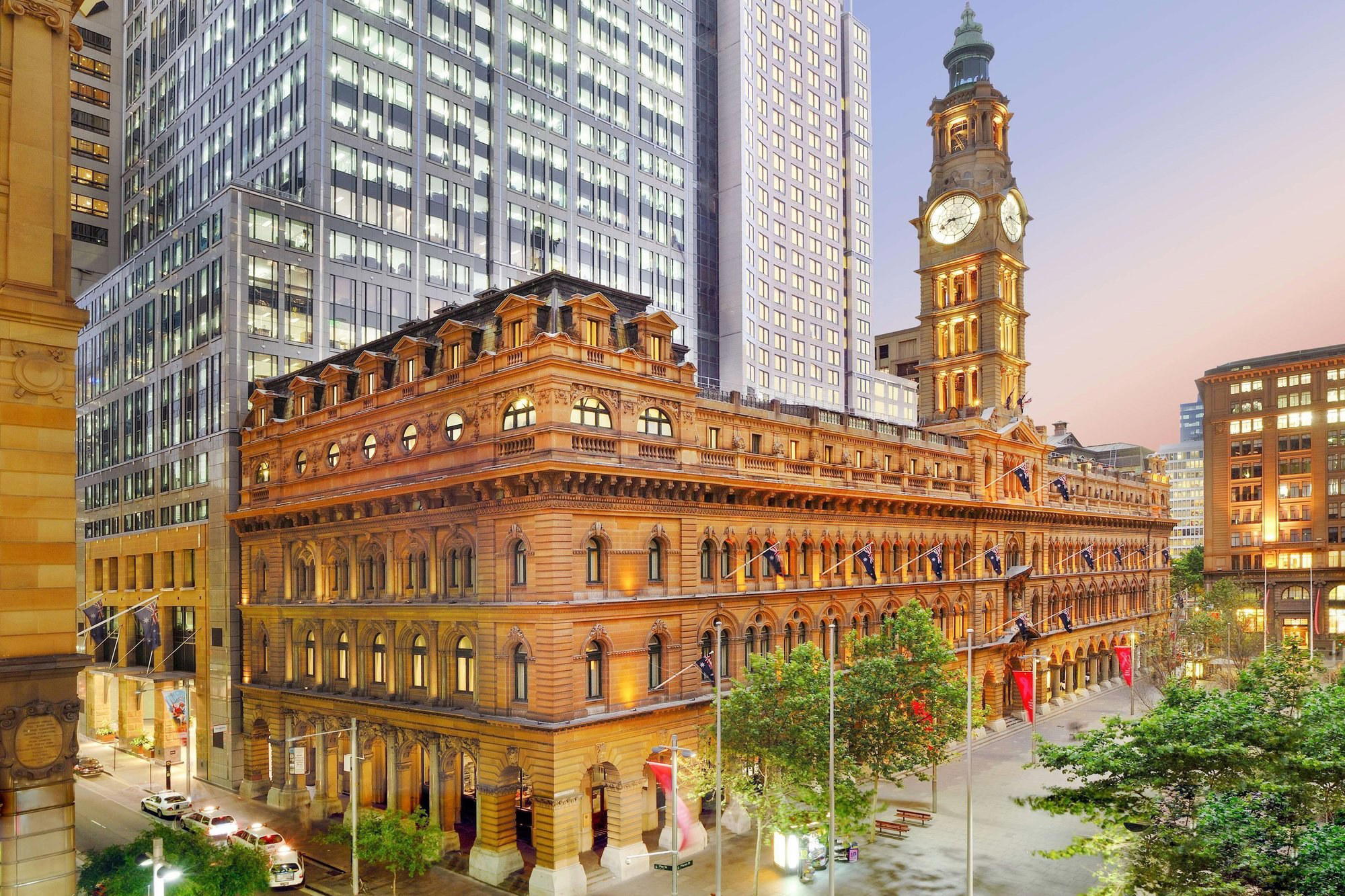
The Queen Victoria Building on George Street is one of Sydney's most architecturally considered retail spaces, a Romanesque Revival structure from 1898 whose stained-glass windows and tessellated floor tiles make it an unlikely but entirely appropriate home for serious food. Level 1, Shop 44 is where Sherwal operates, positioned inside a building that, despite its heritage designation and tourist foot traffic, has quietly become host to a range of dining formats that go beyond the typical shopping-precinct fare. That context matters: eating at Sherwal is not an airport-terminal experience dressed up in grand surroundings. The building provides something rarer in central Sydney dining, a sense of place that predates the venue itself.
The Cultural Weight Behind the Cuisine
Middle Eastern cuisine in Australia has a layered history. Waves of Lebanese, Syrian, Turkish, and Iraqi migration from the 1970s onward seeded a diaspora food culture that settled most visibly in western Sydney suburbs like Lakemba and Punchbowl, where family-run restaurants and bakeries have operated for decades without any particular interest in mainstream recognition. What has shifted more recently is the movement of that cuisine into central city dining, where a younger generation of cooks and restaurateurs is drawing on those same traditions but addressing a broader audience and a more varied price tier.
Sherwal operates within that broader shift. The name itself signals origin: a sherwal is a style of traditional trousers worn across the Levant and parts of Central Asia, an item of clothing that carries cultural weight in the same way that the food does. Naming a restaurant after a garment worn daily in its source culture is a different gesture from naming it after a dish or a founder, and it points toward an identity rooted in place and people rather than a single product or personality.
For Sydney diners accustomed to the Australian-modern registers of venues like Rockpool or the seafood focus of Saint Peter, Sherwal offers a different entry point: cuisine that does not derive from local produce narratives or European technique lineages but from an older, spice-led cooking tradition with deep communal roots.
The QVB Location as Context
Placing a Middle Eastern restaurant inside the QVB is a deliberate statement about accessibility and visibility. The building draws a cross-section of Sydney that few standalone restaurant locations can match: office workers, international visitors, locals on weekend errands, and commuters passing through. For a cuisine that has historically been concentrated in specific postcodes, that central placement broadens the potential conversation considerably.
The practical logistics of the QVB also shape the dining experience in specific ways. Level 1 sits above the ground-floor retail but below the building's upper gallery, a position that captures the ambient energy of the building without the full noise load of the ground level. The heritage architecture provides acoustic and visual texture that a purpose-built restaurant space would require significant investment to approximate.
For broader context on where Sherwal sits within the Sydney dining scene, our full Sydney restaurants guide maps the city's dining options across neighbourhoods and price tiers. Comparable heritage-building dining formats exist across the city, with venues like 10 Pounds and 10 William St demonstrating how Sydney operators have found distinctive dining identities within architecturally significant or character-rich spaces.
Middle Eastern Cuisine in the Australian Context
The broader Australian dining scene has been slower than comparable cities to place Middle Eastern cuisine in premium or mainstream central-city settings. Melbourne has seen earlier movement in this direction, with venues across Fitzroy and Collingwood drawing on Lebanese and Persian traditions, while Sydney's equivalent dining has remained more dispersed. The concentration of quality at the price-accessible end, particularly in western Sydney, has historically made it difficult for CBD-based operators to compete on the terms that diaspora communities apply.
What changes the equation is a willingness to hold ground on the culinary tradition rather than adapt it toward local-modern conventions. The spice combinations of the Levant, the bread-centred structure of many Middle Eastern meals, and the communal serving formats that define the tradition are not elements that benefit from fusion dilution. The restaurants that have built real credibility in this space, whether in Sydney, Melbourne, or internationally at venues like Le Bernardin in New York setting a parallel standard in French seafood, tend to be those that treat the source tradition as complete rather than as raw material for reinterpretation.
For regional comparison, venues like Jaani Street Food in Ballarat and Kulcha Restaurant in Wollongong show how non-European food traditions are finding audiences well beyond metropolitan centres, a pattern that reflects genuine appetite rather than novelty. Melbourne's dining scene offers additional comparison points through venues like Attica and Brae in Birregurra, which have built internationally recognised identities around Australian-origin thinking, while Bar Carolina in South Yarra and Barry Cafe in Northcote reflect the Melbourne mid-market's own diversity of influence. Venues like bills in Bondi Beach, Johnny Bird in Crows Nest, and Hungry Wolfs in Newcastle round out a picture of how Sydney and New South Wales dining has diversified its reference points well beyond European tradition.
Planning Your Visit
Sherwal is located on Level 1 of the Queen Victoria Building at 455 George St, Sydney NSW 2000, accessible from multiple George Street and York Street entrances. The QVB sits directly above the Town Hall and QVB light rail and metro stations, making it direct to reach from across the city without requiring private transport. For international visitors, the CBD location places Sherwal within walking distance of major hotel precincts in the Rocks, Darling Harbour, and the lower CBD. Given the limited specific operational data currently available, contacting the venue directly via the QVB building management or visiting in person is advisable for current hours and booking arrangements. Sydney's CBD dining scene runs a lunch service oriented toward office workers and a dinner service that extends to later evening hours, with weekend trade driven by visitors and residents alike; the QVB context suggests Sherwal follows a similarly broad operating window.
For those exploring the area further, the George Street corridor and surrounding laneways connect to a broader set of dining options documented in EP Club's Sydney guide, and for Korean fine dining comparison internationally, Atomix in New York demonstrates the kind of cultural-specificity approach that resonates with informed diners seeking cuisine rooted in tradition rather than trend. Quick reference: Queen Victoria Building, Shop 44, Level 1, 455 George St, Sydney NSW 2000; accessible via Town Hall Station.
Frequently asked questions
What's Sherwal's location?
Sherwal is located at Queen Victoria Building, Shop 44; Level 1, 455 George St, Sydney NSW 2000, Australia, Sydney.
Is Sherwal a good option for a quick lunch near Town Hall Station in Sydney?
Sherwal's address at Level 1 of the Queen Victoria Building, 455 George St, puts it within a few minutes' walk of Town Hall Station, making it one of the more accessible Middle Eastern dining options for workers and visitors in Sydney's CBD core. The QVB's central George Street entrance keeps transit time minimal from the city's main rail interchange. For time-pressed diners, the location alone reduces friction that typically comes with off-street or laneway venues in the 2000 postcode.
What makes Sherwal worth seeking out?
Sherwal occupies a gap in Sydney's CBD dining: Middle Eastern cuisine inside the Queen Victoria Building, a Romanesque Revival structure on George Street that draws locals, office workers, and visitors in roughly equal measure. Central-city Middle Eastern restaurants at this kind of address remain relatively sparse in Sydney compared to equivalent dining hubs in Melbourne or London. The Town Hall Station access makes it one of the more logistically convenient options in the 2000 postcode.
What if I have allergies at Sherwal?
Middle Eastern cuisine traditions frequently feature sesame (tahini, hummus), tree nuts, and wheat across multiple dishes, so diners with relevant allergies should speak directly with staff at the Level 1 QVB counter before ordering. Do not rely on general assumptions about the cuisine.
Is Sherwal good value for money?
Broadly, Middle Eastern cuisine in the Sydney CBD tends to sit at accessible price points relative to the neighbourhood's fine-dining and modern Australian alternatives. The QVB location at 455 George St places it in a precinct where comparable fast-casual to mid-range meals run AUD 15–30 per person, though Sherwal's specific pricing should be verified on-site.
Price Lens
Comparable venues nearby, for context on price, style, and recognition.
| Venue | Cuisine | Price | Notes |
|---|---|---|---|
| SherwalThis venue — the venue you are viewing | Mediterranean-Middle Eastern Fusion | $20–30 | Not listed |
| Mase and Co | Modern Mediterranean Fusion | Not listed | Merrylands, Modern Mediterranean Fusion |
| Mary's City | American Burgers and Fried Chicken | $20–30 | Central Business District, American Burgers and Fried Chicken |
| An An Vietnamese Eatery | Authentic Northern Vietnamese | $20–30 | Sydney, Authentic Northern Vietnamese |
| Chat Thai - Circular Quay | Authentic Thai Street Food | $20–30 | Sydney, Authentic Thai Street Food |
| Jazushi | Japanese Fusion with Live Jazz | $30–50 | Surry Hills, Japanese Fusion with Live Jazz |
Continue exploring
More in Sydney
Restaurants in Sydney
Browse all →
Bars in Sydney
Browse all →
Hotels in Sydney
Browse all →

Details
- Casual
- Modern
- Lively
- Casual Hangout
- Family
- Group Dining
- Brunch
- Historic Building
- Beer Program
- A La Carte
- Wine
- Beer
- Vegetarian Friendly
Current opening hours
- Monday
- 10 AM–7 PM
- Tuesday
- 10 AM–7 PM
- Wednesday
- 10 AM–7 PM
- Thursday
- 10 AM–8 PM
- Friday
- 10 AM–7 PM
- Saturday
- 9 AM–7 PM
- Sunday
- 9 AM–5 PM
Hours can change for holidays and private events. Last verified .
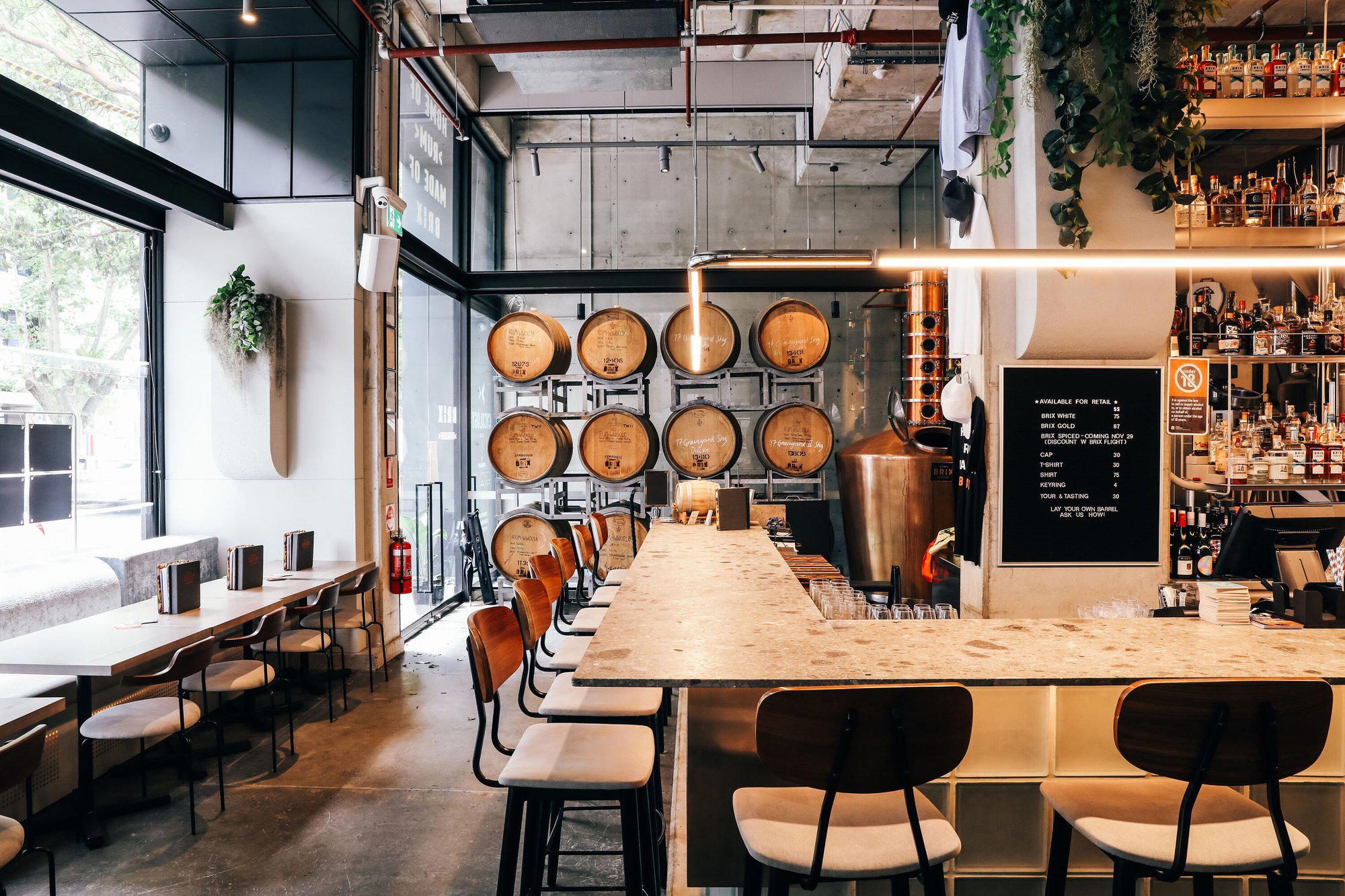
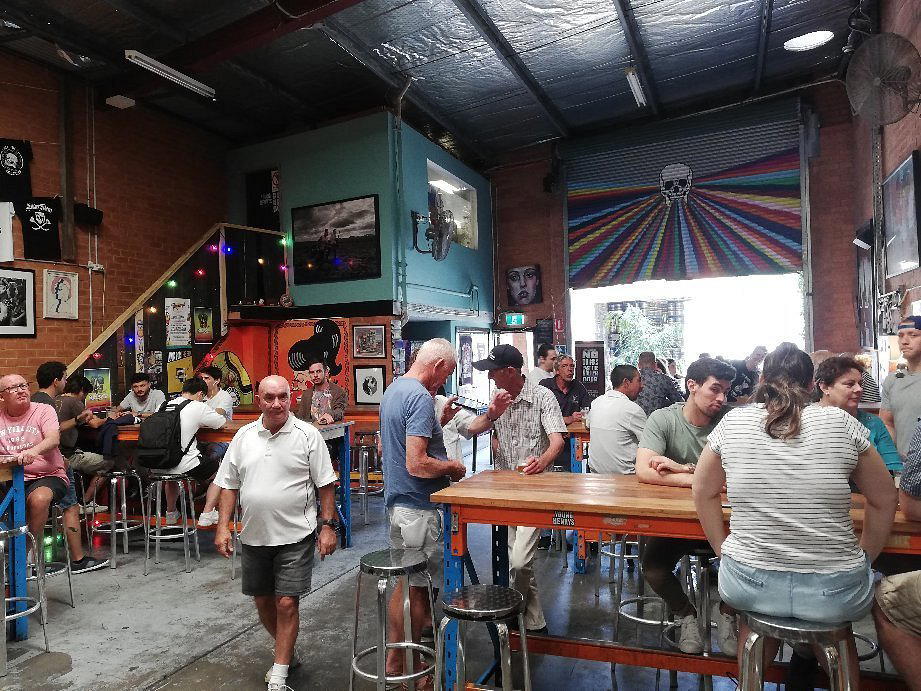
Casual, cafe-style dining with a warm, welcoming atmosphere that feels like home while offering a Mediterranean getaway experience in the city.