marlu
Marlu sits on Sint-Genesius-Rode's central square, a commune south of Brussels where the Brabant countryside begins to assert itself over the suburban sprawl. The venue occupies a setting that rewards those willing to leave the capital behind for an evening. Details on format, menu, and pricing are best confirmed directly before visiting.
Pearl is the En Primeur Club membership app — saves, bookings, and concierge access live there. Same editors, same standards.
- Address
- Onze-Lieve-Vrouw-Voorplein 3, 1640 Sint-Genesius-Rode, Belgium
- Phone
- +3223804451
- Website
- restaurantmarlu.be
- Directions
- Get directions
 Saves & bookings on Pearl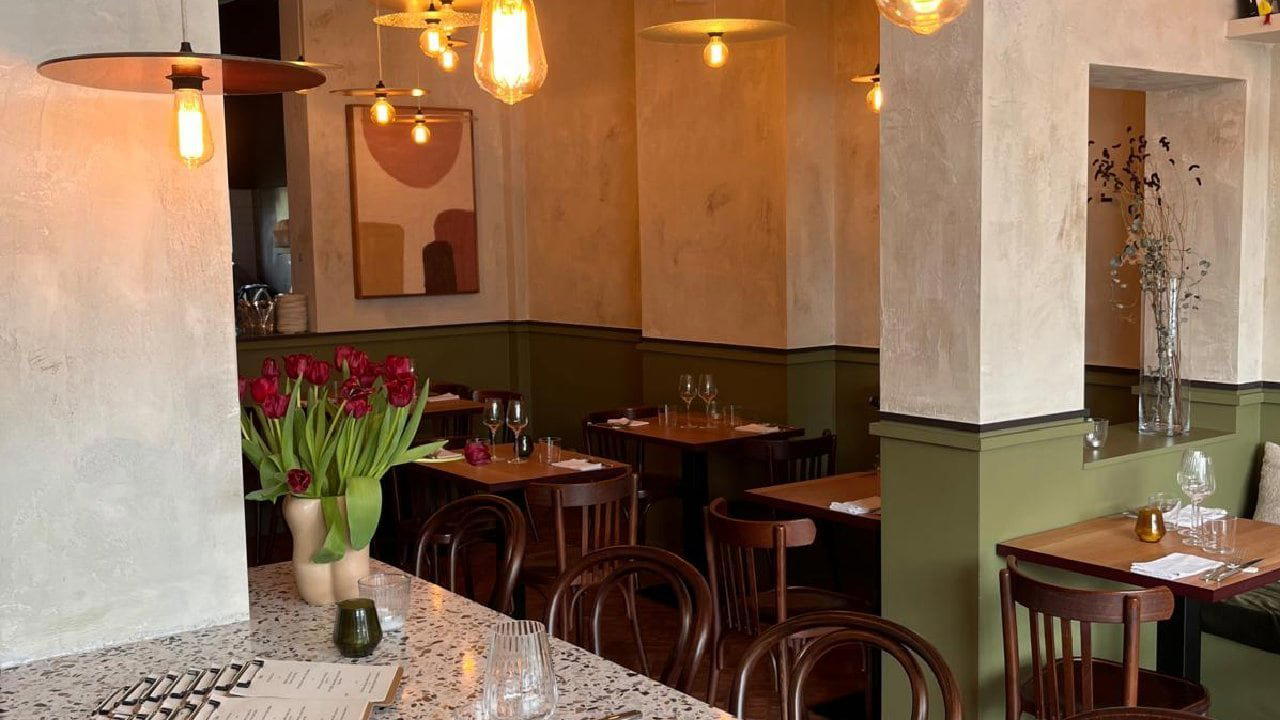
A Square in the Southern Communes
Sint-Genesius-Rode occupies an unusual position in the Belgian dining conversation. It sits close enough to Brussels to draw a professional crowd but far enough south that the pace and physical character of the place feel genuinely different from the inner city. The Onze-Lieve-Vrouw-Voorplein, the village square where marlu is addressed, has the kind of settled, stone-and-plaster quality that Brussels' restaurant quarters gave up to development some decades ago. Arriving here in the early evening, with the square's proportions holding the last of the light, the premise of a neighbourhood restaurant feels more legible than it does in most urban settings. The scale is human. The surrounding streets are quiet. That context matters for understanding what marlu is and what it is not.
Belgium's dining culture has long operated on a tension between city-centre ambition and provincial depth. The country's most discussed restaurants in recent years, from Hof van Cleve in Kruishoutem to Boury in Roeselare, have predominantly been found outside the capital, embedded in smaller communities where local supply chains are shorter and kitchen costs allow for a different kind of focus. Sint-Genesius-Rode belongs to this broader pattern: a commune where a serious restaurant can operate without the overhead and footfall dependency that shapes every decision in a Brussels dining room. Marlu's address on the main square places it squarely in that tradition.
Ingredient Sourcing and the Belgian Provenance Question
One consequential editorial question for any restaurant in the southern Brabant communes is where its food comes from and how seriously that question is being asked. Belgium has a sophisticated short-supply tradition that predates the European farm-to-table rhetoric by several decades. Flemish and Walloon producers, market gardeners in particular, have supplied serious kitchens through direct relationships that never required the marketing language that arrived from Scandinavia in the 2010s. The proximity of Sint-Genesius-Rode to both the Brussels wholesale market infrastructure and the agricultural zones of the Brabant Wallon means that a kitchen here has access to a supply network that larger city restaurants sometimes cannot work as directly.
This matters because it shapes what a restaurant in this location can plausibly do with seasonal produce. The Sonian Forest, which borders the commune to the north and east, has historically supplied foragers and kitchen suppliers with material that does not reach central Brussels markets at the same quality or price. The Brabant plateau's agricultural character, shifting from intensive market gardening closer to the city to more extensive pastoral farming further south, creates a layered sourcing geography. Restaurants that engage with that geography, rather than defaulting to the same consolidated suppliers used by Brussels establishments, tend to produce cooking with a distinctly local register. Whether marlu operates within that tradition is something a visit would confirm, but the address strongly suggests the conditions for it are present.
For comparison, L'Air du Temps in Liernu and Willem Hiele in Oudenburg represent the more documented end of this Belgian provenance commitment, with both operating kitchen gardens or verified direct producer relationships. They serve as reference points for what serious regional sourcing looks like at the summit of the Belgian market, though they occupy a different price tier and level of formal recognition than a local square restaurant in Sint-Genesius-Rode would typically claim.
The Sint-Genesius-Rode Dining Context
The commune's dining options are modest in number but cover distinct registers. Chez Eddy and The Cacao Tree represent different points on the local offer, while Yijiangnan at the €€ price point provides a Chinese alternative for residents who want variety without travelling into the city.
The broader Brussels orbit includes some of Belgium's most formally recognised restaurants. Bozar Restaurant in Brussels operates within the city at a higher formality register, while Zilte in Antwerp and De Jonkman in Sint-Kruis anchor the Flemish end of the country's serious dining map. For those tracking Belgium's full range, our full Sint-Genesius-Rode restaurants guide provides one current local picture. Further afield, Castor in Beveren, Bartholomeus in Heist, La Durée in Izegem, d'Eugénie à Emilie in Baudour, and La Table de Maxime in Our illustrate the geographic spread of Belgian kitchen ambition across provinces. For an international frame of reference, the produce-driven precision of Le Bernardin in New York and the tasting-menu rigour of Atomix in New York show what sustained institutional commitment to ingredient sourcing and format discipline can produce over time.
Planning a Visit
Sint-Genesius-Rode is accessible from Brussels by train on the line towards Nivelles and Ottignies, with the village station a short walk from the central square. By car, the commune is approximately 15 kilometres south of the Brussels ring. Marlu is recommended for reservations. It is priced at about $40 per person. The square itself is easy to locate on arrival, and the village is compact enough that the restaurant is findable without difficulty once you are there. For those combining a southern Brabant evening with a broader Belgian itinerary, the proximity to the Sonian Forest means the area repays arriving in daylight before a dinner reservation.
Comparison Snapshot
Comparable venues nearby, for context on price, style, and recognition.
| Venue | Cuisine | Price | Awards | Notes |
|---|---|---|---|---|
| marluThis venue — the venue you are viewing | Modern French Neo-Bistro | $$$ | Not listed | Not listed |
| The Cacao Tree | Belgian Chocolatier | $ | Not listed | Sint-Genesius-Rode |
| Chez Eddy | Traditional Belgian Brasserie | $$ | Not listed | Rhode-Saint-Genese |
| Yijiangnan | Chinese | $$ | Michelin Plate | Sint Genesius Rode |
| Av. Louise 390 | Hidden French Bistro | $$$ | Not listed | Ter Kameren |
| 65 degrés | Modern French Gastronomic | $$$ | Not listed | Ixelles |
Continue exploring
More in Sint Genesius Rode
Restaurants in Sint Genesius Rode
Browse all →
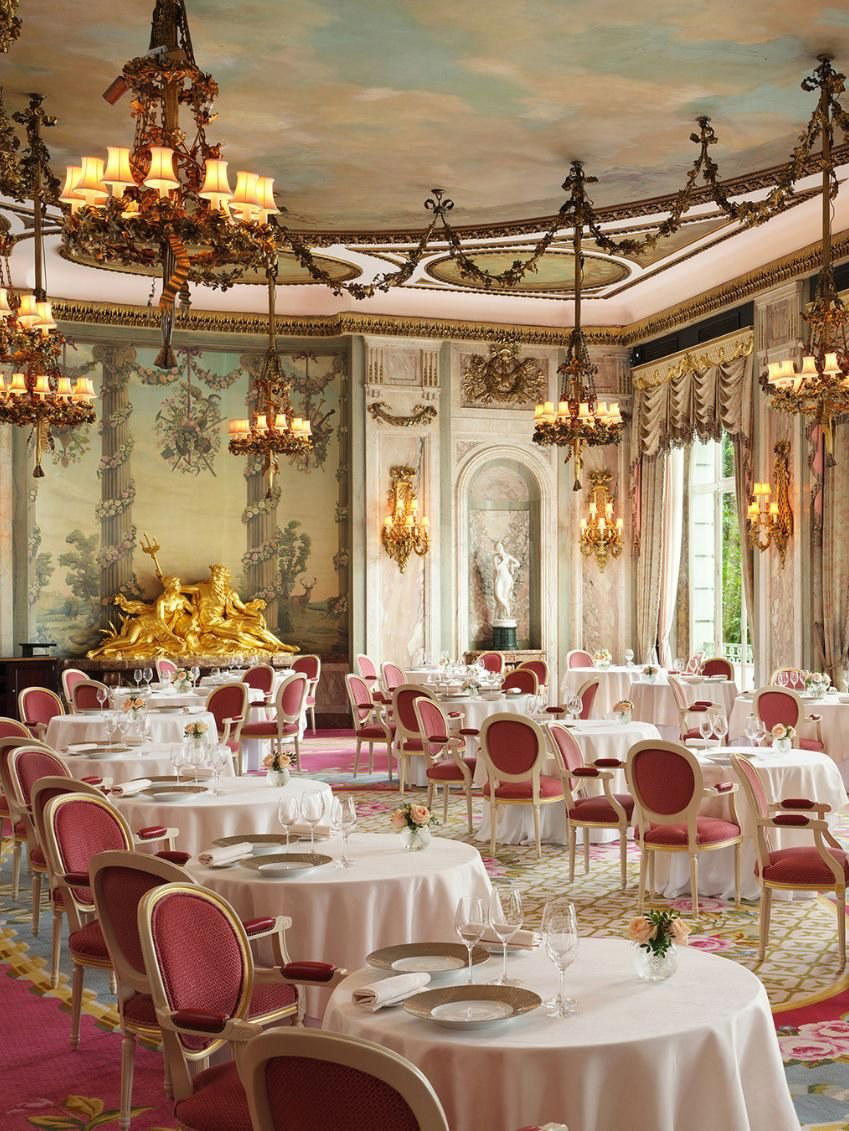
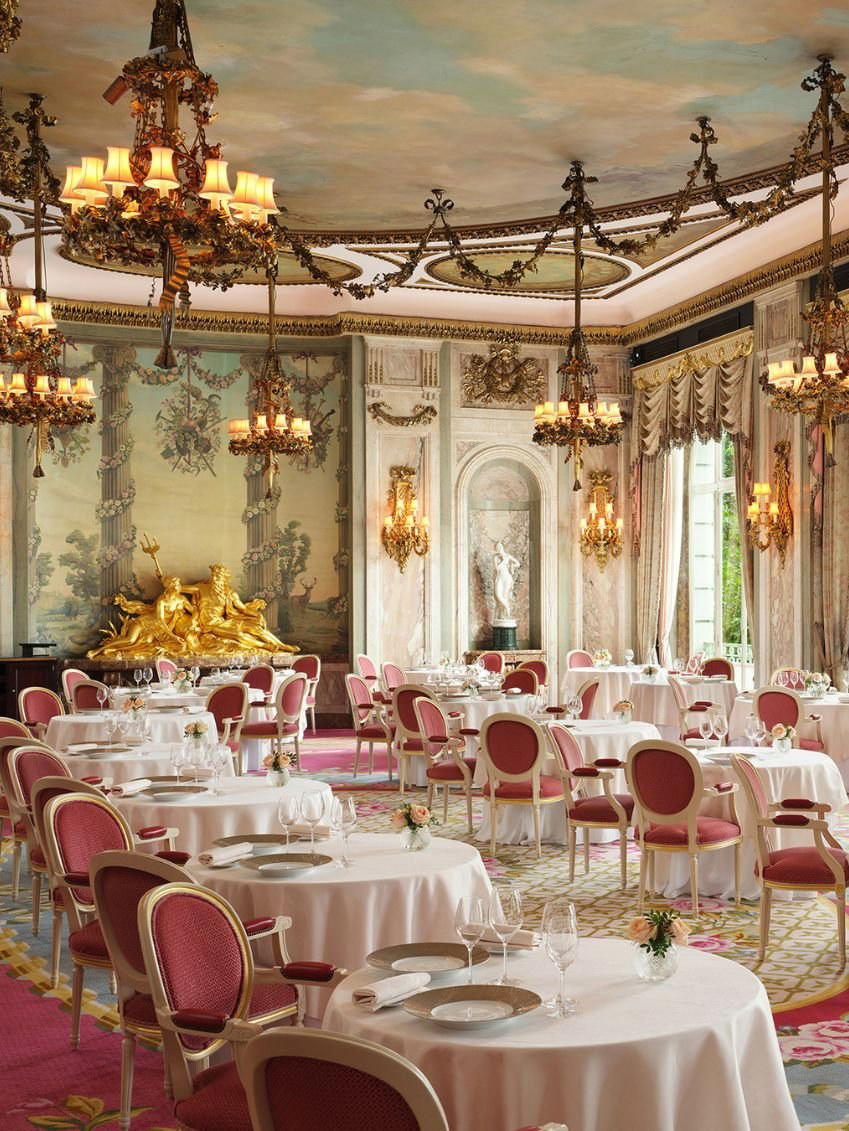
Bars in Sint Genesius Rode
Browse all →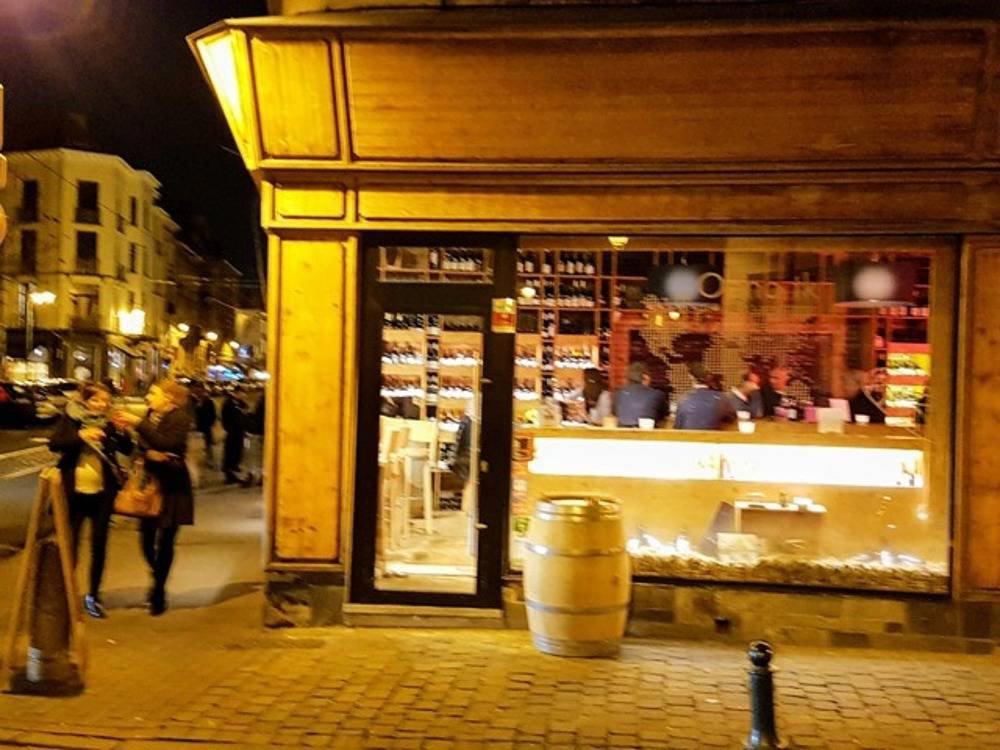
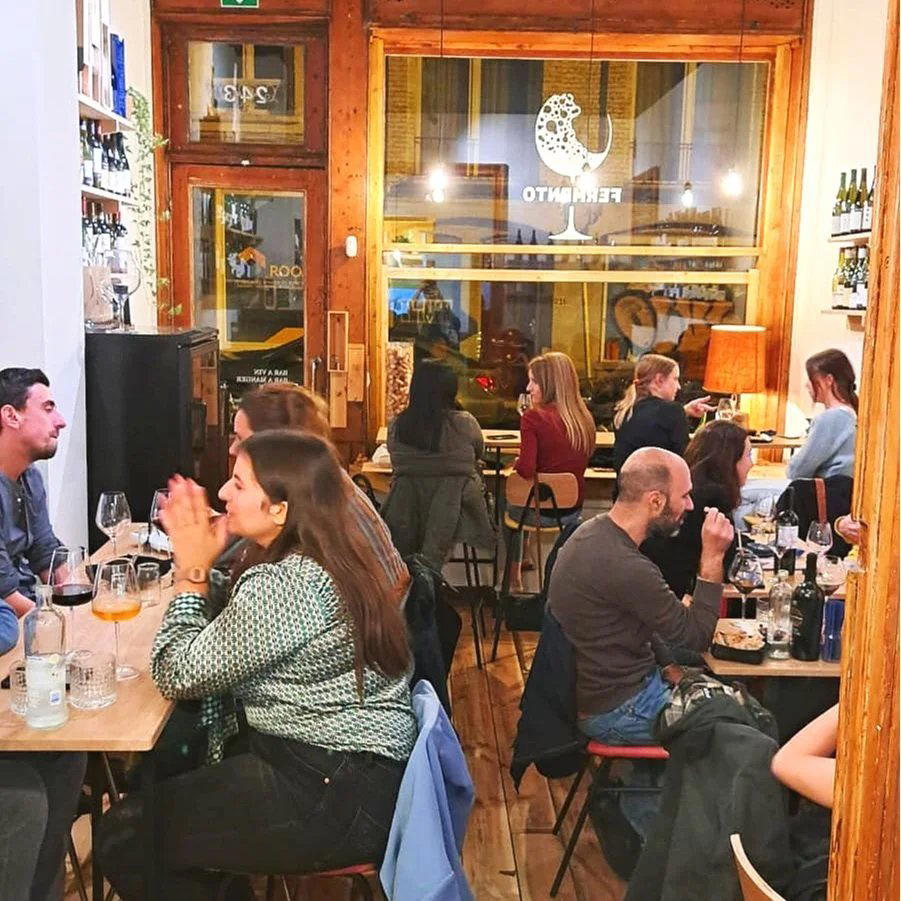
At a Glance
- Elegant
- Modern
- Cozy
- Intimate
- Date Night
- Special Occasion
- Open Kitchen
- Natural Wine
- Local Sourcing
Current opening hours
- Monday
- Closed
- Tuesday
- 12–2 PM, 7–9 PM
- Wednesday
- 12–2 PM, 7–9 PM
- Thursday
- 12–2 PM, 7–9 PM
- Friday
- 12–2 PM, 7–9 PM
- Saturday
- Closed
- Sunday
- Closed
Hours can change for holidays and private events. Last verified .
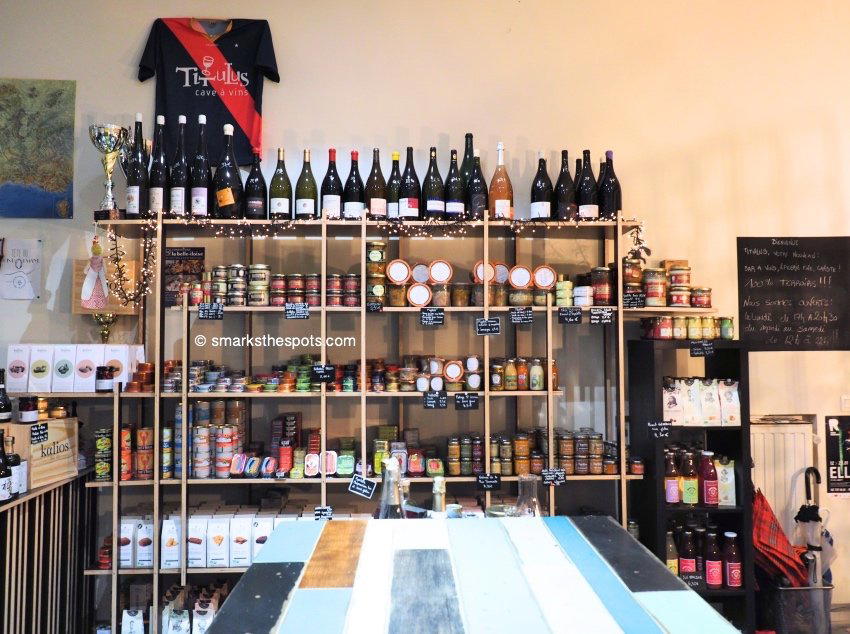
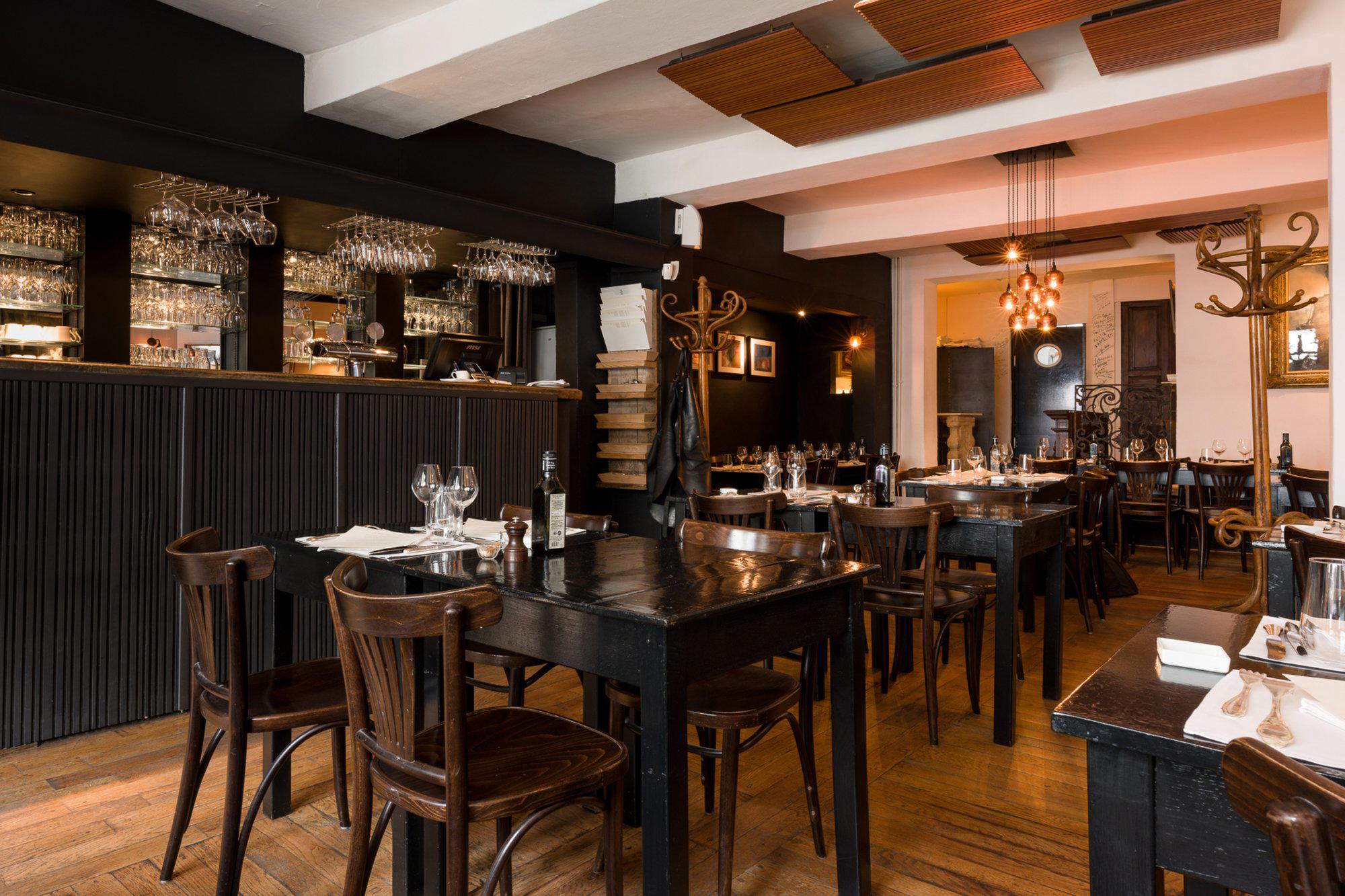
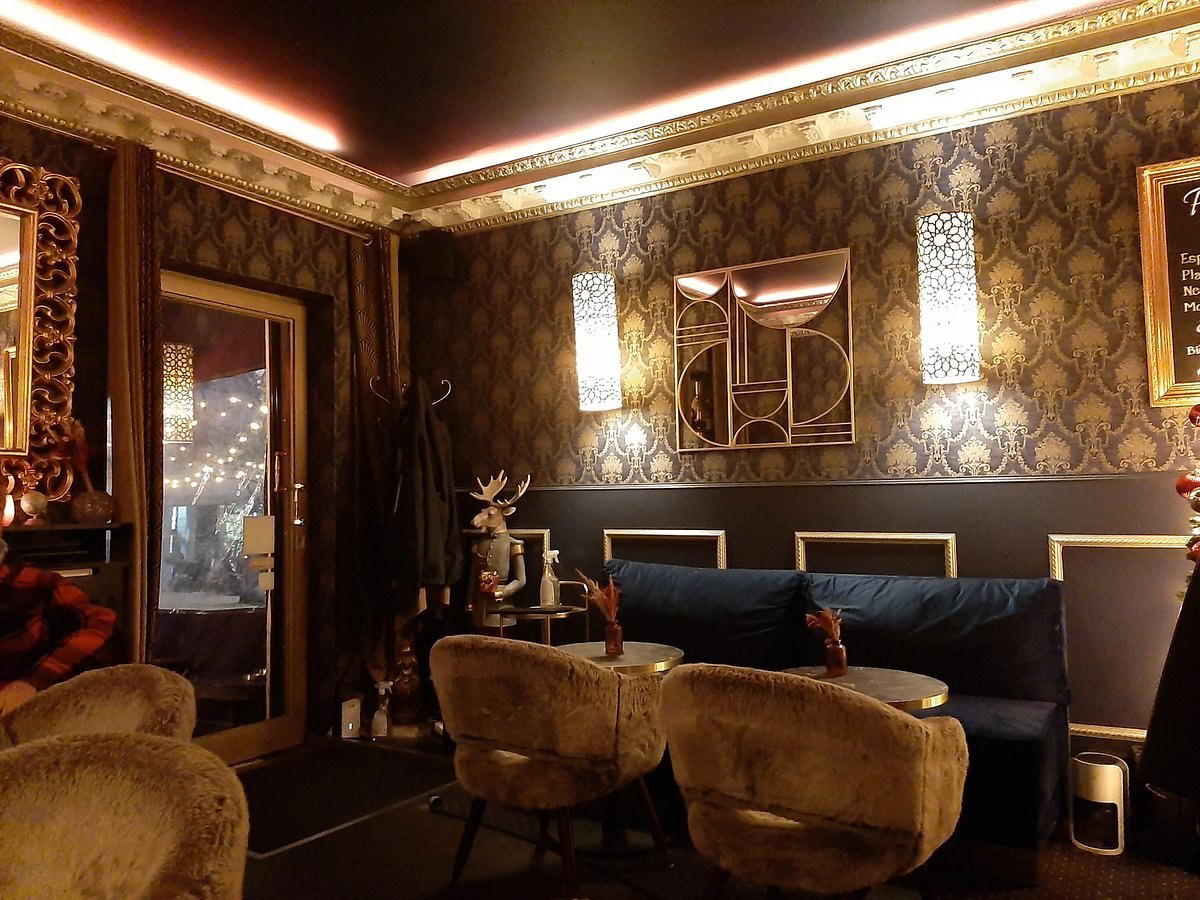
Warm modern ambiance with lively buzz, leather-like parquet, tadelakt walls, and terrazzo bar.