On a quiet street in Zadar's old town, The Botanist works within a broader shift in Dalmatian dining toward herb-led, foraged, and garden-sourced cooking. The address places it steps from the Roman Forum, inside a city whose restaurant scene has grown considerably more serious in recent years. For visitors tracking ingredient-driven cooking along the Croatian Adriatic, it warrants a place on the itinerary.
Pearl is the En Primeur Club membership app — saves, bookings, and concierge access live there. Same editors, same standards.
- Address
- Ul. Mihovila Pavlinovića 4, 23000, Zadar, Croatia
- Phone
- +385924232296
- Website
- botanistzadar.com
- Directions
- Get directions
 Saves & bookings on Pearl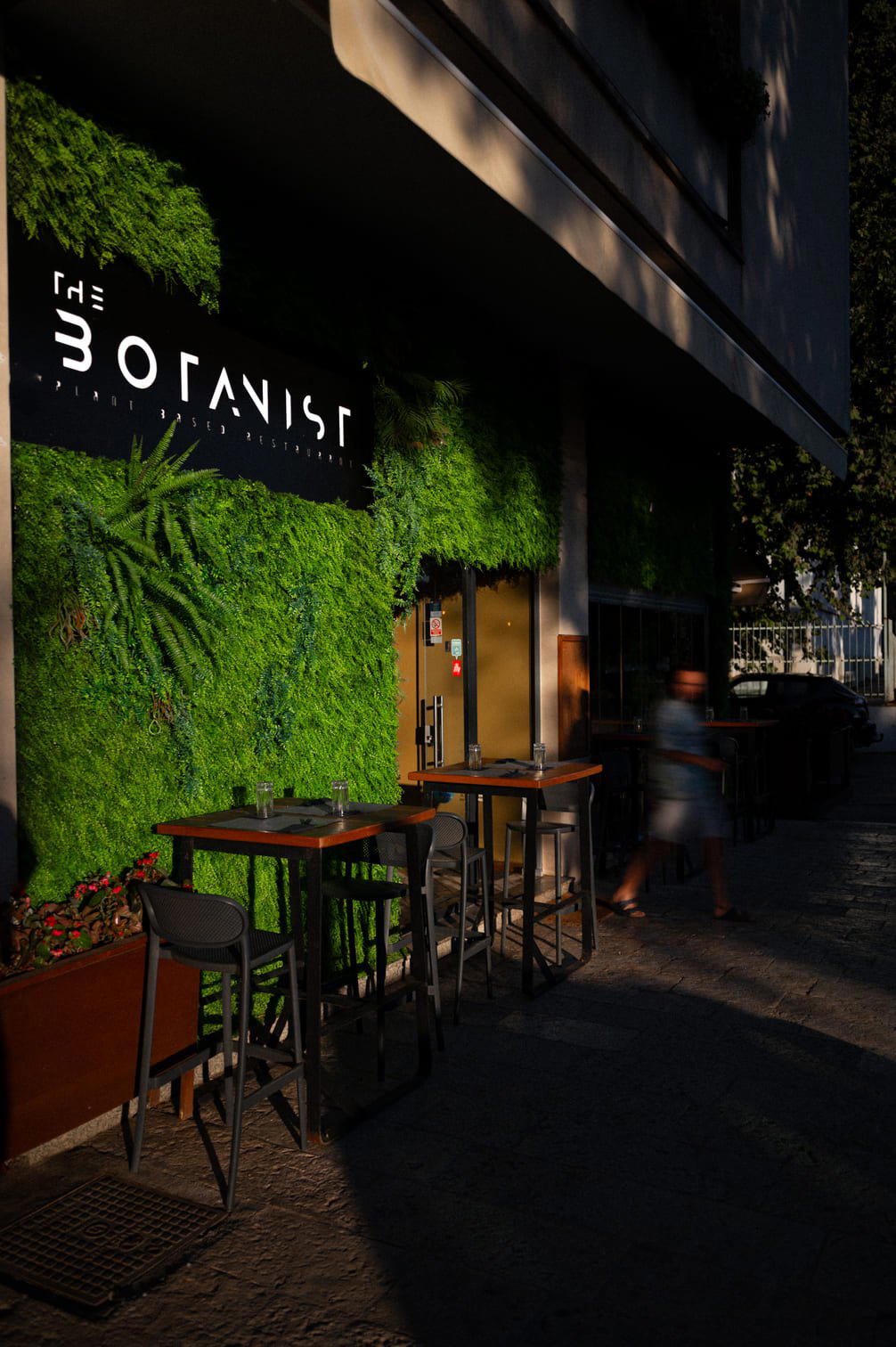
Where Foraging Meets the Adriatic Table
Zadar's old town is compact enough that nearly every restaurant sits within a ten-minute walk of the Roman Forum, but the dining scene it contains has become meaningfully stratified. On one side you have the harbour-facing classics, Foša and Kornat among them, where grilled fish and brodetto have anchored menus for decades. On the other, a smaller and more recent tier has emerged, drawing on Dalmatia's agricultural hinterland, its Adriatic coastline, and the botanical specificity that defines the region's traditional larder. The Botanist, a restaurant in Zadar at Ul. Mihovila Pavlinovića 4, sits inside that second current.
The name is not incidental. Across Dalmatia and the islands, the practice of gathering wild herbs, sea fennel, myrtle berries, and coastal greens predates restaurant culture by centuries. What the newer generation of Croatian kitchens has done is formalise and reframe those sourcing traditions within contemporary cooking formats. The Botanist's address in Zadar places it at the intersection of that shift: a city with Roman foundations and a food culture shaped equally by its sea access, its karst hinterland, and centuries of Venetian influence on curing, preserving, and flavouring.
The Ingredient Logic of Dalmatian Coastal Cooking
To understand what a botanically framed restaurant means in this part of Croatia, it helps to think about the specific geography of the Zadar region. The Velebit mountain range sits close to the coast, creating microclimates that support a dense range of aromatic plants: wild sage, rosemary, lavender, and species of thyme found nowhere else in significant concentration. The islands of the Zadar archipelago, Dugi Otok, Pašman, Ugljan, have their own foraging cultures, particularly around sea-washed herbs and shellfish beds. A kitchen that takes sourcing seriously in this region has a notable raw material base to work with.
This is the context in which ingredient-led restaurants along the Croatian Adriatic have found their strongest footing. Operations like Boskinac in Novalja and Pelegrini in Sibenik have built reputations on precisely this kind of regional specificity, the former pairing its kitchen output with estate wine production on Pag island, the latter earning Michelin recognition for its commitment to Šibenik-area provenance. Further up the coast, Agli Amici Rovinj and Nebo by Deni Srdoč in Rijeka operate within similar frameworks, treating local sourcing not as a marketing position but as a structural constraint that shapes what goes on the plate.
Zadar's own scene has been slower to develop this depth than Split or Dubrovnik, partly because it draws a slightly different visitor profile, more independent travellers, more regional Croatian tourists, and the large summer influx that arrives through the airport and ferry connections to the islands. That visitor mix has historically supported volume-driven, tourist-facing dining more than format-driven, ingredient-focused kitchens. The emergence of addresses like The Botanist signals that the balance is shifting.
The Old Town Setting and What It Signals
The physical environment of Zadar's old town exerts its own pressure on the dining experience. The streets around Ul. Mihovila Pavlinovića are narrow, stone-paved, and relatively sheltered from the main tourist corridors that run along the sea wall toward the Sea Organ. Arriving in the early evening, before the old town fills completely, the neighbourhood has the specific character of a working Mediterranean city rather than a set-piece heritage site. That setting matters for a restaurant named after a botanical tradition: it places the eating experience inside actual Zadar rather than a performance of it.
Seasonality sharpens this further. Dalmatia's shoulder seasons, late April through early June and September through October, are when the foraging calendar and the tourist calendar overlap most productively. Wild asparagus appears in spring; sea urchin is at its leading in cooler water; lamb from the islands is spring-weighted. A kitchen oriented around botanical and foraged sourcing will naturally be more expressive in these windows than at the height of August, when supply chains tighten and ingredient quality levels off across the board. Visitors planning specifically around ingredient-driven dining would do well to time accordingly.
Zadar's Broader Restaurant Scene
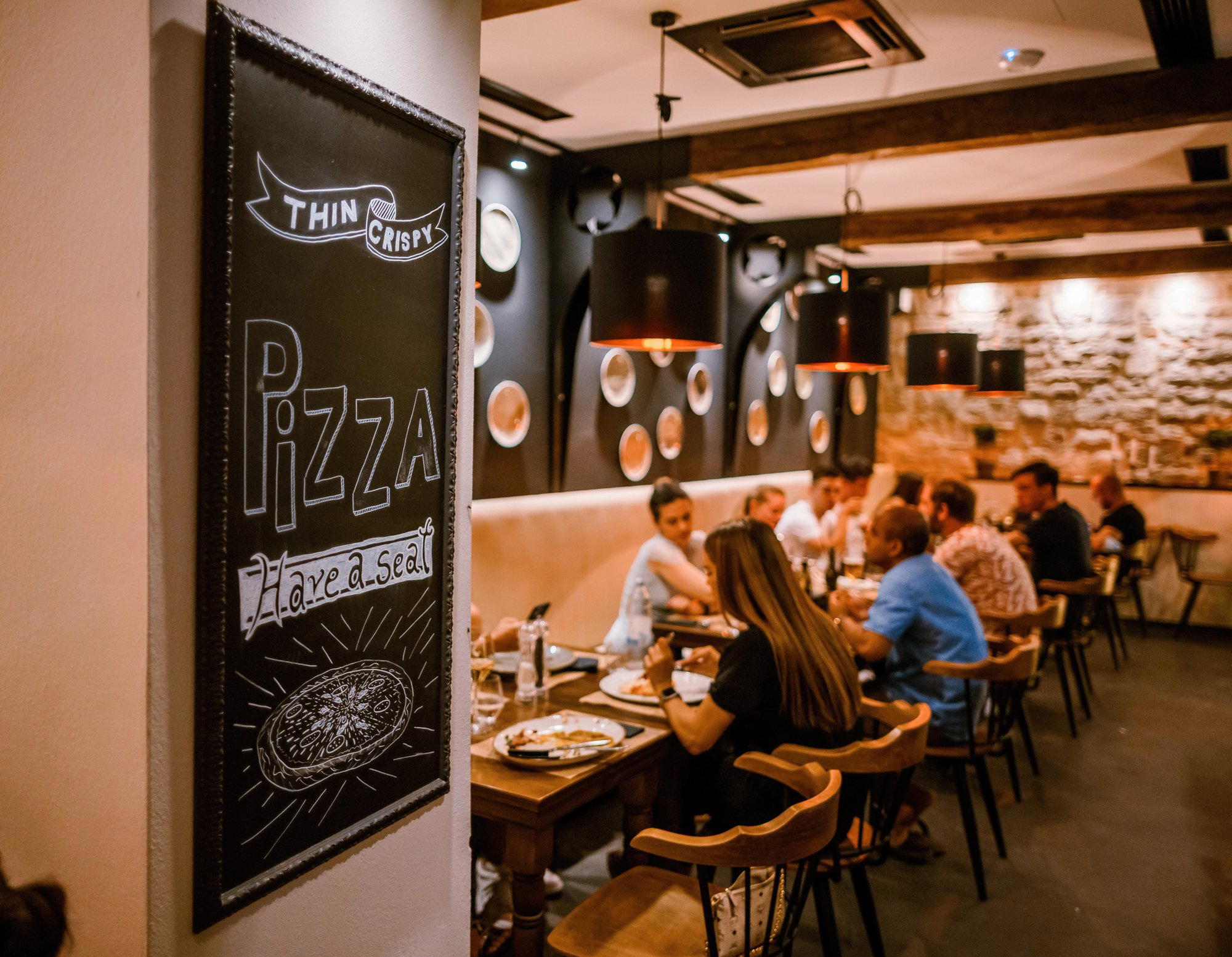
The restaurant occupies one position in a restaurant scene that has become genuinely varied at the leading end. 4kantuna works the traditional Dalmatian format with consistency; Bistro Pjat operates in the bistro register with local sourcing credentials; A'mare POP and Antiquus sushi@more POP represent the city's appetite for more internationally inflected formats. Bruschetta holds the mid-market Italian position that functions reliably across the Croatian coastal belt. Together, these addresses give the city a range that rewards spending more than a night or two, rather than treating Zadar purely as a transit point between Split and Istria.
For context on how Zadar compares to the wider Croatian fine-dining circuit: the Michelin-recognised kitchens in Croatia are concentrated in Istria, Zagreb, and the Dalmatian coast from Šibenik southward. Dubravkin Put in Zagreb and Krug in Split represent the urban anchor points of that circuit; LD Restaurant in Korčula and Korak in Jastrebarsko extend it into the islands and inland. Alfred Keller in Mali Lošinj demonstrates what is possible on a smaller island with serious culinary intent. Zadar has not yet produced a kitchen with that level of national recognition, but the conditions, sourcing depth, a growing independent visitor base, old town infrastructure, are present. Restaurant 360 in Dubrovnik shows what a city-defining address can do for a destination's culinary profile; Zadar has space for something analogous.
Planning Your Visit
The restaurant is located at Ul. Mihovila Pavlinovića 4 in Zadar's old town, a pedestrian-only zone accessible on foot from the main old town entry points. Old town restaurants in Zadar operate on compressed summer schedules that can shift significantly between June and September versus the shoulder months, so confirming current hours in advance is worth the extra step.
Similar Picks
Comparable venues nearby, for context on price, style, and recognition.
| Venue | Cuisine | Price | Notes |
|---|---|---|---|
| The BotanistThis venue — the venue you are viewing | Upmarket Vegan Dalmatian | $$$ | Not listed |
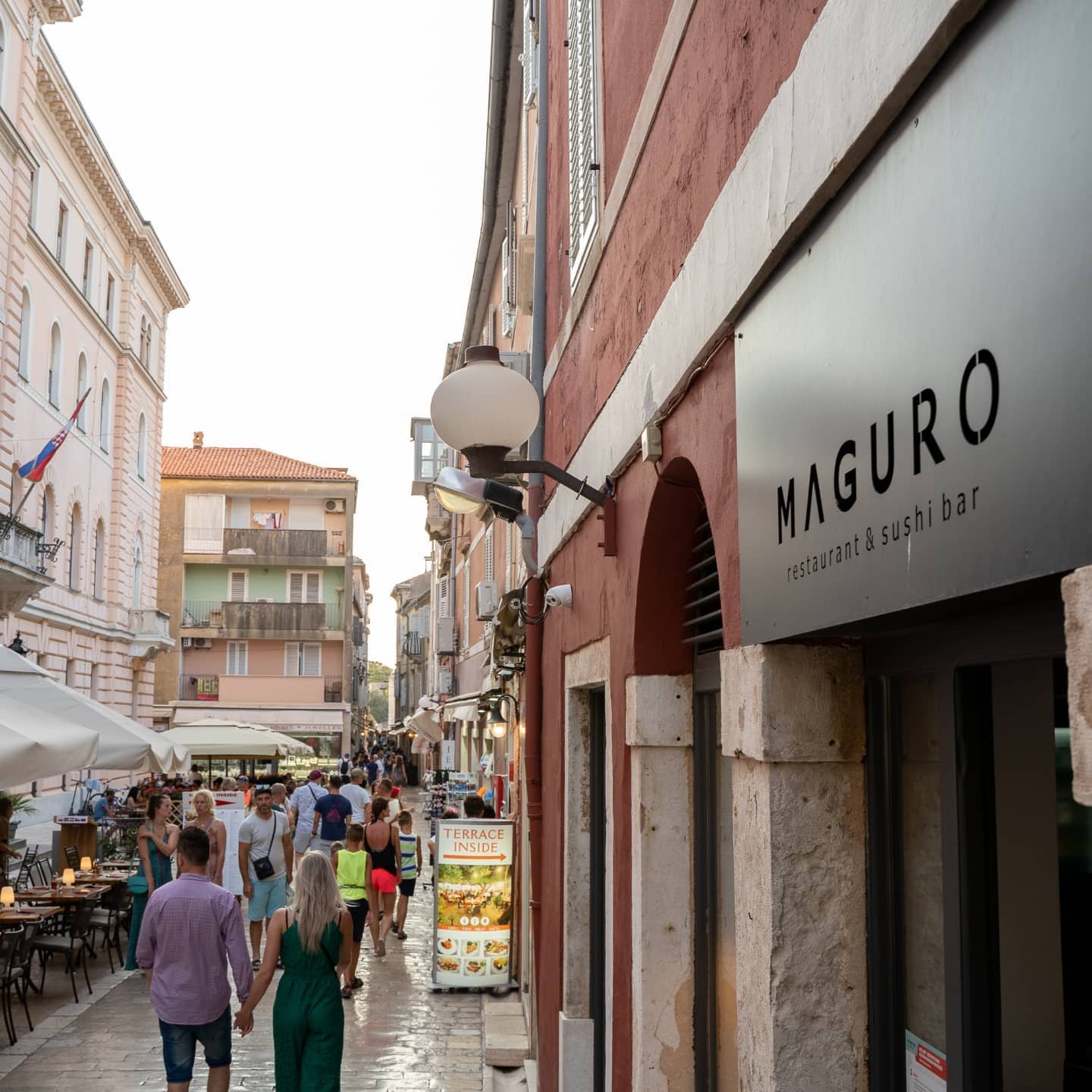
| Maguro | Japanese Sushi & Asian Fusion | $$ | Zadar Old Town |
| Bistro Pjat | Mediterranean Bistro with Croatian & Italian Influences | $$ | Old Town |
| Konoba Dalmatina | Traditional Croatian Seafood & Grill | $$ | Old Town |
| Tinel | Traditional Mediterranean & Dalmatian | $$$ | Old Town |
| Proto Food&More | Traditional Dalmatian Seafood & Mediterranean | $$ | Zadar Old Town |
Continue exploring
More in Zadar
Restaurants in Zadar
Browse all →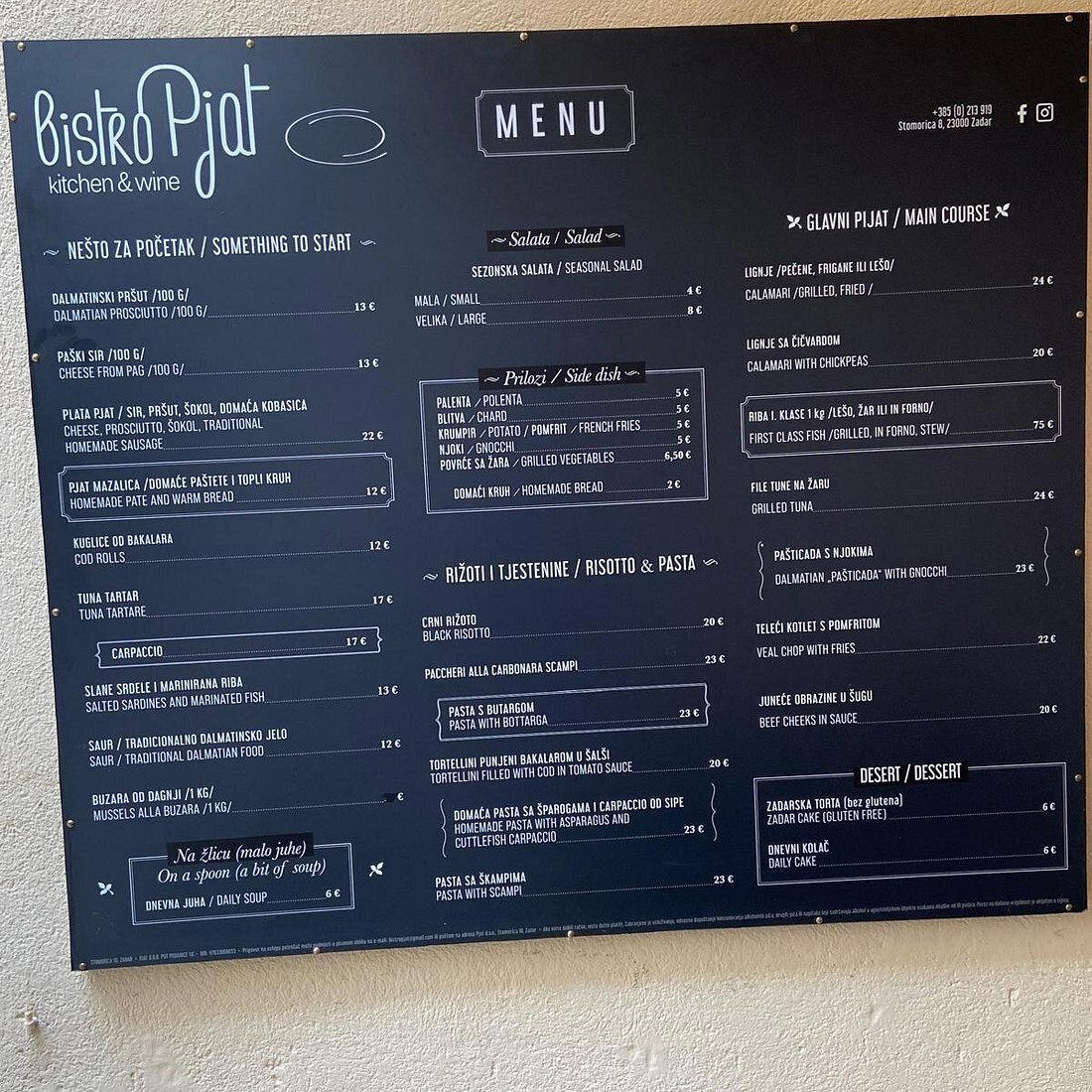
Bars in Zadar
Browse all →
Hotels in Zadar
Browse all →
Wineries in Zadar
Browse all →
At a Glance
- Elegant
- Romantic
- Scenic
- Sophisticated
- Cozy
- Date Night
- Special Occasion
- Celebration
- Waterfront
- Terrace
- Open Kitchen
- Craft Cocktails
- Farm To Table
- Local Sourcing
- Organic
- Waterfront
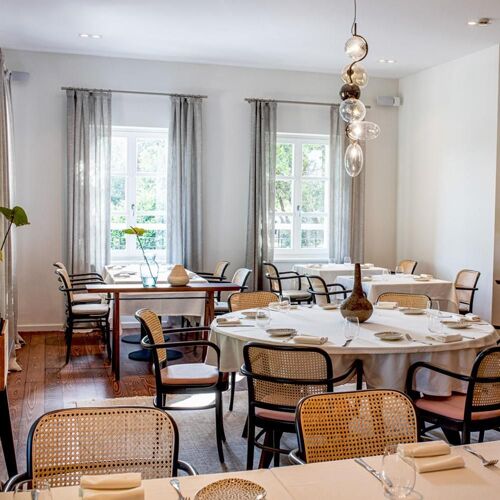
Warm and welcoming with stylish, cosy decor; seafront location with sunset views; refined atmosphere with attentive service and detailed ingredient explanations for each dish.