The Bonnie
The Bonnie occupies a corner of Astoria's 23rd Avenue that sits well outside Manhattan's dining conversation, which is partly the point. The room draws a neighbourhood crowd that treats it as a reliable local rather than a destination, and the menu reads accordingly: a working document of what a bar-restaurant in Queens does when it takes both sides of the equation seriously.
Pearl is the En Primeur Club membership app — saves, bookings, and concierge access live there. Same editors, same standards.
- Address
- 29-12 23rd Ave, Astoria, NY 11105
- Phone
- +17182742105
- Website
- thebonnie.com
- Directions
- Get directions
 Saves & bookings on Pearl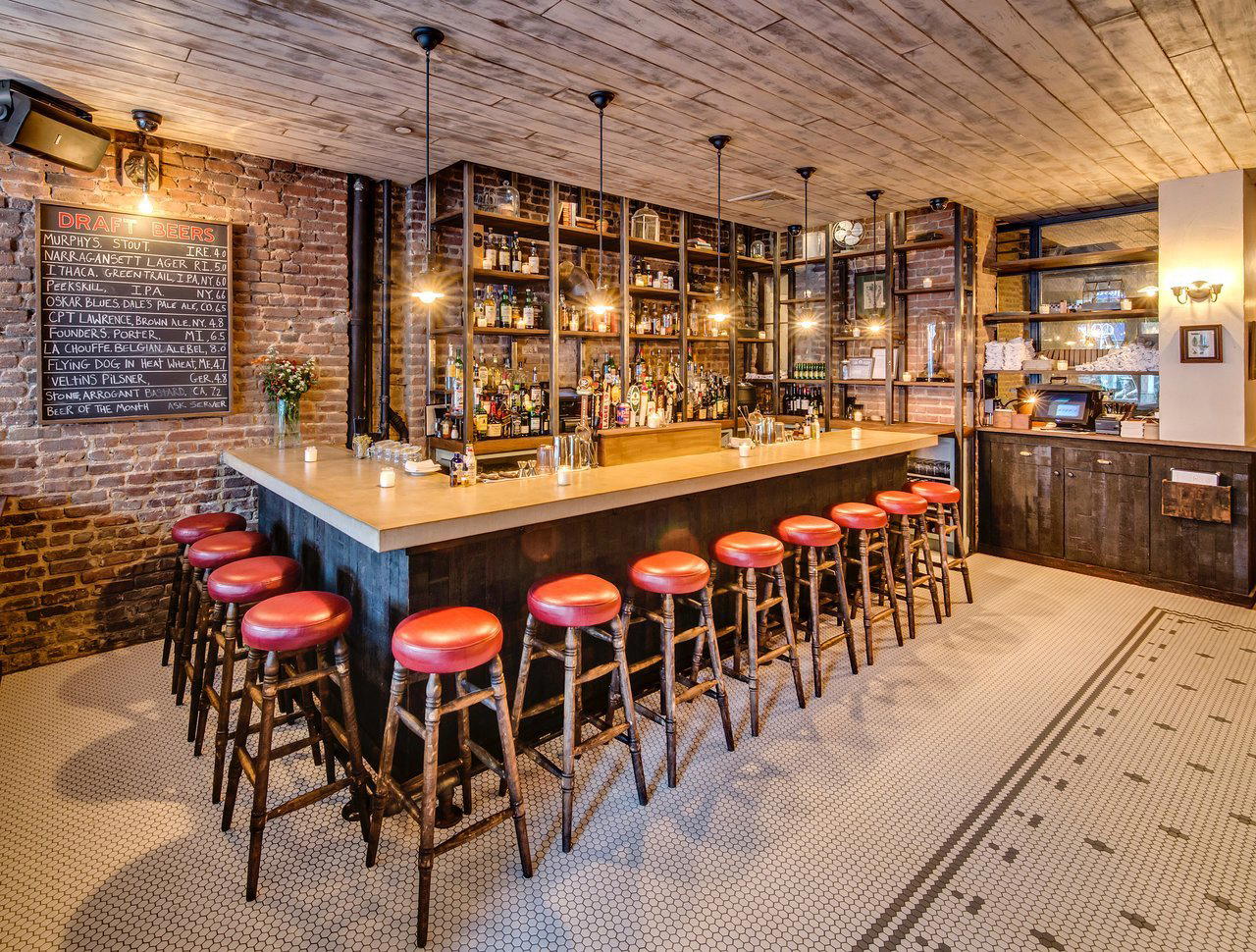
Astoria's Bar-Restaurant Formula, Examined
The outer boroughs have long operated a different kind of restaurant logic from Manhattan. Where Midtown and the Upper West Side reward formality and expense accounts, neighbourhoods like Astoria run on something closer to regularity: the table you return to on a Wednesday, the bar you trust on a Friday. The Bonnie, a restaurant in Astoria, Queens, belongs to that second category. It is a neighbourhood bar-restaurant in the fullest sense of the term, and understanding what that means in Queens in 2024 requires some context about how that format has evolved across the borough.
Astoria sits in a part of Queens that has always been culinarily plural. Greek tavernas, Egyptian coffee shops, and Brazilian churrascarias have coexisted on the same blocks for decades, and that density has made locals relatively unsentimental about novelty. A venue earns its place here by being dependable, not by being new. The Bonnie has positioned itself within that expectation rather than against it.
How the Menu Reads
The menu architecture at a bar-restaurant like The Bonnie carries more information than the individual dishes do. When a venue divides its list into shareable starters, heartier mains, and a bar snack tier that runs independently of the kitchen sequence, it is signalling two things simultaneously: that eating here is not meant to be linear, and that drinking is a co-equal purpose rather than an afterthought. This format has become the dominant model for ambitious neighbourhood bars across New York, from the lower-density pockets of Brooklyn to the stretch of Queens that runs from Long Island City toward Jackson Heights.
The structure implies a certain kind of hospitality. You are not being walked through a tasting sequence; you are being given a framework to assemble your own evening. That distinction matters because it shifts the burden of pacing from the kitchen to the guest, which in turn rewards repeat visitors who know which combinations work. A first-timer at a place like The Bonnie is slightly at a disadvantage compared to a regular, and that asymmetry is a design choice, not an oversight. The venues in Manhattan that operate at the opposite end of the spectrum, places like Masa or Per Se, remove that asymmetry entirely by controlling every variable. The trade-off is spontaneity.
Where Le Bernardin or Atomix present menus as authored documents, with a clear point of view imposed from the kitchen outward, the bar-restaurant format inverts that authorship. The menu becomes a set of suggestions rather than a statement. Whether that reads as liberating or undirected depends largely on what you are in the mood for when you sit down.
Astoria as a Dining Context
Locating the restaurant on 23rd Avenue places it in a part of Astoria that functions as a residential anchor rather than a dining corridor. The venue is not on a strip that draws destination traffic; it draws from the blocks immediately around it and from the broader Astoria population that moves along that axis by foot and by the N and W trains, both of which stop at the Astoria-Ditmars Boulevard station a short walk north. That catchment area shapes the room's character as much as any design decision does.
The outer-borough bar-restaurant format that restaurant represents sits in a different competitive set from its Manhattan counterparts. It is not competing with Jungsik for the tasting-menu audience, nor with the kind of chef-driven projects that read as career statements. The relevant comparable set is local: other Astoria rooms that have tried to hold a bar program and a kitchen together with equal seriousness, a short list in any neighbourhood. Nationally, the format echoes what venues like Lazy Bear in San Francisco and Alinea in Chicago have demonstrated at a higher register: that the relationship between drinking and eating in a single room is a design problem worth solving deliberately, even if the price tier differs substantially.
The Room and the Crowd
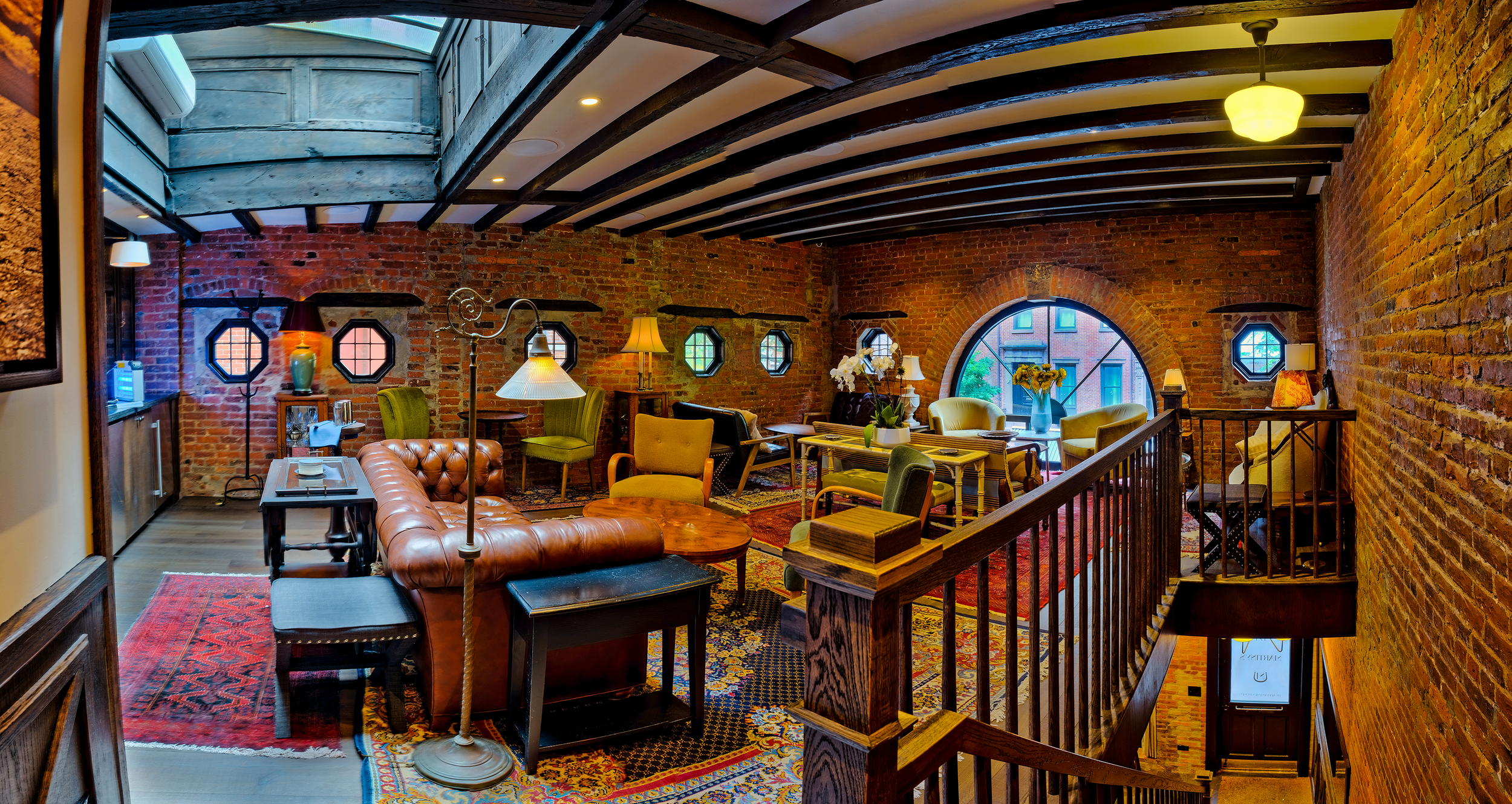
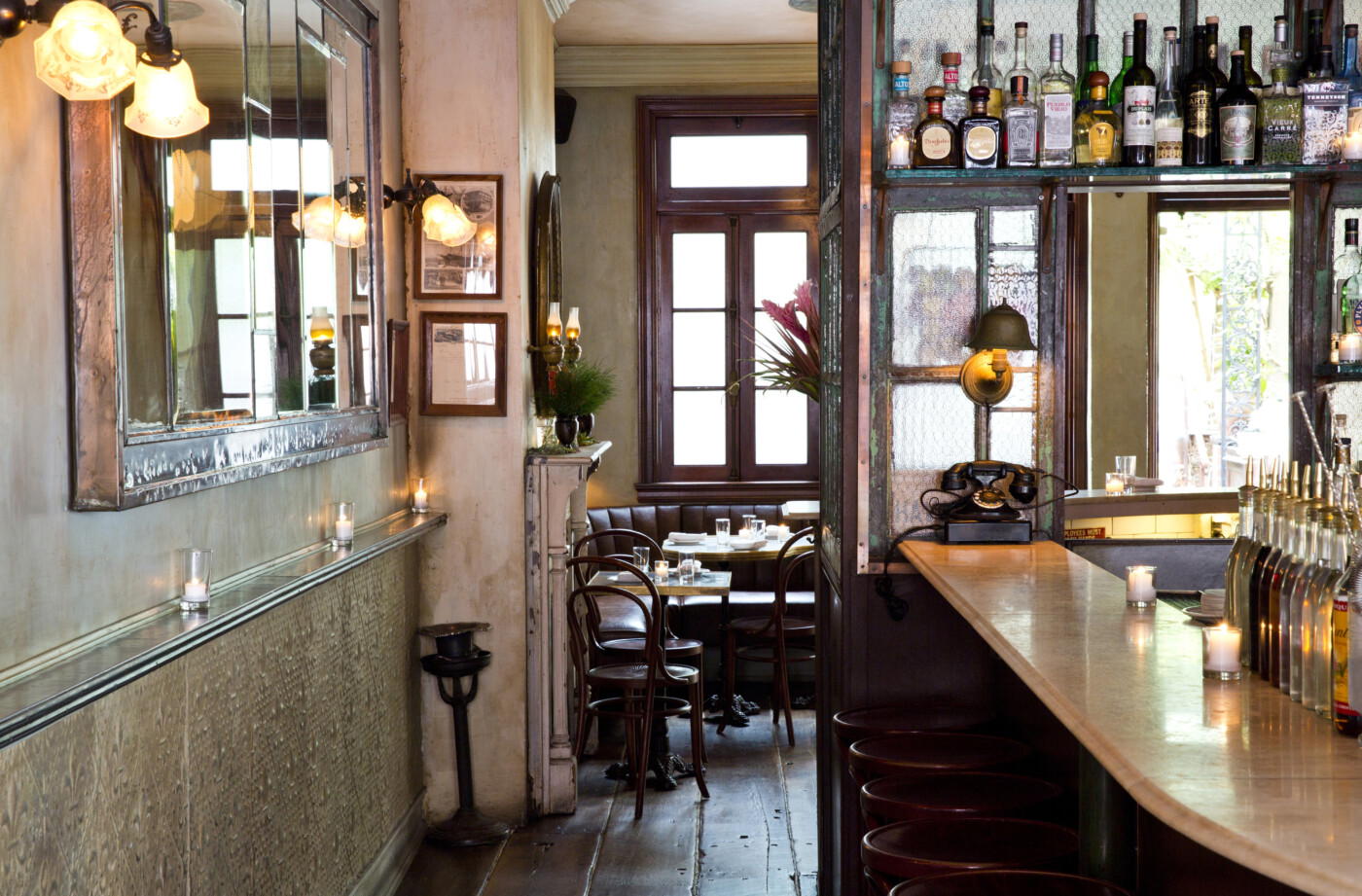
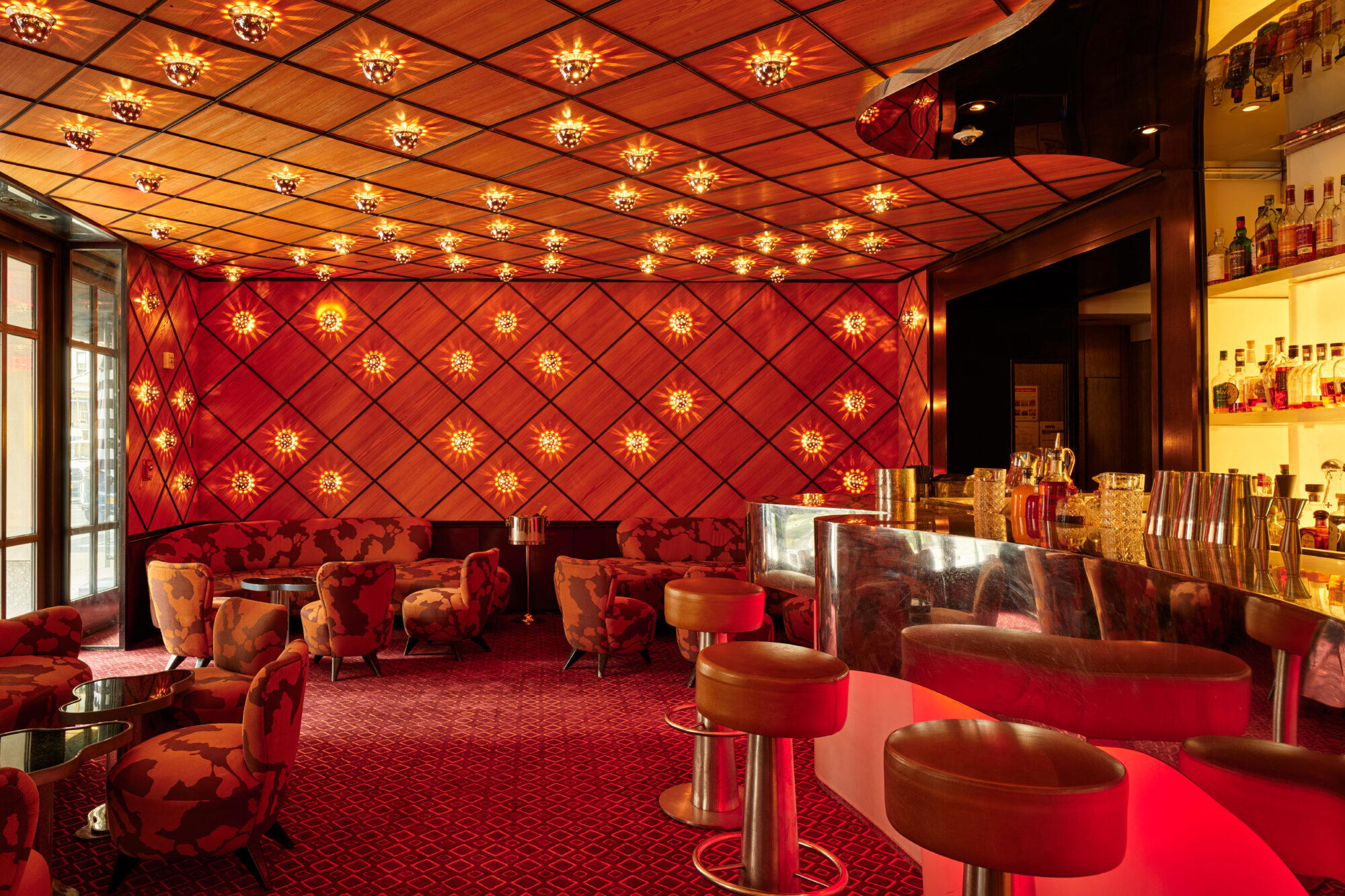
Neighbourhood bar-restaurants in Astoria tend to run warm and informal. The expectation is that the room absorbs the street, rather than insulating guests from it. That means a certain level of ambient noise is a feature rather than a flaw, and the lighting skews toward the kind of dimness that makes a Tuesday feel acceptable. The restaurant fits that pattern. It is the kind of room where the bar and the dining area exist in conversation with each other, where someone who came in for a drink might end up eating, and where someone who booked a table often ends up at the bar afterward.
That permeability is harder to engineer than it looks. Venues that try to run a serious cocktail program alongside a food menu often end up prioritising one at the expense of the other. The bar-focused rooms in the city that have held both with consistency, across the outer boroughs and in parts of lower Manhattan, tend to share a similar menu logic: the food list is built around items that survive the pace of bar service without losing coherence, while the drink list is deep enough to reward sustained attention. For comparison, Blue Hill at Stone Barns and Single Thread Farm in Healdsburg approach the food-and-drink integration question from a completely different angle, one built on agricultural sourcing and hyper-controlled hospitality rather than neighbourhood permeability, which illustrates how much the surrounding context shapes the solution.
Planning Your Visit
The restaurant is located at 29-12 23rd Avenue in Astoria, Queens, accessible via the N and W trains to Astoria-Ditmars Boulevard. Reservations: recommended. Dress: business casual. Budget: about $30 per person. Leading timing: Weekday evenings tend to run at lower volume than Friday and Saturday, which is worth factoring in if the ambient noise level matters to you.
Peers Worth Knowing
Comparable venues nearby, for context on price, style, and recognition.
| Venue | Cuisine | Price | Notes |
|---|---|---|---|
| The BonnieThis venue — the venue you are viewing | American Bar Food and Cocktails | $$ | Not listed |
| Barking Dog Hell's Kitchen | American Comfort Food | $$ | Hell's Kitchen |
| Egg | Egg-Centric American Cafe | $$ | Williamsburg |
| Empire Diner | Modern American Diner | $$ | Chelsea-Hudson Yards |
| Hole in the Wall | Australian-Inspired Gastropub | $$ | Financial District-Battery Park City |
| EJ's Luncheonette | Classic American Diner | $$ | Upper East Side-Carnegie Hill |
Continue exploring
More in New York City
Restaurants in New York City
Browse all →
Bars in New York City
Browse all →
Hotels in New York City
Browse all →





At a Glance
- Cozy
- Lively
- Intimate
- Brunch
- Late Night
- Casual Hangout
- Private Dining
- Craft Cocktails
Current opening hours
- Monday
- 4 PM–12 AM
- Tuesday
- 4 PM–12 AM
- Wednesday
- 4 PM–12 AM
- Thursday
- 4 PM–12 AM
- Friday
- 12 PM–2 AM
- Saturday
- 10 AM–2 AM
- Sunday
- 10 AM–12 AM
Hours can change for holidays and private events. Last verified .
Warm, intimate vibe with a bustling bar and inviting setting, featuring a lush garden with retractable roof.