On Rua Santos Dumont in Brusque's Santa Terezinha district, Strong Açaí sits within a city that takes its informal food culture seriously. The address places it squarely in a neighbourhood where quick, purposeful eating is a daily ritual rather than an occasion. For anyone tracking açaí as it moves from Amazonian staple to a structured food category across Brazilian cities, Brusque offers a grounded, unpretentious lens.
Pearl is the En Primeur Club membership app — saves, bookings, and concierge access live there. Same editors, same standards.
- Address
- R. Santos Dumont, 149 - Santa Terezinha, Brusque - SC, 88352-202, Brazil
- Phone
- +5547999033086
- Website
- thebestacai.com.br
- Directions
- Get directions
 Saves & bookings on Pearl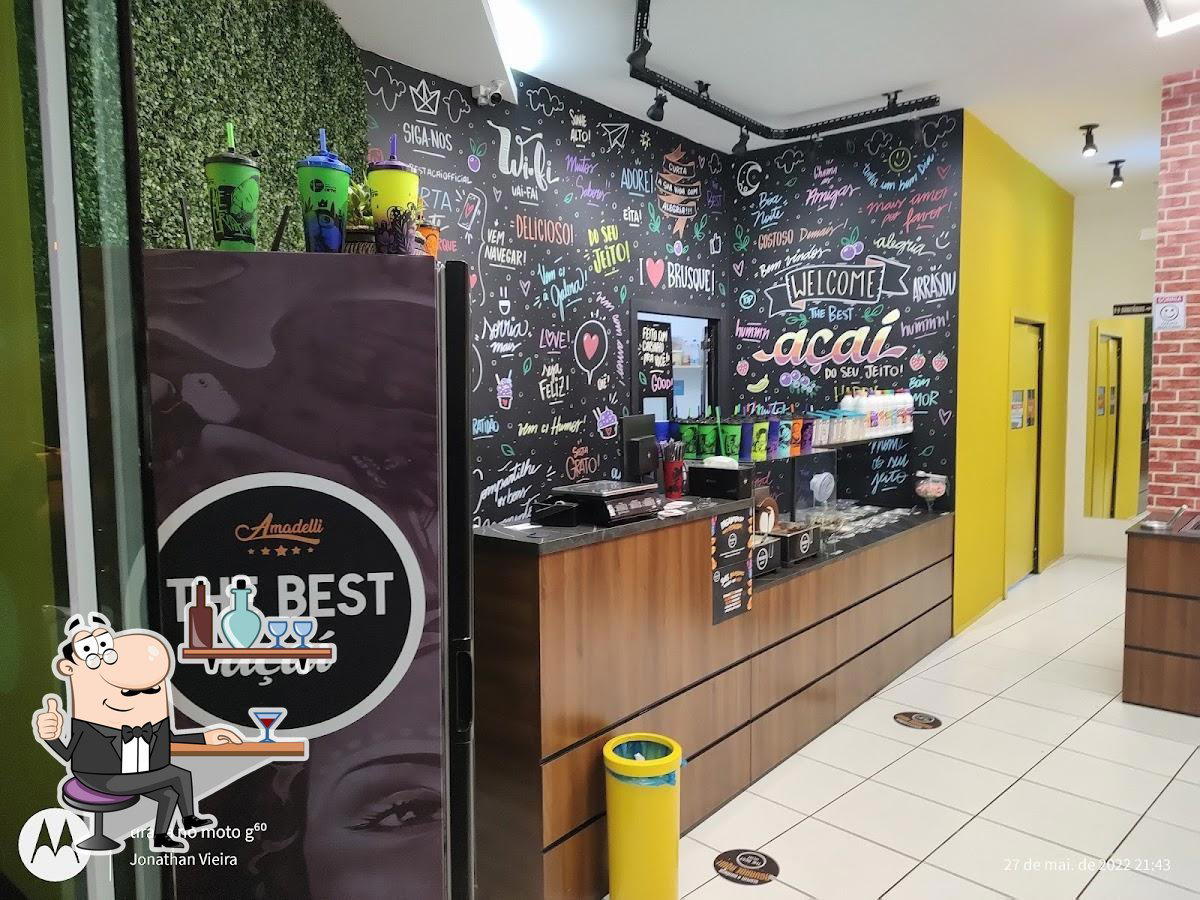
Açaí as Daily Ritual: What Brusque Tells You About Brazil's Most Misunderstood Food
There is a particular rhythm to how Brazilians approach açaí that separates the experience from anything the fruit's international reputation would suggest. In cities like Brusque, in the textile-producing interior of Santa Catarina, the bowl is not a wellness statement or a brunch accessory. It arrives as a practical meal, dense and caloric, eaten quickly and without ceremony by people who have somewhere to be. The Best Açaí - Brusque, at R. Santos Dumont, 149 in the Santa Terezinha district, sits inside that tradition rather than performing it for an outside audience.
Santa Terezinha is a working neighbourhood. Its streets run with the practical commerce of a mid-sized industrial city rather than the curated hospitality of a tourist corridor. Addresses here signal accessibility over aspiration, and the açaí counter fits accordingly. This is the kind of place where the ritual of ordering has been compressed to muscle memory for regulars: bowl size, toppings, granola or not, banana sliced or whole. The customisation is real but untheatrical, and the pace is set by the customer rather than the kitchen.
The Amazonian Berry and Its Migration South
To understand what a place like The Leading Açaí represents, it helps to track how açaí travelled. The fruit, harvested from palm trees native to the Amazon basin, was a staple food in the north and northeast of Brazil long before it became a branded product. In Belém do Pará, açaí is eaten with fish, with faroinha, with salt. It functions as a savory carbohydrate base, not a sweetened dessert. The transformation into the cold, sweetened, granola-topped bowl now found across Brazil, and eventually in health food counters from Tokyo to London, happened gradually through the 1980s and 1990s as the fruit moved south.
By the time açaí reached Santa Catarina in volume, it had already been reframed. Southern Brazilian cities adapted the product to local eating habits: colder preparation, more sugar, more toppings, sold in formats that competed with ice cream and quick-service snacks. Brusque, as a practical industrial city rather than a beach resort, developed its own version of this relationship, one oriented around convenience and caloric value rather than lifestyle signalling. Venues like this one are evidence of that local adaptation, positioned within a broader category that includes everything from açaí kiosks at shopping centres to premium acerola-blended bowls at coastal wellness spots.
For context on how Brazil's broader dining identity developed, D.O.M. in São Paulo and Lasai in Rio de Janeiro represent the formal restaurant end of the spectrum, where native Brazilian ingredients are treated with structural precision. The açaí counter occupies the opposite end: informal, fast, and embedded in daily life.
How the Meal Actually Works
The dining ritual at an açaí counter has its own logic, and it differs from both fast food and sit-down service. You make decisions upfront. The preparation is sequential rather than cooked to order. Once your bowl is built, it typically does not change. This front-loaded customisation structure means the quality of the experience depends heavily on the precision of the initial assembly: the temperature of the açaí base, the freshness of the fruit toppings, the balance between sweetness and bitterness that separates a well-made bowl from a sugary approximation.
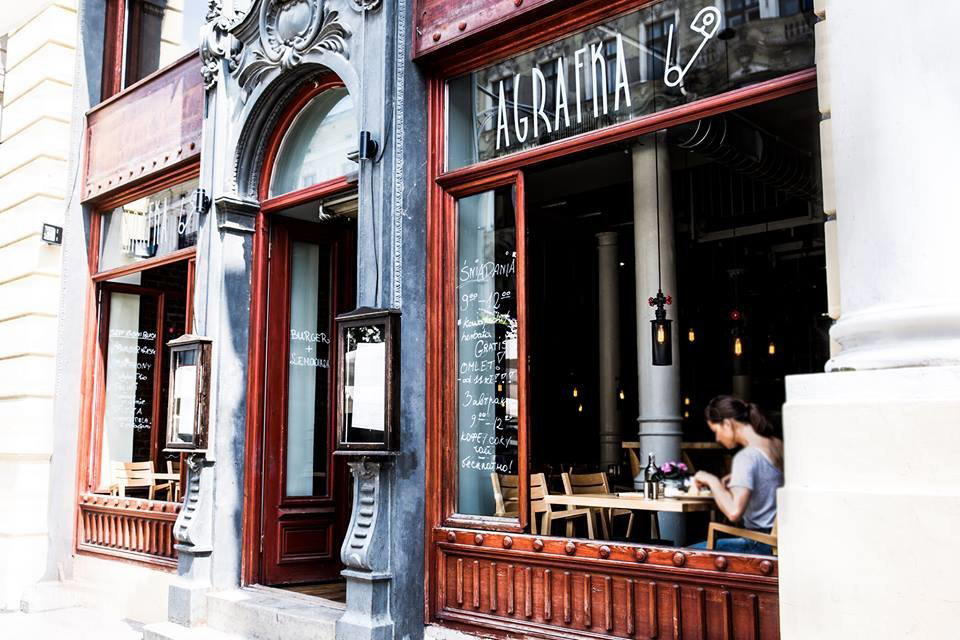
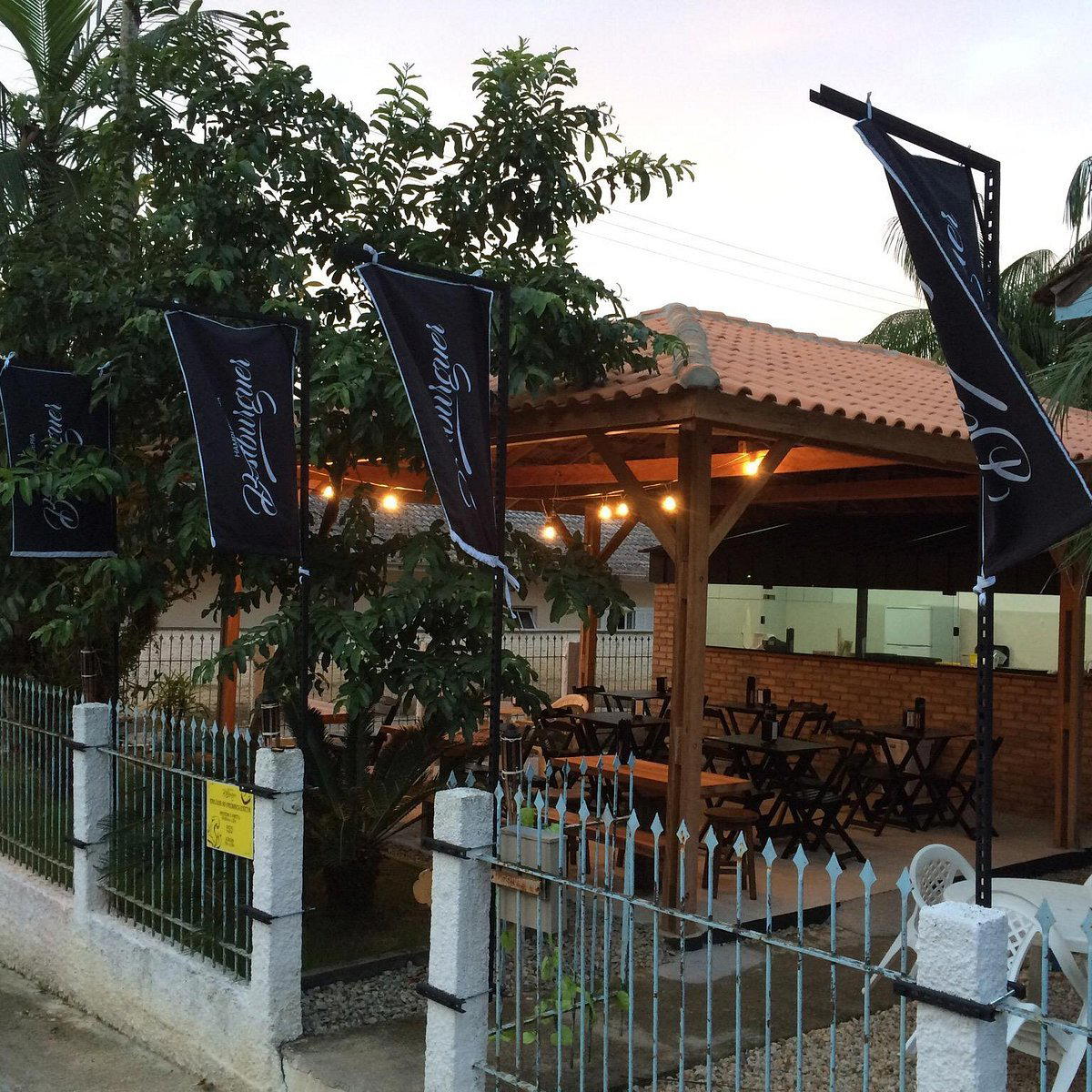
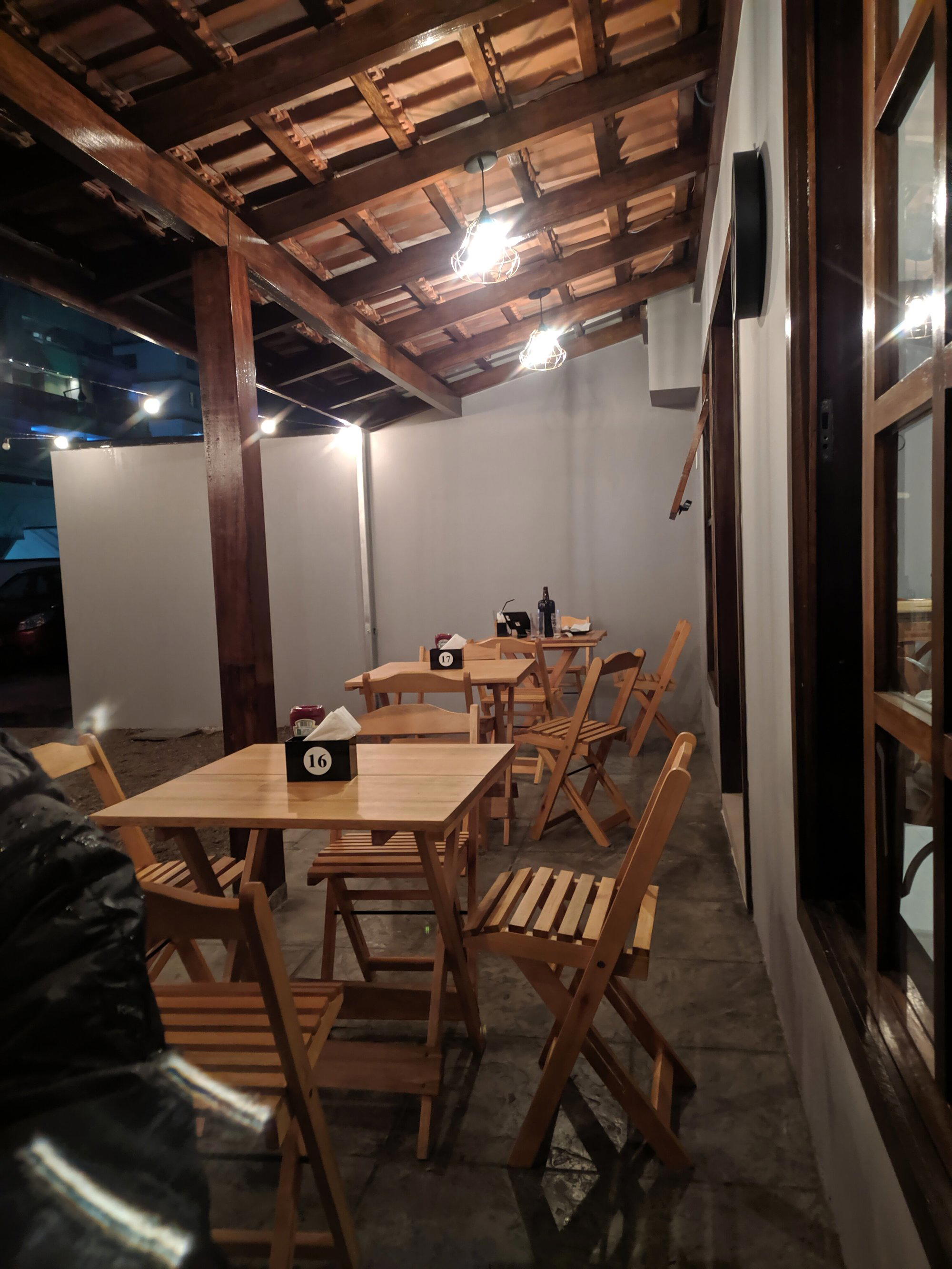
In Brusque specifically, the competing casual food options create a useful comparison point. Bestburguer Brusque and Canas Hamburgueria represent the burger end of the city's informal eating options, both operating within a similar quick-service register. Restaurante Kioski das Delícias broadens the picture further toward snack-format eating. Lodz Cervejaria shifts the register to craft beer and a longer, more social table format. The açaí counter sits in a different category from all of them: solo or small-group, transactional in pace, and built around a single product rather than a menu range.
Brusque as a Dining City
Brusque is not a city that appears frequently in Brazilian food media, and that absence is informative. The city's economy is rooted in textiles and manufacturing rather than tourism or gastronomy, which means its food scene developed to serve residents rather than visitors. This produces a certain directness: restaurants and counters here compete on value, consistency, and neighbourhood trust rather than on editorial coverage or social media visibility.
For a visitor arriving from outside Santa Catarina, the city offers a grounded look at how Brazilians actually eat day-to-day, outside the showcase restaurants of São Paulo and Rio. The informal food addresses on Rua Santos Dumont and surrounding streets carry more ethnographic weight than any single tasting menu. Açaí in this context is not an ambassador food designed to represent Brazilian cuisine outward; it is simply part of how the city eats. For a fuller picture of what's available in the city, the full Brusque restaurants guide covers the breadth of options across the different neighbourhoods and price points.
Further afield across Brazil, the informal eating landscape is equally varied. Aero Burguer e Grill in Santa Cruz Do Sul, Cantina Pozzobon in Santa Maria, and Fornazzo Pizzaria in Passo Fundo each represent how smaller Brazilian cities build their food identities around specific product categories. The same pattern plays out in Famosa Pizza in Ribeirao Preto, Casa da Flor Restaurante in Dourados, and Casa da Picanha Penedo in Itatiaia. Across different geographies and price points, Bistro Fitz Carraldo in Manaus, Arte e café Imperial - Matriz in Angra Dos Reis, and Casa da Dika Restô e Eventos in Braganca each show how deeply local dining culture roots itself in specific ingredients and formats. For those building comparisons far outside Brazil, Le Bernardin in New York City and Atomix in New York City illustrate the other end of the formal dining axis entirely.
Planning a Visit
The address, R. Santos Dumont, 149, Santa Terezinha, Brusque, SC, places the venue in a walkable zone within its district. It is open daily from 1 to 10 PM. At roughly $8 per person, it sits in the lower-mid range for casual dining. No booking is required or expected; açaí counters operate on walk-in traffic by design.
Where It Fits
Comparable venues nearby, for context on price, style, and recognition.
| Venue | Cuisine | Price | Notes |
|---|---|---|---|
| The Best Açaí - BrusqueThis venue — the venue you are viewing | Brazilian Açaí Self-Service | $$ | Not listed |
| Restaurante Kioski das Delícias | Brazilian & Italian Home-style | $$ | City Center |
| Lodz Cervejaria | Brazilian Brewery | Not listed | Brusque |
| Canas Hamburgueria | American Hamburgers & Snacks | $ | Not listed |
| Bestburguer Brusque | American Burgers | $ | Centro |
| Lobby Café | Brazilian Café | $$ | Not listed |

At a Glance
- Casual Hangout
Current opening hours
- Monday
- 1–10 PM
- Tuesday
- 1–10 PM
- Wednesday
- 1–10 PM
- Thursday
- 1–10 PM
- Friday
- 1–10 PM
- Saturday
- 1–10 PM
- Sunday
- 1–10 PM
Hours can change for holidays and private events. Last verified .